CHECKING...
Rookie Gamer Live Broadcast
0
0%
10k


📅 November 02, 2026

Top November 2026 Video Game Releases: Explore Highly Anticipated Titles Coming Soon to PC and Consoles

Top November 2026 Video Game Releases: Explore Highly Anticipated Titles Coming Soon to PC and Consoles

Welcome to our curated guide highlighting the most notable video game releases scheduled for November 2026. Rather than listing every single launch on digital storefronts, our selection focuses on key titles identified through community interest and popularity metrics to help you track the month's standout gaming moments.

LOADED GAMESTORE DISCOUNT COUPONS

Looking for a better price on your next game? Before buying, compare the current Steam price with the offers available through  LOADED .

You can also check the latest  LOADED  discount codes available on Rookie Gamer Coupons.

GET DISCOUNT COUPONS

ArcheAge Chronicles

ArcheAge Chronicles cover

ArcheAge Chronicles is an ambitious action-driven MMORPG developed and published by XLGAMES, taking players back to the expansive fantasy realm of Auroria. Designed to appeal to both long-time fans of the franchise and newcomers, the title emphasizes immersive world-building combined with dynamic combat mechanics.

As an online action RPG with open-world exploration, PvE encounters, and PvP battle modes, the game blends traditional medieval fantasy themes with rich lore and realistic nature-focused visual design. Players navigate a 3D third-person world while taking part in lore-heavy adventures and strategic action combat.

Scheduled for launch in Early Access on November 3, 2026, ArcheAge Chronicles is listed on Steam at $29.99 for PC, with IGDB data listing availability across PC, PlayStation 5, and Xbox Series X|S. Its strong blend of narrative exploration and action mechanics makes it a highlighted release to watch this month.

As always, release dates, pricing, and platform availability remain subject to change by publishers prior to launch. We recommend comparing current prices and checking for available Loaded coupons before completing your purchase to ensure you get the best deal on upcoming games.

Every Assassin's Creed Game Ranked from Worst to Best

Every Assassin's Creed Game Ranked from Worst to Best

Since its groundbreaking debut in 2007, Ubisoft's iconic action-adventure franchise has taken players across pivotal moments in human history. From the Crusades and the Renaissance to ancient Egypt and the Viking Age, the series has constantly evolved its gameplay, stealth mechanics, and narrative design.

With dozens of hours of historical exploration packed into every entry, deciding which title reigns supreme can be a daunting task. Here is the definitive ranking of every main entry in the Assassin's Creed series, evaluated based on combat mechanics, story quality, world design, and historical immersive atmosphere.
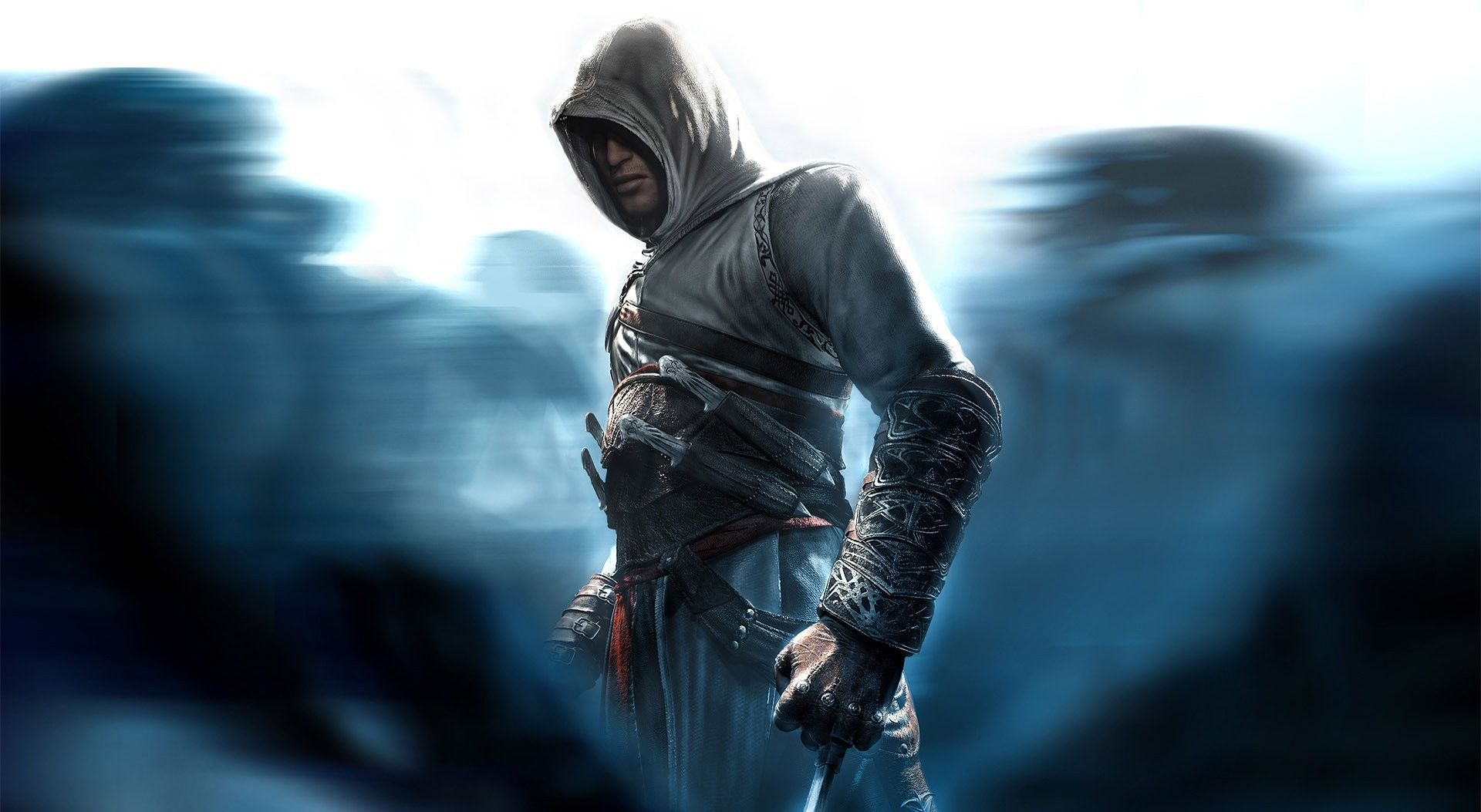
Assassin's Creed

13. Assassin's Creed (2007)

The game that started it all introduced revolutionary social stealth mechanics, fluid parkour movement, and a fascinating historical conflict between Assassins and Templars. Playing as Altaïr Ibn-La'Ahad during the Third Crusade laid the foundation for the entire franchise. However, modern playthroughs reveal repetitive mission structures, clunky combat systems, and limited side activities. While historical significance remains high, gameplay has aged less gracefully than its successors.
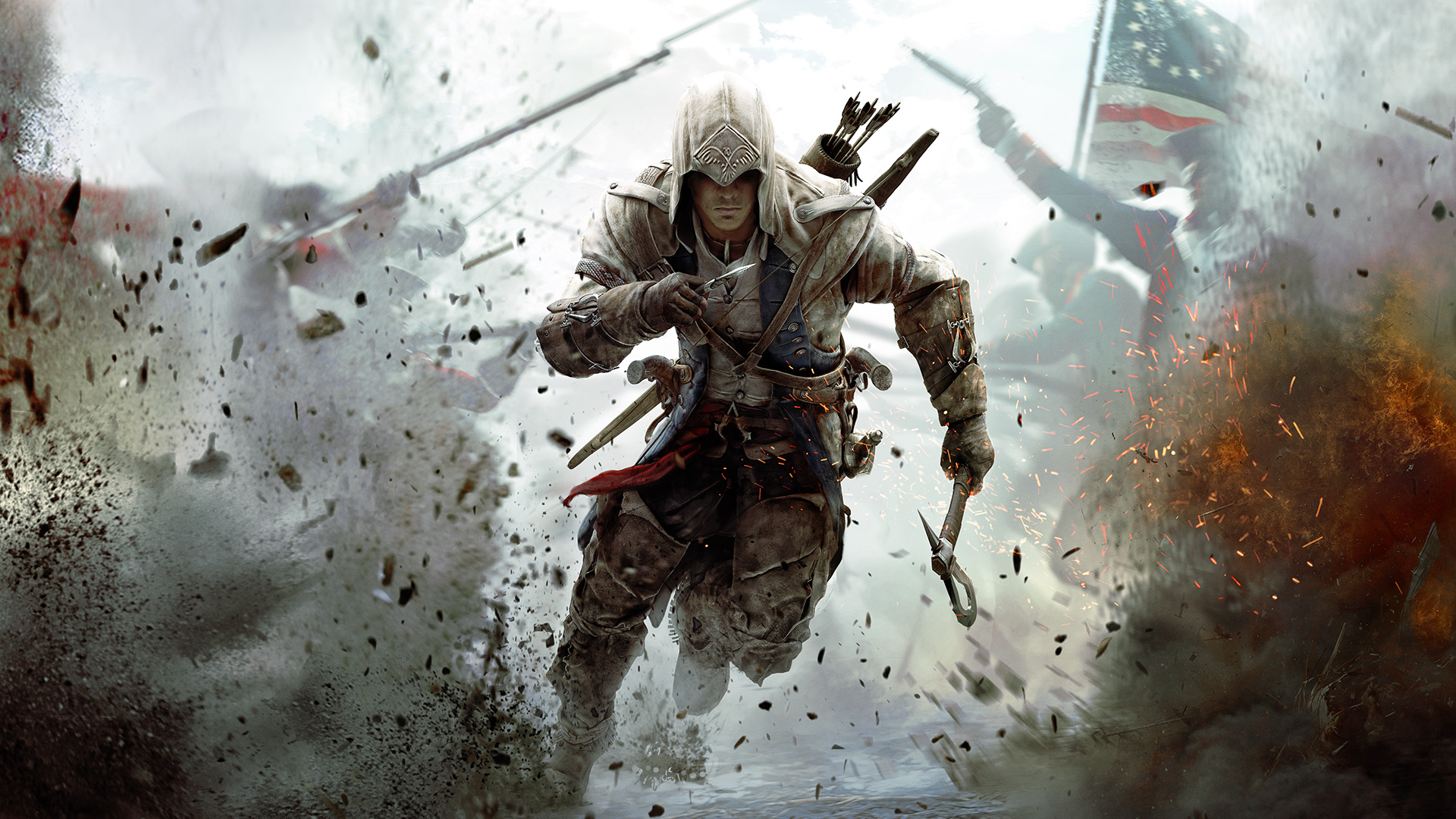
Assassin's Creed III

12. Assassin's Creed III (2012)

Assassin's Creed III took a major leap by moving the setting to the American Revolution. Introducing Ratonhnhaké:ton (Connor), the game featured impressive tree parkour, dense wilderness environments, dynamic season changes, and early iterations of naval combat. Unfortunately, a sluggish tutorial phase spanning several hours and a polarizing protagonist held this ambitious entry back from reaching true greatness.

Assassin's Creed Rogue

11. Assassin's Creed Rogue (2014)

Released alongside current-gen offerings, Assassin's Creed Rogue often gets overlooked. It flipped the narrative script by putting players in the boots of Shay Patrick Cormac, an Assassin turned Templar assassin-hunter. Refining the naval gameplay perfected in earlier titles and offering a captivating story perspective, its primary drawback remains a short main campaign and heavy asset reuse.

Assassin's Creed Syndicate

10. Assassin's Creed Syndicate (2015)

Set during Victorian London's Industrial Revolution, Assassin's Creed Syndicate introduced dual protagonists, Jacob and Evie Frye. The addition of a rope launcher completely changed urban traversal, allowing swift scaling of massive factory buildings. While its lighthearted tone and gang takeover activities provided fun sandbox gameplay, the simplified combat system and low stakes reduced overall narrative impact.
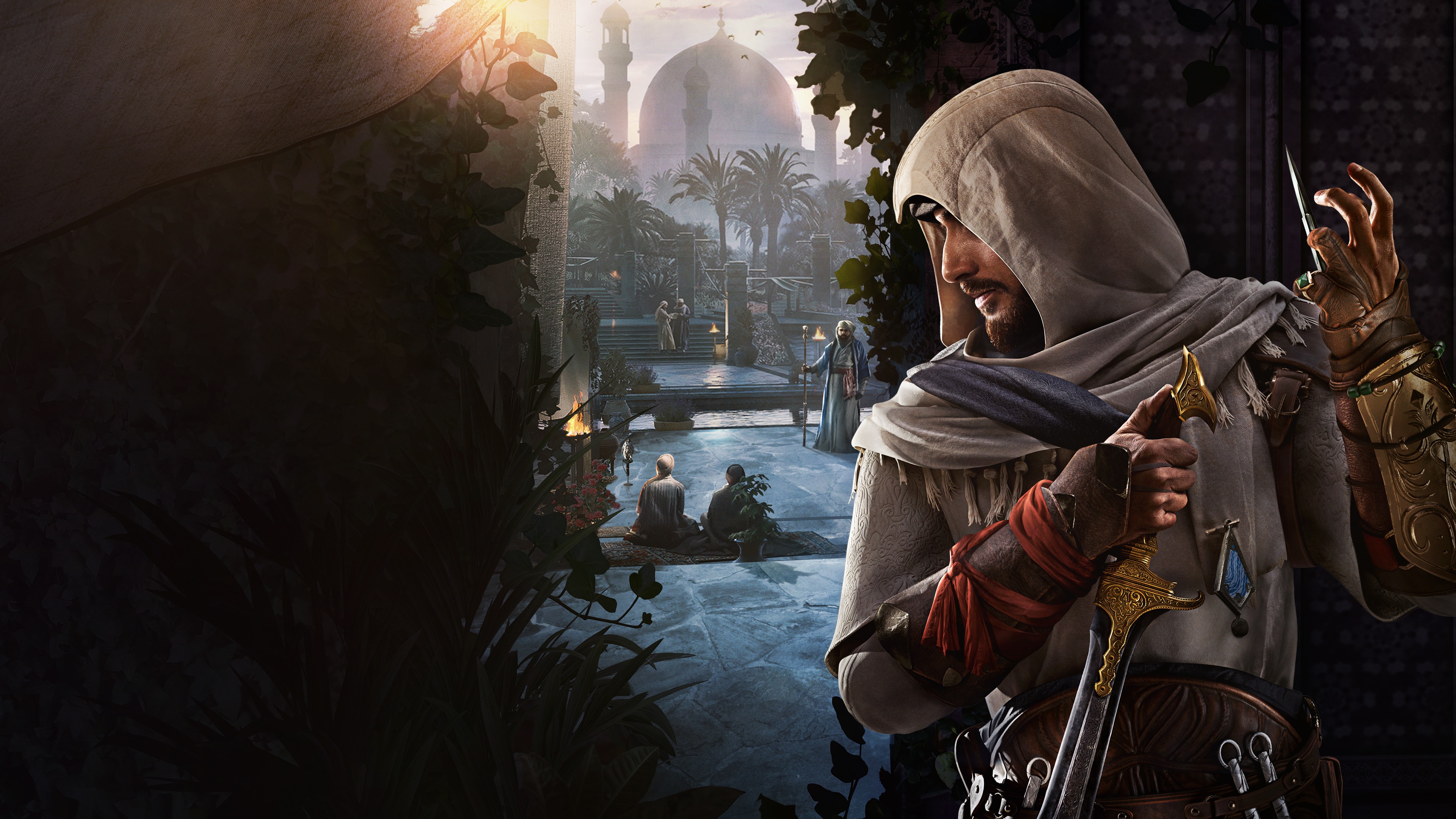
Assassin's Creed Mirage

9. Assassin's Creed Mirage (2023)

Designed as a love letter to the original titles, Assassin's Creed Mirage shifted focus back to dense urban stealth, social blending, and targeted assassinations in 9th-century Baghdad. Following Basim Ibn Ishaq, the game pared back massive open-world RPG mechanics in favor of a tighter, narrative-driven adventure. Though appreciated by classic fans, its scale and combat feel somewhat limited compared to modern blockbuster entries.
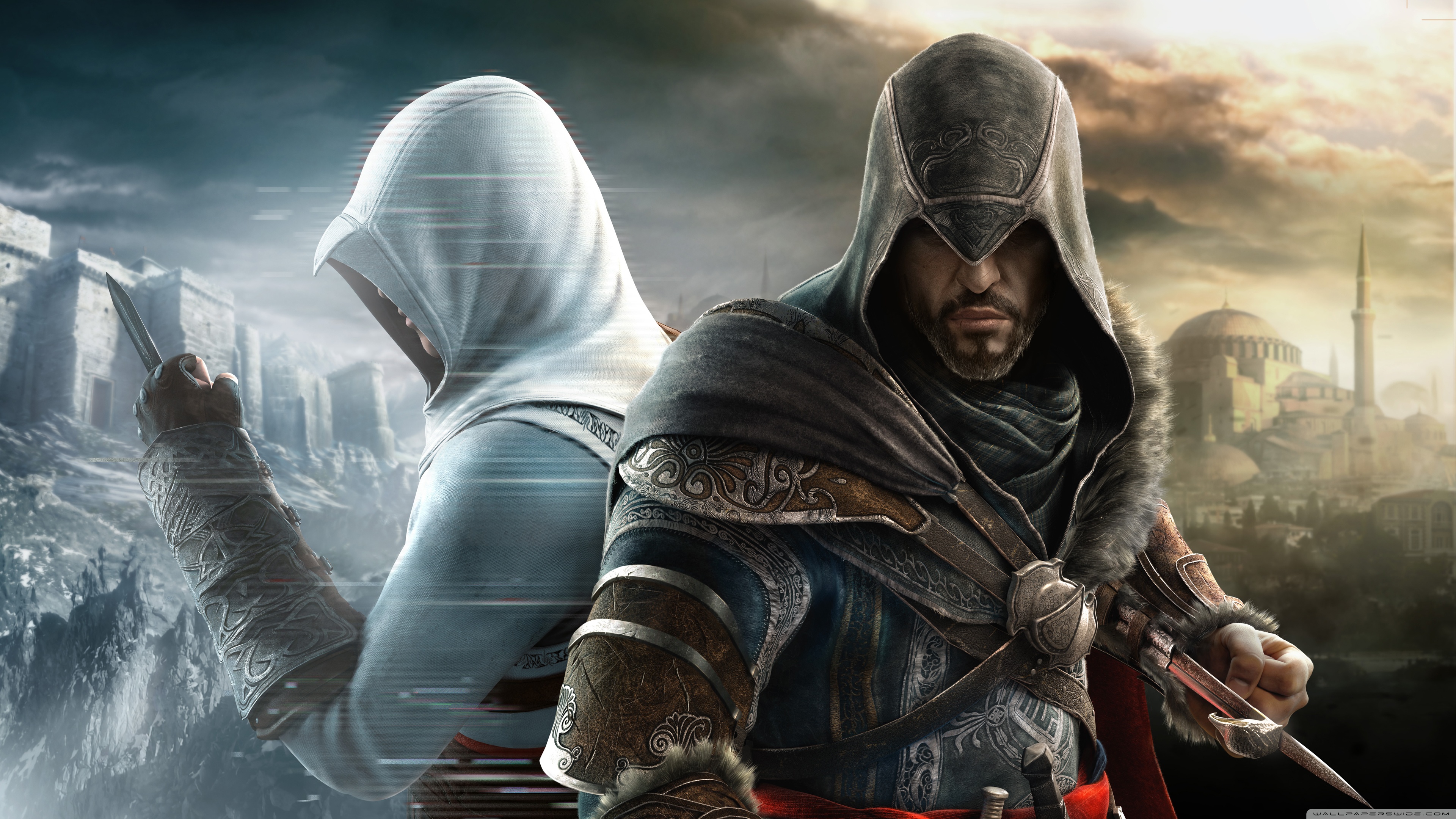
Assassin's Creed Revelations

8. Assassin's Creed Revelations (2011)

Serving as the emotional conclusion to both Ezio Auditore and Altaïr's stories, Assassin's Creed Revelations brought players to 16th-century Constantinople. The Hookblade mechanic improved climbing speed and zip-line traversal. While the narrative offered a deeply satisfying farewell to legendary heroes, shoehorned minigames like tower defense detracted from the core experience.
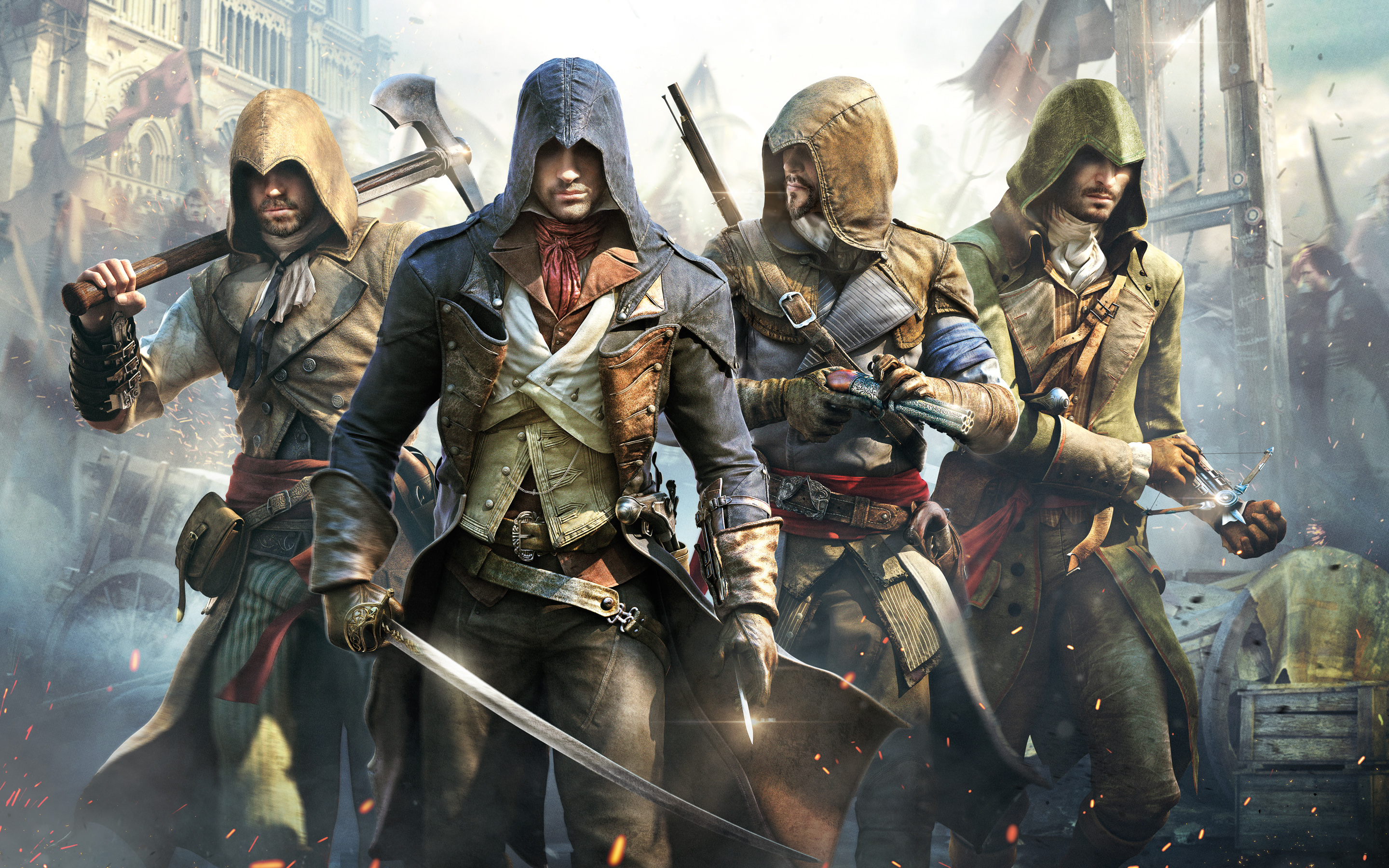
Assassin's Creed Unity

7. Assassin's Creed Unity (2014)

Despite a notoriously troubled launch, modern patches have revealed Assassin's Creed Unity as a technical marvel ahead of its time. 18th-century Paris features the most impressive NPC crowds and gorgeous architectural scale in the series. With dedicated controlled parkour mechanics and fluid black-box assassination missions, Arno Dorian's story stands today as a pinnacle of classic stealth gameplay.
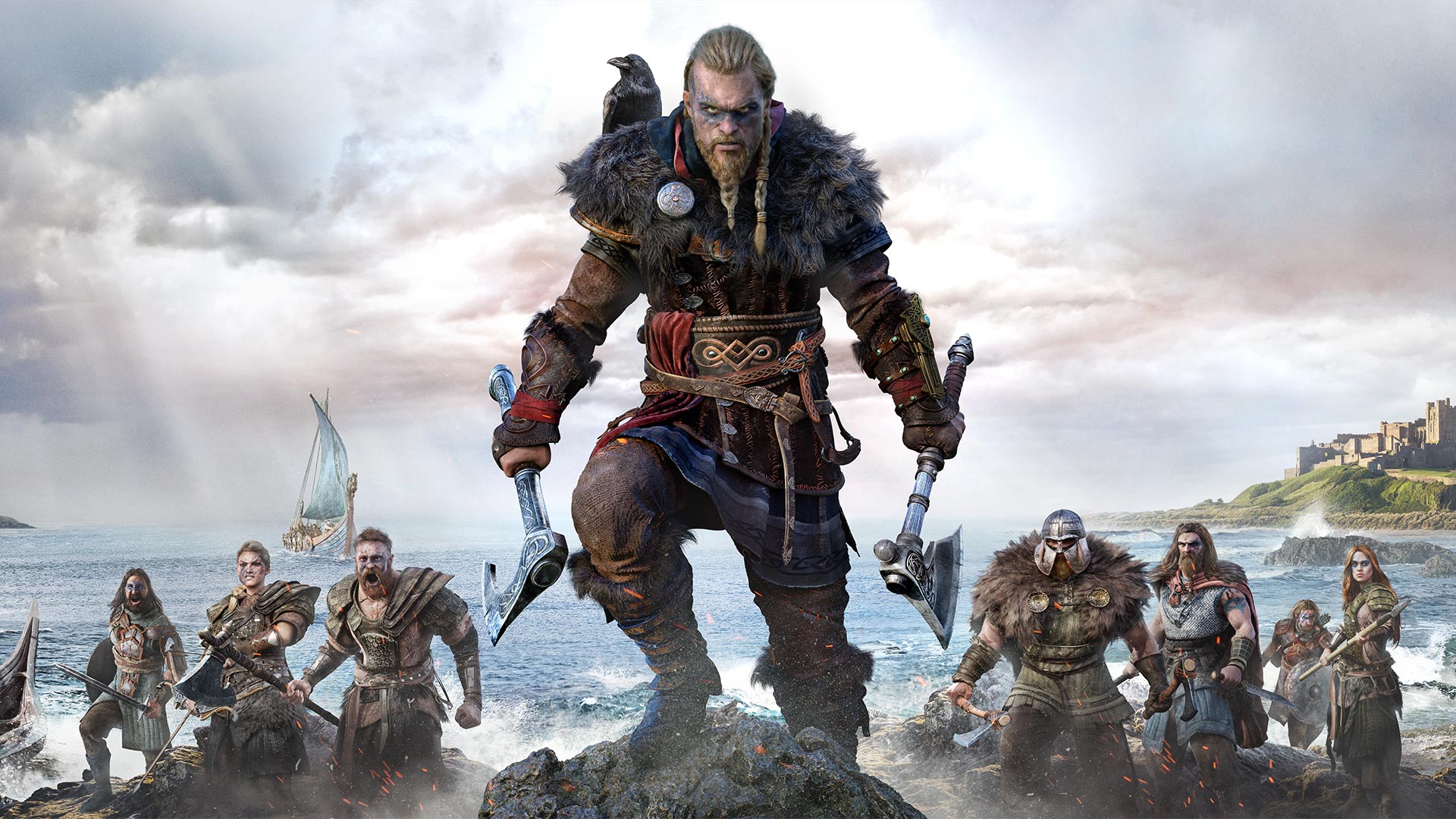
Assassin's Creed Valhalla

6. Assassin's Creed Valhalla (2020)

Assassin's Creed Valhalla took players into the Dark Ages as Eivor, a Viking raider conquering Anglo-Saxon England. Featuring brutal dual-wield combat, settlement building, and epic river raids, the game offers immense content value. Its sheer length—exceeding 80 hours for a standard playthrough—can lead to pacing fatigue, but its mythical lore and kingdom-building remain highly engaging.
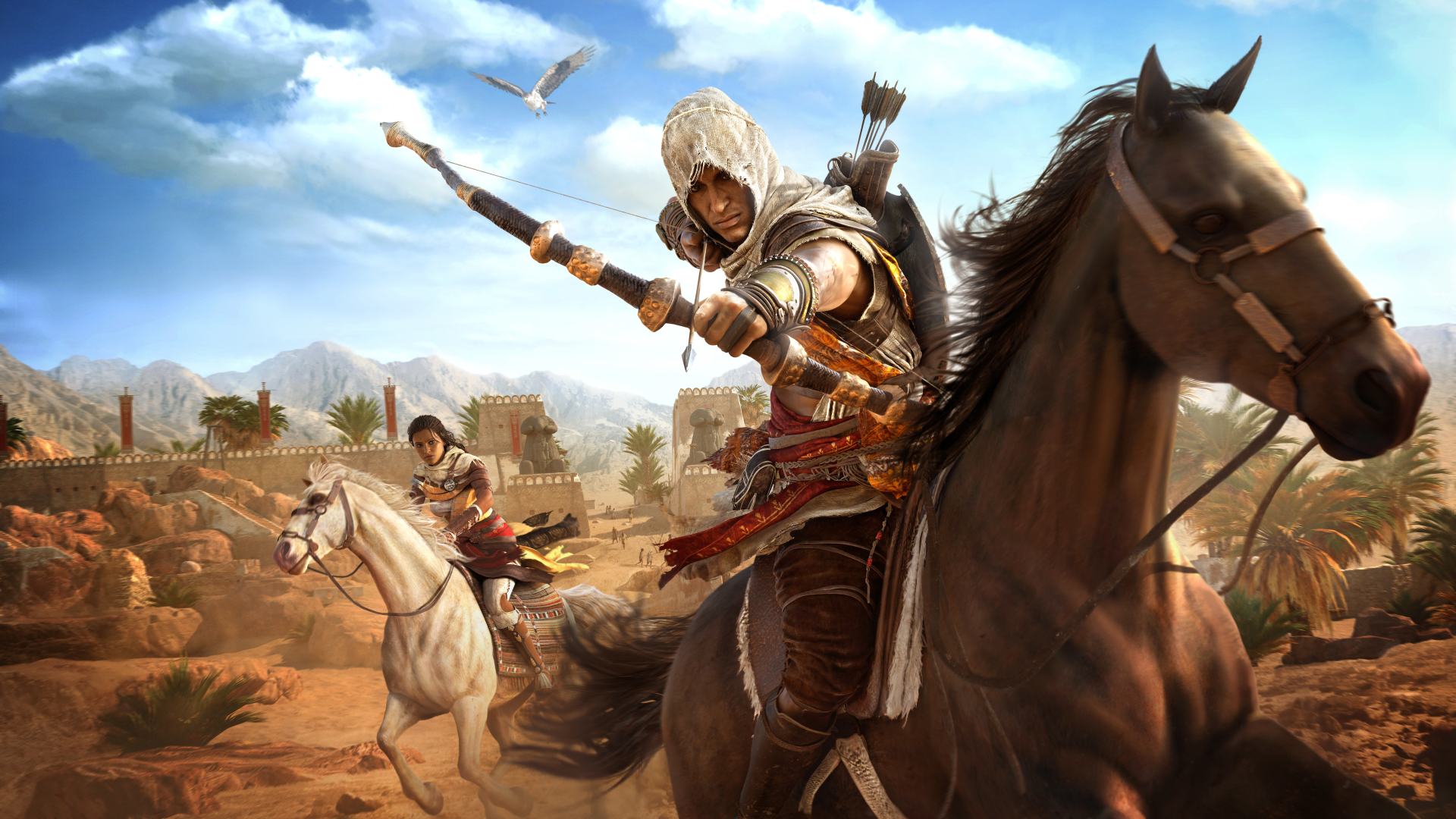
Assassin's Creed Origins

5. Assassin's Creed Origins (2017)

This entry successfully reinvented the franchise by introducing full action-RPG progression, hit-box combat systems, and vast open-world exploration. Set in Ancient Egypt during the Ptolemaic period, Assassin's Creed Origins tells the powerful story of Bayek of Siwa and the founding of the Hidden Ones. Gorgeous desert landscapes, detailed tombs, and emotional storytelling breathed new life into the series.
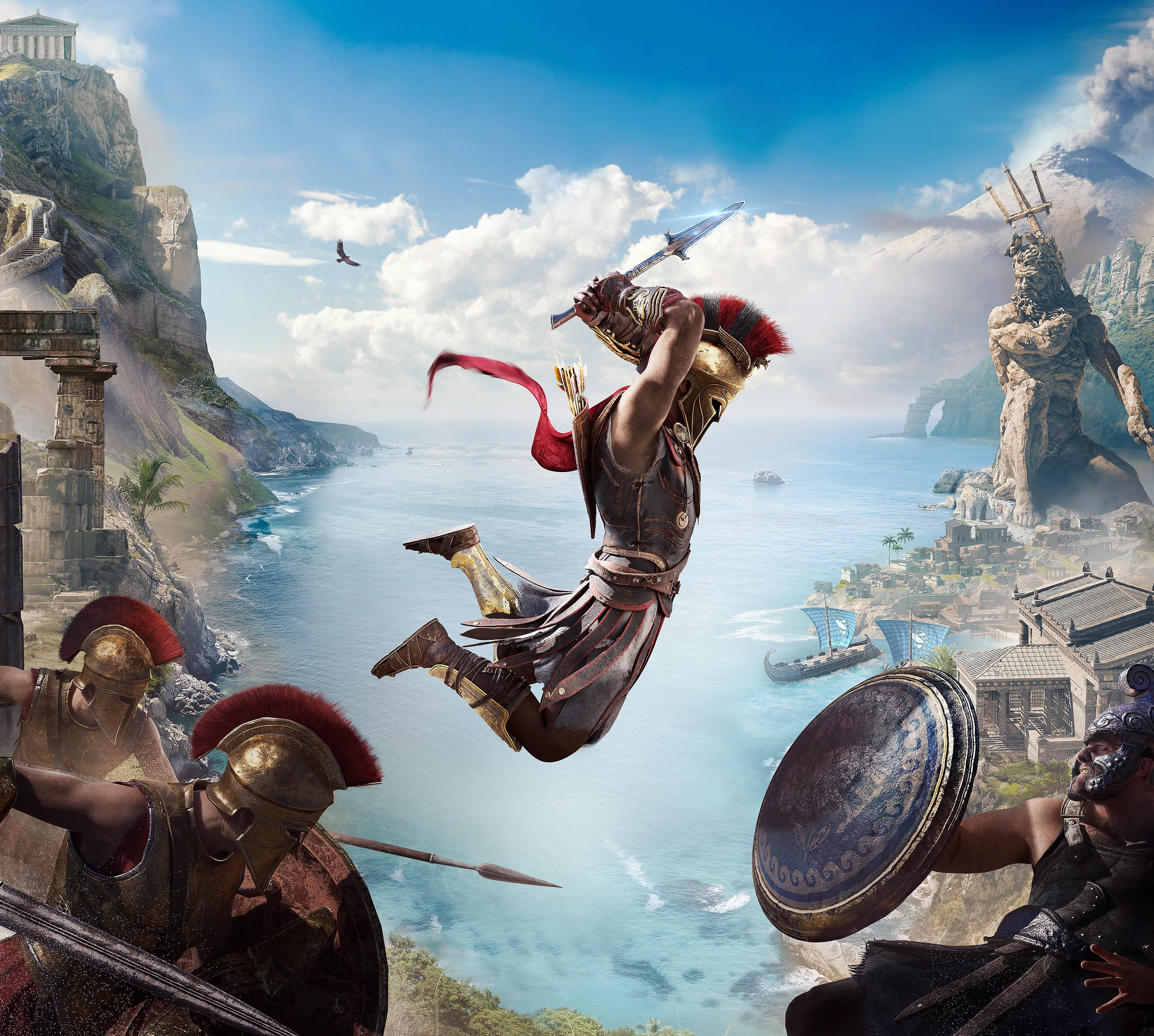
Assassin's Creed Odyssey

4. Assassin's Creed Odyssey (2018)

Expanding heavily on RPG elements, Assassin's Creed Odyssey transported players to Ancient Greece during the Peloponnesian War. Playing as either Kassandra or Alexios, gamers enjoyed dynamic dialogue choices, mercenary bounty systems, large-scale conquest battles, and vibrant naval travel across the Aegean Sea. Kassandra's charisma and the breathtaking game world make this entry an unforgettable RPG masterpiece.

Assassin's Creed Brotherhood

3. Assassin's Creed Brotherhood (2010)

Building directly upon the success of its predecessor, Assassin's Creed Brotherhood confined its focus to the magnificent city of Rome. Introducing the Assassin Recruit system allowed players to build and call upon a brotherhood of deadly allies during combat. Combining smooth combat strike chains, city rebuilding mechanics, and a compelling rivalry against the Borgia family, it remains a high point of the franchise.
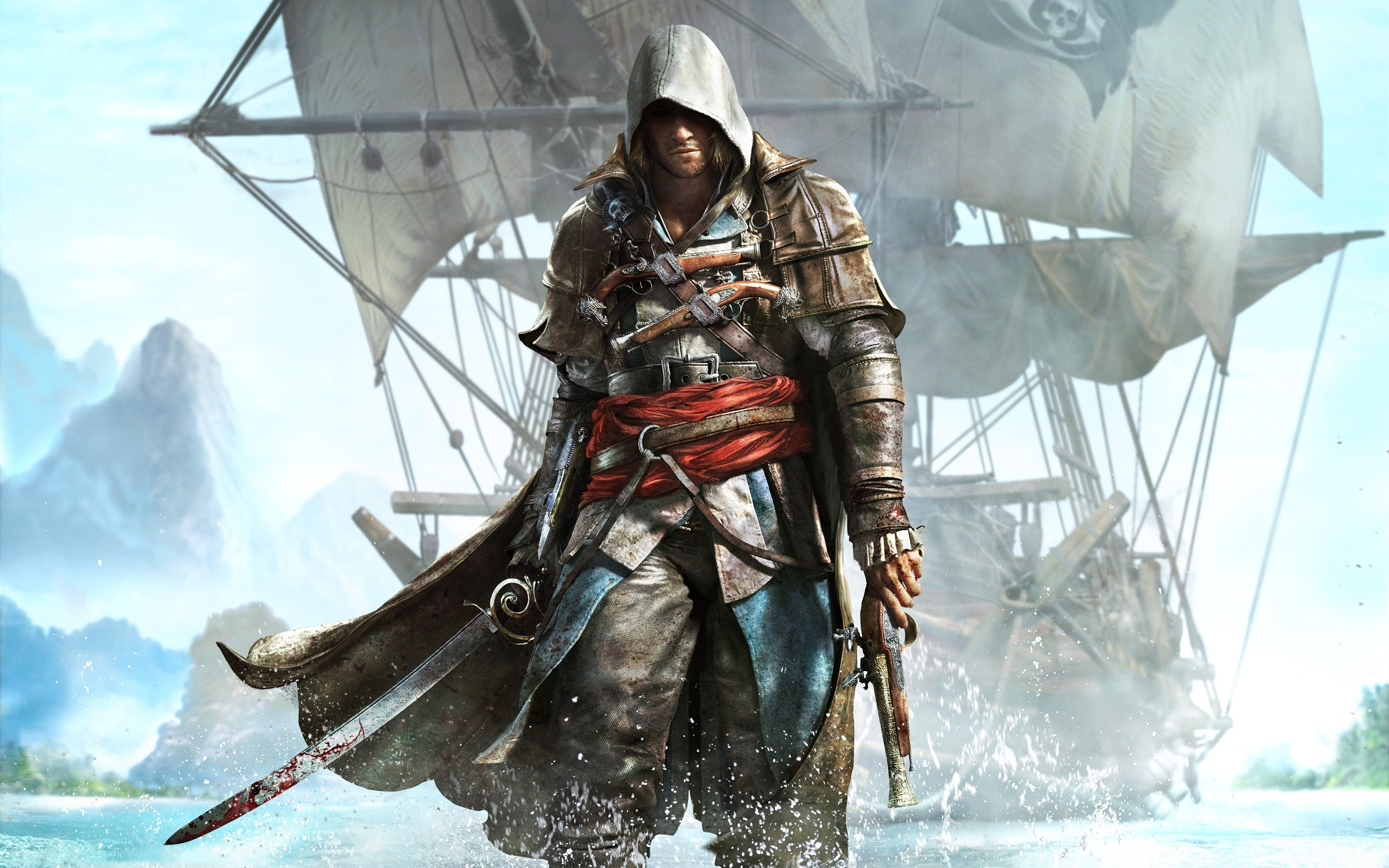
Assassin's Creed IV: Black Flag

2. Assassin's Creed IV: Black Flag (2013)

Plunging into the Golden Age of Piracy, Assassin's Creed IV: Black Flag delivered an unmatched high-seas pirate fantasy. As Edward Kenway, players commanded the Jackdaw ship, plundered naval fleets, searched for buried treasure, and explored lush Caribbean ports. Seamlessly blending naval combat with land stealth, it stands as one of the most fun and unique open-world action games ever created.
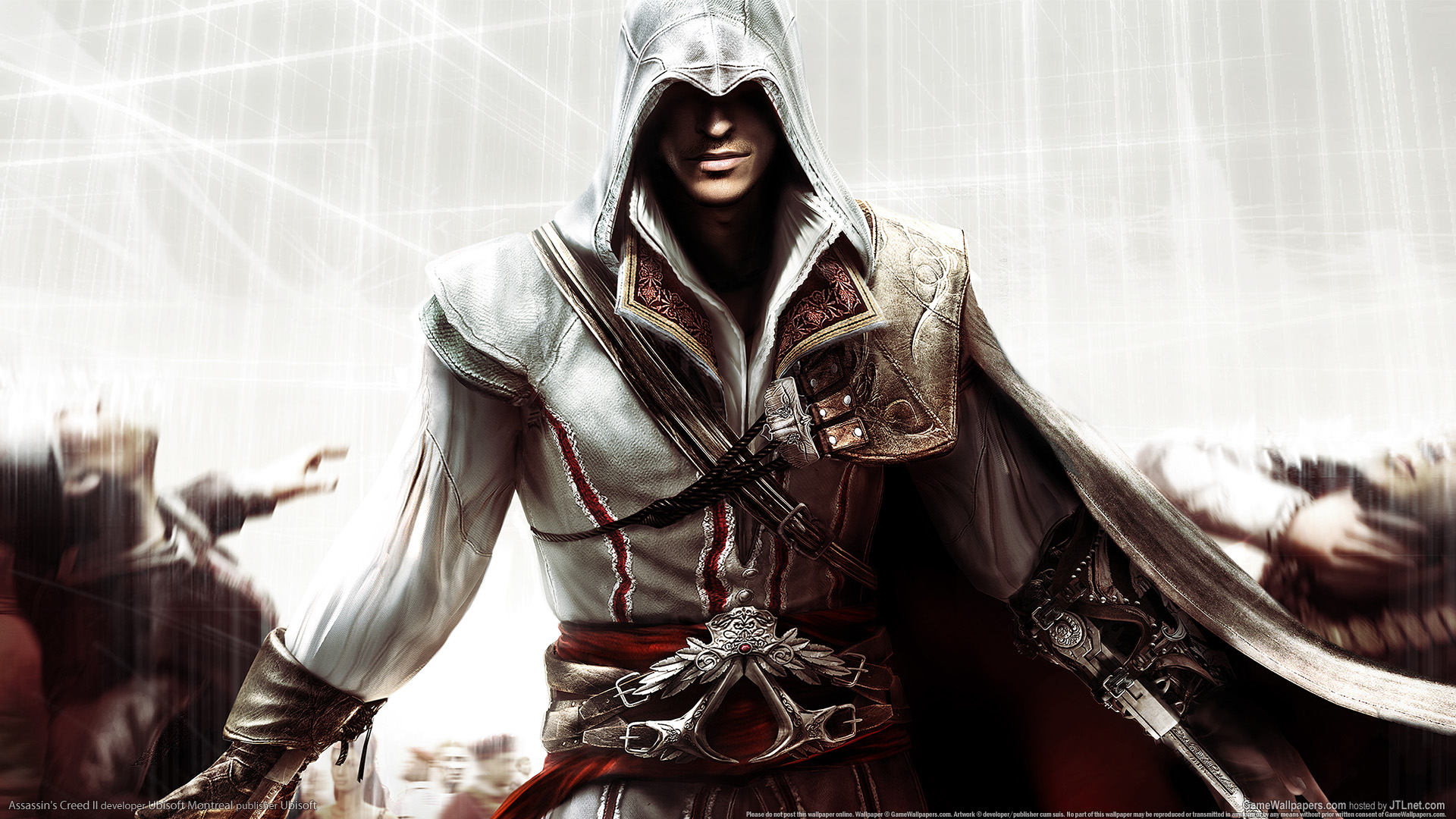
Assassin's Creed II

1. Assassin's Creed II (2009)

Assassin's Creed II perfected the blueprint laid out by the original game. Introducing Ezio Auditore da Firenze, it delivered a captivating revenge story set against the backdrop of Renaissance Italy, featuring iconic cities like Florence and Venice. Jesper Kyd's legendary soundtrack, improved dual-hidden blade assassination options, and memorable historical figures like Leonardo da Vinci secure its top rank as the ultimate Assassin's Creed experience.

Overview Ranking Table

RankGame TitleRelease YearPrimary Setting
1Assassin's Creed II2009Renaissance Italy
2Assassin's Creed IV: Black Flag2013Golden Age Caribbean
3Assassin's Creed Brotherhood2010Rome, Italy
4Assassin's Creed Odyssey2018Ancient Greece
5Assassin's Creed Origins2017Ancient Egypt
6Assassin's Creed Valhalla2020Viking Age England
7Assassin's Creed Unity2014French Revolution Paris
8Assassin's Creed Revelations2011Constantinople
9Assassin's Creed Mirage20239th-Century Baghdad
10Assassin's Creed Syndicate2015Victorian London
11Assassin's Creed Rogue2014North America / Atlantic
12Assassin's Creed III2012American Revolution
13Assassin's Creed2007Holy Land (Third Crusade)

Frequently Asked Questions

Which Assassin's Creed game should beginners play first?

For players interested in modern action-RPGs, starting with Assassin's Creed Origins offers a great entry point into modern mechanics and story roots. For classic stealth gameplay fans, starting with Assassin's Creed II provides the best narrative introduction to the lore.

What is the highest-selling Assassin's Creed game?

Assassin's Creed Valhalla achieved the highest commercial success in terms of total revenue, benefiting heavily from post-launch expansion support and deep RPG mechanics.

Do you need to play Assassin's Creed games in order?

While playing entries chronologically helps follow modern-day storyline plots, each mainline game features a standalone historical narrative that can be enjoyed independently without prior knowledge.

Final Thoughts

The Assassin's Creed series remains one of gaming's greatest achievements, offering unmatched historical tourism and immersive stealth gameplay. Whether you prefer the classic urban parkour of Assassin's Creed II or the vast historical RPG maps of Assassin's Creed Odyssey, Ubisoft's long-running series continues to offer extraordinary experiences across every era of human history.

The Suffering: Ties That Bind (2005) Review - A Psychological Action Horror Classic

The Suffering: Ties That Bind (2005) Review - A Psychological Action Horror Classic
The Suffering: Ties That Bind (2005) Cover

The Suffering: Ties That Bind (2005) Review

In 2005, Surreal Software and Midway Games unleashed The Suffering: Ties That Bind, the direct sequel to the critically acclaimed 2004 action-horror game The Suffering. Blending brutal third-person shooting with psychological terror and a flexible morality system, this title remains a unique relic of mid-2000s survival horror design.

Context & Historical Significance

During the mid-2000s, survival horror was undergoing a massive shift. Games like Resident Evil 4 pushed the genre toward faster action, while titles like Silent Hill prioritized psychological dread. The Suffering: Ties That Bind bridged this gap by combining fast-paced dual-weapon action with unsettling monster designs and deeply tragic human drama.

Developer & Release Background

Developed by Surreal Software and published by Midway Games, Ties That Bind was built on the engine of its predecessor with several refined mechanics. Surreal Software aimed to expand the setting beyond Abbott State Penitentiary into the decaying urban streets of Baltimore, Maryland.

Story and Narrative

The game picks up immediately after the events of the original title. Players once again control Torque, an inmate who escaped execution after supernatural monsters overran Carnate Island. In Ties That Bind, Torque returns to his hometown of Baltimore to face his past and discover the truth behind the murder of his wife, Carmen, and his two sons.

Key narrative elements include:

  • The Enigmatic Blackmore: Torque's mysterious rival, whose influence over Torque's past shapes the entire narrative.
  • Dynamic Morality System: Player choices dynamically alter Torque's memories, dialogue, and the game's ultimate ending (Good, Neutral, or Evil).
  • Urban Terror: The city of Baltimore becomes a nightmare landscape infested with creatures representing historical and societal horrors, such as execution, drug addiction, and urban violence.

Graphics, Sound, and Visual Art

For a 2005 release, the graphics were gritty, dark, and intentionally oppressive. While it did not push hardware boundaries quite as far as some contemporary blockbusters, its visual flair remains distinct:

  • Creature Designs: Influenced by grotesque historical themes, the monsters visually manifest crimes and urban suffering.
  • Visual Feedback: Torque becomes noticeably covered in blood as combat escalates, enhancing the gruesome tone.
  • Soundtrack & Audio: Audio design relies heavily on ambient noise, metallic screeching, and eerie voice lines to keep players on edge.

Playable Platforms: Original and Modern

Originally released in September 2005, The Suffering: Ties That Bind was available on the following platforms:

  • PlayStation 2
  • Xbox
  • Microsoft Windows (PC)

Where to Play Today: While original console copies require legacy hardware or backwards-compatible systems, modern PC gamers can purchase and play the digital version via GOG.com, which preserves the title for modern operating systems.

Final Recommendation

Verdict: 8/10 — The Suffering: Ties That Bind is a fantastic piece of mid-2000s horror history. Its blend of tight action, psychological themes, and brutal creature designs makes it a must-play for fans of retro horror games. If you enjoy games like Manhunt, F.E.A.R., or classic Silent Hill, this forgotten gem deserves a spot in your gaming backlog.


The Suffering: Ties That Bind (2005) Screenshot

📅 November 01, 2026

Complete La Pucelle Guide: Tactics, Ragnarok & Overlord Prier Strategy

Complete La Pucelle Guide: Tactics, Ragnarok & Overlord Prier Strategy
La Pucelle: Tactics

Mastering the Tactical World of La Pucelle: Tactics

Developed by Nippon Ichi Software, La Pucelle: Tactics (and its enhanced re-release La Pucelle: Ragnarok) is a classic tactical role-playing game that paved the way for hit franchises like Disgaea: Hour of Darkness and Phantom Brave. Following the fiery exorcist Prier and her companions in the Saint Maiden Church, players navigate grid-based maps, cleanse corrupted energy, and battle dangerous demons.

Whether playing the original PlayStation 2 release or the modern PC and Nintendo Switch version included in Princettia / NIS Classics Vol. 3, this comprehensive guide covers everything needed to dominate combat, recruit powerful monsters, manipulate elemental energy, and unlock secret endings.

Understanding Core Combat & Purification

Unlike standard turn-based strategy RPGs, combat in La Pucelle: Tactics revolves around positional tactics and environmental manipulation. Mastering these mechanics is essential for surviving higher-level stages.

The Purify Command

Purification is the core mechanic of the game. Using the Purify command allows characters to achieve several key objectives during battle:

  • Recruiting Enemies: Purifying monsters builds up their affection gauge. Once purified enough times, defeated monsters will join your squad at the end of the map.
  • Redirecting Energy: Purifying Dark Portals redirects the flow of elemental energy across the map grid.
  • Leveling Up Equipment: Directing elemental streams through allies or items upgrades gear attributes dynamically during battle.

Dark Portals and Energy Streams

Dark Portals continually spawn enemy reinforcements every turn until destroyed or closed. Energy streams flow out of these portals along map tiles. Stepping on these streams or altering their direction affects turn order, damage output, and map bonuses.

To close a Dark Portal, direct its energy stream back into itself or loop it into a closed circuit of at least 15 tiles. Executing a long energy loop triggers a massive Miracle attack that damages all enemies along the path, purifies affected areas, and wipes out the portal entirely.

Monster Recruitment and Evolution

Monsters represent a vital portion of your fighting force in La Pucelle: Ragnarok. Building a diverse roster of recruited beasts provides powerful party synergy and elemental coverage.

How to Recruit Monsters Efficiently

Follow these steps to maximize your recruitment success rate:

  • Position multiple party members adjacent to target enemies to stack Purify power.
  • Purify the target monster several times during the same turn before landing the final strike.
  • Higher character stats increase the effectiveness of each Purify cast.
  • Once a monster's name turns green or displays maximum purity, defeat it to guarantee recruitment upon victory.

Monster Training and Item Conversion

Monsters can be leveled up normally or converted into powerful equipment via the Dark Church. If a monster outgrows its usefulness, converting it yields specialized gear with stats influenced by the monster's level and type.

Unlocking Endings and Secret Bosses

The storyline in La Pucelle: Tactics branches into multiple endings depending on choices, dark points, and map completion methods.

Good Ending vs. Bad Ending

The main campaign features multiple endings. Obtaining the best outcome requires avoiding excess Dark Weight and completing chapters without letting story characters fall in key narrative battles. Acquiring Dark Weight by abusing dark portals or purchasing dark items pulls Prier toward the path of the Overlord.

Unlocking Overlord Prier

One of the most famous secrets in the game is transforming Prier into her ultimate demon form, Overlord Prier. To unlock this secret path and access post-game content:

  • Accumulate high Dark Points by redirecting dark streams onto main party members.
  • Defeat optional super-bosses in late-game chapters.
  • Access the Dark World maps, accessible only after accumulating sufficient dark power.

In La Pucelle: Ragnarok, additional scenario chapters allow players to experience the Overlord Prier storyline directly alongside bonus crossover fights featuring characters from Disgaea: Hour of Darkness and Makai Kingdom: Chronicles of a Sacred Tome.

Essential Tips for Beginners

  • Utilize Combined Attacks: Position allies around an enemy before attacking with a primary character to trigger simultaneous joint attacks without consuming extra turns.
  • Shop Leveling: Frequently buy and sell items at Rosenqueen shops inside maps to increase shop levels. Higher shop levels unlock top-tier armor, weapons, and rare consumable items.
  • Grind in the Dark World: Once unlocked, Dark World maps offer high-density enemy spawns, making them ideal for rapid leveling and high-grade loot collection.
  • Equip Rosetta's Guns Wisely: Ranged characters like Rosetta excel at executing long-distance energy manipulation without stepping directly into danger zones.

Frequently Asked Questions

What is the difference between La Pucelle: Tactics and La Pucelle: Ragnarok?

La Pucelle: Ragnarok is the expanded version originally released on PSP in Japan and later brought globally to PC and Nintendo Switch. It includes fast-forward battle options, quality-of-life tweaks, new story chapters, extra bosses, and playable Overlord Prier content missing from the original PS2 game La Pucelle: Tactics.

Can you complete the game without using monster companions?

Yes, human story characters like Prier, Culotte, Alouette, and Croix are fully capable of clearing the main storyline. However, utilizing monsters makes map purification loops significantly easier and provides useful extra actions during challenging boss encounters.

Final Thoughts

La Pucelle: Tactics remains an outstanding entry in the tactical RPG genre. By mastering Dark Portal redirection, executing long-chain Purification loops, and building a balanced monster team, you will comfortably breeze through the campaign and conquer every secret boss the Dark World has to offer.

Dynasty Warriors 6 Review: A Bold Next-Gen Experiment Explored

Dynasty Warriors 6 Review: A Bold Next-Gen Experiment Explored
Dynasty Warriors 6 (2007) Cover

Introduction: Context and Franchise Evolution

Released in late 2007 by publisher Koei (now Koei Tecmo), Dynasty Warriors 6 (known as Shin Sangokumusou 5 in Japan) marked a dramatic turning point for the iconic hack-and-slash series. As the first entry designed for the seventh generation of home consoles, the title aimed to reinvent the familiar battlefield experience with upgraded visual tech, dynamic combat systems, and revamped character designs. It represented a ambitious attempt to modernise the Musou formula for a new gaming era.

Developer and Playable Platforms

The game was developed by Omega Force, the internal studio responsible for pioneering the tactical action sub-genre. To reach a wide player base, Koei released Dynasty Warriors 6 across multiple platforms over time:

  • PlayStation 3 & Xbox 360: The flagship target platforms, showcasing high-density enemy rendering and enhanced lighting.
  • Microsoft Windows (PC): Released in 2008, offering customizable graphics options and smooth frame rates on capable hardware.
  • PlayStation 2: A modified version titled Dynasty Warriors 6: Special released in 2008, adjusting features to fit older hardware.
  • PlayStation Portable (PSP): Portable adaptation released in late 2009 under the Special subtitle.

Story and Narrative Framework

Like its predecessors, Dynasty Warriors 6 is directly inspired by Luo Guanzhong's legendary 14th-century historical novel, Romance of the Three Kingdoms. The narrative immerses players in the turbulent fall of the Han Dynasty, where competing warlords clash to unseat rivals and establish dominance over ancient China.

Players follow individual campaign storylines (Musou Modes) focused on key historical figures across major factions: Shu, Wei, Wu, and unaligned warlords like Lu Bu. Cutscenes, pre-battle briefings, and contextual mid-battle dialogues deliver dramatic retellings of pivotal events, including the Battle of Luoyang and the decisive clash at Chi Bi. While fewer characters featured custom storylines compared to earlier games, the narrative focus on core heroes allowed for more cinematic storytelling.

Graphics, Art Direction, and Performance

Visually, Dynasty Warriors 6 delivered a dramatic leap forward in scale and detail. Character models received complete redesigns, giving classic heroes fresh costumes, armor, and hairstyles. The battlefields were redesigned with greater interactivity, allowing players to swim across rivers, scale fortress walls with ladders, and breach massive gates with battering rams.

However, the increased visual ambitions came with technical trade-offs. On original console hardware, frame-rate dips occurred during high-intensity battles featuring hundreds of soldiers on screen, alongside noticeable pop-in effects. Despite these issues, the artistic direction remains one of the most distinct in the franchise's history.
The Gameplay: The Infamous Renbu System

The most talked-about feature of Dynasty Warriors 6 was the introduction of the Renbu System. Replacing the classic light-and-heavy charge attack combinations, the Renbu gauge allowed players to unleash infinite, continuous combo chains as long as they kept attacking without taking damage.

While the Renbu system created fluid, martial-arts-style animations, it drew mixed reactions. Some players enjoyed the unstoppable speed, while others found it simplified combat into repetitive button-mashing. Additionally, weapon sharing across multiple characters resulted in cloned movesets, reducing gameplay variety compared to previous installments.

Pros and Cons Overview

ProsCons
Cinematic graphics overhaul and character redesignsControversial Renbu combo mechanics
Interactive environments (swimming, climbing, siege warfare)Cloned movesets across multiple characters
High enemy density and impressive battlefield scaleOccasional frame-rate drops on original consoles

Final Verdict and Recommendation

Dynasty Warriors 6 stands as a fascinating time capsule of mid-2000s gaming innovation. Omega Force took bold risks by altering core combat loops, updating traditional character aesthetics, and introducing interactive battle environments. While some gameplay changes alienated long-time purists, its cinematic ambition and visual flair gave the franchise a refreshed identity.

Recommendation: Dynasty Warriors 6 is worth playing for series enthusiasts, retro hack-and-slash collectors, and action gamers interested in seeing a pivotal moment of evolution in Musou history. For the smoothest experience today, the PC version remains the best way to enjoy its action at solid performance levels.


Dynasty Warriors 6 (2007) Screenshot

Complete Suikoden III Guide: Master the Trinity Sight System and 108 Stars

Complete Suikoden III Guide: Master the Trinity Sight System and 108 Stars
Suikoden III

Introduction to Suikoden III

Released for the PlayStation 2, Suikoden III represents one of the most innovative turns for Konami's acclaimed role-playing franchise. Shifting the series into 3D, Suikoden III introduces a multi-perspective narrative structure known as the Trinity Sight System. Instead of following a single hero from start to finish, players experience a sprawling conflict in the Grassland region through the eyes of three distinct main protagonists, along with an optional chapter dedicated to castle management.

Whether you are a newcomer experiencing this classic JRPG for the first time or a returning fan attempting to recruit every single character, this comprehensive guide covers everything you need to know to master the combat, build your headquarters, and successfully recruit all 108 Stars of Destiny.

Navigating the Trinity Sight System

The central mechanic of Suikoden III is the Trinity Sight System. This narrative framework splits the early to mid-game into chapters dedicated to three primary heroes: Hugo, Chris, and Geddoe. An additional side perspective featuring Thomas is also available early on.

Hugo's Chapter: The Karaya Clan Warrior

Hugo is a young warrior from the Karaya Clan whose journey begins with a diplomatic mission to the city of Vinay del Zexay. His storyline focuses heavily on the perspective of the Grassland clans as tensions escalate with the Zexay Knights. Hugo is a nimble fighter with strong physical agility and rapid attack speed.

Chris Lightfellow's Chapter: The Captain of Zexay

Chris serves as the revered leader of the Zexay Knights. Her story provides a political look into the merchant nation of Zexay and the internal strife among its ruling council. Chris excels in frontline physical defense and knightly combat, making her chapters relatively forgiving in physical encounters.

Geddoe's Chapter: The Defense Force Captain

Geddoe commands the Southern Frontier Defense Force's First Unit. Mysterious and experienced, Geddoe's narrative provides deep insights into the overarching magical threats working behind the scenes. His party begins with well-rounded, strong combatants equipped with versatile elemental runes.

Thomas's Chapter: The Castle Commander

Though optional for narrative progression, Thomas's chapters are vital for players who want early access to headquarters management at Budehuc Castle. Completing Thomas's chapters early makes recruiting characters much simpler later in the game.

Understanding the Combat System

Combat in Suikoden III differs significantly from its predecessors, Suikoden and Suikoden II. The battle arena uses a free-moving 3D space, and six-party battle squads are organized into three pairs.

Pair-Based Unit Control

Instead of issuing individual commands to all six party members every turn, you assign commands to three pairs. In each pair, one character performs a primary action (such as attacking or casting a rune spell), while the paired partner acts automatically based on their AI, skill set, and positioning.

  • Frontline & Backline Synergy: Pair melee attackers with high-defense characters, or pair spellcasters with high-agility defenders to keep them safe while casting.
  • Rune Casting Time: High-tier spells take time to cast. Enemy attacks can disrupt spellcasters during this window, so positioning matters tremendously.
  • Friendly Fire: Powerful area-of-effect elemental spells can damage your own party members if they are standing near the target area. Always monitor unit positions on the field before casting major magic.

The Skill System

Characters earn Skill Points (SKP) after battles, which can be spent at Skill Tutors located in major towns. Upgrading skills dramatically enhances combat efficiency.

  • Accuracy & Heavy Damage: Essential physical skills that boost hit rates and critical strikes for melee fighters.
  • Melody & Magic Skills: Shorten casting times and increase the potency of specific elemental Runes.
  • Parry & Counter: Excellent defensive skills for front-line knights like Chris and Hugo.

Recruiting the 108 Stars of Destiny

As with all titles in the series, recruiting all 108 Stars of Destiny unlocks the complete experience and the best possible ending. In Suikoden III, recruited characters join your base at Budehuc Castle, establishing shops, minigames, and combat support abilities.

Essential Recruitment Tips

  • Build Budehuc Castle Early: Play through Thomas's chapters early to unlock the castle features and establish trade routes and facilities.
  • Check Mayor Thomas's Desk: Inspecting the ledger in the castle main room gives clues on missing personnel and available rumors across the world map.
  • Track Point-of-No-Return Milestones: Before selecting the Flame Champion at the end of Chapter 3, ensure you have gathered all available recruits. Certain character recruitments lock out if you advance the main story too quickly.
  • Detective Services: Once Kid the detective is recruited at Budehuc Castle, you can hire him to investigate missing Stars of Destiny, giving exact locations and recruitment requirements.

Strategic War Battles

Large-scale battles in Suikoden III are grid-based strategic encounters. Units consist of small squads led by major story characters and supported by recruited stars.

  • Squad Composition: Balance squad stats by combining high-movement leaders with heavy infantry and long-range bow or magic units.
  • Terrain Utilization: Forest and mountain tiles grant defensive terrain bonuses. Avoid leaving delicate archer units in open terrain where enemy cavalry can reach them.
  • Rune Attacks in War: Characters carrying true runes or powerful elemental runes can use devastating battlefield spells to clear entire enemy squads at once.

Frequently Asked Questions

Which main character should I start with?

While you can switch between Hugo, Chris, and Geddoe at Thomas's castle, starting with Hugo or Chris offers a very smooth introduction to the world and political climate. Geddoe's path features slightly tougher encounters early on but offers great insights into the central mystery.

Can I miss the best ending in Suikoden III?

Yes. To achieve the complete ending and unlock the secret Luc chapter, you must recruit all 108 Stars of Destiny before entering the final dungeon phase of the game.

Does character data transfer from previous games?

Yes. If you have save data from Suikoden II on your memory card, carrying it over will fill out historical references, display familiar names in theater scripts, and alter minor dialogue lines throughout your playthrough of Suikoden III.

Final Thoughts

Suikoden III stands out as one of the most ambitious entry points in classic JRPG history. By mastering its Trinity Sight narrative structure, pairing mechanics in combat, and diligent recruitment of the 108 Stars of Destiny, players will experience a deeply rewarding tactical RPG that has aged exceptionally well.

Burnout Paradise (2008) Review: The Ultimate Open-World Arcade Racer

Burnout Paradise (2008) Review: The Ultimate Open-World Arcade Racer
Burnout Paradise (2008) Cover

Introduction: Context and Impact

Released in 2008, Burnout Paradise marked a revolutionary shift for the legendary racing franchise developed by Criterion Games. Departing from the track-based, closed-circuit structure of previous titles like Burnout 3: Takedown and Burnout Revenge, Paradise introduced players to a seamlessly connected open world known as Paradise City. This bold pivot redefined the arcade racing genre, setting a benchmark for open-world driving games that followed, including the Need for Speed: Most Wanted reboot and the Forza Horizon series.

The Developer Behind the Thrills

Criterion Games, the renowned British development studio backed by publisher Electronic Arts (EA), was at the height of its creative powers when crafting Burnout Paradise. Famous for creating the proprietary RenderWare engine in earlier generations, Criterion leveraged their deep technical expertise to deliver unmatched deformation physics, blistering frame rates, and smooth online integration. Their passion for high-speed thrills and destruction shines through every intersection of Paradise City.

Story and Narrative: Pure Driver Freedom

In true arcade fashion, Burnout Paradise discards heavily scripted narratives, convoluted cinematic cutscenes, and dramatic character arcs. Instead, the narrative is driven entirely by player freedom and environmental storytelling. Upon starting your engine, you are greeted by the energetic voice of DJ Atomika over Crash FM, serving as your guide, host, and companion across the airwaves.

The overarching goal is simple yet deeply satisfying: earn upgraded driver's licenses by competing in events scattered across the map, upgrade your garage with dozens of unique vehicles, and ultimately attain the coveted Burnout Drivers License. The lack of a traditional storyline works heavily in the game's favor, keeping the focus entirely on instant adrenaline, exploration, and automotive chaos.

Graphics and Visual Design

For a title originally released in 2008, Burnout Paradise retains incredible visual appeal. The game ran at a razor-sharp, locked 60 frames per second on original console hardware—a massive technical achievement for its time. Paradise City features diverse environments ranging from high-density downtown skyscrapers to treacherous mountain roads and sunny coastal highways.

The highlight of the visual presentation remains the revolutionary soft-body vehicle damage physics. Crashes are slow-motion works of art where metal crumples, glass shatters, and car parts fly dynamically across the pavement. The lighting effects, vibrant color palette, and sense of speed combine to deliver a visual feast that holds up impressively well even today.

Platforms and Accessibility

Burnout Paradise has enjoyed wide availability across multiple generations of gaming hardware:

  • Original Release (2008): PlayStation 3, Xbox 360, and PC (Microsoft Windows via The Ultimate Box).
  • Remastered Edition (2018): PlayStation 4, Xbox One, PC (Origin/Steam), and Nintendo Switch.

The Burnout Paradise Remastered edition provides 4K texture support, improved visual fidelity, and includes all downloadable content (DLC) released for the original game, such as Big Surf Island and motorcycle updates.

Final Recommendation and Verdict

Burnout Paradise (2008) remains a masterclass in open-world game design and arcade racing mechanics. Its perfect blend of high-speed racing, satisfying collision physics, iconic soundtrack, and non-linear exploration makes it a timeless classic that every gaming enthusiast should experience.

Verdict: 9.5/10 — A must-play masterpiece for fans of racing, action, and open-world freedom.


Burnout Paradise (2008) Screenshot

Complete Astro's Playroom Walkthrough & 100% Completion Guide

Complete Astro's Playroom Walkthrough & 100% Completion Guide

Mastering Astro's Playroom on PlayStation 5

Astro's Playroom is far more than just a tech demo packed into every PlayStation 5 console. Developed by Team Asobi, this delightful platformer serves as both a showcase for the DualSense wireless controller's innovative features and a love letter to the history of PlayStation. Whether you are aiming to collect every single PlayStation artifact, complete every puzzle wall, or snag a quick and enjoyable Platinum trophy, this comprehensive guide has you covered.

In this guide, we will walk you through the four main hubs, explain how to navigate special suit mechanics, detail collectible hunting strategies, and share tips for unlocking all trophies in Astro's Playroom.

Astro's Playroom

Understanding CPU Plaza: The Central Hub

When you start Astro's Playroom, you begin in CPU Plaza. This area acts as the primary level select screen and connects the game's four main thematic worlds, each representing a core internal component of the PlayStation 5 console:

  • Memory Meadow: A bright, windy region themed around system memory, featuring rolling hills and cloud platforms.
  • SSD Speedway: A high-tech futuristic city world highlighting the speed of solid-state storage.
  • Cooling Springs: A tropical beach and ice-themed world showcasing the cooling fans and heatsink architecture.
  • GPU Jungle: A lush botanical world celebrating the power of graphics processing.

Additionally, CPU Plaza grants access to the PlayStation Labo basement area (where your collected items are displayed) and the Network Speed Run doors unlocked after completing main levels.

World-by-World Guide & Mechanics

Each world in Astro's Playroom introduces unique gameplay mechanics utilizing the DualSense controller's adaptive triggers, haptic feedback, touchpad, and motion sensors.

1. Memory Meadow

Memory Meadow blends grassy plains with mechanical structures. In this world, Astro puts on the Frog Suit. By tilting your DualSense controller and pulling the adaptive trigger, you compress the suit's spring to leap across large gaps and reach high ledges.

Key Objectives:

  • Master spring jumping timing using trigger resistance.
  • Watch out for wind currents generated by fans.
  • Look behind hidden walls and pull cables to reveal hidden PlayStation 2 themed artifacts.

2. SSD Speedway

SSD Speedway immerses players in high-speed neon environments. Here, Astro transforms into the Hang Glider and the Spaceship Suit. Using dual adaptive triggers, you control individual thrusters to maneuver through tight corridors and dodge obstacles.

Key Objectives:

  • Balance left and right trigger pressure to steer the thruster suit precisely.
  • Use the touchpad to swipe and roll Astro when on foot across fast conveyor belts.
  • Collect PlayStation 3 era hardware artifacts hidden in floating digital voids.

3. Cooling Springs

Cooling Springs contrasts sunny beaches with frosty glaciers. This level features the Spring Suit and the Rolling Ball Suit, where players swipe the DualSense touchpad to guide Astro inside a marble across narrow beams and ice tracks.

Key Objectives:

  • Maintain delicate touchpad control to prevent falling off icy ramps.
  • Blow into the DualSense microphone to activate windmills that unfurl platforms.
  • Uncover original PlayStation console accessories frozen in ice block formations.

4. GPU Jungle

GPU Jungle takes Astro through dense rainforest canopy tops and towering metallic trees. Here, you use the Monkey Suit, gripping handholds with the left and right triggers while using motion controls to swing between branches.

Key Objectives:

  • Squeeze triggers firmly to secure grips, releasing gently to jump to the next peg.
  • Pay attention to subtle rumble cues indicating loose climbing holds.
  • Discover classic PlayStation 4 gear and iconic cameo bots referencing franchises like God of War, Horizon Zero Dawn, and Uncharted.

PlayStation Artifacts and Puzzle Pieces Explained

To reach 100% completion in Astro's Playroom, you must gather two main types of collectibles scattered across all levels:

1. PlayStation Artifacts

There are 46 historical artifacts to discover. These items range from memory cards and multitaps to handheld consoles like the PSP and rare add-ons like the PS One LCD Monitor. Pulling large glowing cables embedded in the ground usually unearths these nostalgic treasures.

2. Puzzle Pieces

There are 96 puzzle pieces to collect throughout the game. Finding pieces fills out massive mural wall art inside the PlayStation Labo. Look around hidden corners, drop down suspicious gaps, and break blue container crates to spot them.

The PlayStation Labo & Gacha Machine

Once you collect coins throughout the stages, visit the PlayStation Labo in CPU Plaza. In the back of the room sits a giant Gacha Machine. Spending 100 coins per turn allows you to unlock remaining puzzle pieces, extra artifacts, and interactive dioramas featuring Astro and your collected hardware.

How to Unlock the Platinum Trophy

Unlocking the Platinum trophy in Astro's Playroom is enjoyable and accessible. Beyond clearing all main levels and grabbing all collectibles, you will need to perform specific interactive actions around CPU Plaza and the Labo basement.

  • Projected Lead: Stand on top of the PlayStation logo during the end credits.
  • Dude Raider: Shoot every enemy while standing under the shelter in GPU Jungle with the bow weapon.
  • The Last Boy: Find the bot referencing God of War and hit it with a spin attack.
  • Gacha Maniac: Collect all prizes from the Gacha Machine in PlayStation Labo.
  • Super Computer: Reveal the secret boss level after completing all four main worlds to face off against a nostalgic 1994 T-Rex finale.

Frequently Asked Questions

Is Astro's Playroom completely free on PS5?

Yes, Astro's Playroom comes pre-installed on every PlayStation 5 console at no extra cost, serving as an immediate showcase of the console's hardware features.

How long does it take to 100% beat Astro's Playroom?

Completing the main story takes roughly 2 to 3 hours. Finding all collectibles and earning the Platinum trophy takes around 4 to 5 hours total.

Do I need a separate controller to get all trophies?

No, all trophies and collectibles in Astro's Playroom can be completed using a single standard DualSense wireless controller.

How does Astro's Playroom connect to Astro Bot?

While Astro's Playroom was built as a launch pack-in game, its overwhelming critical success paved the way for the full-length standalone title Astro Bot released on PS5. Free updates to Astro's Playroom also added special unlockable Special Bots that transfer directly into Astro Bot.

Final Thoughts

Astro's Playroom remains one of the most delightful experiences available on the PlayStation 5. It seamlessly combines inventive platforming design with a heartwarming trip down memory lane for long-time gaming fans. By using this guide to locate every puzzle piece and artifact, you will fully appreciate Team Asobi's creative mastery while securing an easy Platinum trophy for your PSN profile.

Follow my social medias to unlock these coupons.

⭐ CLICK HERE, UNLOCK VIP COUPONS!