The Suffering: Ties That Bind (2005) Review
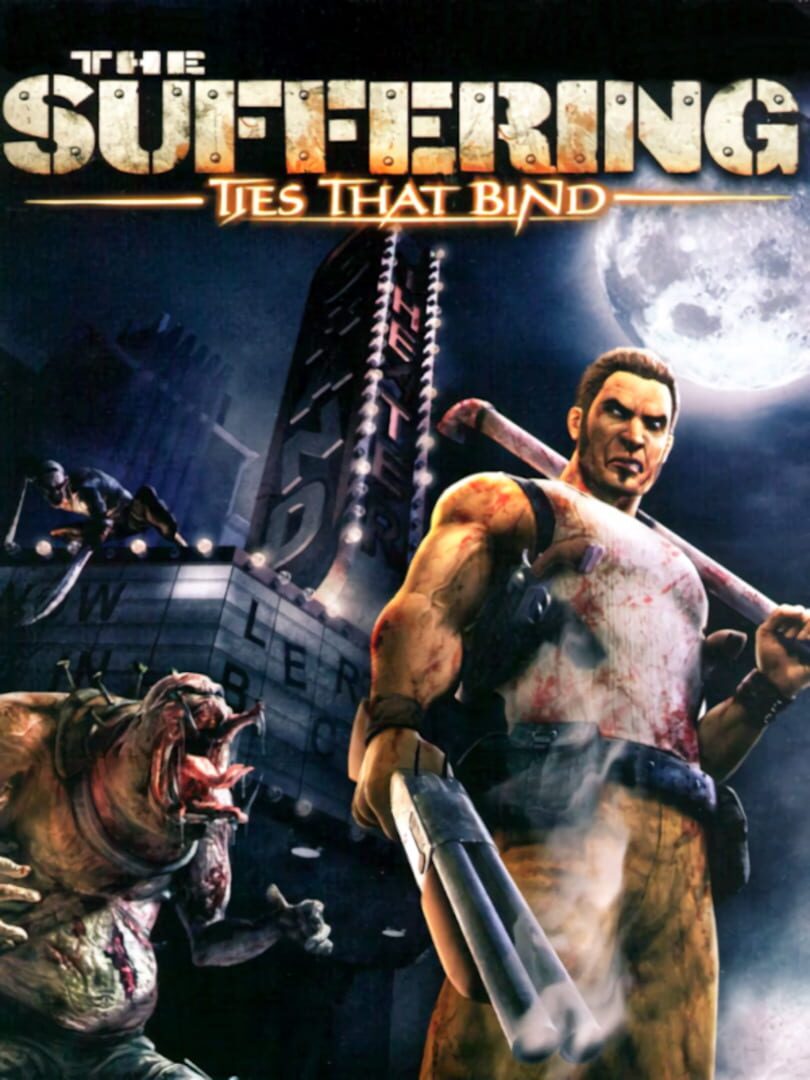
In 2005, Surreal Software and Midway Games unleashed The Suffering: Ties That Bind, the direct sequel to the critically acclaimed 2004 action-horror game The Suffering. Blending brutal third-person shooting with psychological terror and a flexible morality system, this title remains a unique relic of mid-2000s survival horror design.
Context & Historical Significance
During the mid-2000s, survival horror was undergoing a massive shift. Games like Resident Evil 4 pushed the genre toward faster action, while titles like Silent Hill prioritized psychological dread. The Suffering: Ties That Bind bridged this gap by combining fast-paced dual-weapon action with unsettling monster designs and deeply tragic human drama.
Developer & Release Background
Developed by Surreal Software and published by Midway Games, Ties That Bind was built on the engine of its predecessor with several refined mechanics. Surreal Software aimed to expand the setting beyond Abbott State Penitentiary into the decaying urban streets of Baltimore, Maryland.
Story and Narrative
The game picks up immediately after the events of the original title. Players once again control Torque, an inmate who escaped execution after supernatural monsters overran Carnate Island. In Ties That Bind, Torque returns to his hometown of Baltimore to face his past and discover the truth behind the murder of his wife, Carmen, and his two sons.
Key narrative elements include:
- The Enigmatic Blackmore: Torque's mysterious rival, whose influence over Torque's past shapes the entire narrative.
- Dynamic Morality System: Player choices dynamically alter Torque's memories, dialogue, and the game's ultimate ending (Good, Neutral, or Evil).
- Urban Terror: The city of Baltimore becomes a nightmare landscape infested with creatures representing historical and societal horrors, such as execution, drug addiction, and urban violence.
Graphics, Sound, and Visual Art
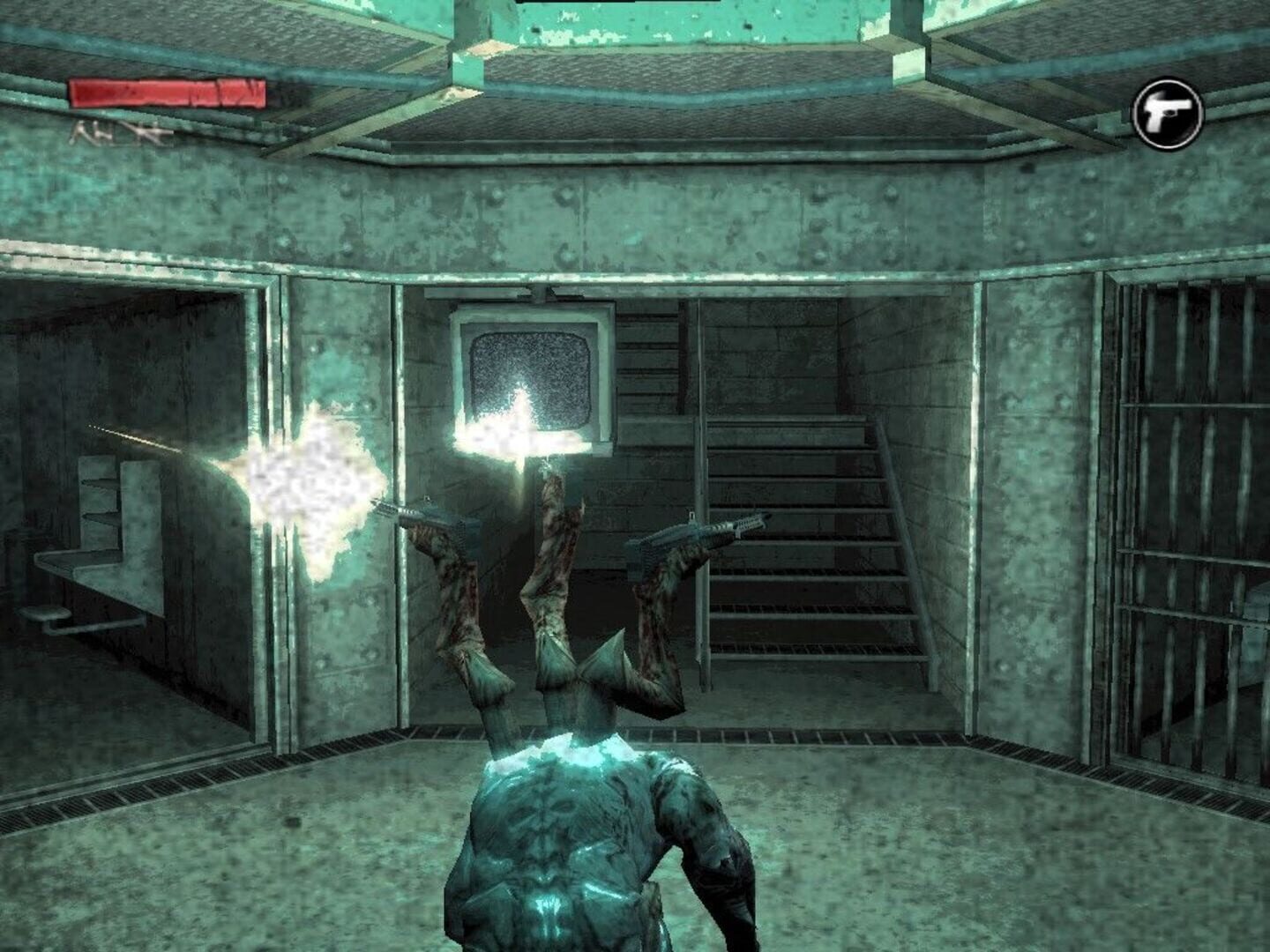
For a 2005 release, the graphics were gritty, dark, and intentionally oppressive. While it did not push hardware boundaries quite as far as some contemporary blockbusters, its visual flair remains distinct:
- Creature Designs: Influenced by grotesque historical themes, the monsters visually manifest crimes and urban suffering.
- Visual Feedback: Torque becomes noticeably covered in blood as combat escalates, enhancing the gruesome tone.
- Soundtrack & Audio: Audio design relies heavily on ambient noise, metallic screeching, and eerie voice lines to keep players on edge.
Playable Platforms: Original and Modern
Originally released in September 2005, The Suffering: Ties That Bind was available on the following platforms:
- PlayStation 2
- Xbox
- Microsoft Windows (PC)
Where to Play Today: While original console copies require legacy hardware or backwards-compatible systems, modern PC gamers can purchase and play the digital version via GOG.com, which preserves the title for modern operating systems.
Final Recommendation
Verdict: 8/10 — The Suffering: Ties That Bind is a fantastic piece of mid-2000s horror history. Its blend of tight action, psychological themes, and brutal creature designs makes it a must-play for fans of retro horror games. If you enjoy games like Manhunt, F.E.A.R., or classic Silent Hill, this forgotten gem deserves a spot in your gaming backlog.