


Introduction: Context and Franchise Evolution
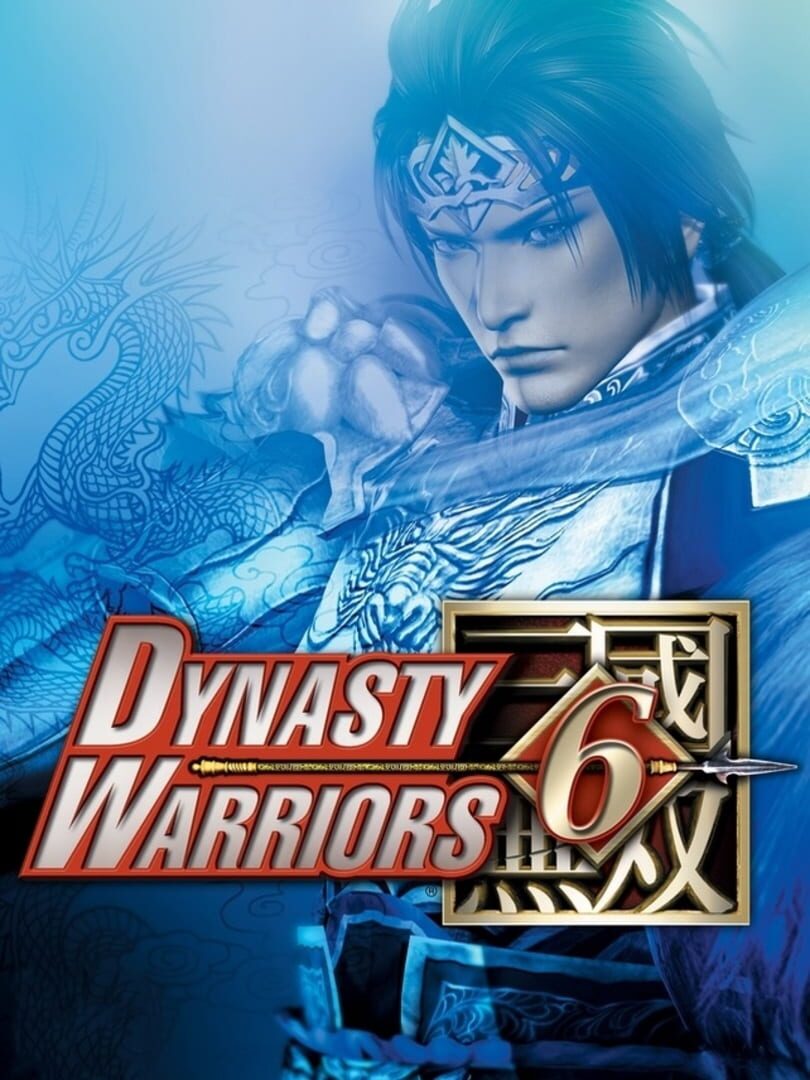
Released in late 2007 by publisher Koei (now Koei Tecmo), Dynasty Warriors 6 (known as Shin Sangokumusou 5 in Japan) marked a dramatic turning point for the iconic hack-and-slash series. As the first entry designed for the seventh generation of home consoles, the title aimed to reinvent the familiar battlefield experience with upgraded visual tech, dynamic combat systems, and revamped character designs. It represented a ambitious attempt to modernise the Musou formula for a new gaming era.
Developer and Playable Platforms
The game was developed by Omega Force, the internal studio responsible for pioneering the tactical action sub-genre. To reach a wide player base, Koei released Dynasty Warriors 6 across multiple platforms over time:
- PlayStation 3 & Xbox 360: The flagship target platforms, showcasing high-density enemy rendering and enhanced lighting.
- Microsoft Windows (PC): Released in 2008, offering customizable graphics options and smooth frame rates on capable hardware.
- PlayStation 2: A modified version titled Dynasty Warriors 6: Special released in 2008, adjusting features to fit older hardware.
- PlayStation Portable (PSP): Portable adaptation released in late 2009 under the Special subtitle.
Story and Narrative Framework
Like its predecessors, Dynasty Warriors 6 is directly inspired by Luo Guanzhong's legendary 14th-century historical novel, Romance of the Three Kingdoms. The narrative immerses players in the turbulent fall of the Han Dynasty, where competing warlords clash to unseat rivals and establish dominance over ancient China.
Players follow individual campaign storylines (Musou Modes) focused on key historical figures across major factions: Shu, Wei, Wu, and unaligned warlords like Lu Bu. Cutscenes, pre-battle briefings, and contextual mid-battle dialogues deliver dramatic retellings of pivotal events, including the Battle of Luoyang and the decisive clash at Chi Bi. While fewer characters featured custom storylines compared to earlier games, the narrative focus on core heroes allowed for more cinematic storytelling.
Graphics, Art Direction, and Performance
Visually, Dynasty Warriors 6 delivered a dramatic leap forward in scale and detail. Character models received complete redesigns, giving classic heroes fresh costumes, armor, and hairstyles. The battlefields were redesigned with greater interactivity, allowing players to swim across rivers, scale fortress walls with ladders, and breach massive gates with battering rams.
However, the increased visual ambitions came with technical trade-offs. On original console hardware, frame-rate dips occurred during high-intensity battles featuring hundreds of soldiers on screen, alongside noticeable pop-in effects. Despite these issues, the artistic direction remains one of the most distinct in the franchise's history.
The Gameplay: The Infamous Renbu System
The most talked-about feature of Dynasty Warriors 6 was the introduction of the Renbu System. Replacing the classic light-and-heavy charge attack combinations, the Renbu gauge allowed players to unleash infinite, continuous combo chains as long as they kept attacking without taking damage.
While the Renbu system created fluid, martial-arts-style animations, it drew mixed reactions. Some players enjoyed the unstoppable speed, while others found it simplified combat into repetitive button-mashing. Additionally, weapon sharing across multiple characters resulted in cloned movesets, reducing gameplay variety compared to previous installments.
Pros and Cons Overview
| Pros | Cons |
|---|---|
| Cinematic graphics overhaul and character redesigns | Controversial Renbu combo mechanics |
| Interactive environments (swimming, climbing, siege warfare) | Cloned movesets across multiple characters |
| High enemy density and impressive battlefield scale | Occasional frame-rate drops on original consoles |
Final Verdict and Recommendation
Dynasty Warriors 6 stands as a fascinating time capsule of mid-2000s gaming innovation. Omega Force took bold risks by altering core combat loops, updating traditional character aesthetics, and introducing interactive battle environments. While some gameplay changes alienated long-time purists, its cinematic ambition and visual flair gave the franchise a refreshed identity.
Recommendation: Dynasty Warriors 6 is worth playing for series enthusiasts, retro hack-and-slash collectors, and action gamers interested in seeing a pivotal moment of evolution in Musou history. For the smoothest experience today, the PC version remains the best way to enjoy its action at solid performance levels.

