CHECKING...
Rookie Gamer Live Broadcast
0
0%
10k


📅 September 20, 2026

The Complete Breath of Fire Timeline: Story & Chronological Order

The Complete Breath of Fire Timeline: Story & Chronological Order

Introduction to the Breath of Fire Lore

First released by Capcom in 1993, Breath of Fire stands as one of the most beloved classic JRPG franchises in gaming history. Across its mainline titles, the series explores themes of divine influence, environmental decay, the burdens of dragons, and the resilience of mortals. While each entry features recurring character archetypes—most notably a blue-haired dragon shapeshifter named Ryu and a winged princess named Nina—the overarching world history spans thousands of years.

Understanding the complete Breath of Fire timeline requires looking beyond release dates. While the series began on the Super Nintendo and transitioned to the PlayStation and PlayStation 2, its lore weaves a complex narrative arc that reshuffles the chronological sequence of events.

Chronological Order vs. Release Order

To fully grasp the grand narrative of Breath of Fire, it is important to distinguish between release order and narrative chronological order. While Breath of Fire through Breath of Fire III follow a direct timeline continuum, Breath of Fire IV acts as a distant historical prequel to the entire continuity. Meanwhile, Breath of Fire: Dragon Quarter serves as a far-future apocalyptic scenario or alternate timeline branch.

  • Chronological Narrative Order: Breath of Fire IVBreath of FireBreath of Fire IIBreath of Fire IIIBreath of Fire: Dragon Quarter
  • Release Order: Breath of Fire (1993) → Breath of Fire II (1994) → Breath of Fire III (1997) → Breath of Fire IV (2000) → Breath of Fire: Dragon Quarter (2002)

The Complete Breath of Fire Timeline Breakdown
Breath of Fire IV

1. Breath of Fire IV – The Age of Gods and the Endless

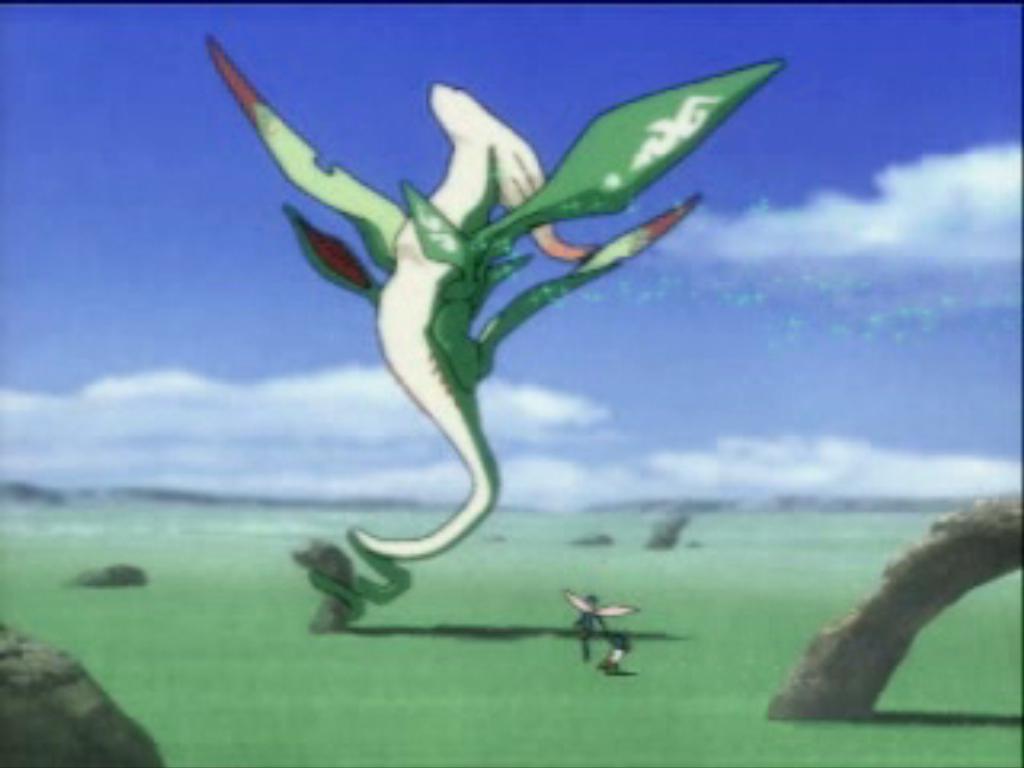
Chronologically, Breath of Fire IV establishes the foundational cosmology of the universe. In this era, powerful cosmic entities known as the "Endless" are summoned into the mortal realm by humans seeking divine aid and power. When an Endless is summoned, it manifests in flesh, gaining immense power but also becoming susceptible to human emotions, suffering, and corruption.

The story follows two split halves of a single divine dragon spirit: Fou-Lu, the ancient founder of the Fou Empire, and Ryu, an awakened youth with no memories. Fou-Lu's betrayal by humanity breeds immense hatred, leading him to seek human annihilation, while Ryu travels alongside Princess Nina of Wyndia and learns compassion. The resolution of this Conflict establishes the origin of dragons as permanent entities in the world, setting the stage for the Dragon Clan's rise and the divine pantheon seen in subsequent centuries.
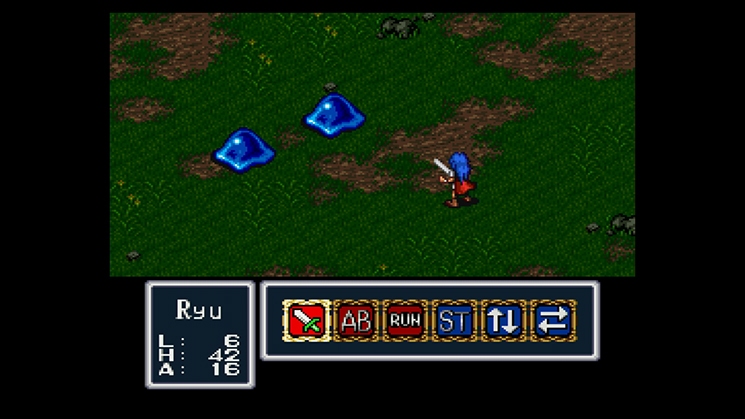
Breath of Fire

2. Breath of Fire – The Goddess War and the Dragon Clan Divide

Centuries after the age of the Endless, the dragon race has divided into two prominent factions: the Light Dragons and the Dark Dragons. A treacherous goddess of desire named Myria (initially known as Tyr in early Western localizations) tricks the Dark Dragons into waging war against the Light Dragons, promising to grant any wish in exchange for absolute obedience.

The devastating Dragon War brings the world to the brink of ruin. A team of brave warriors, led by an early incarnation of Ryu, seals Goddess Myria away using seven magical Goddess Keys. In Breath of Fire, the Dark Dragon clan attempts to breach the seal to reclaim divine power. Ryu embarks on a quest across the world, allying with Nina of Wyndia and other heroes to defeat the Dark Dragon Emperor Zog, prevent Myria's true awakening, and seal the goddess once more.
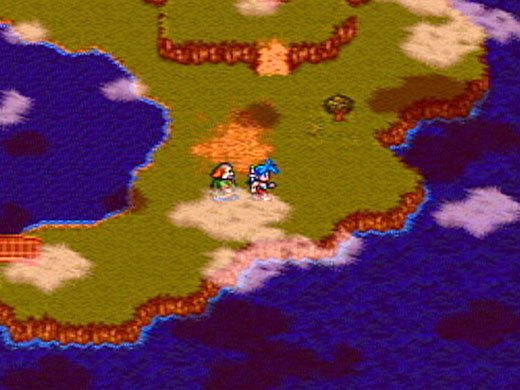
Breath of Fire II

3. Breath of Fire II – The Age of Deceit and the Rise of St. Eva

Approximately 500 years after the events of the original game, the world has largely forgotten the true nature of the Dragon Clan. The Light Dragons have retreated underground or into hiding, now referring to themselves simply as the Brood. In their absence, a mysterious new religious order called the Church of St. Eva gains widespread popularity across the continent.

In Breath of Fire II, a young orphan named Ryu discovers that the Church of St. Eva is a front for a demonic entity named Devan (Evan), born from the residual malevolence of Myria. Devan feeds on the faith of mortals to power his ascension. Ryu unlocks his latent dragon lineage with the help of a new Nina and his companions, ultimately sacrificing the Dragon Clan's hidden sanctuary to seal the demonic gateway at the world's core.
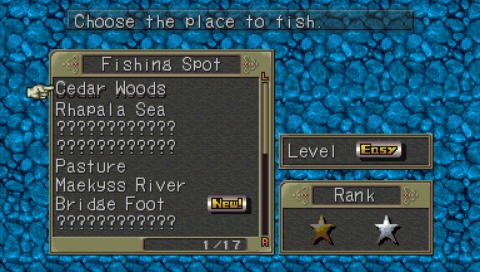
Breath of Fire III

4. Breath of Fire III – The Extinction of the Brood

Taking place several centuries after Breath of Fire II, Breath of Fire III explores the aftermath of Goddess Myria's return. Fearing the godlike power of the Dragon Clan, Myria convinced humanity and her holy guardians to execute a systematic genocide known as the Brood Rebellion. The dragons, realizing that fighting back would destroy the planet, willingly submitted to slaughter.

A young dragon child named Ryu survives in a chunk of chrysalis ore and awakens in a world where dragons are considered extinct monsters. Alongside Nina, a princess of Wyndia whose race has now lost the natural ability to fly due to evolutionary shifts, Ryu travels across the ocean to the deserted continent of Myria. He confronts the Goddess Myria, demanding answers. Players are presented with a ultimate choice: accept Myria's total control over humanity for absolute safety, or destroy the goddess and allow mortals and dragons to forge their own uncertain future.
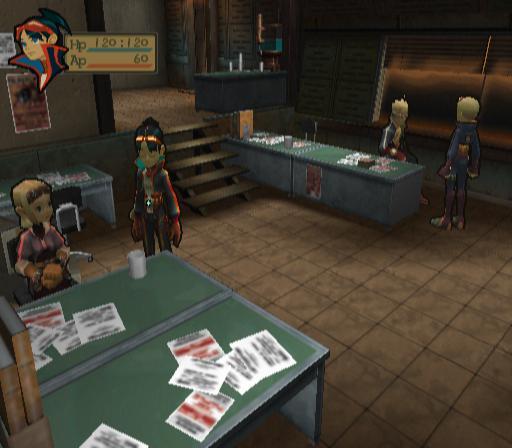
Breath of Fire: Dragon Quarter

5. Breath of Fire: Dragon Quarter – The Underground Age

Set in a bleak, post-apocalyptic era, Breath of Fire: Dragon Quarter takes place thousands of years after the surface world became unlivable due to environmental contamination and catastrophic warfare. Humanity lives beneath the crust of the earth in a highly stratified subterranean city divided into Depth Levels.

In this era, dragon spirits exist as engineered or dormant weaponized entities. A low-tier ranger named Ryu bonds with a dragon spirit, giving him tremendous power at the cost of a lethal "D-Counter" that rises whenever he uses dragon abilities. Upon meeting Nina, a girl whose lungs have been surgically modified to filter toxins, Ryu decides to rebel against the totalitarian government known as the Regents to take Nina to the legendary, mythical "Surface." The game serves as the ultimate conclusion to the timeline, ending with humanity finally returning to a cleansed, blue-sky surface world.

Key Lore Connections Across the Franchise

Game TitleKey Villain / EntityState of the Dragon ClanStatus of the World
Breath of Fire IVFou-Lu / YunaEndless gods manifesting in physical formDual empires contesting continent control
Breath of FireGoddess Myria / Emperor ZogDivided into Light and Dark Dragon factionsRecovering from the devastating Goddess War
Breath of Fire IIDevan (Church of St. Eva)Hiding underground; power fading from memoryDeceived by pseudo-religious cults
Breath of Fire IIIGoddess MyriaNearly extinct following the Brood GenocideDesertified world controlled by divine intervention
Breath of Fire: Dragon QuarterElyon / The RegentsDormant dragon spirits used as bio-weaponsSubterranean bunker cities with a toxic surface

Frequently Asked Questions

Do you need to play Breath of Fire games in order?

No, you do not need to play the games in chronological order. Each entry in Breath of Fire features a standalone narrative with a distinct incarnation of Ryu and Nina. However, playing them in release order or chronological order offers a deeper appreciation for the world's recurring lore, thematic evolution, and subtle references.

Is Breath of Fire IV connected to the first three games?

Yes. While Breath of Fire IV takes place in a distinct setting with different geographical features, lore details confirm it is an ancient prequel set thousands of years before Breath of Fire. It details the arrival of the Endless spirits, which eventually gave birth to the Dragon Clan and divine beings like Myria.

Why do Ryu and Nina appear in every Breath of Fire game?

Ryu and Nina are not the exact same individuals in every title. Instead, they represent recurring spiritual lineages across generations. Ryu is always the bearer of the dragon's soul, while Nina is always a noble or royal figure from the winged kingdom of Wyndia.

Final Thoughts on the Breath of Fire Timeline

The story of Breath of Fire is one of the most cohesive and ambitious overarching narratives in classic JRPG history. By weaving tales of divine interference, tragic sacrifices, and the enduring bond between dragons and mortals, Capcom created a dark fantasy universe that remains unforgettable. Whether exploring the ancient origin of gods in Breath of Fire IV or breaking through to the surface in Breath of Fire: Dragon Quarter, the timeline offers an incredible journey for RPG fans.
The Walking Vegetables (2018) Review: Retro Twin-Stick Shooter Chaos

The Walking Vegetables (2018) Review: Retro Twin-Stick Shooter Chaos
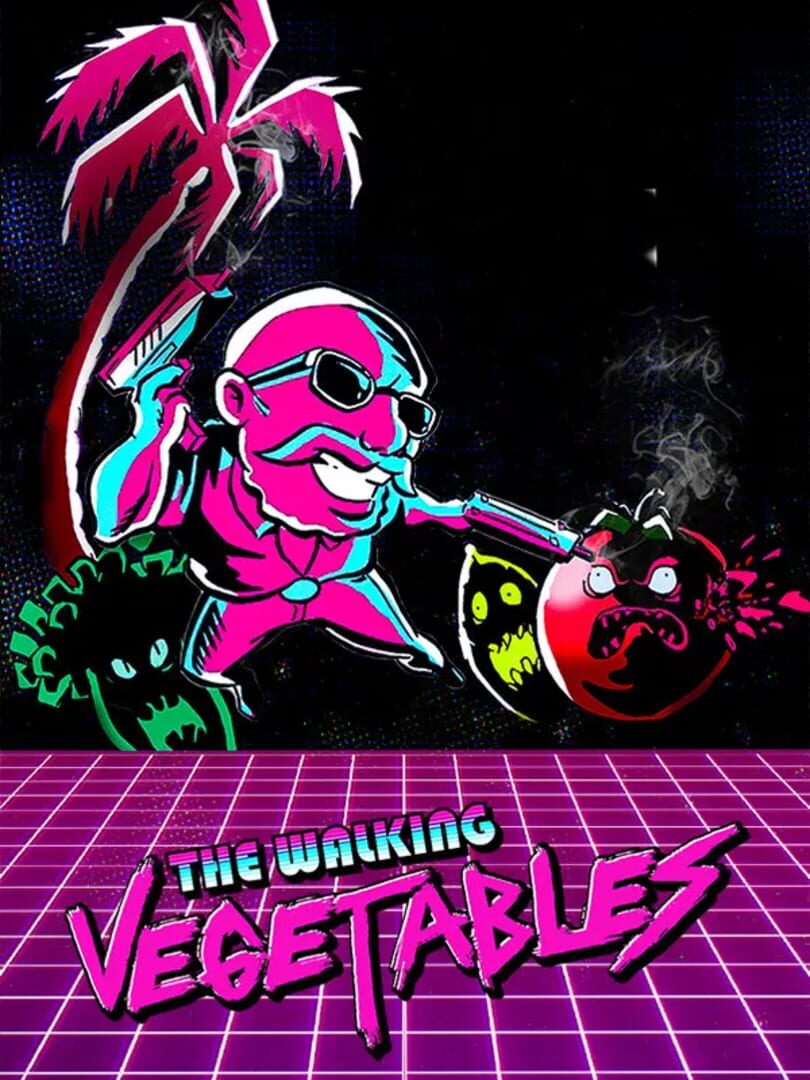
The Walking Vegetables (2018) Cover

Context and Overview

Released in full in 2018, The Walking Vegetables (also released as the Radical Edition on modern consoles) is a fast-paced, top-down twin-stick shooter that blends rogue-lite mechanics with an overdose of 1980s nostalgia. The game takes classic arcade action and pairs it with ridiculous humor, asking a simple question: what if your daily intake of vegetables turned evil and tried to destroy the world?

Developer Background

The game was created by Finnish indie studio Still Running, a team known for putting creative spins on traditional genres (and later recognized for titles like Morbid: The Seven Acolytes). Published by Merge Games and Excalibur Games, The Walking Vegetables stands out as a passion project built for fans of quick, highly replayable arcade shooters with single-player and local co-op options.

Story and Narrative

The plot of The Walking Vegetables is unapologetically goofy and retro. Alien forces have targeted Earth, turning ordinary crops into violent, mutated monstrosities. Players take on the role of an over-the-top, bad-tempered cop tasked with clearing the streets of toxic produce and bringing peace back to the city. While narrative depth takes a back seat to raw gameplay, the cheesy 80s action-movie tropes, hilarious boss introductions, and absurd setting give the game plenty of charm.

Graphics and Audio Design

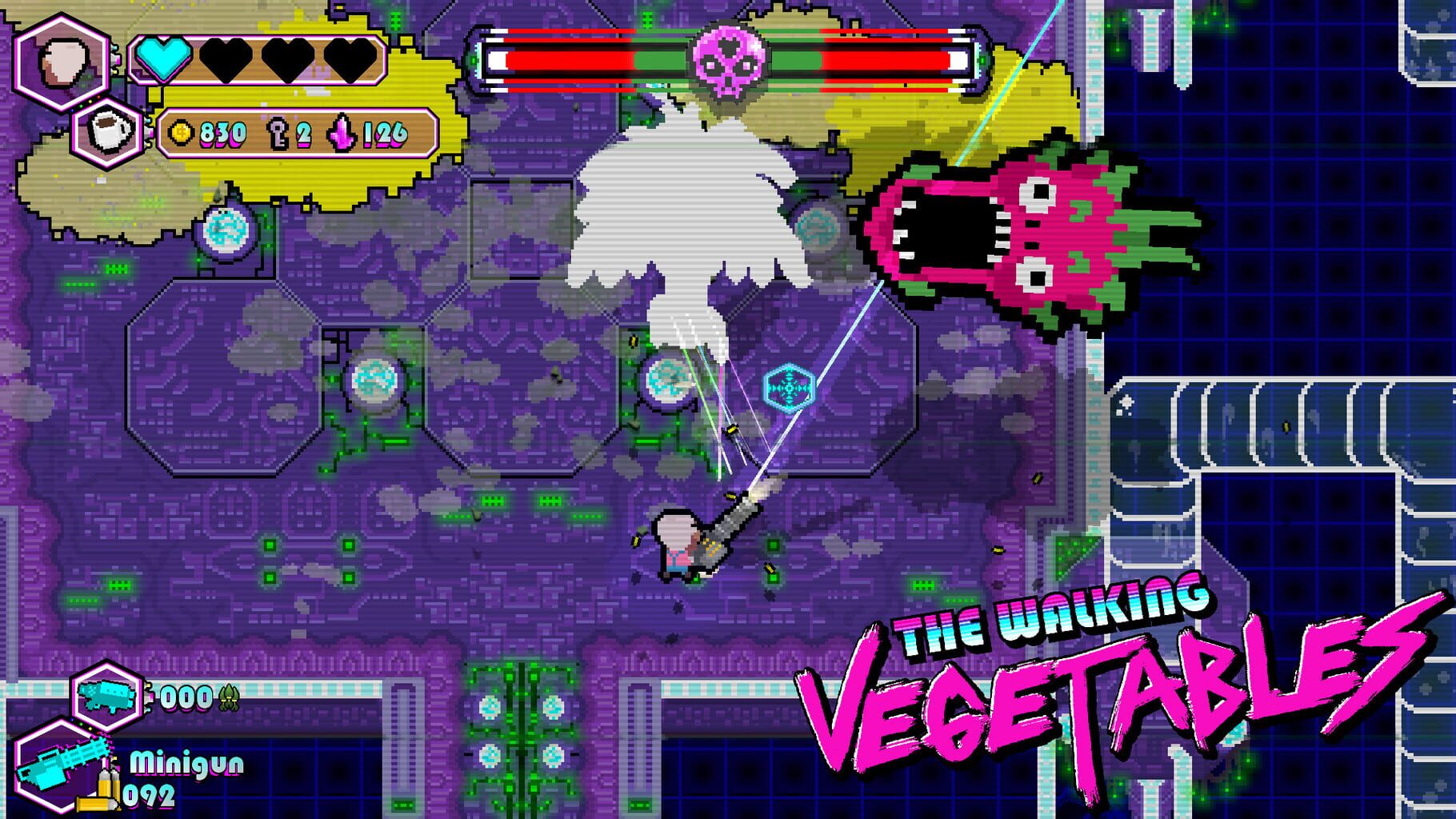
Visually, the game excels with its vibrant, high-contrast pixel art style. The screen is constantly filled with neon explosions, retro VHS scanlines, and colorful enemy sprites. From laser-shooting onions to aggressive giant pumpkins, the character designs are creative and funny. Complementing the visual style is an energetic synthwave soundtrack that drives the action forward and completes the authentic 1980s retro arcade atmosphere.

Playable Platforms

The Walking Vegetables is available on a wide variety of platforms, making it easy to jump in regardless of your gaming setup:

  • PC (Windows, macOS, Linux via Steam)
  • Nintendo Switch
  • PlayStation 4
  • Xbox One

Final Recommendation

If you enjoy twin-stick shooters like Enter the Gungeon or Nuclear Throne but want something slightly more casual, humor-driven, and stylized, The Walking Vegetables is a fantastic pick. Its chaotic weapon variety, local couch co-op mode, and retro aesthetic offer great value for indie game enthusiasts.

Verdict: 7.5/10 — A delightful, action-packed rogue-lite shooter that turns your worst childhood food nightmares into pure arcade fun.


The Walking Vegetables (2018) Screenshot

One Piece Pirate Warriors 4 Beginner Guide: Combat Tips, Growth Maps, & Character Types

One Piece Pirate Warriors 4 Beginner Guide: Combat Tips, Growth Maps, & Character Types

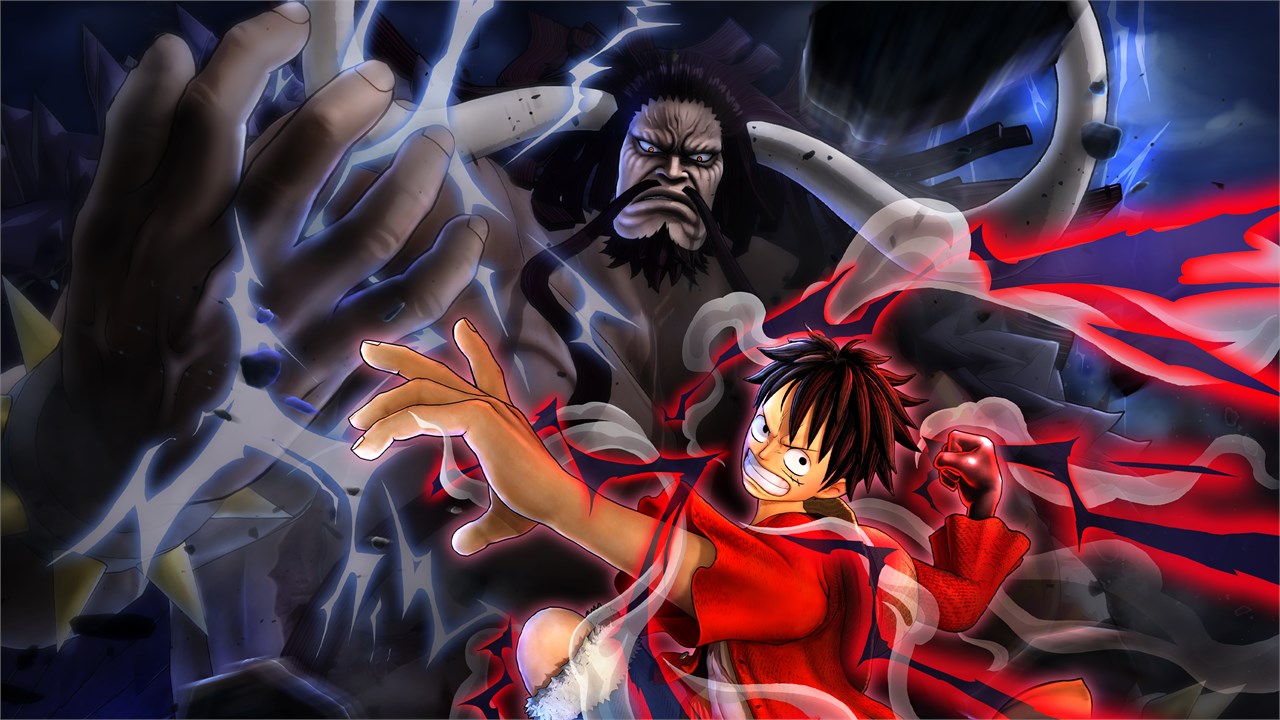
Stepping into the world of One Piece: Pirate Warriors 4 can feel overwhelming at first. With massive crowds of enemies, chaotic combo strings, and dozens of playable characters, this Musou-style action game developed by Omega Force captures the high-energy excitement of the legendary anime series. Whether you are a fan of anime games or a newcomer to the hack-and-slash genre popularized by titles like Dynasty Warriors, getting started requires a solid grasp of the core systems.

One Piece: Pirate Warriors 4

Understanding Character Types

In One Piece: Pirate Warriors 4, every character falls into one of four distinct combat types. Understanding these types is crucial because they dictate how a character fights, recovers stamina, and handles enemy hordes on the battlefield.

  • Power Type: Characters like Monkey D. Luffy, Kaido, and Big Mom deal immense damage and easily shatter enemy armor. Their attacks trigger powerful shockwaves that knock away massive groups of foes.
  • Speed Type: Swift fighters like Trafalgar Law, Sanji, and Cavendish focus on rapid attacks and rapid movement. They consume less stamina when dashing, making them exceptional at dodging attacks and stringing together endless combos.
  • Technique Type: Strategic fighters such as Trafalgar Law, Nami, and Usopp rely on unique gimmicks, traps, or area-of-effect abilities. Mastering their mechanics takes time, but they can control large portions of the battlefield with ease.
  • Sky Type: A brand-new addition compared to One Piece: Pirate Warriors 3, Sky characters like Sanji (Vinsmoke), Marco, and Reiju excel at aerial combat. They can initiate combos in the air and remain airborne for long periods, bypassing ground hazards entirely.

Mastering the Combat System

Combat in One Piece: Pirate Warriors 4 revolves around combining regular attacks, heavy attacks, and special moves. However, advanced survival relies on managing stamina and armor gauges.

Stamina and Dash Canceling

Stamina governs your ability to dash and use aerial maneuvers. A core mechanic every beginner must learn is Dash Canceling. By pressing the dash button immediately after an attack animation, you interrupt the recovery frame and reset your combo. This allows you to chain long attack sequences without giving enemies a chance to strike back.

Breaking Armor and Shields

Strong enemies and boss characters feature a blue Guard Gauge under their health bar. While this bar is intact, they take significantly reduced damage and cannot be flinched. Use Power-type characters or heavy combo finishers to break their guard rapidly, leaving them stunned and vulnerable to high-damaging special attacks.

Character Progression: The Growth Map

Upgrading your roster is vital for tackling harder stages in One Piece: Pirate Warriors 4. Progression is handled through the Growth Map system, which uses Beli (currency) and Coins earned by completing missions.

Beginner Growth Map vs. Character Maps

There are two primary categories of Growth Maps:

  • Map 1 (Global Growth Map): This map applies shared stat boosts across your entire unlocked roster. Investing Beli and Coins here increases total health, stamina, attack power, and defense for every character, giving new unlocks a solid baseline power level.
  • Map 2 & 3 (Specific Character Maps): These maps are dedicated to individual characters. They unlock new special moves, extra skill slots, and unique combo extensions tailored specifically to that fighter.

Beginner Tip: Focus on upgrading Global Map 1 first. It provides immediate value whenever you try out a new character during the story campaign.

Recommended Progression Path for New Players

To enjoy the best experience while steadily unlocking content, follow this recommended sequence:

  • Play the Dramatic Log First: The Dramatic Log serves as the main campaign, covering iconic story arcs from Alabasta through Wano. Playing through this mode unlocks key characters, provides millions of Beli, and drops essential upgrade coins.
  • Dive into the Treasure Log: Once you complete the story or need better upgrade materials, head into the Treasure Log. This mode features non-canon scenarios and higher difficulty tiers, making it the ideal place to farm rare Coins and maximize character levels.
  • Equip Useful Skills: Don't forget to equip passive skills unlocked via the Growth Map. Skills like Full-Force Burst Enhancement and Bounty Hunter (which increases Beli drops) should be equipped as early as possible.

Frequently Asked Questions

How do I unlock new characters in One Piece: Pirate Warriors 4?

Most roster characters are unlocked naturally by progressing through the main story mode (Dramatic Log). Other specific fighters require completing particular missions or achieving rank milestones inside the Treasure Log mode.

Can I play One Piece: Pirate Warriors 4 in multiplayer co-op?

Yes! The game features both 2-player local split-screen co-op and up to 4-player online multiplayer for select modes and Treasure Log missions.

Who is the best character for beginners?

Monkey D. Luffy and Roronoa Zoro are excellent choices for beginners. Both are Power-type fighters with high damage output, straightforward combos, and generous invincibility windows during their special attacks.

Final Thoughts

One Piece: Pirate Warriors 4 offers one of the most action-packed anime gaming experiences available. By mastering dash canceling, focusing on Global Growth Maps early on, and taking advantage of character-specific combat types, you will easily conquer the Grand Line. Jump into the Dramatic Log, build your ideal pirate crew, and enjoy the chaotic power of Musou combat!

Resonance of Fate Review: tri-Ace's Underrated JRPG Cult Classic

Resonance of Fate Review: tri-Ace's Underrated JRPG Cult Classic
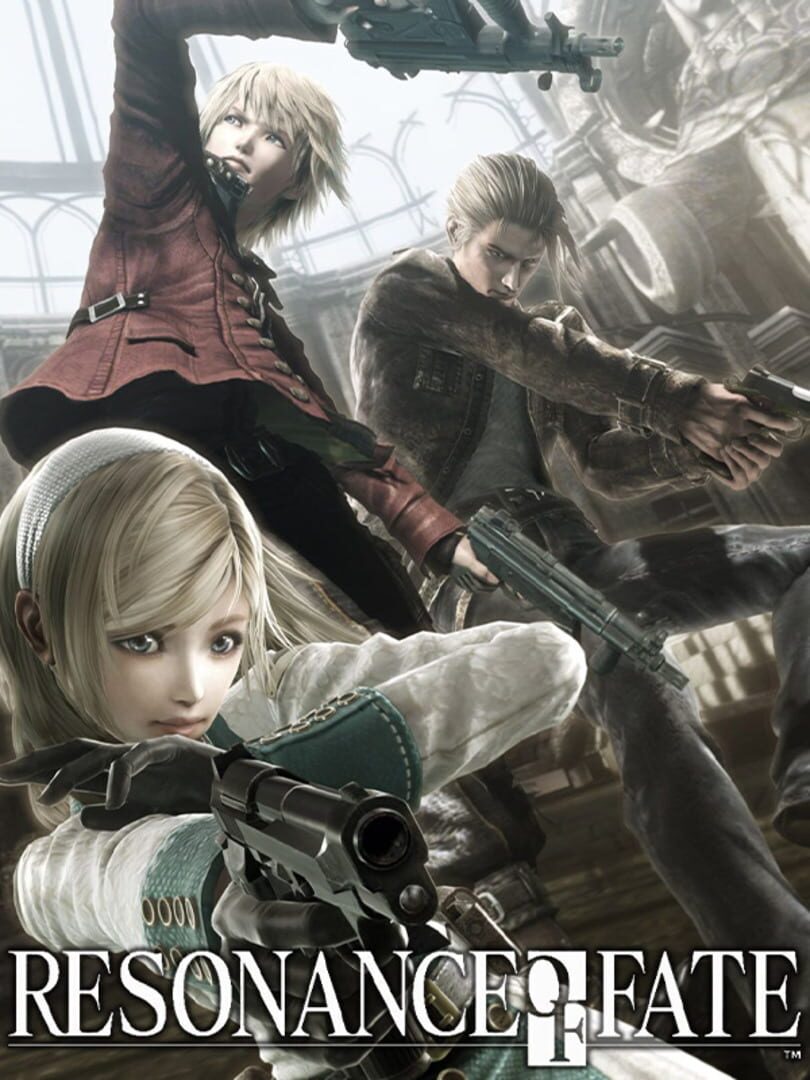
Resonance of Fate (2010) Cover

Introduction: A Distinctive Gem in the JRPG Genre

Released in 2010, Resonance of Fate (known in Japan as End of Eternity) stands out as one of the most unorthodox and innovative Japanese Role-Playing Games (JRPGs) of the seventh console generation. Published by Sega, the game broke traditional RPG conventions by eschewing high-fantasy tropes in favor of tactical, gun-based combat and a gritty, dystopian clockwork aesthetic.

The Developer: tri-Ace's Legacy of Innovation

The game was developed by tri-Ace, a celebrated Japanese studio famed for creating complex gameplay mechanics and technical systems in series such as Star Ocean and Valkyrie Profile. With Resonance of Fate, tri-Ace demonstrated their willingness to experiment with strategic combat models, deep customization options, and non-linear narrative structures, solidifying their reputation as bold innovators in the JRPG space.

Context and World Building

The game is set in a distant future where severe atmospheric pollution rendered Earth uninhabitable. To survive, humanity constructed Basel, a giant automated environmental tower managed by a central supercomputer named Zenith. Within Basel, human lives and lifespans are linked to spiritual and mechanical systems, leading to a rigid class structure where wealthy nobles live near the top and lower classes struggle on the toxic bottom tiers.

Story and Narrative Structure

The plot revolves around three mercenaries operating as part of a Private Military Firm (PMF):

  • Vashyron: A former soldier and the pragmatic, easygoing leader of the group.
  • Zephyr: A young man with a volatile past saved from self-destruction.
  • Leanne: A young woman who joined the squad after attempting to defy her pre-determined fate.

Rather than following a traditional global threat narrative right away, the story progresses through episodic mercenary contracts. As the trio completes jobs across Basel, they uncover deeper political intrigue, theological secrets, and the truth behind Zenith's control over human fate.

Graphics, Style, and Visual Performance

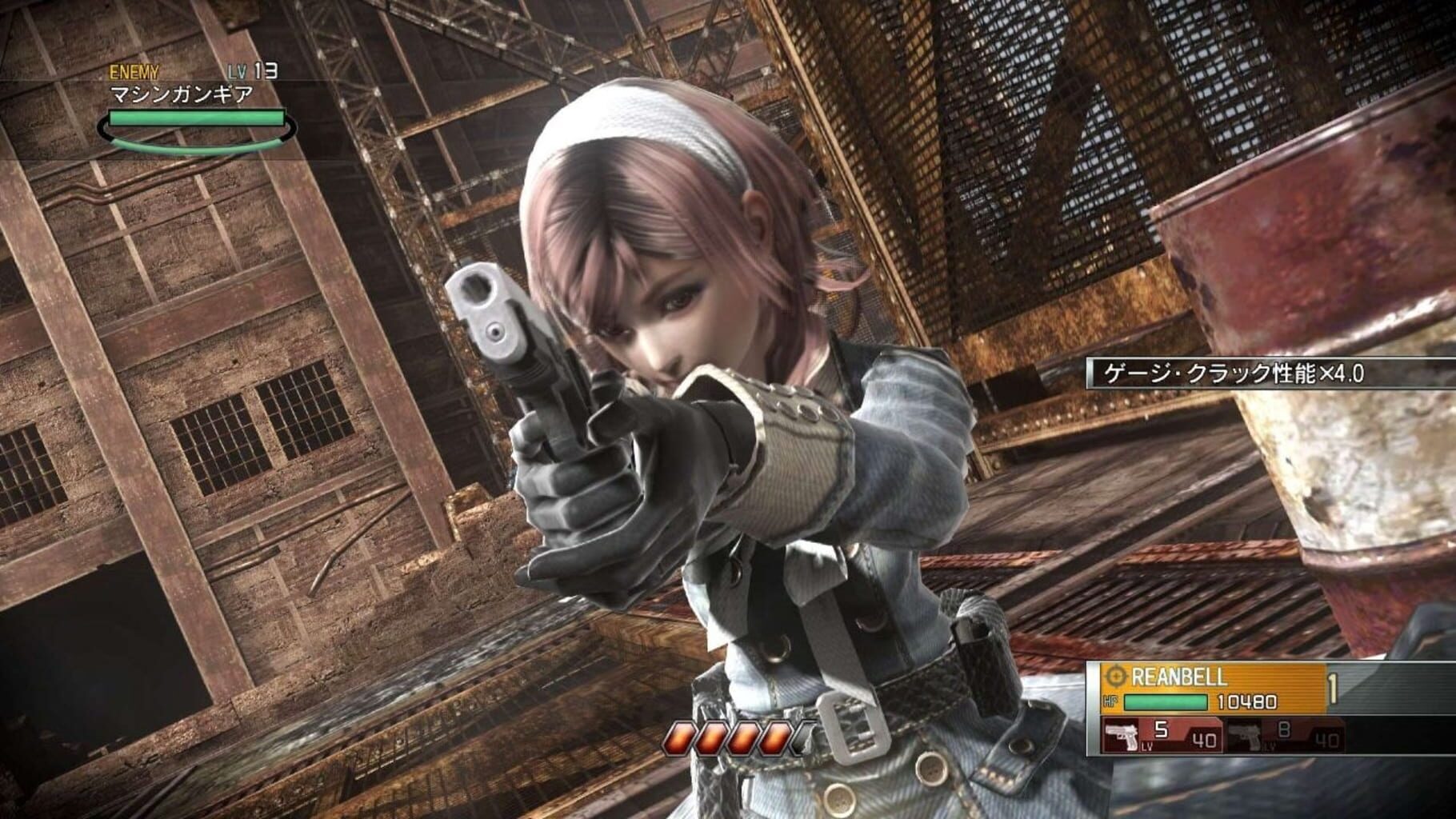
Visually, Resonance of Fate features an industrial steampunk hybrid aesthetic full of metallic gears, brass architecture, and muted, atmospheric lighting. While the original console release was technically demanding, the game's dynamic camera angles during combat give battles a cinematic quality reminiscent of high-octane bullet-time action cinema.

The 2018 remaster, titled Resonance of Fate 4K/HD Edition, significantly boosted performance by offering high-resolution textures, improved anti-aliasing, and a stable 60 frames-per-second presentation that brings out the intricate details of character outfits and customizable weaponry.

Playable Platforms

Players looking to experience Resonance of Fate can access it across multiple platforms:

  • Original Releases (2010): PlayStation 3, Xbox 360
  • Remastered Edition (2018): PC (Windows via Steam), PlayStation 4

Final Recommendation and Verdict

"Resonance of Fate offers a deep, highly rewarding combat system and a stylized world unlike anything else in the JRPG space. While its learning curve is steep, mastering its mechanics provides unmatched satisfaction."

Resonance of Fate is a cult classic that rewards patience, tactical thinking, and an appreciation for deep game systems. Between its unique gun-customization features, dynamic tactical combat, and mature dystopian tone, it remains a standout title for JRPG enthusiasts seeking something truly unique.

Final Verdict: 8.5/10 — Highly recommended for fans of strategic RPGs and tactical gameplay.


Resonance of Fate (2010) Screenshot

Complete Twisted Metal PS3 Guide: Tips, Vehicles, Weaponry, and Strategies

Complete Twisted Metal PS3 Guide: Tips, Vehicles, Weaponry, and Strategies

Released in 2012 by Eat Sleep Play and Sony Computer Entertainment, Twisted Metal for the PlayStation 3 brought back the legendary franchise's signature brand of explosive, high-octane vehicular combat. Serving as both a reboot and a refinement of the classic series, this entry features fast-paced action, intricate map designs, and deep strategic combat that continues to challenge gamers years after its launch.

Whether you are returning to Calypso's tournament or jumping into the driver's seat for the first time, this comprehensive guide covers everything you need to know to dominate the arena—from vehicle builds and energy attacks to campaign strategies and combat tactics.

Twisted Metal

Key Gameplay Mechanics in Twisted Metal

Twisted Metal on PS3 moves at a breakneck speed compared to traditional arcade driving games. Mastering the controls and secondary mechanics is vital to survival.

Energy Attacks

Every vehicle has access to a shared pool of Energy, which recharges over time. Using directional D-pad combinations allows you to trigger special abilities without needing weapon pickups on the field:

  • Freeze Missile (Up, Up, Right): Freezes enemy vehicles in place for a short duration, leaving them vulnerable to massive follow-up damage.
  • Shield (Right, Right, Down): Makes your vehicle temporarily invulnerable to all incoming damage. Essential for surviving heavy artillery or oncoming super attacks.
  • Rear Fire (Down, Down, Up): Fires your currently selected sidearm or missile backward to stop pursuers.
  • Mine (Down, Down, Down): Drops an explosive mine directly behind your vehicle to catch close tailgaters.
  • Invisibility (Left, Left, Down): Temporarily hides your vehicle from the mini-map and breaks enemy missile targeting locks.

Turbo and Drift Management

Boost is limited and recharges slowly over time. Use short bursts of turbo to break lock-ons from enemy homing missiles, quickly escape sticky situations, or ram opponents for heavy physical damage. Combine turbo with tight handbrake turns to easily navigate narrow city alleys and multi-story arenas.

Character Factions and Vehicle Guide

Unlike previous entries in the franchise, Twisted Metal on PS3 separates drivers from their iconic vehicles. Instead, the narrative revolves around three primary factions led by iconic drivers: Sweet Tooth (Clowns), Mr. Grimm (Scabs), and Dollface (Dolls), along with Preacher. Any faction member can pilot any unlocked vehicle in combat.

Light Vehicles

  • Reaper (Motorcycle): Extremely fast and nimble with high acceleration, but features low health armor. Its special weapon, the RPG, can be dropped like an explosive charge or launched directly.
  • Crimson Viper (Sports Car): High speed and excellent handling. Special weapon features airborne drop-bombs and sonic blasts.
  • Kamikaze (Import Car): Excellent for hit-and-run tactics, offering a powerful flame charge attack that damages target vehicles on contact.

Medium Vehicles

  • Roadkill (Muscle Car): A versatile, balanced car suited for all player skill levels. Fires a devastating sonic boom dish special attack.
  • Death Warrant (Sedan): Well-rounded stats featuring a special missile spray that locks onto multiple targets simultaneously.
  • Meat Wagon (Ambulance): Fires explosive gurney bombs that can be manually detonated or allowed to home in on targets.
  • Shadow (Hearse): Shoots a floating shadow soul that can detonate on command, dealing splash damage through walls and obstacles.
  • Vermin (Pest Control Van): Deploys a remote-controlled rocket rat for long-range, precise explosive strikes.
  • Axel (Two-Wheeled Machine): High power and ramming potential, featuring a devastating area-of-effect shockwave attack.

Heavy Vehicles

  • Sweet Tooth (Ice Cream Truck): High armor and health. Transforms into the formidable Sweet Bot, capable of temporary flight and heavy mechanical ground slams.
  • Darkside (Semi-Truck): Massive ramming power and heavy armor. Its special weapon charges up speed and rams opponents for extreme damage.
  • Junkyard Dog (Tow Truck): High armor vehicle that launches explosive taxi cabs directly at enemy targets.
  • Talon (Attack Helicopter): Provides vertical superiority, dropping heavy mortar fire and lifting ally or enemy vehicles directly from above.
  • Juggernaut (Mobile Rig): A giant armored transport truck that acts as a mobile fortress, firing heavy cannons and launching support sub-weapons.

Weaponry and Power-Ups Breakdown

Knowing which weapon to collect and when to deploy it dictates the rhythm of combat in Twisted Metal.

  • Homing Missiles: Basic tracking missiles best used at medium range against moving targets.
  • Power Missiles: Straight-firing heavy missiles dealing massive impact damage. Requires precise aiming or a frozen target.
  • Swarm Missiles: Multi-shot rockets that can be held to charge up and fire an overwhelming volley of projectile fire.
  • Sniper Rifle: Requires manual aiming; yields extreme high-damage critical hits when fully charged.
  • Ricochet Bomb: Bounces off walls and surfaces, gaining extra damage speed before impacting targets in enclosed arenas.
  • Shotgun / Sidearms: Unlimited ammo weapons with small reload cooldowns, ideal for constant pressure between main ordnance reloads.

Campaign and Game Modes

The single-player campaign in Twisted Metal presents three unique story chapters focusing on Sweet Tooth, Mr. Grimm, and Dollface. Each chapter features standard Deathmatches, Cage Matches, Challenge Races, and cinematic Boss Battles.

Key Game Modes

  • Story Campaign: Offers multi-stage objectives and boss fights against massive engines of destruction like the Brothers Grimm monster truck and Iron Maiden.
  • Nuke Mode: The flagship team-based multiplayer mode where teams capture enemy faction leaders, attach them to missile launchers, and launch nukes at the opposing team's flying statue.
  • Deathmatch & Team Deathmatch: Classic free-for-all or squad destruction where the player or team with the highest kill count emerges victorious.
  • Last Man Standing: Limited lives survival mode emphasizing tactical defense and smart resource management.
  • Split-Screen Local Co-op: Supports two-player story co-op and up to four-player local offline multiplayer battles.

Crucial Tips and Advanced Combat Strategies

  • Master the Freeze Combo: Line up heavy damage by executing the Freeze Energy Attack (Up, Up, Right) followed immediately by a charged Power Missile or high-yield Special Weapon.
  • Keep Moving and Learn Garage Locations: Stationary targets are easy prey. Memorize map layouts to locate Health Garages, which fully repair your vehicle after a brief delay.
  • Use Verticality: Arenas like Sunset Dive and Black Rock Stadium feature multi-tiered ramps, roofs, and hazards. Drop down on opponents to break their line-of-sight and gain tactical position.
  • Utilize Environmental Hazards: Shoot down structures, electrical towers, and explosive barrels to trap or damage surrounding opponents during skirmishes.

Frequently Asked Questions

Is Twisted Metal PS3 playable offline?

Yes, Twisted Metal includes a full single-player campaign mode and offline split-screen multiplayer modes against AI bots or local friends.

Can you play local split-screen co-op in Twisted Metal?

Yes, the game supports 2-player local split-screen campaign co-op and up to 4-player local split-screen multiplayer matches.

How do you unlock all vehicles in Twisted Metal PS3?

Vehicles are unlocked by beating story campaign stages on various difficulty levels and earning specific event medals (Bronze, Silver, Gold).

Final Thoughts

Twisted Metal on PlayStation 3 remains one of the most intense, rewarding vehicular combat games ever created. With its robust vehicle roster, complex energy attacks, and tight mechanics, mastering Calypso's tournament takes speed, strategy, and relentless aggression. Strap in, learn your vehicle builds, and claim victory on the apocalyptic battlefields.

Call of Duty: Black Ops Cold War Review - Is It Worth Playing?

Call of Duty: Black Ops Cold War Review - Is It Worth Playing?
Call of Duty: Black Ops Cold War (2020) Cover

Call of Duty: Black Ops Cold War Review

Released in late 2020, Call of Duty: Black Ops Cold War brings the iconic sub-series back to its espionage roots. Positioned as a direct sequel to the original 2010 Black Ops, the game drops players right into the center of 1980s geopolitical tension.

Context and Setting

Set during the height of the Cold War in the early 1980s, the game plunges players into covert operations across global hotspots like East Berlin, Vietnam, Turkey, and the Soviet KGB headquarters. It captures the paranoia, conspiracy theories, and shadow ops that defined the era.

Developer and Available Platforms

The game was co-developed by veteran studios Treyarch (handling multiplayer and Zombies mode) and Raven Software (leading the single-player campaign), published by Activision.

Playable Platforms

  • PlayStation 4 & PlayStation 5
  • Xbox One & Xbox Series X/S
  • Microsoft Windows (PC)

Story and Narrative

The narrative follows CIA officer Russell Adler and his secret team as they track down a legendary Soviet spy codenamed Perseus. Players step into the shoes of 'Bell', a customizable operative, alongside legendary characters like Alex Mason, Frank Woods, and Jason Hudson. Featuring dialogue choices, optional side missions, and multiple endings, the campaign delivers an engaging psychological thriller experience.

Graphics and Visual Performance

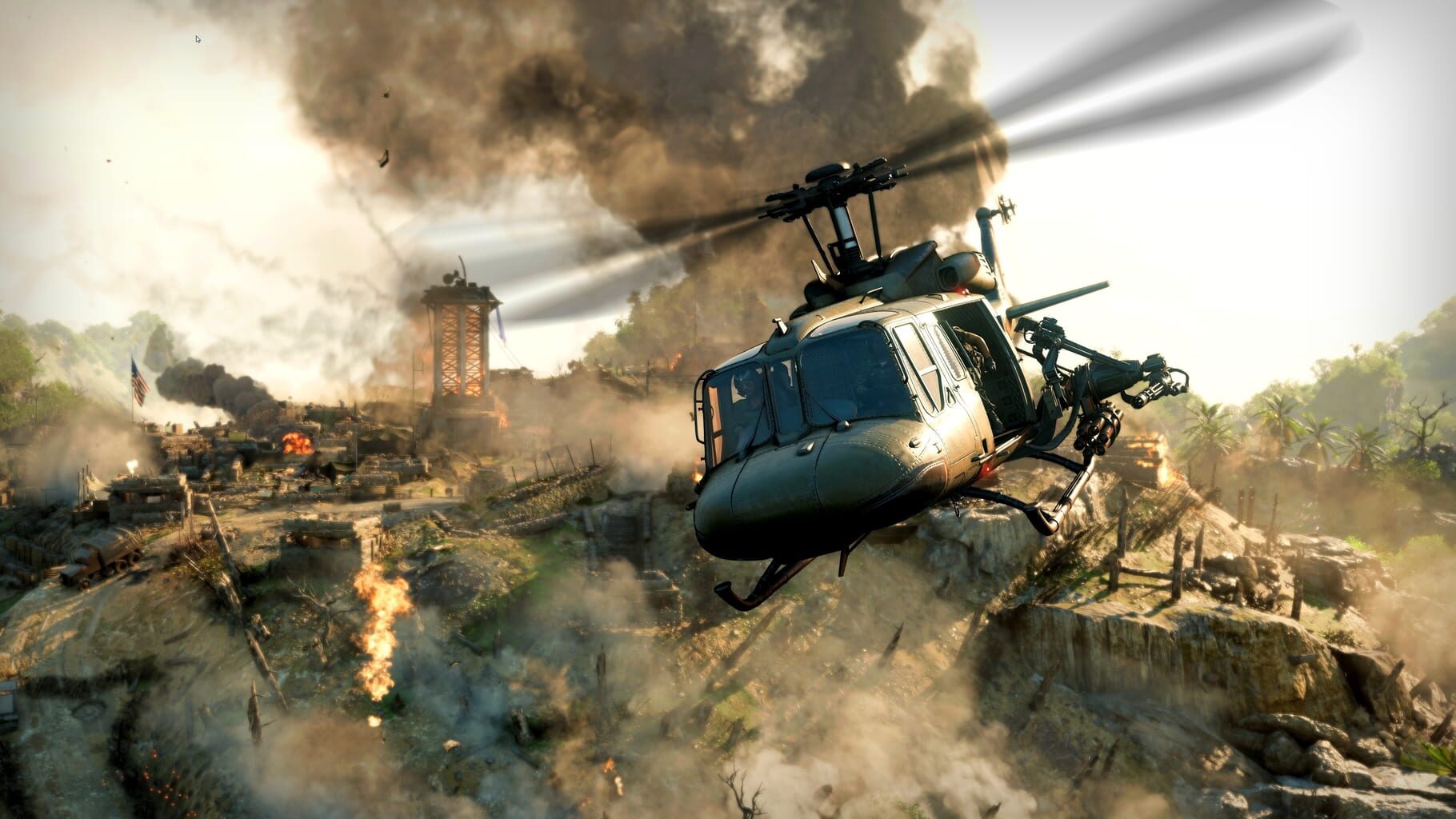
Visually, Black Ops Cold War takes full advantage of eighth and ninth-generation hardware. Leveraging ray tracing technology, impressive HDR lighting, and highly detailed character models, the game accurately captures the moody, neon-lit aesthetic of the 1980s. Performance is top-tier, supporting up to 120 FPS on next-gen consoles and high-end PCs.

Final Recommendation

Call of Duty: Black Ops Cold War is a well-rounded FPS package that delivers a memorable spy-thriller campaign, fast-paced multiplayer, and the fan-favorite Round-Based Zombies mode. It is highly recommended for fans of story-driven shooters and tactical action, especially on PC, PS5, or Xbox Series X/S where the graphical enhancements truly shine.


Call of Duty: Black Ops Cold War (2020) Screenshot

Outcast (1999) Video Game Review: A Sci-Fi Masterpiece Ahead of Its Time

Outcast (1999) Video Game Review: A Sci-Fi Masterpiece Ahead of Its Time
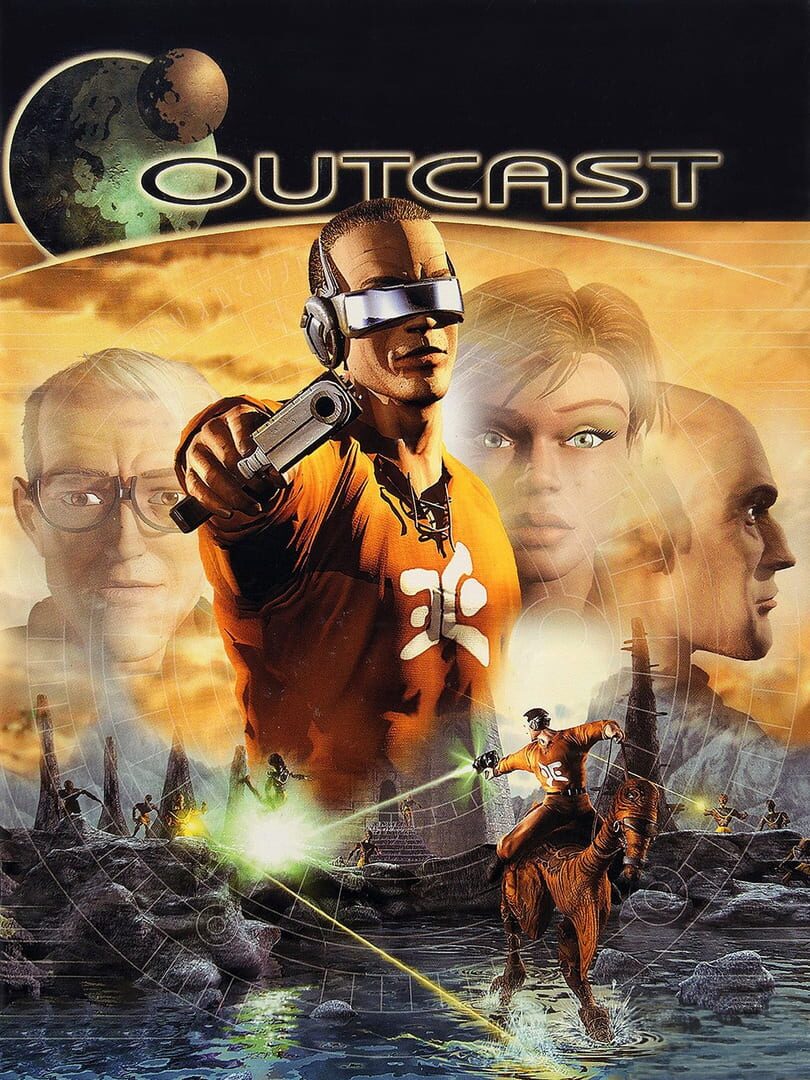
Outcast (1999) Cover

Introduction and Historical Context

Released in 1999, Outcast stands as one of the most ambitious and innovative open-world action-adventure games in PC gaming history. Developed at a time when full 3D environments were still in their infancy, Outcast boldly introduced non-linear exploration, dynamic artificial intelligence, an orchestrated cinematic score, and living alien worlds years before these elements became standard in the industry.

While contemporary games like Grand Theft Auto III are often credited with popularizing 3D open-world design, Outcast laid much of the groundwork in 1999, offering players unprecedented freedom on the alien planet of Adelpha.

Story and Narrative: The Legend of the Ulukai

In Outcast, players step into the boots of Cutter Slade, a former U.S. Navy SEAL assigned to escort a team of scientists to a parallel dimension called Adelpha. A probe sent to this world damaged a vital energy field, creating a black hole that threatens to destroy Earth. Slade's mission is simple: protect the scientists and repair the probe.

Upon arriving, Slade is separated from his team and discovered by the Talan, the native humanoid inhabitants of Adelpha. The Talan believe Slade is the Ulukai, a prophesied savior destined to liberate them from the tyrannical rule of the dictator Kroax and his master, Fae Rhan.

The narrative shines through its deep lore, rich alien culture, and dynamic dialogue system. Slade must travel between distinct regions of Adelpha via ancient gateways known as Daokas, completing quests, gaining the trust of local tribes, and disrupting Kroax's supply lines to spark a revolution.

Graphics and Technology: The Voxel Revolution

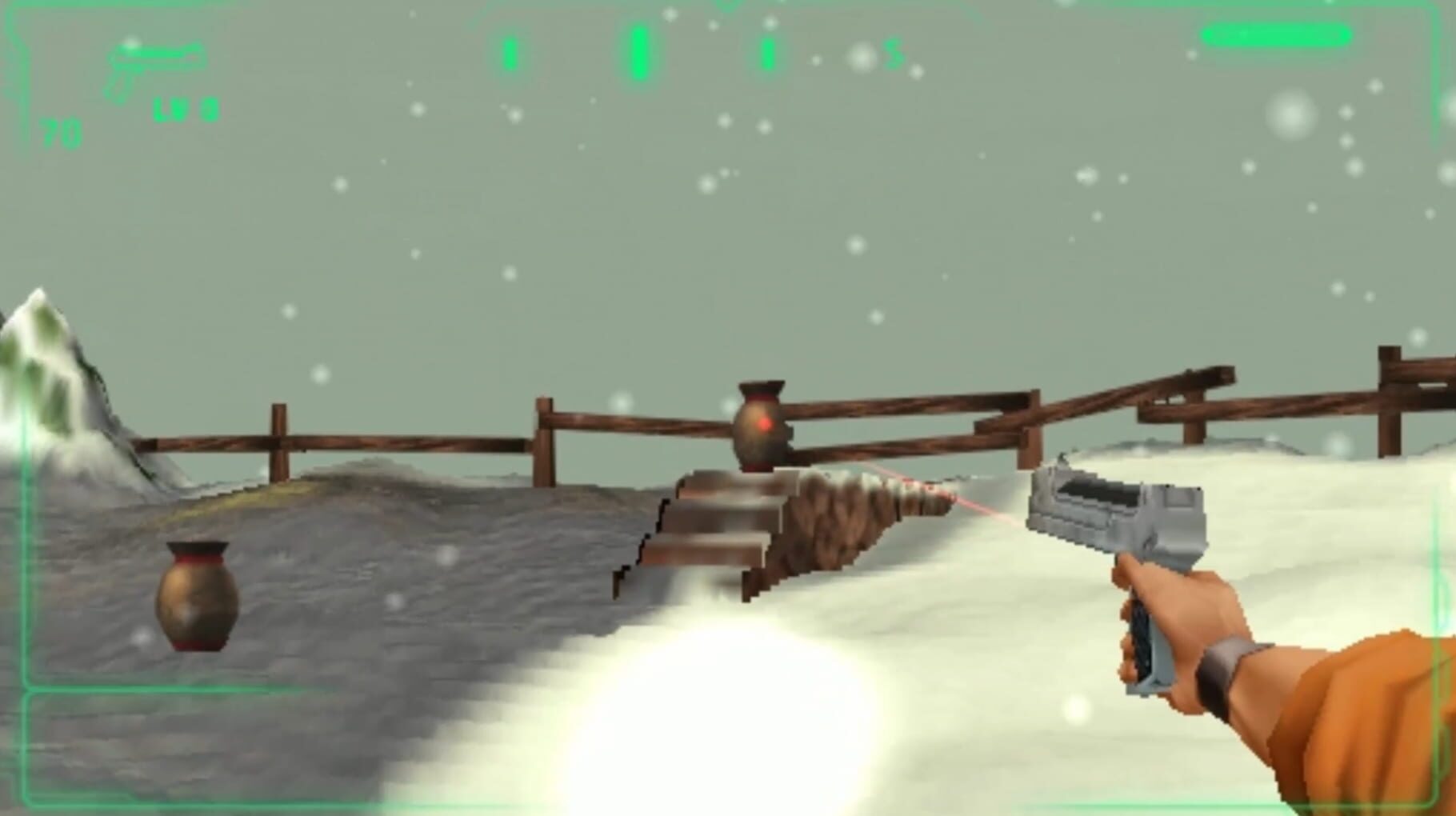
Visually, Outcast was a technological anomaly in 1999. Instead of relying on traditional hardware-accelerated polygon graphics, Belgian developer Appeal built a custom software-driven engine utilizing voxel graphics (volumetric pixels).

Key Technological Achievements:

  • Ray-Traced Landscapes: Allowed for natural, organic terrain curves, bump mapping, and realistic depth without polygonal edges.
  • Advanced AI (GAIA): Enemies reacted dynamically to sound, communicated with one another, took cover, and adapted to Slade's combat tactics.
  • Cinematic Audio: Featured a full orchestral soundtrack composed by Lennie Moore and performed by the Moscow Symphony Orchestra, elevated by full voice acting.

The main drawback at launch was hardware demands. Because voxels relied heavily on CPU power rather than emerging 3D graphics cards (like 3dfx Voodoo), running Outcast at high resolutions required high-end hardware, making it a cult classic rather than a mainstream commercial explosion upon initial release.

Developer Background

Outcast was developed by Belgian studio Appeal Studios and published by Infogrames. Driven by visionary directors Yves Grolet, Yann Robert, and Franck Sauer, the team sought to push the boundaries of immersive interactive storytelling. Despite critical acclaim and winning numerous Game of the Year awards in 1999, commercial success was modest due to its steep hardware requirements. However, Appeal's dedication ensured the franchise retained a passionate fan base over the decades.

Where to Play Outcast Today

Fortunately, modern players have several ways to experience Cutter Slade's original adventure on current platforms:

VersionPlatform(s)Key Features
Outcast 1.1PC (Steam, GOG)Enhanced original engine, multi-threaded CPU support, remastered high-resolution graphics, modern controls.
Outcast: Second ContactPC, PlayStation 4, Xbox OneFull 2017 remake featuring modern 3D visuals while retaining the original layout, dialogue, and voice acting.

Final Recommendation & Verdict

Outcast (1999) remains a masterclass in game design, world-building, and atmosphere. Its intuitive non-linear gameplay, unforgettable symphonic score, and charismatic protagonist make it an essential play for retro gaming enthusiasts, sci-fi fans, and anyone interested in the evolution of open-world games.

Final Score: 9/10 — An extraordinary journey that was truly years ahead of its time. Whether you choose to play the classic Outcast 1.1 or the 2017 Second Contact remake, step through the Daoka to Adelpha for an unforgettable adventure.


Outcast (1999) Screenshot

Stardew Valley Beginner's Guide: Essential Tips for Your First Year

Stardew Valley Beginner's Guide: Essential Tips for Your First Year
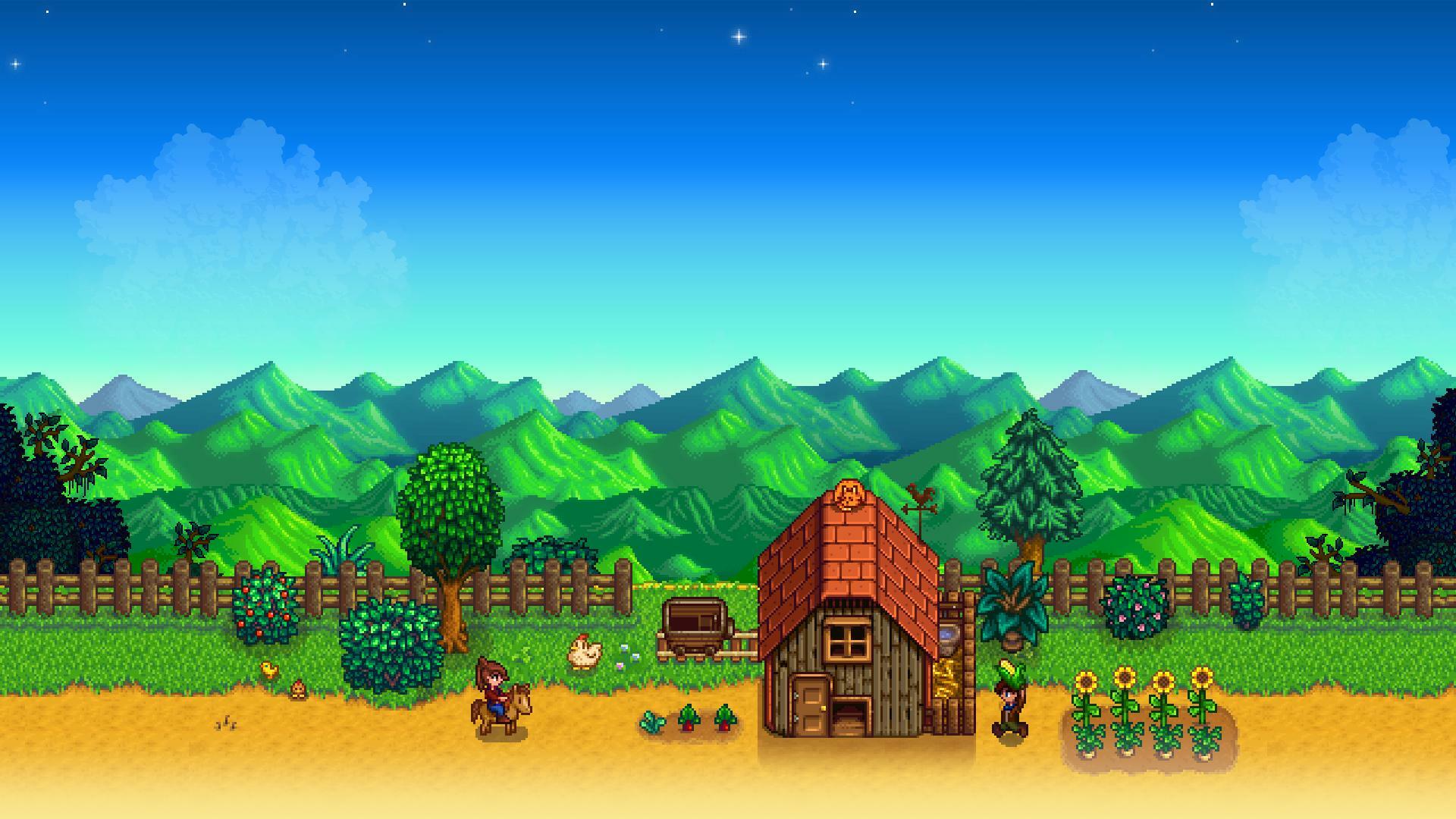
Stardew Valley

Welcome to Your New Life in Stardew Valley

Inheriting your grandfather's old farm plot in Stardew Valley is the beginning of a peaceful, rewarding adventure. However, for new players, the freedom offered by the game can be overwhelming. Between managing limited stamina, clearing overgrown land, and deciding which crops to plant, your first few weeks can feel chaotic. This comprehensive beginner's guide will help you navigate your initial year in Pelican Town smoothly and set your farm up for long-term success.

Understanding Energy and Time Management

In Stardew Valley, time and energy are your most valuable resources. Every tool swing, crop watered, and rock smashed consumes stamina from your green energy bar.

  • Watch the Clock: Each day runs from 6:00 AM to 2:00 AM. Passing out at 2:00 AM results in a financial penalty and starting the next day with less energy. Aim to be in bed by 12:00 AM for maximum stamina recovery.
  • Eat Forageables: Early in the game, do not hesitate to eat wild items like Field Snacks, Spring Onions, and Salmonberries to replenish your stamina while clearing land or fishing.
  • Upgrade Your Tools: Higher-tier tools consume less energy per swing and affect larger areas, saving both time and stamina.

Spring Year 1: Choosing the Best Crops

Crops are your primary source of income early on. Investing your starting gold wisely will snowball your profits rapidly throughout the first season.

  • Parsnips: You start with 15 Parsnip seeds. They grow quickly (4 days) and provide immediate cash flow to buy more seeds.
  • Potatoes: One of the best early-game investments because they have a chance to yield multiple potatoes per harvest.
  • Strawberries: Sold exclusively at the Egg Festival on Spring 13th. Buy as many Strawberry seeds as you can afford and plant them immediately for multiple high-value harvests before summer.

Essential Infrastructure: Build a Silo First

Before purchasing chickens or building a Coop, ask Robin the Carpenter to build a Silo on your farm. Silos require minimal resources (100 Gold, 100 Stone, 10 Clay, and 5 Copper Bars). Once built, cutting grass on your farm with a Scythe automatically converts it into Hay, which is stored in the Silo. If you build a Coop or Barn before a Silo, you will have to manually purchase expensive animal feed from Marnie.

Exploring the Mines and Combat Basics

Unlocked on the 5th day of Spring, the Mines located in the north are essential for gathering ore (Copper, Iron, and Gold) to upgrade your tools and craft essential items like Sprinklers.

  • Check the Elevator: The Mine elevator saves your progress every 5 floors. Always reach an elevator floor before heading home for the night.
  • Watch the Daily Luck: Check the TV in your cabin every morning. On high luck days, ladder spawn rates in the Mines increase significantly, and you will find more gems and geodes.
  • Keep Monster Loot: Items like Bug Meat, Slime, and Bat Wings are crucial for crafting later in the game. Store them in a chest rather than selling them immediately.

Community Center vs. JojaMart: Which Path to Choose?

Early in the game, you will be presented with a key choice that shapes your playthrough:

  • The Community Center Route: The traditional path. You unlock farm upgrades, bridge repairs, and the greenhouse by completing item bundles (crops, fish, forageables, and animal products). This path encourages a well-rounded playstyle and teaches you every mechanic in the game.
  • The JojaMart Route: The corporate path. You purchase town upgrades directly with gold through a Joja Membership. While faster for experienced players, it turns Stardew Valley strictly into a money-grinding simulator and is generally less rewarding for beginners.

Socializing and Building Relationships

Befriending the residents of Pelican Town unlocks valuable crafting recipes, free item gifts in the mail, and rich story cutscenes.

  • Talk Daily: Simply talking to villagers increases your friendship points gradually.
  • Remember Birthdays: Check the calendar outside Pierre's shop. Giving a villager a liked or loved gift on their birthday grants eight times the normal friendship points.
  • Universal Likes: Most villagers love or like Tree Fruit (Apples, Peaches), Coffee, Honey, and Artisan Goods (Cheese, Mayonnaise).

Frequently Asked Questions

What happens if I pass out in Stardew Valley?

If you pass out from exhaustion (zero energy) or hit 2:00 AM, you wake up in your bed the next morning with less energy, and Harvey or JojaMart will charge you a fee up to 1,000 Gold. If you pass out from losing all health in the Mines, you will lose money, some inventory items, and forget several elevator floors.

Should I sell all my crops immediately?

It is wise to keep a small stockpile (2-3 items) of every crop, forageable, and fish you obtain. You may need them later for Community Center bundles, villager quests, or crafting recipes.

How do I increase my inventory space?

You can buy backpack upgrades inside Pierre's General Store. The first upgrade costs 2,000 Gold and expands your inventory to 24 slots, while the final upgrade costs 10,000 Gold for 36 slots. Getting the first backpack upgrade should be one of your top priorities in early Spring.

Final Thoughts

Stardew Valley is designed to be played at your own pace. There are no strict deadlines, and missing a crop or event during your first year simply means you can catch it during Year 2. Focus on setting comfortable daily goals, upgrading your tools, and exploring the rich world at your own rhythm.

Follow my social medias to unlock these coupons.

CLICK HERE, UNLOCK VIP COUPONS!