


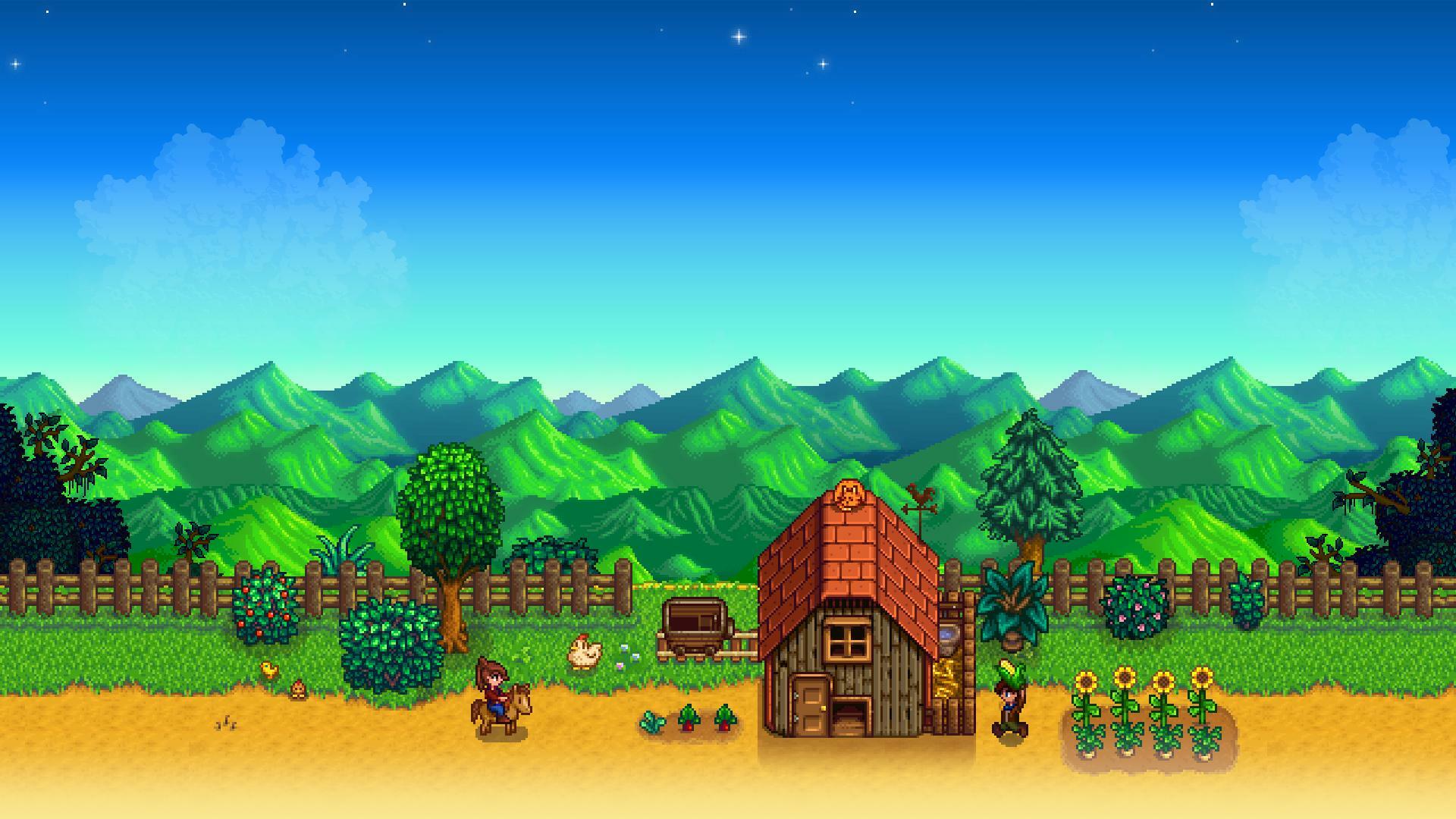
Welcome to Your New Life in Stardew Valley
Inheriting your grandfather's old farm plot in Stardew Valley is the beginning of a peaceful, rewarding adventure. However, for new players, the freedom offered by the game can be overwhelming. Between managing limited stamina, clearing overgrown land, and deciding which crops to plant, your first few weeks can feel chaotic. This comprehensive beginner's guide will help you navigate your initial year in Pelican Town smoothly and set your farm up for long-term success.
Understanding Energy and Time Management
In Stardew Valley, time and energy are your most valuable resources. Every tool swing, crop watered, and rock smashed consumes stamina from your green energy bar.
- Watch the Clock: Each day runs from 6:00 AM to 2:00 AM. Passing out at 2:00 AM results in a financial penalty and starting the next day with less energy. Aim to be in bed by 12:00 AM for maximum stamina recovery.
- Eat Forageables: Early in the game, do not hesitate to eat wild items like Field Snacks, Spring Onions, and Salmonberries to replenish your stamina while clearing land or fishing.
- Upgrade Your Tools: Higher-tier tools consume less energy per swing and affect larger areas, saving both time and stamina.
Spring Year 1: Choosing the Best Crops
Crops are your primary source of income early on. Investing your starting gold wisely will snowball your profits rapidly throughout the first season.
- Parsnips: You start with 15 Parsnip seeds. They grow quickly (4 days) and provide immediate cash flow to buy more seeds.
- Potatoes: One of the best early-game investments because they have a chance to yield multiple potatoes per harvest.
- Strawberries: Sold exclusively at the Egg Festival on Spring 13th. Buy as many Strawberry seeds as you can afford and plant them immediately for multiple high-value harvests before summer.
Essential Infrastructure: Build a Silo First
Before purchasing chickens or building a Coop, ask Robin the Carpenter to build a Silo on your farm. Silos require minimal resources (100 Gold, 100 Stone, 10 Clay, and 5 Copper Bars). Once built, cutting grass on your farm with a Scythe automatically converts it into Hay, which is stored in the Silo. If you build a Coop or Barn before a Silo, you will have to manually purchase expensive animal feed from Marnie.
Exploring the Mines and Combat Basics
Unlocked on the 5th day of Spring, the Mines located in the north are essential for gathering ore (Copper, Iron, and Gold) to upgrade your tools and craft essential items like Sprinklers.
- Check the Elevator: The Mine elevator saves your progress every 5 floors. Always reach an elevator floor before heading home for the night.
- Watch the Daily Luck: Check the TV in your cabin every morning. On high luck days, ladder spawn rates in the Mines increase significantly, and you will find more gems and geodes.
- Keep Monster Loot: Items like Bug Meat, Slime, and Bat Wings are crucial for crafting later in the game. Store them in a chest rather than selling them immediately.
Community Center vs. JojaMart: Which Path to Choose?
Early in the game, you will be presented with a key choice that shapes your playthrough:
- The Community Center Route: The traditional path. You unlock farm upgrades, bridge repairs, and the greenhouse by completing item bundles (crops, fish, forageables, and animal products). This path encourages a well-rounded playstyle and teaches you every mechanic in the game.
- The JojaMart Route: The corporate path. You purchase town upgrades directly with gold through a Joja Membership. While faster for experienced players, it turns Stardew Valley strictly into a money-grinding simulator and is generally less rewarding for beginners.
Socializing and Building Relationships
Befriending the residents of Pelican Town unlocks valuable crafting recipes, free item gifts in the mail, and rich story cutscenes.
- Talk Daily: Simply talking to villagers increases your friendship points gradually.
- Remember Birthdays: Check the calendar outside Pierre's shop. Giving a villager a liked or loved gift on their birthday grants eight times the normal friendship points.
- Universal Likes: Most villagers love or like Tree Fruit (Apples, Peaches), Coffee, Honey, and Artisan Goods (Cheese, Mayonnaise).
Frequently Asked Questions
What happens if I pass out in Stardew Valley?
If you pass out from exhaustion (zero energy) or hit 2:00 AM, you wake up in your bed the next morning with less energy, and Harvey or JojaMart will charge you a fee up to 1,000 Gold. If you pass out from losing all health in the Mines, you will lose money, some inventory items, and forget several elevator floors.
Should I sell all my crops immediately?
It is wise to keep a small stockpile (2-3 items) of every crop, forageable, and fish you obtain. You may need them later for Community Center bundles, villager quests, or crafting recipes.
How do I increase my inventory space?
You can buy backpack upgrades inside Pierre's General Store. The first upgrade costs 2,000 Gold and expands your inventory to 24 slots, while the final upgrade costs 10,000 Gold for 36 slots. Getting the first backpack upgrade should be one of your top priorities in early Spring.
Final Thoughts
Stardew Valley is designed to be played at your own pace. There are no strict deadlines, and missing a crop or event during your first year simply means you can catch it during Year 2. Focus on setting comfortable daily goals, upgrading your tools, and exploring the rich world at your own rhythm.
