Introduction and Historical Context
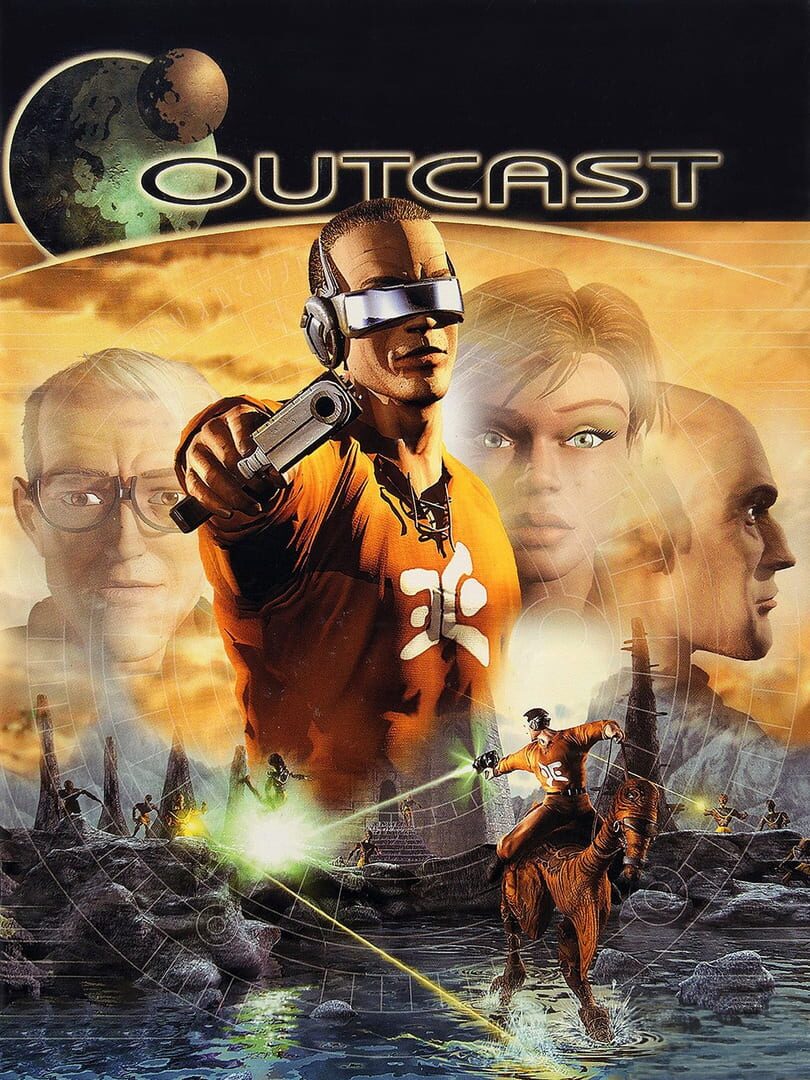
Released in 1999, Outcast stands as one of the most ambitious and innovative open-world action-adventure games in PC gaming history. Developed at a time when full 3D environments were still in their infancy, Outcast boldly introduced non-linear exploration, dynamic artificial intelligence, an orchestrated cinematic score, and living alien worlds years before these elements became standard in the industry.
While contemporary games like Grand Theft Auto III are often credited with popularizing 3D open-world design, Outcast laid much of the groundwork in 1999, offering players unprecedented freedom on the alien planet of Adelpha.
Story and Narrative: The Legend of the Ulukai
In Outcast, players step into the boots of Cutter Slade, a former U.S. Navy SEAL assigned to escort a team of scientists to a parallel dimension called Adelpha. A probe sent to this world damaged a vital energy field, creating a black hole that threatens to destroy Earth. Slade's mission is simple: protect the scientists and repair the probe.
Upon arriving, Slade is separated from his team and discovered by the Talan, the native humanoid inhabitants of Adelpha. The Talan believe Slade is the Ulukai, a prophesied savior destined to liberate them from the tyrannical rule of the dictator Kroax and his master, Fae Rhan.
The narrative shines through its deep lore, rich alien culture, and dynamic dialogue system. Slade must travel between distinct regions of Adelpha via ancient gateways known as Daokas, completing quests, gaining the trust of local tribes, and disrupting Kroax's supply lines to spark a revolution.
Graphics and Technology: The Voxel Revolution
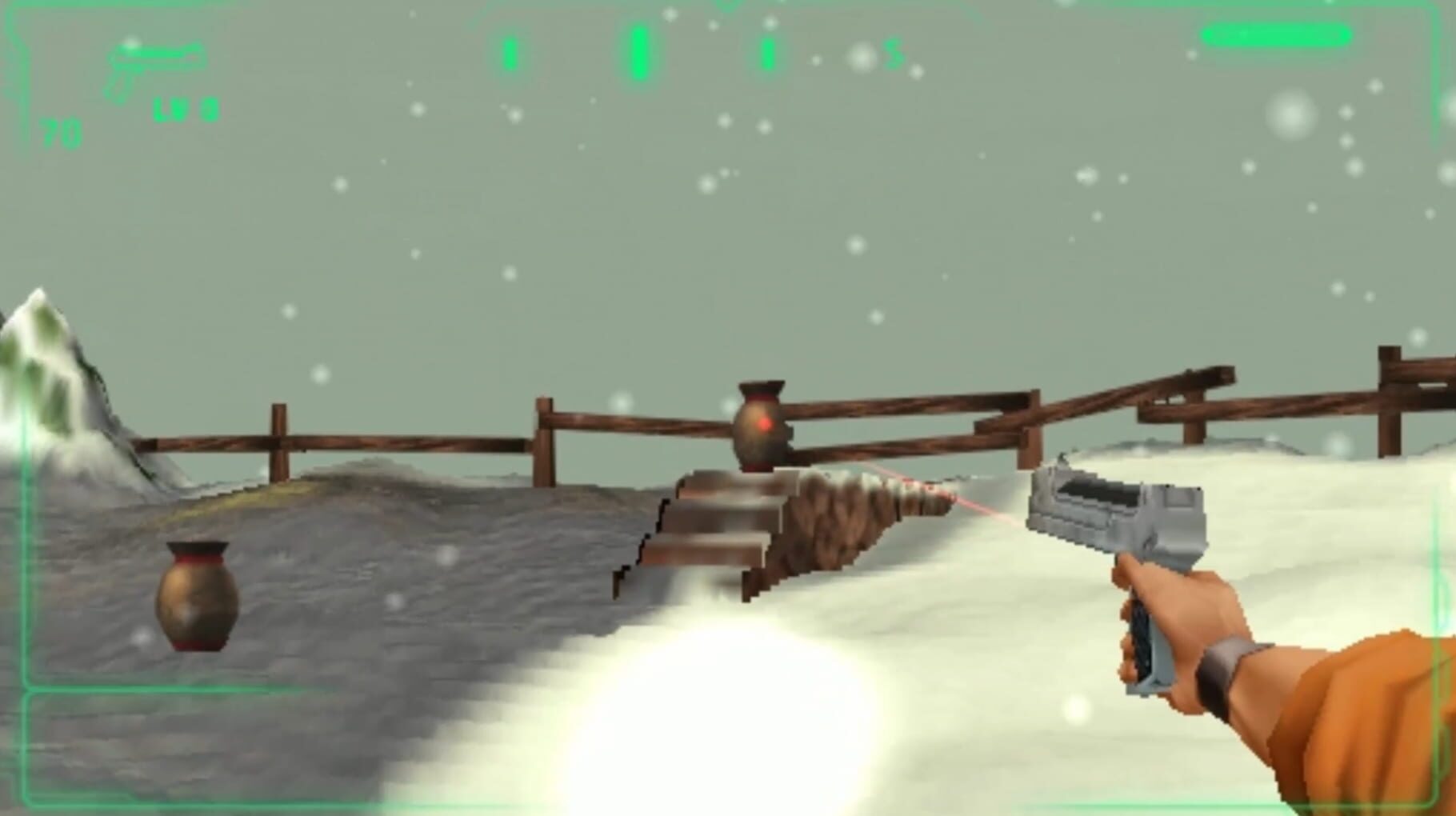
Visually, Outcast was a technological anomaly in 1999. Instead of relying on traditional hardware-accelerated polygon graphics, Belgian developer Appeal built a custom software-driven engine utilizing voxel graphics (volumetric pixels).
Key Technological Achievements:
- Ray-Traced Landscapes: Allowed for natural, organic terrain curves, bump mapping, and realistic depth without polygonal edges.
- Advanced AI (GAIA): Enemies reacted dynamically to sound, communicated with one another, took cover, and adapted to Slade's combat tactics.
- Cinematic Audio: Featured a full orchestral soundtrack composed by Lennie Moore and performed by the Moscow Symphony Orchestra, elevated by full voice acting.
The main drawback at launch was hardware demands. Because voxels relied heavily on CPU power rather than emerging 3D graphics cards (like 3dfx Voodoo), running Outcast at high resolutions required high-end hardware, making it a cult classic rather than a mainstream commercial explosion upon initial release.
Developer Background
Outcast was developed by Belgian studio Appeal Studios and published by Infogrames. Driven by visionary directors Yves Grolet, Yann Robert, and Franck Sauer, the team sought to push the boundaries of immersive interactive storytelling. Despite critical acclaim and winning numerous Game of the Year awards in 1999, commercial success was modest due to its steep hardware requirements. However, Appeal's dedication ensured the franchise retained a passionate fan base over the decades.
Where to Play Outcast Today
Fortunately, modern players have several ways to experience Cutter Slade's original adventure on current platforms:
| Version | Platform(s) | Key Features |
|---|---|---|
| Outcast 1.1 | PC (Steam, GOG) | Enhanced original engine, multi-threaded CPU support, remastered high-resolution graphics, modern controls. |
| Outcast: Second Contact | PC, PlayStation 4, Xbox One | Full 2017 remake featuring modern 3D visuals while retaining the original layout, dialogue, and voice acting. |
Final Recommendation & Verdict
Outcast (1999) remains a masterclass in game design, world-building, and atmosphere. Its intuitive non-linear gameplay, unforgettable symphonic score, and charismatic protagonist make it an essential play for retro gaming enthusiasts, sci-fi fans, and anyone interested in the evolution of open-world games.
Final Score: 9/10 — An extraordinary journey that was truly years ahead of its time. Whether you choose to play the classic Outcast 1.1 or the 2017 Second Contact remake, step through the Daoka to Adelpha for an unforgettable adventure.