CHECKING...
Rookie Gamer Live Broadcast
0
0%
10k


📅 September 17, 2026

Red Matter 2 Story Explained: Full Plot Breakdown and Ending

Red Matter 2 Story Explained: Full Plot Breakdown and Ending

The sci-fi VR adventure Red Matter 2 delivers one of the most immersive and narrative-rich experiences in modern gaming. Set against the backdrop of a Cold War-inspired cosmic struggle, the game combines deep-space exploration, environmental storytelling, and psychological suspense. If you completed the journey and were left questioning the fate of Agent Epsilon, the origins of the anomaly, or the true meaning of the ending, this comprehensive story explanation breaks down everything you need to know.

The World and Universe of Red Matter

To fully grasp the plot of Red Matter 2, it is essential to understand the alternate-history universe crafted by developer Vertical Robot. The game takes place during an interplanetary Cold War between two fictional superpowers: the Atlantic Union (representing Western capitalist nations) and the Volgravian Republic (an analogue to the Soviet Union).

During their expansion across the solar system, Volgravian researchers discovered an alien substance known as "Red Matter." This strange, red crystalline entity exhibits extraordinary properties, including spatial distortion, gravitational manipulation, and psychoactive control over human minds. The Volgravians immediately sought to weaponize Red Matter, leading to secret military research bases established across various moons and space stations.

Connecting Red Matter to the Sequel

The original Red Matter followed Atlantic Union agent Epsilon as he investigated an abandoned Volgravian base on Rhea, one of Saturn's moons. However, the game ended with a massive psychological twist: Epsilon was never physically on Rhea. Instead, he was captured by the Volgravians and placed into a simulated reality machine where scientists continuously extracted his memories.

At the start of Red Matter 2, Epsilon is liberated from this mental confinement by an insider rebel within the Volgravian facility. Waking up in a real physical body on a lunar base, Epsilon discovers an encrypted message from Strayed—his former colleague and fellow Union agent who was previously presumed dead. Driven by loyalty and a desire to stop the dangerous Volgravian experiments, Epsilon embarks on a solar system-spanning rescue mission.

The Journey: From the Moon to Saturn

The campaign of Red Matter 2 follows Epsilon as he follows Strayed's coordinates through various abandoned Volgravian research sites:

  • The Lunar Facility: Epsilon breaks free, masters new gravity-manipulation equipment, and steals a shuttle to launch into deep space.
  • The Orbital Station: Epsilon navigates through an abandoned orbital research lab, discovering logs that reveal how the Volgravians began losing control of the volatile Red Matter substance.
  • Triton and Saturn's Rings: Exploring facilities embedded in the outer reaches of the solar system, Epsilon encounters severe biological mutations caused by Red Matter, which has begun taking over entire structures like an organic parasite.

The Nature of Red Matter

As Epsilon travels deeper into Volgravian territory, the true danger of the alien anomaly becomes clear. Red Matter is not merely a biological or mineral compound—it possesses a collective intelligence. It interacts directly with the human consciousness, projecting vivid hallucinations, bending gravity, and distorting time and space around those who come into close contact with it.

The Volgravian scientists attempted to harness this hive-mind connection for technological dominance, but the Red Matter proved uncontrollable. It corrupted both the facilities and the minds of the staff operating them, leaving a trail of ghost bases across the cosmos.

The Ending Explained: Strayed's Fate and the Ultimate Sacrifice

The climax of Red Matter 2 brings Epsilon to a massive Volgravian space complex situated near Saturn. Here, Epsilon finally tracks down Strayed, only to uncover a tragic reality: Strayed was never waiting to be rescued in the traditional sense.

Strayed's body and mind have been integrated directly into the core Red Matter anomaly. He used the remaining strength of his own consciousness to resist the entity's expansion, sending out the distress beacon specifically to guide Epsilon to the facility. Strayed realized that if the Red Matter escaped containment, it would spread exponentially, consuming human life across both the Atlantic Union and the Volgravian Republic.

In the final sequence, Strayed urges Epsilon to initiate the overload of the station's core reactor. By destroying the primary Red Matter cluster, Epsilon stops the anomaly's immediate threat, though it requires Strayed to make the ultimate sacrifice. Epsilon triggers the explosion, escaping the collapsing facility into the dark void of space as the Red Matter core is incinerated.

Frequently Asked Questions

Is Red Matter 2 a direct sequel to the first game?

Yes, Red Matter 2 continues directly from the story events and cliffhanger ending of Red Matter. While the sequel provides sufficient context for new players, playing the original game offers crucial background on Agent Epsilon and the Volgravian conflict.

What does the ending of Red Matter 2 mean for the future?

The ending neutralizes the primary Red Matter outbreak site and ends Strayed's suffering. However, because both the Atlantic Union and the Volgravian Republic are aware of the substance's existence, the underlying geopolitical tension and the threat of future Red Matter research remain an open storyline.

Who is Strayed in Red Matter 2?

Strayed is an Atlantic Union agent and close colleague of Agent Epsilon. His disappearance served as the major catalyst for the narrative, leading Epsilon across the solar system to uncover the true extent of the Volgravian Red Matter research.

Final Thoughts

By pairing environmental storytelling with psychological thriller elements, Red Matter 2 delivers a satisfying narrative that expands the lore established in Red Matter. The story serves as a cautionary tale regarding unbridled technological ambition, political warfare, and the unpredictable nature of cosmic anomalies.
ActRaiser (1990) Review: SNES's Legendary Action-Sim Masterpiece

ActRaiser (1990) Review: SNES's Legendary Action-Sim Masterpiece
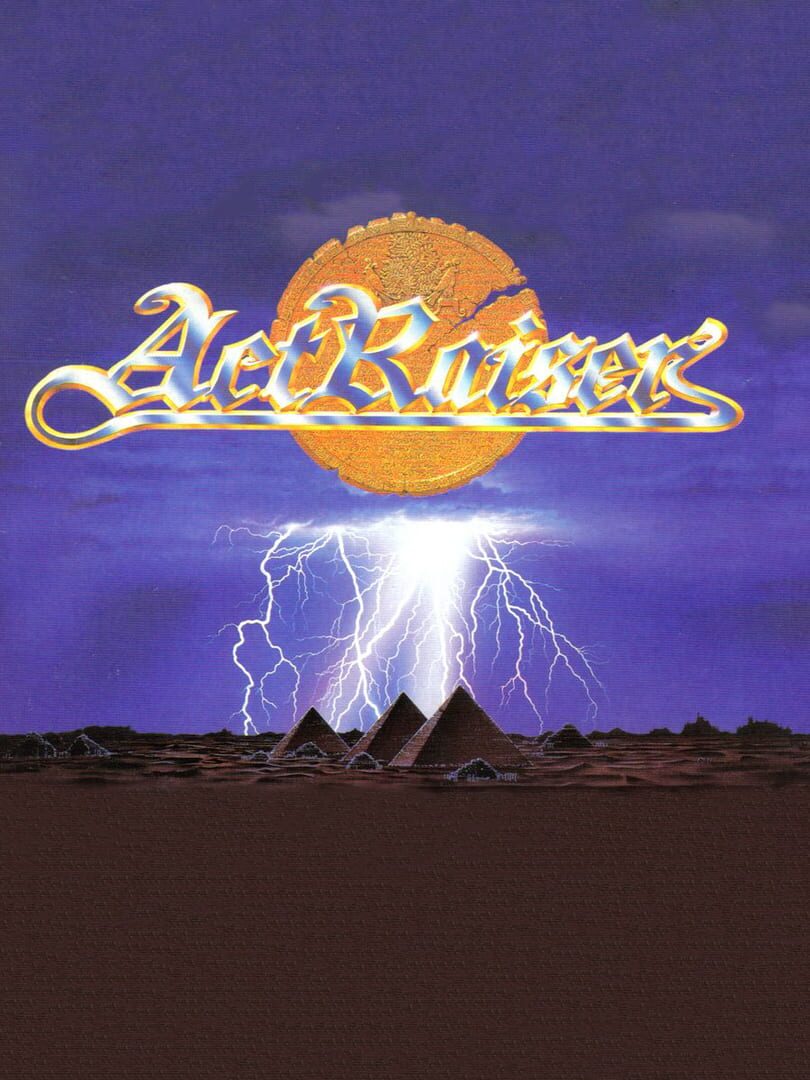
ActRaiser (1990) Cover

Introduction & Context

Released in 1990 for the Super Nintendo Entertainment System (SNES), ActRaiser stands as one of the most creative and ambitious video games of the 16-bit era. Arriving early in the lifecycle of the SNES, it captured the imagination of gamers worldwide by pioneering a unique hybrid genre: blending intense side-scrolling action platforming with relaxing top-down city-building simulation mechanics.

Developer & Historical Significance

ActRaiser was developed by Japanese game studio Quintet and published by Enix (now Square Enix). Quintet became famous for crafting emotionally driven action-RPGs with creation themes, including spiritual successors like Soul Blazer, Illusion of Gaia, and Terranigma. ActRaiser was their flagship title that demonstrated the technological power, graphical fidelity, and audio performance of Nintendo's new 16-bit console.

Story and Narrative

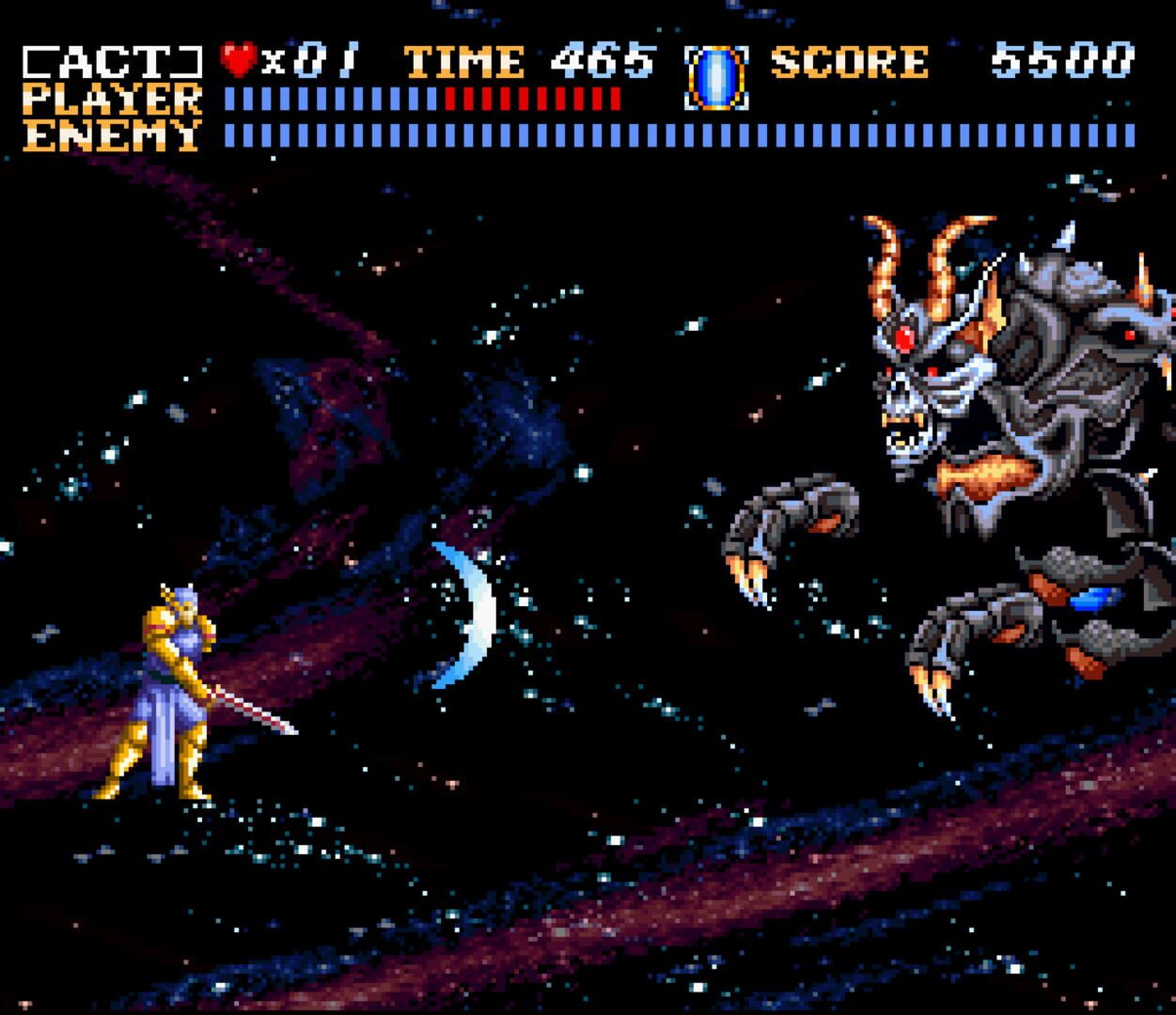
The narrative of ActRaiser draws inspiration from epic mythology and celestial battles. Players assume the role of The Master (a divine deity), who awakes from a deep sleep to find that the world has been conquered by Tanzra (The Evil One) and his four lieutenants. Stripped of power, the Master must reclaim the world in two distinct phases:

  • Action Mode: Control a animated stone statue to slay terrifying demon bosses and reclaim corrupted lands.
  • Simulation Mode: Control an angel to guide human civilization, build towns, rain divine miracles, and seal monster lairs to restore faith.

Graphics and Sound

Visually, ActRaiser demonstrated the Super Nintendo's capabilities right out of the gate. It made dramatic use of the console's famous Mode 7 graphic processing feature, delivering smooth rotation effects as the sky palace descends onto the land below. The enemy designs and boss sprites are detailed, taking inspiration from dark fantasy artwork.

The soundtrack, composed by the legendary Yuzo Koshiro, is widely considered one of the greatest video game original soundtracks of all time. Koshiro famously reverse-engineered the SNES SPC700 sound chip to create rich, orchestral symphonies that set new standards for video game audio quality.

Platforms: Where to Play ActRaiser Today

Whether you want to play the original classic or a modern update, ActRaiser is available on several platforms:

  • Super Nintendo (SNES): The original 1990 physical cartridge.
  • Wii & Wii U Virtual Console: Legacy digital re-releases (Nintendo eShop).
  • ActRaiser Renaissance (2021): A full modern remake featuring updated visuals, extended story, new tower-defense mechanics, and rearranged soundtrack by Yuzo Koshiro. Available on Nintendo Switch, PlayStation 4, PC (Steam), iOS, and Android.

Final Verdict and Recommendation

ActRaiser (1990) is an absolute masterpiece of game design that has aged remarkably well. Its seamless fusion of twitch-reflex platforming, atmospheric city-building, and legendary music makes it a essential experience for retro gaming fans and game design enthusiasts alike.

Final Score: 9/10 — Highly Recommended.


ActRaiser (1990) Screenshot

10 PS2 Games That Were Way Ahead of Their Time

10 PS2 Games That Were Way Ahead of Their Time

Introduction

The PlayStation 2 remains the best-selling video game console of all time, and for good reason. During its dominant reign in the 2000s, developers continually pushed the boundaries of hardware, game design, and storytelling. While many titles fit comfortably within the technological limits of their era, a select group of visionary titles introduced mechanics, visual fidelity, and structural concepts that felt like early glimpses into future console generations.

From groundbreaking destruction physics to revolutionary camera systems and complex artificial intelligence, these titles laid the foundation for modern game development. Here are 10 PlayStation 2 games that were truly ahead of their time.

Black

10. Black

Long before cinematic first-person shooters dominated the industry, Criterion Games released Black in 2006. Dubbed "gun-fu" in a video game format, the title focused obsessively on weapon fidelity, heavy particle effects, and environmental destruction.

At a time when most console shooters felt clunky and graphically muted, Black delivered real-time physics, exploding scenery, and dynamic audio design that mimicked high-budget action films. Its emphasis on dense dust clouds, lingering smoke, and punchy gunplay pioneered atmospheric details that became standard features in modern first-person shooters on far more powerful hardware.

Mercenaries: Playground of Destruction

9. Mercenaries: Playground of Destruction

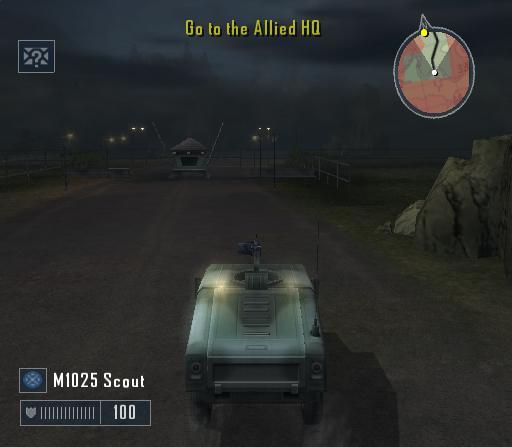
Open-world sandbox games were rapidly evolving during the PS2 era, but Pandemic Studios took the concept a step further with Mercenaries: Playground of Destruction. Released in 2005, the game gave players unprecedented freedom in how they approached objectives across a chaotic war zone.

Featuring fully destructible architecture, dynamic faction reputation systems, and the ability to call in tactical airstrikes or vehicle drops anywhere on the map, Mercenaries: Playground of Destruction anticipated the systemic emergent gameplay that modern sandbox titles like Just Cause and Mercenaries 2: World in Flames would later refine.

Okami

8. Okami

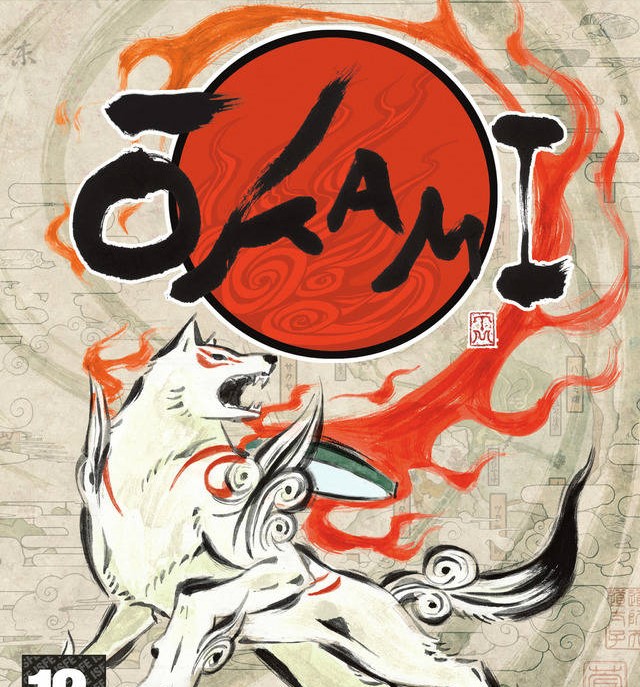
Clover Studio's Okami was a masterclass in artistic direction and interactive mechanics. Released near the end of the PS2's lifecycle in 2006, the game utilized a timeless cel-shaded ink-wash art style inspired by Japanese watercolor painting.

Beyond its visuals, Okami introduced the Celestial Brush system, allowing players to pause combat or exploration to draw magical symbols on screen to reshape the world, repair bridges, or defeat enemies. This seamless blend of player drawing and environmental interactivity felt significantly ahead of standard action-adventure mechanics seen during the sixth console generation.

ICO

7. ICO

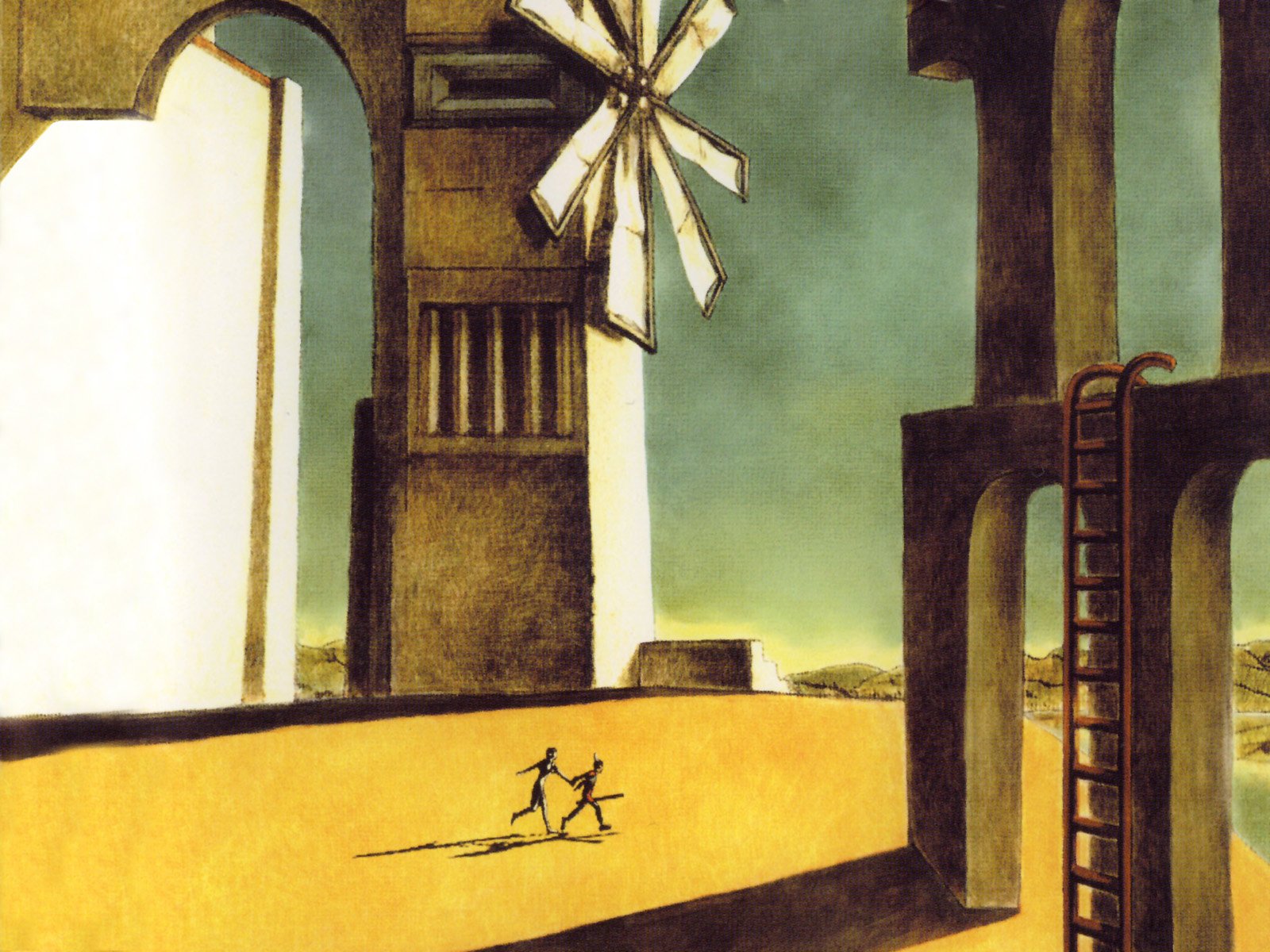
Directed by Fumito Ueda and developed by Team Ico, ICO stripped away traditional video game clutter in 2001, abandoning heads-up displays, quest markers, and point systems in favor of minimalist environmental storytelling.

The core mechanic centered around holding a companion's hand to guide her through a mysterious, sprawling castle. The natural lighting design, soft bloom effects, physical puzzle mechanics, and companion AI created an emotional atmosphere that profoundly influenced narrative game design and inspired future hits like The Last of Us and Brothers: A Tale of Two Sons.

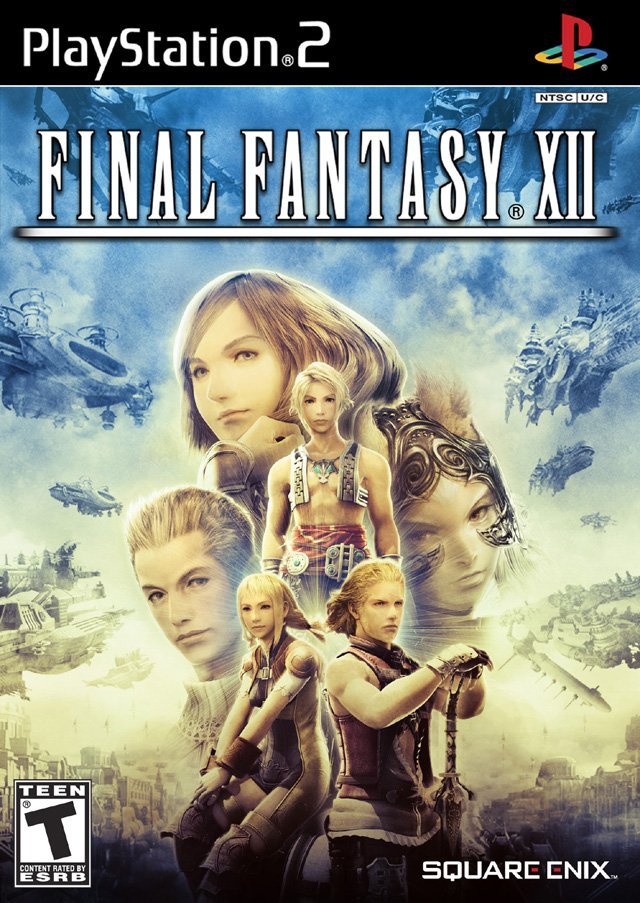
Final Fantasy XII

6. Final Fantasy XII

When Square Enix released Final Fantasy XII in 2006, it polarized fans who were accustomed to traditional turn-based random encounters. Instead, the game introduced a seamless open-zone structure and the revolutionary Gambit System.

The Gambit System allowed players to program intricate, conditional artificial intelligence logic for their party members, setting priorities for healing, attacking, and buffing. Combined with real-time positioning and visible field encounters, Final Fantasy XII anticipated the evolution of modern real-time tactical combat and open-ended RPG automation seen in modern games like Dragon Age: Origins.

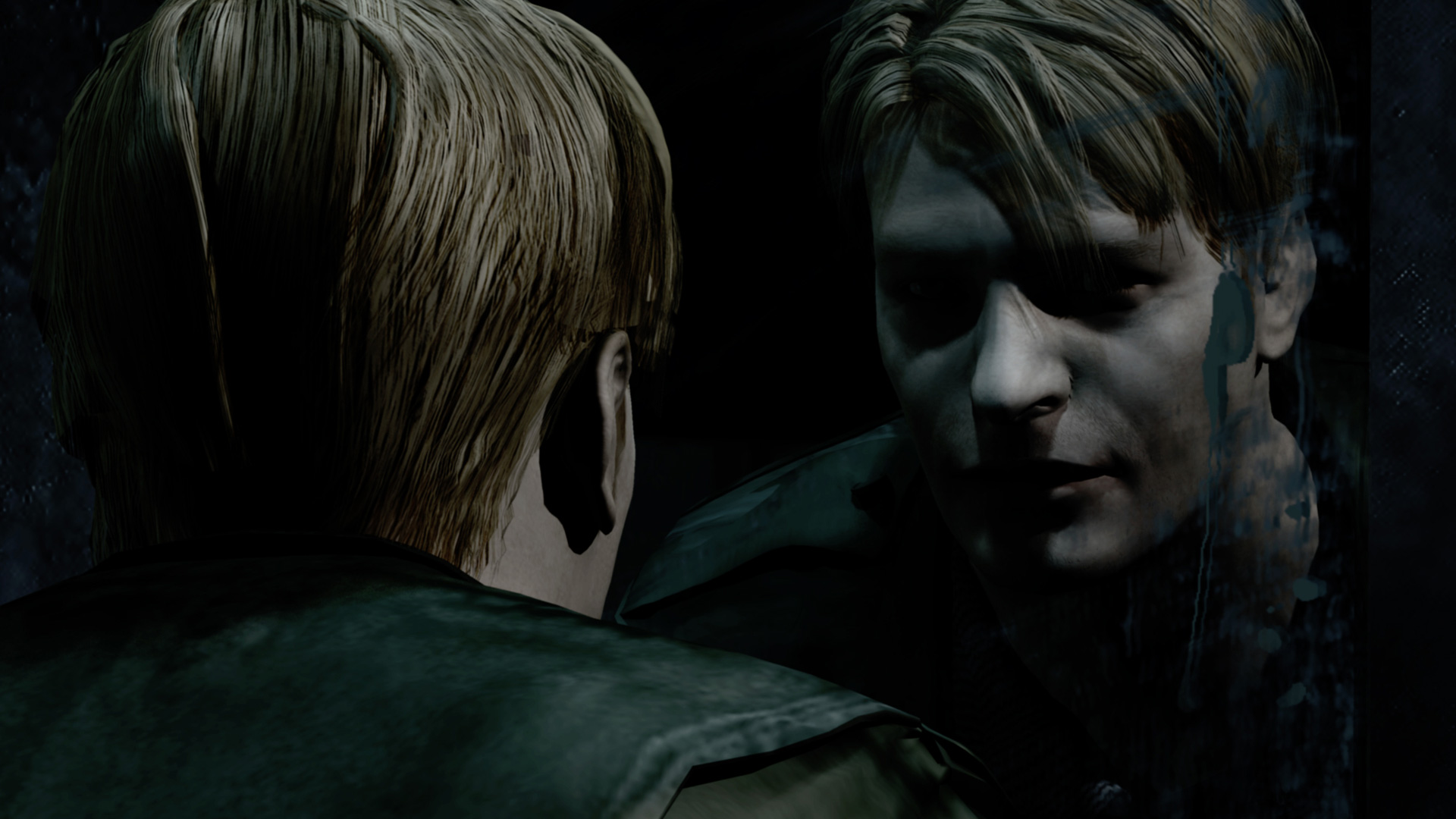
Silent Hill 2

5. Silent Hill 2

While many horror games of the era relied heavily on jump scares and creature feature tropes, Konami's Silent Hill 2 crafted a sophisticated psychological thriller exploring grief, guilt, and trauma.

Released in 2001, Silent Hill 2 used environmental fog not just to hide hardware limitations, but as a symbolic thematic tool. Its ambiguous narrative, unreliable narrator, and subtle psychological monster design set a standard for narrative depth in video games that few titles managed to reach for years afterward.

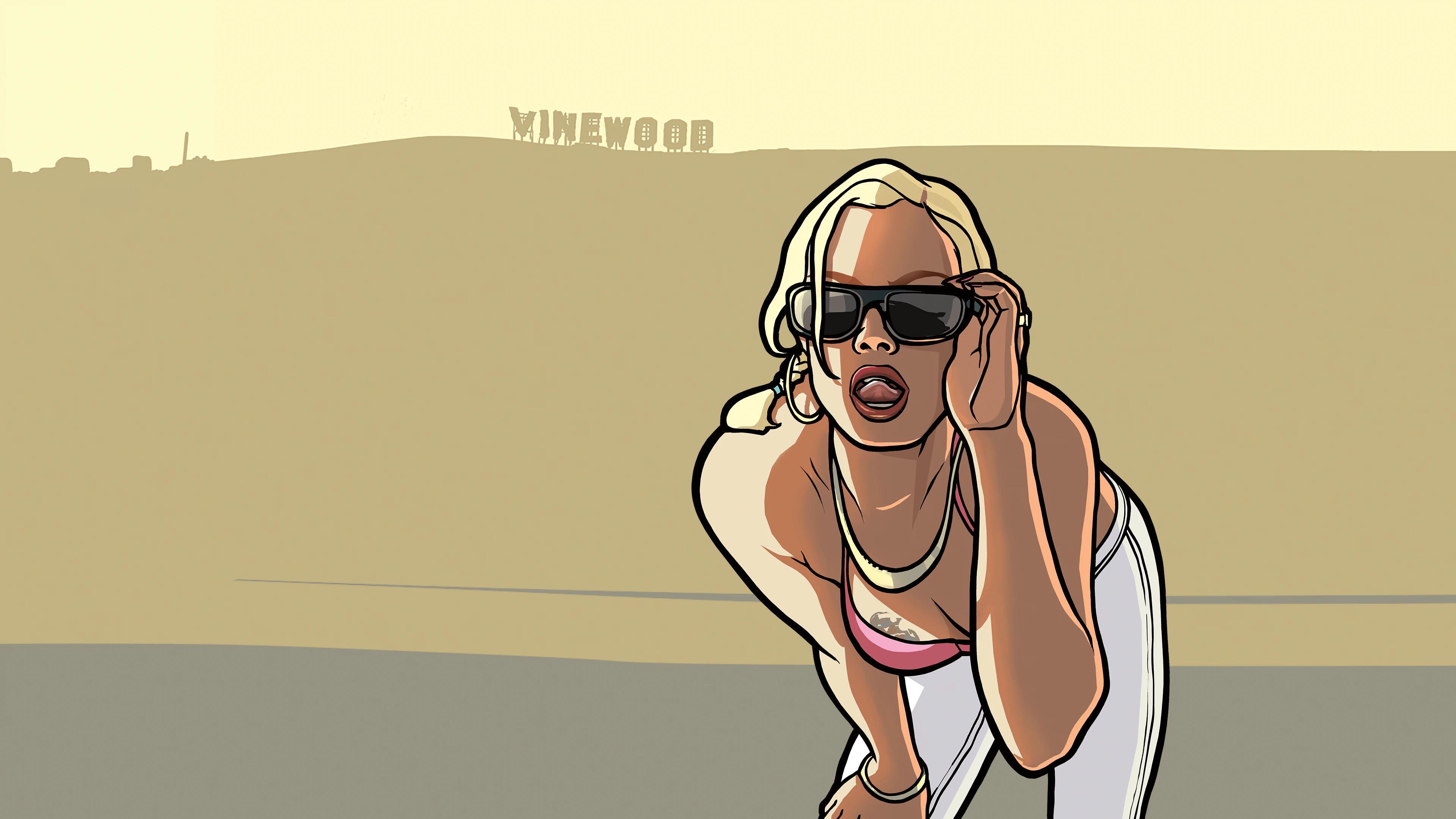
Grand Theft Auto: San Andreas

4. Grand Theft Auto: San Andreas

Rockstar Games redefined what was thought possible on the PS2 hardware with 2004's Grand Theft Auto: San Andreas. The game managed to fit three fully realized cities—inspired by Los Angeles, San Francisco, and Las Vegas—alongside vast deserts and countryside onto a single DVD disc.

Beyond its immense geographic scale, Grand Theft Auto: San Andreas introduced deep character customization, RPG elements like stamina and muscle mass management, gang territory wars, and an unprecedented level of environmental interactivity. It laid the direct framework for modern massive open-world titles like Grand Theft Auto V.

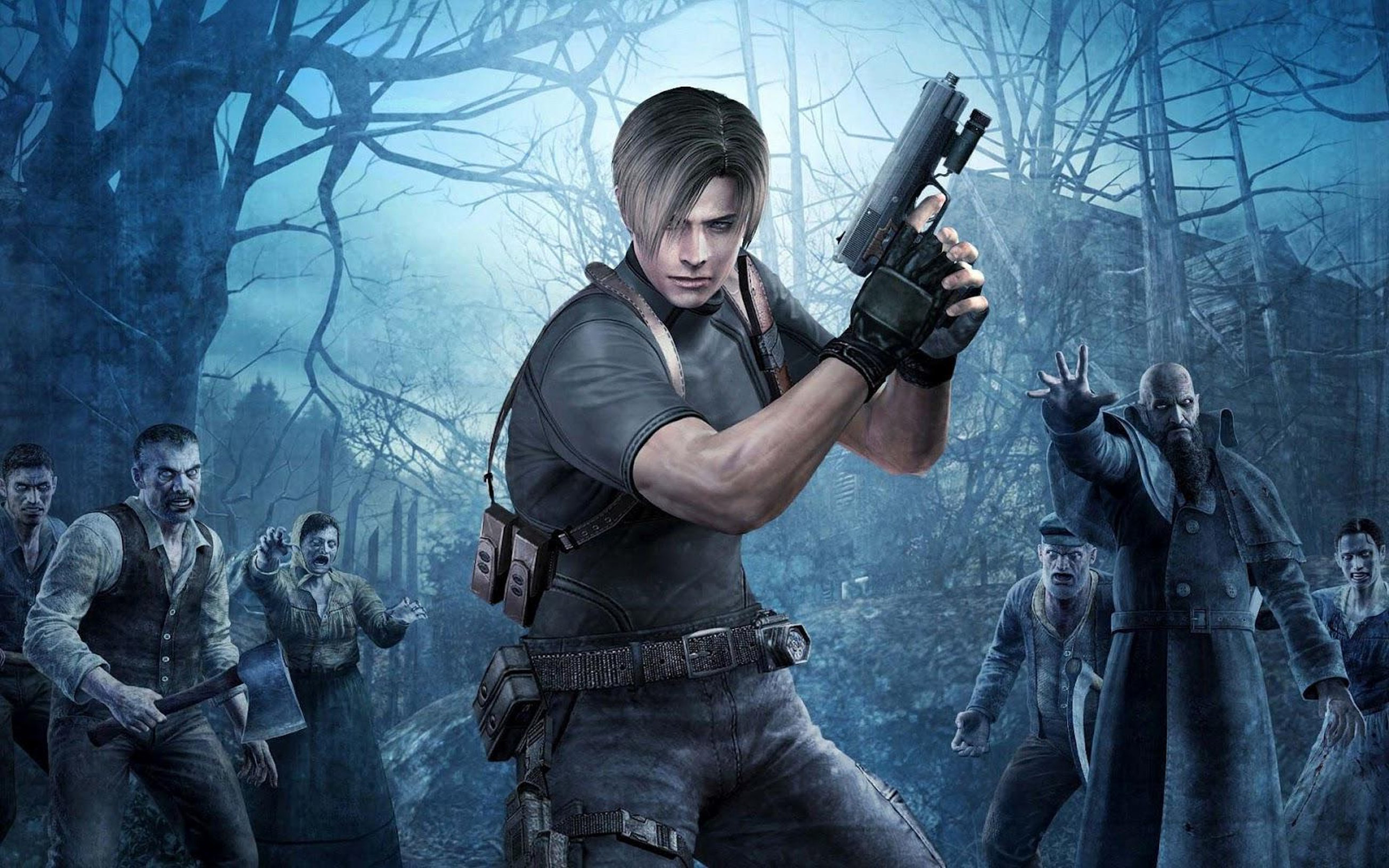
Resident Evil 4

3. Resident Evil 4

Few titles have exerted as profound an impact on game design as Resident Evil 4. By shifting the camera from fixed angles to an over-the-shoulder perspective, Capcom permanently revolutionized action and survival horror games.

The game introduced context-sensitive button prompts, dynamic difficulty scaling that adjusted behind the scenes based on player performance, and precision aiming mechanics that forced players to react strategically to oncoming enemy hordes. Virtually every third-person shooter created after 2005, including Gears of War and Dead Space, owes a debt to Resident Evil 4.

Shadow of the Colossus

2. Shadow of the Colossus

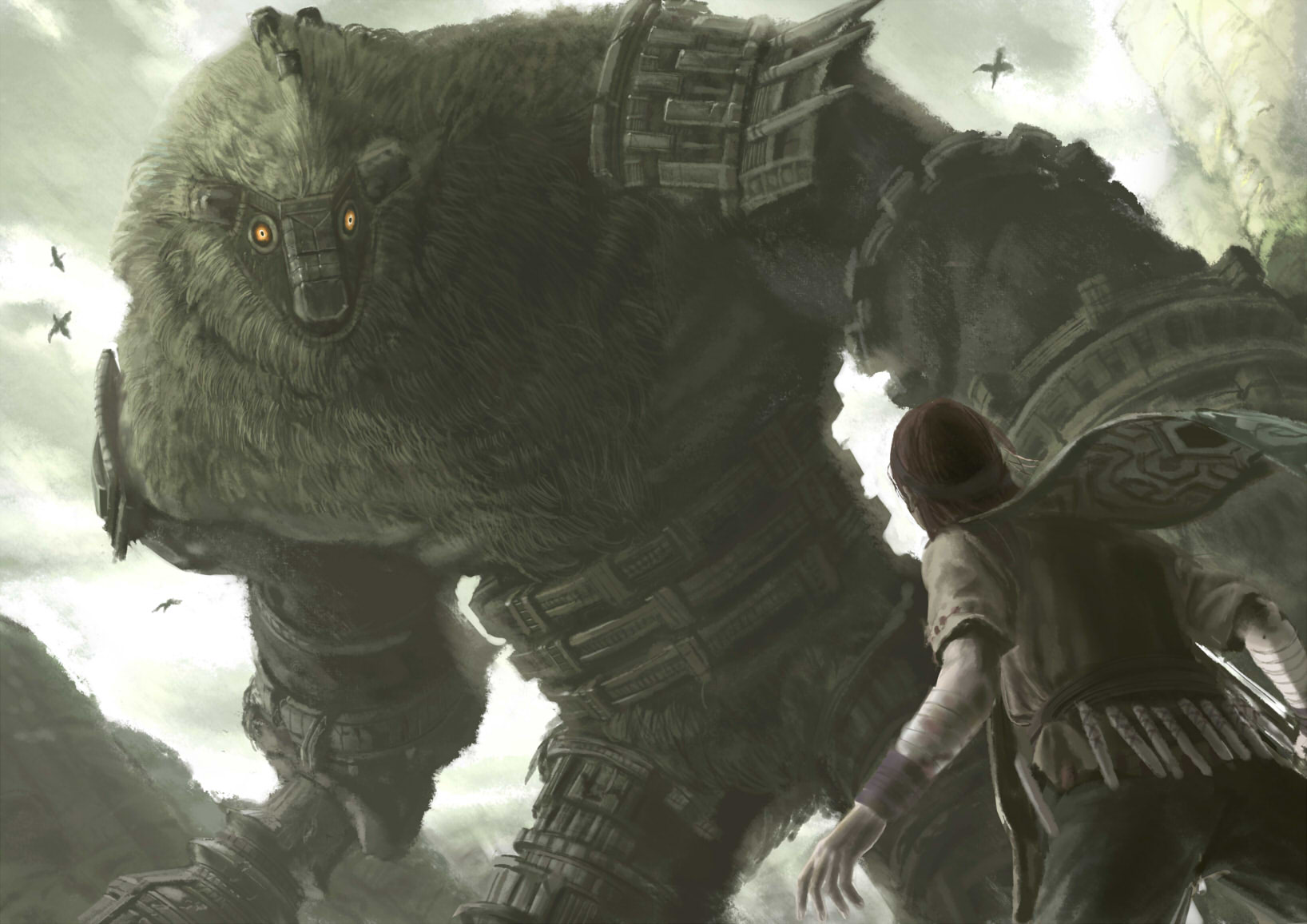
Shadow of the Colossus defied conventional game design logic in 2005 by stripping away towns, non-player characters, dungeons, and standard mob enemies. Instead, the game presented a vast, melancholic world populated solely by 16 giant creatures that functioned as living, moving puzzle levels.

Featuring dynamic inverse kinematics physics, stamina management mechanics, breathtaking draw distances, and an unforgettable dynamic orchestral score, Shadow of the Colossus remains a monument of artistic expression that pushed the PS2 far beyond its technical limits.

Metal Gear Solid 3: Snake Eater

1. Metal Gear Solid 3: Snake Eater

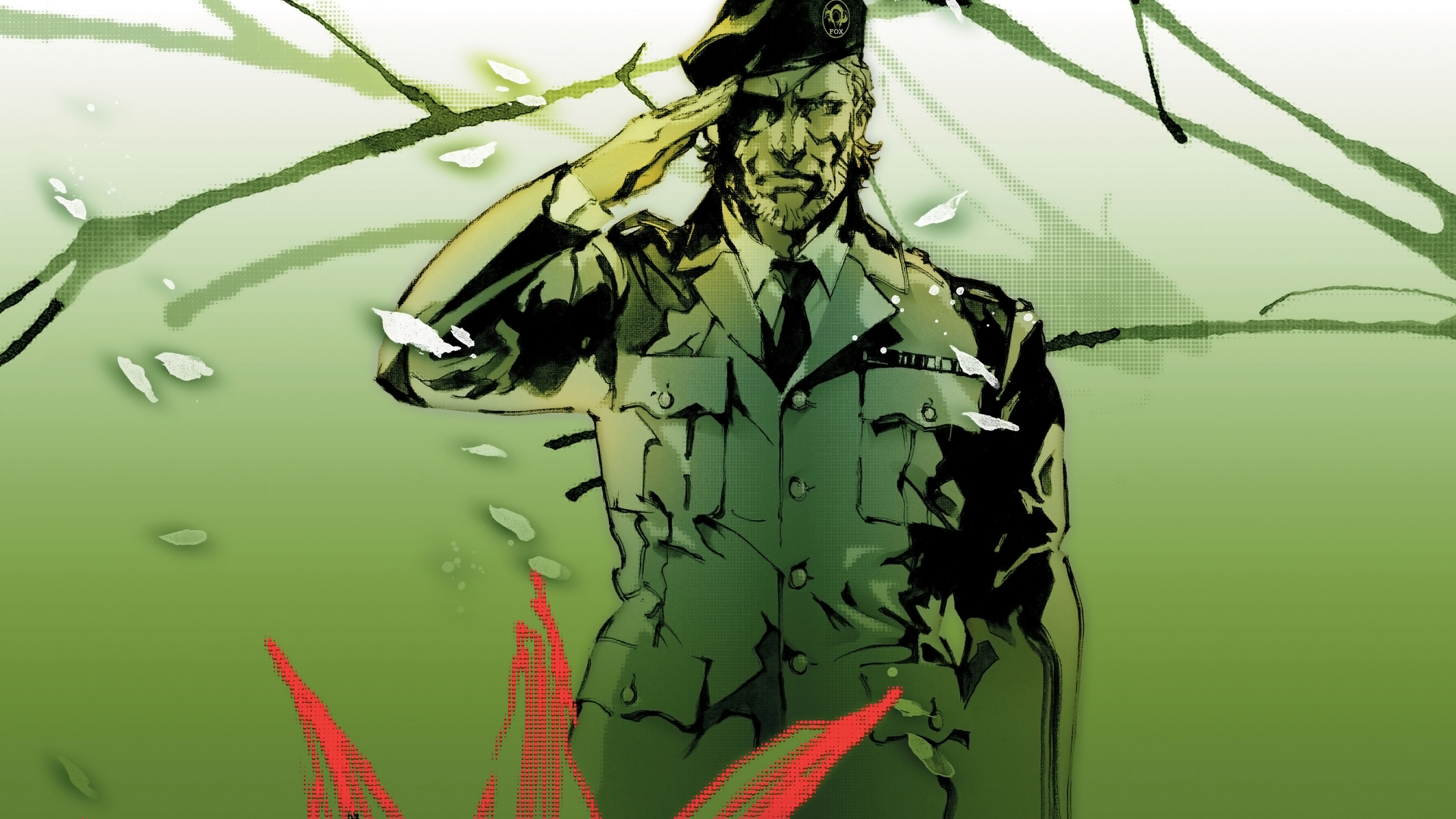
Topping our list is Hideo Kojima’s masterpiece, Metal Gear Solid 3: Snake Eater. Released in 2004, this survival-stealth title abandoned radar systems and urban corridors in favor of a dense jungle setting that required players to actively blend into their surroundings using dynamic camouflage ratios.

The game introduced complex survival mechanics, requiring players to hunt local wildlife for food to manage stamina and treat specific injuries through a detailed field surgical menu. Coupled with intricate enemy AI routines, context-sensitive Close Quarters Combat (CQC), and dynamic environmental interactions, Metal Gear Solid 3: Snake Eater delivered an unprecedented level of depth that remains remarkably modern to this day.

Frequently Asked Questions

Why were certain PS2 games able to feel so advanced?

Developers late in the PS2 console lifespan gained an intimate understanding of the Emotion Engine processor. By utilizing custom programming techniques, creative art direction, and clever streaming technology, studios were able to bypass memory limitations and create games that looked and felt like early next-generation titles.

Which PS2 game influenced modern third-person shooters the most?

Resident Evil 4 is widely recognized as the most influential title for modern third-person action games. Its over-the-shoulder camera placement became the standard template for third-person action and shooting games for decades to follow.

Are these classic PS2 games still worth playing today?

Absolutely. Thanks to timeless art design, tight gameplay loops, and innovative systems, titles like Shadow of the Colossus, Metal Gear Solid 3: Snake Eater, and Okami hold up exceptionally well and remain essential experiences for modern gamers.

Final Thoughts

The PlayStation 2 era proved that technical constraints often foster the greatest creative innovations. The developers behind these 10 masterpieces did not simply work within the hardware limits of their day—they redefined what players could expect from video games, crafting systems, stories, and mechanics that shaped the future of the medium.

SD Gundam World Gachapon Senshi 4: New Type Story Review - Famicom Classic

SD Gundam World Gachapon Senshi 4: New Type Story Review - Famicom Classic
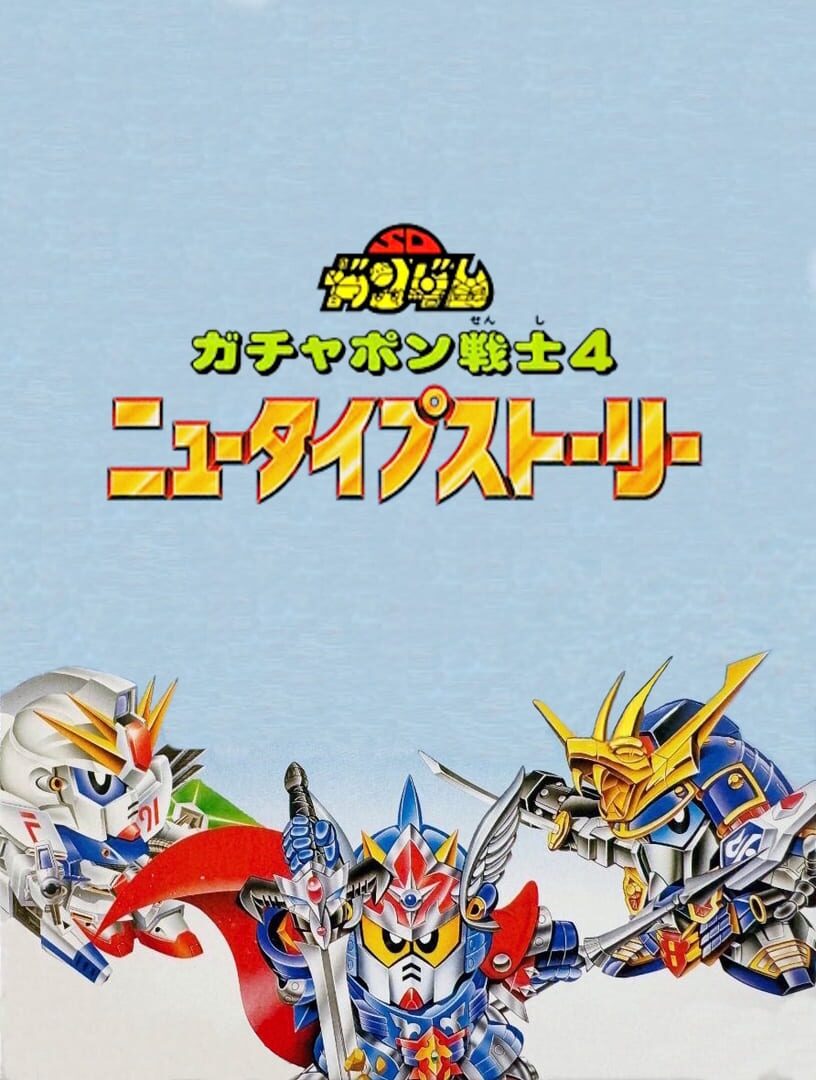
SD Gundam World Gachapon Senshi 4: New Type Story (1989) Cover

SD Gundam World Gachapon Senshi 4: New Type Story Review

The SD Gundam World Gachapon Senshi series holds a legendary status among retro strategy games on Nintendo's Family Computer (Famicom). The fourth installment, SD Gundam World Gachapon Senshi 4: New Type Story, stands out as one of the most refined tactical action-hybrids of the 8-bit era. Combining strategic map management with real-time combat encounters, it offers mech fans and retro gamers a compelling slice of anime gaming history.

Developer and Historical Context

Developed by Shinsei and published under Bandai's Yutaka line, SD Gundam World Gachapon Senshi 4: New Type Story was released for the Famicom in Japan. Building upon the mechanics established in the earlier three titles, this entry polished unit balancing, added new mobile suits, and improved tactical controls. It represents a pinnacle moment in Bandai's early efforts to adapt the massive Gundam franchise into accessible yet deep video games.

Story and Narrative

Rather than following a single original protagonist, New Type Story draws its narrative directly from the rich Universal Century (UC) timeline of the Mobile Suit Gundam anime franchise. Players can engage in campaigns inspired by major historical conflicts, including:

  • Mobile Suit Gundam (One Year War)
  • Mobile Suit Zeta Gundam (Gryps Conflict)
  • Mobile Suit Gundam ZZ (First Neo Zeon War)
  • Mobile Suit Gundam: Char's Counterattack (Second Neo Zeon War)

The narrative is experienced through tactical mission setups where players command legendary factions such as the Earth Federation, AEUG, Titans, and Neo Zeon. While dialogue is kept lightweight due to memory constraints of the 8-bit platform, the faithful scenarios allow fans to re-live and alter iconic battles from the animated series.

Graphics and Visual Design

Visually, Gachapon Senshi 4 utilizes the late-era capabilities of the Famicom effectively. The characteristic 'Super Deformed' (SD) art style shrinks giant mechs into cute, big-headed units while maintaining instantly recognizable details from their anime counterparts.

  • Detailed Unit Sprites: Battle scenes showcase crisp pixel art with expressive weapon animations for beam rifles, sabers, and funnels.
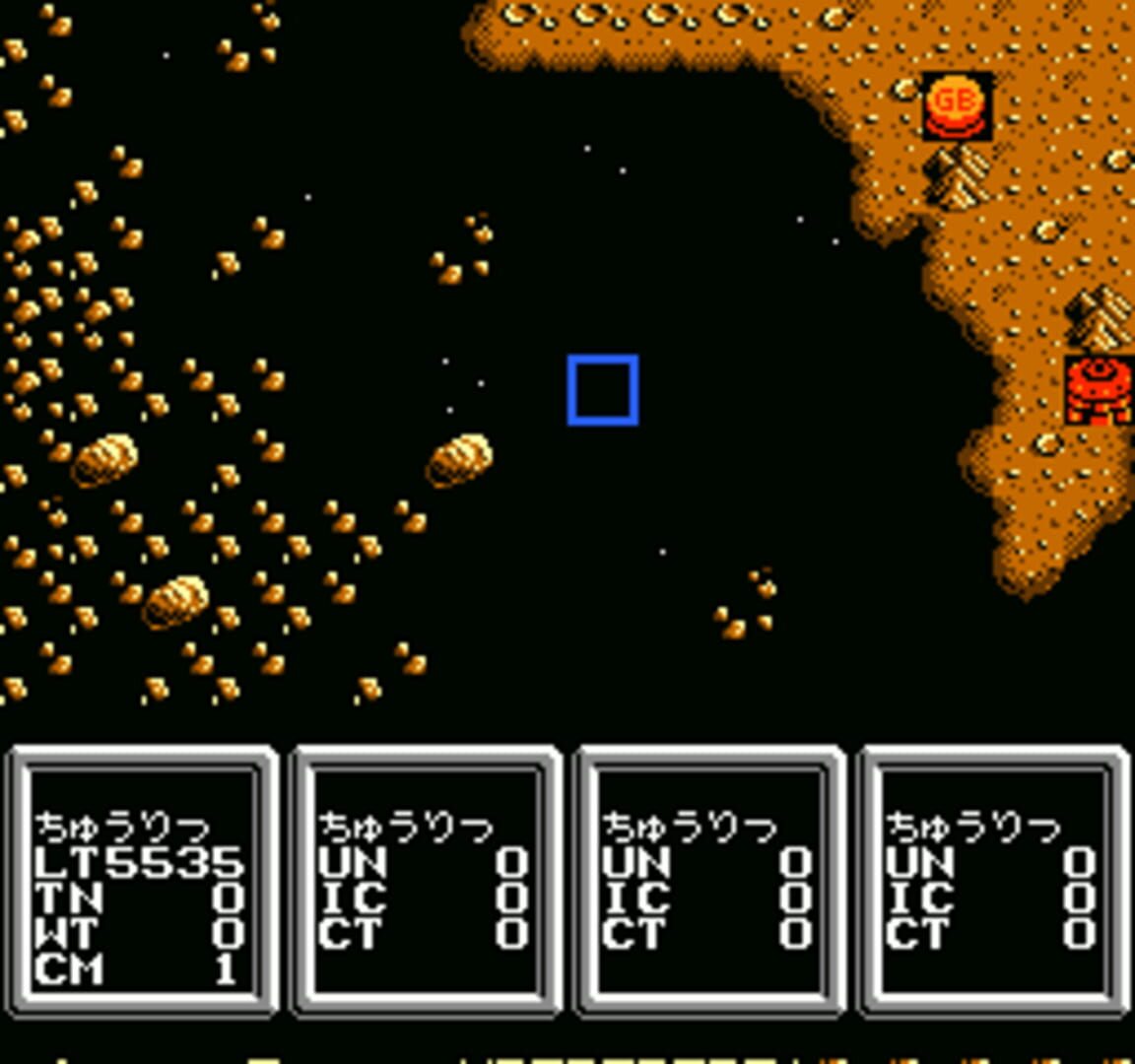
  • Clean Strategic Maps: Terrain types, bases, and fleet movements are represented with clear, color-coded icons for easy tactical evaluation.
  • Cinematic Flair: Special attack screens and event pop-ups add dramatic emphasis during critical combat encounters.

Gameplay Hybrid: Strategy Meets Action

What sets Gachapon Senshi 4 apart from conventional turn-based strategy titles is its hybrid combat system. On the main overhead grid, players capture bases, manage energy reserves, and maneuver fleets. However, when an attacking unit engages an enemy, the perspective shifts into a 2D side-scrolling action arena where real-time player skill dictates the outcome of the fight.

Platforms Where It Is Playable

Originally released exclusively in Japan for the Famicom, modern retro enthusiasts have several options to experience the title today:

  • Original Hardware: Japanese Famicom or AV Famicom (playable on a Western NES using a 72-to-60 pin converter adapter).
  • Emulation: NES/Famicom emulators on PC, Mac, mobile devices, and retro handheld consoles. English fan translation patches are widely available to make navigation effortless for non-Japanese speakers.

Final Recommendation

SD Gundam World Gachapon Senshi 4: New Type Story remains a standout retro title that successfully merges turn-based tactical planning with arcade action. Its rich inclusion of Universal Century mechs and scenarios makes it a must-play for Gundam enthusiasts, while its engaging gameplay loop holds up remarkably well for fans of classic 8-bit strategy games.


SD Gundam World Gachapon Senshi 4: New Type Story (1989) Screenshot

Dynasty Warriors 5 (2005) Review: The Definitive Hack-and-Slash Classic

Dynasty Warriors 5 (2005) Review: The Definitive Hack-and-Slash Classic
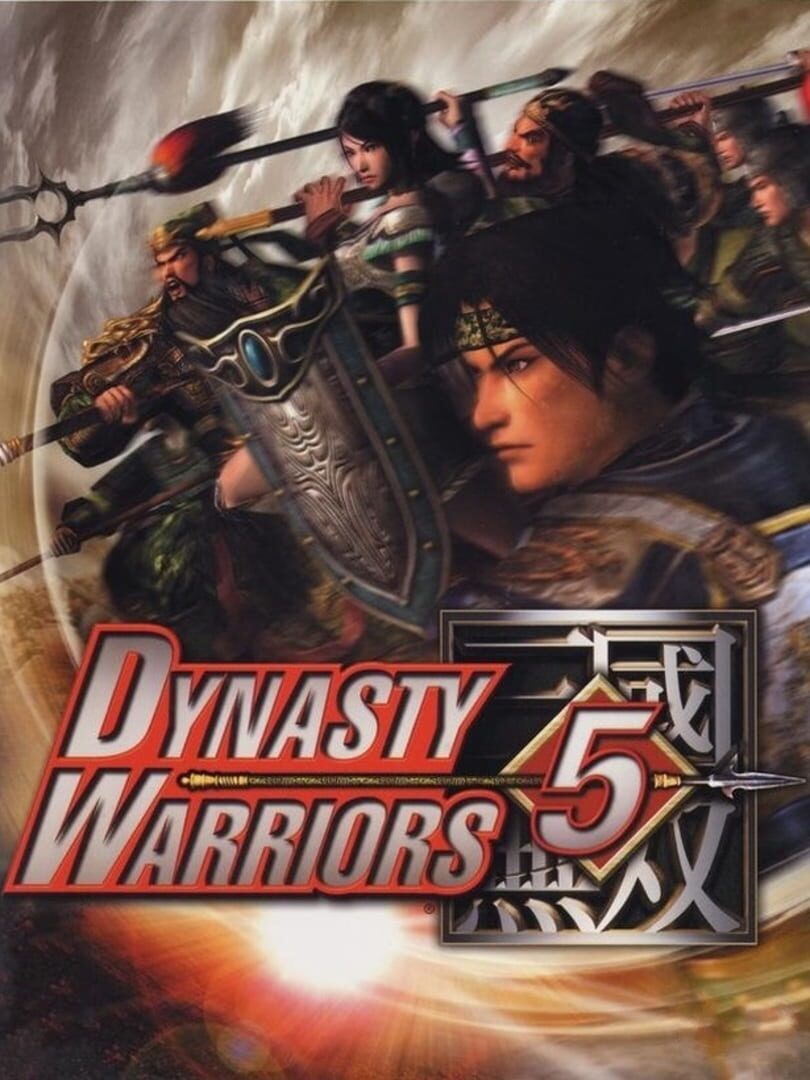
Dynasty Warriors 5 (2005) Cover

Introduction: Context and Legacy of Dynasty Warriors 5

Released in 2005 during the golden age of the sixth-generation console era, Dynasty Warriors 5 (known as Shin Sangokumusou 4 in Japan) stands as one of the most refined and celebrated entries in the long-running hack-and-slash franchise. Coming off the success of its predecessors, this entry perfected the signature Musou formula of single-handedly taking down thousands of enemy soldiers on vast historical battlefields.

Developer and Playable Platforms

Dynasty Warriors 5 was developed by legendary Japanese studio Omega Force and published by Koei (now Koei Tecmo). Built to push mid-2000s hardware to its absolute limit, the game was released across several platforms:

  • PlayStation 2: The flagship platform, offering smooth local two-player split-screen co-op.
  • Xbox: Featured enhanced visual stability and reduced loading times.
  • Xbox 360: Ported via the Dynasty Warriors 5 Special edition, offering higher resolution textures.
  • Microsoft Windows (PC): Released as Dynasty Warriors 5 Hyper, featuring graphical upgrades and field density options for personal computers.

Story and Narrative: Romance of the Three Kingdoms

The narrative is deeply grounded in the 14th-century historical novel Romance of the Three Kingdoms by Luo Guanzhong. Players are thrust into the turbulent fall of the Han Dynasty in ancient China, choosing to fight for one of three major power blocks—Shu, Wei, or Wu—or independent warlords like Lu Bu.

Unlike Dynasty Warriors 4, which utilized kingdom-wide campaigns, Dynasty Warriors 5 returned to personalized Musou Modes for each officer. With 48 playable characters, each officer has a tailored narrative arc complete with custom cutscenes, unique battle orders, and voiceover work, making the historical drama feel personal and impactful.

Graphics, Sound, and Visual Presentation

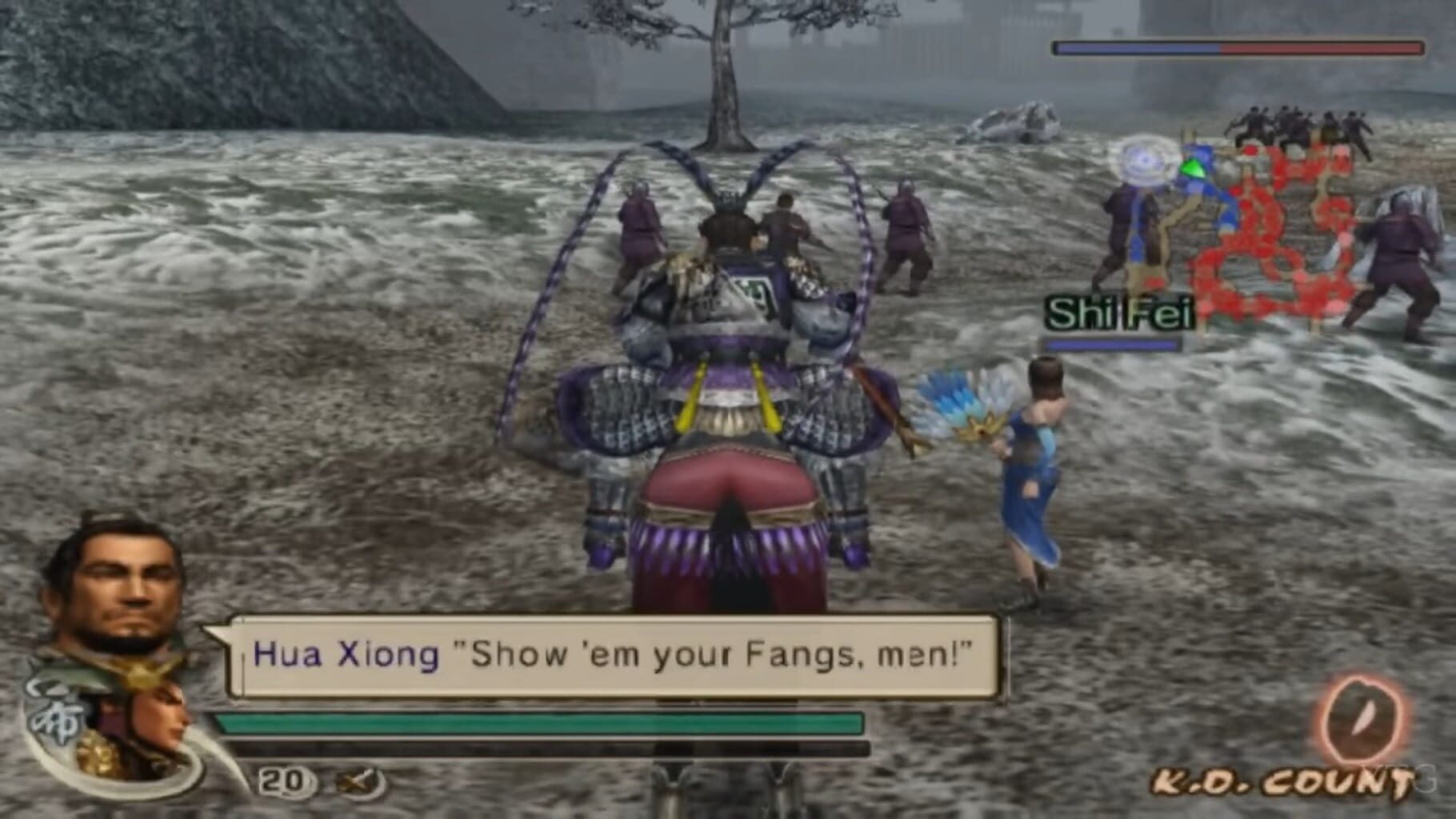
For a 2005 title running on PlayStation 2 architecture, Dynasty Warriors 5 achieved impressive technical milestones. Omega Force significantly increased on-screen enemy counts while minimizing the immersion-breaking fog effect common in earlier entries. Character models received major detail overhauls, with vibrant, period-appropriate armor designs and fluid attack animations.

The audio design features the series' classic fusion of high-octane hard rock guitar riffs and traditional Chinese instrumentation, delivering an adrenaline-pumping backdrop for massive military engagements.

Gameplay Mechanics and Innovation

Dynasty Warriors 5 refined the core combat system by introducing key tactical elements:

  • Base System: Battlefields are governed by Attack, Defense, Supply, and Neutral strongholds that dynamically alter army morale and reinforcement spawns.
  • Revamped Bodyguard System: Players can select, name, and level up individual bodyguards who provide vital tactical buffs.
  • Weapon Weight System: Weapons are divided into Light, Medium, and Heavy categories, balancing attack speed against raw damage.

Final Verdict and Recommendation

Verdict: 9/10 - A Musou Masterpiece

Dynasty Warriors 5 represents the absolute peak of the classical era of hack-and-slash action games. By striking a perfect balance between strategic battlefield management, individual narrative depth, and satisfying combat mechanics, it remains a gold standard for the genre. Whether you are a fan of retro video games, ancient Chinese history, or classic local co-op action, Dynasty Warriors 5 is an absolute must-play recommendation.


Dynasty Warriors 5 (2005) Screenshot

Valkyrie Profile Story Explained: Lore, Endings, and Lenneth's Fate

Valkyrie Profile Story Explained: Lore, Endings, and Lenneth's Fate

First released by tri-Ace and Enix in 1999, Valkyrie Profile remains one of the most narrative-driven and melancholy JRPGs of the classic PlayStation era. By weaving Norse mythology with individual human tragedies, the game presents a complex tale about divine duty, human soul manipulation, and fate. With its non-linear progression and multiple narrative paths, fully grasping the overarching story can be challenging. This article breaks down the entire plot, character motivations, and multi-layered endings of Valkyrie Profile.

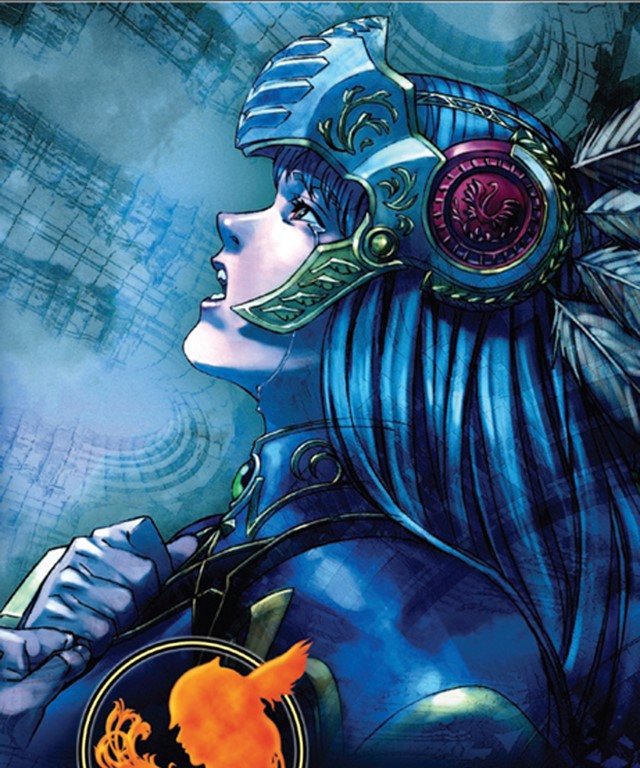
Valkyrie Profile

The Cosmic Setting: Asgard, Midgard, and Ragnarok

The universe of Valkyrie Profile is divided into distinct realms, primarily focusing on Asgard, the home of the Aesir gods, and Midgard, the realm of mortals. A catastrophic war between the Aesir, led by Odin, and the Vanir, led by Surt, threatens to bring about Ragnarok—the destruction of the cosmos.

To prepare for this apocalyptic clash, Odin requires powerful fallen human warriors to build an army capable of defending Valhalla. To accomplish this, Odin relies on one of the three Goddesses of Fate: the Battle Maiden Lenneth Valkyrie.

Lenneth's Sacred Duty: The Einherjar

Lenneth is awakened from her sleep by Freya, the goddess of rebirth and Odin's second-in-command. Lenneth's mission is to descend to Midgard, listen to the spiritual cries of dying mortals, and collect the souls of heroic individuals at the exact moment of their death. These chosen souls are known as Einherjar.

Once recruited, Lenneth trains these souls in martial prowess and emotional resolve before sending them up to Asgard to fight in the divine war. Throughout the game, players witness heartbreaking vignettes of human sacrifice, betrayal, and tragedy as various characters meet their untimely demise across Midgard.

Key Characters and Their Roles

  • Lenneth Valkyrie: The protagonist and Battle Maiden tasked with harvesting heroic souls. Beneath her divine demeanor lies a suppressed mortal soul.
  • Freya: A high-ranking Aesir goddess who oversees Lenneth's progress and ensures her absolute loyalty to Odin.
  • Odin: The All-Father and king of Asgard, who uses divine magic to seal Lenneth's human memories to maintain her absolute obedience.
  • Lucian: A young man from the village of Coriander whose tragic childhood love holds the key to Lenneth's true identity.
  • Lezard Valeth: An insanely brilliant, twisted necromancer obsessed with Lenneth, seeking to make her an immortal god under his control.
  • Arngrim: A mercenary whose tragic downfall serves as Lenneth's first encounter with the cruelty of human life and political corruption.
  • Loki: A deceptive half-god whose secret ambitions threaten both gods and mortals alike.

The Secret Origin: Platina and the Sealed Memories

The core mystery of Valkyrie Profile revolves around Lenneth's true nature. Valkyries are not purely divine beings; they cycle between human bodies and divine awakening. To ensure the Valkyrie serves Valhalla without emotional distraction, the gods suppress her human memories using spiritual seals.

Before becoming the Valkyrie, Lenneth was a young human girl named Platina, who lived in a poverty-stricken village with her childhood friend, Lucian. When Platina's cruel parents attempted to sell her into slavery, Lucian fled with her into the nearby Weeping Lily Meadow. Tragically, the pollen of the lilies was poisonous, and Platina died in Lucian's arms. Upon her death, her divine soul was retrieved by Freya, her human memories were sealed away, and she was reawakened as Lenneth Valkyrie.

The Multiple Endings Explained

Valkyrie Profile features three distinct endings, each determined by a hidden mechanic called Seal Value, which measures how strongly Lenneth's human emotions are suppressed.

Ending C (The Bad Ending)

If Lenneth consistently fails to send strong Einherjar to Asgard or ignores her duties, Freya descends to Midgard to punish her. Viewing Lenneth as defective and rebellious, Freya strips her of her status and destroys her, resulting in an immediate Game Over.

Ending B (The Standard Ending)

This is the default ending achieved if the player simply follows instructions without uncovering Lenneth's lost memories. Lenneth dutifully sends her army to Asgard, enabling Odin to win the war of Ragnarok. However, the world remains locked in a cycle of suffering, Lenneth never learns the truth about her past, and her tragic human connection to Lucian is lost forever.

Ending A (The True / Canon Ending)

Ending A is the canonical narrative conclusion of Valkyrie Profile. To trigger it, players must perform specific, non-obvious actions during the campaign to lower Lenneth's Seal Value:

  • Recruiting specific characters like Lucian and Arngrim.
  • Visiting the Weeping Lily Meadow in Midgard to spark suppressed memories.
  • Meeting the necromancer Lezard Valeth in his tower.
  • Sending Lucian to Asgard at a specific moment in the story.

When the Seal Value drops sufficiently, Lenneth begins remembering her life as Platina. Meanwhile, in Asgard, Lucian realizes that Lenneth is Platina and attempts to speak with her. Devastated by this breach of protocol, Loki executes Lucian and steals the Dragon Orb, a supreme power source, to overthrow Odin.

The Climax: Rebirth of Creation

Loki slays Odin using the Dragon Orb and plunges Asgard into chaos. Lenneth, now aware of her true identity as both human and goddess, rebels against the rigid structures of Valhalla. She confronts Loki at the height of Ragnarok.

Through the power of love, grief, and human emotion—forces the gods considered weaknesses—Lenneth unlocks her full divine potential as the Goddess of Creation. She defeats Loki, purifies the ruined worlds, and uses her power to reconstruct reality. In the newly reborn world, Lenneth reunites with the soul of Lucian, offering humanity a fresh start free from the tyrannical control of the Aesir.

Connections to Other Entries in the Series

The success of the original game expanded the universe across multiple installments, including Valkyrie Profile 2: Silmeria, Valkyrie Profile: Covenant of the Plume, and the action-RPG spinoff Valkyrie Elysium. While Valkyrie Profile 2: Silmeria serves as both a prequel and an alternate timeline exploration focusing on Lenneth's sister Silmeria, the original Valkyrie Profile remains the definitive emotional backbone of the entire franchise.

Frequently Asked Questions

Which ending is canonical in Valkyrie Profile?

Ending A is the canon ending of Valkyrie Profile. It resolves the emotional arc of Lenneth and Lucian, explains the origins of Platina, and leads to the ultimate rebirth of the universe following Ragnarok.

Why did Odin seal Lenneth's memories?

Odin sealed Lenneth's memories because human grief and love interfere with a Valkyrie's efficiency. Without emotional attachments, Lenneth could harvest souls and execute divine commands without questioning the morality of the gods.

What role does Lezard Valeth play in the overall lore?

Lezard Valeth acts as a major catalyst. His obsession with converting Lenneth into a pure, controllable goddess leads him to create artificial homunculi bodies, which ultimately helps Lenneth reclaim her true power during the events of Ending A.

Final Thoughts

Valkyrie Profile is a masterpiece of dark fantasy storytelling. By contrasting the cold, manipulative nature of the divine with the fragile yet meaningful lives of mortal heroes, tri-Ace delivered a narrative that still resonates with modern gamers. Unlocking its true narrative requires patience and precision, but the resolution of Lenneth's journey makes it one of the most rewarding storylines in classic JRPG history.

Chromehounds (2006) Review: FromSoftware's Underrated Tactical Mech Masterpiece

Chromehounds (2006) Review: FromSoftware's Underrated Tactical Mech Masterpiece
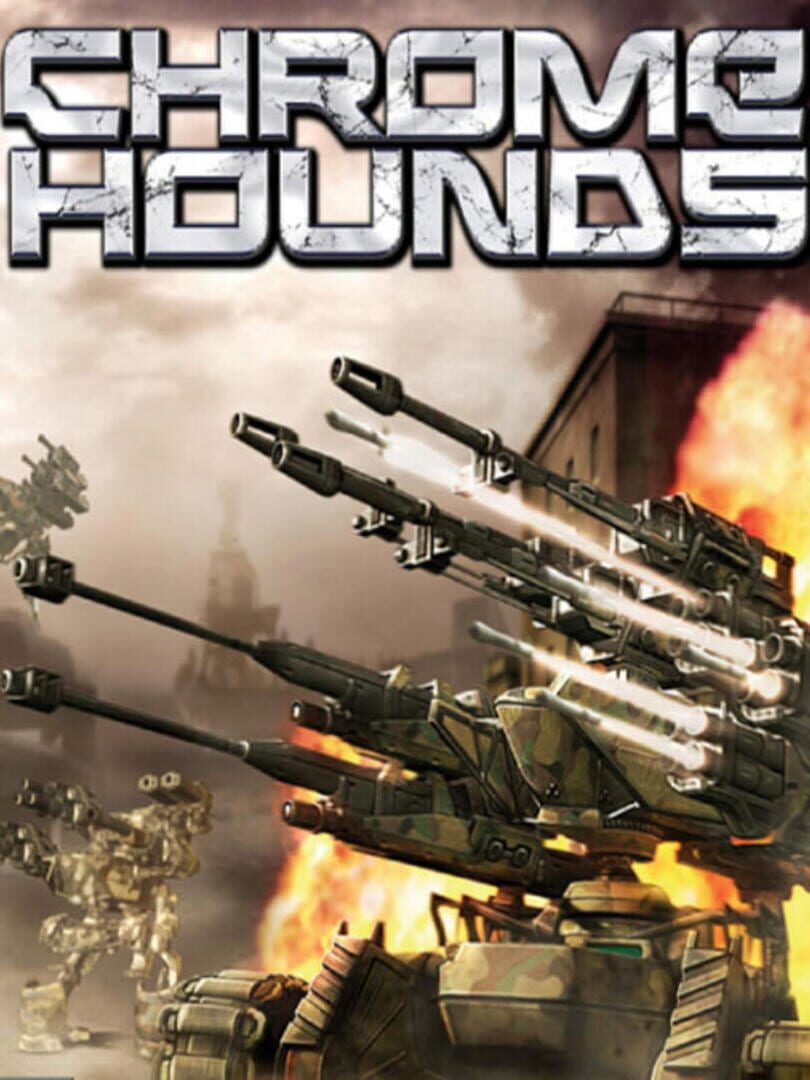
Chromehounds (2006) Cover

Introduction & Historical Context

Released in 2006 during the early era of the Xbox 360, Chromehounds stands as one of the most unique and ambitious tactical mecha simulation games ever created. Before achieving global mainstream fame with Dark Souls and Elden Ring, developer FromSoftware used their deep experience with mechanized combat to craft a gritty, realistic, and highly strategic vision of modern armored warfare.

Developer & Platform Availability

Developer: FromSoftware
Publisher: SEGA
Original Release Date: July 2006
Platforms: Xbox 360 (Exclusive)

As of today, Chromehounds can only be played on original Xbox 360 hardware via physical disc. The game was never made available on the Xbox Backward Compatibility list for Xbox One or Xbox Series X/S. Additionally, the defining online persistent war server, "The Neroimus War," was permanently shut down in January 2010. Today, only the offline single-player tactical campaigns remain accessible.

Story and Narrative

Set in an alternate near-future timeline, a catastrophic solar flare known as the "Grand Solar Array" destroys Earth's global satellite communications network. Deprived of long-range intelligence, the world descends into a localized global conflict centered around the fictional region of Neroimus.

The warfare is waged primarily through massive, modular walking tanks known as Hounds. Players take on the role of a mercenary working for a private military company, picking contracts across three warring superpowers:

  • Tarakia: A democratic nation utilizing balanced tactical technology.
  • Morskoj: An autocratic state relying on heavy armor and raw firepower.
  • Sal Kar: A desert nation built around speed, stealth, and mobility.

Although the single-player narrative mainly serves as tactical training across different combat roles (Scout, Heavy Gunner, Sniper, Defender, Commander, and Soldier), the deep worldbuilding and radio chatter immerse players directly into a bleak, realistic military setting.

Graphics and Visual Design

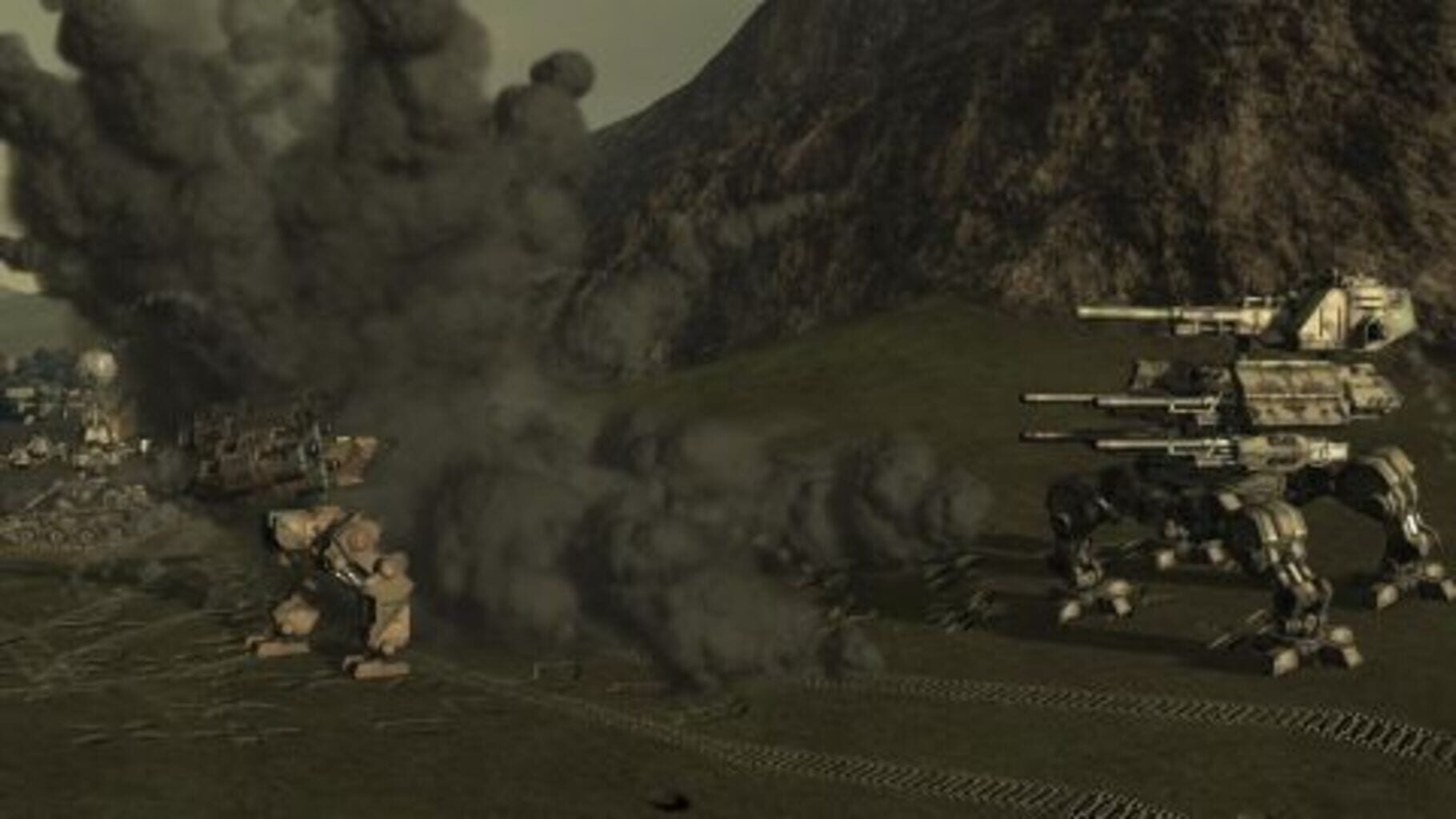
For a early 2006 console release, Chromehounds impressed with its industrial, grounded aesthetic. Departing from fast-paced anime-style mechs, FromSoftware rendered heavy, clunky, and realistically articulated war machines. Weapon recoil, smoke, dynamic damage, and physical part destruction were exceptionally detailed for their time.

While environmental landscapes and terrain textures are somewhat plain and sparse by modern standards, the visual weight of the mechs and the immersive cockpit audio design remain standout achievements in grounded sci-fi visuals.

Final Recommendation and Verdict

Chromehounds remains a landmark title in the history of tactical mech games. While modern players miss out on the legendary multiplayer meta-war that truly made the title iconic, the offline story mode and the incredible mech builder system still hold tremendous charm for retro gamers and FromSoftware fans.

Final Verdict: 8/10 for historical impact and mech customization; 6/10 for single-player content available today. A must-play for hardcore Xbox 360 collectors and mecha enthusiasts.


Chromehounds (2006) Screenshot

Complete Vib-Ribbon Guide: Controls, Combinations, and Custom Music Tips

Complete Vib-Ribbon Guide: Controls, Combinations, and Custom Music Tips
Vib-Ribbon

Introduction to Vib-Ribbon

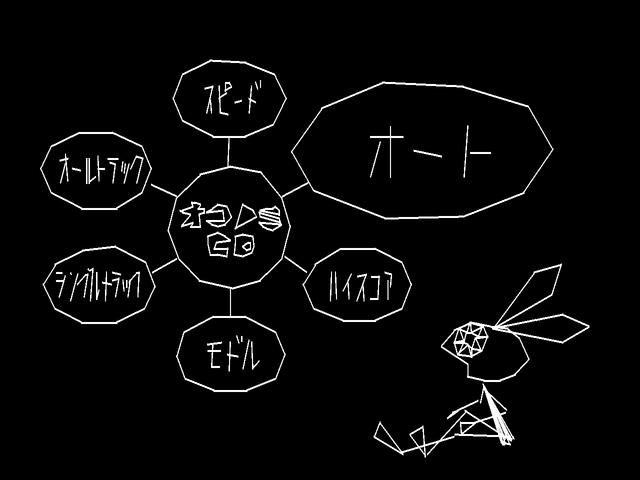
Released in 1999 for the PlayStation, Vib-Ribbon is a rhythm-action classic created by Masaya Matsuura and developer NanaOn-Sha, the creative team behind PaRappa the Rapper and UmJammer Lammy. Defined by its minimalist vector graphics and charming protagonist Vibri, Vib-Ribbon challenges players to navigate rhythmically generated obstacle tracks mapped directly to music.

Basic Controls and Core Obstacles

In Vib-Ribbon, obstacles approach Vibri along a continuous line called the ribbon. To successfully clear an obstacle, you must press the corresponding button at the precise moment Vibri touches it. There are four fundamental obstacle shapes in the game:

  • Block (Square): Press L1
  • Loop (Circle): Press R1
  • Pit (V-shape Dip): Press Down on the D-Pad
  • Wave (Zigzag): Press X

Mastering Combined Obstacles

As you progress to higher difficulty levels or play faster music tracks in Vib-Ribbon, the game combines two basic shapes into hybrid obstacles. Clearing these requires pressing two buttons simultaneously:

  • Block + Loop: Press L1 + R1
  • Block + Pit: Press L1 + Down
  • Block + Wave: Press L1 + X
  • Loop + Pit: Press R1 + Down
  • Loop + Wave: Press R1 + X
  • Pit + Wave: Press Down + X

Vibri's Transformations and Health System

Your performance in Vib-Ribbon directly impacts Vibri's physical form. Rather than using a traditional health bar, Vibri transforms based on your timing and accuracy:

  • Fairy (Super Vibri): Successfully clear 18 obstacles consecutively without missing to transform into a winged fairy. Taking damage reverts Vibri back to Rabbit form.
  • Rabbit: The default starting form. You can withstand one mistake before degrading.
  • Frog: Triggered after taking a hit in Rabbit form. Visual elements flicker and rhythm cues become more erratic.
  • Worm: Triggered after taking a hit in Frog form. This is the final warning stage. Taking another hit in Worm form results in an immediate Game Over.

How the Custom Audio CD Feature Works

One of the most innovative features of Vib-Ribbon on the original PlayStation is its ability to generate unique levels from standard music CDs. Because the entire game loads directly into the console's internal RAM, players can swap out the game disc freely during play.

Steps to Play Custom CDs:

1. Boot up Vib-Ribbon and select the custom CD option from the main menu.
2. Open the disc tray and replace the Vib-Ribbon disc with any audio CD.
3. Select a track. The game will automatically analyze the audio data to generate obstacle patterns matched to the song's tempo and rhythm structure.

Tips for High Scores

  • Focus on sound over sight: Visual cues can become jittery when Vibri is damaged. Trust the musical rhythm to time button presses accurately.
  • Hold controllers comfortably for double-inputs: Prepare your hands specifically for multi-button inputs like L1 + Down or R1 + X during fast passages.
  • Use high-tempo music CDs: Faster songs with clear drumbeats often yield cleaner, more consistent obstacle distributions than slow or ambient tracks.

Frequently Asked Questions (FAQ)

What platforms can I play Vib-Ribbon on?

Vib-Ribbon was originally released on the PlayStation 1 in Japan and Europe. It later received a digital re-release on PlayStation 3, PlayStation Vita, and PSP via the PlayStation Network.

Can I use custom CDs on modern platforms?

On the PlayStation 3 digital version, players can load physical audio CDs into the PS3 disc drive for custom stage generation. However, handheld versions on PS Vita and PSP do not support custom audio CDs due to hardware constraints, restricting play to the built-in soundtrack.

How many built-in tracks does Vib-Ribbon have?

Vib-Ribbon features six original built-in songs by the Japanese music group Laugh and Peace, split across Bronze (Easy), Silver (Medium), and Gold (Hard) courses.

Follow my social medias to unlock these coupons.

CLICK HERE, UNLOCK VIP COUPONS!