


Introduction
The PlayStation 2 remains the best-selling video game console of all time, and for good reason. During its dominant reign in the 2000s, developers continually pushed the boundaries of hardware, game design, and storytelling. While many titles fit comfortably within the technological limits of their era, a select group of visionary titles introduced mechanics, visual fidelity, and structural concepts that felt like early glimpses into future console generations.
From groundbreaking destruction physics to revolutionary camera systems and complex artificial intelligence, these titles laid the foundation for modern game development. Here are 10 PlayStation 2 games that were truly ahead of their time.
10. Black
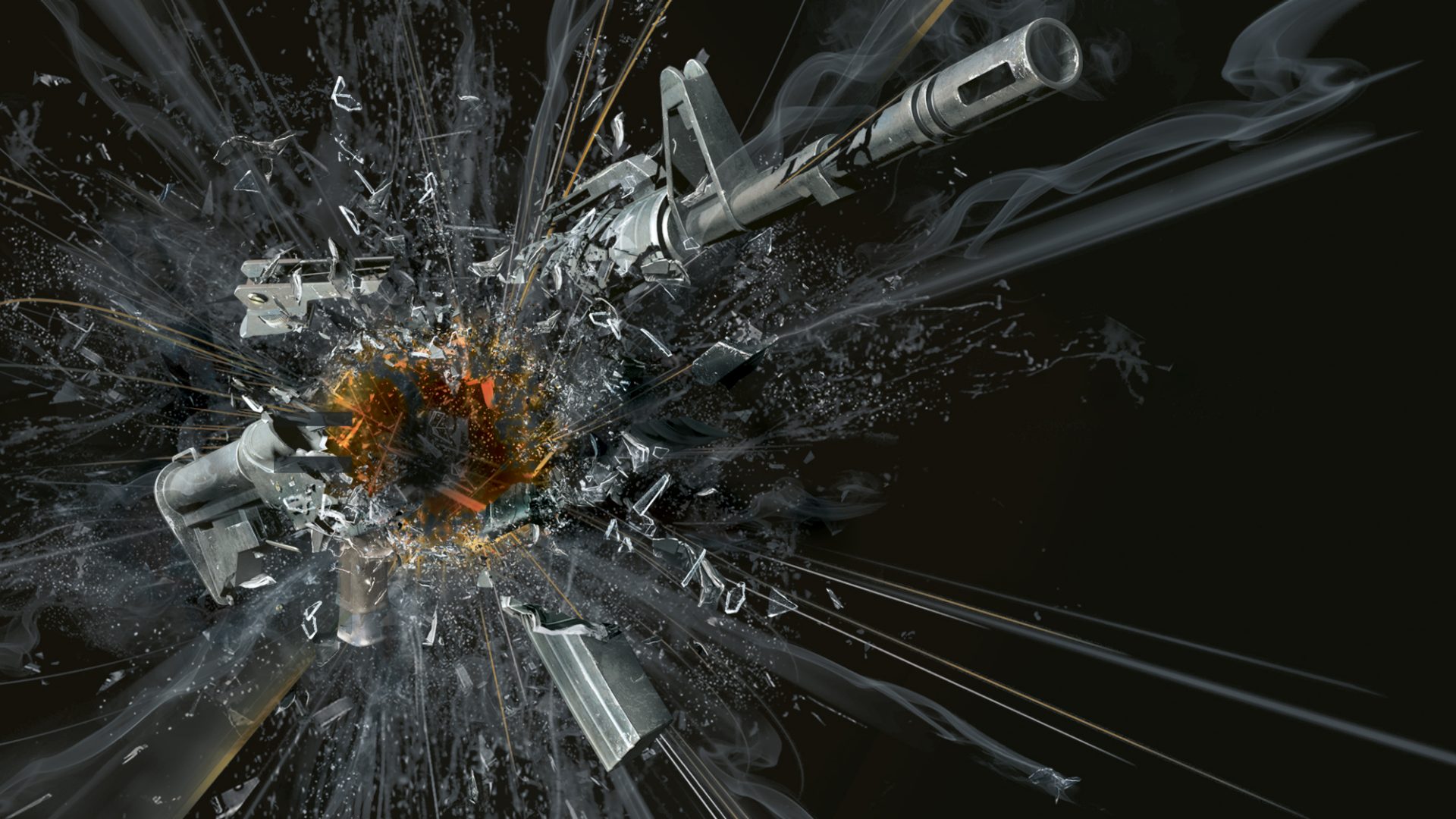
Long before cinematic first-person shooters dominated the industry, Criterion Games released Black in 2006. Dubbed "gun-fu" in a video game format, the title focused obsessively on weapon fidelity, heavy particle effects, and environmental destruction.
At a time when most console shooters felt clunky and graphically muted, Black delivered real-time physics, exploding scenery, and dynamic audio design that mimicked high-budget action films. Its emphasis on dense dust clouds, lingering smoke, and punchy gunplay pioneered atmospheric details that became standard features in modern first-person shooters on far more powerful hardware.
9. Mercenaries: Playground of Destruction
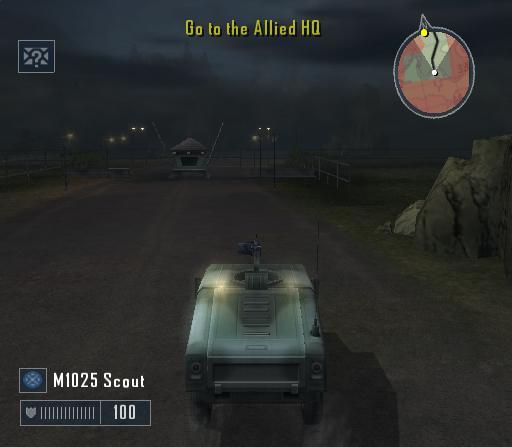
Open-world sandbox games were rapidly evolving during the PS2 era, but Pandemic Studios took the concept a step further with Mercenaries: Playground of Destruction. Released in 2005, the game gave players unprecedented freedom in how they approached objectives across a chaotic war zone.
Featuring fully destructible architecture, dynamic faction reputation systems, and the ability to call in tactical airstrikes or vehicle drops anywhere on the map, Mercenaries: Playground of Destruction anticipated the systemic emergent gameplay that modern sandbox titles like Just Cause and Mercenaries 2: World in Flames would later refine.

8. Okami
Clover Studio's Okami was a masterclass in artistic direction and interactive mechanics. Released near the end of the PS2's lifecycle in 2006, the game utilized a timeless cel-shaded ink-wash art style inspired by Japanese watercolor painting.
Beyond its visuals, Okami introduced the Celestial Brush system, allowing players to pause combat or exploration to draw magical symbols on screen to reshape the world, repair bridges, or defeat enemies. This seamless blend of player drawing and environmental interactivity felt significantly ahead of standard action-adventure mechanics seen during the sixth console generation.

7. ICO
Directed by Fumito Ueda and developed by Team Ico, ICO stripped away traditional video game clutter in 2001, abandoning heads-up displays, quest markers, and point systems in favor of minimalist environmental storytelling.
The core mechanic centered around holding a companion's hand to guide her through a mysterious, sprawling castle. The natural lighting design, soft bloom effects, physical puzzle mechanics, and companion AI created an emotional atmosphere that profoundly influenced narrative game design and inspired future hits like The Last of Us and Brothers: A Tale of Two Sons.

6. Final Fantasy XII
When Square Enix released Final Fantasy XII in 2006, it polarized fans who were accustomed to traditional turn-based random encounters. Instead, the game introduced a seamless open-zone structure and the revolutionary Gambit System.
The Gambit System allowed players to program intricate, conditional artificial intelligence logic for their party members, setting priorities for healing, attacking, and buffing. Combined with real-time positioning and visible field encounters, Final Fantasy XII anticipated the evolution of modern real-time tactical combat and open-ended RPG automation seen in modern games like Dragon Age: Origins.

5. Silent Hill 2
While many horror games of the era relied heavily on jump scares and creature feature tropes, Konami's Silent Hill 2 crafted a sophisticated psychological thriller exploring grief, guilt, and trauma.
Released in 2001, Silent Hill 2 used environmental fog not just to hide hardware limitations, but as a symbolic thematic tool. Its ambiguous narrative, unreliable narrator, and subtle psychological monster design set a standard for narrative depth in video games that few titles managed to reach for years afterward.

4. Grand Theft Auto: San Andreas
Rockstar Games redefined what was thought possible on the PS2 hardware with 2004's Grand Theft Auto: San Andreas. The game managed to fit three fully realized cities—inspired by Los Angeles, San Francisco, and Las Vegas—alongside vast deserts and countryside onto a single DVD disc.
Beyond its immense geographic scale, Grand Theft Auto: San Andreas introduced deep character customization, RPG elements like stamina and muscle mass management, gang territory wars, and an unprecedented level of environmental interactivity. It laid the direct framework for modern massive open-world titles like Grand Theft Auto V.

3. Resident Evil 4
Few titles have exerted as profound an impact on game design as Resident Evil 4. By shifting the camera from fixed angles to an over-the-shoulder perspective, Capcom permanently revolutionized action and survival horror games.
The game introduced context-sensitive button prompts, dynamic difficulty scaling that adjusted behind the scenes based on player performance, and precision aiming mechanics that forced players to react strategically to oncoming enemy hordes. Virtually every third-person shooter created after 2005, including Gears of War and Dead Space, owes a debt to Resident Evil 4.
2. Shadow of the Colossus
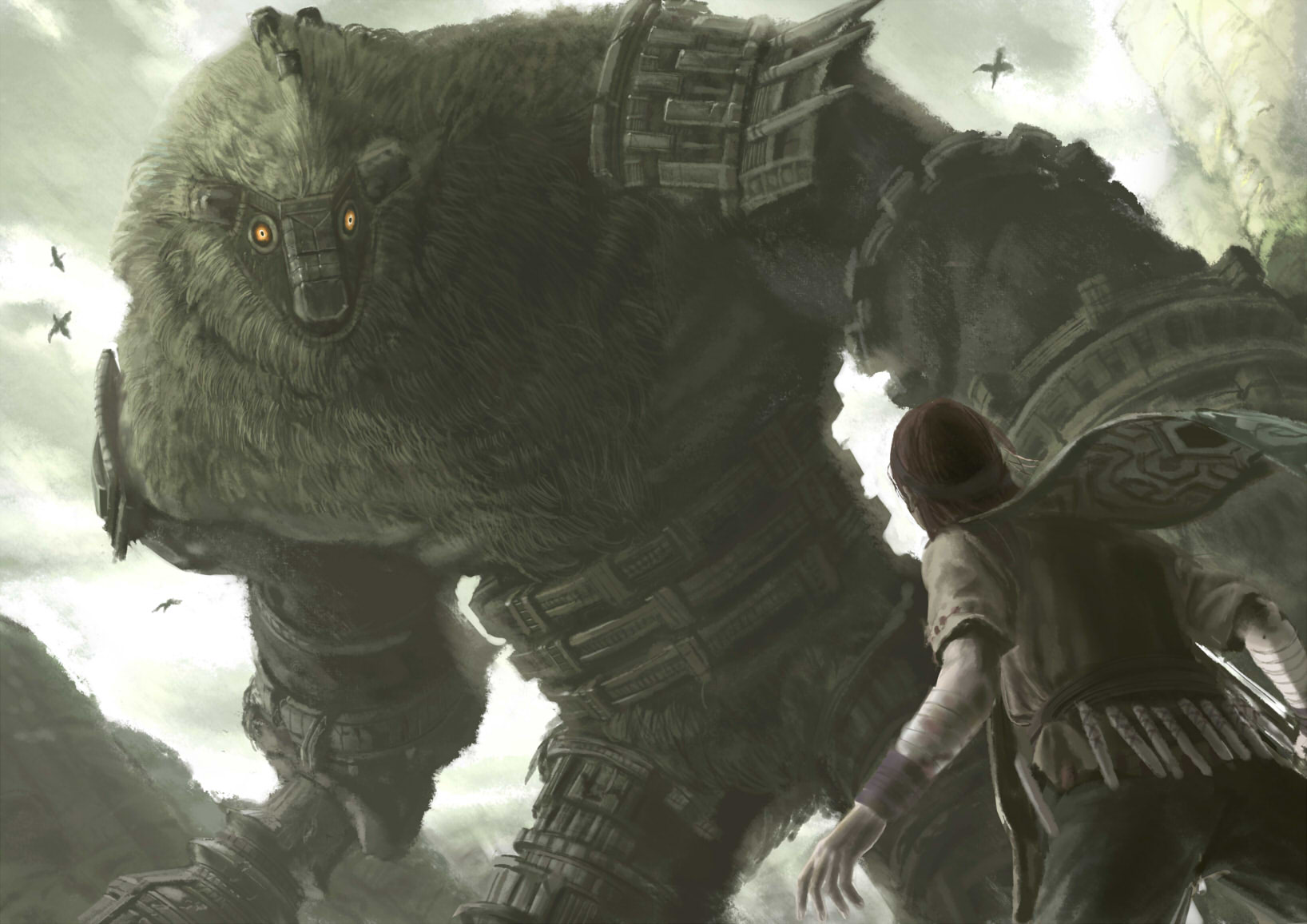
Shadow of the Colossus defied conventional game design logic in 2005 by stripping away towns, non-player characters, dungeons, and standard mob enemies. Instead, the game presented a vast, melancholic world populated solely by 16 giant creatures that functioned as living, moving puzzle levels.
Featuring dynamic inverse kinematics physics, stamina management mechanics, breathtaking draw distances, and an unforgettable dynamic orchestral score, Shadow of the Colossus remains a monument of artistic expression that pushed the PS2 far beyond its technical limits.

1. Metal Gear Solid 3: Snake Eater
Topping our list is Hideo Kojima’s masterpiece, Metal Gear Solid 3: Snake Eater. Released in 2004, this survival-stealth title abandoned radar systems and urban corridors in favor of a dense jungle setting that required players to actively blend into their surroundings using dynamic camouflage ratios.
The game introduced complex survival mechanics, requiring players to hunt local wildlife for food to manage stamina and treat specific injuries through a detailed field surgical menu. Coupled with intricate enemy AI routines, context-sensitive Close Quarters Combat (CQC), and dynamic environmental interactions, Metal Gear Solid 3: Snake Eater delivered an unprecedented level of depth that remains remarkably modern to this day.
Frequently Asked Questions
Why were certain PS2 games able to feel so advanced?
Developers late in the PS2 console lifespan gained an intimate understanding of the Emotion Engine processor. By utilizing custom programming techniques, creative art direction, and clever streaming technology, studios were able to bypass memory limitations and create games that looked and felt like early next-generation titles.
Which PS2 game influenced modern third-person shooters the most?
Resident Evil 4 is widely recognized as the most influential title for modern third-person action games. Its over-the-shoulder camera placement became the standard template for third-person action and shooting games for decades to follow.
Are these classic PS2 games still worth playing today?
Absolutely. Thanks to timeless art design, tight gameplay loops, and innovative systems, titles like Shadow of the Colossus, Metal Gear Solid 3: Snake Eater, and Okami hold up exceptionally well and remain essential experiences for modern gamers.
Final Thoughts
The PlayStation 2 era proved that technical constraints often foster the greatest creative innovations. The developers behind these 10 masterpieces did not simply work within the hardware limits of their day—they redefined what players could expect from video games, crafting systems, stories, and mechanics that shaped the future of the medium.
