CHECKING...
Rookie Gamer Live Broadcast
0
0%
10k


📅 October 29, 2026

Ride 4 (2020) Review: Is It the Ultimate Motorcycle Racing Simulator?

Ride 4 (2020) Review: Is It the Ultimate Motorcycle Racing Simulator?
Ride 4 (2020) Cover

Ride 4 (2020) Review: The Ultimate Motorcycle Racing Simulator

Released in late 2020, Ride 4 has solidified its reputation as one of the most comprehensive two-wheeled racing simulators on the market. Often dubbed the 'Gran Turismo of motorcycles,' this installment raises the bar for realism, mechanical depth, and visual fidelity in motorsport gaming.

Context and History

The Ride series has long served as a flagship franchise for motorcycle racing enthusiasts. Ride 4 represents a major step forward from its predecessors, moving away from accessible arcade elements to embrace uncompromising simulation mechanics. It targets purists who appreciate line precision, subtle weight transfers, and authentic track layouts.

Developer and Playable Platforms

Developed and published by Italian racing game veterans Milestone S.r.l., Ride 4 showcases the studio's decades of experience with two-wheeled physics. The game was released across multiple generations of hardware, allowing players to experience it on a wide variety of systems:

  • PC: Windows (Steam & Epic Games Store)
  • PlayStation: PlayStation 4 & PlayStation 5
  • Xbox: Xbox One & Xbox Series X/S

On ninth-generation consoles (PS5 and Xbox Series X) and high-end PCs, the game benefits from faster load times, target 60 FPS performance at 4K resolution, and enhanced haptic feedback features.

Story and Narrative Structure

While Ride 4 does not feature a character-driven cinematic story, its narrative is defined by your personal journey as a professional motorcycle racer. The revamped Career Mode offers a non-linear path to stardom:

  • Regional Leagues: Start your journey in Europe, the Americas, or Asia.
  • World League: Earn licenses and qualify to compete on global circuits.
  • Endurance League: Experience high-stakes, long-distance races requiring fuel management and pit-stop strategy.

Progression feels hard-earned. License tests force players to learn track limits, proper braking zones, and smooth throttle application before moving on to faster superstock and superbike categories.

Graphics, Sound, and Environmental Detail

Visually, Ride 4 is a showcase for Unreal Engine 4. Milestone utilized CAD data, laser scanning, and 3D scanning technology to recreate over 170 officially licensed motorcycles with painstaking detail.

The dynamic weather system and light atmospheric modeling transform each race. Raindrops bead realistically on the rider's helmet camera, and wet track asphalt reflects sunlight dynamically as racing lines dry out.

Sound design has also received a massive overhaul. Engine notes were recorded directly from real-world counterparts, giving every exhaust note, gear shift, and high-RPM whine an authentic tone.

Game Summary & Key Details

FeatureSpecifications
DeveloperMilestone S.r.l.
Release Year2020
Game EngineUnreal Engine 4
Roster170+ licensed bikes, 30+ tracks
AI SystemA.N.N.A. (Artificial Neural Network Agent)

Final Recommendation and Verdict

Ride 4 is not a game for casual arcade players looking for quick fun. It features a steep learning curve, demanding physics, and an uncompromising AI system. However, for simulation fans, motorcycle enthusiasts, and gamers who enjoy mastering technical mechanics, it offers an incredibly rewarding experience.

Verdict: Highly recommended for simulation enthusiasts seeking high graphical fidelity and true-to-life bike handling.


Ride 4 (2020) Screenshot

Complete Starhawk Story Explained: Lore, Narrative, and Ending

Complete Starhawk Story Explained: Lore, Narrative, and Ending
Starhawk

Introduction to Starhawk

Released in 2012 as a spiritual successor to Warhawk, Starhawk blended high-octane third-person shooter action with real-time strategy elements. While many players fondly remember its unique "Build & Battle" mechanics and aerial dogfights, Starhawk also featured a gritty sci-fi Western campaign centered around family betrayal, mutated horrors, and a precious resource known as Rift Energy.

This article breaks down the complete story, lore, character arcs, and ending of Starhawk to provide a clear explanation of its universe.

The Setting: The Frontier and Rift Energy

The universe of Starhawk is set in the 25th century on the outer edges of space known as "The Frontier." Humanity's expansion across these distant worlds is driven by the quest for Rift Energy, a powerful, glowing blue resource that powers modern technology and interplanetary travel.

However, Rift Energy comes with a catastrophic cost. Prolonged exposure to unrefined Rift Energy corrupts human DNA and brain chemistry. Those infected undergo painful mutations, transforming into violent, glowing creatures known as Outcasts. Driven mad by the energy, Outcasts form feral hordes that attack human colonies and Rift mining operations to harvest more energy for themselves.

Key Characters

  • Emmett Graves: The protagonist of Starhawk. A former Rift miner who was exposed to raw Rift Energy, Emmett was partially mutated. He maintains his sanity thanks to an advanced regulator device attached to his chest, making him a outcast among humans and a mercenary for hire.
  • Sydney "Cutter" Vance: Emmett’s loyal partner, mechanic, and drop-ship pilot. Cutter constructed Emmett's regulator harness and operates their starship, the Spur.
  • Logan Graves: Emmett’s older brother. Exposed to the exact same Rift surge that mutated Emmett, Logan lacked a regulator, fully succumbing to the corruption and becoming the ruthless leader of the Outcast horde.
  • Mayor Oswald: The leader of White Sands, a prosperous mining settlement on the planet Dust that hires Emmett for protection.

Complete Plot Breakdown

The Incident at White Sands

Years before the game's main events, brothers Emmett and Logan Graves worked as Rift miners on the dusty planet of Dust. During a routine extraction, a catastrophic explosion destroyed their rig, flooding the area with pure Rift Energy. Both brothers were infected. While Emmett was fitted with a life-saving regulator harness built by Cutter, Logan fled into the wilderness, fully submitting to the Rift transformation.

Years later, Emmett and Cutter work as "Hired Guns"—mercenaries who protect Rift mining operations from Outcast raids. They are summoned back to planet Dust by Mayor Oswald to protect the settlement of White Sands from an unprecedentedly organized Outcast offensive.

Uncovering the Outcast Commander

Upon arriving on Dust, Emmett utilizes orbital drop technology to fortify the town's defenses. As Emmett defends the town, he notices unusual military discipline among the Outcasts. Normally feral and mindless, these Outcasts are executing calculated tactics, heavy assaults, and coordinated ambushes.

During a push into Outcast territory, Emmett discovers the shocking truth: the leader behind the attack is none other than his long-lost brother, Logan Graves. Logan has evolved into a mutated warlord capable of telepathically bending other Outcasts to his will.

The Pursuit Across the Frontier

Logan isn't just raiding for survival; he is gathering massive quantities of Rift Energy to construct a giant spire capable of corrupting entire planetary systems. Realizing the apocalyptic threat his brother poses, Emmett and Cutter pursue Logan across multiple worlds in the Frontier.

Their journey takes them from the scrapheaps of orbital spaceports to hazardous planetoids. Along the way, Emmett struggles with the physical and mental strain of his own Rift infection. The closer he gets to raw Rift sources, the more his regulator struggles to keep his corruption at bay, forcing him to fight both his mutated brethren and his own deteriorating body.

The Ending Explained

The Final Confrontation on the Rift Spire

The campaign culminates inside Logan's massive Rift spire platform in deep space. Emmett infiltrates the facility alone, battling through hordes of elite Outcast forces to reach the core where Logan is absorbing unprecedented amounts of Rift power.

When the brothers meet, Logan tries to convince Emmett to rip off his chest regulator, embrace the Rift, and join him as a ruler of a transformed humanity. Logan views raw Rift Energy not as a curse, but as the next step in human evolution. Emmett rejects his brother's vision, pointing out that Logan has sacrificed his humanity, compassion, and free will to become a monster.

Defeating Logan Graves

A brutal multi-stage battle ensues. Empowered by the Rift core, Logan mutates into a massive, monstrous beast. Utilizing his military training, build-and-battle defenses, and sharp gunplay, Emmett manages to strike down his brother's monstrous form.

As Logan lies dying, his mind briefly clears from the Rift's madness, allowing a rare moment of clarity between the brothers. Emmett bids a tragic farewell to Logan before ending his suffering. With Logan defeated, Emmett destroys the Rift reactor core, dismantling the Outcast threat to the region.

The Aftermath

With the battle over, Emmett returns to the Spur with Cutter. Though he saved the local colonies and stopped the Outcast expansion, Emmett receives no hero's welcome. He remains an infected lone worker, viewed with fear and suspicion by normal humans because of his glowing skin and scarred chest.

Accepting his tragic status as an eternal outsider, Emmett takes his pay and prepares for the next job alongside Cutter, continuing his life on the edge of space as a Hired Gun.

Frequently Asked Questions

Is Starhawk a direct sequel to Warhawk?

No, Starhawk is a spiritual successor to Warhawk (2007). While both games feature high-mobility air combat and large-scale multiplayer battles, Starhawk introduces a brand-new sci-fi universe, characters, and real-time base construction mechanics that were not present in Warhawk.

Why does Emmett Graves wear a harness on his chest?

The harness is a Rift regulator engineered by Cutter. It slowly filters and represses the mutated Rift Energy inside Emmett's bloodstream, allowing him to maintain his human consciousness and prevent his body from fully mutating into an Outcast.

Can you play the Starhawk campaign offline?

Yes, the single-player campaign in Starhawk is fully playable offline, serving as a standalone story mode alongside its multiplayer modes.

Final Thoughts

The story of Starhawk stands out as a compelling sci-fi Western tragedy. At its core, the narrative is an intimate conflict between two brothers bound by trauma but separated by their choices. Emmett's decision to resist corruption and hold onto his humanity—even when society rejects him—gives Starhawk an impactful narrative backbone to match its action-packed gameplay.

The Walking Dead: Season One (2012) Review - A Narrative Masterpiece

The Walking Dead: Season One (2012) Review - A Narrative Masterpiece

Introduction: A Defining Moment for Narrative Gaming

Released in 2012, The Walking Dead: Season One completely redefined what players expected from story-driven video games. Based on Robert Kirkman's acclaimed comic book series, this episodic graphic adventure shifted the focus away from traditional action-heavy zombie survival mechanics to deep emotional storytelling, morally complex choices, and unforgettable character dynamics.

Developer and Context

Developed and published by Telltale Games, this title marked a monumental turning point for the studio. Prior to 2012, Telltale was primarily known for classic point-and-click adventure titles. With The Walking Dead, they pioneered an episodic, choice-driven format that prioritized cause-and-effect decision making, setting a new industry benchmark for interactive fiction.

Story and Narrative: Heart-Wrenching and Personal

The central narrative follows Lee Everett, a convicted murderer given an unexpected second chance at redemption when the undead apocalypse breaks out in Georgia. Shortly after the collapse of society, Lee encounters Clementine, an eight-year-old girl hiding alone in her treehouse. The bond formed between Lee and Clementine serves as the emotional anchor for the entire game.

Unlike traditional games where success is measured by high scores or survival combat, The Walking Dead: Season One measures success through relationship management and moral decision-making. Players are consistently forced to make high-stakes, time-sensitive choices that determine which group members trust you, who survives, and how Clementine perceives the brutal new world. The narrative pacing across all five episodes is exceptional, leading up to one of the most emotionally resonant conclusions in gaming history.

Graphics and Visual Style

To pay homage to its source material, Telltale adopted a distinct graphic-novel aesthetic featuring cell-shading and bold, ink-drawn lines. While the game engine presented technical limitations and occasional frame-rate stutters upon launch, the stylized visual direction has aged far better than contemporary realistic games from the same era. Expressive character modeling allows subtle facial expressions to convey immense grief, fear, and hope.

Playable Platforms

Due to its critical acclaim and popularity, The Walking Dead: Season One is accessible across virtually every modern gaming platform:

  • PC / Mac: Steam, Epic Games Store, GOG
  • Consoles: PlayStation 3, PlayStation 4, Xbox 360, Xbox One, Nintendo Switch
  • Mobile & Handheld: iOS, Android, PlayStation Vita

For modern platform users, the game is also included in The Walking Dead: The Telltale Definitive Series, which features enhanced lighting and remastered graphic polish.

Final Verdict & Recommendation

The Walking Dead: Season One (2012) remains a masterpiece of video game storytelling. While its actual gameplay is light—relying on point-and-click exploration, dialogue trees, and quick-time events (QTEs)—its character writing, stellar voice acting (featuring Dave Fennoy and Melissa Hutchison), and lasting emotional weight make it essential playing.

Recommendation: Highly recommended for anyone who values compelling narratives, deep character relationships, and emotional storytelling in video games.

Score: 9.5/10

Halo 3 (2007) Review: The Ultimate FPS Masterpiece

Halo 3 (2007) Review: The Ultimate FPS Masterpiece
Halo 3 (2007) Cover

Halo 3 (2007) Detailed Review: The Pinnacle of First-Person Shooters

When Halo 3 launched in September 2007, it was far more than a video game release; it was a cultural landmark. Carrying the iconic marketing tagline "Finish the Fight," Halo 3 faced immense expectations to conclude one of the most celebrated trilogies in gaming history. Developed by Bungie and published by Microsoft Game Studios, this landmark title defined an entire generation of console gaming on the Xbox 360.

Context and Historical Significance

Following the massive critical success of Halo: Combat Evolved and the infamous cliffhanger ending of Halo 2, anticipation for Halo 3 reached unprecedented heights. Upon release, it smashed entertainment industry records by generating over $170 million in its first 24 hours. Halo 3 popularized features like Forge mode and Theater mode, solidified Xbox Live as the premier online service, and established standards for competitive console shooters that endure today.

Developer Pedigree

Halo 3 was developed by legendary studio Bungie. Renowned for their fluid combat mechanics, sandbox vehicle design, and intelligent enemy AI, Bungie delivered their finest work with Halo 3. The studio successfully combined tight first-person shooter gameplay with community-driven tools that extended the game's lifespan for decades.

Story and Narrative

The campaign picks up immediately following the events of Halo 2. Earth is under siege by the Covenant armada, led by the fanatical Prophet of Truth, while the parasitic Flood threatens to consume all biological life in the galaxy. Players step back into the armor of Master Chief (John-117), forming an alliance with the Covenant Elite warrior known as the Arbiter (Thel 'Vadam).

The narrative balances galactic stakes with personal heroism, focusing heavily on Master Chief's drive to save his artificial intelligence companion, Cortana. Featuring unforgettable set pieces, dramatic character arcs, and a heart-pounding final escape, the story delivers an immensely satisfying conclusion to the original trilogy.

Graphics, Sound, and Audio Design

For a 2007 title, Halo 3 was a technical achievement. Utilizing advanced lighting techniques, dynamic high-dynamic-range (HDR) rendering, and massive scale, the game rendered vast landscapes filled with dozens of vehicles and AI combatants simultaneously. While human character models show their age, the overall aesthetic, alien architecture, and skyboxes remain captivating.

The game's audio design is equally legendary. Composers Martin O'Donnell and Michael Salvatori created an emotional and powerful orchestral soundtrack. From sweeping piano melodies to intense choral arrangements, the music elevates every narrative beat and firefight.

Platforms: Where to Play Halo 3 Today

Although initially released as an Xbox 360 exclusive, Halo 3 is widely accessible across modern platforms:

  • Xbox 360: Original physical disc and digital format.
  • Xbox One & Xbox Series X|S: Fully playable via backward compatibility and modern enhancements in Halo: The Master Chief Collection.
  • PC (Windows): Available on Steam and the Microsoft Store via Halo: The Master Chief Collection, featuring 4K resolution, high framerates, and ultrawide monitor support.

Final Recommendation

Halo 3 remains a masterpiece of game design. Its campaign offers exceptional replayability through skulls, co-op multiplayer, and sandbox encounters, while its mechanics remain as responsive today as they were in 2007. Whether you are replaying the classic or discovering Master Chief's journey for the first time, Halo 3 earns an absolute 10/10 recommendation and stands as a timeless classic in the FPS genre.


Halo 3 (2007) Screenshot

Call of Duty: Black Ops Cold War PS5 Review - Next-Gen Espionage Action

Call of Duty: Black Ops Cold War PS5 Review - Next-Gen Espionage Action

Call of Duty: Black Ops Cold War PS5 Review: Next-Gen Espionage Action

Released during the arrival of ninth-generation gaming consoles, Call of Duty: Black Ops Cold War brings Activision's iconic sub-series back to its gritty, conspiracy-laden roots. Played on the PlayStation 5, this title leverages next-gen hardware to deliver fast-paced multiplayer, intense Zombies action, and an engaging single-player spy campaign.

Context & Background

Serving as a direct sequel to the original 2010 Call of Duty: Black Ops, Cold War drops players right into the geopolitical tension of the early 1980s. Published by Activision, the game bridges real-world historical events with fictional covert operations during one of the most volatile eras in modern history.

Developer Insights

The development of Black Ops Cold War was a major collaborative effort between two veteran studios:

  • Raven Software: Spearheaded the single-player campaign, introducing player choice, side missions, and investigative puzzle-solving mechanics.
  • Treyarch: Handled the iconic Multiplayer mode and the Dark Aether Zombies storyline, ensuring signature fast-paced gameplay mechanics.

Story and Narrative

Set in 1981, the narrative follows CIA operative Russell Adler and his elite covert team, including legacy characters Alex Mason, Frank Woods, and Jason Hudson. Players assume the role of "Bell," a customizable operative tasked with stopping a legendary Soviet spy code-named Perseus, who aims to subvert the global balance of power.

"Know your history or be doomed to repeat it." - A core thematic element driving the conspiratorial narrative of Cold War.

The campaign stands out for its non-linear mission structure, optional side quests requiring code-breaking skills, and multiple story endings based on choices made throughout the narrative.

PS5 Graphics & Next-Gen Performance

On the PlayStation 5, Black Ops Cold War shines as a visual technical showcase:

  • Visual Fidelity: Supports native 4K resolution with Ray Tracing enabled, casting realistic shadows and dynamic reflections.
  • Performance: Offers a smooth 120Hz performance mode for high-framerate competitive multiplayer action.
  • DualSense Integration: Utilizes adaptive triggers to simulate realistic gun mechanics—each weapon features distinct trigger resistance. Haptic feedback delivers subtle cues for explosions and reloading.
  • SSD Speed: High-speed NVMe loading drastically reduces waiting times when booting up missions or entering online lobbies.

Playable Platforms

While optimized for next-gen hardware, Call of Duty: Black Ops Cold War is broadly accessible across multiple platforms:

PlatformKey Features
PlayStation 54K, Ray Tracing, 120 FPS support, DualSense Haptics, Fast SSD
PlayStation 4 / PS4 Pro1080p to dynamic resolution, 60 FPS target
Xbox Series X | S4K/1440p options, Ray Tracing, 120 FPS support, Quick Resume
Xbox One / One XStandard 8th-gen visual presentation
PC (Battle.net)Uncapped framerates, Ultrawide support, Nvidia DLSS & Reflex

Final Recommendation

Verdict: 8.5/10

Call of Duty: Black Ops Cold War on PS5 is a compelling package that successfully balances nostalgic shooter elements with modern next-gen features. The campaign's spy-thriller atmosphere and immersive DualSense implementation make it one of the most engaging single-player entries in the franchise. Paired with robust Multiplayer and expanded Zombies content, it is a highly recommended title for FPS fans and PS5 owners.

Creeper World (2009) Review: A Timeless Fluid-Dynamics Strategy Classic

Creeper World (2009) Review: A Timeless Fluid-Dynamics Strategy Classic
Creeper World (2009) Cover

Introduction: A Unique Take on Real-Time Strategy

When Creeper World arrived in 2009, the Real-Time Strategy (RTS) genre was largely defined by base-building, resource harvesting, and micro-managing armies against opposing AI or human players. Creeper World stripped away the traditional enemy commander dynamic and replaced it with something far more terrifying: a mindless, expanding blue liquid known simply as the Creeper.

The Developer Behind the Phenomenon

Creeper World was developed and published by Knuckle Cracker, an independent studio founded by developer Virgil Wall. Wall designed the game to offer a fresh tactical challenge that focused on terrain elevation, energy logistics, and defensive positioning rather than fast-paced unit micro. The massive success of this 2009 release spawned a beloved franchise, including several sequels and spin-offs.

Story and Narrative

Set in a distant futuristic sci-fi universe, the narrative of Creeper World is simple yet compelling. Humanity has expanded across thousands of worlds, only to encounter an ancient, omnipresent menace—the Creeper. This destructive fluid smothers everything in its path, absorbing planet after planet.

You take on the role of the commander aboard Odin City, humanity's last hope. Your goal is not necessarily to eliminate the enemy on every front, but to survive long enough to charge a dimensional jump gate and evacuate to the next world. The narrative is delivered through retro terminal text logs and brief mission briefings that build an eerie atmosphere of desperate galactic survival.

Gameplay and Strategy: Fluid Mechanics at Work

The core innovation of Creeper World lies in its fluid dynamics simulation. The enemy does not shoot back with conventional weapons; instead, it flows over terrain like water, filling valleys, submerging low ground, and creeping up hills toward your core base.

  • Energy Logistics: Players construct a network of collectors and relays to power weapons, shields, and mortar emplacements. Managing your energy grid efficiency is vital to preventing power blackouts.
  • Terrain Utilization: Elevated terrain acts as a natural barrier. Players must strategically build blasters for direct line-of-sight attacks and mortars to shell deep pools of Creeper trapped in lower elevations.
  • Relentless Pressure: Spores fly through the air to hit vulnerable targets behind your front lines, forcing players to balance ground defense with air defense network towers.

Graphics and Visual Style

Visually, Creeper World (2009) adopts a minimal, top-down tactical map aesthetic. The graphics are simple, relying on color-coded terrain height maps and clear vector-like icons. While it won't win awards for modern visual effects, the minimalist design serves a crucial purpose: absolute readability. Players can assess massive battlefields at a single glance.

The audio design complements the strategic nature of the game with crisp sound effects for weaponry and a dark, atmospheric synth soundtrack that heightens the sense of tension during heavy assaults.

Platforms and Availability

Originally developed using Adobe AIR, Creeper World has been updated and modernized for seamless play on modern PC operating systems. You can play or purchase Creeper World on the following platforms:

  • PC (Microsoft Windows): Available on Steam and GOG.
  • macOS: Playable via Steam and official digital distribution channels.
  • Linux: Supported through Proton and native compatibility builds on Steam.

Final Verdict and Recommendation

Over a decade after its original debut, Creeper World (2009) remains a brilliant gem in the indie RTS landscape. Its unique emphasis on fluid dynamics, supply line management, and survival defense makes it a refreshing alternative to standard RTS titles.

Recommendation: If you are a fan of tower defense, resource logistics, or classic strategy games, Creeper World is an absolute must-play. It offers incredible replayability and a satisfying tactical depth that holds up exceptionally well today.

Final Rating: 8.5 / 10


Creeper World (2009) Screenshot

The Evolution of PlayStation Exclusives on PS2: From Pixel Polish to Cinematic Masterpieces

The Evolution of PlayStation Exclusives on PS2: From Pixel Polish to Cinematic Masterpieces

Introduction: The Golden Era of the PlayStation 2

When Sony released the PlayStation 2 in the year 2000, few could have predicted the sheer magnitude of its impact on the gaming industry. As the best-selling video game console of all time, the PS2 became the home for groundbreaking game design, narrative complexity, and technical achievement. Much of this success can be attributed to its extraordinary library of exclusive titles.
Over its long lifecycle, the nature of exclusive titles on the console shifted dramatically. Early titles relied on establishing visual fidelity over the original PlayStation, while mid-generation releases redefined genres. By the end of the console's lifespan, developers were squeezing every drop of processing power out of the Emotion Engine to deliver cinematic games that laid the groundwork for modern gaming aesthetics. This article explores the chronological evolution of PlayStation exclusives on the PS2 and how they transformed the medium forever.

2000–2001: Launch Period and Technical Foundations

The early phase of the PS2 lifecycle was characterized by a drive to prove the system's raw graphical superiority over 32-bit hardware. Developers transitioned from blocky 3D models and low-resolution textures to high-polygon counts, dynamic lighting, and seamless animations.

Gran Turismo 3: A-Spec

Early Visual Showcases: Gran Turismo 3: A-Spec and Beyond

One of the earliest titles to demonstrate the raw power of the hardware was Gran Turismo 3: A-Spec. Released in 2001, it offered unprecedented graphical fidelity, realistic reflection maps on vehicle bodies, and heat haze effects on racetracks. It established Sony's commitment to delivering premium visual experiences that competitors could not match at the time.

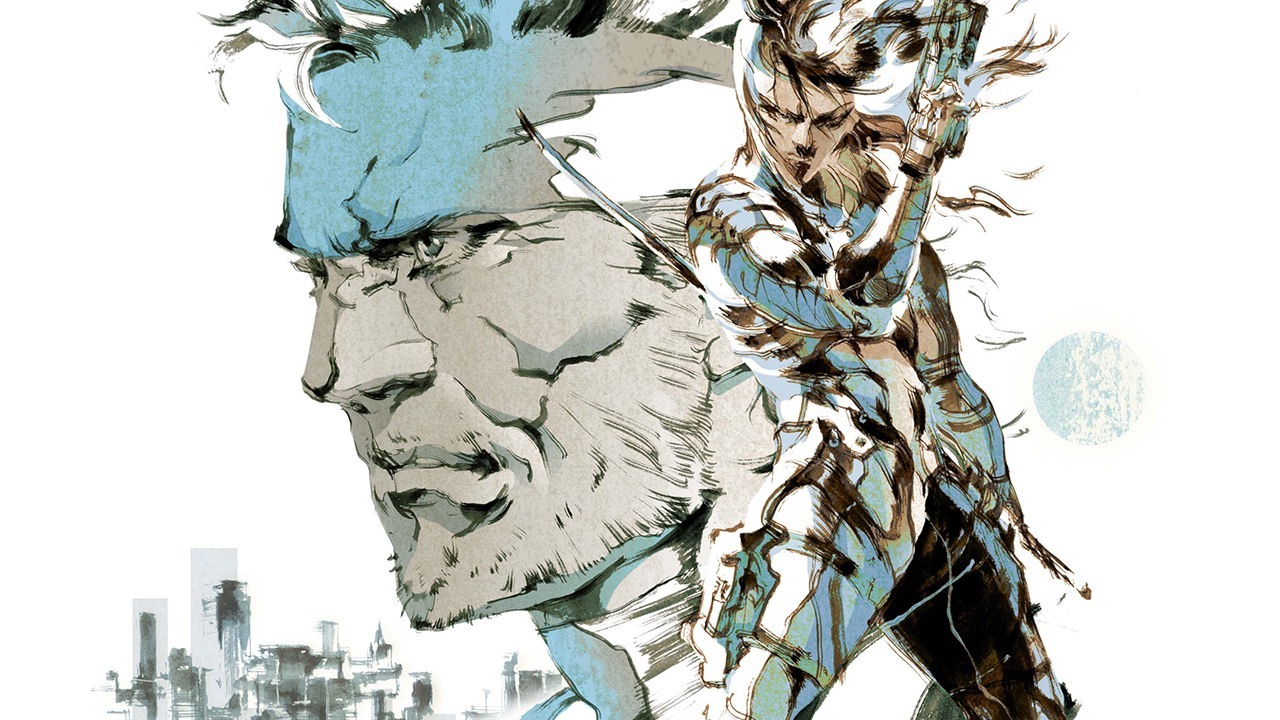
Metal Gear Solid 2: Sons of Liberty

The Rise of Cinematic Storytelling: Metal Gear Solid 2: Sons of Liberty and Final Fantasy X

During these early years, third-party partnerships were critical to establishing the PS2's dominance. Square Enix (then Square) released Final Fantasy X, marking the franchise's jump into fully voice-acted dialogue and expressive facial animations. Simultaneously, Hideo Kojima's Metal Gear Solid 2: Sons of Liberty pushed cinematic cutscenes, complex AI mechanics, and intricate plotlines to new heights, cementing the PS2 as a platform for mature, narrative-driven gaming.

2002–2004: Diversification and Platforming Excellence

As developers grew comfortable with the system's unique architecture, the variety of genres available on the system expanded exponentially. Action games became more fluid, and character-driven platformers entered a golden age.

The Mascot Trio: Jak and Daxter: The Precursor Legacy, Ratchet & Clank, and Sly Cooper and the Thievius Raccoonus

Platformers evolved beyond the collect-a-thon formula of the 1990s. Naughty Dog introduced Jak and Daxter: The Precursor Legacy, featuring a seamless open world with no loading screens—a monumental technical achievement at the time. Insomniac Games brought action-packed third-person shooting mechanics into Ratchet & Clank, while Sucker Punch Productions offered stealth-focused gameplay with cell-shaded art in Sly Cooper and the Thievius Raccoonus. These franchises established strong first-party IP relationships for Sony that persist to this day.

Action Game Revolution: Devil May Cry and Kingdom Hearts

Capcom's Devil May Cry introduced stylish, fast-paced hack-and-slash combat that set the benchmark for character action games. Around the same time, Kingdom Hearts demonstrated the viability of unexpected crossovers by combining Square Enix action-RPG mechanics with Disney characters, creating a massive global franchise exclusive to the ecosystem for years.

2005–2007: Late-Lifecycle Masterpieces and Pushing Hardware Limits

By the mid-to-late 2000s, even as newer hardware began to emerge on the horizon, developers had mastered the PS2's architecture. This period yielded some of the most critically acclaimed games in history, proving that software design and artistic vision could surpass technological constraints.

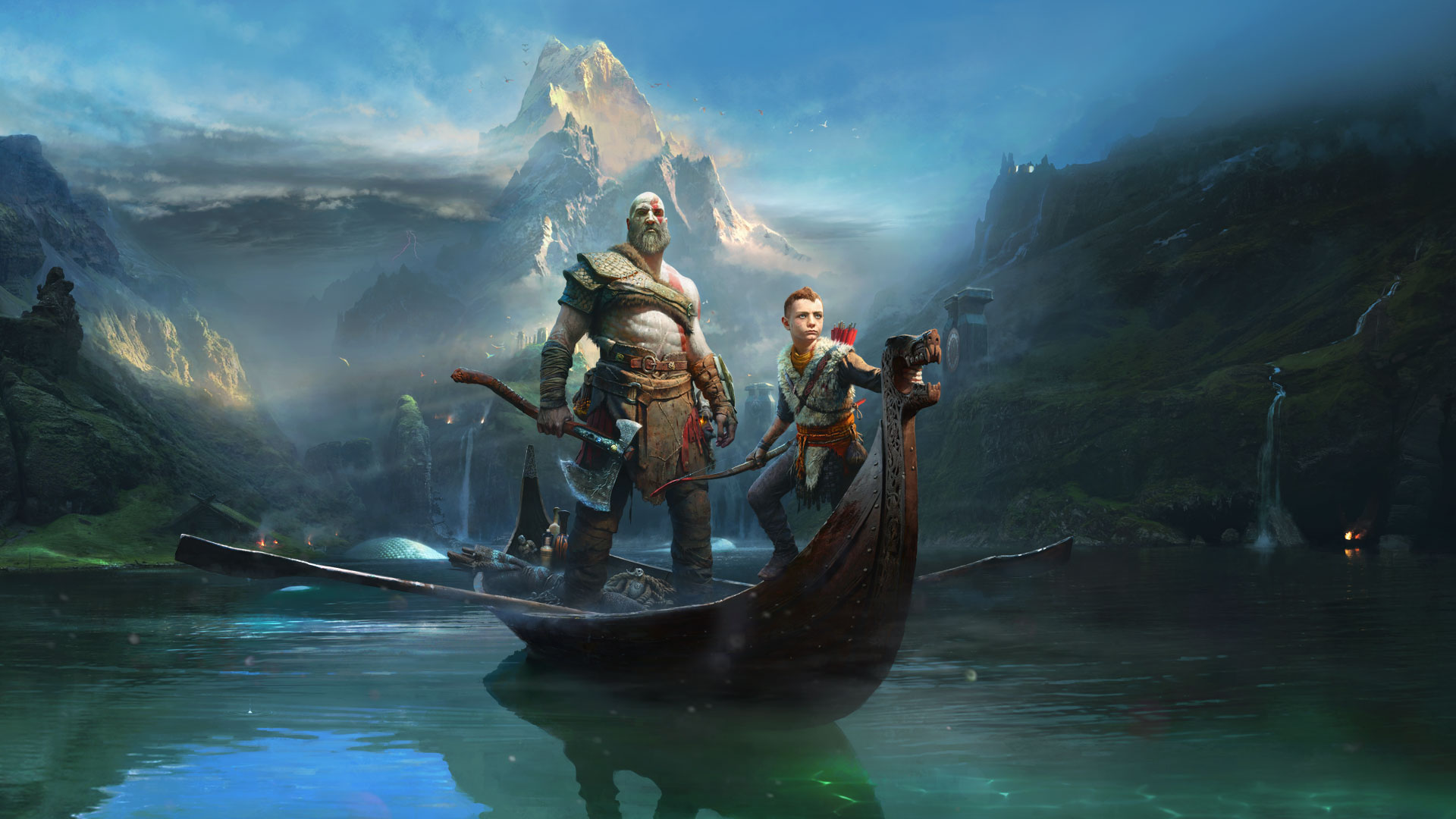
God of War

Redefining Action: God of War and God of War II

Santa Monica Studio debuted God of War in 2005, followed by God of War II in 2007. These titles combined seamless quick-time events, massive scale bosses, polished combat, and spectacular set pieces. God of War II released after the launch of the PlayStation 3, yet it stood as a testament to what the PS2 could accomplish at the absolute limit of its technical capabilities.

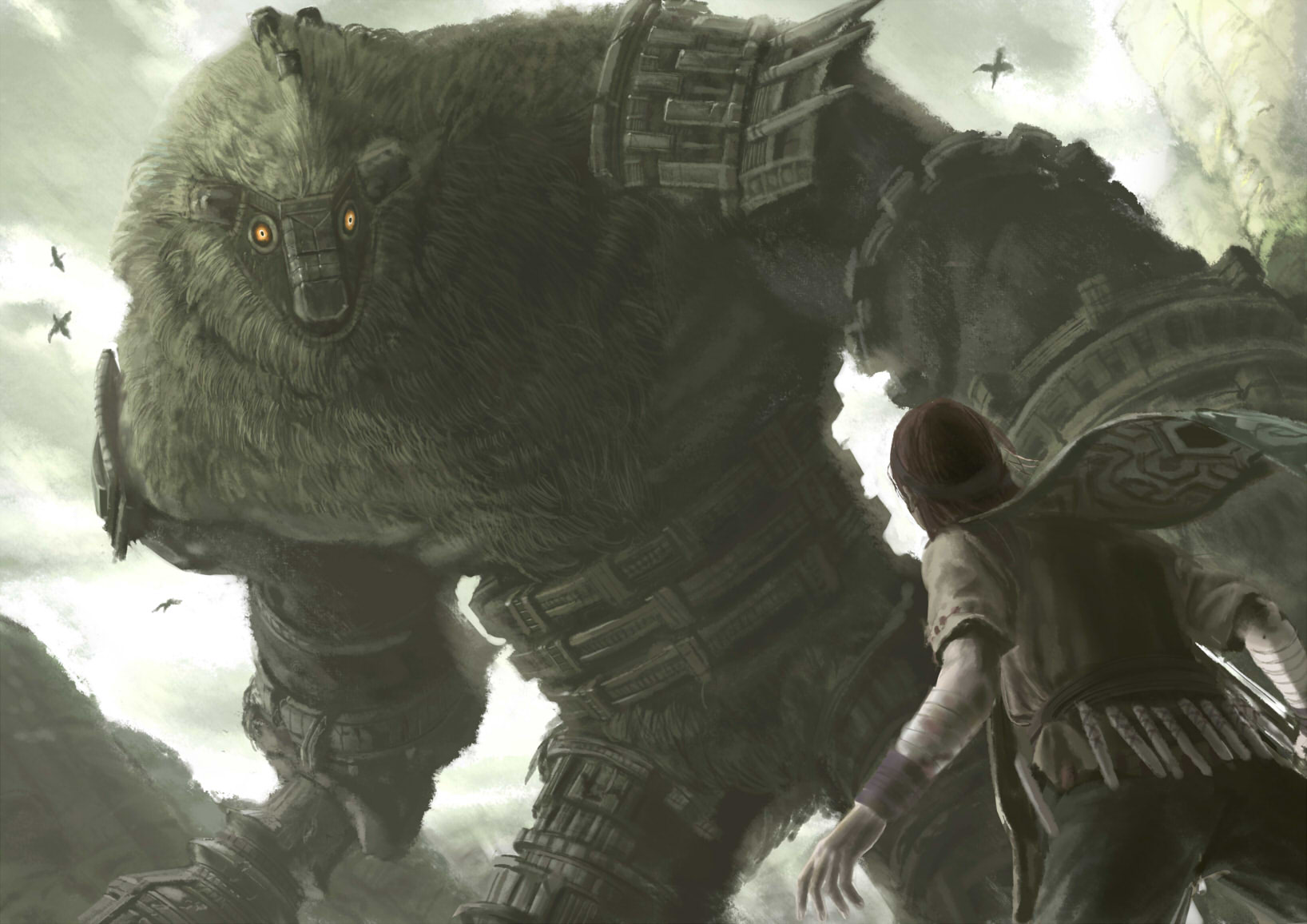
Shadow of the Colossus

Artistic Innovation: Ico and Shadow of the Colossus

Team Ico provided a contrast to high-octane action games by focusing on minimalism, emotional depth, and atmospheric design. Following their cult hit Ico, Fumito Ueda and his team released Shadow of the Colossus in 2005. Featuring sixteen gigantesque bosses scattered across a quiet, lonely expanse, the game challenged conventional game design and earned recognition as a prime example of video games as art.

Key Factors That Drove Exclusive Evolution on PS2

  • DVD Format Adoption: Switching from CD-ROMs to high-capacity DVDs allowed developers to include pre-rendered video, orchestrational soundtracks, and extensive voice acting.
  • Development Tooling Maturity: The Emotion Engine was notoriously tricky to program for initially, but over time studio toolsets matured, allowing higher render distances, soft lighting, and detailed physics.
  • Genre-Defining First-Party Studios: Studios like Naughty Dog, Insomniac Games, Sucker Punch, and Santa Monica Studio grew rapidly, honing their craft on exclusive PS2 hardware.
  • Strong Third-Party Partnerships: Exclusive timed or permanent deals for major franchises like Final Fantasy X, Silent Hill 2, and early Grand Theft Auto III releases anchored player interest to the platform.

Frequently Asked Questions

What made PS2 exclusives so influential for modern games?

PS2 exclusives laid the ground rules for cinematic presentation, voice-acted storytelling, seamless world-building, and stylish action combat. Many design tropes used in modern AAA games originated from titles like God of War, Metal Gear Solid 2: Sons of Liberty, and Final Fantasy X.

Which game is considered the peak of PS2 graphics performance?

Games like God of War II, Shadow of the Colossus, Gran Turismo 4, and Tekken 5 are widely cited as technical marvels that pushed the Emotion Engine processor to its absolute limits.

Why did many PS2 exclusives remain iconic over time?

Rather than relying purely on technological gimmicks, PS2 exclusive titles prioritized strong artistic direction, memorable musical scores, robust mechanics, and deep storytelling, keeping them timeless even as visual technology advanced.

Conclusion: The Lasting Legacy of PS2 Exclusives

The evolution of PlayStation exclusives on the PS2 reflects a pivotal era in video game history. From early graphical showcases like Gran Turismo 3: A-Spec to narrative landmarks like Final Fantasy X and late-gen masterpieces like Shadow of the Colossus, the console's library demonstrated a rapid progression in design, technology, and artistic ambition. The formulas established during this era continue to shape exclusive titles across successive console generations today.

Bloons TD 6 Review: Is the Ultimate Tower Defense Game Worth Playing?

Bloons TD 6 Review: Is the Ultimate Tower Defense Game Worth Playing?
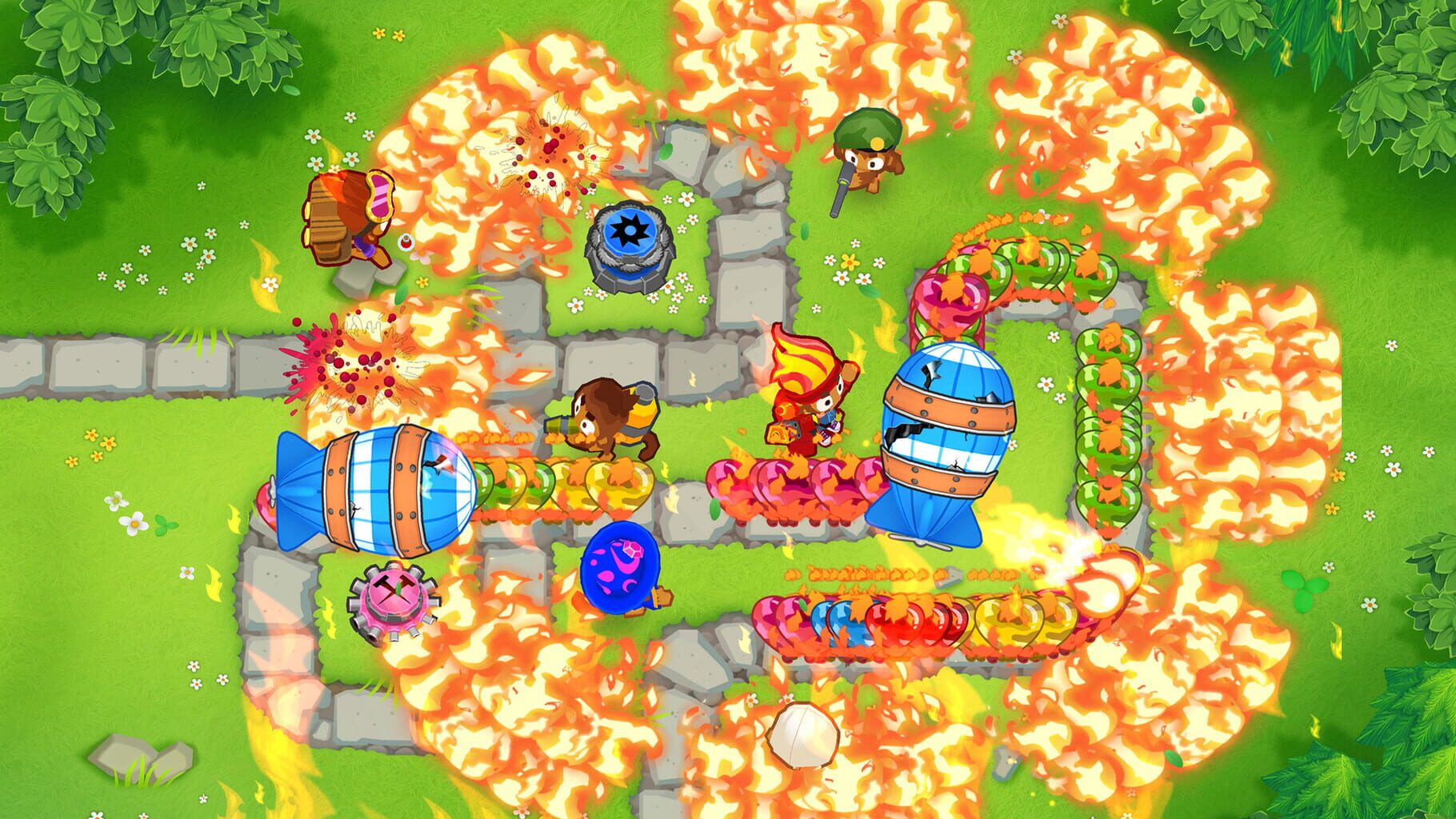
Bloons TD 6 (2018) Cover

Introduction: The Tower Defense King

Released in June 2018, Bloons TD 6 (BTD6) elevated the beloved balloon-popping franchise into a modern strategy masterpiece. Developed by Ninja Kiwi, this entry refined the iconic tower defense mechanics that fans have loved for over a decade while adding significant mechanical depth, visually striking 3D graphics, and endless replayability.

Developer & History: The Legacy of Ninja Kiwi

Ninja Kiwi, a premier game development studio based in New Zealand, built its reputation on classic browser-based Flash games. Since launching the original Bloons in 2007, the developer has consistently expanded the universe. With Bloons TD 6, Ninja Kiwi demonstrated its commitment to long-term post-launch support, continually delivering free updates, seasonal events, new maps, heroes, and game modes that keep the community actively engaged years after release.

Story & Narrative: Monkeys vs. Bloons

While Bloons TD 6 does not feature a traditional story-driven campaign, it thrives on a whimsical, lighthearted premise: an eternal clash between clever, organized Monkeys and relentless, floating Bloons. The game conveys its narrative through thematic map designs, unique Hero voice lines, and special event lore. It is an accessible, family-friendly setup where the objective is simple—stop the invasion before the Bloons breach your defenses.

Graphics & Visual Style

One of the biggest leaps for the franchise in BTD6 was the transition to 3D maps and models blended with classic 2D cartoon aesthetics. The maps are beautifully detailed with dynamic line-of-sight obstacles, distinct biomes, and animated environment hazards. Even when the screen is filled with hundreds of monkey towers, vibrant projectiles, and chaotic explosions during high-level rounds, the game maintains a crisp visual identity and smooth frame rates across most platforms.

Key Gameplay Features

  • Deep Tower Upgrades: Each monkey tower features three upgrade paths with five tiers each, along with ultra-powerful late-game Paragons.
  • Unique Heroes: Deploy powerful Hero units that level up automatically during rounds, unlocking devastating active and passive abilities.
  • Co-Op & Game Modes: Enjoy 4-player cross-platform co-op, community-created challenges, Boss Events, and intense difficulty modifiers like C.H.I.M.P.S. mode.

Playable Platforms

Bloons TD 6 is accessible on virtually every major gaming ecosystem, complete with cross-platform play and cloud saves:

  • PC: Steam, Epic Games Store, Windows Store
  • Mobile: iOS (App Store & Apple Arcade), Android (Google Play)
  • Consoles: PlayStation 4, PlayStation 5, Xbox One, Xbox Series X/S, and Nintendo Switch

Final Recommendation: Is Bloons TD 6 Worth It?

Bloons TD 6 is easily one of the best tower defense games ever created. It bridges the gap between casual fun and hardcore tactical strategy effortlessly. Whether you want a relaxing game to play on your phone or a complex strategy game on PC to master with friends, BTD6 delivers incredible value for its price.

Final Score: 9.5 / 10 — Must Play!


Bloons TD 6 (2018) Screenshot

Follow my social medias to unlock these coupons.

⭐ CLICK HERE, UNLOCK VIP COUPONS!