


Introduction: The Golden Era of the PlayStation 2
When Sony released the PlayStation 2 in the year 2000, few could have predicted the sheer magnitude of its impact on the gaming industry. As the best-selling video game console of all time, the PS2 became the home for groundbreaking game design, narrative complexity, and technical achievement. Much of this success can be attributed to its extraordinary library of exclusive titles.
Over its long lifecycle, the nature of exclusive titles on the console shifted dramatically. Early titles relied on establishing visual fidelity over the original PlayStation, while mid-generation releases redefined genres. By the end of the console's lifespan, developers were squeezing every drop of processing power out of the Emotion Engine to deliver cinematic games that laid the groundwork for modern gaming aesthetics. This article explores the chronological evolution of PlayStation exclusives on the PS2 and how they transformed the medium forever.
2000–2001: Launch Period and Technical Foundations
The early phase of the PS2 lifecycle was characterized by a drive to prove the system's raw graphical superiority over 32-bit hardware. Developers transitioned from blocky 3D models and low-resolution textures to high-polygon counts, dynamic lighting, and seamless animations.

Early Visual Showcases: Gran Turismo 3: A-Spec and Beyond
One of the earliest titles to demonstrate the raw power of the hardware was Gran Turismo 3: A-Spec. Released in 2001, it offered unprecedented graphical fidelity, realistic reflection maps on vehicle bodies, and heat haze effects on racetracks. It established Sony's commitment to delivering premium visual experiences that competitors could not match at the time.
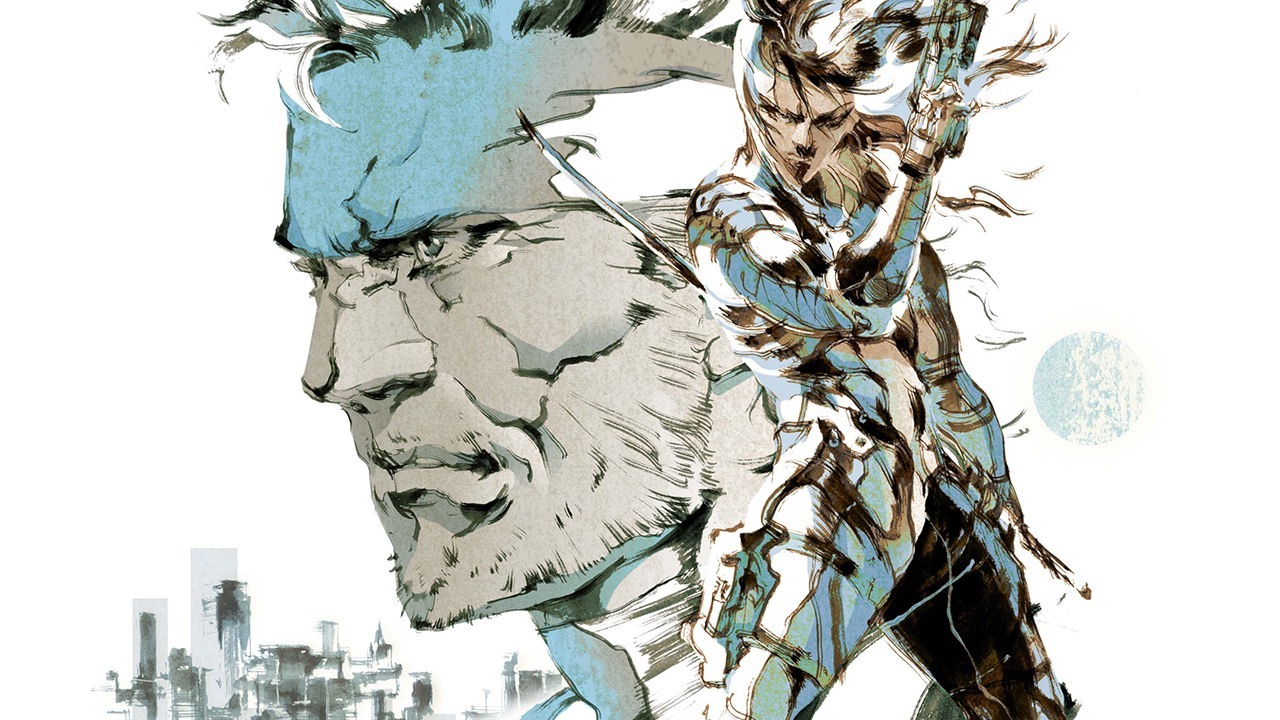
The Rise of Cinematic Storytelling: Metal Gear Solid 2: Sons of Liberty and Final Fantasy X
During these early years, third-party partnerships were critical to establishing the PS2's dominance. Square Enix (then Square) released Final Fantasy X, marking the franchise's jump into fully voice-acted dialogue and expressive facial animations. Simultaneously, Hideo Kojima's Metal Gear Solid 2: Sons of Liberty pushed cinematic cutscenes, complex AI mechanics, and intricate plotlines to new heights, cementing the PS2 as a platform for mature, narrative-driven gaming.
2002–2004: Diversification and Platforming Excellence
As developers grew comfortable with the system's unique architecture, the variety of genres available on the system expanded exponentially. Action games became more fluid, and character-driven platformers entered a golden age.
The Mascot Trio: Jak and Daxter: The Precursor Legacy, Ratchet & Clank, and Sly Cooper and the Thievius Raccoonus
Platformers evolved beyond the collect-a-thon formula of the 1990s. Naughty Dog introduced Jak and Daxter: The Precursor Legacy, featuring a seamless open world with no loading screens—a monumental technical achievement at the time. Insomniac Games brought action-packed third-person shooting mechanics into Ratchet & Clank, while Sucker Punch Productions offered stealth-focused gameplay with cell-shaded art in Sly Cooper and the Thievius Raccoonus. These franchises established strong first-party IP relationships for Sony that persist to this day.
Action Game Revolution: Devil May Cry and Kingdom Hearts
Capcom's Devil May Cry introduced stylish, fast-paced hack-and-slash combat that set the benchmark for character action games. Around the same time, Kingdom Hearts demonstrated the viability of unexpected crossovers by combining Square Enix action-RPG mechanics with Disney characters, creating a massive global franchise exclusive to the ecosystem for years.
2005–2007: Late-Lifecycle Masterpieces and Pushing Hardware Limits
By the mid-to-late 2000s, even as newer hardware began to emerge on the horizon, developers had mastered the PS2's architecture. This period yielded some of the most critically acclaimed games in history, proving that software design and artistic vision could surpass technological constraints.
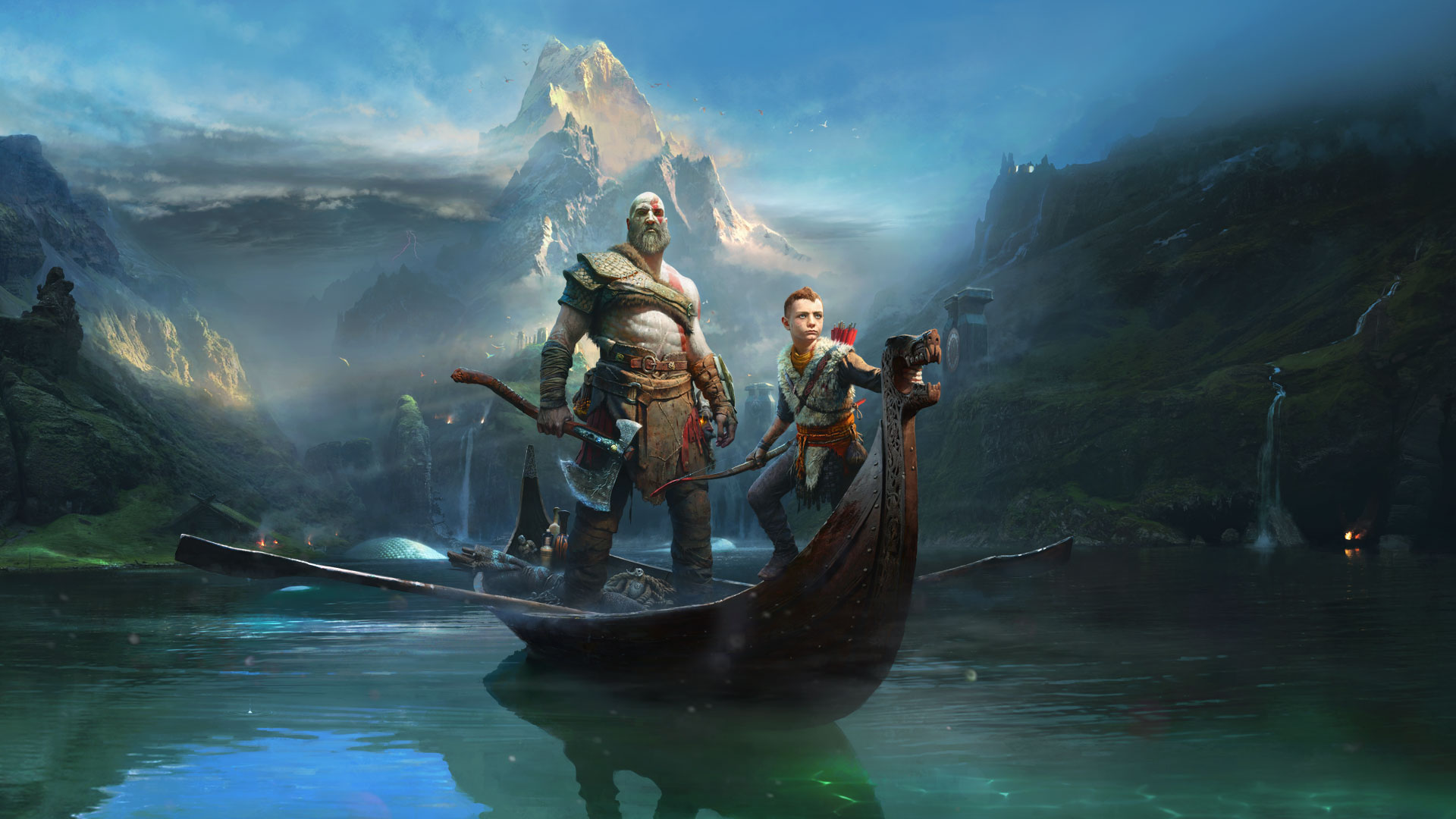
Redefining Action: God of War and God of War II
Santa Monica Studio debuted God of War in 2005, followed by God of War II in 2007. These titles combined seamless quick-time events, massive scale bosses, polished combat, and spectacular set pieces. God of War II released after the launch of the PlayStation 3, yet it stood as a testament to what the PS2 could accomplish at the absolute limit of its technical capabilities.
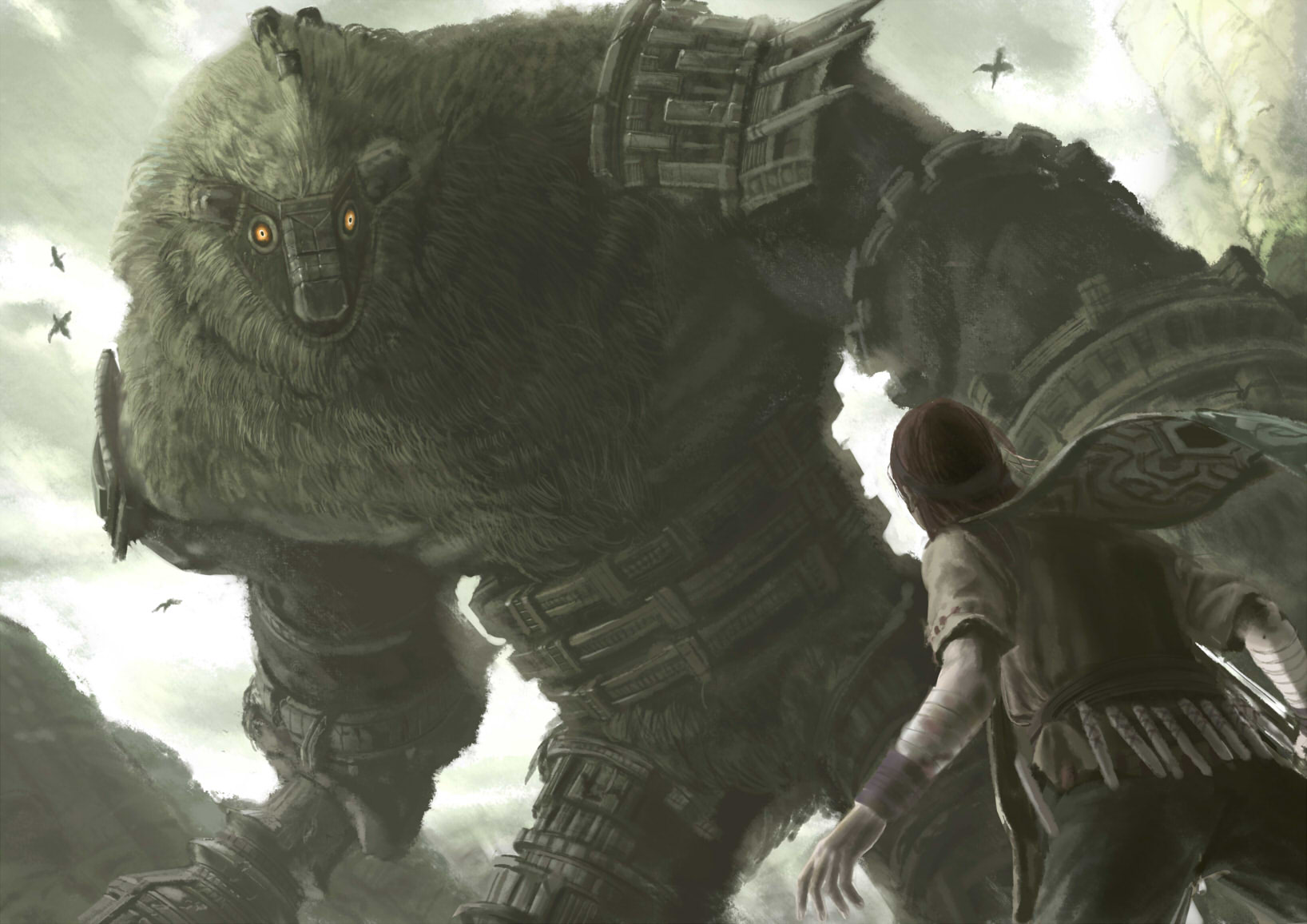
Artistic Innovation: Ico and Shadow of the Colossus
Team Ico provided a contrast to high-octane action games by focusing on minimalism, emotional depth, and atmospheric design. Following their cult hit Ico, Fumito Ueda and his team released Shadow of the Colossus in 2005. Featuring sixteen gigantesque bosses scattered across a quiet, lonely expanse, the game challenged conventional game design and earned recognition as a prime example of video games as art.
Key Factors That Drove Exclusive Evolution on PS2
- DVD Format Adoption: Switching from CD-ROMs to high-capacity DVDs allowed developers to include pre-rendered video, orchestrational soundtracks, and extensive voice acting.
- Development Tooling Maturity: The Emotion Engine was notoriously tricky to program for initially, but over time studio toolsets matured, allowing higher render distances, soft lighting, and detailed physics.
- Genre-Defining First-Party Studios: Studios like Naughty Dog, Insomniac Games, Sucker Punch, and Santa Monica Studio grew rapidly, honing their craft on exclusive PS2 hardware.
- Strong Third-Party Partnerships: Exclusive timed or permanent deals for major franchises like Final Fantasy X, Silent Hill 2, and early Grand Theft Auto III releases anchored player interest to the platform.
Frequently Asked Questions
What made PS2 exclusives so influential for modern games?
PS2 exclusives laid the ground rules for cinematic presentation, voice-acted storytelling, seamless world-building, and stylish action combat. Many design tropes used in modern AAA games originated from titles like God of War, Metal Gear Solid 2: Sons of Liberty, and Final Fantasy X.
Which game is considered the peak of PS2 graphics performance?
Games like God of War II, Shadow of the Colossus, Gran Turismo 4, and Tekken 5 are widely cited as technical marvels that pushed the Emotion Engine processor to its absolute limits.
Why did many PS2 exclusives remain iconic over time?
Rather than relying purely on technological gimmicks, PS2 exclusive titles prioritized strong artistic direction, memorable musical scores, robust mechanics, and deep storytelling, keeping them timeless even as visual technology advanced.
Conclusion: The Lasting Legacy of PS2 Exclusives
The evolution of PlayStation exclusives on the PS2 reflects a pivotal era in video game history. From early graphical showcases like Gran Turismo 3: A-Spec to narrative landmarks like Final Fantasy X and late-gen masterpieces like Shadow of the Colossus, the console's library demonstrated a rapid progression in design, technology, and artistic ambition. The formulas established during this era continue to shape exclusive titles across successive console generations today.
