CHECKING...
Rookie Gamer Live Broadcast
0
0%
10k


📅 September 19, 2026

Mobile Suit Gundam (1984) Retro Video Game Review: History, Gameplay, & Verdict

Mobile Suit Gundam (1984) Retro Video Game Review: History, Gameplay, & Verdict
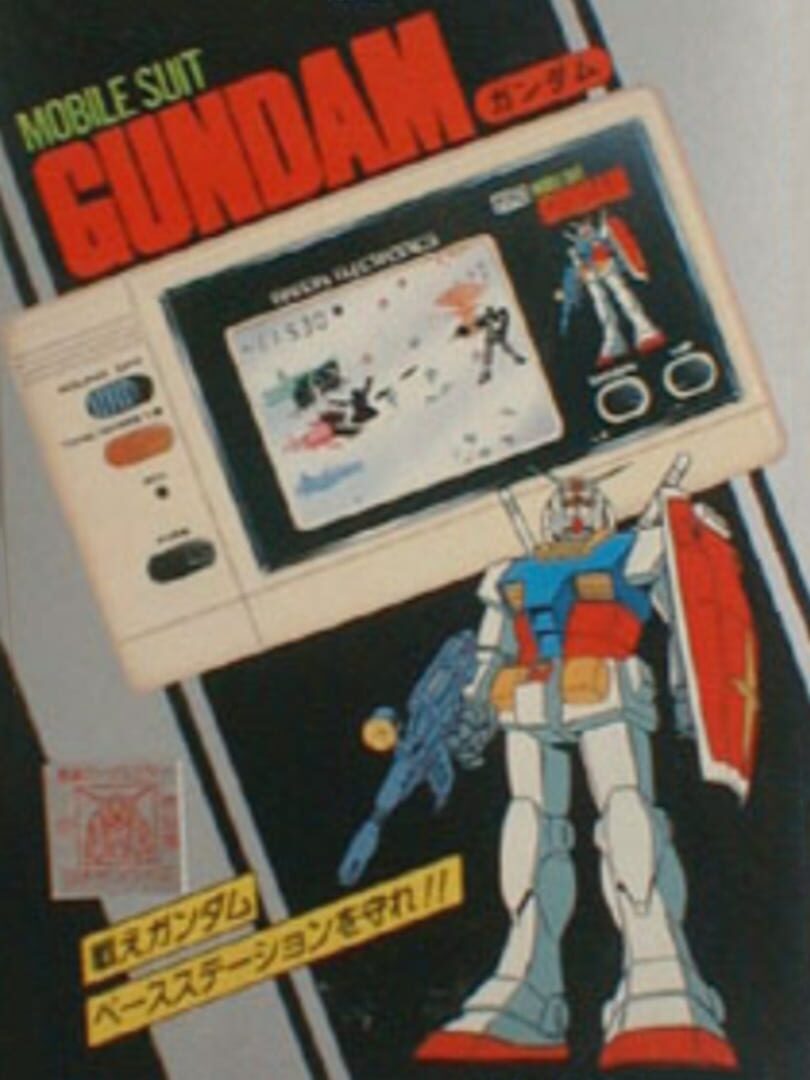
Mobile Suit Gundam (1984) Cover

Introduction: Context & Historical Significance

In 1984, the anime world was already firmly in the grip of Yoshiyuki Tomino's seminal mecha universe, Mobile Suit Gundam. As personal computing began to surge in Japan, Bandai took early steps to transition this beloved sci-fi property into the realm of interactive media. The 1984 release of Mobile Suit Gundam for Japanese microcomputers stands as one of the earliest video game adaptations of the franchise, serving as an important stepping stone in the history of anime video games.

Developer and Platform Availability

Developed and published by Bandai, the game was designed specifically for the dominant 8-bit Japanese personal computer hardware of the era rather than home consoles.

AttributeDetails
Release Year1984
Developer / PublisherBandai
Original PlatformsNEC PC-8801, Fujitsu FM-7, Sharp X1, Sharp MZ series
GenreTactical Simulation / First-Person Combat
Playable TodayPC-88 and FM-7 Emulators (QUASI88, XM7)

Story and Narrative Integration

The game adapts key events from the classic 1979 anime series, capturing the intense struggle of the One Year War. Players take on the role of teenage pilot Amuro Ray aboard the Earth Federation warship White Base. Tasked with piloting the experimental RX-78-2 Gundam, your objective is to defend the ship against the relentless onslaught of the Principality of Zeon.

Despite the strict memory limitations of 1984 media, the game successfully incorporates narrative beats from iconic encounters, including skirmishes against the legendary Zeon ace Char Aznable and his customized Red Zaku II.

Graphics, Visuals, and Sound Design

Given the technical boundaries of 8-bit home computers in the mid-1980s, the visual and audio presentation was ambitious for its time:

  • Visuals: The game relies on low-resolution pixel art and vector-style wireframes constrained by an 8-color display palette. While movement is choppy by today's standards, the cockpit interface and enemy mobile suit sprites were recognizable and faithful to the anime line-art.
  • Audio: Audio is minimal, consisting of rudimentary PC speaker monophonic bleeps and chirps to simulate beam rifle fire, thruster movement, and explosions.

Gameplay Mechanics

Rather than a fast-paced action game, Mobile Suit Gundam (1984) leans heavily into tactical simulation. Combat unfolds through a hybrid interface combining tactical radar management and a pseudo-first-person targeting view. Players must manage weapon energy, track incoming targets on radar, line up reticles, and make calculated decisions to destroy enemy mobile suits before the White Base sustains fatal damage.

Final Verdict & Modern Recommendation

'Mobile Suit Gundam (1984) is a valuable piece of historical gaming software that shows how developers first attempted to translate epic anime mecha battles into home computing experiences.'

Recommendation: For the average modern gamer, the slow pace, primitive graphics, and unforgiving difficulty barrier may prove difficult to enjoy. However, for Gundam completionists, retro gaming historians, and 8-bit PC enthusiasts, this title is an incredible historical artifact well worth checking out through modern emulation.


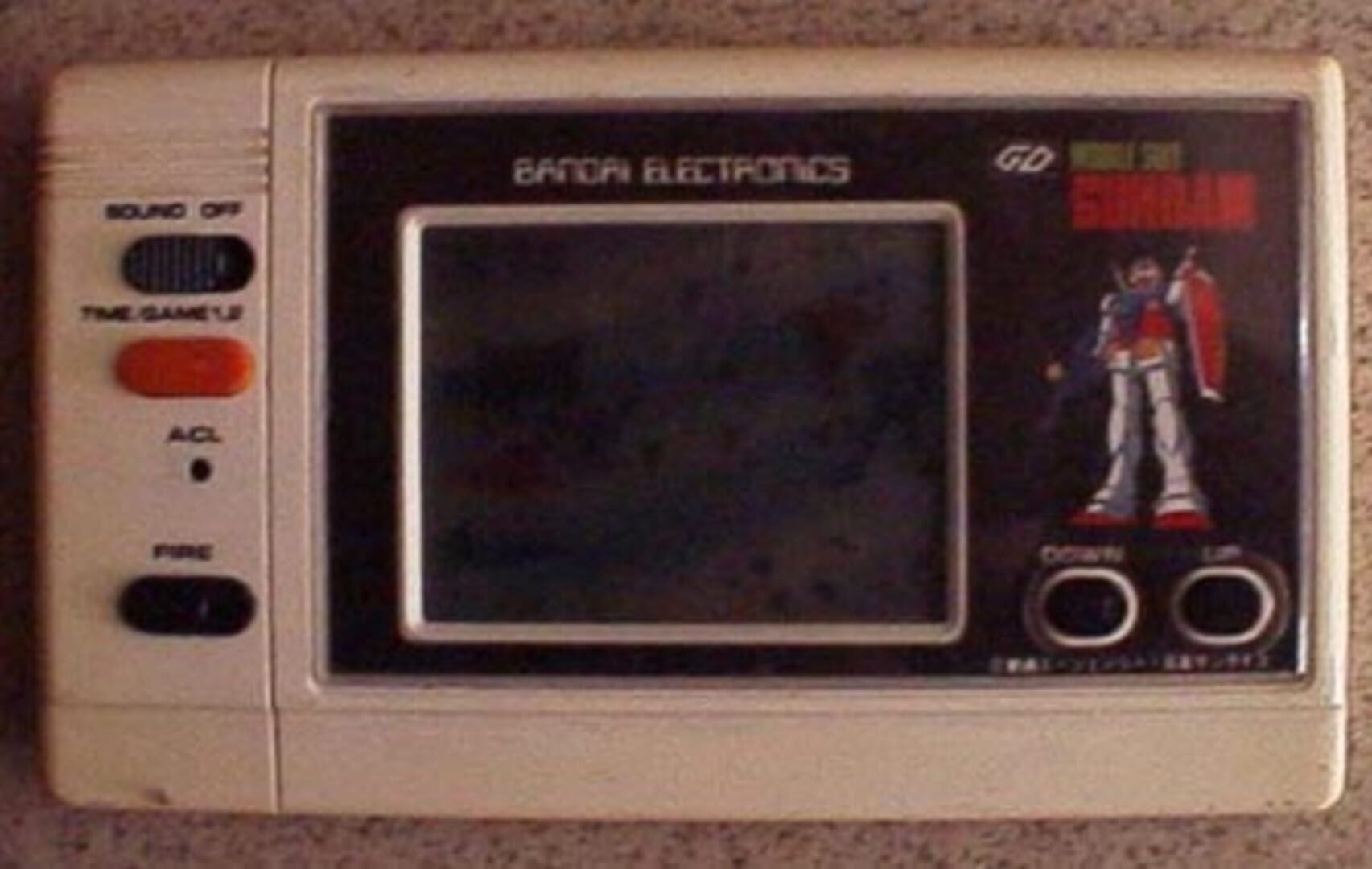
Mobile Suit Gundam (1984) Screenshot

Shadow of the Colossus Story Explained: Narrative, Ending & Lore

Shadow of the Colossus Story Explained: Narrative, Ending & Lore
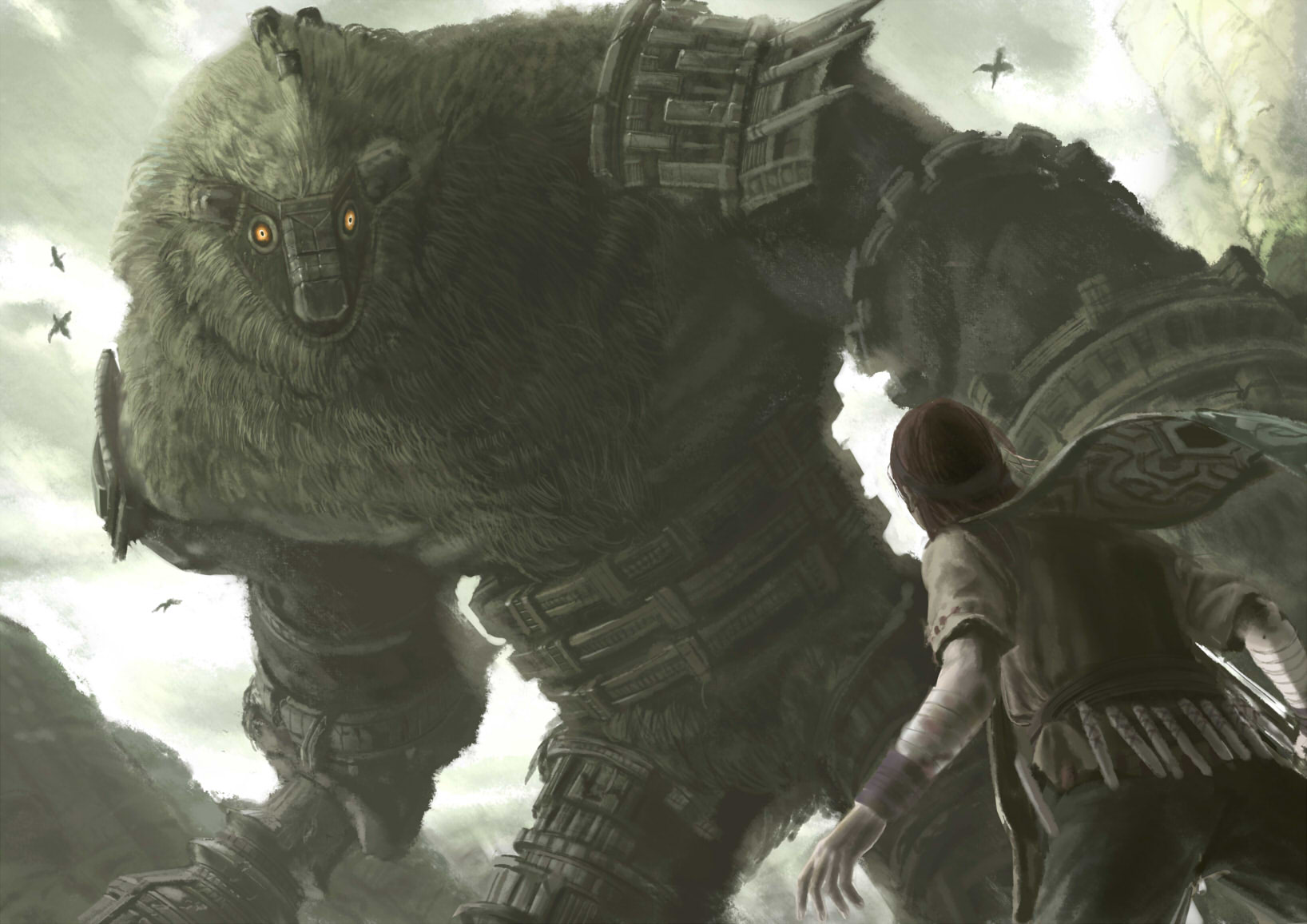
Shadow of the Colossus

Understanding the Tragic Narrative of Shadow of the Colossus

Shadow of the Colossus stands as one of the most celebrated narrative achievements in modern gaming. Developed by Team Ico and directed by Fumito Ueda, the game tells an emotionally devastating story primarily through visual storytelling, subtle environmental cues, and minimalist dialogue. Beneath its majestic landscapes and awe-inspiring battles lies a haunting tale of desperate love, moral compromise, and ancient dark powers.

The Inciting Incident: Wander's Desperate Quest

The story begins with a young warrior named Wander, who travels across a vast, barren bridge on his faithful horse, Agro. Wander carries the lifeless body of Mono, a young maiden who was sacrificed in their homeland because of a cursed destiny. Refusing to accept her death, Wander steals an ancient relic known as the Ancient Sword and ventures into the isolated, forbidden realm known simply as the Forbidden Land.

The Pact with Dormin

Upon entering the massive Shrine of Worship, Wander reaches an altar where a mysterious, multi-voiced entity named Dormin speaks to him from above. Wander begs Dormin to restore Mono's soul. Dormin agrees to grant his request, but on one terrifying condition: Wander must destroy the sixteen massive Colossi scattered across the landscape.

Dormin warns Wander that the price for performing this task may be immense, stating that the outcome may be heavy to bear. Undeterred by the dark warning, Wander sets off with his sword and bow, willing to pay any cost to see Mono alive again.

The Tragic Journey: Slaying the Colossi

As Wander tracks down and slays each giant creature, a subtle yet unsettling transformation takes place. With each Colossus that falls, dark tendrils of energy burst from its body and pierce Wander, causing him to lose consciousness and wake up back at the Shrine of Worship.

Over time, Wander's physical appearance deteriorates dramatically:

  • His skin grows pale and sickly.
  • Dark veins spread across his face and body.
  • Small, horn-like protrusions begin to sprout from his head.
  • His clothes become ragged and stained with dark residue.

Through these visual changes, Shadow of the Colossus silently communicates that Wander is not performing a noble act of heroism, but rather undergoing a slow process of corruption. The Colossi themselves are largely peaceful guardians bound to the land, raising profound moral questions about Wander's actions.

The Climax: Lord Emon's Arrival and Dormin's Resurrection

While Wander slays the final Colossus, a group of armed shamans led by Lord Emon arrives at the Forbidden Land. Lord Emon, a priest from Wander's village, has pursued Wander to stop him from committing an unthinkable taboo.

Lord Emon reveals the truth: the sixteen Colossi were not evil monsters, but rather living seals created long ago to split and imprison the dark entity Dormin. By destroying the Colossi, Wander unwittingly shattered the seals and freed the entity's scattered soul.

When Wander returns to the shrine after defeating the final giant, he is fully corrupted and barely recognizable. Lord Emon orders his guards to shoot Wander. Although Wander is mortally wounded, Dormin takes control of his body, transforming him into a giant shadow monster that manifests the dark god's fully restored power.

The Ending Explained: Purification and Rebirth

In a final effort to seal the ancient evil once again, Lord Emon casts the Ancient Sword into a sacred pool at the back of the shrine. This triggers a powerful ritual that creates a swirling vortex of light, pulling Dormin and Wander's corrupted form into the deep waters to be sealed away forever.

With the seal restored, Lord Emon and his men flee the Forbidden Land as the great stone bridge collapses behind them, isolating the realm from the outside world once more.

Mono's Awakening and Agro's Loyalty

Back inside the shrine, Dormin's promise is kept: Mono awakens from her deathly slumber, fully restored to life. She is joined by Agro, who miraculously survived a fall off a collapsing cliff earlier in the story, though limping from injury.

Agro guides Mono to the sacred pool where Wander was dragged down. Instead of a monster, Mono finds a newborn infant in the water—a baby with tiny horns on its head. Mono takes the infant in her arms, and together with Agro, moves to a hidden, fertile garden at the top of the shrine, securing a quiet life isolated from the rest of humanity.

How Shadow of the Colossus Connects to Ico

The ending of Shadow of the Colossus directly ties into Fumito Ueda's earlier masterpiece, Ico. The horned infant found by Mono is widely accepted as the prequel origin of the cursed, horned lineage seen in Ico. The dark power lingering within Wander's reborn self laid the foundation for generations of boys born with horns, establishing Shadow of the Colossus as a distant prequel in the shared universe that also includes The Last Guardian.

Frequently Asked Questions

Is Wander evil in Shadow of the Colossus?

Wander is not inherently evil; rather, he is driven by selfless love and desperate grief. However, his willingness to ignore moral boundaries and slaughter innocent guardians makes him a tragic anti-hero whose actions bring about dangerous consequences.

Who or what is Dormin?

Dormin is an ancient, powerful dark deity whose spirit was divided into sixteen pieces and sealed inside the Colossi by high priests like Lord Emon. While Dormin possesses immense dark energy, the entity honors its promise to revive Mono at the end of the game.

Did Agro survive the fall?

Yes, Agro survives the fall near the end of the game. Though severely injured and limping, she makes her way back to the Shrine of Worship to be reunited with Mono.

Final Thoughts

The story of Shadow of the Colossus remains a timeless narrative masterpiece. By using minimal dialogue and relying heavily on atmospheric environmental storytelling, the game leaves players contemplating themes of sacrifice, love, grief, and the bitter consequences of defying nature. It is a haunting tale that continues to resonate with gamers years after its release.

Killzone (2004) Review: Retrospective on PlayStation's Gritty Sci-Fi Shooter

Killzone (2004) Review: Retrospective on PlayStation's Gritty Sci-Fi Shooter
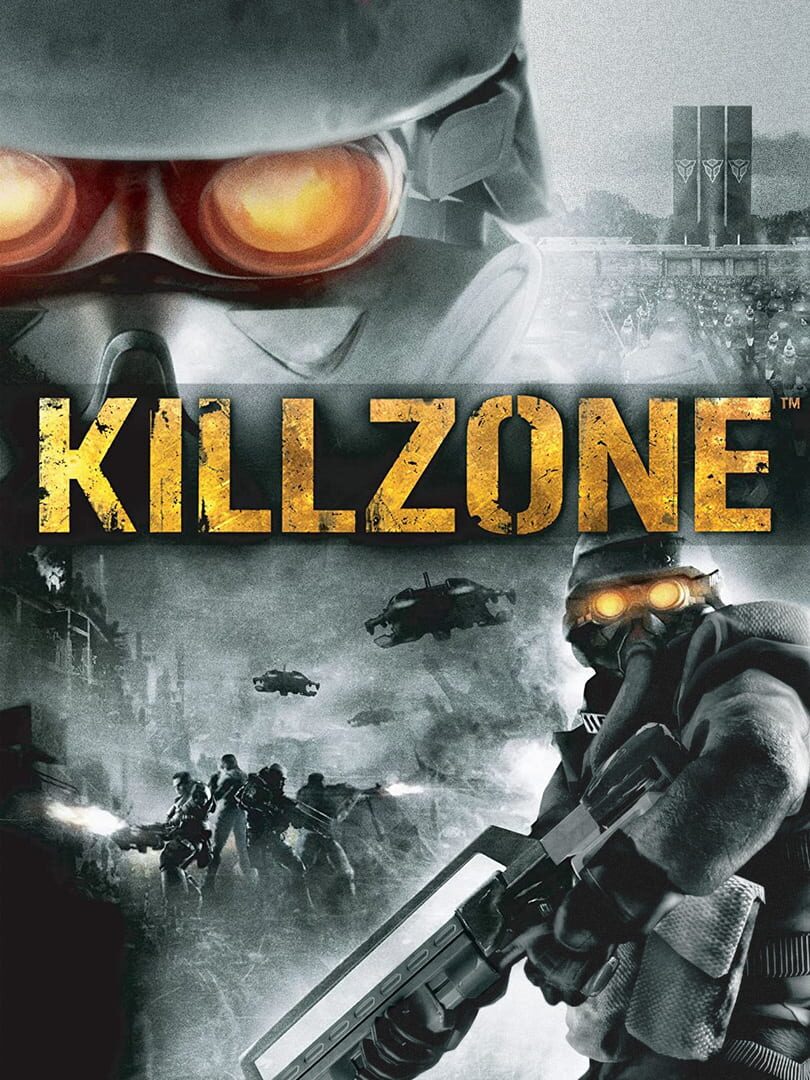
Killzone (2004) Cover

Introduction and Context: The Search for a Halo Killer

Released in November 2004 for the PlayStation 2, the original Killzone entered the gaming market carrying a heavy burden. Hype surrounding the title reached a fever pitch prior to launch, with media outlets famously dubbed it Sony's official "Halo Killer." While comparing a gritty, cinematic tactical shooter to Bungie's fast-paced space opera was arguably unfair, Killzone nevertheless carved out a unique identity that spawned a flagship franchise for PlayStation.

Developer Background: Guerrilla Games Makes Its Mark

Killzone was developed by the Amsterdam-based studio Guerrilla Games (originally formed through mergers involving Lost Boys Games) and published by Sony Computer Entertainment. Before Killzone, the studio was largely unknown on the global stage. However, their ambitious technical vision for the PlayStation 2 hardware proved that European studios could deliver blockbuster console exclusives. This project established Guerrilla Games as technical pioneers—a reputation they continue to maintain today with the Horizon series.

Story and Narrative: A Dark, Grounded Sci-Fi Conflict

Set in the 24th century, Killzone abandons bright futuristic tropes in favor of a bleak, militaristic narrative. The story centers on the brutal invasion of the human colony planet Vecta by the Helghast, a totalitarian faction of militarized human descendants adapted to the harsh atmosphere of the planet Helghan.

Players primarily control Jan Templar, a captain in the Interplanetary Strategic Alliance (ISA), who is joined by three distinct squadmates:

  • Luger: A covert Shadow Marshal who excels at stealth and silenced combat.
  • Rico Velasquez: A heavy weapons specialist who brings overwhelming firepower.
  • Hakha: A half-Helghast spy whose background adds intriguing narrative tension.

The campaign allows players to switch perspectives across different playstyles, offering a rich level of replayability for a 2004 shooter. The narrative stands out for its realistic approach to war propaganda, political intrigue, and iconic villain design—most notably the chilling red-glowing gas masks of the Helghast troops.

Graphics, Visual Design, and Technical Performance

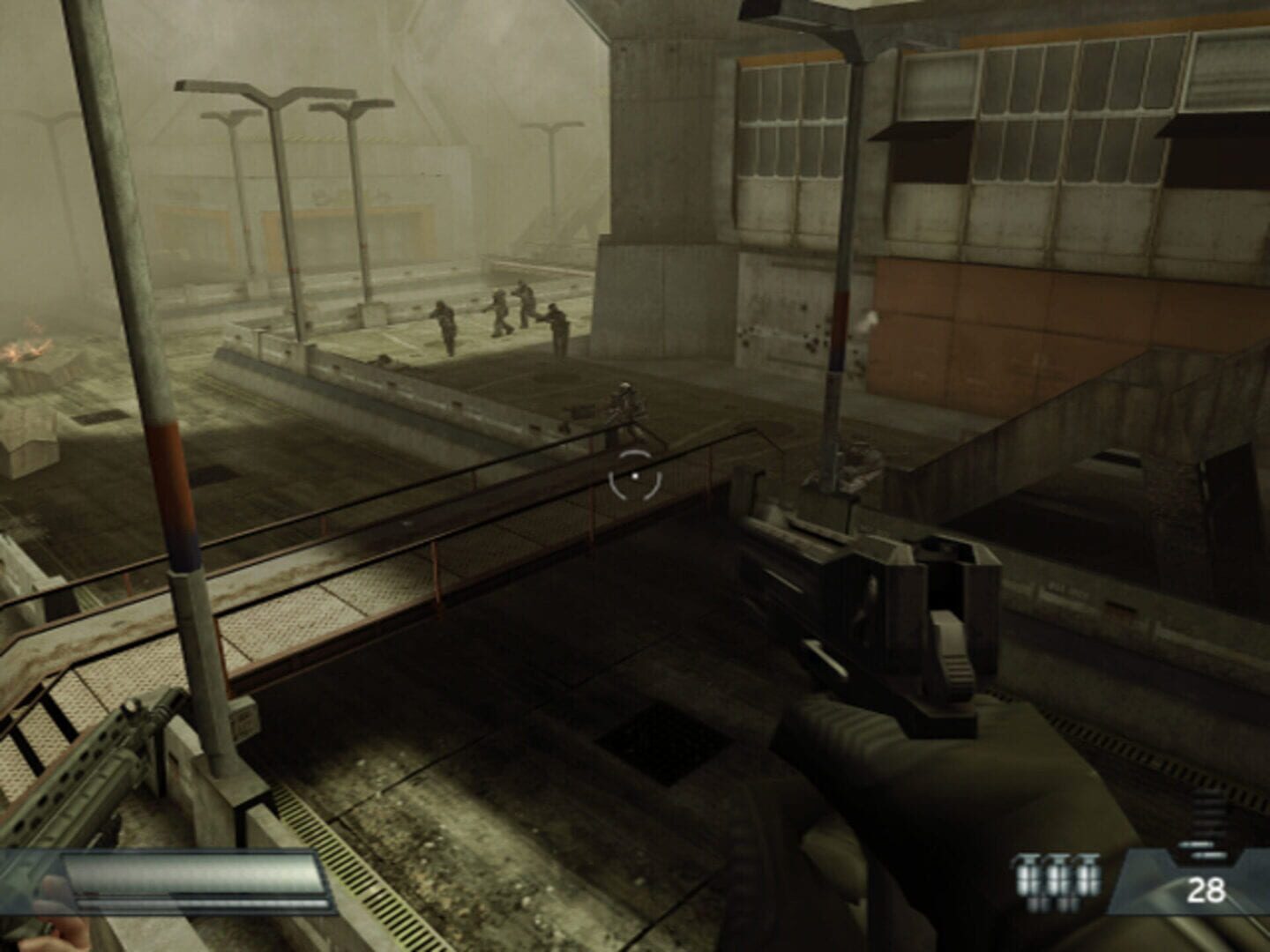
For a 2004 PlayStation 2 title, Killzone was a visual marvel that pushed Sony's emotion engine to its absolute limits. Guerrilla Games utilized a muted, desaturated color palette, detailed weapon models, and cinematic particle effects to create an immersive, industrial war zone.

However, pushing the hardware so far came with noticeable drawbacks on the original hardware:

  • Frame Rate Instability: The frame rate frequently dipped during intense firefights on the PS2.
  • Draw Distance and Pop-In: Dense fog and environmental clutter were heavily used to mask hardware limitations.
  • AI Flaws: Enemy and teammate artificial intelligence was inconsistent, occasionally breaking immersion.

Despite these technical hurdles, the atmospheric design, heavy gunplay physics, and sound design—especially the punchy gunshot effects and dramatic orchestral score—set a high bar for cinematic FPS experiences of the era.

Playable Platforms: Where Can You Play Killzone Today?

Depending on your modern hardware, there are a few ways to experience the original Killzone:

  • PlayStation 2 (Original): The initial release on physical DVD disc.
  • PlayStation 3 (Killzone HD): In 2012, Sony released Killzone HD, a remastered edition featuring 720p resolution, a stable 60 FPS target, refined controls, and full Trophy support. This version was also included in the Killzone Trilogy collection.
  • Emulation: PC players frequently use PS2 software emulation (PCSX2) to play the original game with upscaled resolutions and improved performance.

Final Recommendation: Is Killzone (2004) Worth Playing Today?

Killzone (2004) is a fascinating piece of FPS history. While it did not dethrone Halo in terms of mechanical fluidity, it succeeded in delivering a mature, immersive military atmosphere that felt distinct from every other shooter on the market.

Verdict: Recommended for Retro and Sci-Fi FPS Fans. If you plan to play Killzone today, the remastered Killzone HD on PS3 is strongly recommended over the original PS2 release due to its smoothed-out frame rate and improved visual clarity. It remains a compelling play for gamers interested in video game history and the origins of one of PlayStation's most iconic original series.


Killzone (2004) Screenshot

The Complete History of Housemarque: From Demoscene to PlayStation Studios

The Complete History of Housemarque: From Demoscene to PlayStation Studios

Introduction: The Mastermind Behind High-Octane Action

Housemarque stands as Finland's oldest active video game studio, boasting a legacy defined by relentless action, mesmerizing particle effects, and razor-sharp gameplay mechanics. Founded in 1995, the studio built an enviable reputation as the undisputed king of modern arcade shooters. From digital PlayStation Network hits like Super Stardust HD and Resogun to the dark, roguelike atmospheric thriller Returnal, Housemarque has continuously redefined action gaming.

This complete history explores how a small Nordic studio emerged from the 1990s demoscene, dominated the arcade revival, boldly declared "arcade is dead," and transformed itself into a flagship developer for Sony PlayStation Studios.

The Birth of Housemarque and Super Stardust (1993–1996)

Before Housemarque existed, two independent Finnish development studios were making waves in the European demoscene and Amiga home computer market: Bloodhouse and Terramarque. Bloodhouse had gained critical acclaim for developing Stardust, a fast-paced space shooter, while Terramarque created the visually impressive fighting game Elfmania.

Recognizing the competitive nature of the growing global video game market, key figures Ilari Kuittinen and Harri Tikkanen decided to combine forces. In December 1995, Bloodhouse and Terramarque merged to form Housemarque, situated in Helsinki, Finland. The newly established company immediately began working on enhanced editions and follow-ups to their existing franchises.

Their first flagship release under the new moniker was Super Stardust, released for Amiga computers and PC in 1996. Featuring fluid ray-traced graphics and intense asteroid-blasting gameplay, Super Stardust proved that Housemarque possessed exceptional technical talent and an unmatched knack for intense, arcade-style gameplay.
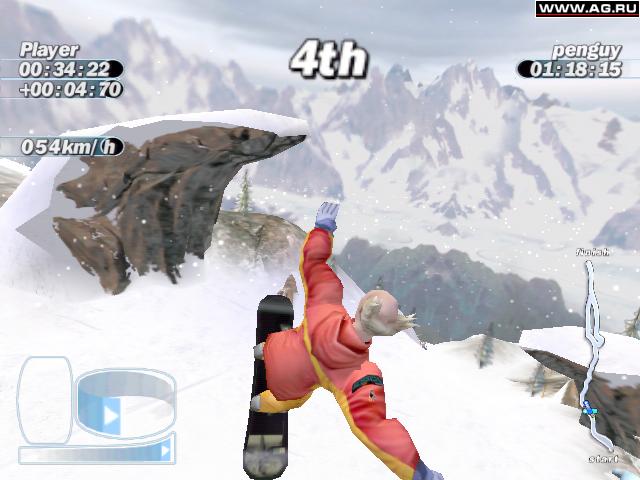
Supreme Snowboarding

PC Success with Supreme Snowboarding (1999–2002)

In the late 1990s, extreme sports video games were skyrocketing in popularity. Housemarque pivoted from space shooters to develop Supreme Snowboarding (released as Boarder Zone in North America) for PC in 1999.

Powered by advanced 3D hardware acceleration, Supreme Snowboarding was widely praised as one of the best-looking and most satisfying snowboarding simulators of its era. It sold over one million copies worldwide, cementing Housemarque's financial stability and proving they could excel across diverse genres.
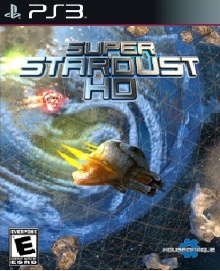
Super Stardust HD

Super Stardust HD and the Digital Console Era (2007)

As the video game industry transitioned into the Seventh Generation of consoles (PlayStation 3 and Xbox 360), digital download platforms began offering smaller studios a global audience. Housemarque recognized this opportunity and formed a pivotal partnership with Sony Computer Entertainment.

In 2007, Housemarque released Super Stardust HD on the PlayStation Network. Utilizing spherical 3D playfields, gorgeous 60fps presentation, visual debris, and intense twin-stick controls, Super Stardust HD became a flagship title for the early PlayStation 3 ecosystem. It established the signature Housemarque gameplay loop: lightning-fast movement, risk-reward scoring mechanics, screen-filling particle explosions, and rock-solid performance.
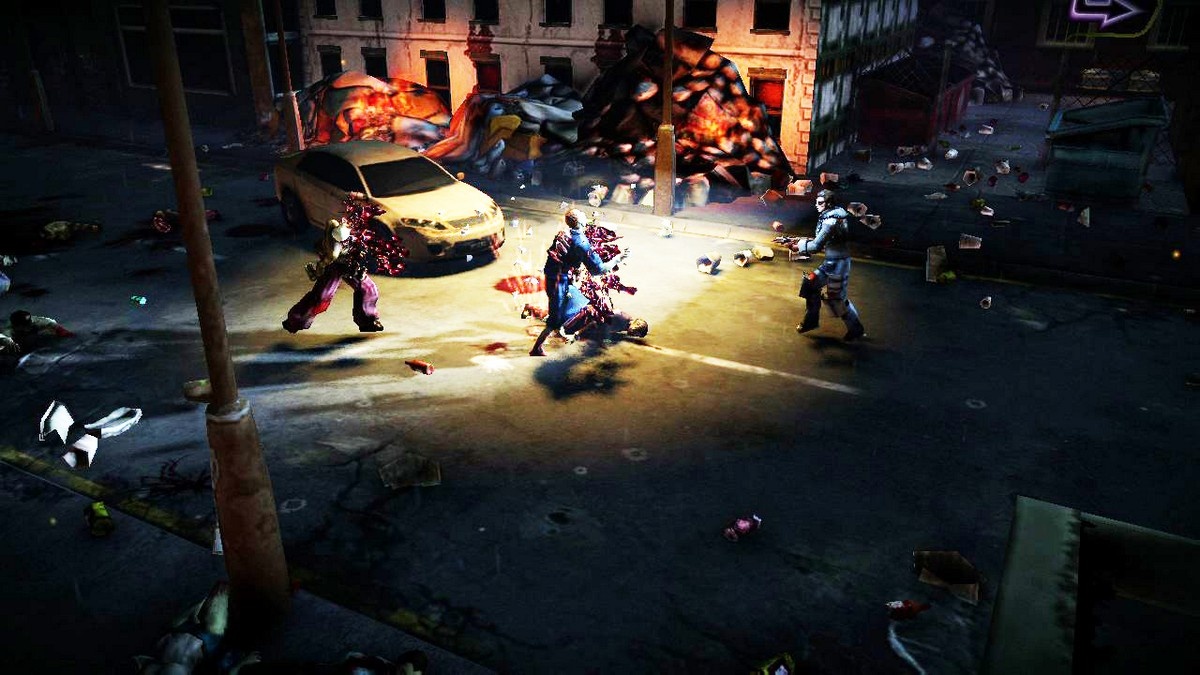
Dead Nation

Expanding the Portfolio: Dead Nation and Outland (2010–2011)

Following the massive success of Super Stardust HD, Housemarque expanded its creative scope while keeping arcade sensibilities at the core of its game design.

In 2010, the studio launched Dead Nation on PS3, a top-down isometric twin-stick shooter set during an apocalyptic zombie outbreak. The game emphasized dark, atmospheric lighting, dynamic horde physics, and intense cooperative play.

Shortly after, in 2011, Housemarque partnered with Ubisoft to release Outland. A striking 2D platformer combining Metroidvania exploration with light-and-dark bullet-hell mechanics inspired by Ikaruga, Outland earned glowing critical reviews for its unique color-shifting mechanics and fluid platforming.
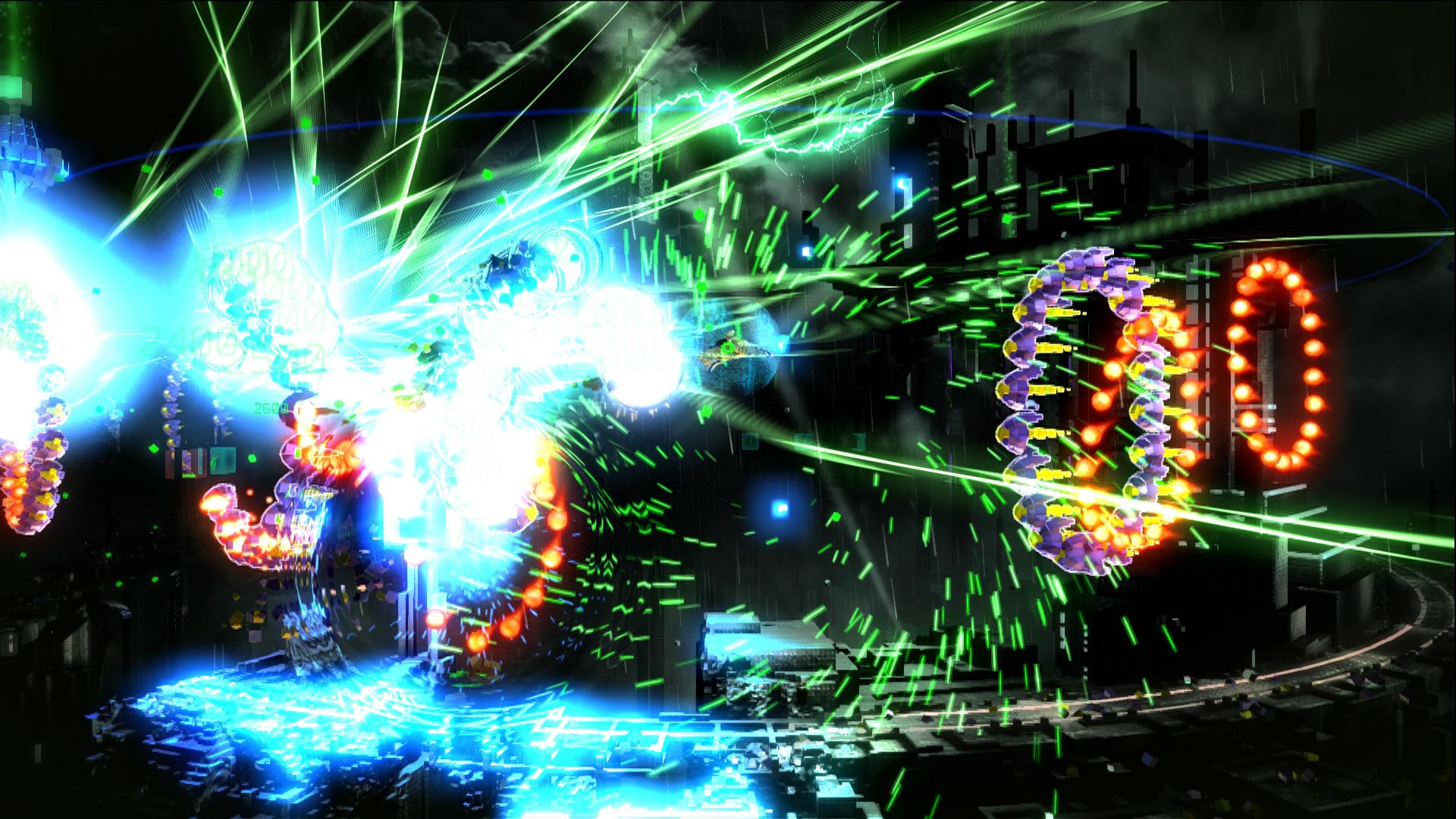
Resogun

Resogun and the Height of Arcade Excellence (2013–2016)

When Sony prepared to launch the PlayStation 4 in November 2013, Housemarque provided one of the new system's most celebrated launch titles: Resogun.

A spiritual successor to classic side-scrolling shooters like Defender, Resogun tasked players with flying around a cylindrical playfield, saving human survivors, and destroying alien threats. Built on a custom voxel engine, Resogun demonstrated the processing power of the PS4 by blowing thousands of individual voxel blocks across the screen in beautiful high-frame-rate chaos. Resogun was hailed by critics as a masterpiece and became one of the highest-rated console launch titles of its generation.

Housemarque followed this landmark achievement with Alienation in 2016, an action-packed top-down loot shooter that built upon the core mechanics of Dead Nation, and Matterfall in 2017, a side-scrolling sci-fi shooter.
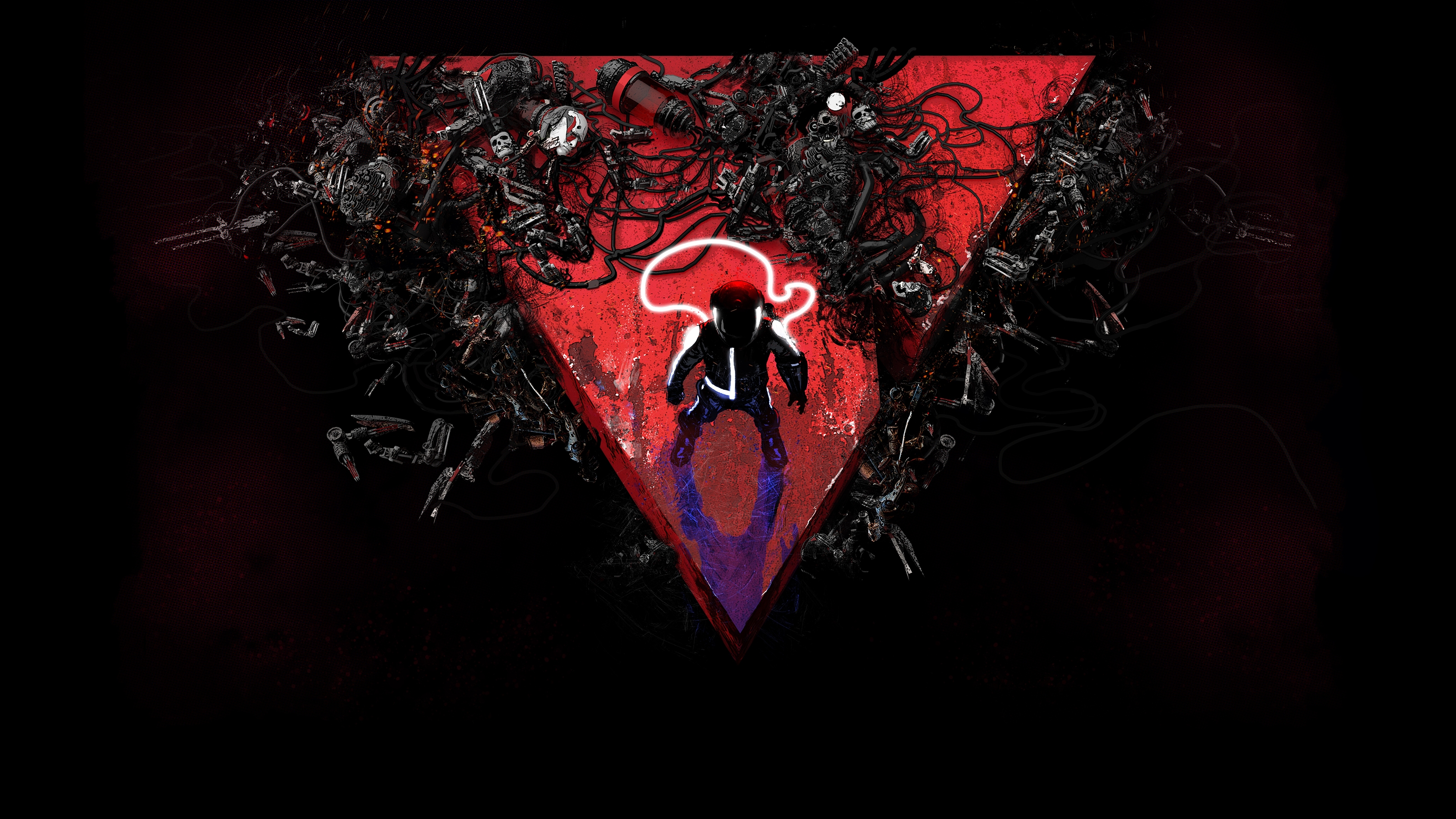
Nex Machina

Nex Machina and "Arcade is Dead" (2017)

In mid-2017, Housemarque teamed up with industry legend Eugene Jarvis (creator of arcade classics Robotron 2084 and Smash TV) to create Nex Machina. Designed as the ultimate pure twin-stick arcade shooter, Nex Machina delivered blistering game speed, pristine controls, and incredible visual flair.

Despite overwhelming critical acclaim and multiple awards, Nex Machina struggled to achieve commercial success in a gaming landscape dominated by free-to-play titles, battle royales, and expansive open-world games.

In late 2017, Housemarque published a famous open letter titled "Arcade is Dead." The studio announced that despite their deep love for arcade shooters, market realities made it financially unsustainable to rely solely on niche arcade titles. Housemarque made the bold decision to reinvent itself and pivot toward high-budget, narrative-driven 3D action experiences.
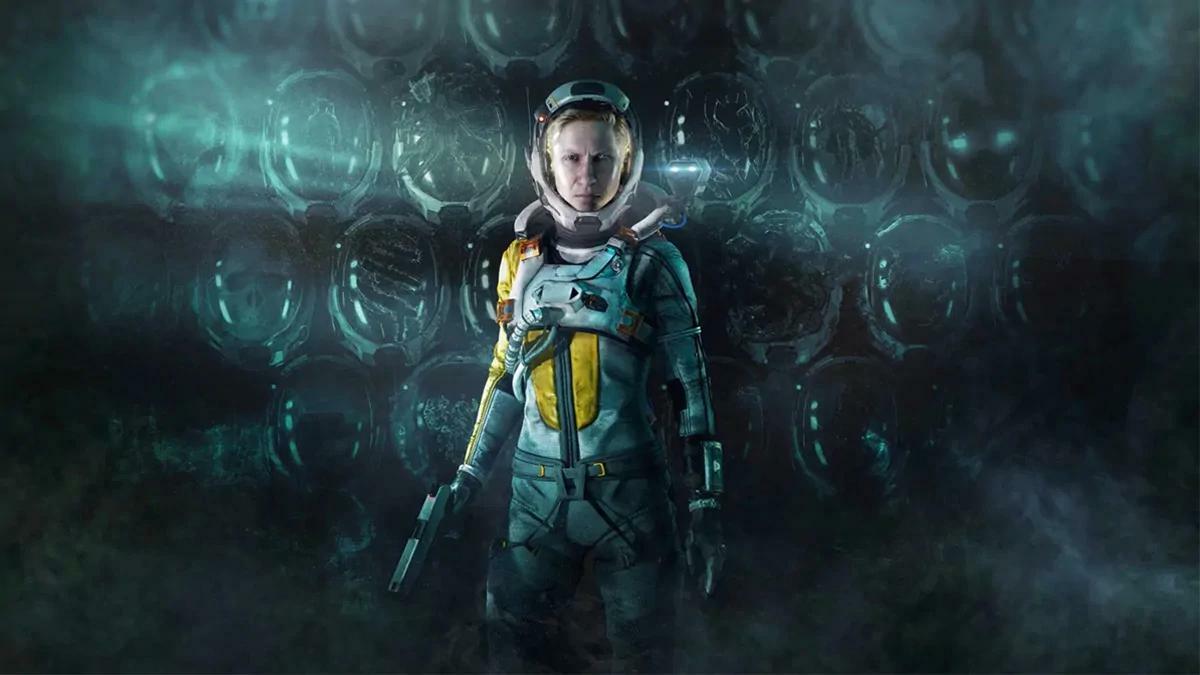
Returnal

Returnal: Reinvention and AAA Victory (2021)

Housemarque's ambitious shift bore fruit in April 2021 with the release of Returnal exclusively for the PlayStation 5. Returnal represented a colossal step forward for the studio: a full AAA third-person psychological horror shooter integrated with roguelike mechanics.

In Returnal, players control Selene Vassos, an astronaut trapped in a time loop on the hostile alien planet Atropos. Crucially, Housemarque did not abandon its arcade roots; instead, they translated bullet-hell patterns, tight dodge mechanics, atmospheric particle effects, and high-speed movement directly into a stunning 3D perspective.

Utilizing the PlayStation 5's DualSense controller haptics and ultra-fast SSD, Returnal received widespread critical acclaim. It won numerous prestigious honors, including Best Game at the BAFTA Games Awards in 2022. The game successfully proved that Housemarque could compete at the highest level of AAA game development without sacrificing its signature gameplay philosophy.

Joining PlayStation Studios and the Future

Following the tremendous critical and commercial success of Returnal, Sony Interactive Entertainment announced in June 2021 that it had officially acquired Housemarque. Housemarque joined the PlayStation Studios family as a premiere first-party developer.

Today, Housemarque continues to expand its team in Helsinki, working on brand-new intellectual property that promises to blend high-octane gameplay, cutting-edge technology, and compelling storytelling.

Frequently Asked Questions

What was Housemarque's very first game?

Housemarque's first game released after the merger of Bloodhouse and Terramarque was Super Stardust, released in 1996 for Amiga and PC platforms.

Why did Housemarque state "Arcade is Dead"?

In 2017, Housemarque issued a statement explaining that despite critical acclaim for titles like Nex Machina and Resogun, modern arcade-style games were no longer generating enough sales to sustain high-production game development. This prompted their strategic shift toward large-scale 3D action games like Returnal.

Is Housemarque owned by PlayStation?

Yes, Housemarque was acquired by Sony Interactive Entertainment in June 2021 and is currently an official member of PlayStation Studios.

What makes Housemarque games unique?

Housemarque games are universally famous for ultra-fluid movement, screen-filling particle explosions, challenging bullet-hell difficulty patterns, precise controls, and exceptional technical optimization running at solid frame rates.

Final Thoughts

The history of Housemarque is a story of passion, innovation, and courage. From humble origins in the 1990s Nordic demoscene to conquering the arcade genre and reinventing itself as a AAA PlayStation powerhouse with Returnal, Housemarque has proven that exceptional gameplay mechanics never go out of style. As part of PlayStation Studios, Housemarque's future remains one of the most exciting in the entire gaming industry.

Mobile Suit Gundam: Extreme Vs. 2 Review - The Ultimate Arcade Mecha Experience

Mobile Suit Gundam: Extreme Vs. 2 Review - The Ultimate Arcade Mecha Experience
Mobile Suit Gundam: Extreme Vs. 2 (2018) Cover

Mobile Suit Gundam: Extreme Vs. 2 (2018) Review: The Peak of Arcade Mecha Action

Released in Japanese arcades in October 2018, Mobile Suit Gundam: Extreme Vs. 2 (EXVS2) represents a massive leap forward for Bandai Namco's premier 3D mecha arena fighting franchise. Building upon the legacy of the Gundam VS series that began in the early 2000s, EXVS2 refined the competitive 2v2 formula, delivered upgraded visual fidelity, and overhauled gameplay mechanics to create one of the most fast-paced arcade experiences of its era.

Developer and Hardware Platforms

Developed and published by Bandai Namco Amusement, Extreme Vs. 2 was built explicitly for modern arcade environments. Powered by custom PC-based arcade hardware (the Namco System ES3 board series successor), the game took full advantage of dedicated arcade cabinets equipped with HD monitors, arcade sticks, and integrated online networking capabilities via Bandai Namco's Passport system.

  • Developer: Bandai Namco Amusement
  • Publisher: Bandai Namco Entertainment
  • Initial Release Date: October 30, 2018
  • Platforms: Arcade Cabinets (Exclusive to Arcade networks, predominantly in Japan and select Asian territories)

Context and Background

The EXVS series has long been a staple of Japanese arcade culture, serving as a high-skill, highly competitive 2v2 fighter. Extreme Vs. 2 succeeded Mobile Suit Gundam: EXTREME VS. MAXI BOOST ON. It was designed to modernize the franchise with a refreshed user interface, streamlined matchmaking networks, a significantly expanded roster featuring mobile suits from virtually every major Gundam timeline (including Iron-Blooded Orphans, Gundam UC, and Hathaway's Flash), and revised game balance.

Story and Narrative

As a competitive 3D arcade arena fighter, Mobile Suit Gundam: Extreme Vs. 2 does not feature a traditional, narrative-driven single-player story mode. Instead, the narrative context revolves around crossover battles across different universe eras—Universal Century, Anno Domini, After Colony, and more.

Players choose from over 180 distinct Mobile Suits, each piloted by their iconic anime counterparts with authentic voice acting and thematic special moves. While an overarching boss entity exists within the arcade route progression (such as original EXVS boss suits), the narrative functions primarily as fan service and a homage to forty years of Gundam history rather than a cohesive storyline.

Graphics, Visuals, and Performance

Graphically, Extreme Vs. 2 marked a significant visual overhaul compared to its predecessor, Maxi Boost ON. Operating at a rock-solid 60 frames per second, the game features high-definition suit models, refined beam lighting effects, dynamic particle explosions, and fluid animation cycles essential for high-level competitive play.

  • 60 FPS Stability: Smooth frame delivery ensures precise input execution and animation cancels.
  • Visual Polish: Detailed mobile suit textures, weathering effects, and authentic weapons firing visuals.
  • UI Redesign: Sleeker, futuristic HUD displaying boost gauges, suit costs, EX Burst meters, and lock-on distances clearly during intense combat.

Gameplay Mechanics and Innovation

At its core, EXVS2 utilizes the classic 2v2 tactical battle system with a shared team cost meter (typically 6000 points total). Units are categorized by cost (3000, 2500, 2000, and 1500), balancing power against respawn penalties. Key mechanical updates in EXVS2 include:

  • EX Burst System Overhaul: Introduction of revised Burst types (such as Mobility, Fighting, and Shooting Bursts) that alter suit attributes dynamically during clutch moments.
  • Refined Movement: Enhanced boost stepping and boost dashing mechanics allowing for complex movement mix-ups and defensive cancels.
  • Expanded Roster: Inclusion of new suits and revised movesets for legacy units, shifting the competitive tier list significantly.

Final Verdict and Recommendation

Mobile Suit Gundam: Extreme Vs. 2 stands as one of the finest mecha fighting games ever produced. Its deep movement mechanics, immense suit variety, and exhilarating 2v2 team dynamics offer hundreds of hours of competitive depth. While its arcade exclusivity makes it difficult to access for Western players without importing arcade cabinets or waiting for home ports/sequels, it remains a high watermark for the series.

Pros:

  • Incredibly deep and rewarding competitive 2v2 gameplay mechanics.
  • Huge roster covering almost every Gundam series.
  • Stunning 60fps visual presentation and faithful audio design.

Cons:

  • Arcade exclusivity limits accessibility outside of Asia.
  • Lack of a deep single-player story mode for casual solo gamers.
  • Steep learning curve for newcomers.

Final Rating: 9 / 10 — An absolute must-play for mecha fans and competitive fighting game enthusiasts if accessible.


Mobile Suit Gundam: Extreme Vs. 2 (2018) Screenshot

Complete Timeline of Bleach Video Games: From Portable Classics to Rebirth of Souls

Complete Timeline of Bleach Video Games: From Portable Classics to Rebirth of Souls

Tite Kubo's legendary anime and manga franchise, Bleach, has captivated fans worldwide with its intense supernatural battles, memorable Soul Reapers, and stylish aesthetic. Parallel to the success of the anime, the video game adaptations of the series have spanned multiple generations of hardware, evolving from early 2D RPGs and fighting titles to high-octane 3D arena brawlers and mobile mega-hits.

Understanding the chronological timeline of Bleach games offers a fascinating look at how anime adaptations evolved across platforms like the PlayStation 2, PlayStation Portable (PSP), Nintendo DS, Nintendo Wii, PlayStation 3, mobile platforms, and modern platforms. Here is the complete timeline of major Bleach video game releases.

2005: The Soul Reaper Debut Era

The year 2005 marked the official gaming debut for Ichigo Kurosaki and the Soul Society. Following the booming popularity of the anime, developers quickly created fighting and adventure games across portable and home hardware in Japan.

Bleach: Hanatareshi Yobou (2005)

Released for the PlayStation 2 in Japan, Bleach: Hanatareshi Yobou was an early tactical adventure RPG that allowed players to experience key events from the Soul Society Arc. It established the visual aesthetic that future games would build upon.

Bleach: Heat the Soul (2005)

Launching on the PlayStation Portable (PSP), Bleach: Heat the Soul initiated one of the longest-running anime fighting game franchises on handheld hardware. Developed by Eighting, this 3D fighter brought rapid cell-shaded combat to portable gaming, allowing fans to duel as their favorite Soul Reapers anywhere.

Bleach: GC Twilight All-Stars (2005)

Released exclusively on the Nintendo GameCube in Japan, Bleach: GC Twilight All-Stars offered high-speed 3D fighting action designed specifically for Nintendo's home system, highlighting the early battle arcs of the series.

2006–2008: The Golden Handheld & Fighting Game Era

During the peak of the anime's original broadcast run, developer Treasure and publisher Sega joined forces to deliver some of the best 2D fighters of the Nintendo DS era, while Sony's PSP continued its annual installments.

Bleach: The Blade of Fate (2006)

Developed by legendary arcade game developer Treasure for the Nintendo DS, Bleach: The Blade of Fate (known as Bleach DS: Souten ni Kakeru Unmei in Japan) is widely celebrated as one of the best anime fighting games ever created. Featuring complex mechanical depth, spirit card deckbuilding mechanics, and smooth touch-screen controls, it won praise from fighting game enthusiasts worldwide.

Bleach: Dark Souls (2007)

The direct sequel to Bleach: The Blade of Fate on Nintendo DS, Bleach: Dark Souls refined the fighting systems, introduced expanded roster choices including Hollows and Bankai transformations, and presented a compelling standalone storyline.

Bleach: Shattered Blade (2006/2007)

Bringing spiritual pressure to home consoles, Bleach: Shattered Blade launched on the Nintendo Wii. Utilizing motion controls for Zanpakuto strikes, the game let players swing the Wii Remote to execute Ichigo's Getsuga Tensho and Bankai attacks directly.

Bleach: Heat the Soul 2 through Bleach: Heat the Soul 5 (2005–2008)

The PSP franchise expanded rapidly with annual updates. Each new entry added key plot arcs, including the Arrancar and Espada sagas, along with expanding character transformations, partner battle systems, and multi-character tag battles.

Bleach: The 3rd Phantom (2008)

Branching out from traditional fighting formats, Bleach: The 3rd Phantom was a turn-based tactical RPG released for the Nintendo DS. Written under consultation with series creator Tite Kubo, it introduced original main characters Fujimaru and Matsuri Kudo and featured deep tactical combat mechanics.

2009–2011: HD Consoles & Peak Portable Climax

As the original anime reached its thematic peak during the Fake Karakura Town arc, video game adaptations migrated to HD home consoles and concluded beloved portable series.

Bleach: Heat the Soul 6 & Bleach: Heat the Soul 7 (2009–2010)

The final installments on PSP, Bleach: Heat the Soul 6 and Bleach: Heat the Soul 7, represented the peak of portable arena fighters for the franchise. Bleach: Heat the Soul 7 featured massive boss battles against giant monster transformations like Yammy Llargo and full roster coverage of the Espada.

Bleach: Soul Resurrección (2011)

Known as Bleach: Soul Igselection in Japan, Bleach: Soul Resurrección was a high-octane 3D hack-and-slash action title released exclusively for the PlayStation 3. Players mowed through waves of Hollows and fought powerful Arrancar in grand, free-roaming battlegrounds with stylized cel-shaded visuals.

2015–Present: Mobile Domination & Global Success

Following a hiatus in traditional console game development, the franchise found massive success in the mobile market, maintaining player engagement during the years prior to the anime's return.

Bleach: Brave Souls (2015)

Developed by KLabGames, Bleach: Brave Souls is a 3D hack-and-slash action mobile RPG available on iOS, Android, PC, and PlayStation 4. Celebrating over nine years of continuous service, the game has covered every major arc, including original novel stories and canonical content from the Thousand-Year Blood War arc long before it was adapted into anime.

Bleach: Immortal Soul (2020)

A mobile turn-based strategy RPG where players assemble team formations of Soul Reapers, Arrancar, and Visored to take on storyline chapters and PvP challenges.

2024–Future: The Modern Console Renaissance

With the anime adaptation of the Thousand-Year Blood War arc thrilling fans across the globe, the video game franchise has officially returned to major home consoles and PC.

Bleach: Rebirth of Souls (2025)

Developed by Tamsoft and published by Bandai Namco Entertainment, Bleach: Rebirth of Souls represents a major console revival. Built for modern hardware including PlayStation 4, PlayStation 5, Xbox Series X/S, and PC via Steam, this stylish 3D action fighting game features dramatic sword combat, spiritual awakening mechanics, dynamic Bankai transformations, and deep cinematic presentations of the story.
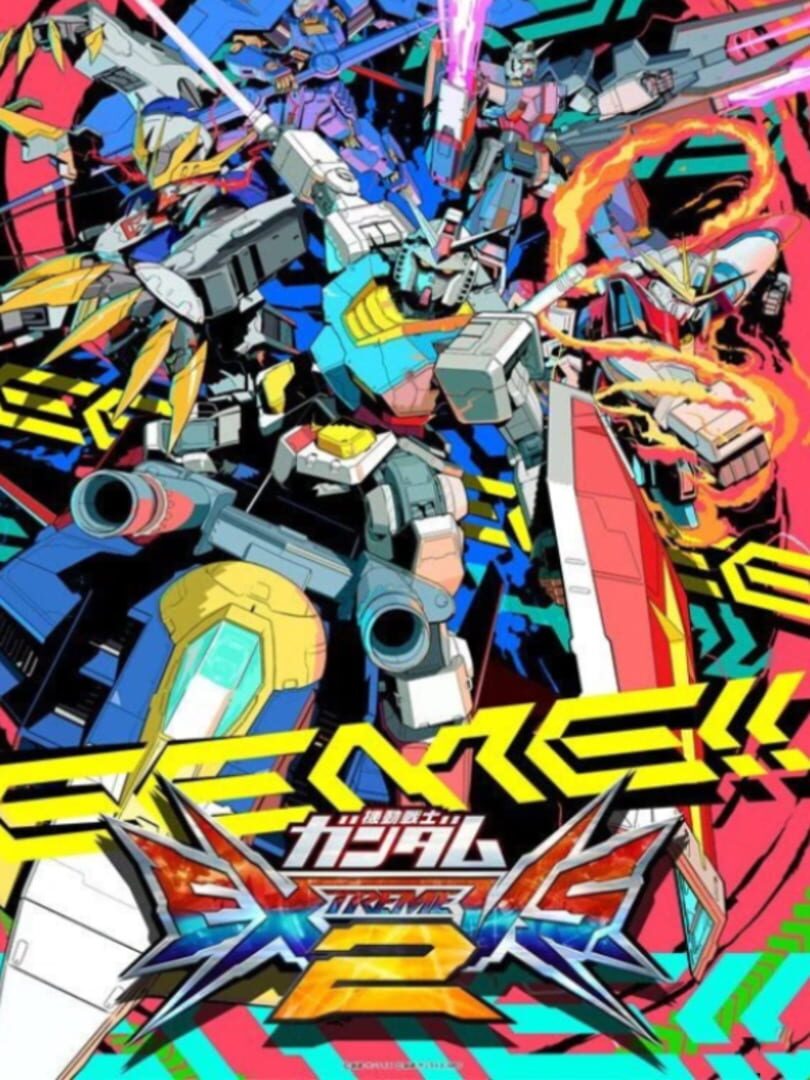
Bleach Games Summary Release Table

Below is a quick reference table outlining the major releases in the Bleach video game timeline:

Game TitleRelease YearOriginal Platform(s)Genre
Bleach: Hanatareshi Yobou2005PlayStation 2Tactical RPG
Bleach: Heat the Soul2005PlayStation Portable3D Fighting
Bleach: The Blade of Fate2006Nintendo DS2D Fighting
Bleach: Shattered Blade2006Nintendo Wii3D Fighting
Bleach: Dark Souls2007Nintendo DS2D Fighting
Bleach: The 3rd Phantom2008Nintendo DSTactical Strategy RPG
Bleach: Heat the Soul 72010PlayStation Portable3D Fighting
Bleach: Soul Resurrección2011PlayStation 3Hack and Slash / Action
Bleach: Brave Souls2015Mobile / PC / PS4Action RPG
Bleach: Rebirth of Souls2025PS4, PS5, Xbox Series X/S, PC3D Arena Fighter

Frequently Asked Questions About Bleach Games

What is considered the best Bleach video game?

Historically, fighting game competitive players point to Bleach: The Blade of Fate and Bleach: Dark Souls on Nintendo DS due to their incredible mechanical depth by developer Treasure. For casual action fans, Bleach: Soul Resurrección and mobile title Bleach: Brave Souls remain highly popular.

What platform has the most Bleach video games?

The Sony PlayStation Portable (PSP) holds the highest number of entries in a single sub-series, featuring seven main entries in the Bleach: Heat the Soul series alongside spin-offs like Bleach: Soul Carnival.

Is Bleach: Rebirth of Souls connected to previous titles?

No, Bleach: Rebirth of Souls is a brand-new standalone title built ground-up for modern home systems and PC, featuring its own combat systems, visuals, and story adaptations.

Final Thoughts

From the handheld golden era on the PSP and Nintendo DS to the mobile dominance of Bleach: Brave Souls and the modern console resurgence in Bleach: Rebirth of Souls, the gaming history of this franchise mirrors the evolution of anime gaming over twenty years. Whether you enjoy deep 2D fighters or flashy 3D brawlers, there has never been a better time to step into the shoes of a Soul Reaper.

SD Gundam G Generation F-IF Review: The Ultimate PS1 Mecha Fan Disc

SD Gundam G Generation F-IF Review: The Ultimate PS1 Mecha Fan Disc

Introduction & Historical Context

Released in May 2001 as a companion fan-disc to the legendary 2000 tactical RPG SD Gundam G Generation F, SD Gundam G Generation F-IF stands as one of the most comprehensive celebrations of the Gundam franchise on the original Sony PlayStation. While the main G Generation F game featured an unprecedented four-disc roster spanning Universal Century and Alternate Universe timelines, F-IF served as the ultimate expansion pack and bonus disc, tailored specifically for hardcore tactical mecha enthusiasts.

Developer and Original Release Information

The game was developed by Tom Create and published by Bandai. Released exclusively in Japan during the twilight years of the original PlayStation era, SD Gundam G Generation F-IF pushed the 32-bit console to its absolute limits in terms of content indexing, sprite animation, and tactical depth.

Story and Narrative Structure

Unlike traditional entries in the franchise that walk players through animated retellings of specific anime storylines, F-IF shifts focus away from a linear narrative. Instead, it functions as an interactive encyclopedia and challenge simulator. Narrative elements are delivered through cross-over combat scenarios, hypothetical "what-if" battles, and iconic anime cutscenes.

Key story features include:

  • Hypothetical Battles: Dream scenarios bringing together pilots and Mobile Suits across disparate timelines such as Mobile Suit Gundam, Gundam Wing, Gundam SEED concepts, and Turn A Gundam.
  • Complete Gundam Database: Comprehensive technical lore, character profiles, and suit development trees covering over two decades of Gundam media up to the year 2000.

Gameplay & Key Expansion Features

SD Gundam G Generation F-IF requires save data from SD Gundam G Generation F to unlock its full potential, though it offers substantial standalone content. The core gameplay retains the turn-based isometric grid strategy mechanics the series is famous for.

FeatureDescription
Save Data ImportLoad completed save files from G Generation F to transfer units, pilots, and funds.
Challenge ScenariosHigh-difficulty stages designed to test endgame fleets and custom team configurations.
Custom Unit & Pilot CreationIn-depth tools allowing players to generate unique pilots and modify Mobile Suit stats.
Media GalleryAccess unlocked background music, sprite animations, cinematic movies, and sound effects.

Graphics and Audio Performance

Visually, F-IF represents the pinnacle of 2D sprite work on the PlayStation 1. Battle animations feature super-deformed (SD) renditions of iconic Mobile Suits executing detailed attack sequences with dynamic camera angles. Audio design is equally impressive, packed with original voice acting from anime cast members, authentic weapon sound effects, and synthesized renditions of classic anime theme songs.

Where to Play: Compatible Platforms

Because SD Gundam G Generation F-IF was a Japanese-exclusive release for the PS1, modern players have a few options to experience it today:

  • Original Hardware: PlayStation 1 (Japanese region or NTSC-J modified console).
  • Backward Compatibility: PlayStation 2 and PlayStation 3 (Japanese region units reading original discs).
  • Emulation: PC and mobile platforms utilizing modern PS1 emulators like DuckStation or ePSXe (allows for custom resolution upscaling and fan translation patches).

Final Verdict & Recommendation

SD Gundam G Generation F-IF is an essential gem for collectors and tactical RPG fans. While non-Japanese speakers may face a slight language barrier due to the text-heavy menus, the intuitive grid gameplay and incredible fanservice make it an unmissable title for Gundam aficionados.

Score: 8.5/10 — A magnificent capstone to the 32-bit generation of Gundam strategy games, offering unmatched depth and nostalgia for fans of retro mecha gaming.

Outcast: A New Beginning Review (2024) - Sci-Fi Open-World Return

Outcast: A New Beginning Review (2024) - Sci-Fi Open-World Return
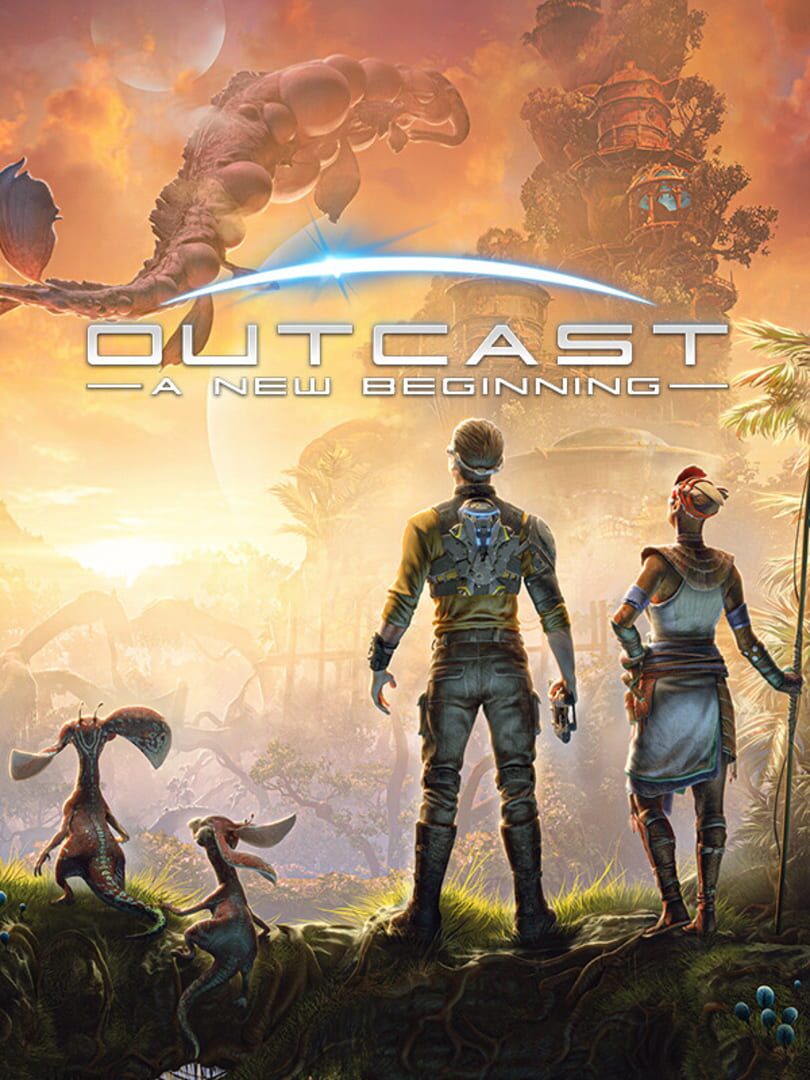
Outcast: A New Beginning (2024) Cover

Historical Context and Heritage

In 1999, the original Outcast set a landmark precedent for non-linear open-world gaming. Fast-forward a quarter of a century, and Outcast: A New Beginning (2024) serves as the long-awaited official sequel. Returning to the vibrant alien planet of Adelpha, the game bridges classic late-90s sci-fi aesthetics with modern open-world gameplay design.

Developer and Publisher

The game was crafted by Appeal Studios—the original team behind the 1999 cult classic—and published by THQ Nordic. Their passion for maintaining the original world's identity shines through every aspect of the game, while updating the mechanics for a contemporary audience.

Story and Narrative

Players step back into the boots of navy SEAL veteran Cutter Slade, who is resurrected on Adelpha by the omnipotent Yods. Upon his arrival, Slade discovers that the peaceful native Talan people are under siege by a ruthless invading robotic force stripping the planet of its natural resources. The story mixes lighthearted 90s action hero banter with surprisingly rich lore, detailed alien culture, and local village diplomacy.
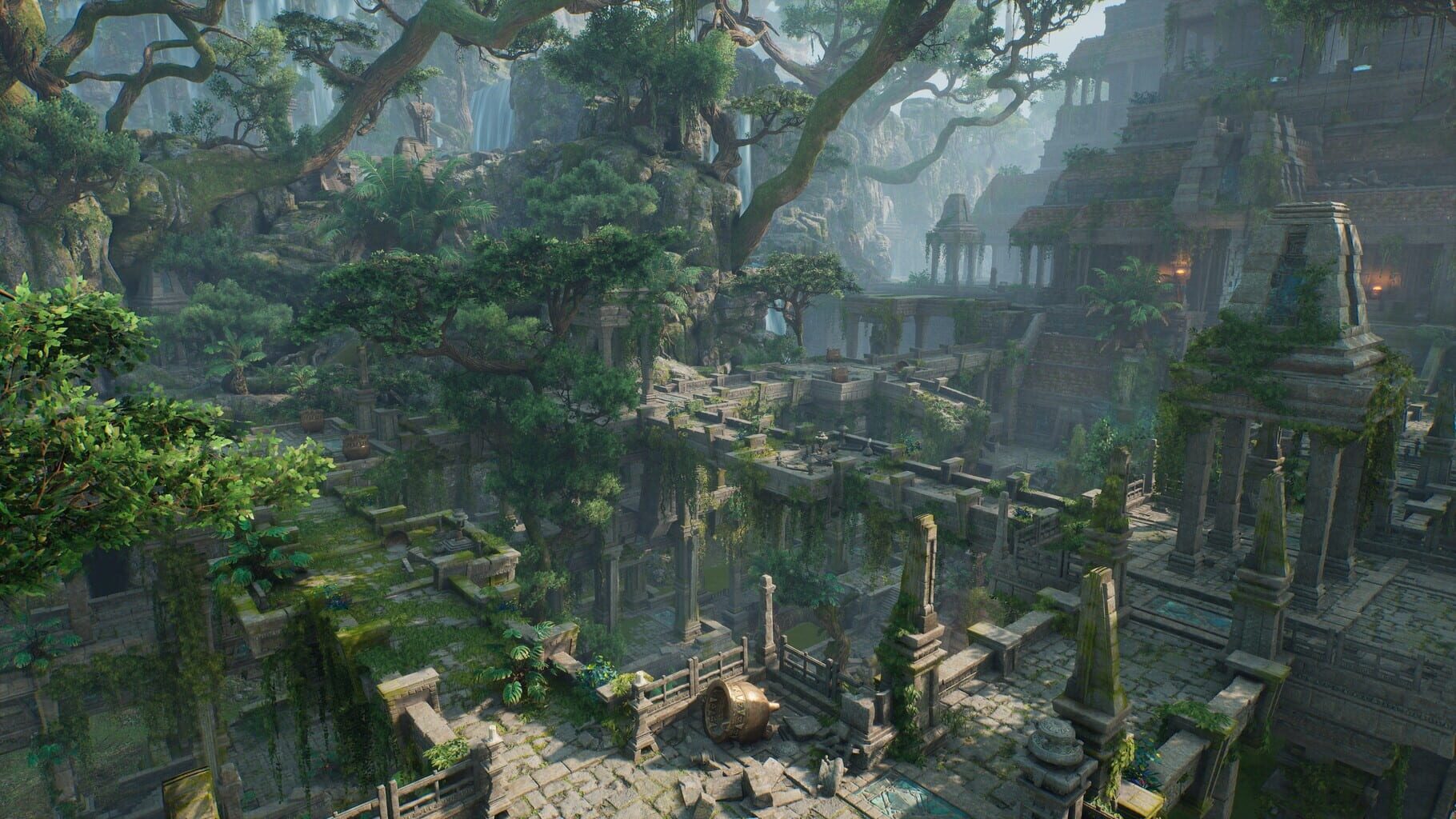
Graphics and Visual Performance

Adelpha comes to life with lush biomes, soaring cliffside structures, and vibrant alien wildlife. Built on modern tech, the game showcases dynamic lighting, detailed character models, and smooth frame rates during fast-paced combat. The visual feedback during high-speed jetpack glides and particle-heavy weapon firefights makes exploration visually satisfying.
Playable Platforms

Outcast: A New Beginning is available on current-generation hardware and PC:

  • PC (Steam & Epic Games Store)
  • PlayStation 5
  • Xbox Series X | Series S

Final Verdict & Recommendation

Outcast: A New Beginning captures the spirit of classic sci-fi adventure while offering dynamic jetpack traversal and deep weapon customization.

Recommendation: Highly recommended for fans of open-world exploration, retro-inspired sci-fi narratives, and third-person action shooters. It delivers a fun, colorful alternative to modern dark action games.


Outcast: A New Beginning (2024) Screenshot

Follow my social medias to unlock these coupons.

CLICK HERE, UNLOCK VIP COUPONS!