CHECKING...
Rookie Gamer Live Broadcast
0
0%
10k


📅 September 18, 2026

Complete Tales of Xillia Guide: Combat, Character Builds, and Gameplay Tips

Complete Tales of Xillia Guide: Combat, Character Builds, and Gameplay Tips
Tales of Xillia

Introduction to Tales of Xillia

Tales of Xillia remains one of the most beloved entries in Bandai Namco's long-running JRPG franchise. Set in the vibrant world of Rieze Maxia, where humans and spirits coexist in harmony, the game delivers an incredible blend of dynamic real-time combat, rich narrative depth, and engaging character progression. Whether you are revisiting this PlayStation 3 classic or stepping into the shoes of Jude Mathis and Milla Maxwell for the very first time, mastering the game's unique systems will drastically enhance your adventure.

Unlike many traditional JRPGs, Tales of Xillia features a dual-protagonist structure, an intricate webbing system for stat growth known as the Lilium Orb, and a cooperative battle system called the Dual Raid Linear Motion Battle System (DR-LMBS). This comprehensive guide covers everything you need to know to survive, thrive, and optimize your party throughout your journey.

Choosing Your Protagonist: Jude Mathis vs. Milla Maxwell

At the very beginning of Tales of Xillia, you are prompted to choose your main protagonist: Jude Mathis, a clever medical student from Ilia, or Milla Maxwell, the mysterious Lord of Spirits. While both characters travel together throughout the vast majority of the game, your choice dictates your main perspective, character-specific cutscenes, unique story paths when the party splits up, and exclusive musical tracks.

  • Jude's Story: Recommended for first-time players. Jude's perspective offers a grounded entry into the lore of Rieze Maxia, helping players naturally learn about the world alongside him. Combat-wise, Jude is a fast, close-range martial artist who specializes in rapid strikes, dodging, and healing.
  • Milla's Story: Great for players interested in high-level lore right from the start. Milla's path provides unique insights into spirit ecology and global politics, though her story skips brief context moments that Jude witnesses. In combat, Milla uses a sword along with powerful spirit magic, allowing for versatile mid-range and aerial combat.

Mastering the Combat System: Dual Raid Linear Motion Battle System

Combat in Tales of Xillia is fast-paced, fluid, and heavily relies on character pairing. Understanding the mechanics of the Dual Raid LMBS will allow you to control the battlefield with ease.

1. The Link System and Partner Powers

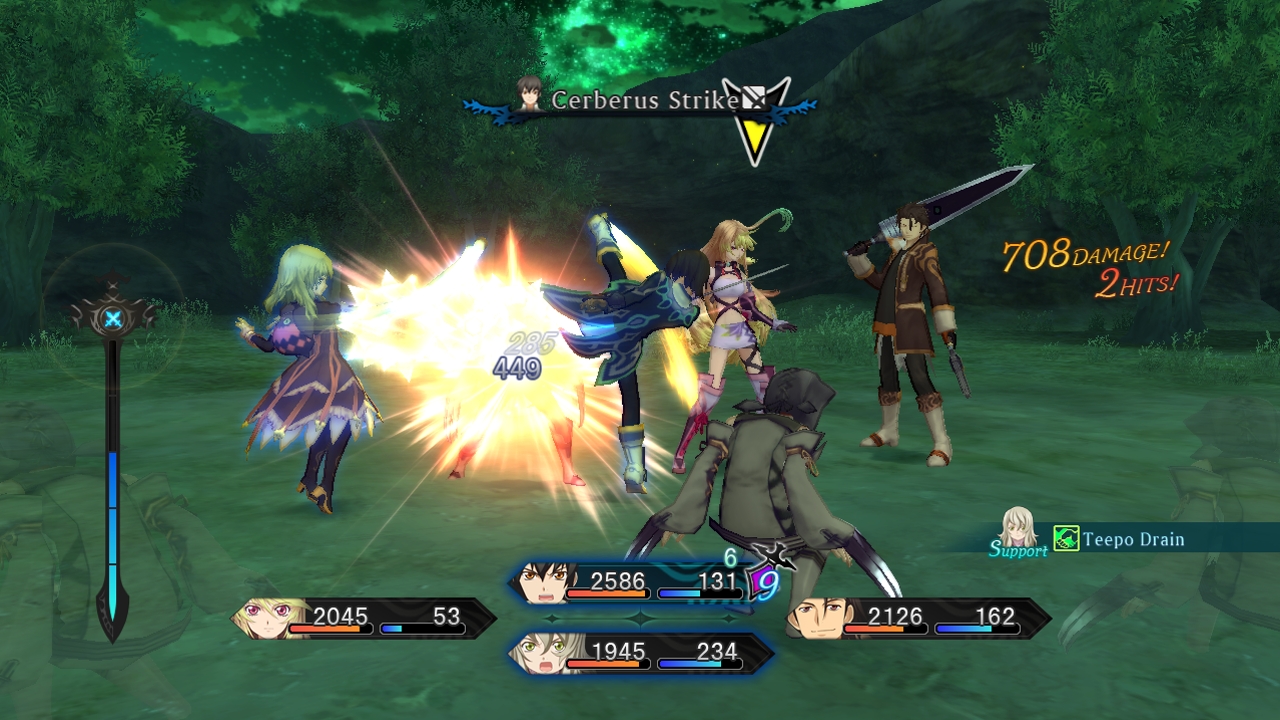
The core innovation of Tales of Xillia is the ability to link two party members together in battle. When linked, your partner automatically assists you in targeting enemies, flanking opponents, and providing passive perks unique to that character:

  • Jude (Restore): Automatically knocks down enemies that launch you and heals you when knocked down.
  • Milla (Bind): Temporarily restrains enemies, leaving them vulnerable to combo attacks.
  • Alvin (Breaker): Shatters enemy guards, dealing massive damage to heavily armored foes.
  • Elize (Teepo Drain): Steals HP and TP from enemies to keep your stats replenished.
  • Rowen (Auto-Magic Guard): Deploys magic barriers that negate element-based attacks.
  • Leia (Item Steal): Steals valuable items from knocked-down enemies.

2. Link Artes and Over Limit

As you deal damage while linked with a partner, the gauge on the left side of the screen fills up. When a segment of the meter is full, executing specific Artes (attacks) triggers a combined powerhouse move called a Link Arte.

When the gauge is completely full, hitting an enemy with a Link Arte triggers Over Limit. During Over Limit, your character has unlimited AC (Attack Counter), immunity to staggering, and the ability to chain multiple Link Artes together consecutively into devastating hit counts.

Character Progression: The Lilium Orb System

Character leveling in Tales of Xillia revolves around the Lilium Orb—a spiderweb-like grid where spending Growth Points (GP) earned from leveling up unlocks stat nodes and combat skills.

Optimization Strategies for the Lilium Orb

  • Expand the Web Early: To unlock outer rings with stronger stat boosts, focus on expanding the node borders rather than filling every single inner node immediately.
  • Prioritize Essential Skills: Keep an eye on key operational skills such as backsteps, dash improvements, and anti-stagger perks.
  • Tailor Stats to Roles: Focus Strength and Physical Defense on front-line combatants like Jude and Alvin, while prioritizing Spirit and Magic Attack for spellcasters like Rowen and Elize.

Shop Expansion: How to Upgrade Merchants Efficiently

Rather than continually traveling to new towns to find better weapons and armor, shops in Tales of Xillia level up across the entire world through material donations. You can donate materials found in gathering points, enemy drops, or directly invest Gald to increase shop levels across five categories: Weapons, Armor, Accessories, Items, and Food.

  • Check Material Multipliers: Frequently, shops will offer 2x or 3x experience bonuses for specific material types. Always save your rare materials until those bonus multipliers become active.
  • Prioritize Weapons and Armor First: High-tier equipment dramatically increases your battle survivability and boss-dps potential. Level weapon and armor shops up ahead of items and food early in the campaign.

Party Member Overview and Combat Roles

CharacterPrimary Combat RoleBest Partner Link
Jude MathisFast Melee / Secondary HealerMilla, Alvin
Milla MaxwellHybrid Sword / Spirit MagicJude, Rowen
AlvinHeavy Physical Attacker / Guard BreakerJude, Leia
Elize LutusPrimary Healer / High Magic BurstRowen, Jude
Rowen J. IlbertLong-Range Offensive MageElize, Milla
Leia RolandoAgile Support / Item StealerAlvin, Jude

Frequently Asked Questions

Should I play Jude or Milla first in Tales of Xillia?

Starting with Jude is highly recommended for first-time players. Jude's storyline provides a clearer introduction to the world, characters, and overarching plot developments. Milla's story is excellent for a second playthrough to discover alternate perspective cutscenes and lore insights.

How long does it take to complete Tales of Xillia?

A standard playthrough focusing on the main story takes approximately 30 to 35 hours. Completing all sidequests, sub-events, end-game dungeons, and trophy hunting can extend total playtime to over 60 hours.

Does Tales of Xillia feature New Game Plus?

Yes. Upon beating the game, you unlock the Grade Shop. You can spend Grade points earned during your play session to carry over items, shop progress, Lilium Orb progress, double experience points, or unlock special modifiers for subsequent playthroughs.

How does Tales of Xillia compare to other entry points in the franchise?

Alongside fan favorites like Tales of Vesperia, Tales of Symphonia, and Tales of Arise, Tales of Xillia stands out as one of the most accessible and engaging action-RPGs in the series due to its fast combat and dynamic partner system. Its direct sequel, Tales of Xillia 2, further expands upon these combat foundations.

Final Thoughts

Tales of Xillia remains a high point in Bandai Namco's classic RPG lineup. By utilizing smart character links, maintaining your Lilium Orb node progression, and strategically leveling up global vendors, you will easily master the realm of Rieze Maxia. Choose your protagonist, assemble your team, and enjoy one of the most dynamic battle systems the JRPG genre has to offer!
DayZ Review (2019): Is the Hardcore Zombie Survival Game Worth Playing Today?

DayZ Review (2019): Is the Hardcore Zombie Survival Game Worth Playing Today?
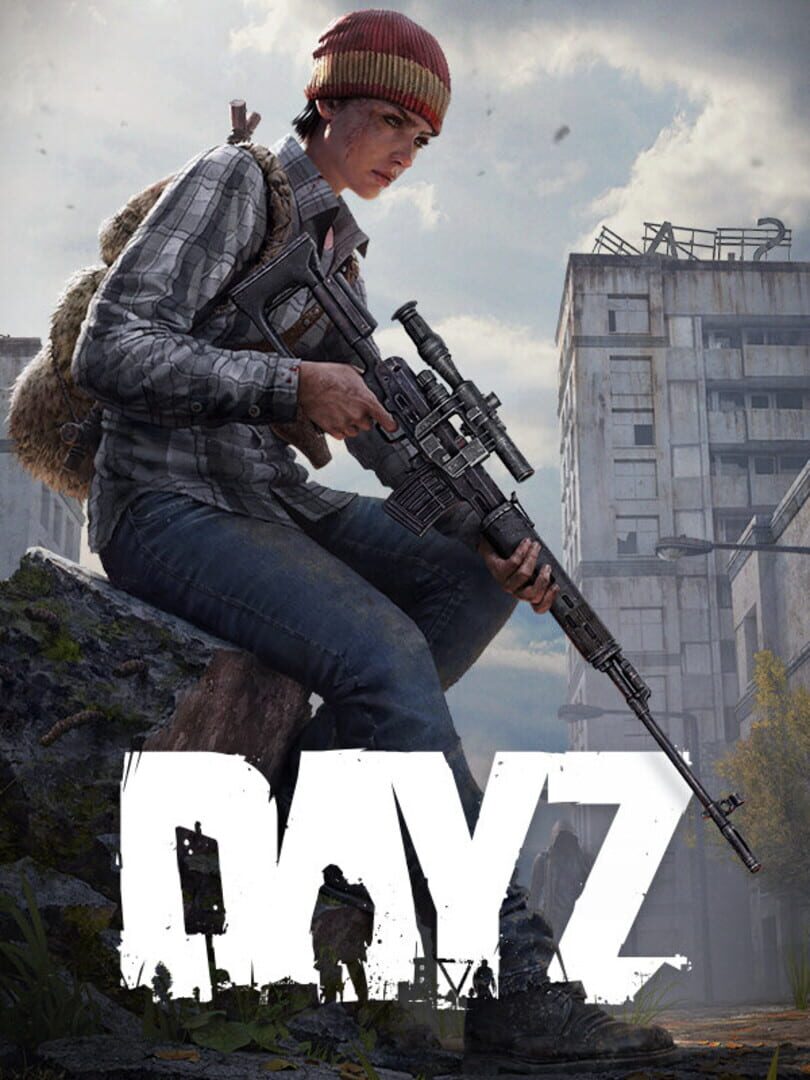
DayZ (2019) Cover

DayZ Review: The Ultimate Test of Hardcore Survival

When DayZ officially exited Steam Early Access and made its full release launch on consoles in 2019, it marked a historic moment for multiplayer gaming. Originally created as an ARMA 2 mod by Dean Hall, DayZ pioneered the modern open-world multiplayer survival genre. Years after its official launch, how does Bohemia Interactive's ruthless zombie simulator hold up?

Context and History: From ARMA Mod to Standalone Legend

DayZ began with a simple yet brutal premise: drop players into a vast, unforgiving post-apocalyptic sandbox and force them to survive against infected creatures, harsh weather, and—most dangerously—other players. Following the monumental success of the original mod, lead developer Dean Hall and Bohemia Interactive set out to rebuild DayZ as a standalone title. After a long Early Access period, the game achieved its 1.0 release on PC, followed by PlayStation 4 and Xbox One releases in 2019 powered by the upgraded Enfusion Engine.

Story and Narrative: Emergent Storytelling at Its Finest

Unlike traditional games, DayZ does not feature a scripted single-player campaign, cinematic cutscenes, or non-player characters giving quests. Set in the fictional post-Soviet country of Chernarus, a mysterious virus has turned the vast majority of the population into violent infected hosts.

The narrative of DayZ is entirely emergent. Every spawn represents a unique story driven entirely by player interaction and personal choices:

  • Will you become a friendly medic helping fresh spawns along the coast?
  • Will you play as a ruthless bandit hunting unsuspecting players for gear?
  • Will you form a clan, build a hidden base in the forests, and defend your territory?

The absolute lack of hand-holding creates genuine emotional weight. Losing a long-surviving character after dozens of hours of looting brings a real sense of tension and permanent loss.

Graphics, Visuals, and Audio Atmosphere

DayZ's visual fidelity saw a massive overhaul with the integration of the Enfusion Engine. Chernarus covers over 225 square kilometers of dense forests, abandoned farmlands, crumbling towns, and industrial military compounds. The sense of scale is astounding, and dynamic weather effects—such as thick fog, heavy rainstorms, and starry night skies—drastically affect visibility and survival.

While character animations and indoor physics can occasionally feel clunky, the environmental lighting and realistic foliage create an immersive atmosphere. Dynamic audio design adds to the suspense: long-range gunshots echo authentically through mountain valleys, and distant footstep noises will instantly spike your adrenaline.

Developer and Available Platforms

DayZ was developed and published by Bohemia Interactive, a veteran Czech studio famous for realistic tactical military simulators like the ARMA franchise.

Playable Platforms:

  • PC (Windows via Steam): Offers the definitive DayZ experience, featuring extensive community server customization and active modding support.
  • PlayStation 4: Adapted console version featuring custom UI and controller integration.
  • Xbox One: Full console release with support for custom server hosting.
  • PlayStation 5 & Xbox Series X|S: Playable via backward compatibility, delivering enhanced stability, smoother framerates (up to 60 FPS), and dramatically reduced load times.

Final Verdict and Recommendation

DayZ is not a game designed for casual gamers. It is slow, demanding, and frequently frustrating. You will spend hours walking through empty wilderness, only to die from cholera, hypothermia, or a single sniper bullet fired from an unseen enemy.

However, for players who crave high-stakes survival, deep crafting mechanics, tactical gunplay, and unmatched social interactions, DayZ remains unmatched in its genre. No other game replicates the sheer tension and reward of surviving another day in Chernarus.

Final Recommendation: Highly Recommended for hardcore survival enthusiasts, tactical shooter fans, and gamers who love sandbox multiplayer experiences. If you possess patience and embrace steep learning curves, DayZ is an essential title that continues to flourish today.


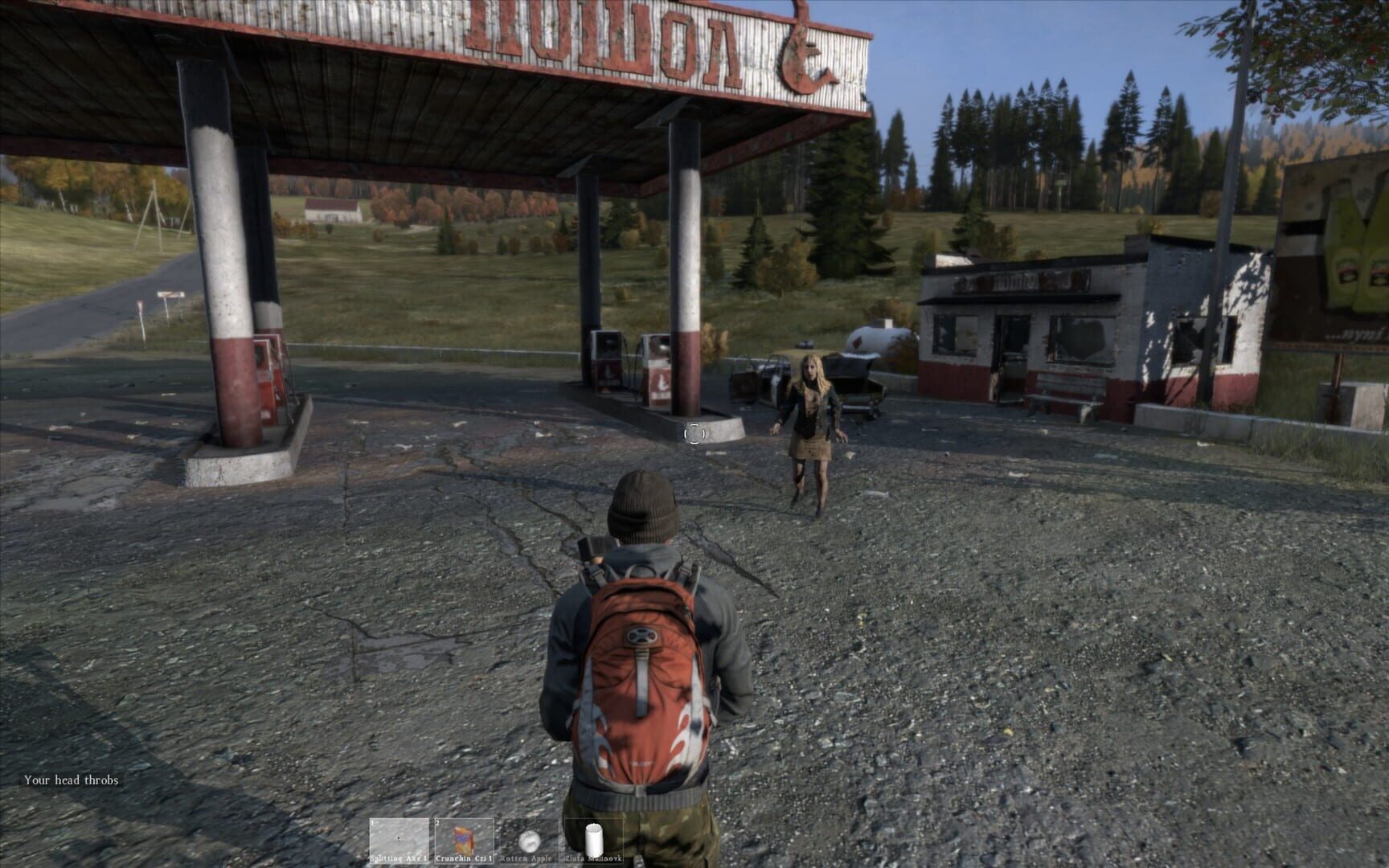
DayZ (2019) Screenshot

Top 20 Best Cyberpunk Games You Need to Play

Top 20 Best Cyberpunk Games You Need to Play

Introduction: The High-Tech, Low-Life World of Cyberpunk Gaming

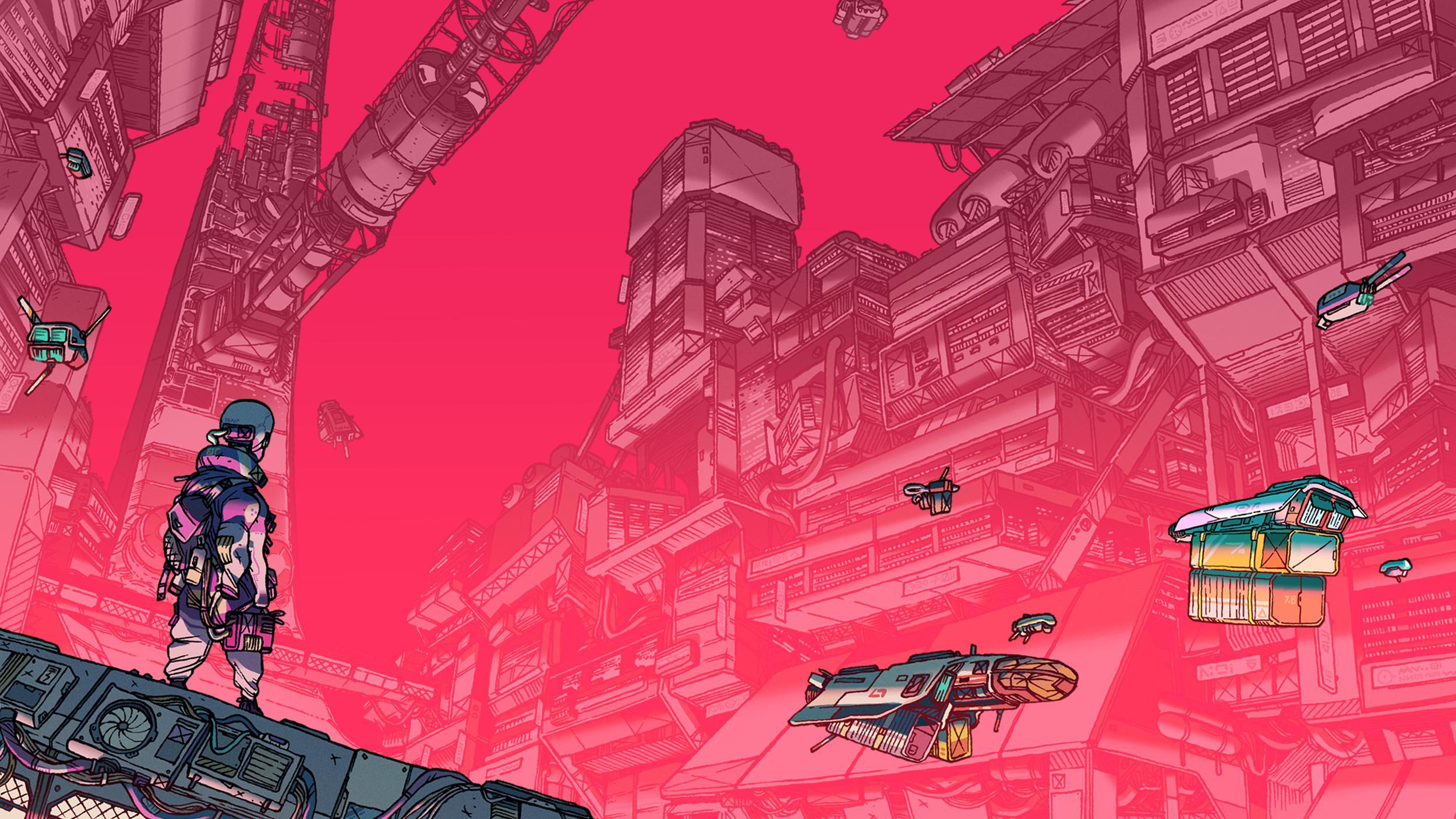
Cyberpunk has long been one of the most compelling subgenres in video games. Defined by the classic ethos of high technology combined with low quality of life, these games immerse players in rain-slicked neon cities, mega-corporate dystopias, transhumanist dilemmas, and dangerous underworlds. Whether you prefer deep immersive sims, fast-paced action games, or choice-driven role-playing adventures, the cyberpunk aesthetic offers endless possibilities for rich storytelling and immersive gameplay.

In this guide, we break down the top 20 best cyberpunk games ever made, celebrating both foundational classics and modern masterpieces that capture the essence of dystopian sci-fi.

The Top 20 Best Cyberpunk Games

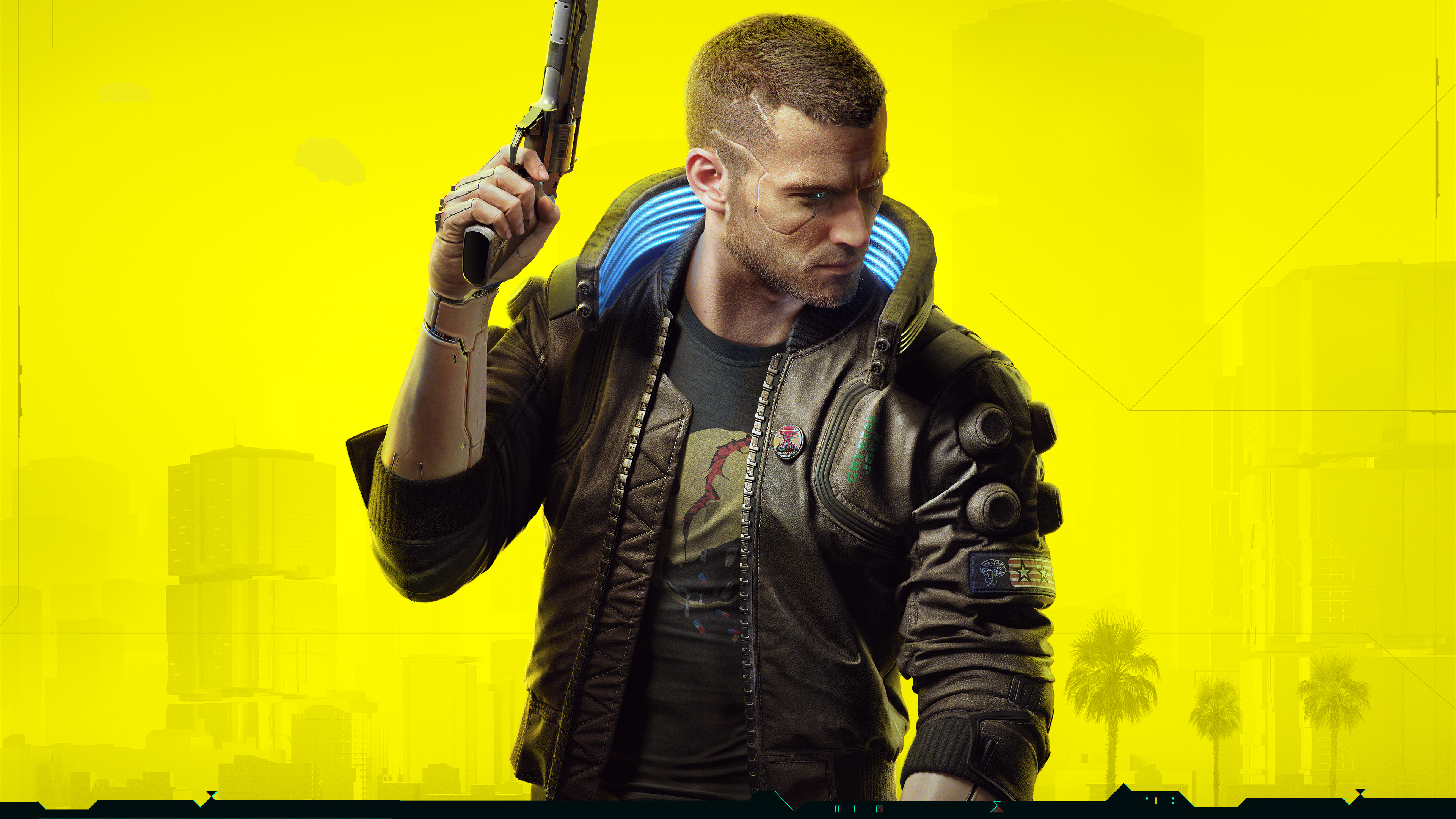
Cyberpunk 2077

1. Cyberpunk 2077

Developed by CD Projekt Red, Cyberpunk 2077 represents the peak of modern open-world cyberpunk design. Set in the dense, towering metropolis of Night City, players take on the role of V, a mercenary battling for survival alongside a digital ghost named Johnny Silverhand. Following extensive updates and the acclaimed Cyberpunk 2077: Phantom Liberty expansion, this title stands as an absolute masterpiece featuring deep character customization, engaging gunplay, and unmatched visual detail.

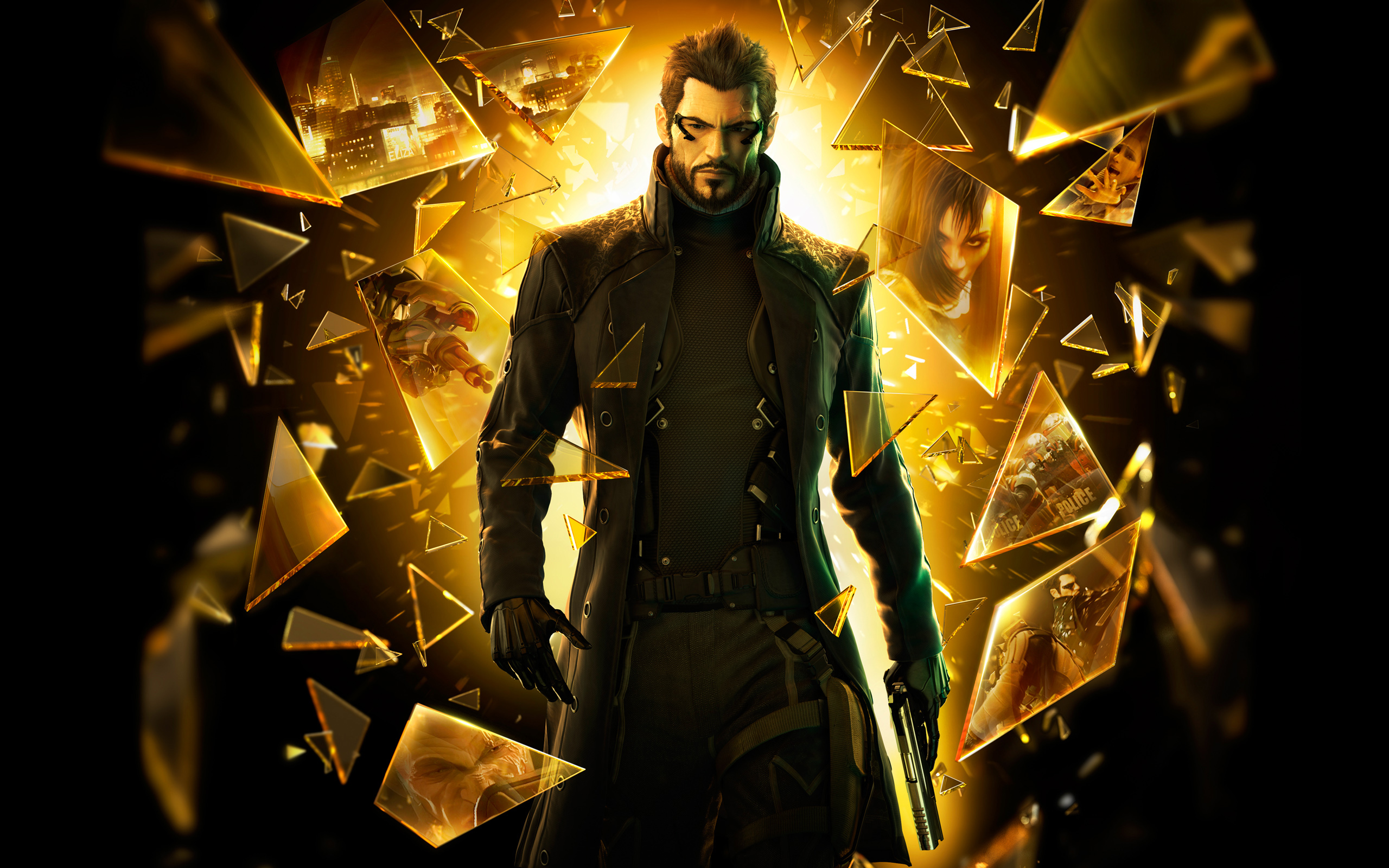
Deus Ex: Human Revolution

2. Deus Ex: Human Revolution

Serving as a prequel to the original classic, Deus Ex: Human Revolution revived the franchise with incredible flair. Players step into the cybernetic boots of Adam Jensen in a world grappling with the morality of human augmentation. Combining stealth, action, hack mechanics, and branching dialogue choices, Deus Ex: Human Revolution remains a gold standard for cyberpunk immersive sims.

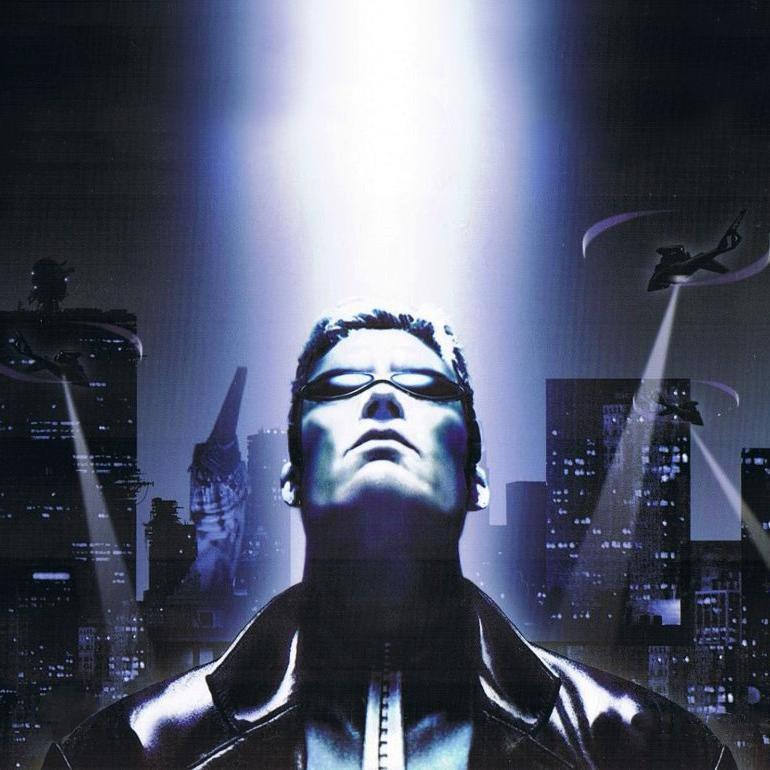
Deus Ex

3. Deus Ex

Released in 2000, the original Deus Ex is widely considered one of the greatest video games ever made. Following agent JC Denton through a global conspiracy, the game introduced unrivaled player freedom, allowing missions to be completed through combat, hacking, stealth, or persuasion. Its influence can still be felt across the entire RPG genre today.

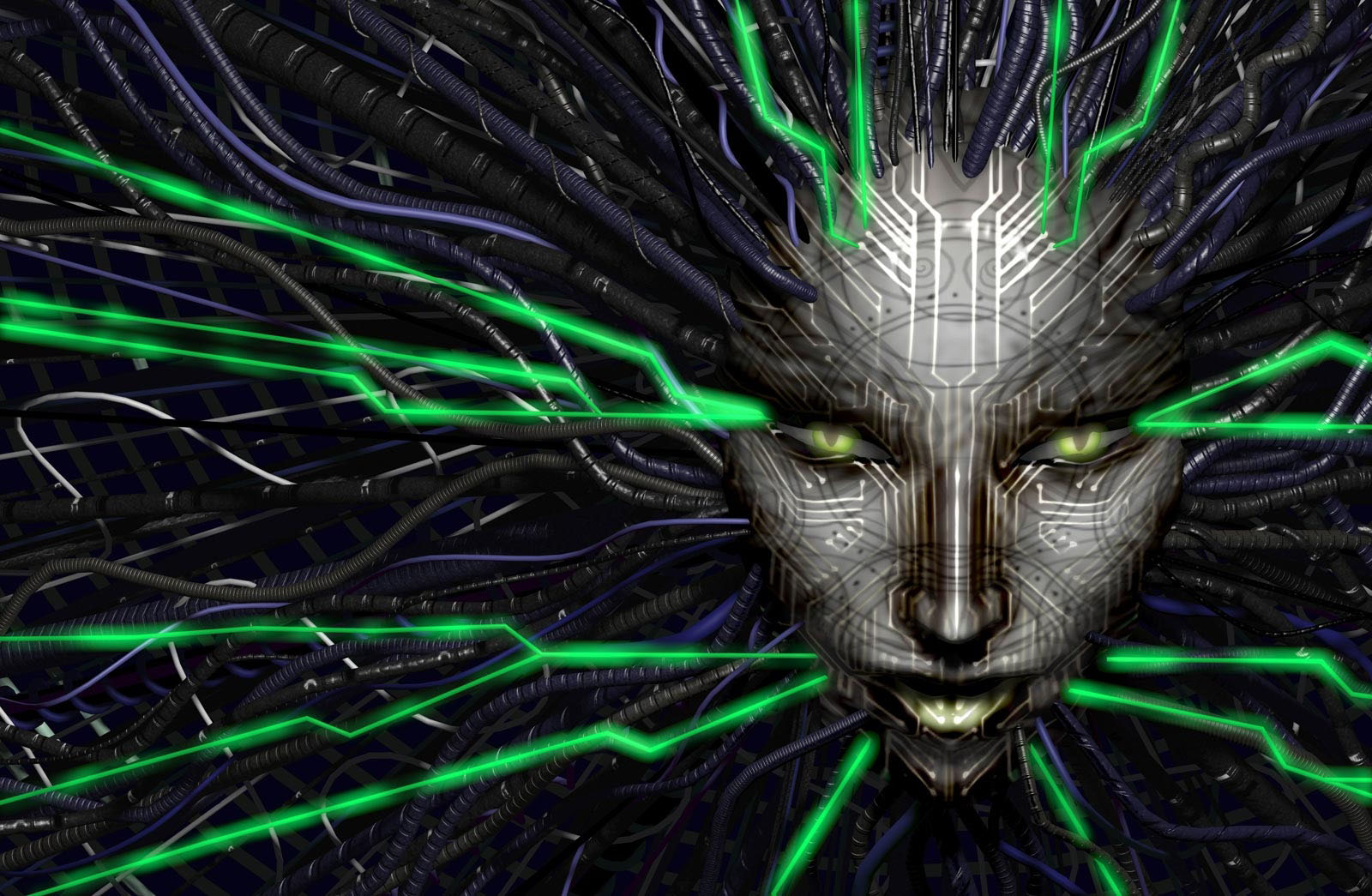
System Shock 2

4. System Shock 2

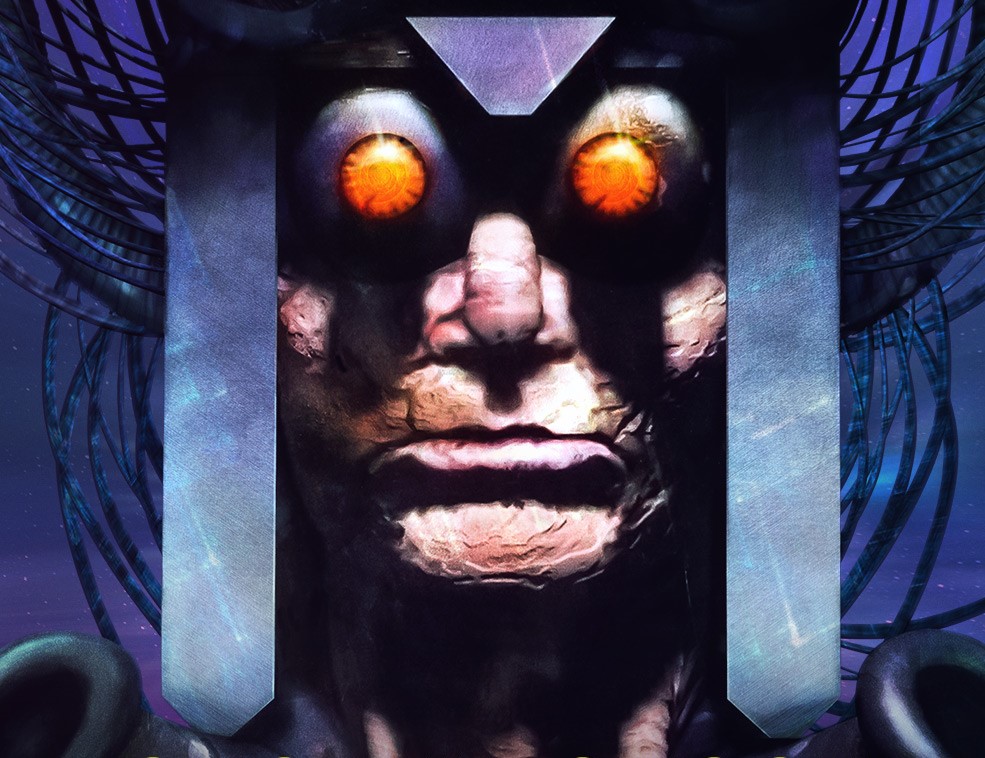
System Shock 2 seamlessly fuses sci-fi horror with immersive RPG mechanics. Trapped on the Von Braun spacecraft, players face off against horrific mutants and SHODAN, one of the most iconic rogue artificial intelligences in gaming history. Its oppressive atmosphere and deep survival mechanics make it an unforgettable experience.

Citizen Sleeper

5. Citizen Sleeper

For players seeking a narrative-focused RPG, Citizen Sleeper delivers a brilliant tabletop-inspired journey. You play as an escaped worker with a digitized consciousness surviving on the edge of a lawless space station. With dice-roll mechanics, compelling companion arcs, and an outstanding synth soundtrack, Citizen Sleeper offers a unique slice-of-life perspective on dystopian living.

Ghostrunner

6. Ghostrunner

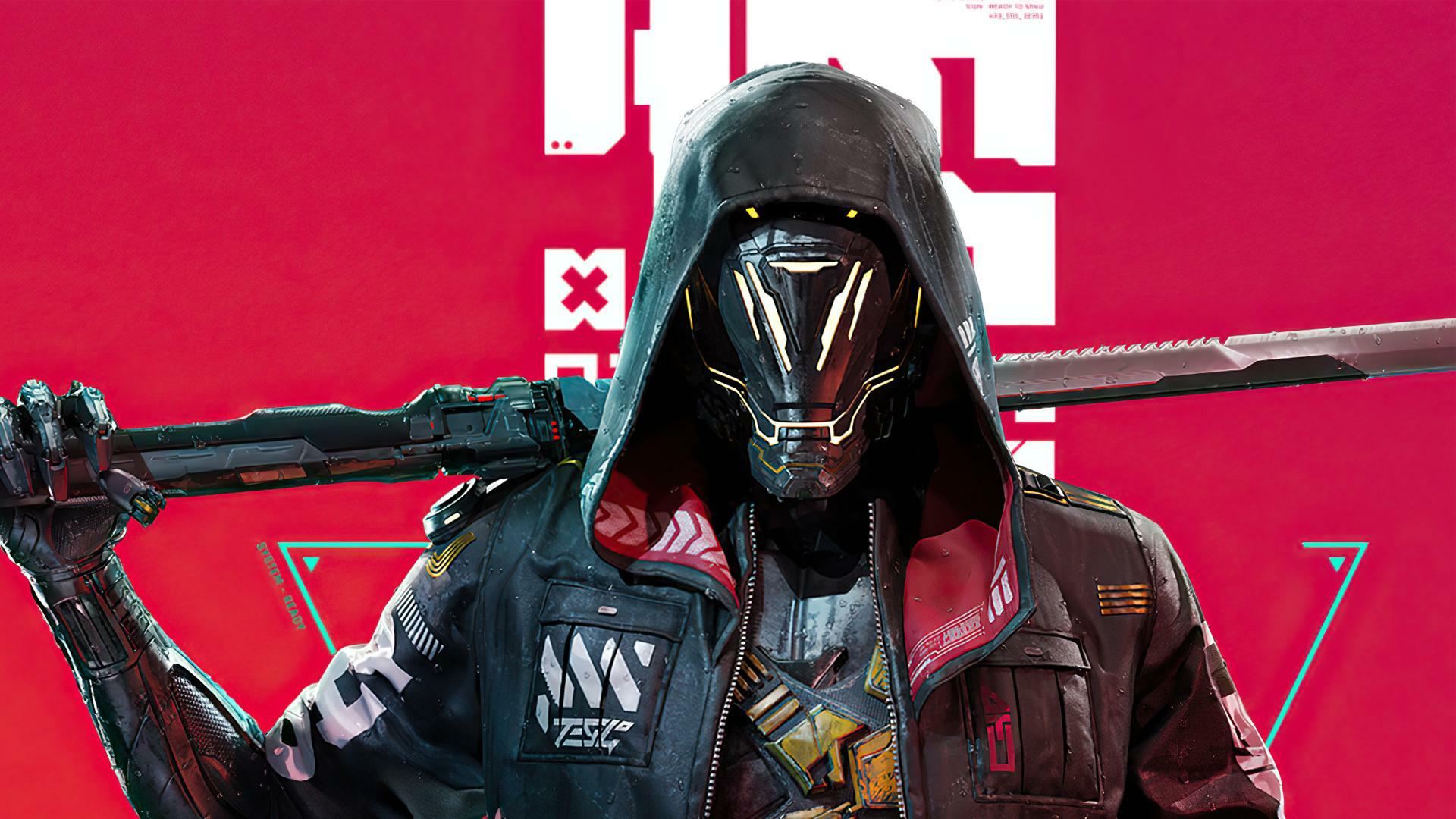
If speed and razor-sharp action are what you seek, Ghostrunner delivers in spades. Set inside Dharma Tower, a post-apocalyptic megastructure, this first-person action game tasks you with slicing through enemies using high-speed parkour, wall-running, and one-hit-kill katana combat. Its sequel, Ghostrunner 2, further expanded this electrifying formula.

Stray

7. Stray

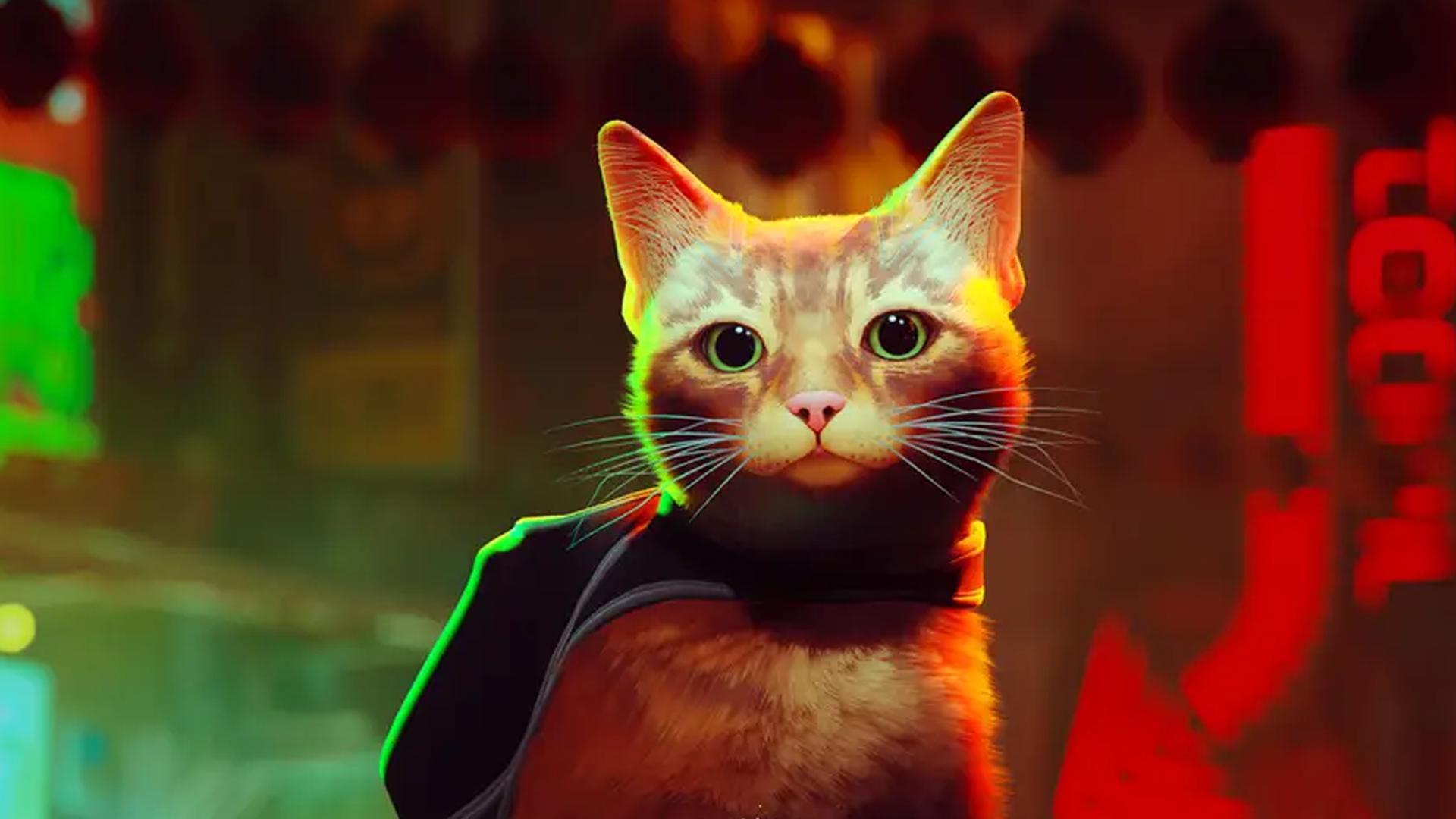
Offering a distinct perspective on the genre, Stray puts players in control of a stray cat navigating a long-forgotten cybercity populated entirely by robots. Combining environmental platforming, puzzle-solving, and breathtaking atmospheric design, Stray provides a charming yet poignant reflection on humanity.

8. Shadowrun: Dragonfall

Blending classic cyberpunk with high fantasy elements, Shadowrun: Dragonfall is a turn-based tactical RPG set in an alternative-future Berlin. Featuring cyberware-enhanced elves, deckers, and street samurai, Shadowrun: Dragonfall stands out for its exceptional party dialogue, intricate tactical combat, and mature narrative choices.

Observer: System Redux

9. Observer: System Redux

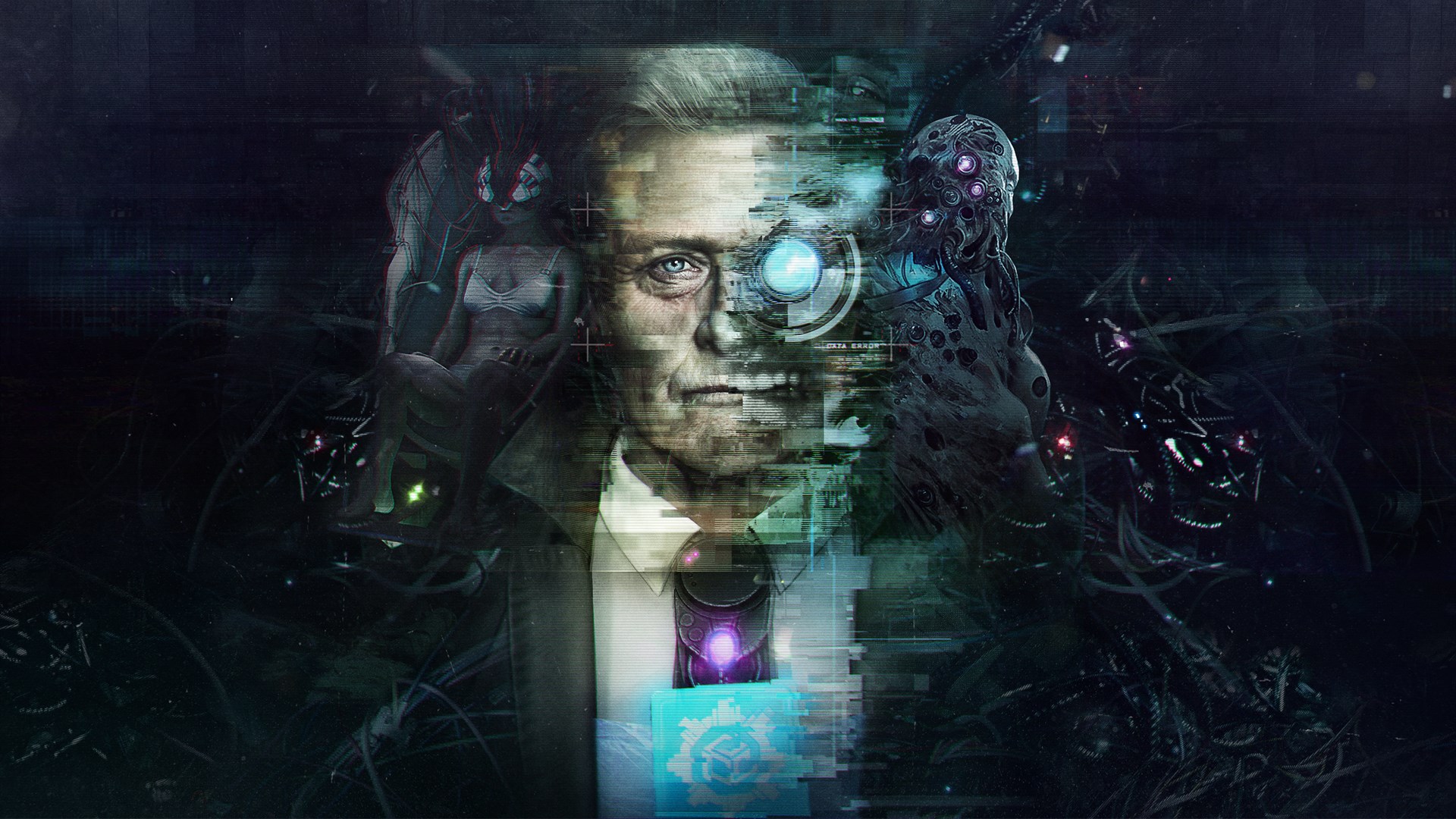
Starring the late Rutger Hauer, Observer: System Redux is a psychological detective horror game set in dystopian Krakow. As a neural detective known as an Observer, you hack into the minds of suspects and victims to solve crimes. The game excels at creating an unsettling, claustrophobic atmosphere full of retro-futuristic technology.

The Ascent

10. The Ascent

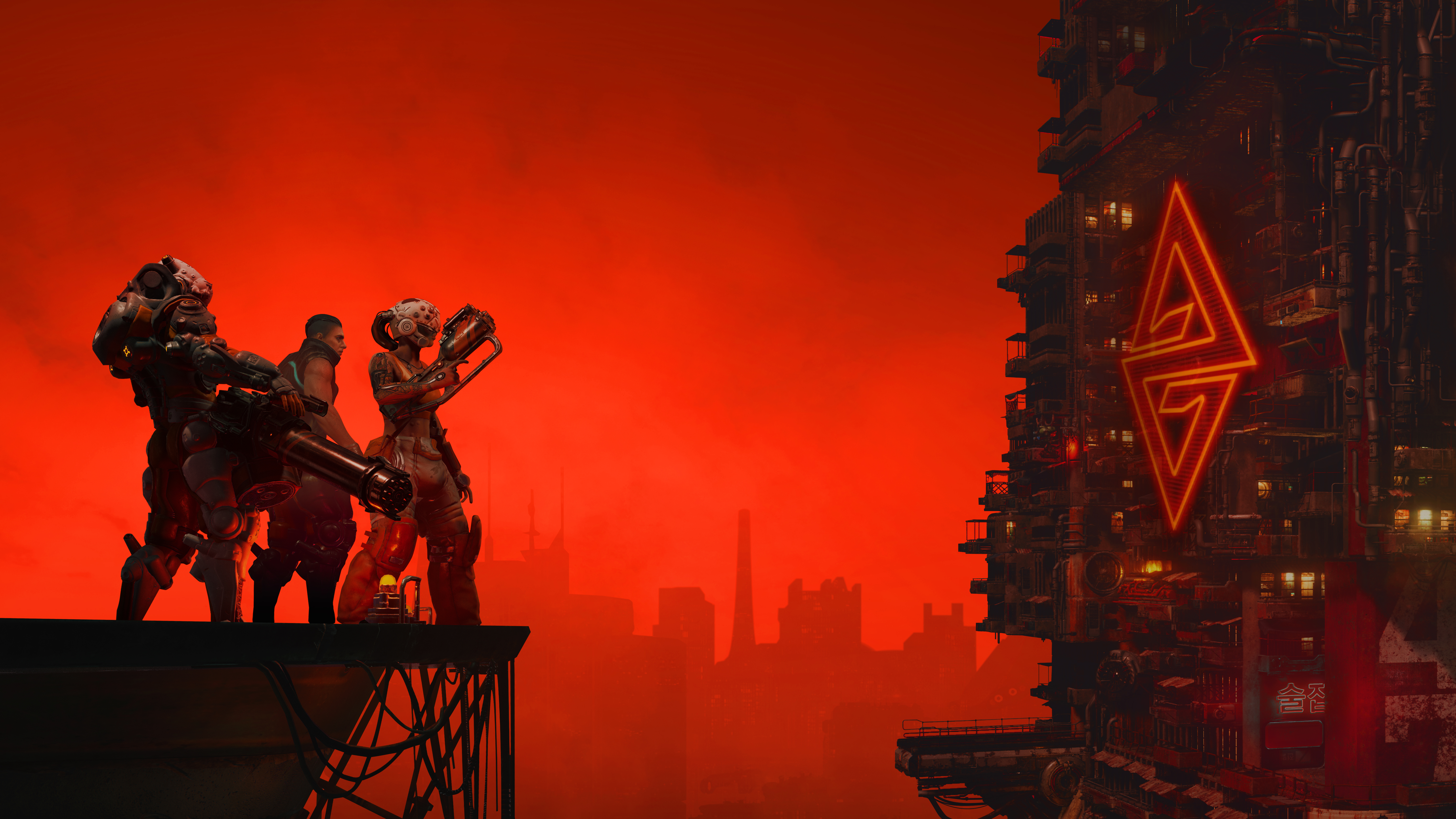
The Ascent is an isometric twin-stick shooter RPG set in a jaw-droppingly detailed cyberpunk arcology. Following the sudden collapse of the mega-corporation that owns everyone, chaos erupts. Featuring vibrant lighting, explosive gunplay, and cooperative multiplayer, The Ascent is visual eye-candy for fans of action RPGs.

Katana Zero

11. Katana Zero

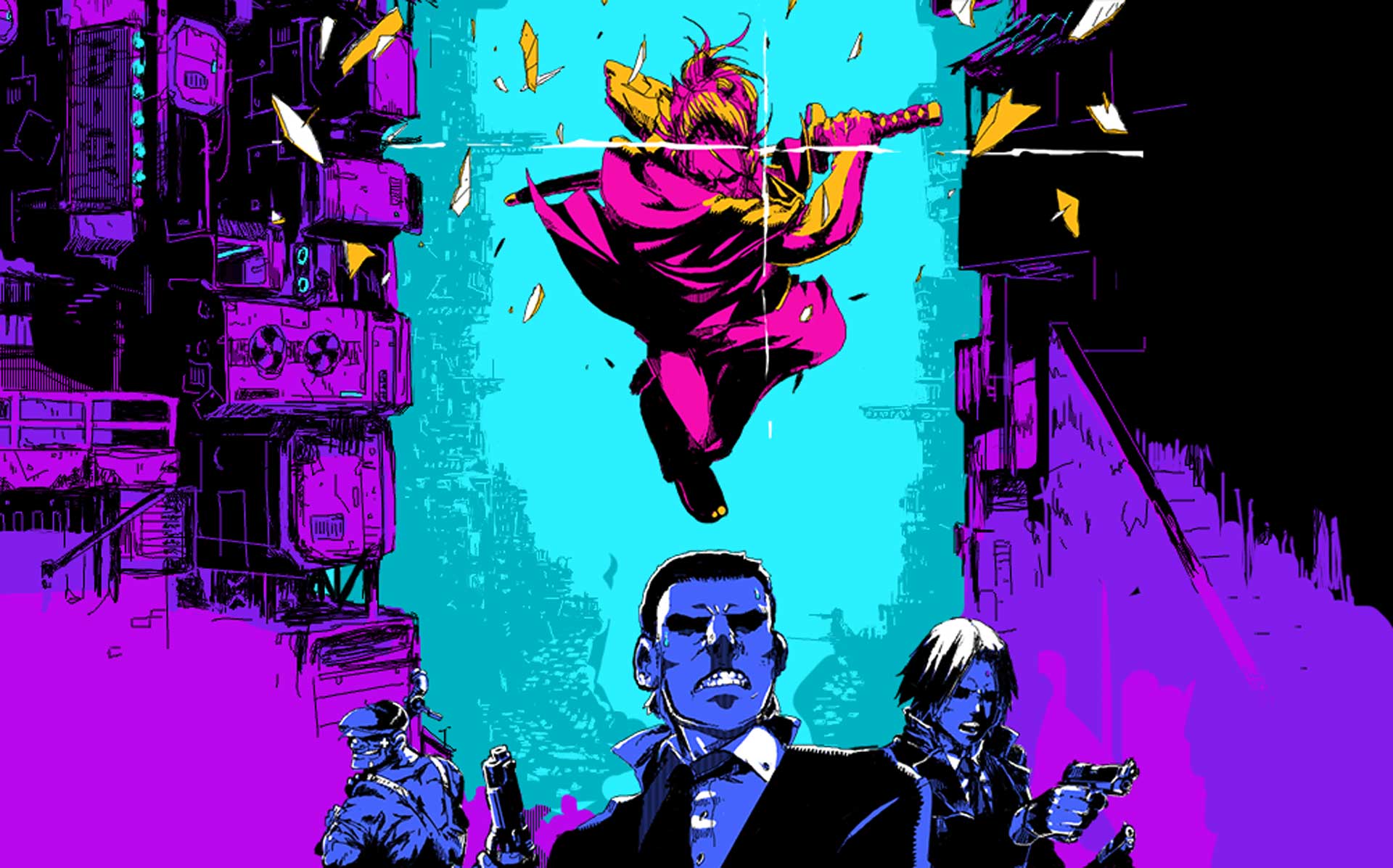
A stylish 2D side-scrolling action platformer, Katana Zero features instant-death combat and time-manipulation abilities. Players control a katana-wielding assassin relying on a military drug called Chronos to slow down time and predict the future. With neo-noir visuals and a twisting story, it is a fast-paced thriller from start to finish.

Cloudpunk

12. Cloudpunk

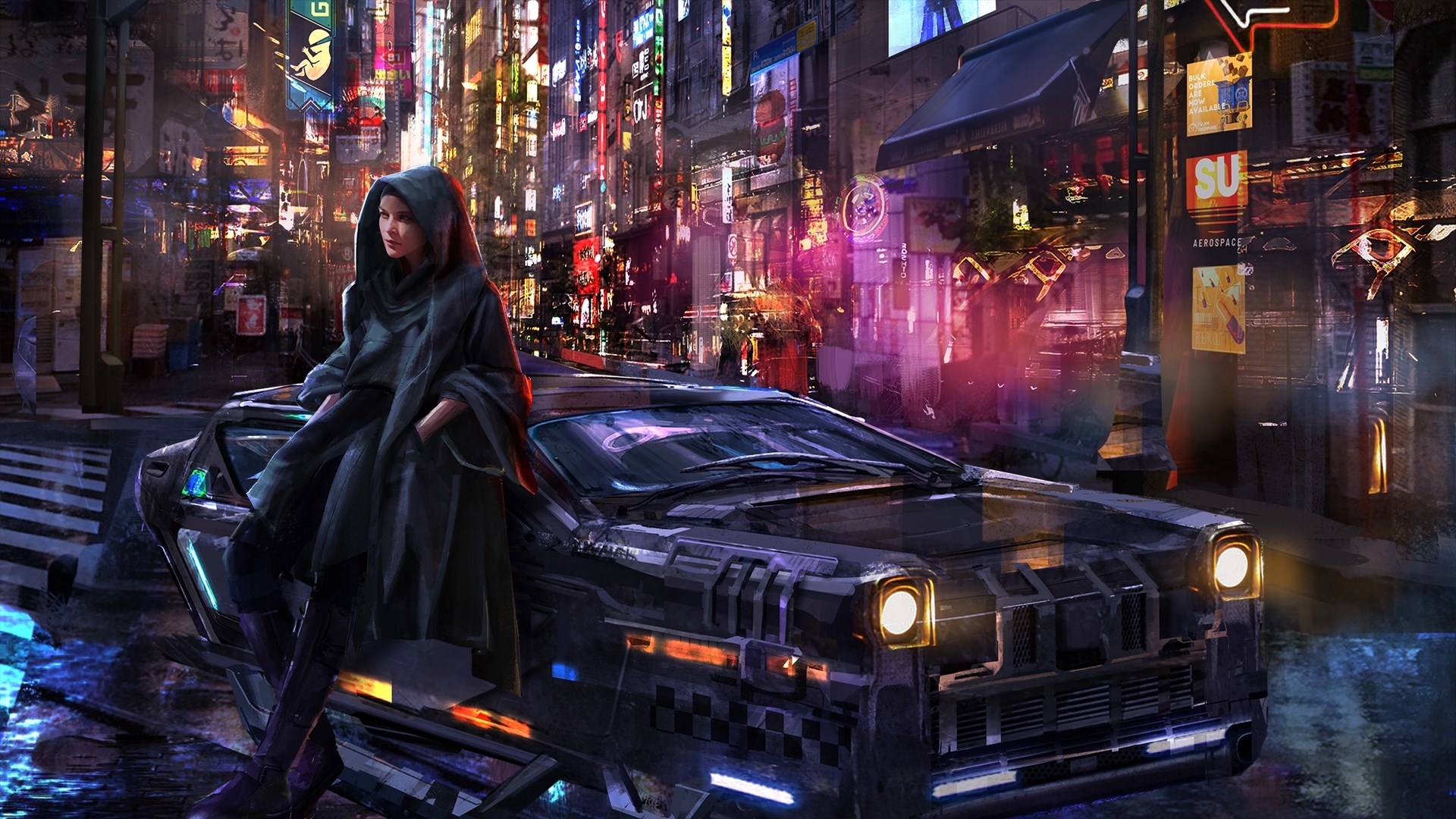
In Cloudpunk, you take the wheel of a HOVA delivery vehicle as Rania, working her first night shift in the sprawling vertical city of Nivalis. Focused heavily on atmosphere, exploration, and character interactions, Cloudpunk allows you to experience the city from both the sky and the street level.

Ruiner

13. Ruiner

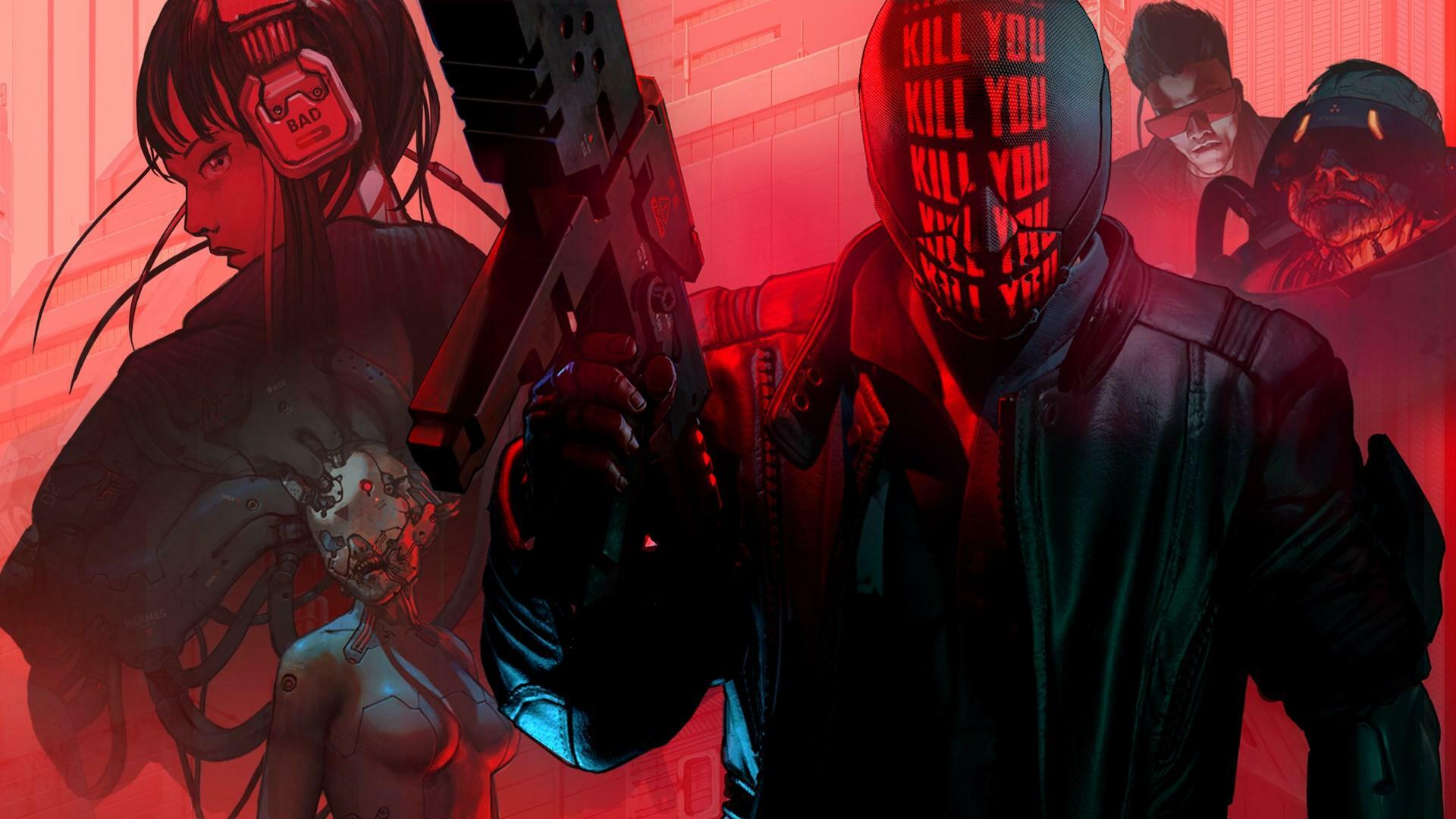
Ruiner is a brutal, top-down twin-stick action shooter set in the year 2091 in the metropolis of Rengkok. Driven by intense electronic music and violent combat, you play as a wired psychopath fighting against a corrupt system to rescue your kidnapped brother.

Transistor

14. Transistor

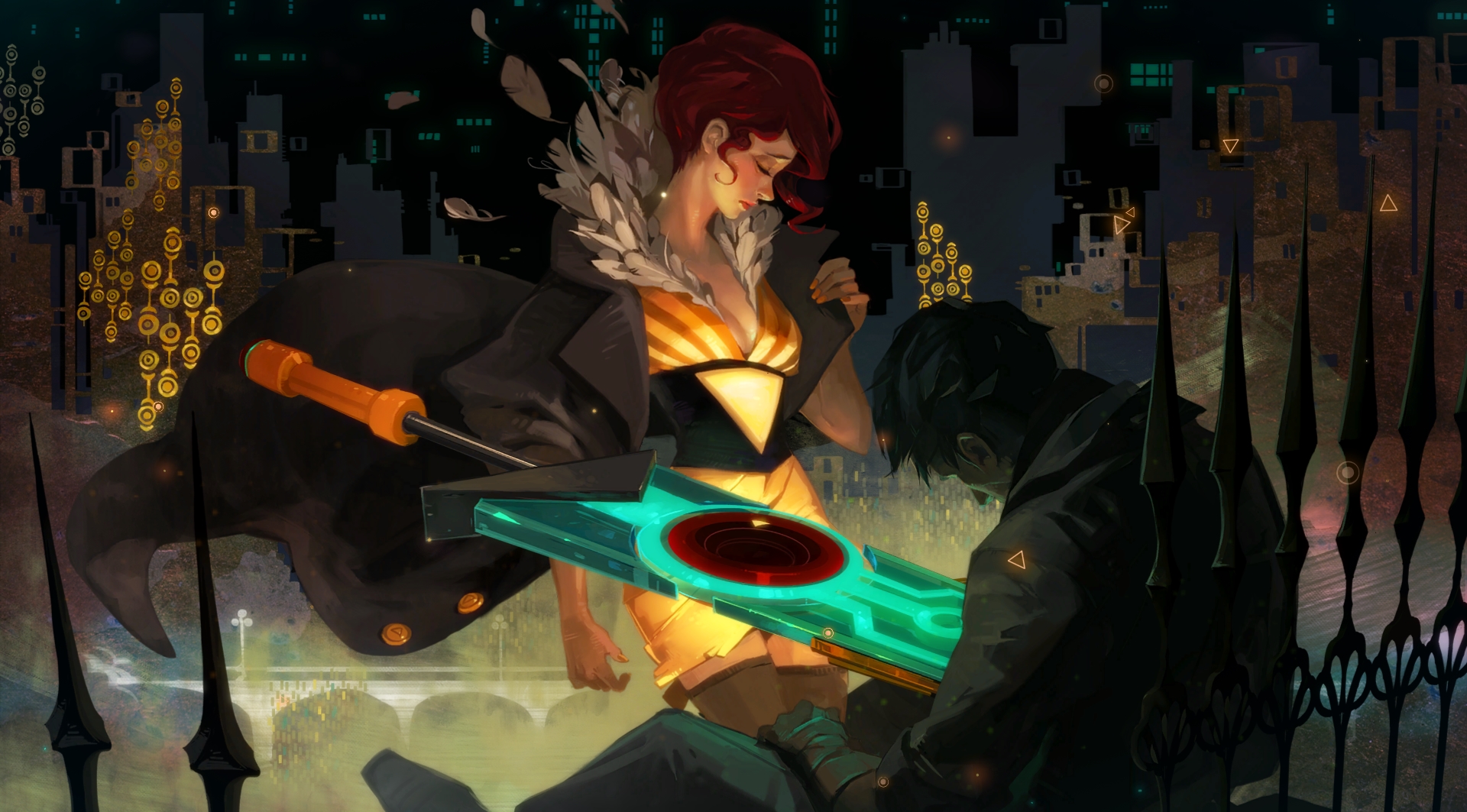
Created by Supergiant Games, Transistor is a sci-fi tactical RPG set in the breathtaking digital city of Cloudbank. Armed with a mysterious sentient weapon, players pause time to queue up strategic attacks. Combined with a phenomenal soundtrack, Transistor remains a beautiful artistic achievement.

Snatcher

15. Snatcher

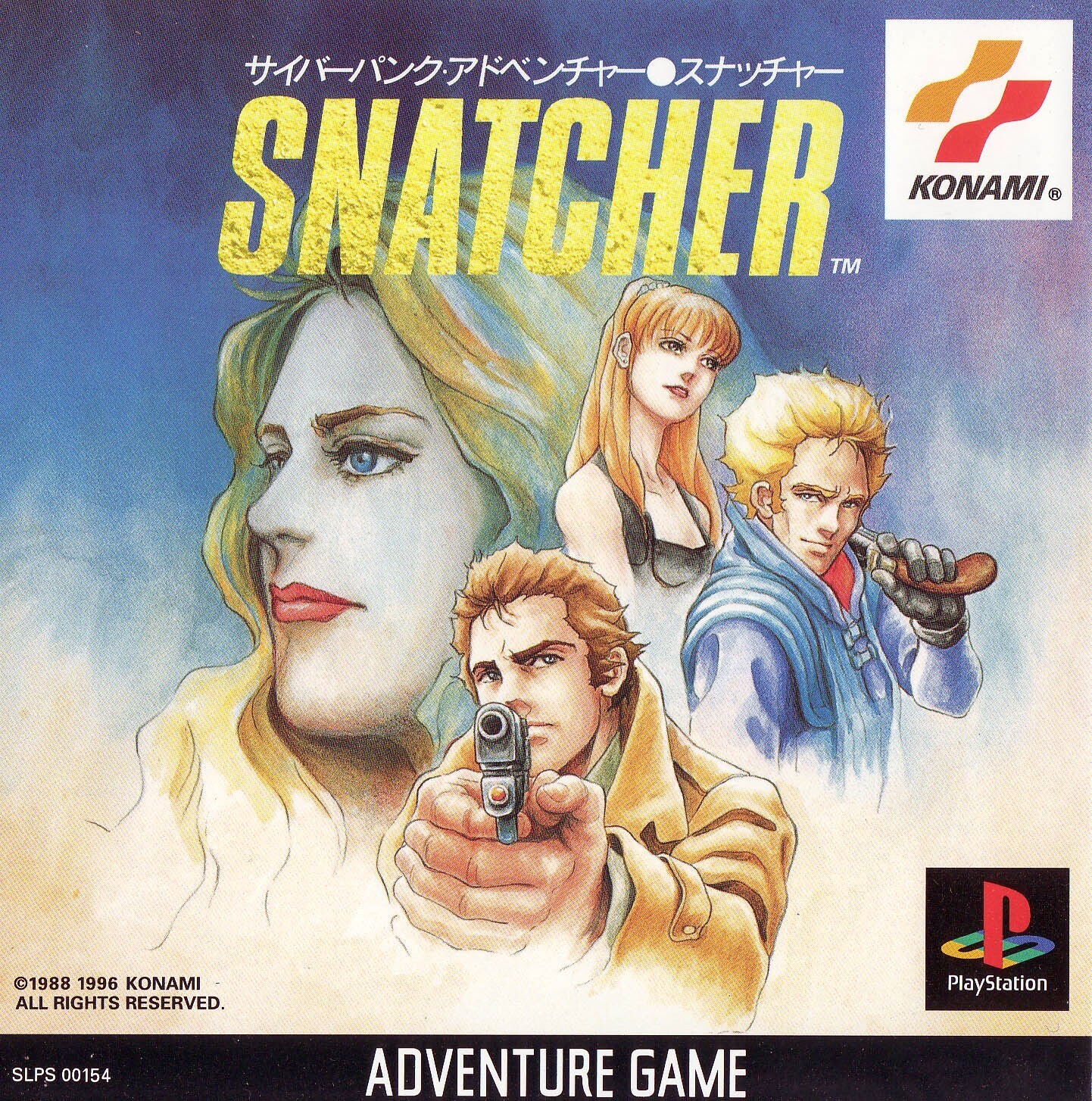
Directed by Hideo Kojima, Snatcher is a classic graphic adventure game heavily influenced by film noir and iconic sci-fi cinema. As detective Gillian Seed, you hunt down artificial lifeforms hiding within human society. Its gripping storyline and detailed pixel art make it a cult legend.

System Shock

16. System Shock

The 2023 remake of System Shock by Nightdive Studios faithfully updates the 1994 classic for modern audiences. Retaining its challenging level design, atmospheric tension, and intense hacking segments, this game showcases where the immersive sim genre originated.

Remember Me

17. Remember Me

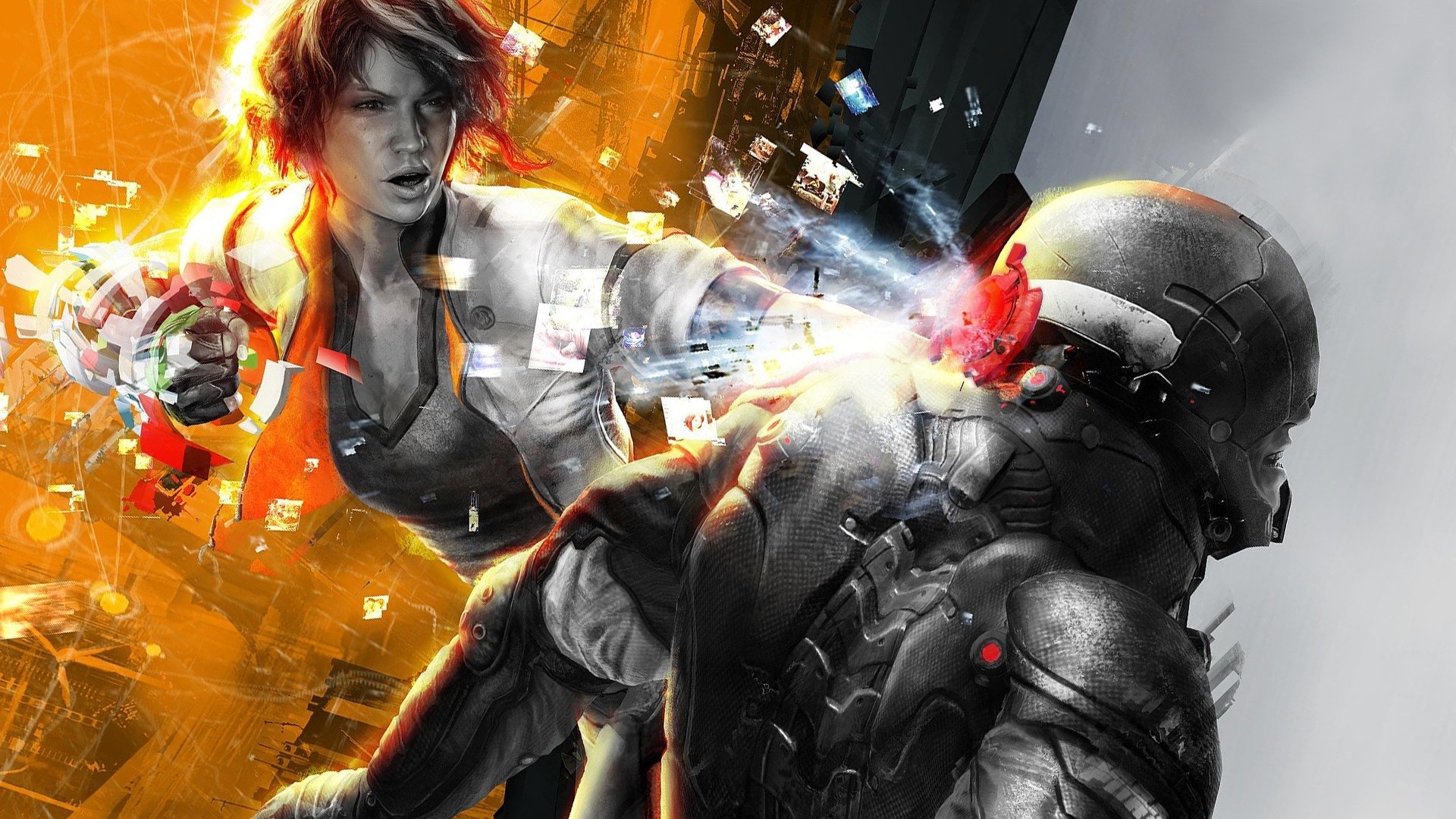
Set in Neo-Paris 2084, Remember Me explores a world where human memories are digitized and traded as commodities. Players control Nilin, an elite memory hunter who can remix the memories of targets to alter their behavior, presenting a unique twist on third-person action-adventure combat.

Astral Chain

18. Astral Chain

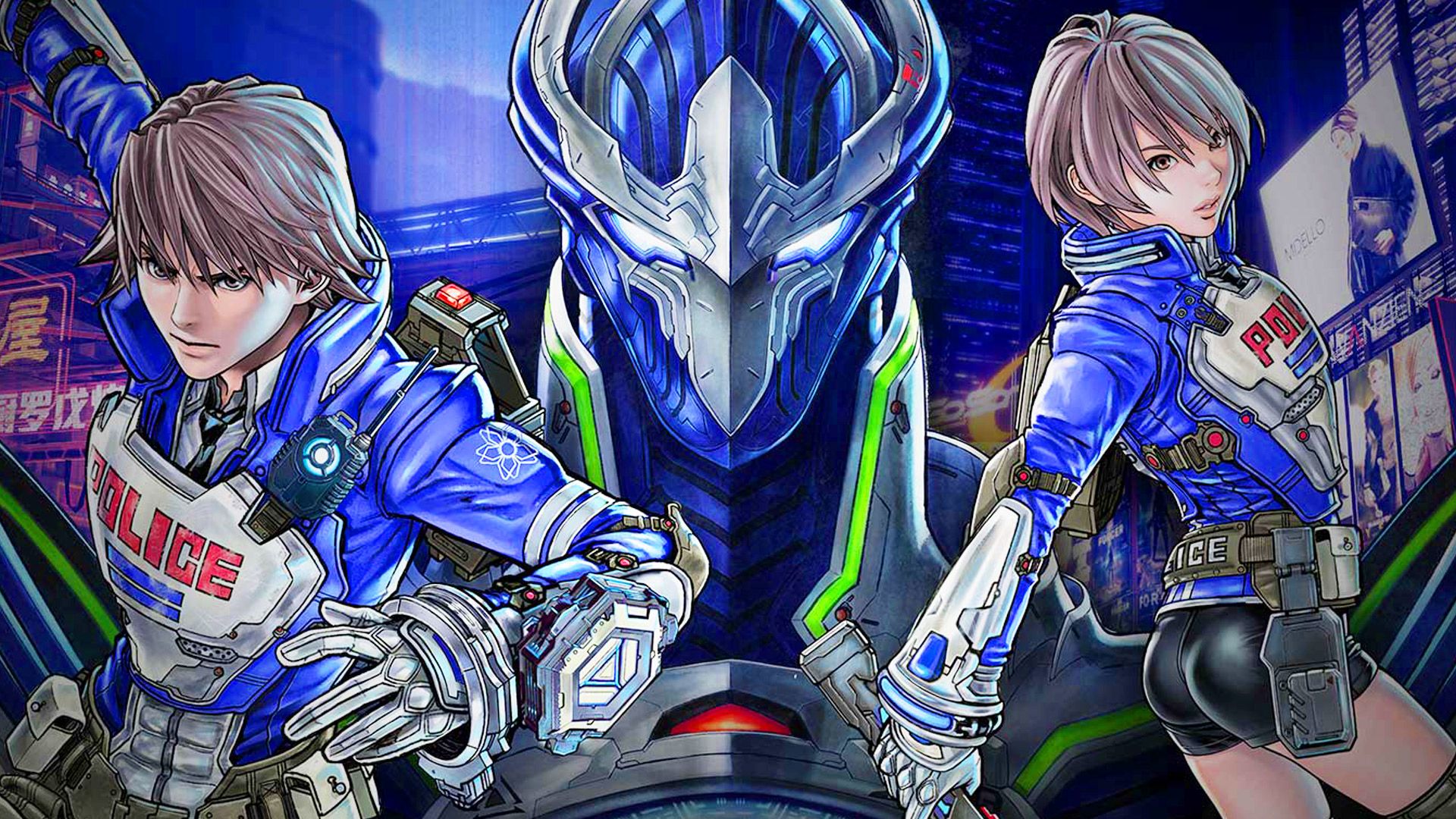
Developed by PlatinumGames, Astral Chain combines high-octane stylish action with investigative detective work. Set in the futuristic megacity The Ark, you play as a special police officer controlling a tethered living weapon called a Legion to defend humanity from interdimensional threats.

Syndicate

19. Syndicate

The original 1993 Syndicate developed by Bullfrog Productions put players in command of corporate cyborg agents competing for global domination. Its dark tactical strategy mechanics laid much of the groundwork for futuristic corporate dystopia themes in gaming.

Neon White

20. Neon White

Neon White blends fast-paced first-person speedrunning platforming with deck-building mechanics. Players play as a demon slayer pulled from Hell to compete for a permanent spot in Heaven, delivering razor-sharp mechanics and high-speed gameplay across aesthetic cyber-fantasy levels.

What Makes a Great Cyberpunk Game?

The best games in this genre share key elements that set them apart from standard sci-fi releases:

  • Atmospheric World-Building: Towering skyscrapers, holographic advertisements, rain-soaked alleyways, and dense urban architecture.
  • Deep Social Themes: Narratives exploring corporate greed, body modification, digital consciousness, and social inequality.
  • Player Freedom: Many top games, such as Deus Ex and Cyberpunk 2077, emphasize multiple paths, hacking, and tactical choice.
  • Memorable Soundtracks: Electronic synth-wave, dark techno, and industrial beats that elevate the futuristic vibe.

Frequently Asked Questions

What is the best entry point for cyberpunk games?

For modern open-world RPG action, Cyberpunk 2077 is the ultimate entry point. For tactical choice and stealth, start with Deus Ex: Human Revolution. If you prefer short narrative experiences, Citizen Sleeper or Stray are fantastic choices.

Are all cyberpunk games RPGs?

No. While modern titles like Cyberpunk 2077 and Deus Ex rely heavily on RPG mechanics, the genre spans high-speed action games like Ghostrunner, strategy titles like Shadowrun: Dragonfall, twin-stick shooters like The Ascent, and narrative adventures like Cloudpunk.

Final Thoughts

The cyberpunk genre continues to produce some of the most innovative and memorable titles in video game history. Whether you want to explore the massive streets of Night City in Cyberpunk 2077, unravel conspiracies in Deus Ex, or leap across neon rooftops in Ghostrunner, these top 20 games offer incredible worlds that every gamer should experience.

FlatOut 2 Review: High-Octane Destruction Racing at Its Best

FlatOut 2 Review: High-Octane Destruction Racing at Its Best
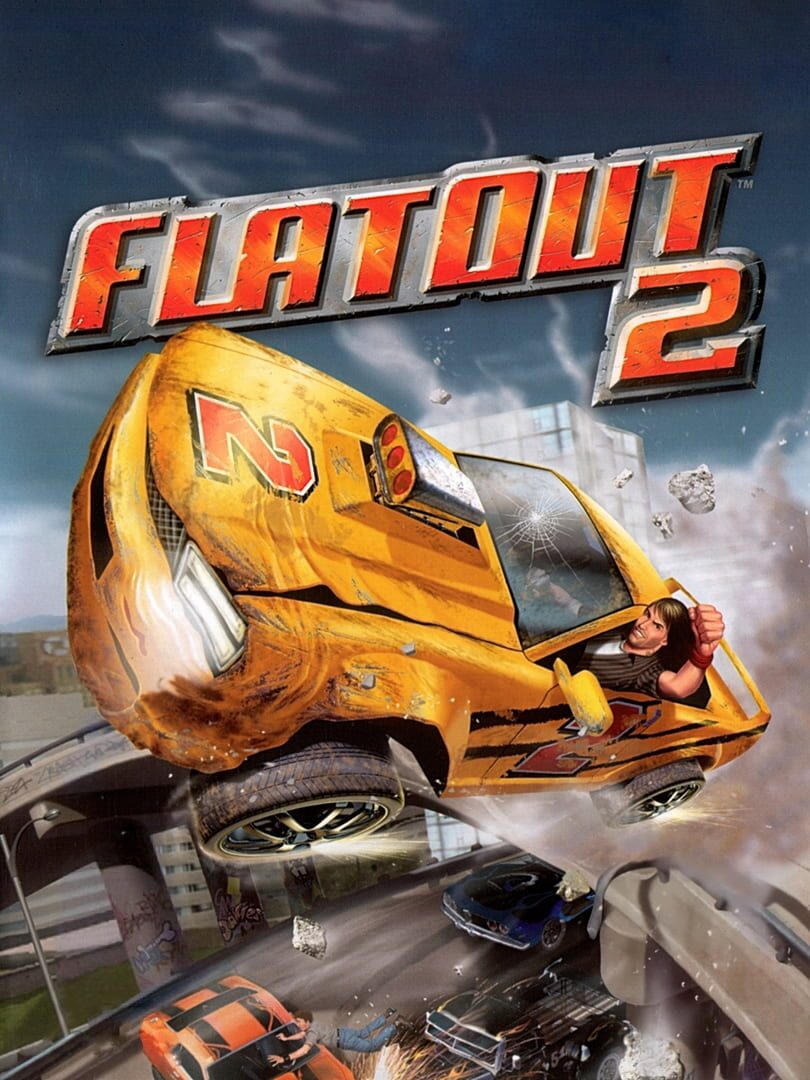
FlatOut 2 (2006) Cover

FlatOut 2 (2006) Review: High-Octane Destruction Racing at Its Best

Released in 2006, FlatOut 2 stands as one of the most exhilarating arcade racing games of its era. Combining high-speed racing with chaotic, full-contact destruction physics, the title captured the hearts of adrenaline junkies and established a gold standard for dynamic environmental damage in modern racing games.

Developer and Context

FlatOut 2 was developed by the acclaimed Finnish studio Bugbear Entertainment and published by Empire Interactive and Vivendi Visual Entertainment. Following the success of the original 2004 release, Bugbear vastly overhauled their proprietary physics engine to deliver finer control, richer car deformation, and enhanced performance. Bugbear would later utilize this deep expertise in vehicular mayhem to create Wreckfest, proving that their roots in destruction derby run deep.

Story, Narrative, and Progression

While FlatOut 2 does not offer a cinematic narrative, it crafts an engaging single-player Career Mode built around personal rivalries. Players race against seven distinct AI driver personalities—such as the reckless Frank Malcov, the fastidious Sofia Martinez, and the formidable Jack Benton. Each AI driver exhibits unique driving styles and aggression levels, making every encounter unpredictable.

The career mode takes players through three distinct tiers of competition:

  • Derby Class: Heavy, rusted beaters made for raw collisions and demolition.
  • Race Class: Upgraded muscle vehicles built for aggressive overtakes and speed.
  • Street Class: High-end, ultra-fast tuner cars designed for high-stakes city tracks.

Graphics, Sound, and Ragdoll Physics

Visually, FlatOut 2 was a major step forward upon its 2006 release. Circuits are filled with thousands of breakable elements, including wooden fences, gas pumps, water towers, and tire walls. The real-time vehicle deformation model enables cars to shed bumpers, doors, and hoods realistically.

The game also features the legendary driver ragdoll mechanic. High-speed collisions eject drivers through windshields into chaotic mini-games like bowling, darts, and high jump. Complementing the visual action is a licensed mid-2000s rock and alternative soundtrack featuring tracks from bands like Rob Zombie, Papa Roach, Megadeth, and Yellowcard.

Playable Platforms

FlatOut 2 reached a broad audience across major platforms during its release and remains easily accessible today:

  • Consoles: PlayStation 2, Xbox
  • PC Operating Systems: Microsoft Windows, macOS, Linux
  • Digital Distribution: Available for modern PC setups via Steam and GOG.com

Final Recommendation

FlatOut 2 is a masterpiece of the mid-2000s arcade racing genre. Its intuitive handling, brilliant crash physics, engaging career progression, and memorable ragdoll stunt events ensure that it remains immensely fun to play even years after its initial launch.

Final Verdict: 9/10 — An absolute must-play for fans of arcade racers, destruction derbies, and classic gaming action.


FlatOut 2 (2006) Screenshot

SD Gundam G Generation ETERNAL Review (2025): The Ultimate Mobile Mecha Strategy Game?

SD Gundam G Generation ETERNAL Review (2025): The Ultimate Mobile Mecha Strategy Game?
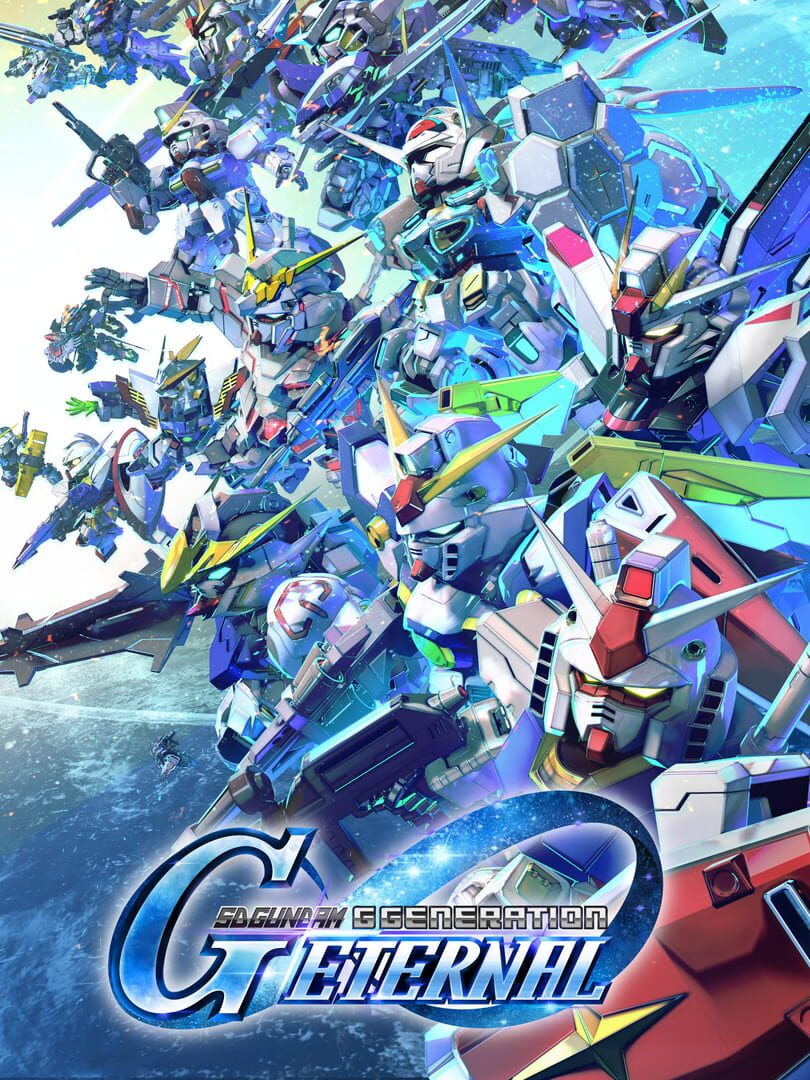
SD Gundam G Generation ETERNAL (2025) Cover

The iconic G Generation franchise returns to mobile devices with SD Gundam G Generation ETERNAL. Designed as a free-to-play tactical simulation RPG, this long-awaited entry aims to bring the authentic, grid-based strategy experience of the console games straight to smartphones. In this comprehensive review, we break down the game's narrative depth, visual design, platforms, developer background, and overall value for mecha fans in 2025.

Context and Overview

Since its inception on the PlayStation in 1998, the SD Gundam G Generation series has stood as a cornerstone for turn-based strategy gamers and Gundam enthusiasts alike. Unlike crossover titles that merge universes into a single original storyline, the main draw of G Generation has always been experiencing the official stories of various Gundam TV shows, OVAs, and movies while building a custom fleet of units collected across timelines. SD Gundam G Generation ETERNAL acts as a modern bridge, making the vast catalog of Gundam history accessible on mobile platforms without sacrificing core tactical mechanics like unit development, skill trees, and grid placement.

Story and Narrative Integration

Rather than forcing a single original storyline, SD Gundam G Generation ETERNAL features a stage-by-stage re-enactment of iconic stories spanning the entire Gundam multiverse. Players can dive into legendary narratives, including:

  • Universal Century (UC): From the Original Mobile Suit Gundam (0079), Zeta Gundam, and Char's Counterattack to Gundam UC and beyond.
  • Alternate Universes (AU): Fan favorites like Mobile Suit Gundam Wing, Gundam SEED, Gundam 00, Iron-Blooded Orphans, and recent titles like The Witch from Mercury.

Each story episode is presented with authentic dialogue, memorable cutscenes, and famous battle scenarios. For seasoned fans, it offers a nostalgic journey through decades of anime lore; for newcomers, it serves as an interactive encyclopedia of the entire franchise.

Graphics, Visuals, and Audio Presentation

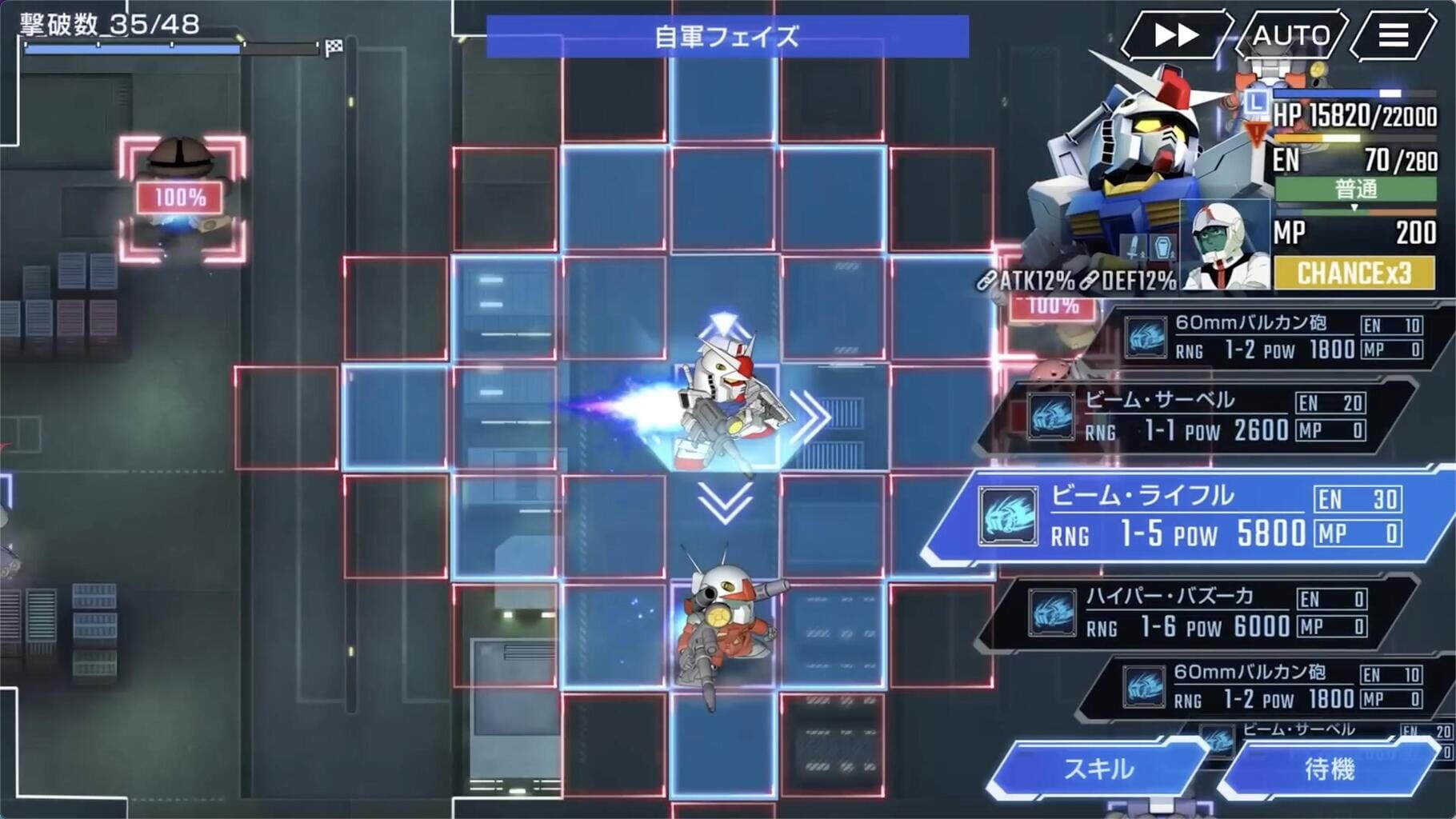
One of the strongest highlights of SD Gundam G Generation ETERNAL is its presentation. While the map view retains the traditional grid-based 2D/3D tactical aesthetic, engaging an enemy triggers high-powered battle animations featuring crisp 3D Mobile Suit models rendered in the classic Super Deformed (SD) art style.

  • Dynamic Cutscenes: Dynamic camera angles and fluid weapon animations mirror combat sequences seen in console entries like G Generation Cross Rays and Genesis.
  • Audio & Voice Acting: The game incorporates iconic music tracks from the various anime series alongside original Japanese voice-over work from the original voice actors, greatly enhancing atmospheric immersion during major plot points.

Developer and Publisher

SD Gundam G Generation ETERNAL is developed and published by Bandai Namco Entertainment Inc., the primary intellectual property holder for Mobile Suit Gundam games. Bandai Namco has structured the game to balance accessible touchscreen controls with deep fleet-building strategy, periodically updating the content roadmap to introduce new Mobile Suits, characters, and story chapters post-launch.

Supported Platforms

As a mobile-first strategy experience, SD Gundam G Generation ETERNAL is officially playable on:

  • iOS: Available via the Apple App Store for iPhones and iPads running iOS 14.0 or later.
  • Android: Available via the Google Play Store for Android smartphones and tablets running Android 9.0 or higher.
  • PC (via Emulators): While no native PC version exists, the game can be played on PC using official Android emulators (e.g., LDPlayer, BlueStacks) with custom keymappings.

Final Recommendation and Verdict

SD Gundam G Generation ETERNAL succeeds in bringing authentic, console-style grid strategy to modern mobile devices. The vast roster of collectable units, deep unit evolution trees, and faithful adaptations of Gundam history make it a must-play for mecha tactical RPG enthusiasts.

Verdict: 8.5 / 10 — An impressive, visual-heavy tactical RPG that respects its source material while offering hours of strategic gameplay for both veteran commanders and new mobile gamers.


SD Gundam G Generation ETERNAL (2025) Screenshot

Complete Rogue Ops Guide: Essential Stealth Tips, Gadgets, and Walkthrough Strategies

Complete Rogue Ops Guide: Essential Stealth Tips, Gadgets, and Walkthrough Strategies
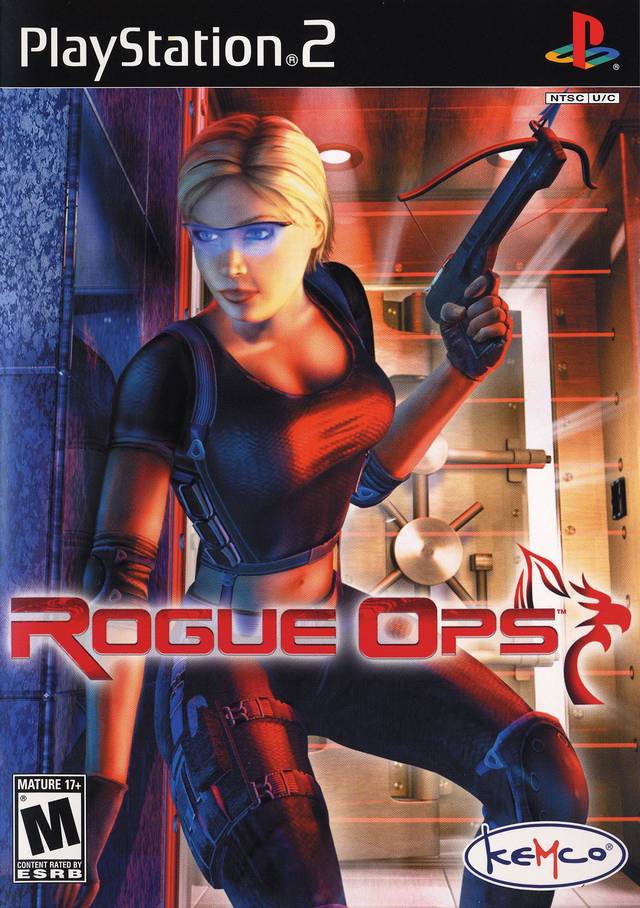
Rogue Ops

Introduction to Rogue Ops

Released in 2003 for PlayStation 2, Xbox, and Nintendo GameCube, Rogue Ops is a classic stealth-action title developed by Bits Studios and published by Kemco. Players take control of Nikki Connors, an ex-CIA operative driven by personal vengeance to dismantle the deadly terrorist syndicate known as Omega Virus. Blending tactical infiltration mechanics inspired by franchises such as Splinter Cell and Metal Gear Solid, Rogue Ops emphasizes low-profile movement, high-tech espionage tools, and silent eliminations.

Whether you are discovering this classic action title for the first time or returning for a nostalgic playthrough, this complete guide covers the core mechanics, gadget functions, combat strategies, and level navigation tactics needed to succeed on every mission.

Core Stealth Mechanics and Movement

Remaining undetected is the most vital aspect of playing Rogue Ops. Direct head-to-head firefights can quickly overwhelm Nikki due to enemy reinforcement calls and strict security measures.

  • Shadow Management: Stick to unlit corridors and hidden alcoves. Keep track of ambient lighting to gauge how visible Nikki is to passing patrols.
  • Silent Movement: Fast movement creates footstep noise that attracts nearby guards. Always drop into a crouch when sneaking behind enemies for non-lethal or lethal takedowns.
  • Corner Peeking: Use wall-hugging stance to look around corners without exposing your body to guards or surveillance cameras.
  • Hiding Bodies: Unconscious or dead guards will trigger alarm sequences if discovered by patrolling sentries. Always drag bodies into unlit rooms, vents, or shadow zones.

High-Tech Espionage Arsenal

Nikki relies on a specialized suite of technology provided by her operative agency, Phoenix. Utilizing the right tool at the right time is essential for navigating hostile compounds.

Key Gadgets

  • Thermal Goggles: Essential for highlighting invisible laser detection grids, thermal heat signatures behind thin barriers, and hidden security wiring.
  • Retinal Scanner: Allows Nikki to capture biological data from key targets at a distance to bypass locked biometric security doors.
  • Adrenaline Injections: Temporarily slows down overall combat speed, allowing you to hit precise headshots or escape dangerous crossfires.
  • Cam-Slick: A throwable miniature camera that attaches to surfaces, allowing safe reconnaissance of unexplored corridors.

Primary Weapons

  • Silenced Pistol: The primary stealth sidearm. Headshots eliminate standard guards silently without alerting surrounding forces.
  • Crossbow: A completely silent ranged option ideal for picking off targets sitting at stationary guard posts.
  • Sniper Rifle: Best reserved for wide-open exterior zones and long-range perimeter defense clearance.
  • Throwing Knives: Excellent silent option for silent close-quarters eliminations when firearm ammunition is running low.

Tactical Overview: Stealth vs. Combat

Understanding when to maintain strict stealth and when to apply aggressive force ensures smoother progress across the game's various chapters.

ScenarioRecommended ApproachTactical Goal
Checkpoints and Security HubsStealth & InterceptionLocate power consoles to deactivate cameras and bypass laser traps undetected.
Active Alarm TriggeredEvasion & HidingRetreat to vents or shadowed corners until local guard alert status cools down.
Enclosed Boss EncountersAdrenaline & FirepowerUtilize cover, deploy heavy weaponry, and use adrenaline boosts to strike weak points.

Walkthrough Tips for Infiltration Missions

Navigating the heavily guarded facilities of Omega Virus requires methodic planning and situational awareness:

  • Analyze Patrol Patterns: Enemy sentries follow strict patrol loops. Observe their movement timing from a safe vantage point before taking action.
  • Infiltrate Alternate Routes: Look for air duct grates, pipe ladders, and window ledges. Bypassing main corridors reduces combat exposure.
  • Target Control Panels: Sabotaging power breaker boxes and computer terminals can disable entire security sectors, turning active laser barriers offline.
  • Manage Ammunition Carefully: Specialized ammo and health pickups are limited. Save your heavy firepower for mandatory combat encounters and boss fights.

Frequently Asked Questions

What gaming platforms support Rogue Ops?

Rogue Ops was officially released on the PlayStation 2, Microsoft Xbox, and Nintendo GameCube consoles.

How do you bypass security laser grids in Rogue Ops?

Equip thermal vision goggles to reveal hidden infrared laser beams. You can crawl under high beams, time your movement through moving lasers, or disable the security terminal controlling the power grid.

Are stealth mechanics mandatory in all missions?

While some levels allow open engagement, several missions enforce strict instant-failure conditions if security alarms are triggered, making stealth mandatory for successful completion.

Final Thoughts

Rogue Ops remains an entertaining entry in the classic stealth-action genre. By taking advantage of Nikki's high-tech gadget array, staying hidden in shadows, and managing combat encounters with tactical patience, you can successfully stop the Omega Virus syndicate and complete every operation.

Heavenly Sword (2007) Review: Is Ninja Theory's PS3 Cult Classic Still Worth Playing?

Heavenly Sword (2007) Review: Is Ninja Theory's PS3 Cult Classic Still Worth Playing?
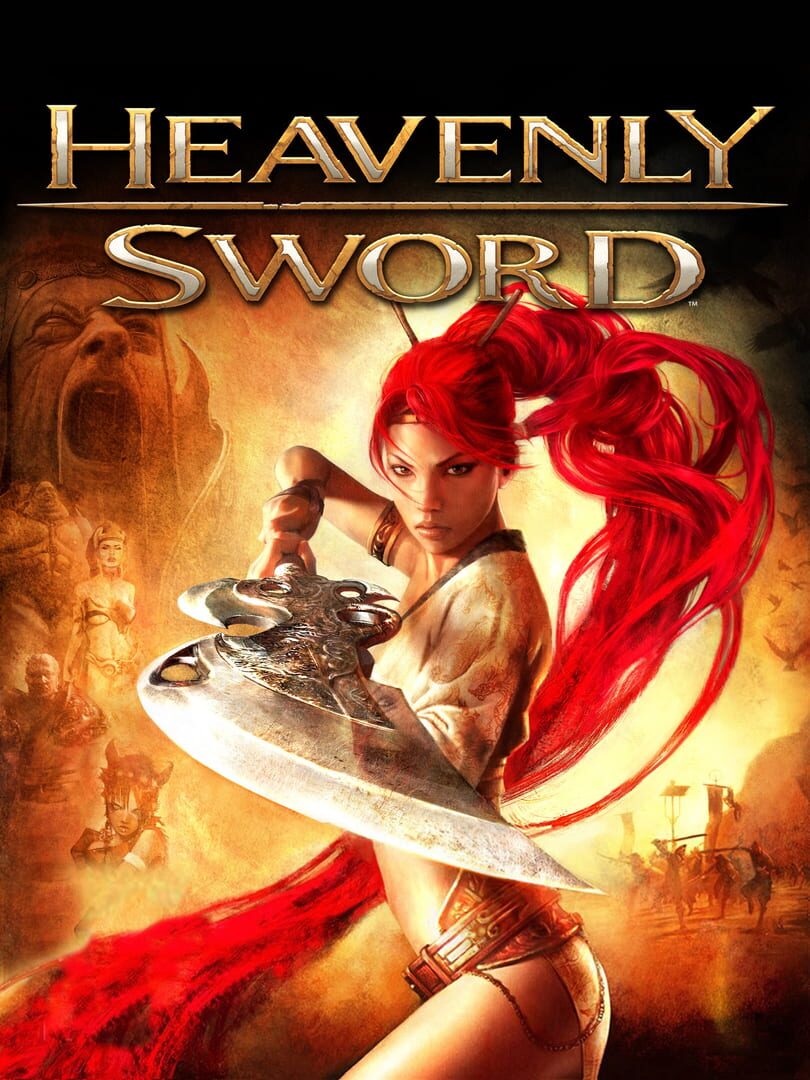
Heavenly Sword (2007) Cover

Introduction & Context

Released in September 2007, Heavenly Sword arrived at a pivotal moment for Sony's PlayStation 3. Serving as one of the platform's early flagship action titles, the game was designed to showcase the raw power of the Cell Broadband Engine and the unique tilt-sensing capabilities of the SIXAXIS controller. While it faced high expectations as Sony's answer to cinematic action-adventures, it quickly earned a reputation as a visual masterpiece with a passionate cult following.

The Developer: Ninja Theory's Breakthrough Moment

Heavenly Sword was developed by Cambridge-based studio Ninja Theory and published by Sony Computer Entertainment. Before this project, the team was known as Just Add Monsters (creators of Kung Fu Chaos). Heavenly Sword marked Ninja Theory's transition into high-budget, narrative-driven action games, establishing a signature style that would later blossom into acclaimed titles such as Enslaved: Odyssey to the West, Dmc: Devil May Cry, and the award-winning Hellblade: Senua's Sacrifice.

Story and Narrative: A Cinematic Revenge Tale

The story revolves around Nariko, a fiery warrior born under a prophetized curse. Her clan guards the Heavenly Sword—a godlike weapon that grants immense power to its wielder but drains their life force in return. When the ruthless tyrant King Bohan invades her clan's sacred lands to seize the blade, Nariko makes the ultimate sacrifice: she wields the cursed sword to defend her people, knowing it will inevitably cost her life.

What elevates the narrative is its Hollywood-grade performance capture, spearheaded by Andy Serkis (famous for his role as Gollum in The Lord of the Rings). Serkis served as dramatic director and co-writer, while also providing a mesmerizing, unhinged performance as King Bohan. Coupled with Anna Torv's compelling portrayal of Nariko, the story delivers emotional depth rarely seen in action games of that era.

Graphics and Motion Capture: Ahead of Its Time

Visually, Heavenly Sword was a technical marvel in 2007. Ninja Theory utilized cutting-edge facial motion capture technology that allowed subtle emotional nuance to translate seamlessly onto screen. Even by modern standards, the facial expressiveness of Nariko, King Bohan, and the erratic companion Kai remains surprisingly impactful.

  • Facial Animations: Captured micro-expressions that brought unmatched cinematic gravitas to cutscenes.
  • Scale and Scale Battles: Rendered hundreds of enemy soldiers on screen simultaneously without sacrificing dramatic artistic direction.
  • Vibrant Environments: Beautiful Asian-inspired architecture, rich landscapes, and dramatic lighting effects.

Gameplay Mechanics & Combat System

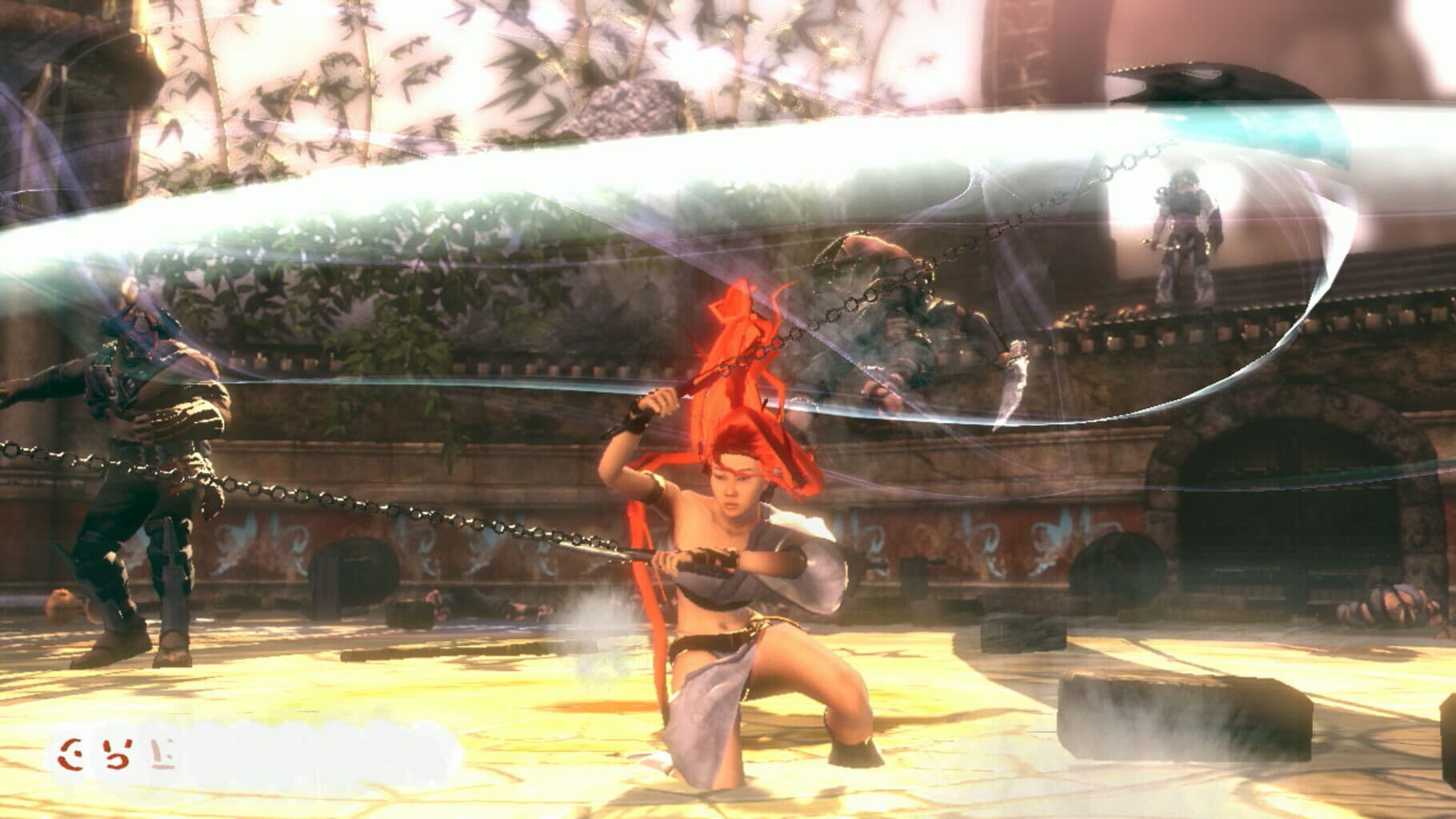
Combat relies on a stance-based system tailored around the versatile Heavenly Sword, which seamlessly transforms into three distinct forms:

  1. Speed Stance: Dual short swords for rapid, balanced attacks.
  2. Power Stance: A heavy, slow two-handed blade capable of breaking enemy guards.
  3. Range Stance: Bladed chains thrown across long distances for crowd control.

Additionally, the game incorporates sections featuring Kai armed with a crossbow, utilizing the PS3's SIXAXIS motion control to guide projectiles in mid-air through a feature called Aftertouch.

Playable Platforms: Where Can You Play It Today?

As an exclusive developed specifically for Sony's architecture, options to play Heavenly Sword today are limited:

  • PlayStation 3: The original physical disc release remains the definitive way to play natively.
  • PlayStation 4 / PlayStation 5 / PC: Available digitally via cloud streaming through higher tiers of the PlayStation Plus subscription service (availability varies by region).

Final Verdict & Recommendation

Despite its short runtime (around 6 to 8 hours) and occasional frame-rate dips during massive battles, Heavenly Sword remains a historical landmark for cinematic storytelling in video games. Ninja Theory created a beautiful, emotionally charged hack-and-slash title that laid the groundwork for modern performance capture in gaming.

Recommendation: If you are a fan of story-focused action games, performance capture history, or Ninja Theory's portfolio, Heavenly Sword is well worth streaming or revisiting on original hardware.


Heavenly Sword (2007) Screenshot

Dungeon Defenders II Review: Is the Action RPG Tower Defense Classic Still Worth Playing?

Dungeon Defenders II Review: Is the Action RPG Tower Defense Classic Still Worth Playing?
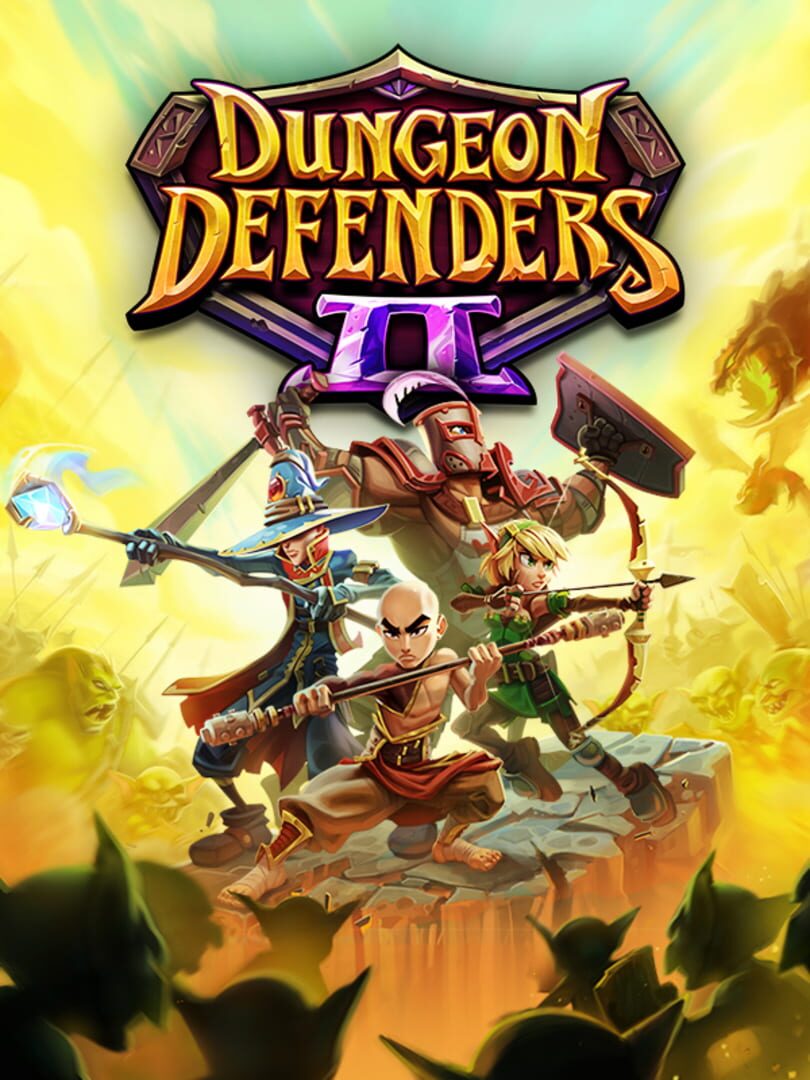
Dungeon Defenders II (2015) Cover

Released in early access in late 2014 and officially launching in 2017, Dungeon Defenders II (2015) stands as one of the most prominent titles blending action role-playing game (ARPG) elements with classic tower defense mechanics. Developed as a direct sequel to the beloved original 2011 game, this title aimed to refine cooperative strategy, broaden character customization, and offer a dynamic online service experience.

Context and History

When the original Dungeon Defenders took the gaming community by storm, it created a unique niche: third-person hero combat combined with strategic trap placement. Dungeon Defenders II was built from the ground up to improve upon those core foundations while transitioning to a free-to-play model. It brought smoother combat mechanics, updated progression systems, and persistent online features aimed at keeping players engaged for the long haul.

Story and Narrative

The story of Dungeon Defenders II returns players to the vibrant fantasy world of Etheria. Following the events of the original game, the realm is once again under attack. The Old Ones have dispatched their armies of goblins, orcs, dark elves, and terrifying bosses to destroy the Eternia Crystals, which seal away ancient evil.

While the story is lighthearted and straightforward, it serves its purpose well. Players take on the roles of Etheria's young heroes—such as the Squire, Apprentice, Huntress, and Monk—alongside a roster of unlockable characters. The narrative unfolds through animated cutscenes, character interactions, and thematic environmental storytelling across various maps and campaign chapters.

Graphics and Visual Style

Visually, Dungeon Defenders II retains the colorful, stylized, comic-book aesthetic of its predecessor, powered up by modern visual rendering. The exaggerated character designs, vibrant spell effects, and detailed environments give the game a timeless charm that holds up well over time.

  • Hero & Monster Design: Distinctive silhouettes and cheerful animations keep battles readable even when dozens of enemies swarm the screen.
  • Visual Effects: Tower attacks, magic spells, and elemental reactions generate satisfying visual feedback during intense combat waves.
  • Performance: Thanks to its stylized visual direction, the game maintains stable frame rates even during chaotic high-level encounters.

Developer Background

The game was initially developed and published by Trendy Entertainment. Over time, the studio underwent restructuring and rebranded as Chromatic Games. Throughout its lifespan, the development team worked continuously to balance hero abilities, re-work loot systems, and introduce new gameplay modes based on community feedback.

Playable Platforms

Dungeon Defenders II is accessible across multiple modern gaming platforms, featuring cross-platform support in select modes:

PlatformAvailabilityFormat
PC (Microsoft Windows)Available (Steam)Digital / Free-to-Play
PlayStation 4Available (PSN)Digital / Free-to-Play
Xbox OneAvailable (Xbox Store)Digital / Free-to-Play
PlayStation 5 / Xbox Series X|SPlayable via Backward CompatibilityDigital / Free-to-Play

Final Verdict & Recommendation

Dungeon Defenders II successfully delivers an additive mix of tactical strategy and fast-paced hack-and-slash hero combat. Its free-to-play model is fair, allowing players to unlock heroes and progress without mandatory spending. While the end-game loop relies heavily on gear grinding and loot optimization, playing cooperatively with friends remains immensely satisfying.

Final Score: 8/10 — Recommended for fans of co-op action, tower defense strategy, and loot-driven progression games.

Dungeon Defenders II (2015) Screenshot

Follow my social medias to unlock these coupons.

CLICK HERE, UNLOCK VIP COUPONS!