Introduction & Context
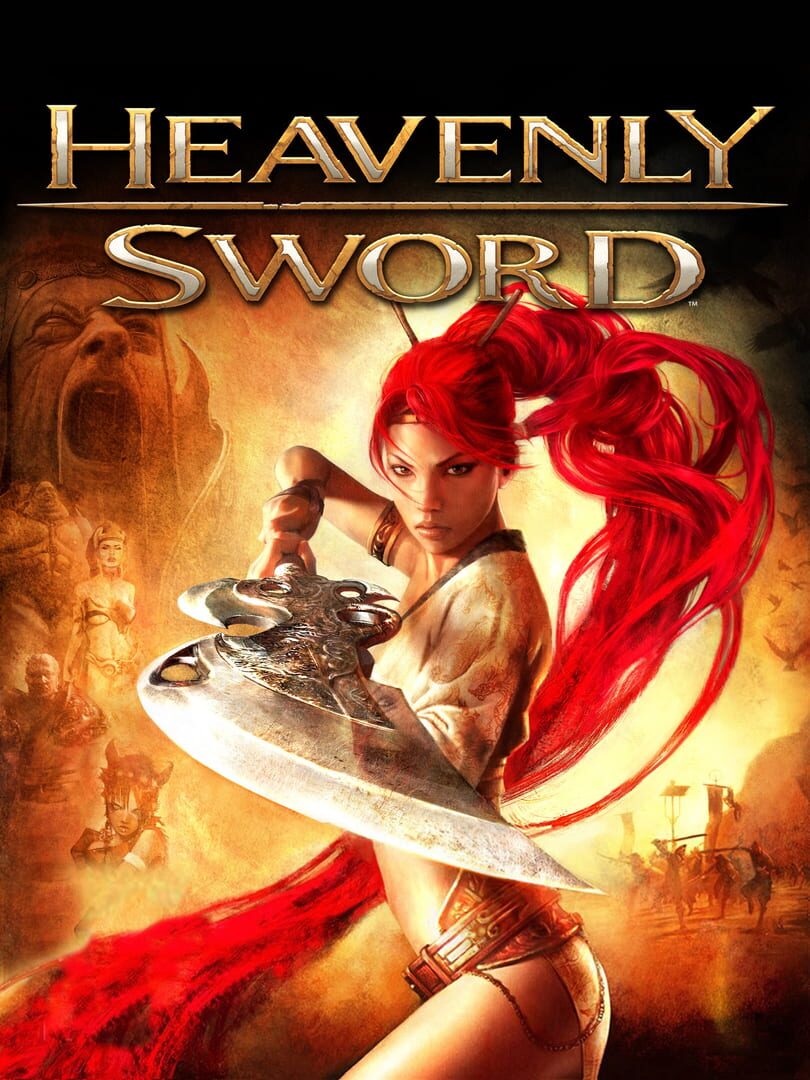
Released in September 2007, Heavenly Sword arrived at a pivotal moment for Sony's PlayStation 3. Serving as one of the platform's early flagship action titles, the game was designed to showcase the raw power of the Cell Broadband Engine and the unique tilt-sensing capabilities of the SIXAXIS controller. While it faced high expectations as Sony's answer to cinematic action-adventures, it quickly earned a reputation as a visual masterpiece with a passionate cult following.
The Developer: Ninja Theory's Breakthrough Moment
Heavenly Sword was developed by Cambridge-based studio Ninja Theory and published by Sony Computer Entertainment. Before this project, the team was known as Just Add Monsters (creators of Kung Fu Chaos). Heavenly Sword marked Ninja Theory's transition into high-budget, narrative-driven action games, establishing a signature style that would later blossom into acclaimed titles such as Enslaved: Odyssey to the West, Dmc: Devil May Cry, and the award-winning Hellblade: Senua's Sacrifice.
Story and Narrative: A Cinematic Revenge Tale
The story revolves around Nariko, a fiery warrior born under a prophetized curse. Her clan guards the Heavenly Sword—a godlike weapon that grants immense power to its wielder but drains their life force in return. When the ruthless tyrant King Bohan invades her clan's sacred lands to seize the blade, Nariko makes the ultimate sacrifice: she wields the cursed sword to defend her people, knowing it will inevitably cost her life.
What elevates the narrative is its Hollywood-grade performance capture, spearheaded by Andy Serkis (famous for his role as Gollum in The Lord of the Rings). Serkis served as dramatic director and co-writer, while also providing a mesmerizing, unhinged performance as King Bohan. Coupled with Anna Torv's compelling portrayal of Nariko, the story delivers emotional depth rarely seen in action games of that era.
Graphics and Motion Capture: Ahead of Its Time
Visually, Heavenly Sword was a technical marvel in 2007. Ninja Theory utilized cutting-edge facial motion capture technology that allowed subtle emotional nuance to translate seamlessly onto screen. Even by modern standards, the facial expressiveness of Nariko, King Bohan, and the erratic companion Kai remains surprisingly impactful.
- Facial Animations: Captured micro-expressions that brought unmatched cinematic gravitas to cutscenes.
- Scale and Scale Battles: Rendered hundreds of enemy soldiers on screen simultaneously without sacrificing dramatic artistic direction.
- Vibrant Environments: Beautiful Asian-inspired architecture, rich landscapes, and dramatic lighting effects.
Gameplay Mechanics & Combat System
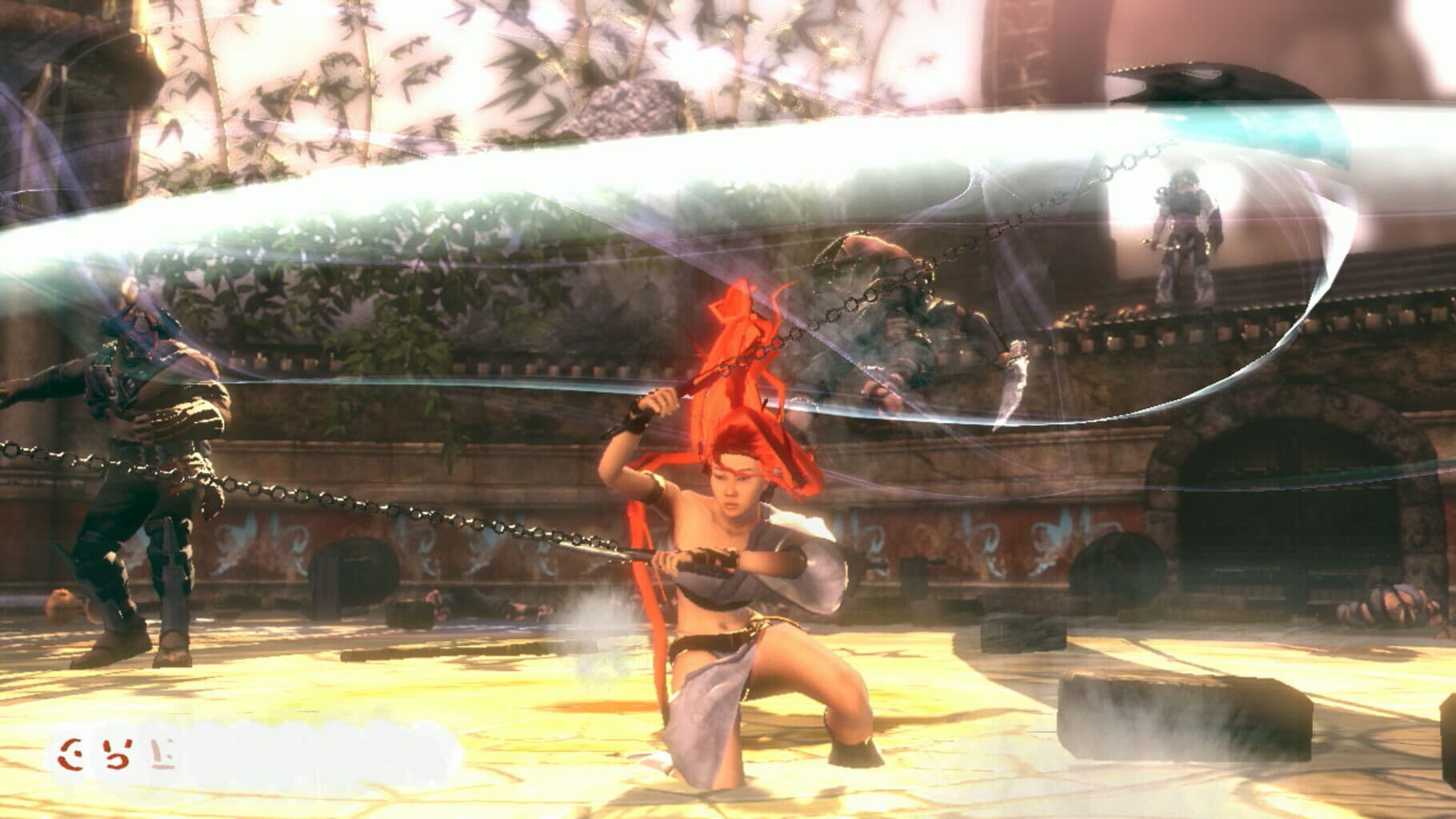
Combat relies on a stance-based system tailored around the versatile Heavenly Sword, which seamlessly transforms into three distinct forms:
- Speed Stance: Dual short swords for rapid, balanced attacks.
- Power Stance: A heavy, slow two-handed blade capable of breaking enemy guards.
- Range Stance: Bladed chains thrown across long distances for crowd control.
Additionally, the game incorporates sections featuring Kai armed with a crossbow, utilizing the PS3's SIXAXIS motion control to guide projectiles in mid-air through a feature called Aftertouch.
Playable Platforms: Where Can You Play It Today?
As an exclusive developed specifically for Sony's architecture, options to play Heavenly Sword today are limited:
- PlayStation 3: The original physical disc release remains the definitive way to play natively.
- PlayStation 4 / PlayStation 5 / PC: Available digitally via cloud streaming through higher tiers of the PlayStation Plus subscription service (availability varies by region).
Final Verdict & Recommendation
Despite its short runtime (around 6 to 8 hours) and occasional frame-rate dips during massive battles, Heavenly Sword remains a historical landmark for cinematic storytelling in video games. Ninja Theory created a beautiful, emotionally charged hack-and-slash title that laid the groundwork for modern performance capture in gaming.
Recommendation: If you are a fan of story-focused action games, performance capture history, or Ninja Theory's portfolio, Heavenly Sword is well worth streaming or revisiting on original hardware.