Need for Speed: Underground (2003) Review: The Retro Tuner That Changed Racing Games Forever
In late 2003, Electronic Arts dramatically shifted gears with the release of Need for Speed: Underground. Departing from the franchise's traditional focus on high-end exotic supercars navigating rural highway landscapes, this title immersed players directly into the gritty, neon-lit world of nocturnal street racing and import tuner culture.
Context and Historical Impact
Capitalizing on the massive global pop-culture phenomenon sparked by films like The Fast and the Furious, Need for Speed: Underground arrived at the exact right moment. It fundamentally redefined the arcade racing genre by prioritizing deep car customization, performance modifications, and urban tuner aesthetics over traditional racing tropes.
Developer Information
The game was developed by EA Black Box (based in Vancouver, Canada) and published by Electronic Arts. EA Black Box quickly became the core development unit for the franchise during its golden era, going on to create acclaimed sequels such as Need for Speed: Underground 2 and Need for Speed: Most Wanted.
Story and Narrative
The story unfolds in the fictional metropolis of Olympic City through a campaign called Underground Mode, featuring 111 distinct events. Players take on the role of a fresh driver eager to make a name for themselves in the local night racing scene.
Guided by their ally Samantha and challenged by top rival Eddie—leader of the notorious 'Eastsiders' crew—players compete in sprint races, circuits, high-speed drag battles, and technical drift events to earn respect, unlock performance upgrades, and eventually challenge the city's top drivers for the crown.
Graphics, Sound, and Atmosphere
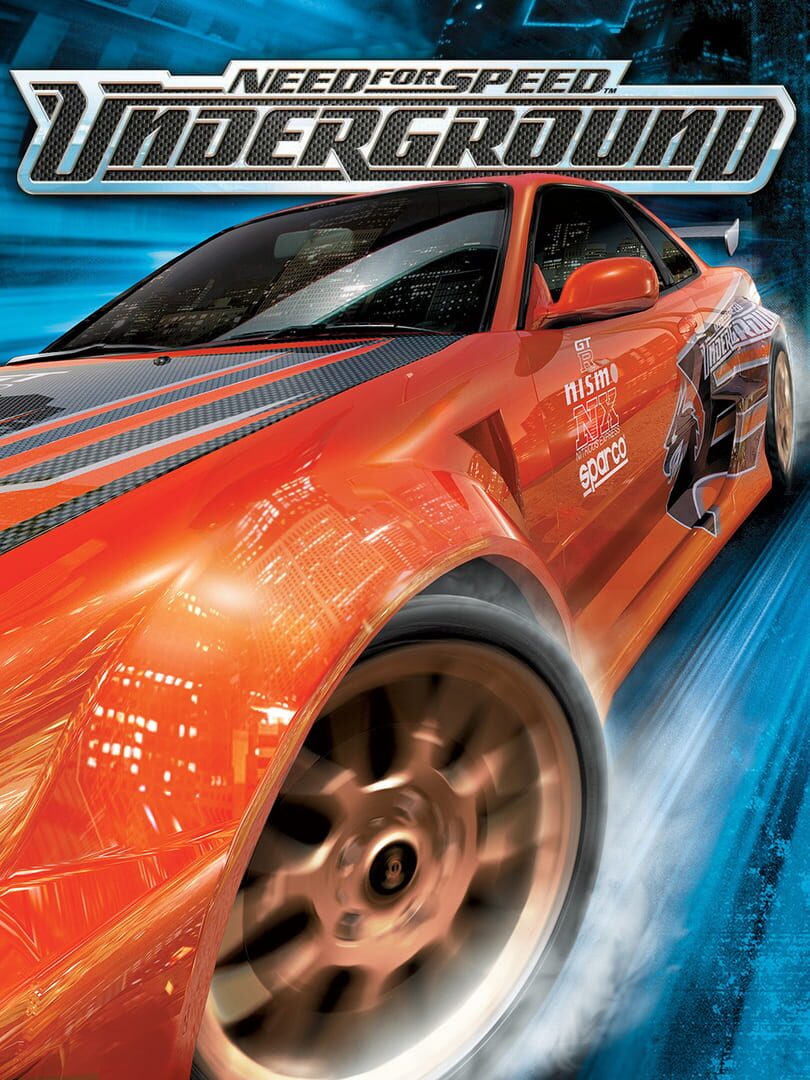
For a 2003 title, the visual and auditory presentation was revolutionary. The graphics showcased groundbreaking motion blur effects at high speeds, dynamic lighting, and slick, rain-soaked pavement reflection mechanics. Customization options allowed players to add unique body kits, spoilers, neon underglow, vinyl decals, and custom rims.
blockquote>"The fusion of high-octane motion blur, deep visual customization, and a legendary licensed soundtrack featuring Lil Jon, Rob Zombie, and Static-X defined an entire generation of racing games."
blockquote>Playable Platforms
Need for Speed: Underground was released across all major platforms of the sixth console generation:
- PC (Microsoft Windows)
- PlayStation 2
- Xbox
- Nintendo GameCube
- Game Boy Advance (scaled-down 2D handheld version)
Overview & Summary
| Feature | Details |
|---|---|
| Developer | EA Black Box |
| Publisher | Electronic Arts |
| Release Date | November 2003 |
| Genre | Arcade / Street Racing |
| Game Modes | Circuit, Sprint, Drag, Drift |
Final Verdict and Recommendation
Verdict: 9/10 — Need for Speed: Underground remains a nostalgic masterpiece that completely revitalized its franchise and left a lasting imprint on racing game history. While it lacks the open-world map introduced in its sequel, the tight gameplay mechanics, iconic soundtrack, and rewarding progression make it an essential play for arcade racing enthusiasts today.