


The Wild Arms series holds a legendary place in the history of Japanese role-playing games. Developed by Media.Vision and published by Sony, this beloved franchise broke away from traditional high-fantasy tropes by infusing its world with a distinctive "Weird West" aesthetic. Players were treated to desolate wasteland frontiers, whistle-heavy acoustic soundtracks, sci-fi ancient technology, and puzzle-packed dungeons that required individual character tools to navigate.
Across three console generations and a handheld spin-off, Filgaia—the recurring world of Wild Arms—has evolved significantly. Whether you are a long-time fan looking back on the series or a newcomer curious about where to dive in, here is the definitive ranking of every entry in the main Wild Arms franchise, ranked from worst to best.
Summary of the Wild Arms Ranking
- 7. Wild Arms 4
- 6. Wild Arms XF
- 5. Wild Arms Alter Code: F
- 4. Wild Arms 5
- 3. Wild Arms 2
- 2. Wild Arms
- 1. Wild Arms 3
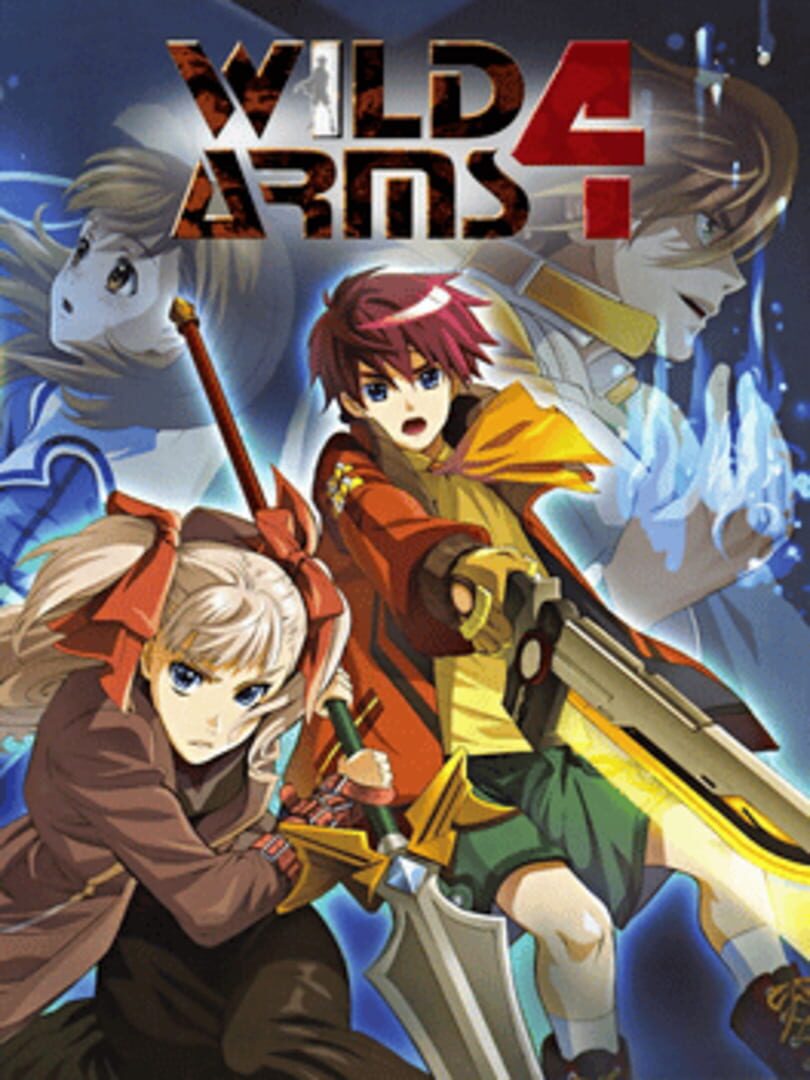
7. Wild Arms 4
Released on the PlayStation 2, Wild Arms 4 marked a massive turning point for the franchise—though not entirely for the better. The game introduced the iconic "HEX" combat system, which divided the battlefield into seven hexagonal spaces, adding a tactical positional element to turn-based battles. While this battle mechanic was a welcome innovation, the rest of the game felt like a departure from what made the series special.
Wild Arms 4 traded the sprawling Western world map for a linear, stage-based progression system. The dungeon puzzles were heavily simplified into 2D side-scrolling platforming challenges, which lacked the depth of earlier titles. While Jude and his companions deliver a decent story about youth, war, and growing up, the game lost much of the traditional wild frontier vibe that defined the franchise.
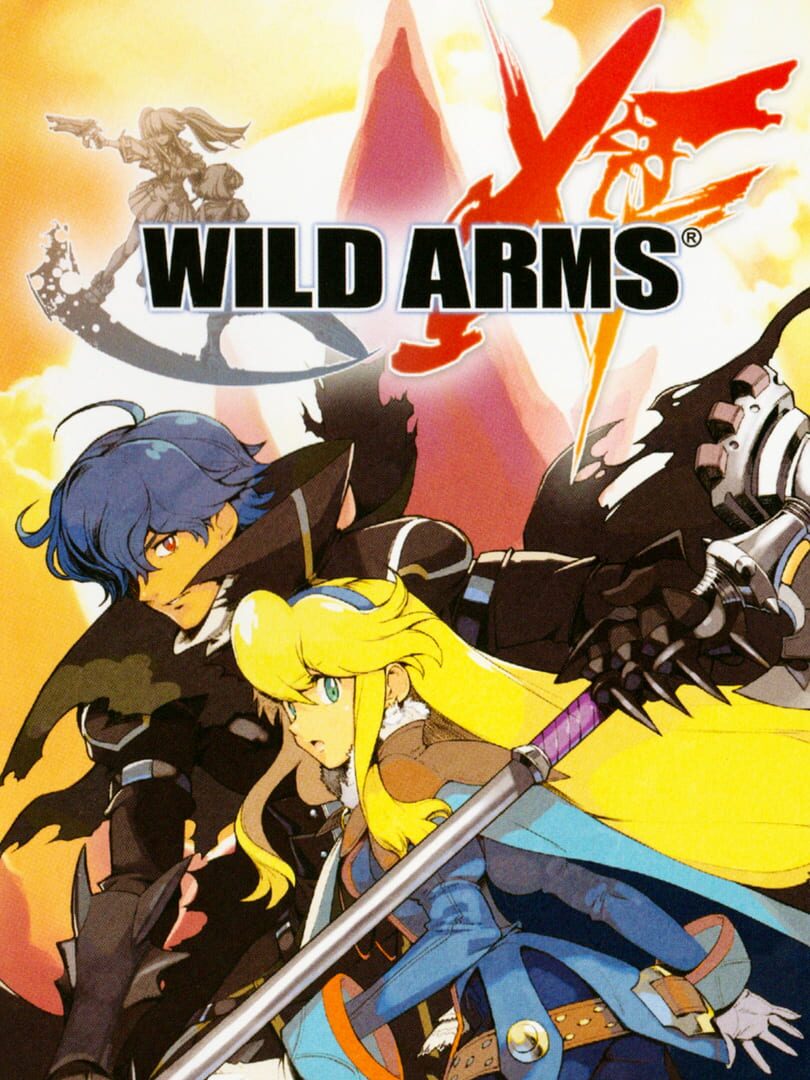
6. Wild Arms XF
As the only handheld tactical RPG in the series, Wild Arms XF for the PlayStation Portable is a fascinating experiment. Instead of classic turn-based combat, Wild Arms XF expands the HEX battle system into a full grid-based tactical strategy game. It boasts a deep class system with over 16 different job classes, allowing for extensive character customization.
However, the game suffers from a notoriously steep difficulty curve. Many story missions feature specific victory conditions that require very specific party builds, forcing players into trial-and-error gameplay and heavy grinding. It is a solid tactical RPG for hardcore fans, but its departure from standard mechanics keeps it lower on the list.
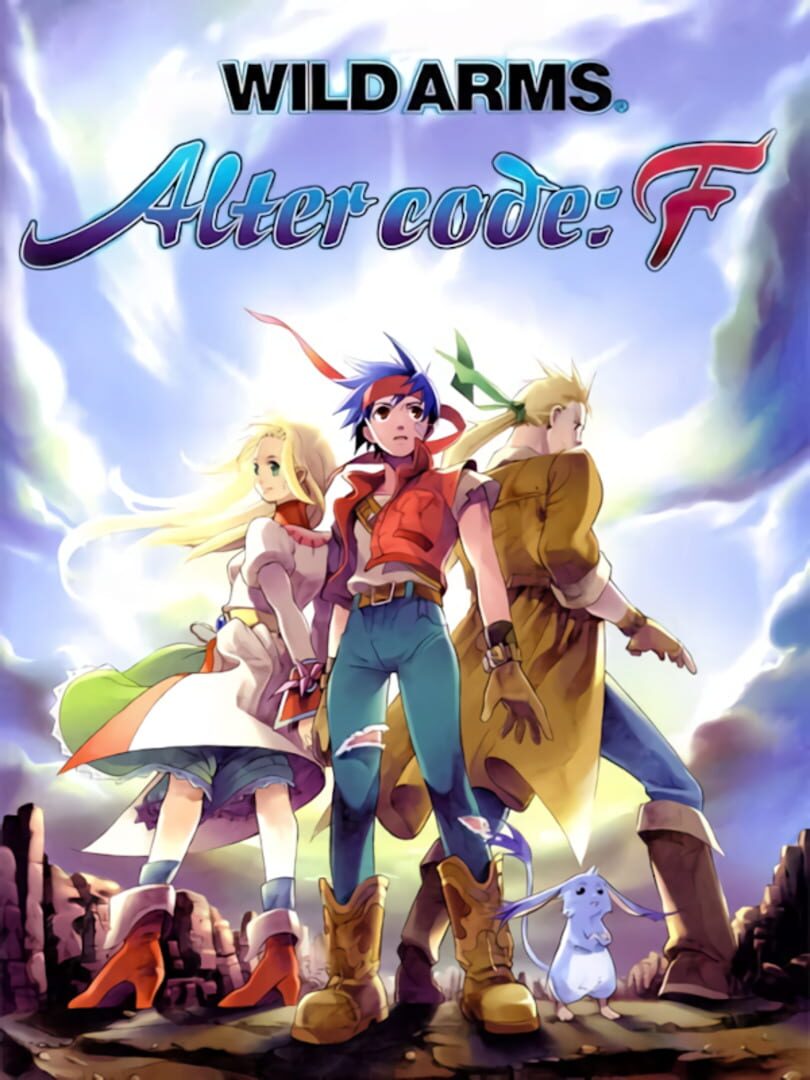
5. Wild Arms Alter Code: F
Wild Arms Alter Code: F is a full PlayStation 2 remake of the original PlayStation 1 classic. It recreates the story of Rudy, Jack, and Cecilia using the 3D graphics engine and gameplay mechanics of Wild Arms 3. The remake expands on the original narrative, adds new playable characters, features expanded dungeons, and includes a re-arranged soundtrack.
While it is a fantastic way to experience the original story with modernized mechanics, it loses some of the timeless sprite-based magic and atmospheric warmth of the 1996 original. Furthermore, the pacing feels stretched out in places. Still, for fans of the first game, it offers a wonderful alternate take on a classic adventure.
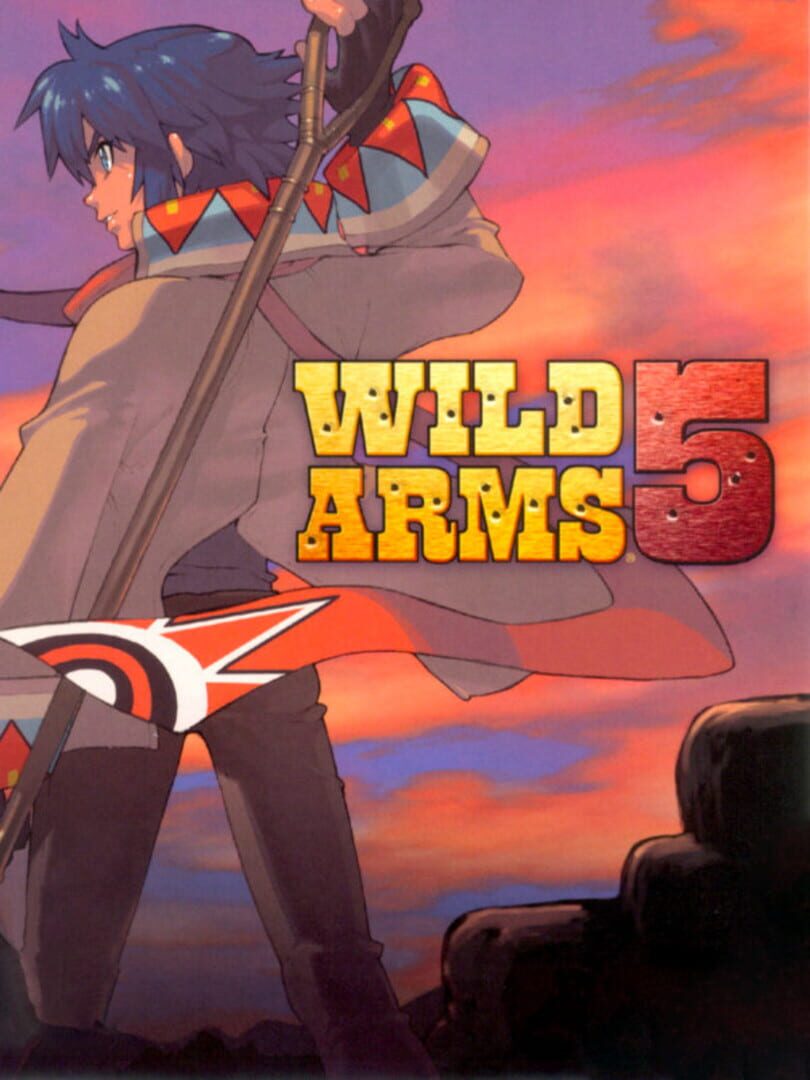
4. Wild Arms 5
Created to celebrate the 10th anniversary of the franchise, Wild Arms 5 served as a love letter to the entire series. It perfected the HEX battle system introduced in the fourth entry, offering fast-paced, highly strategic combat with elemental field hazards and dynamic position swapping. The dungeon puzzle design also made a welcome return to form.
The story follows Dean Stark, a young adventurer who dreams of becoming a hunter. While the plot leans heavily on anime clichés and features a fairly predictable teenage protagonist, the game makes up for it with incredible world exploration, abundant side content, and cameo appearances from classic series characters. It stands as one of the most mechanically polished JRPGs on the PS2.
3. Wild Arms 2
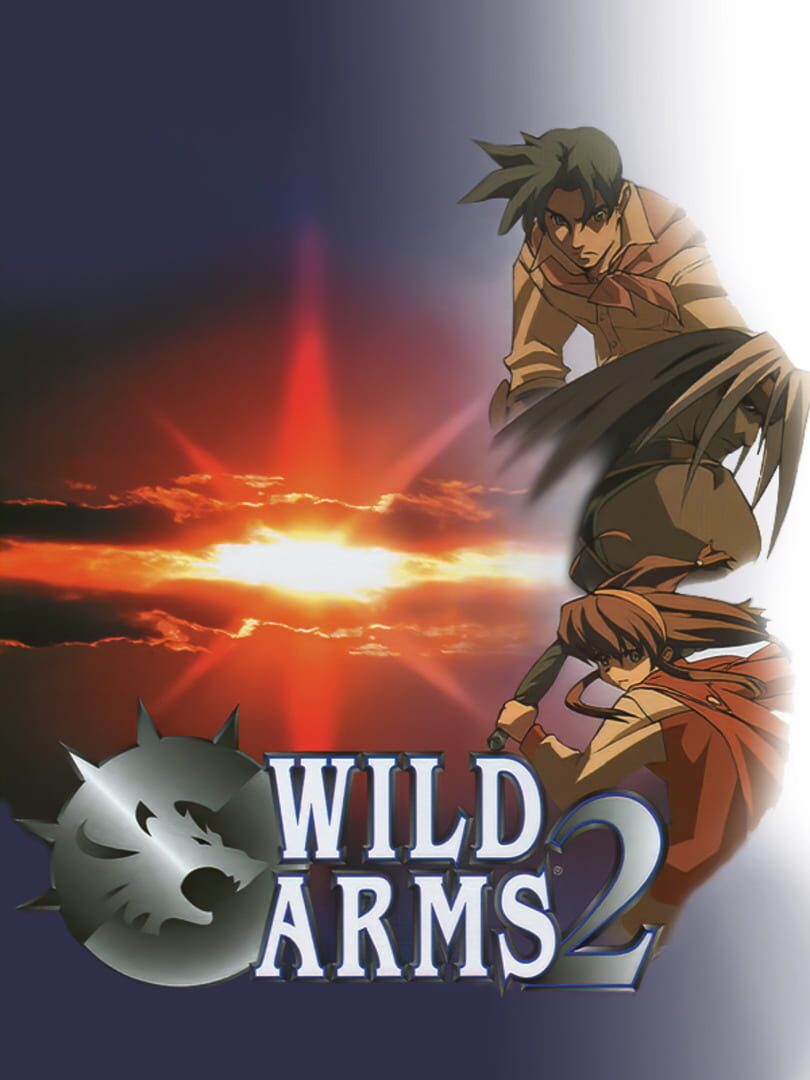
Spanning two discs on the original PlayStation, Wild Arms 2 expanded the scale of the series in almost every way. Introducing a world threatened by nuclear-like destruction and multi-dimensional terror, the story centers around Ashley Winchester and the special ops group known as ARMS. It introduced the search system for discovering locations on the world map, a feature that became a staple for the series.
The game features an unforgettable soundtrack composed by Michiko Naruke, excellent character arcs, and complex dungeon puzzles. Its only major flaw was a notoriously poor English localization that rendered parts of the narrative confusing. Despite translation shortcomings, Wild Arms 2 is an undeniable PS1 classic that captures the true essence of Weird West RPGs.
2. Wild Arms
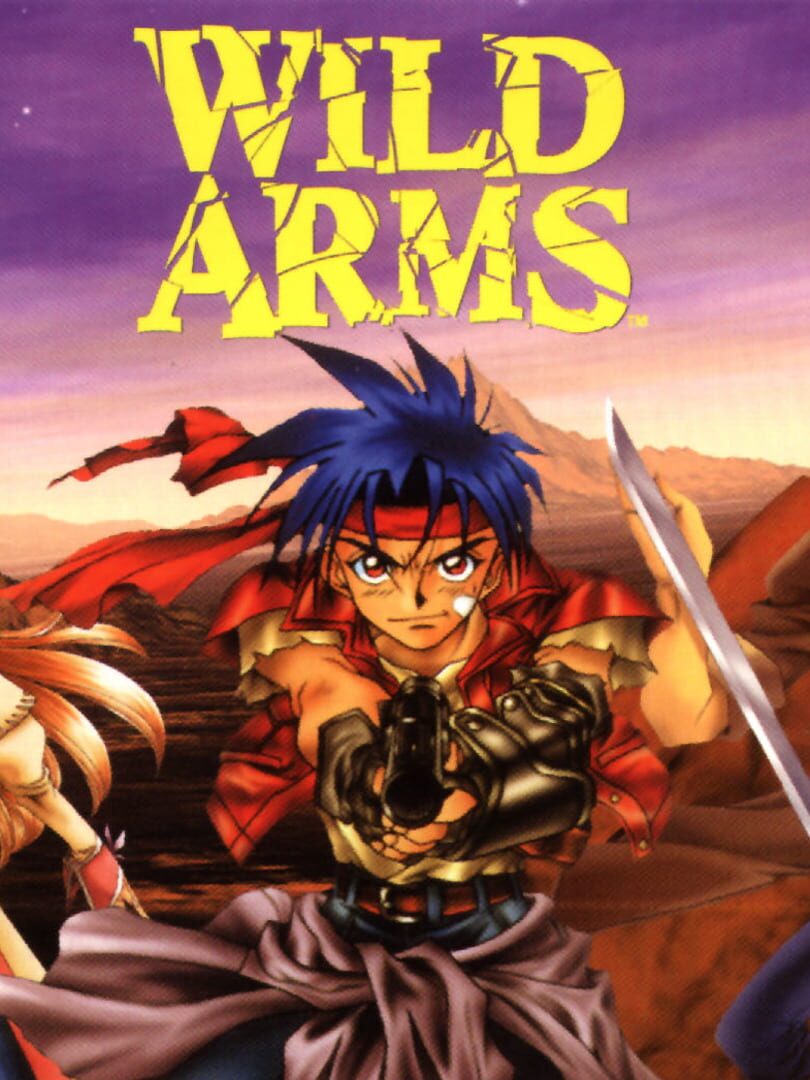
The original Wild Arms on the PS1 is a masterpiece of early 32-bit RPG design. Released in 1996 alongside early 3D titles, it utilized beautiful 2D pixel art during exploration and early 3D polygons for battle scenes. The opening movie, accompanied by Michiko Naruke's iconic whistling theme song, remains one of the most memorable intro sequences in gaming history.
Following the journeys of Rudy, Jack, and Cecilia, the game balances emotional storytelling with clever dungeon mechanics. Each character brings unique tools (ARMs, fast reflexes, and magic) to solve environmental puzzles. Wild Arms established the identity of the franchise and remains a timeless nostalgic classic that every JRPG fan should play.
1. Wild Arms 3
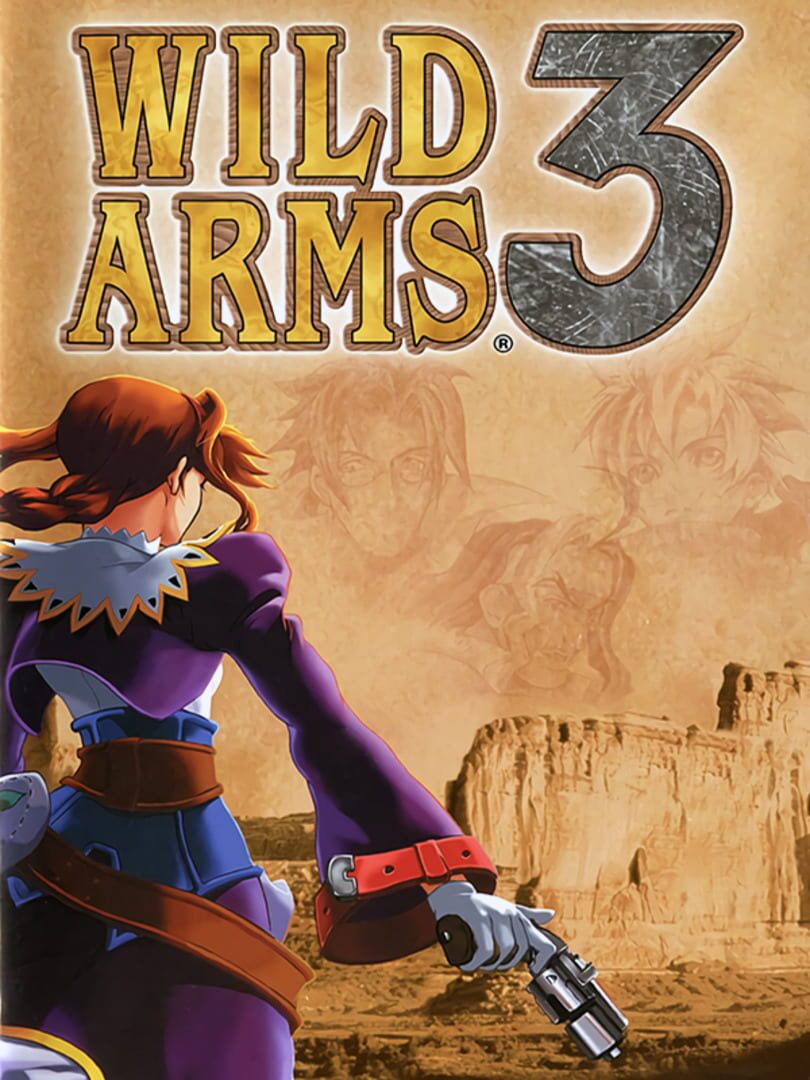
Wild Arms 3 represents the absolute peak of the series. Released on the PlayStation 2, it fully embraced the Western genre, featuring an all-gun-slinging party led by Virginia Maxwell. The striking cel-shaded graphics have aged gracefully, giving the world of Filgaia a vibrant, comic-book aesthetic that still looks impressive today.
Everything in Wild Arms 3 fires on all cylinders. The combat system rewards smart play, horse-riding mechanics allow for mounted combat on the world map, and the dungeon puzzles are challenging yet deeply rewarding. Paired with a fantastic soundtrack and a story that truly respects its Western roots, Wild Arms 3 stands as the definitive Wild Arms experience.
Frequently Asked Questions
Do I need to play the Wild Arms games in order?
No. Much like the Final Fantasy or Tales series, each main Wild Arms entry takes place in a standalone universe version of the world called Filgaia. While games share common themes, lore elements, and references, you can play them in any order.
Which Wild Arms game is the best entry point for beginners?
Wild Arms 3 on PS2 or the original Wild Arms on PS1 are the best starting points. Wild Arms 3 offers modern quality-of-life features and timeless visual design, while the original gives you a clear look at where the series began.
Are any Wild Arms games available on modern consoles?
Yes. Digital emulated versions of Wild Arms, Wild Arms 2, and Wild Arms 3 are available on PlayStation 4 and PlayStation 5 through the PlayStation Store and PlayStation Plus Premium classic catalog.
Is there a spiritual successor to the Wild Arms series?
Yes. The original creator of Wild Arms, Akifumi Kaneko, announced Armed Fantasia: To the End of the Wilderness, a spiritual successor that funded successfully on Kickstarter and aims to revive the classic Western JRPG gameplay.
Final Thoughts
The Wild Arms series remains one of the most distinct JRPG franchises ever created. Its mix of gunslinging action, puzzle-filled dungeons, and Western music sets it apart in a genre usually dominated by medieval fantasy. Whether you re-explore these titles on classic hardware or stream them on modern systems, experience why this legendary series earned its place in gaming history.
