


The Anatomy of Fear in Video Games
The horror genre is one of the most challenging and expressive mediums in video game design. Unlike movies or novels, video games require active player participation. In a horror game, fear is not something you merely observe—it is something you experience interactively. You are the one opening the creaky door, stepping into the dark corridor, and deciding whether to fight or run.
So, what separates a legendary horror game from a mediocre jump-scare simulator? Creating genuine terror requires a delicate blend of psychological trickery, precise audio engineering, mechanical vulnerability, and masterclass pacing. Here is an in-depth breakdown of what makes a great horror game work.
1. Unmatched Atmosphere and Environmental Design
Atmosphere is the foundation of every memorable horror experience. Long before a monster appears on screen, the environment itself should make players feel uncomfortable, unwanted, and unsafe. Great horror environments tell stories through visual detail, lighting, and claustrophobia.
Whether it is the fog-choked streets of Silent Hill, the decaying mansion of Resident Evil, or the cold metal hallways of an abandoned spaceship in Dead Space, environmental design establishes the emotional baseline. Effective use of light and shadow forces the player's imagination to fill in the blanks, which is often far more terrifying than whatever enemy actually lurks in the dark.
2. The Unseen Power of Audio and Soundscapes
If atmosphere is the foundation, sound design is the heart of interactive horror. You can turn off the visuals in a horror game and still feel deeply uneasy based solely on the audio. Sound design builds anticipation, signals danger, and manipulates player emotions in real time.
Key elements of exceptional horror sound design include:
- Diegetic Ambient Sounds: Distant footsteps, pipe groans, flickering lights, and quiet breathing that keep the player hyper-aware.
- Dynamic Musical Scores: Musique concrète, dissonant strings, and sudden silences that build tension rather than just signaling enemy encounters.
- Spatial Audio: Precise 3D positioning that forces players to turn around constantly, questioning every squeak or echo.
3. Vulnerability vs. Empowerment
Fear stems from a lack of control. If a game gives the player an arsenal of rocket launchers and unlimited ammunition, it ceases to be a horror game and becomes an action game. The key to effective survival horror is striking a precise balance between vulnerability and empowerment.
Developers achieve this through several mechanics:
- Resource Scarcity: Strict limits on ammunition, health items, and light sources force hard decisions. Games like Resident Evil 4 excel by constantly keeping players low on supplies without rendering them entirely helpless.
- Defenselessness: Stripping combat mechanics away entirely, as seen in Outlast or Amnesia: The Dark Descent, heightens feelings of panic and forces reliance on hiding and stealth.
- Sluggish or Grounded Movement: Heavy character controls and realistic stamina pools prevent players from effortlessly outrunning threats.
4. Masterful Pacing: Tension and Release
A continuous barrage of loud noises and monster attacks rapidly leads to player fatigue and desensitization. Fear requires context. A truly great horror game understands the importance of the ebb and flow of tension.
The cycle of great horror pacing involves:
- Anticipation: Building quiet, uneasy tension where the player knows something bad could happen at any moment.
- The Climax: A sudden encounter, chase, or confrontation that explodes the built-up tension into active terror.
- Relief: A safe room, typewriter, or momentary lull where the player can catch their breath, organize their inventory, and reset mentally.
Safe rooms, popularized by the original Resident Evil series and refined in titles like Alan Wake 2, act as crucial emotional anchor points. The soothing music in these areas enhances the fear felt when stepping back outside.
5. Psychological Horror Over Cheap Jump Scares
While a jump scare can provoke a momentary startled response, it rarely leaves a lasting impression. Psychological horror targets deep-seated human anxieties: loss of sanity, isolation, paranoia, grief, and the unknown.
Games like SOMA and P.T. do not rely on simple loud noises. Instead, they manipulate player perception, force ethical dilemmas, and present unsettling narrative themes that linger long after the game is turned off.
Case Studies: Horror Games That Got It Right
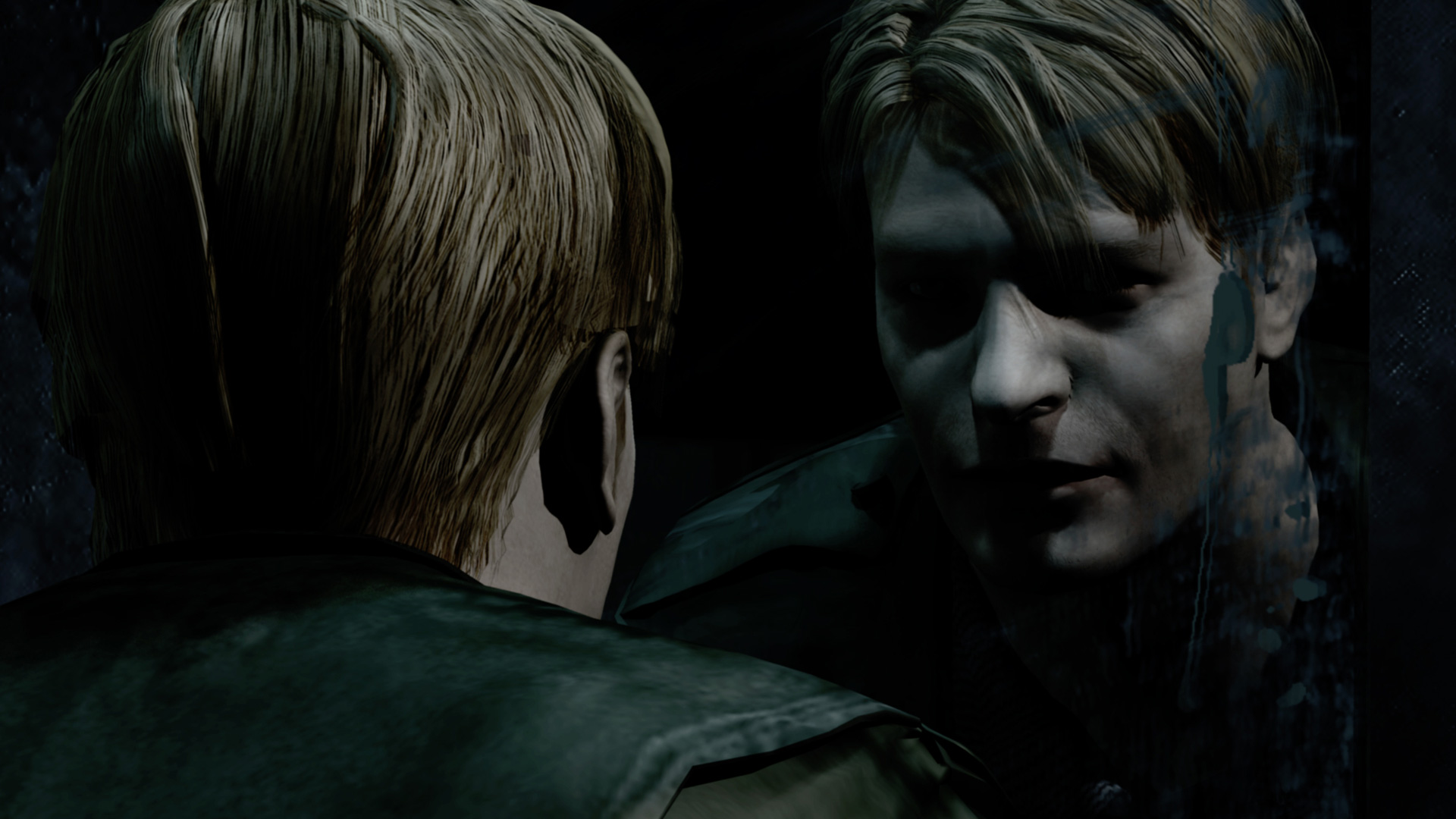
Silent Hill 2: Masterclass in Psychological Horror
By shifting the focus away from traditional zombie outbreaks toward personal guilt, trauma, and psychological decay, Silent Hill 2 remains a high-water mark for the genre. Its monster designs and fog-drenched town are direct physical reflections of the protagonist's tortured mind.
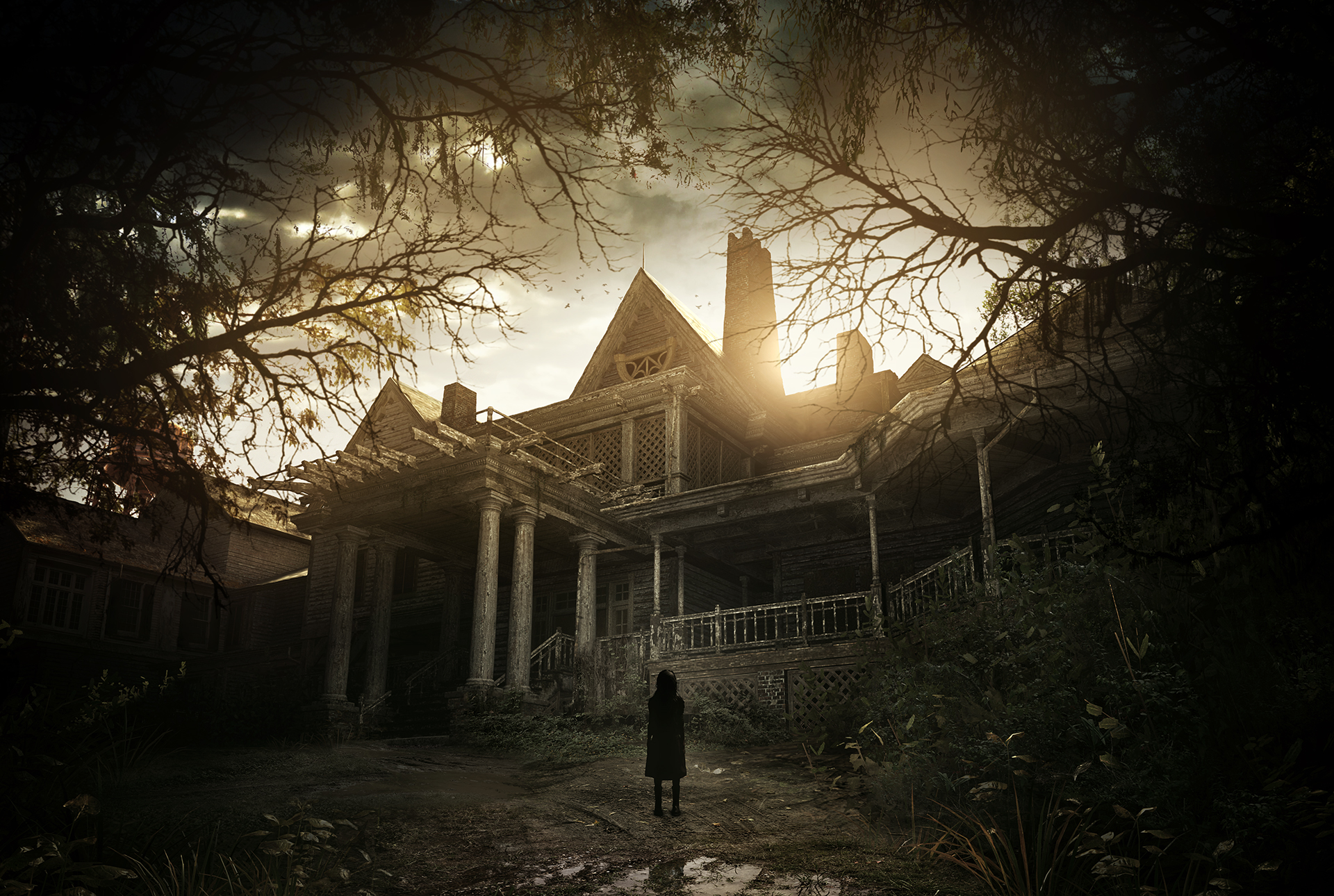
Resident Evil 7: Biohazard: First-Person Claustrophobia
Reinventing a classic franchise, Resident Evil 7: Biohazard shifted the perspective to first-person, trapping players in a rotting Louisiana estate. The tight quarters, gritty lighting, and terrifying Bakers family restored pure survival horror to a series that had leaned into blockbuster action.
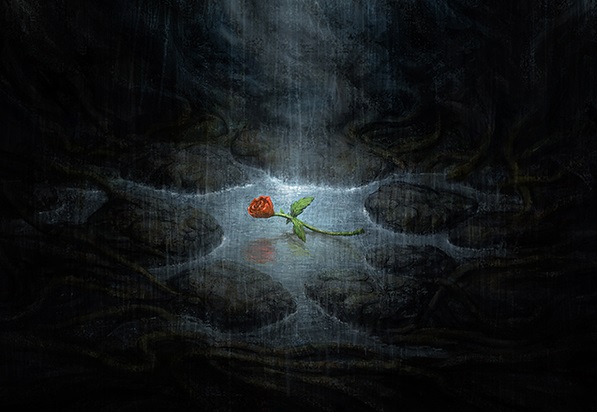
Amnesia: The Dark Descent: Pure Helplessness and Sanity
By removing combat mechanics entirely and introducing a sanity meter that degrades when looking at monsters or standing in darkness, Amnesia: The Dark Descent redefined modern indie horror and inspired a decade of survival horror design.
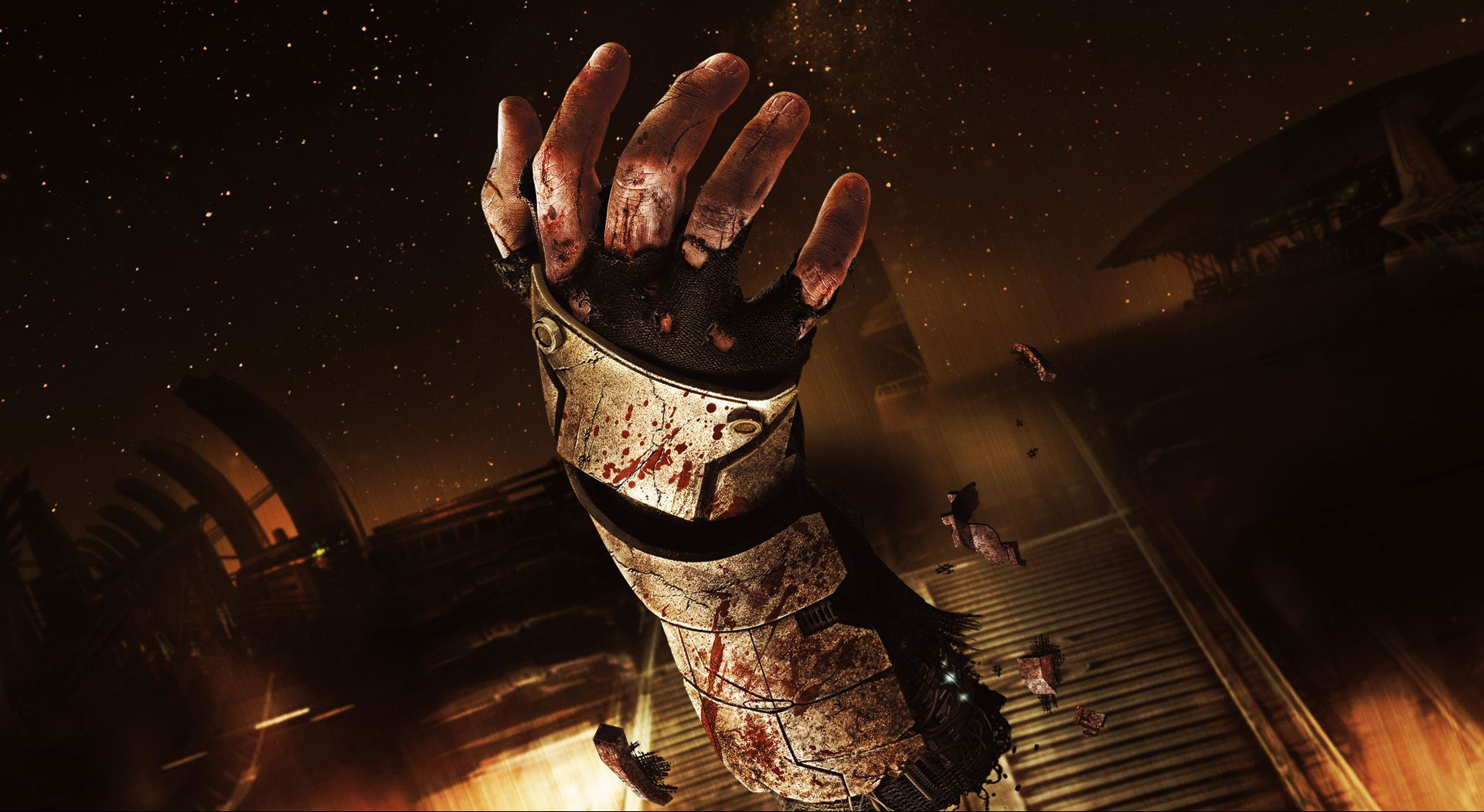
Dead Space: Sci-Fi Isolation and Strategic Dismemberment
Blending body horror with cosmic isolation, Dead Space replaced traditional headshots with a tactical dismemberment system. Coupled with an immersive diegetic user interface, it delivered non-stop sci-fi tension.
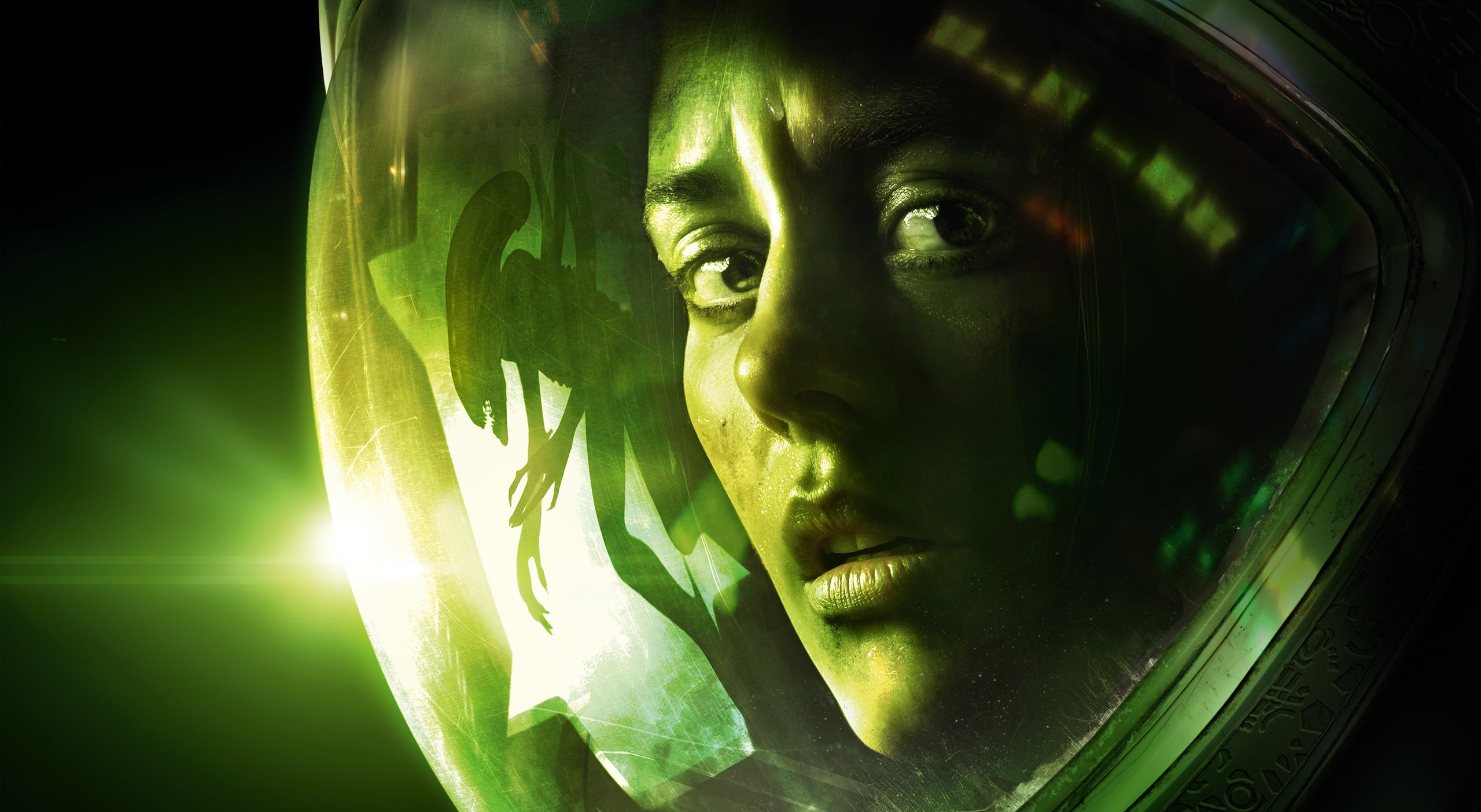
Alien: Isolation: Unpredictable AI Threat
Instead of scripted encounters, Alien: Isolation introduced an unscripted, highly adaptive xenomorph AI. The persistent threat dynamically reacts to player noise and movement, making every playthrough genuinely unpredictable and frightening.
Frequently Asked Questions
Why are jump scares considered weaker than psychological horror?
Jump scares rely on involuntary startle reflexes caused by sudden loud noises or flash images. While effective in the moment, they do not create long-lasting tension or lingering atmospheric fear. Psychological horror engages the player's mind, creating sustained anxiety and emotional resonance.
What is the difference between survival horror and horror action?
Survival horror emphasizes resource management, puzzle solving, inventory limits, and feeling outmatched by enemies. Horror action titles give players abundant weaponry, mobility, and resources, shifting the gameplay focus from hiding and surviving to fighting and clearing waves of enemies.
Why is inventory management so common in horror games?
Inventory management forces players to make tactical decisions under pressure. Deciding between carrying extra ammunition or a healing spray creates tension and forces players to evaluate every potential encounter before stepping into danger.
Final Thoughts
A great horror game is far more than a collection of scary monsters and sudden noises. It is an intricate tapestry woven from immersive environmental storytelling, psychoacoustic sound design, vulnerability, and carefully balanced pacing. When all these elements align, video games provide a unique form of interactive thrill that no other medium can replicate.
