


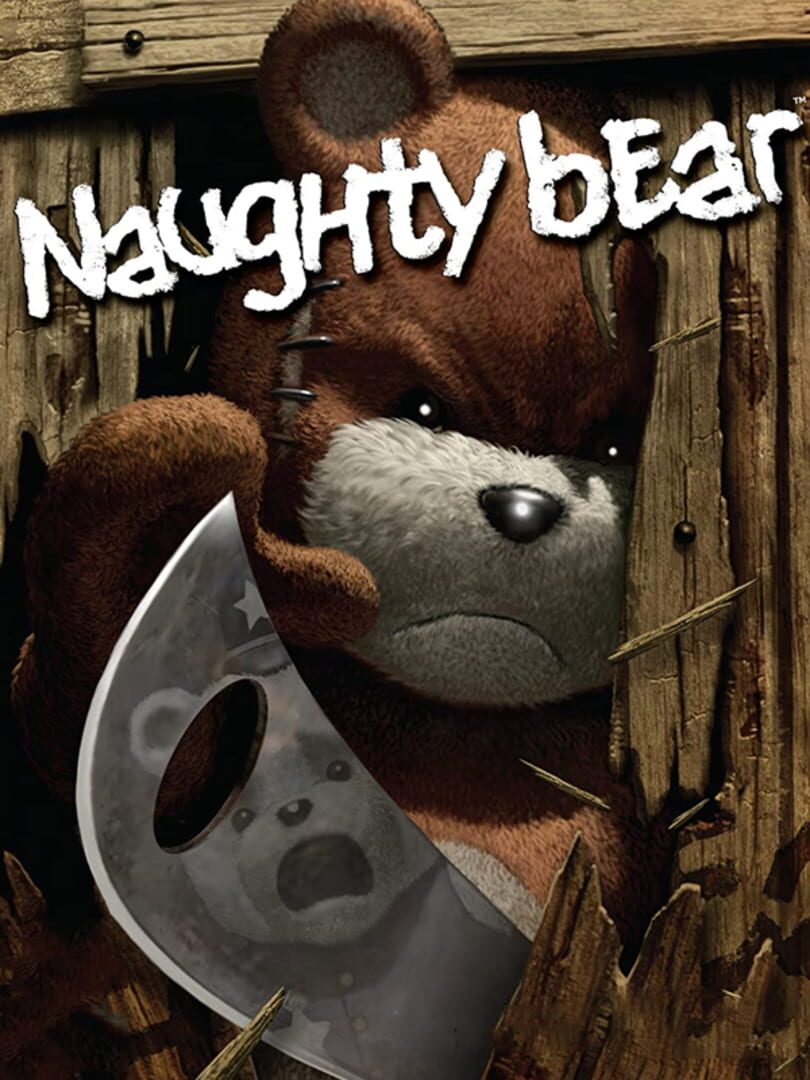
Naughty Bear (2010) Review: A Dark Comedy Cult Classic
When Naughty Bear hit store shelves in June 2010, it offered a hilarious, twisted alternative to the overly serious action games of its era. Combining the cute aesthetic of children's stuffed toys with the brutal tropes of 1980s slasher films, this stealth-action title brought a truly unique premise to the gaming market. But how does it hold up today? Here is our full breakdown and review of Naughty Bear.
Context and Market Release
In 2010, video game shelves were dominated by gritty military shooters and epic fantasy action games. Naughty Bear immediately stood out due to its subversive marketing campaign and absurd tone. Published by 505 Games, the title aimed to capture players looking for dark humor, arcade-style high scores, and emergent gameplay mechanics that allowed players to terrorize cute characters in creative ways.
Developer and Available Platforms
Naughty Bear was developed by Canadian studio Artificial Mind and Movement, which rebranded to Behaviour Interactive shortly after the game's release (now famous for developing Dead by Daylight). The game was released primarily on the following home consoles:
- Xbox 360
- PlayStation 3
A spin-off title was also produced for iOS devices, and a digital sequel titled Naughty Bear: Panic in Paradise followed in 2012.
Story and Narrative: Revenge on Perfection Island
The story of Naughty Bear is straightforward, silly, and delightfully evil. The game takes place on Perfection Island, a brightly colored paradise inhabited by cheerful teddy bears. The protagonist, Naughty Bear, is an outcast—a tattered, misunderstood bear who is constantly bullied, mocked, and excluded by the rest of the island's residents.
The catalyst for the narrative occurs when Daddles, one of the popular bears, throws a birthday party. Every bear on the island receives an invitation except for Naughty Bear. After attempting to deliver a handmade gift out of goodwill, Naughty Bear is laughed at and turned away. This rejection pushes him over the edge, sending him on a psychological breakdown and a quest for total vengeance against everyone on Perfection Island.
Graphics, Sound, and Visual Style
Visually, Naughty Bear employs a bright, high-contrast color palette that directly contrasts the violent actions taking place on screen. The teddy bears fluff up, panic, and burst with stuffing rather than gore, keeping the game at a Teen (T) rating despite its slasher movie undertones.
While the character models and environmental kills are creative, the graphics were somewhat dated even upon release in 2010. Levels can feel repetitive, and texture resolution is modest. However, the game's sound design excels, particularly due to the storybook narrator whose soothing British voice contrasts brilliantly with the sadistic chaos occurring in the game.
Gameplay Dynamics
Gameplay relies heavily on stealth, psychological warfare, and points tracking. Players earn higher scores not just by defeating other bears, but by scaring them to the point of insanity, sabotaging their objects, trapping them, and executing context-sensitive finishing moves with various weapons like machetes, ray guns, and golf clubs.
Final Verdict and Recommendation
Naughty Bear (2010) remains a fascinating piece of gaming history. While it suffers from repetitive mission structures, clunky controls, and an unreliable camera system, its dark comedy charm and unique premise give it a distinct place in 7th-generation console gaming.
- Final Score: 6.5/10
- Recommendation: Recommended for fans of dark comedy, slasher cinema, and arcade score-attack games. If you still own a PlayStation 3 or Xbox 360, it serves as a fun, nostalgic weekend title.

