


The original PlayStation era was a golden age of innovation for action and adventure games. As video games made the dramatic transition from two-dimensional sprites to three-dimensional polygons, platformers stood at the absolute forefront of this technological revolution. Developers were constantly experimenting with camera angles, analog controls, and intricate level design, giving birth to iconic console mascots that define gaming history to this day.
Whether you prefer traditional side-scrolling precision or open 3D worlds filled with collectibles, the PlayStation library offers an incredible selection of classics. Here are the top 20 best PS1 platform games that still hold up today.
The Best Platforming Classics on PlayStation 1

1. Crash Bandicoot 3: Warped
Building upon the brilliant foundation of its predecessor, Crash Bandicoot 3: Warped represents the pinnacle of Naughty Dog's platforming prowess on the original PlayStation. Introducing time travel mechanics, tight controls, varied vehicle sequences, and memorable boss battles, this release perfected the hallway-style 3D platforming format. The addition of earnable power-ups after defeating bosses gave players fresh ways to tackle earlier levels and maximize their completion percentages.

2. Spyro 2: Ripto's Rage!
Insomniac Games expanded their signature platformer with Spyro 2: Ripto's Rage!. By introducing new abilities like swimming, climbing, and head-bashing, along with charming mini-games and unforgettable hub worlds in Avalar, this game surpassed the original in almost every aspect. Its smooth controls, vibrant graphics, and memorable soundtrack by Stewart Copeland make it a standout title on the console.
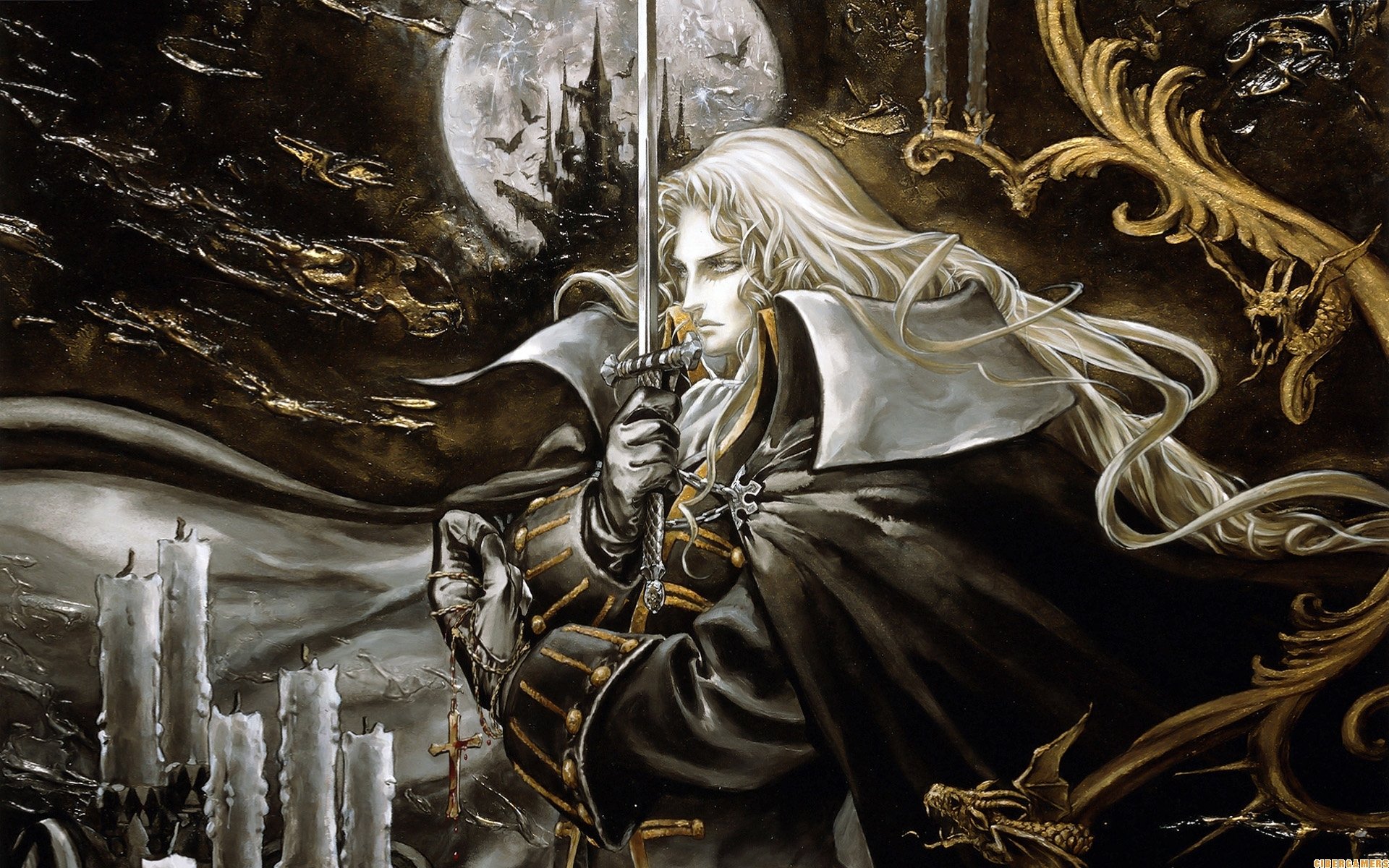
3. Castlevania: Symphony of the Night
While often classified as an action RPG or the codifier of the Metroidvania genre, Castlevania: Symphony of the Night remains one of the finest 2D side-scrolling platformers ever created. Controlling Alucard through the non-linear halls of Dracula's castle features responsive jumps, precise movement, and atmospheric level traversal that set a benchmark for non-linear platforming design.
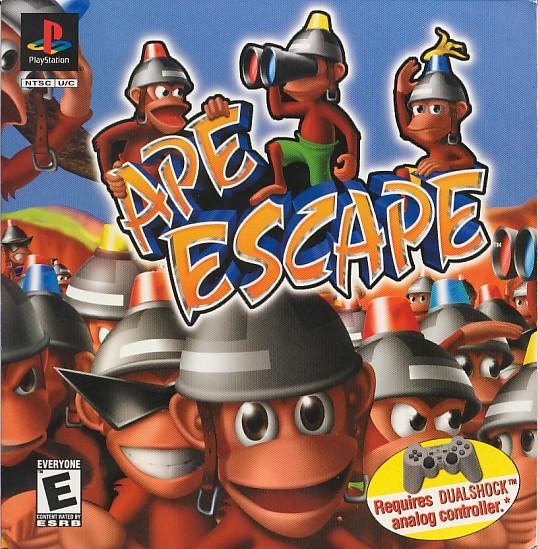
4. Ape Escape
As the first game to strictly require the DualShock analog controller, Ape Escape revolutionized how players interacted with 3D space. Using the twin sticks to move and manipulate gadgetry while capturing rogue time-traveling monkeys was innovative, absurdly fun, and incredibly creative. Its platforming challenges rewarded experimentation and mastery over its unique control setup.
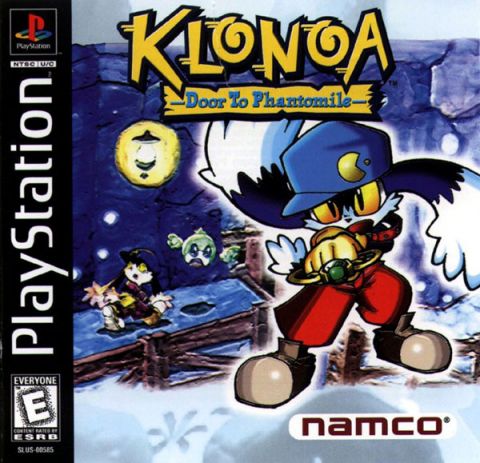
5. Klonoa: Door to Phantomile
Namco's Klonoa: Door to Phantomile delivered one of the best 2.5D platforming experiences of the 32-bit era. By placing 2D side-scrolling mechanics on a 3D path, the game combined simple pick-up-and-play mechanics with intricate puzzle-platforming. Using enemies as double-jump springboards or throwing them into the foreground and background provided engaging gameplay wrapped in an emotional story.

6. Rayman 2: The Great Escape
Ubisoft successfully transitioned their limb-less hero from 2D graphics into full 3D environments with Rayman 2: The Great Escape. Featuring responsive platforming, diverse level design, and a magical atmosphere, Rayman's venture across the Land of the Lums remains a masterclass in early 3D platform design.
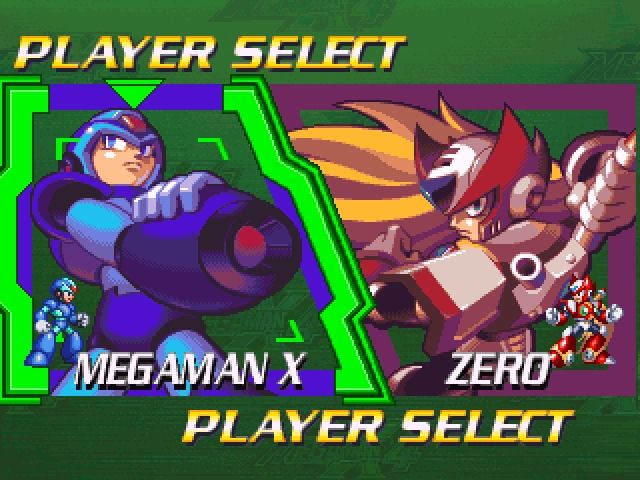
7. Mega Man X4
Mega Man X4 brought Capcom's famous futuristic Maverick hunter to 32-bit hardware with beautiful hand-drawn animated cutscenes and sharp 2D platforming. Giving players full campaigns for both X and Zero provided distinct platforming styles—X relying on long-range buster blasts and Zero offering fast-paced close-quarters sword combat.

8. Tomba! 2: The Evil Swine Return
Combining open-ended quest design with classic side-scrolling movement, Tomba! 2: The Evil Swine Return is a quirky 2.5D adventure like no other. Players control the feral, pink-haired hero as he solves environmental puzzles, gains animal-themed suits with special movement abilities, and cleanses the land of evil pigs.
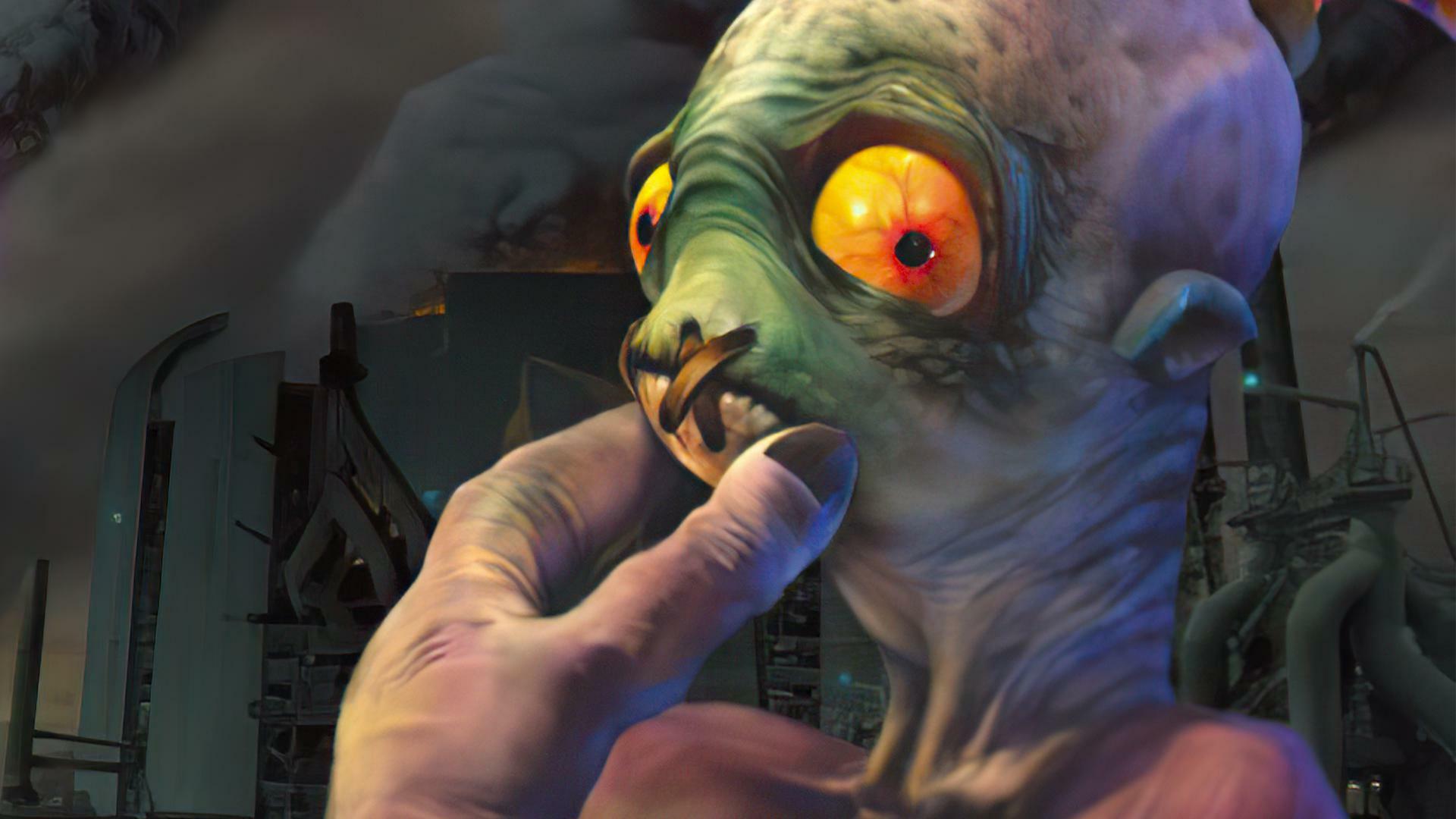
9. Oddworld: Abe's Oddysee
Dark, hilarious, and demanding high precision, Oddworld: Abe's Oddysee introduced cinematic puzzle-platforming to the PlayStation. Players guide the fragile Mudokon named Abe through dangerous industrial plants, relying on stealth, precise jump timing, and the GameSpeak communication mechanic to rescue fellow workers from peril.
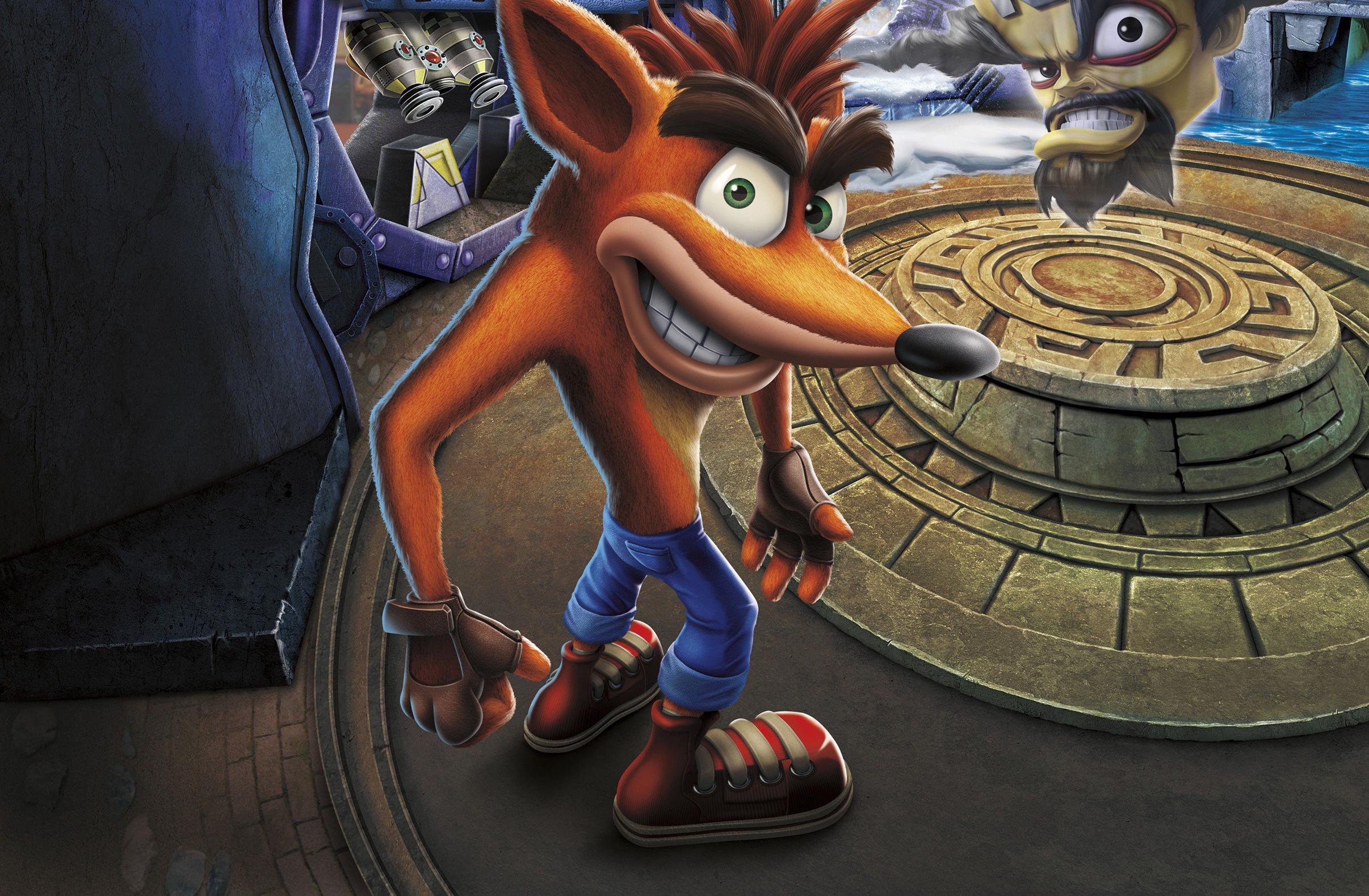
10. Crash Bandicoot 2: Cortex Strikes Back
Taking everything that worked from the original game and refining it, Crash Bandicoot 2: Cortex Strikes Back introduced the warp room structure, sliding moves, body slams, and jetpack levels. It struck a balance between accessible level completion and brutal secret-hunting for completionists.
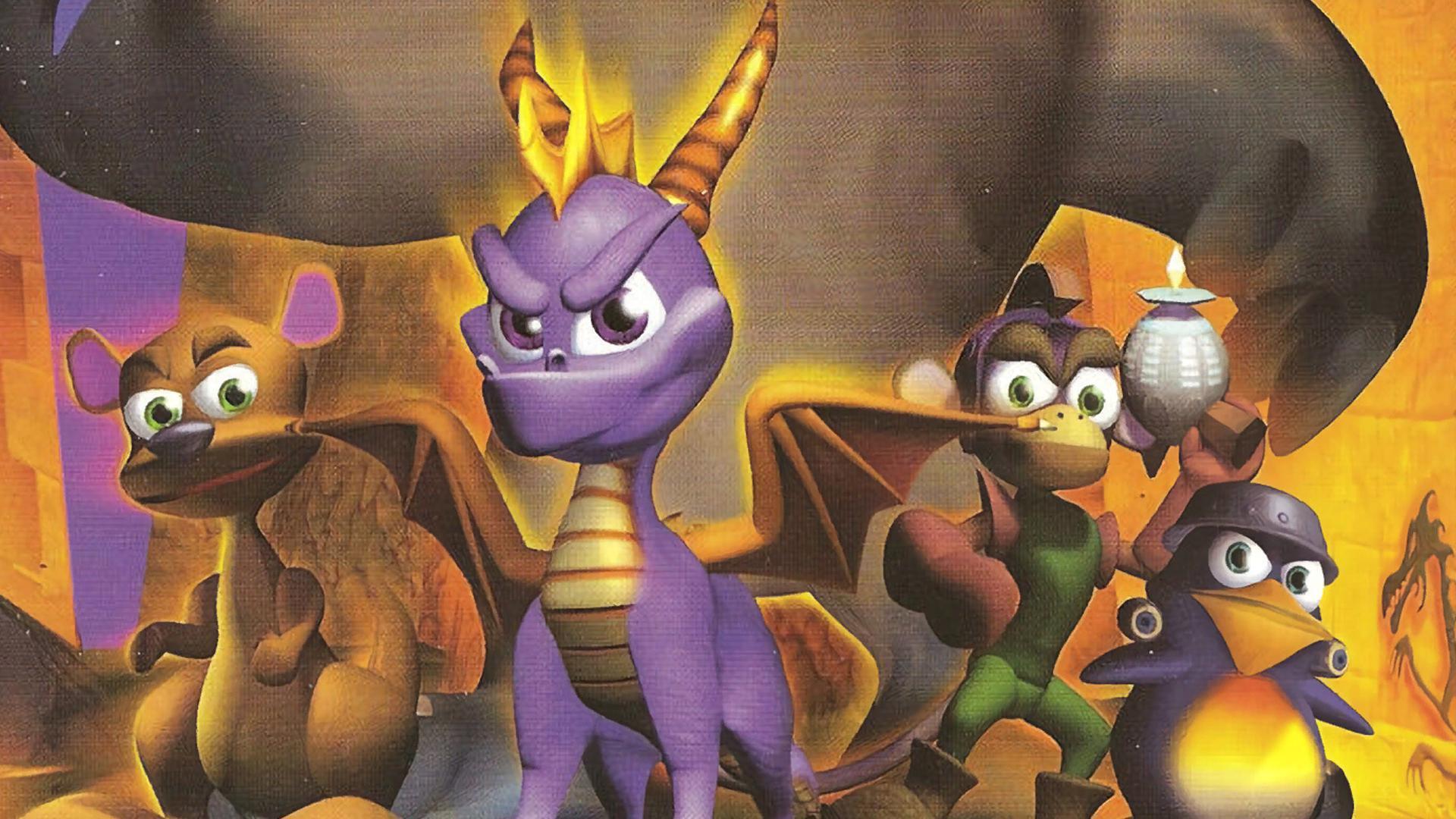
11. Spyro: Year of the Dragon
The third entry in the trilogy, Spyro: Year of the Dragon, expanded the gameplay by introducing additional playable characters like Sheila the Kangaroo, Sgt. Byrd, Bentley, and Agent 9. Each character offered unique movement mechanics and platforming styles, keeping the collectible hunt fresh and entertaining.
12. Gex: Enter the Gecko
Embracing early 3D exploration popular after titles like Super Mario 64, Gex: Enter the Gecko sent its wise-cracking gecko through levels parodying popular television genres and movies. Tail-whips, wall-climbing, and remote-control hunting highlighted this iconic 90s platformer.

13. Croc: Legend of the Gobbos
Featuring a cute green crocodile on a quest to save small fur-balls called Gobbos, Croc: Legend of the Gobbos delivered vibrant 3D platforming environments. While utilizing tank-style controls, its creative level design and cheerful presentation earned it a spot in the hearts of original PS1 owners.

14. Heart of Darkness
Developed over six years, Heart of Darkness is a cinematic platformer featuring orchestrations and pre-rendered backgrounds. Controlling a boy named Andy looking for his dog, players navigate shadow creatures using lasers and climbing mechanics reminiscent of classic platformer games.

15. Pac-Man World
Released to celebrate the character's 20th anniversary, Pac-Man World successfully reinvented the arcade icon as a 3D platforming hero. Pac-Man could butt-bounce, rev-roll, and consume dots while traversing themed worlds packed with hidden paths and classic maze bonus stages.

16. Pandemonium!
Pandemonium! stood out early in the PS1 lifecycle by presenting colorful 2.5D gameplay with a dynamic cinematic camera. Choosing between the agile jester Fargus and the high-jumping wizard Nikki allowed for distinct path options across surreal fantasy landscapes.

17. Disney's Hercules
Often considered one of the best movie tie-in games of the era, Disney's Hercules blended 2D sprite platforming with 3D depth shifting. Featuring sword combat, heroic maneuvers, and fast auto-runner levels, it offered engaging platform action.

18. Bugs Bunny: Lost in Time
Travelling across five different eras in time, Bugs Bunny: Lost in Time captured the humor and spirit of the Classic Looney Tunes shorts. Burrowing underground, kicking objects, and solving spatial platform puzzles made this title a surprisingly deep adventure.

19. Mega Man 8
The main series made its 32-bit debut with Mega Man 8, featuring detailed sprite animation, colorful stage environments, and challenging jump-and-shoot platforming sequences that required precise timing.

20. Toy Story 2: Buzz Lightyear to the Rescue
Standing as an extraordinary movie tie-in platformer, Toy Story 2: Buzz Lightyear to the Rescue put players in control of Buzz Lightyear across large 3D environments. Exploring Andy's house, Al's Toy Barn, and airport luggage systems delivered satisfying collectible-driven platforming.
Frequently Asked Questions
Which PS1 platform game sold the most copies?
The original Crash Bandicoot and its direct sequels Crash Bandicoot 2: Cortex Strikes Back and Crash Bandicoot 3: Warped were among the highest-selling platformers on the system, each selling millions of units globally and becoming temporary mascots for Sony.
What is the difference between 2D, 2.5D, and 3D platformers on PS1?
2D platformers restrict movement to horizontal and vertical planes using sprites (e.g., Mega Man X4). 2.5D games use 3D graphics or cameras while constraining movement to a strict 2D path (e.g., Klonoa: Door to Phantomile and Pandemonium!). 3D platformers allow free movement across all directional axes (e.g., Spyro 2: Ripto's Rage!).
Final Thoughts
The PlayStation 1 catalog proved that platformers could evolve into complex 3D worlds without losing the core thrill of timing, jumps, and exploration. These top 20 titles remain essential retro gaming experiences for fans of the genre.
