


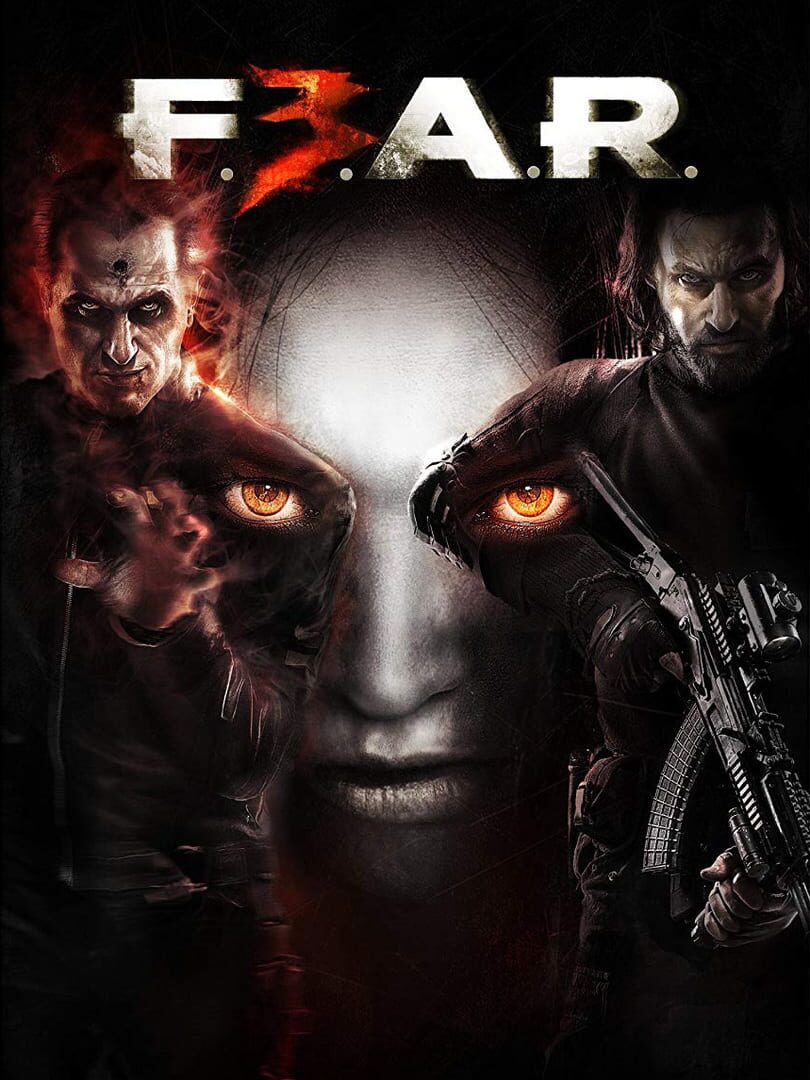
Released in 2011, F.E.A.R. 3 (stylized as F.3.A.R.) arrived as the third major installment in the iconic First-Person Shooter horror franchise. Striking a unique balance between tense supernatural encounters and explosive tactical combat, the game sought to re-invent the series by placing co-operative play at its core. In this review, we examine the context, story, graphics, development background, platforms, and whether this title still holds up today.
Context and Development Background
Unlike the original F.E.A.R. and its sequel, which were developed by Monolith Productions, F.E.A.R. 3 was developed by Day 1 Studios in collaboration with Monolith and published by Warner Bros. Interactive Entertainment. To enhance the horror and cinematic feel, the team brought in horror legends: director John Carpenter assisted with cinematic sequences, and comic book writer Steve Niles co-wrote the game's script.
This change in developer brought a noticeable shift in direction. While earlier entries prioritized solitary tension and atmosphere, Day 1 Studios focused heavily on asymmetric co-op gameplay, shifting the franchise more toward action-oriented combat while retaining eerie supernatural elements.
Story and Narrative
The story of F.E.A.R. 3 picks up nine months after the events of the previous games. The game follows the silent protagonist, Point Man, who is captured by Armacham Technology Corporation (ATC) forces. He is freed by the ghost of his resurrected brother, Paxton Fettel—the telepathic antagonist from the first game.
Despite their past conflict, the estranged brothers must form an uneasy alliance. Their primary goal is to reach their mother, Alma Wade, whose terrifying psychic contractions are tearing reality apart as she prepares to give birth to a new entity. The narrative touches on themes of broken family bonds, corporate corruption, and generational trauma, offering two distinct perspectives depending on which brother you play as.
Graphics and Visual Presentation
Powered by the Desolation Engine, F.E.A.R. 3 featured impressive visual effects for its time, particularly regarding lighting, fire, and destruction mechanics. The environments range from derelict urban slums and decaying suburbs to surreal, nightmare-infused landscapes spawned from Alma's subconscious.
While the character models and atmospheric lighting held up well in 2011, the game traded some of the dark, claustrophobic corridor aesthetics of the original for brighter, broader combat arenas suited for two players. The audio design remains strong, with unsettling ambient sounds, intense gun violence effects, and a haunting score that heightens high-stress encounters.
Playable Platforms
F.E.A.R. 3 was released across multiple platforms and remains accessible on modern hardware through backward compatibility and digital distribution storefronts:
- PC (Microsoft Windows): Available via Steam.
- Xbox 360: Playable on Xbox One and Xbox Series X/S via backward compatibility.
- PlayStation 3: Available on original physical discs or digitally via legacy PlayStation Store regions.
Key Specifications & Summary
| Feature | Details |
|---|---|
| Developer | Day 1 Studios |
| Publisher | Warner Bros. Interactive Entertainment |
| Release Date | June 2011 |
| Genre | First-Person Shooter, Survival Horror |
| Modes | Single-Player, 2-Player Co-op, Multiplayer |
Final Verdict and Recommendation
F.E.A.R. 3 is a solid, highly entertaining tactical shooter that excels particularly when played in two-player cooperative mode. The mechanic of pairing Point Man's classic kinetic gunplay and slow-motion abilities with Fettel's telekinetic possession powers offers one of the most innovative asymmetric co-op experiences of the Xbox 360/PS3 era.
However, fans seeking the pure, terrifying single-player atmosphere of the original 2005 F.E.A.R. may find the increased action focus slightly diminishes the psychological horror. Overall, if you are looking for an action-packed shooter with supernatural flavor to play with a friend, F.E.A.R. 3 is definitely worth playing today.

