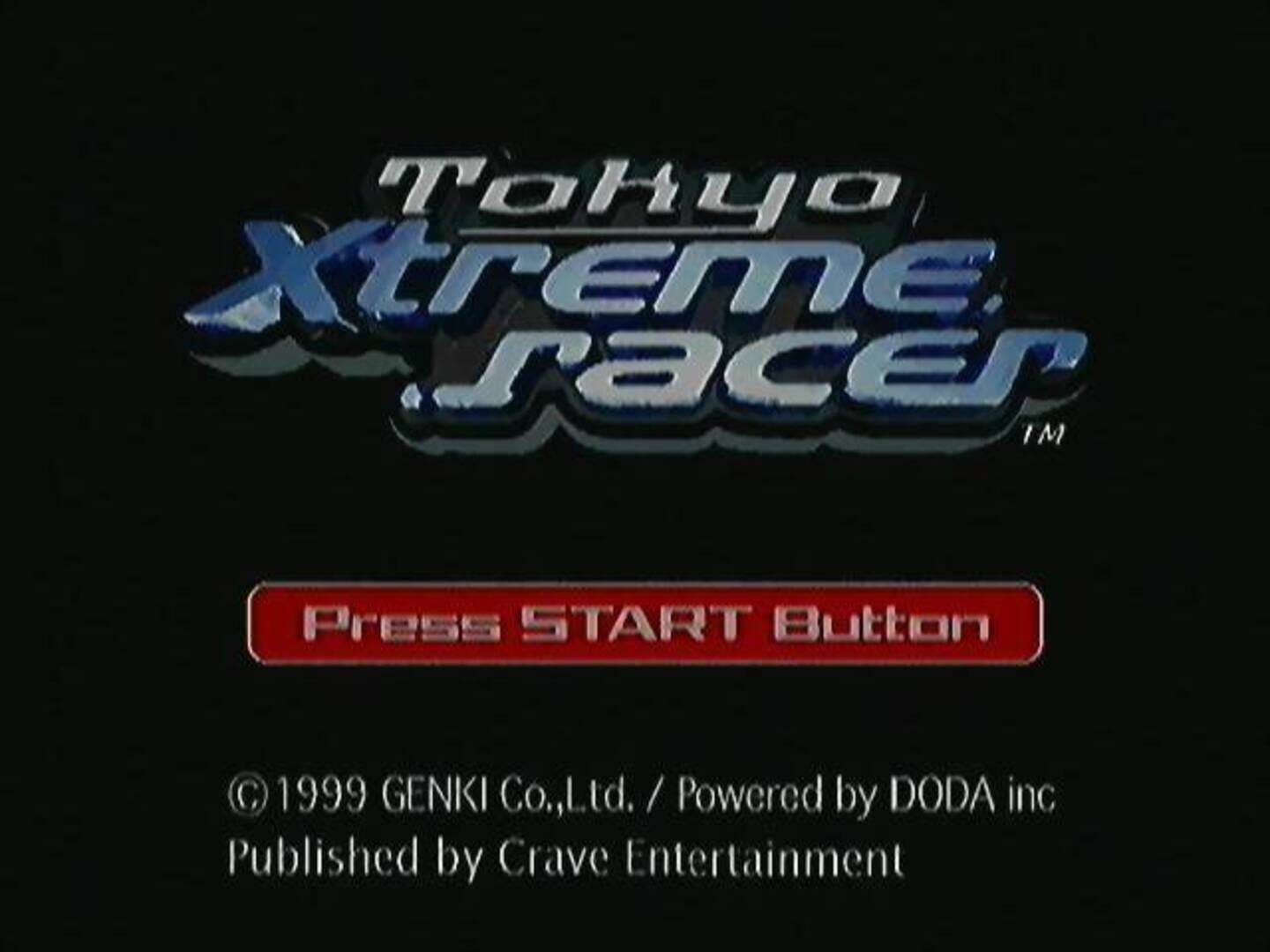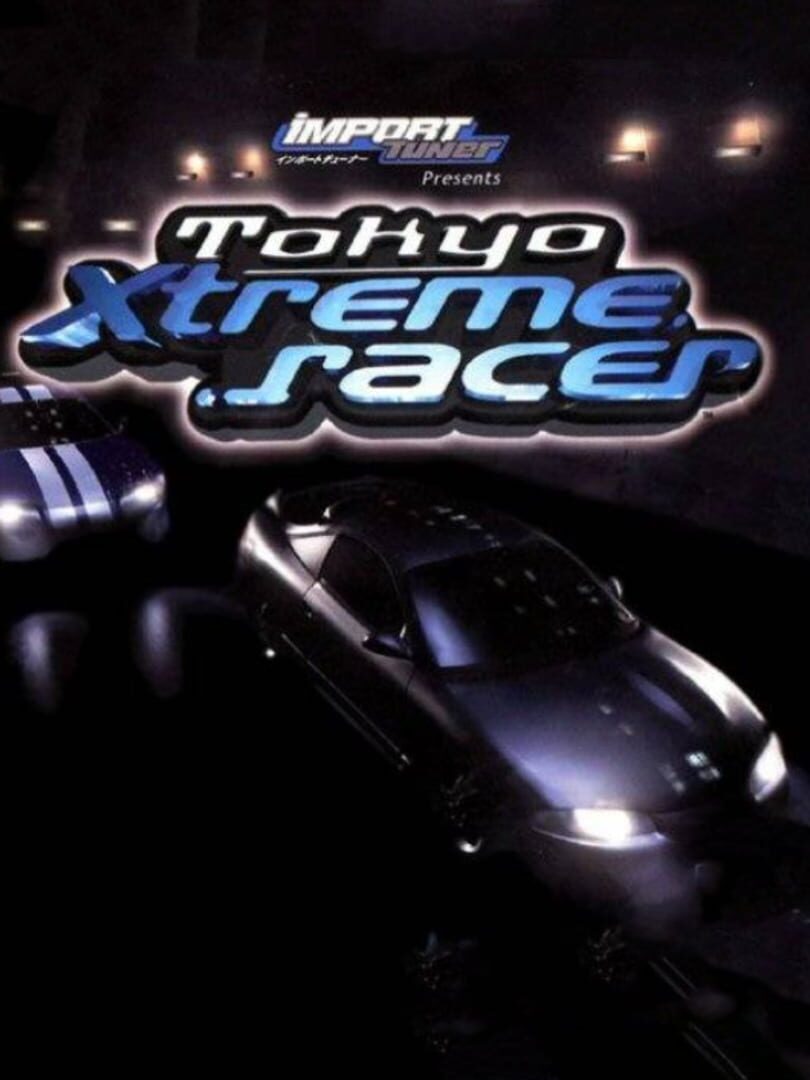
Retro Gaming Review: Tokyo Xtreme Racer (1999)
When the Sega Dreamcast launched in North America in late 1999, it brought arcade-perfect experiences directly into living rooms. Among its standout launch-window titles was Tokyo Xtreme Racer (known as Shutokou Battle in Japan), a game that captured the mystic subculture of underground highway racing long before mainstream franchises adopted the theme.
Developer Context and Platforms
Tokyo Xtreme Racer was developed by the legendary Japanese studio Genki, a developer renowned for specialized racing titles, and published in North America by Crave Entertainment. Genki crafted the game specifically to utilize the raw processing power of the Sega Dreamcast.
Today, the game is officially playable on original Sega Dreamcast hardware. Modern retro gaming enthusiasts also frequently play it via Dreamcast emulation on PC, handheld devices, and modern retro consoles.
Story, Narrative, and Unique Mechanics
Rather than relying on a traditional cutscene-driven narrative, Tokyo Xtreme Racer builds its story organically through dynamic street rivalries. Set on the real-world Tokyo Metropolitan Expressway (Shuto Expressway), you play as an ambitious night racer striving to defeat all local car crews and dominate the highway hierarchy.
The defining feature of Tokyo Xtreme Racer is its fighting-game-inspired battle system:
- High Beam Challenge: Instead of starting from a grid, you cruise the highway looking for rivals. Pulling behind a rival car and flashing your high beams initiates a race.
- Spirit Points (SP) Bar: Both drivers share a health meter called the SP Bar. The further behind you lag, or the more you crash into walls or civilian traffic, the faster your SP bar drains.
- Defeating Rivals and Customization: Winning battles earns CP (Quest Points), which allow you to buy faster cars and tune engine parts, suspension, body kits, and tires.
Graphics and Audio Presentation
For a title released in 1999, Tokyo Xtreme Racer was a technical showcase. Genki rendered authentic highway lighting, vehicle reflections, and smooth frame rates that far surpassed 32-bit era consoles. The ambient neon lights reflecting off glossy sports cars set an immersive nocturnal mood, perfectly complemented by a high-energy synth and electronic soundtrack that kept adrenaline high during 100+ mph battles.
Final Recommendation
Tokyo Xtreme Racer (1999) remains a groundbreaking title that holds up exceptionally well. Its addictive loop of highway cruising, strategic SP battles, and deep vehicle progression makes it a cult classic. Whether you are a fan of 90s JDM car culture, retro Dreamcast titles, or unique racing mechanics, this game is highly recommended.