


Video games have long offered players an escape from reality, but few genres empower player agency quite like sandbox games. Unlike linear story-driven titles that guide players along a predetermined path, sandbox games hand players the keys to the world and ask a simple question: "What do you want to do next?"
Over the past four decades, the sandbox genre has evolved from basic simulation software into massive, physics-driven virtual worlds capable of near-infinite creativity. Today, sandbox mechanics permeate almost every major release, shaping how we interact with virtual environments. Here is the full story of how sandbox games transformed interactive entertainment.
Defining the Sandbox Genre
At its core, a sandbox game emphasizes player freedom, nonlinear design, and emergent gameplay. Rather than restricting players with strict objective structures, sandbox titles offer systems—such as physics engines, crafting mechanics, or AI behavioral routines—that interact with one another. Players manipulate these systems to create their own goals, solutions, and entertainment.
The Early Foundations: City Builders and Space Sims
Before sprawling 3D worlds existed, early sandbox games focused on systemic simulation and open-ended exploration.
The Simulation Era
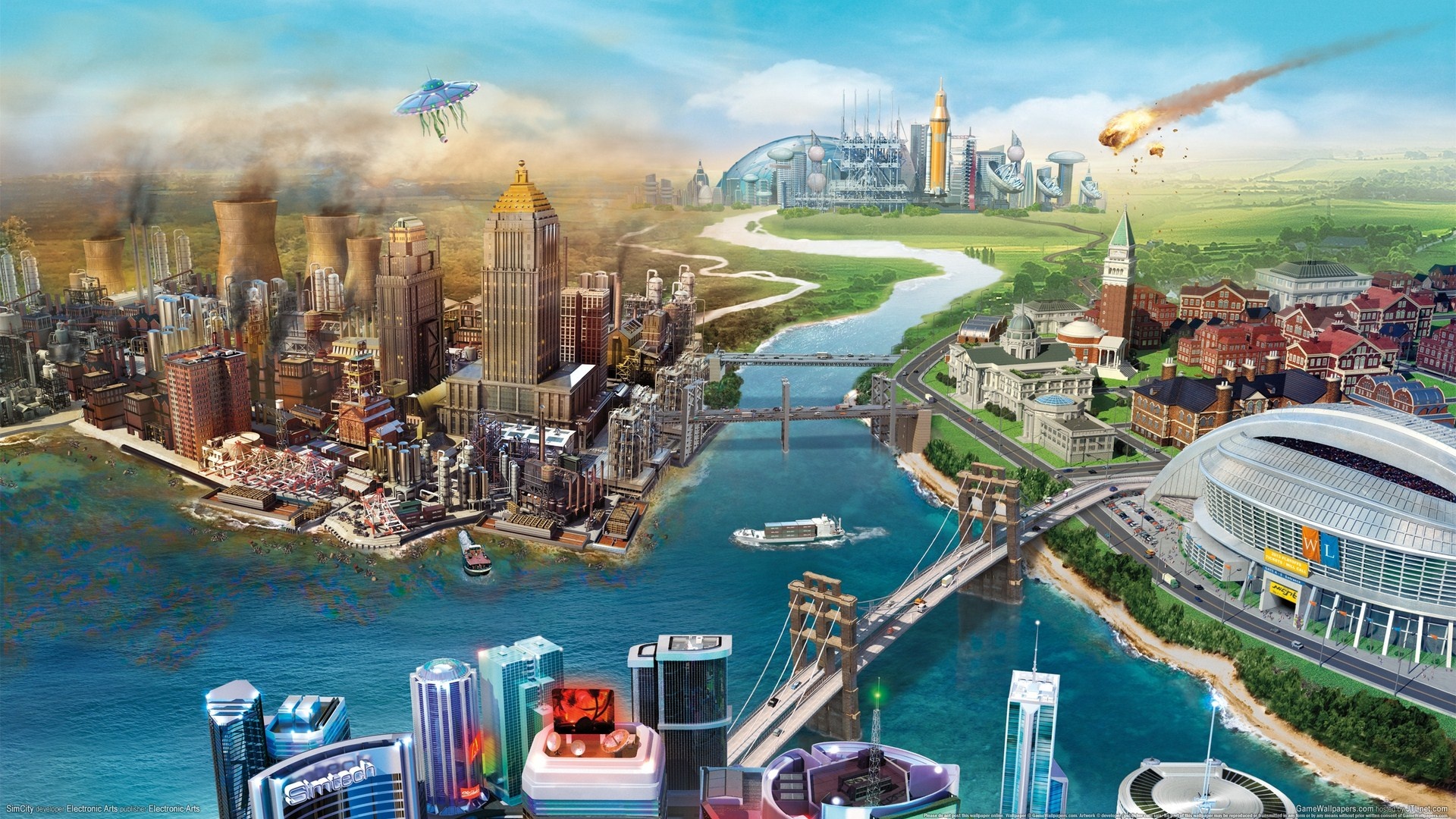
In 1989, designer Will Wright introduced SimCity, a game with no win condition, no narrative, and no game over screen. Players managed zoning, budgets, and disasters, finding satisfaction in city management rather than reaching a final boss. SimCity demonstrated that gamers were willing to create their own play styles without relying on traditional winning mechanics.
Simultaneously, early space exploration games like Elite gave players an entire galaxy to navigate, trade in, and explore freely. These early titles laid the conceptual groundwork for open-ended design.
The 3D Revolution: Emergent Open-World Sandboxes
The transition from 2D graphics to 3D virtual spaces in the late 1990s and early 2000s fundamentally altered the sandbox landscape, shifting focus toward character agency and living worlds.
Living Cities and Crime Simulators
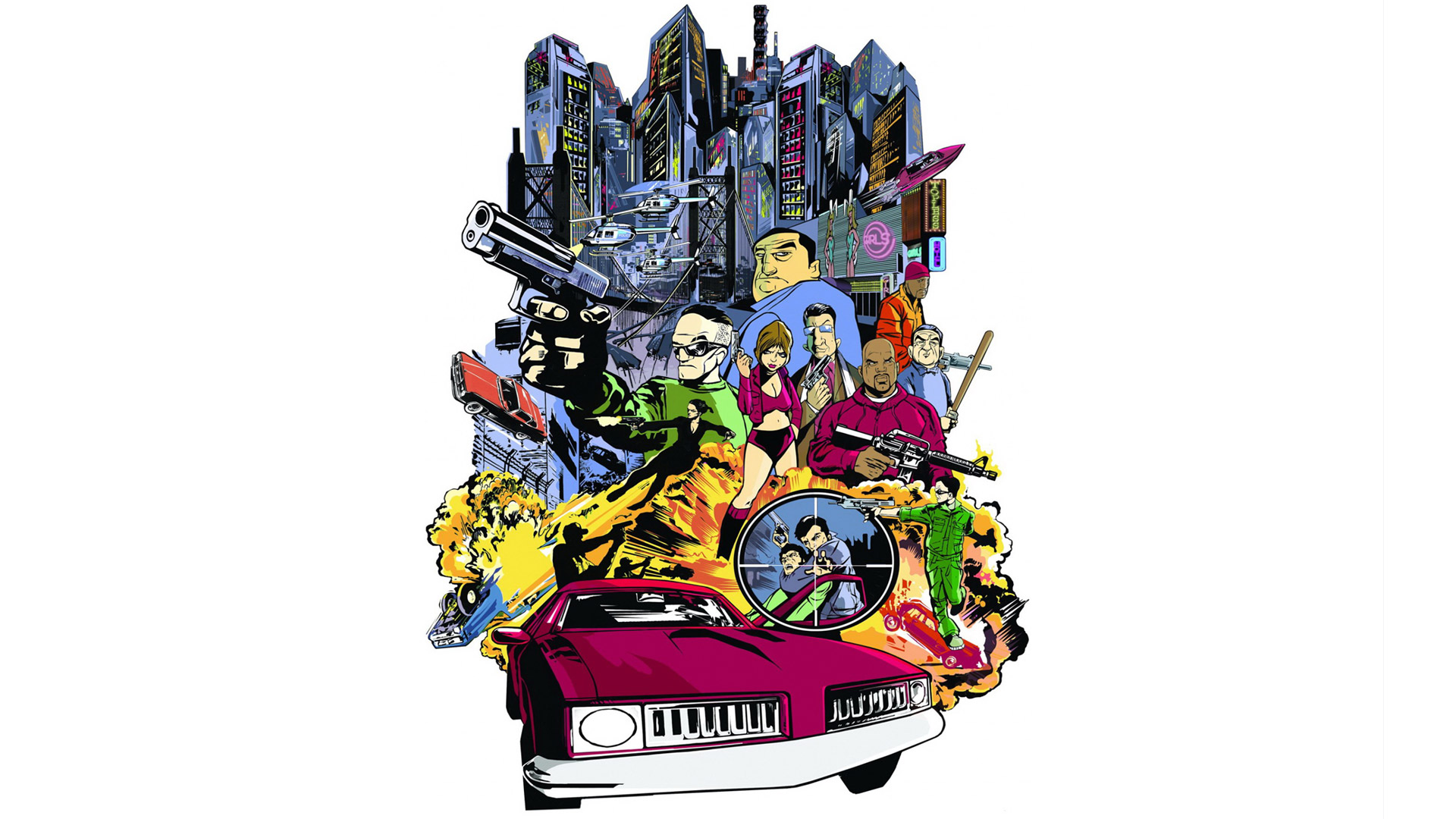
The release of Grand Theft Auto III in 2001 marked a monumental shift in gaming history. For the first time, players navigated a fully realized 3D city populated by reactive non-playable characters, traffic, and police systems. While the game featured a story, players frequently ignored missions to experiment with driving, weapon mechanics, and causing general chaotic fun. The successful formula was refined further in Grand Theft Auto V, proving the massive commercial viability of dynamic open-world sandboxes.
RPG Freedom and Dynamic Universes
On the RPG side, Bethesda Game Studios pioneered deep interactive sandboxes with The Elder Scrolls III: Morrowind and later The Elder Scrolls V: Skyrim. These games allowed players to pick up almost every physical object in the world, choose any profession or combat strategy, and explore freely without following the main questline.
The Voxel and Crafting Boom: True Player Creation
While early sandbox games allowed players to interact with a world, the next major evolution allowed them to reshape the world entirely.
Destructible Terrains and Digital Legos
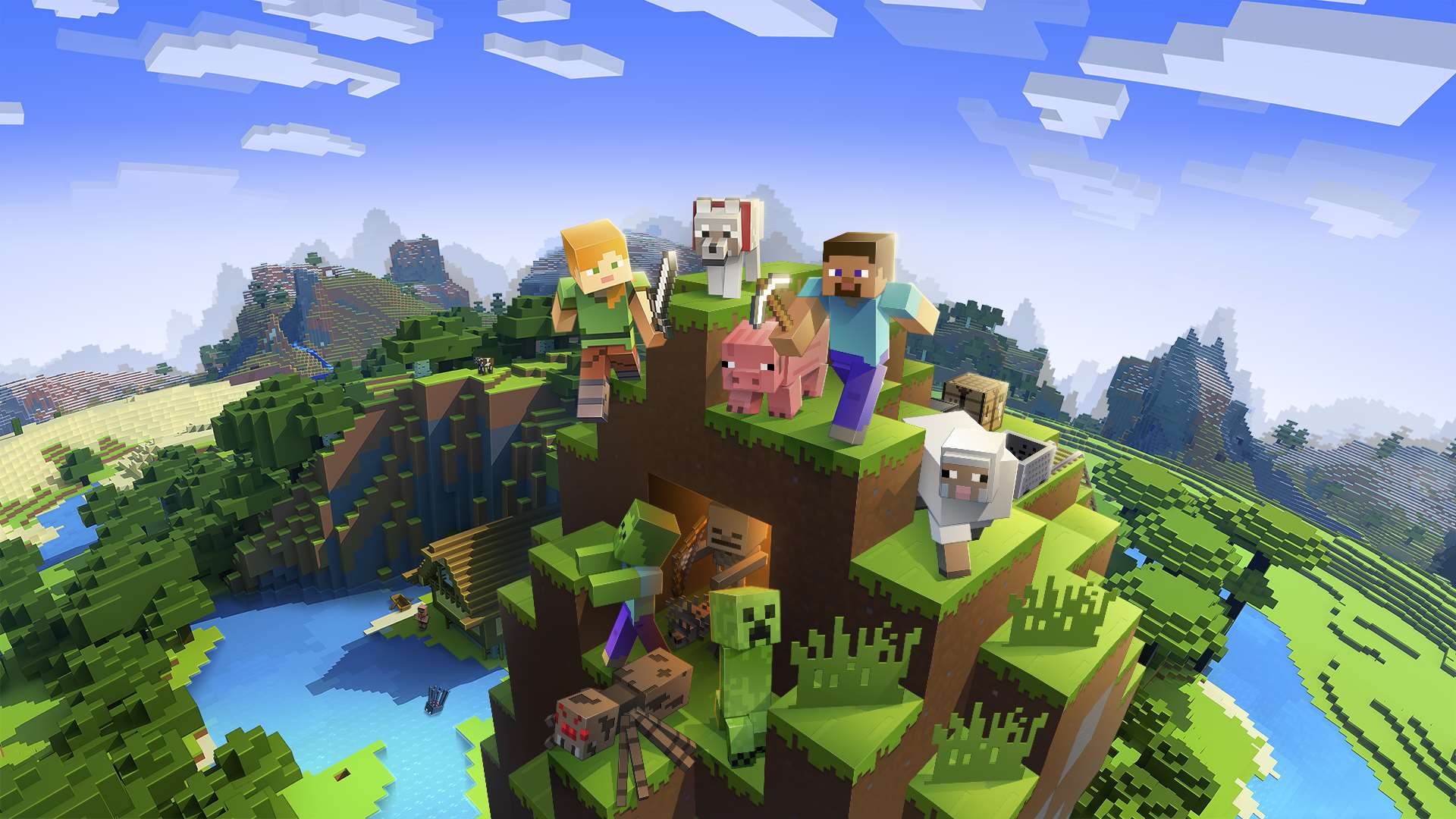
In 2009, Minecraft revolutionized the gaming industry. By building a world made entirely of destructible, placeable 3D blocks (voxels), it converted sandbox games from simple open playgrounds into digital Legos. Players were no longer just interacting with an environment; they were building castles, engineering complex redstone machines, and sculpting entire cities.
This voxel revolution sparked an entire sub-genre of survival and crafting sandbox titles, including 2D equivalent Terraria, massive online creative platforms like Roblox, and procedural space explorers like No Man's Sky.
Physics-Driven Sandboxes and Modern Emergent Gameplay
In recent years, the sandbox concept has evolved beyond terrain manipulation to focus heavily on systemic physics and chemical interactions.
Chemistry, Physics, and Mechanical Crafting
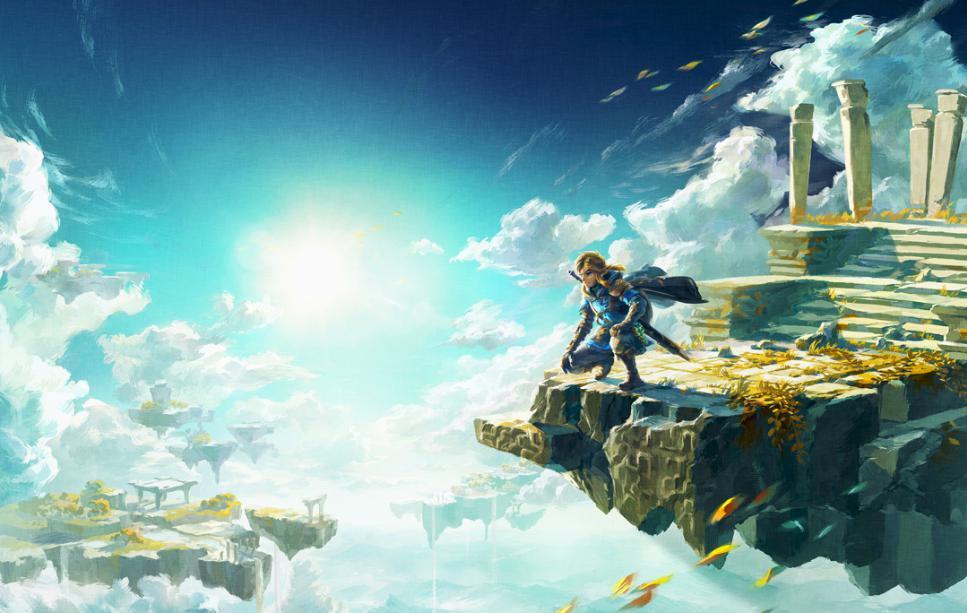
Nintendo redefined modern sandbox design with The Legend of Zelda: Breath of the Wild by implementing a robust chemistry and physics system where wind, fire, electricity, and gravity interact logically. Its sequel, The Legend of Zelda: Tears of the Kingdom, took player agency a step further by giving players tools to fuse objects together, building functional cars, airships, and combat robots directly inside an adventure game.
Meanwhile, dedicated physics software experiments like Garry's Mod laid the foundation for modern content creators to experiment with game engines, modding, and custom game modes.
Key Milestones in Sandbox Evolution
- 1989: SimCity proves games without linear win conditions can be massive successes.
- 2001: Grand Theft Auto III sets the modern standard for 3D open-world criminal sandboxes.
- 2004: Garry's Mod demonstrates the limitless potential of engine-level physics manipulation.
- 2011: Minecraft launches fully, democratizing world-building and voxel survival mechanics.
- 2023: The Legend of Zelda: Tears of the Kingdom integrates complex engineering mechanics seamlessly into modern open-world gameplay.
Frequently Asked Questions
What is the difference between an open-world game and a sandbox game?
An open-world game refers to map design—allowing players to navigate a non-linear world without loading screens. A sandbox game refers to mechanics—providing tools, systems, and freedom for players to manipulate the game world and create their own experience. An open-world game can be linear in mechanics, while a sandbox game focuses on freedom.
What was the first sandbox game?
While debated, early titles like SimCity (1989) and space trading game Elite (1984) are widely considered the foundational grandfathers of modern sandbox gaming due to their lack of structured end goals and high emphasis on player freedom.
Why are sandbox games so popular?
Sandbox games offer unrivaled replay value, creative fulfillment, and personal agency. Every player experiences the game differently, turning simple gameplay mechanics into unique personal stories and creative achievements.
Final Thoughts
The evolution of sandbox games highlights the incredible growth of video games as an interactive medium. What started as basic city simulation software has transformed into vast, multi-layered digital playgrounds where physics, AI, and creative freedom merge. As artificial intelligence and game engines continue to mature, the sandbox genre will undoubtedly continue to expand, offering even greater freedom to future generations of gamers.
