


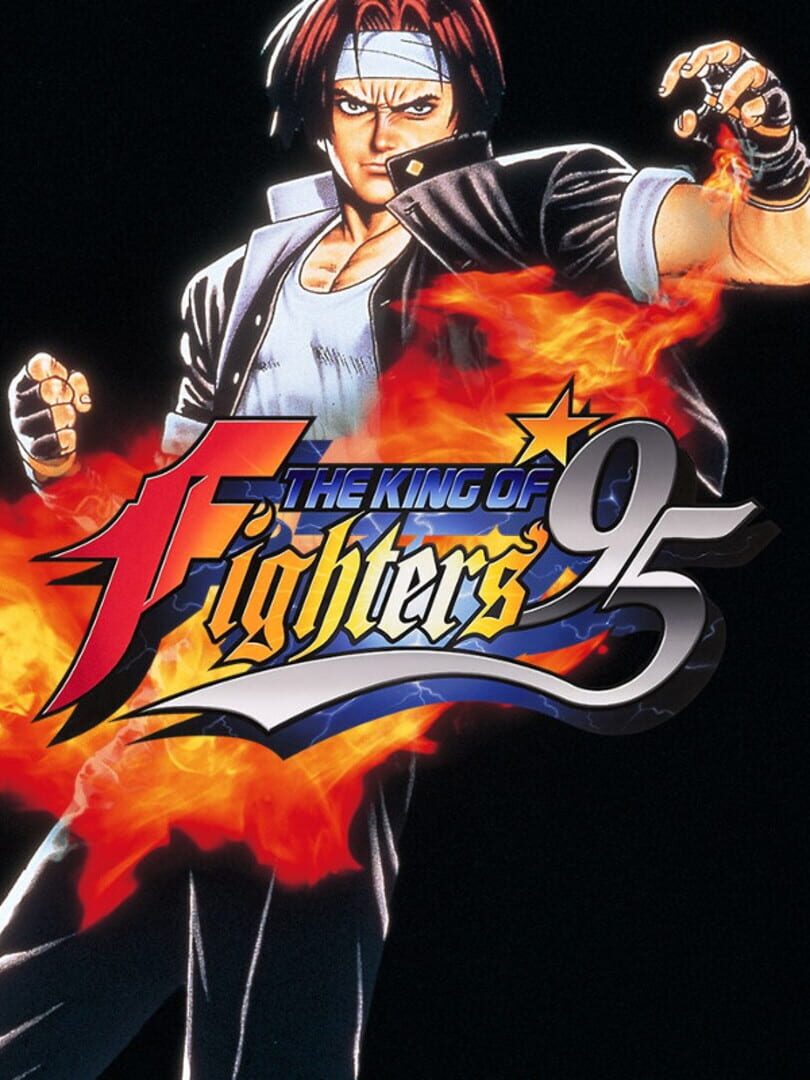
Introduction: Context Behind the Fighting Classic
Released in 1995 as the second entry in SNK's legendary crossover franchise, The King of Fighters '95 (KOF '95) solidified the series' status as an arcade juggernaut. Coming off the success of KOF '94, this installment refined the 3v3 team battle mechanics and introduced iconic characters that defined fighting game history for decades to come.
Developer and Historical Background
Developed and published by SNK (Shin Nihon Kikaku), KOF '95 was originally engineered for the powerful Neo Geo MVS arcade board and home console systems. During the mid-90s fighting game boom, SNK stood as Capcom's primary rival. KOF '95 demonstrated SNK's ability to create deep, story-driven fighting experiences with intricate lore and stylized combat.
Story and Narrative: Enter Iori Yagami
The story follows the aftermath of the previous tournament, where Rugal Bernstein's ship exploded. A mysterious invitation letter marked 'R' circulates among the world's top martial artists, signaling the return of the tournament. It is revealed that Rugal survived and has been cybernetically upgraded into Omega Rugal, infused with dangerous Orochi power.
Narratively, KOF '95 introduced one of the most famous rivalries in gaming history. Replacing the USA Sports Team was the Rival Team, featuring Iori Yagami alongside Billy Kane and Eiji Kisaragi. Iori's ancient blood feud with Kyo Kusanagi kicked off the legendary Orochi Saga, bringing a dark and intense narrative dynamic to the roster.
Graphics, Visual Style, and Audio
Visually, KOF '95 stands as a masterclass in 2D pixel animation. The stage backgrounds are filled with dynamic details, lighting effects, and animated spectators across diverse global locations. Character sprites are detailed and fluidly animated, capturing unique fighting stances and special moves.
The audio design matches the strong visual presentation. Featuring an acclaimed FM-synth and arranged soundtrack, alongside punchy sound effects and full voice acting for special attacks, the audio elevates the competitive atmosphere.
Gameplay Mechanics and Innovation
While KOF '94 required players to select fixed, nation-based teams, The King of Fighters '95 revolutionized the series by introducing the Team Edit system. For the first time, players could freely assemble their dream team of three fighters from any team roster.
Key gameplay elements include:
- 3-on-3 Team Battles: Round-robin elimination format where the winner stays on.
- Power Gauge: Chargeable meter used for extra attack power and powerful Desperation Moves.
- Evasion Moves: Side-step mechanics that allow players to dodge attacks and counter instantly.
Playable Platforms
Initially released on Neo Geo MVS, AES, and Neo Geo CD, the game saw ports across several retro and modern platforms:
- Retro Consoles: Sega Saturn (utilizing the ROM cartridge for fast load times), Sony PlayStation, and Game Boy (as Heat of Fighting).
- Modern Platforms (ACA NEOGEO): PlayStation 4, PlayStation 5, Xbox One, Xbox Series X/S, Nintendo Switch, iOS, and Android.
- PC: Available digitally via Steam and GOG.
Final Recommendation
The King of Fighters '95 is a pivotal title that helped define 2D fighting games. With the groundbreaking Team Edit feature, high-octane gameplay, superb pixel art, and the iconic debut of Iori Yagami, it remains an essential experience for retro gamers.
Final Verdict: 8.5/10 — Highly recommended for retro fighting game fans, arcade historians, and SNK enthusiasts looking to experience the roots of the Orochi Saga.

