


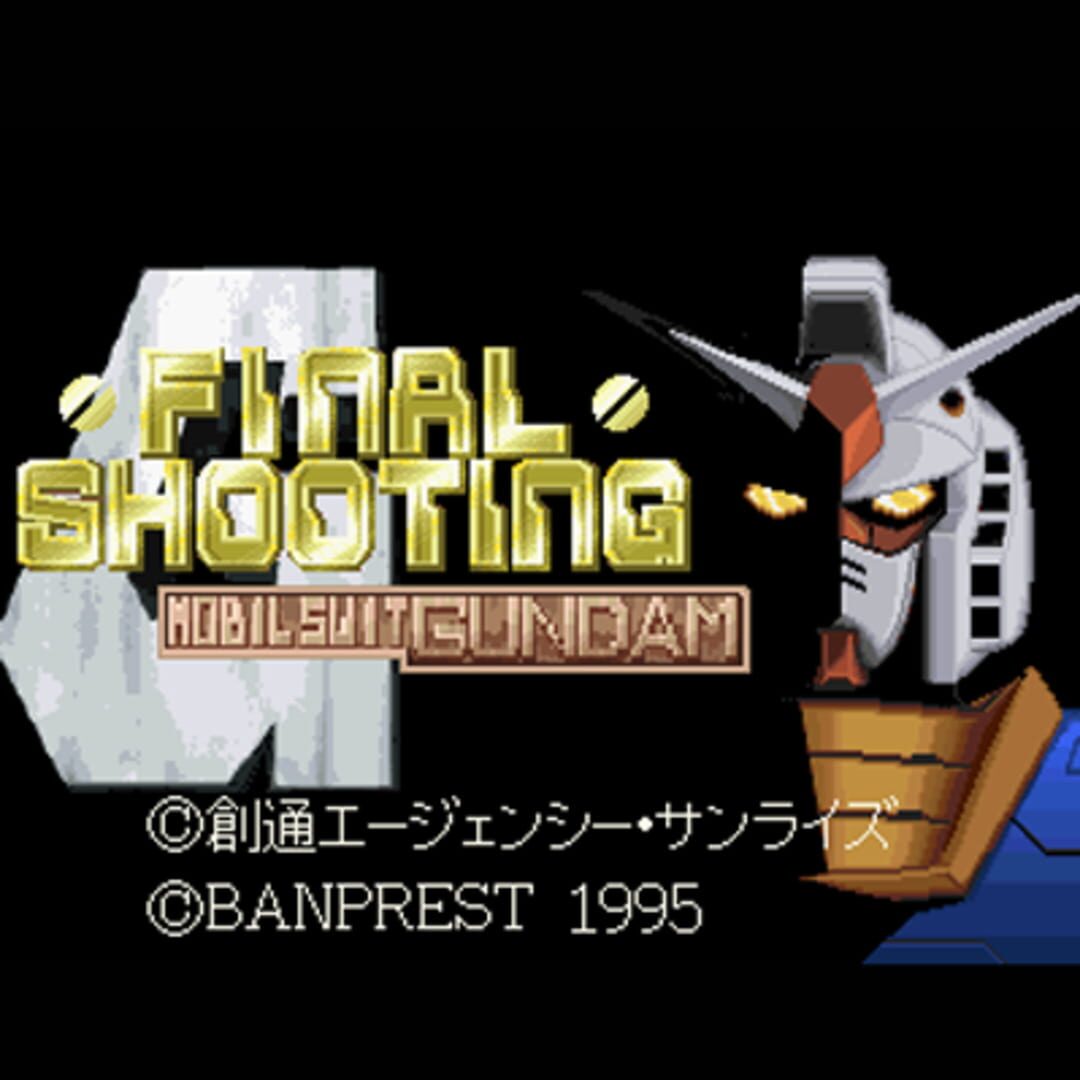
Mobile Suit Gundam: Final Shooting (1995) Review
Step back into arcade history with Mobile Suit Gundam: Final Shooting, a classic 1995 light gun shooter that brought Universal Century mecha combat to life in Japanese arcades. Inspired by the climactic events of the original 1979 anime series, this title provided retro gamers and anime enthusiasts with a unique pilot-seat perspective of the One Year War.
Historical Context & Game Overview
In the mid-1990s, arcade light gun shooters were experiencing a golden age thanks to hit titles like Virtua Cop and Time Crisis. Released in 1995, Mobile Suit Gundam: Final Shooting capitalized on this trend by placing players directly inside the cockpit of the RX-78-2 Gundam. Designed to capture the raw tension of mecha dogfights, the arcade cabinet featured a custom light gun styled after the Gundam's iconic Beam Rifle, fully immersing fans in high-stakes space warfare.
Developer & Hardware Background
The game was published by Banpresto and developed by Yumekobo on Namco System 22 arcade hardware. Namco's cutting-edge 3D graphical hardware allowed the developers to render real-time polygonal Mobile Suits, marking a major technical leap forward from earlier 2D Gundam releases. The system powered fast-paced rail shooter mechanics, smooth sprite scaling, and dynamic camera movements.
Story & Narrative Experience
The narrative strictly adheres to the final acts of the original Mobile Suit Gundam anime set in Universal Century 0079. Players pilot the RX-78-2 under the control of Federation ace Amuro Ray. The story progresses through pivotal battles of the One Year War, culminating at the orbital space fortress A Baoa Qu. Throughout the stages, you must defend against endless waves of Zeon forces, including Zaku IIs, Doms, Gelgoogs, and ultimately Char Aznable piloting the fearsome MSN-02 Zeong. Recreating the iconic headless "Final Shooting" pose at the story's end provides a deeply satisfying climax for anime completionists.
Graphics, Audio, & Gameplay Mechanics
For a 1995 arcade entry, the graphical presentation was top-notch. Utilizing textured 3D polygons, enemy Mobile Suits featured distinct silhouettes, recognizable armor details, and fluid destruction animations. Targeting different armor sections allowed for precise shootouts. The audio design complemented the visuals with authentic beam rifle sound effects, anime-accurate explosions, and a high-energy 90s synth soundtrack that kept arcade adrenaline pumping.
Playable Platforms & Accessibility
Finding a way to play Mobile Suit Gundam: Final Shooting today can be a challenge due to its arcade exclusivity:
- Arcade Cabinets: Original 1995 cabinets are rare collector items today, occasionally spotted in specialized retro Japanese arcades.
- Home Consoles: The title never received an official home console port for the PlayStation, Sega Saturn, or modern platforms.
- Emulation: Retro gaming enthusiasts can play the game today via arcade emulation platforms such as MAME (Multiple Arcade Machine Emulator), which supports light gun peripherals or mouse controls.
Final Recommendation & Verdict
Mobile Suit Gundam: Final Shooting (1995) stands as an underrated gem in the vast universe of Gundam video games. While its on-rails structure is simple by modern standards, its rich historical context, immersive hardware setup, and faithful recreation of the One Year War finale make it a must-try for mecha fans and retro arcade enthusiasts alike.
Verdict: 8/10 – A nostalgic, explosive arcade shooter that perfectly captures the magic of 90s light gun gaming.
