


Introduction and Context
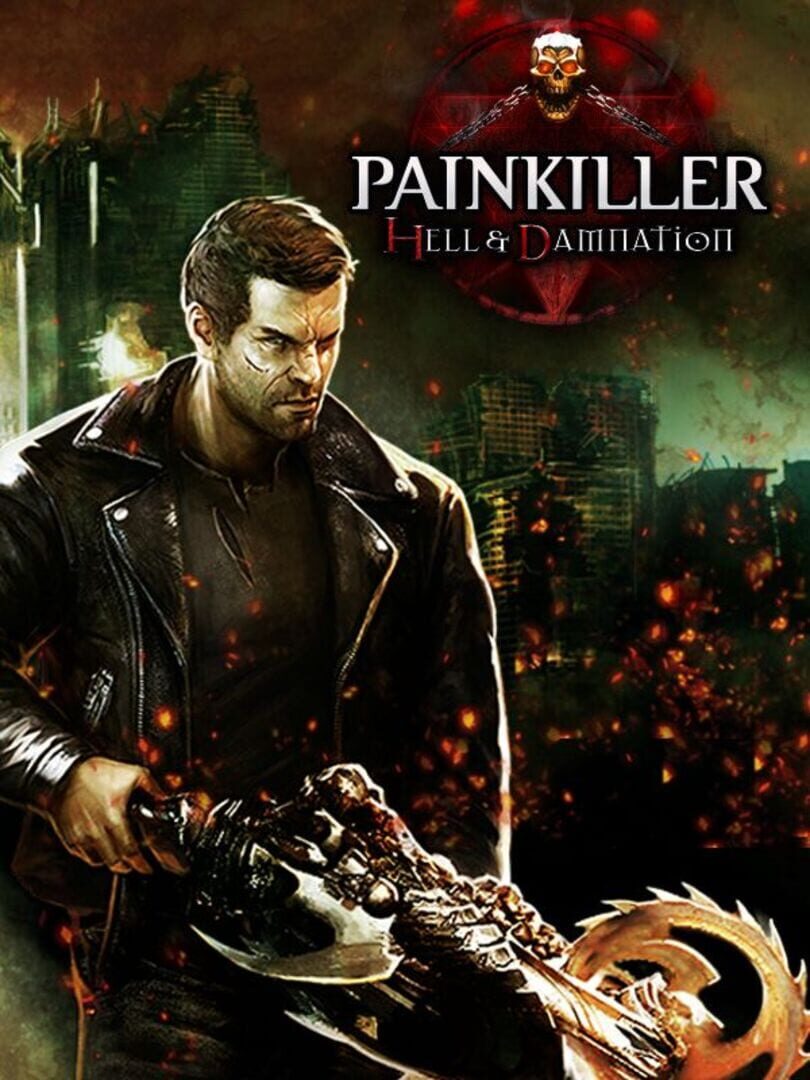
In the mid-2000s, arena shooters reigned supreme, delivering fast-paced, high-octane violence without the clutter of overly complex modern mechanics. Among these classics was the original 2004 Painkiller by People Can Fly. Fast forward to 2012, and publisher Nordic Games sought to revive the beloved franchise with Painkiller: Hell & Damnation. Serving as both a remake of the original game and its expansion Battle Out of Hell, as well as a soft sequel, this title aimed to introduce a classic boomer shooter experience to a new generation of gamers.
Developer and Background
Painkiller: Hell & Damnation was developed by the Polish studio The Farm 51, a team composed of several veteran developers who had worked on the original 2004 game at People Can Fly. Published by Nordic Games (now known as THQ Nordic), the developers transitioned the franchise from the proprietary PainEngine to Epic Games' powerful Unreal Engine 3. This upgrade brought a significant graphical overhaul while attempting to maintain the physics-heavy, fast-paced shooting that fans cherished.
Story and Narrative
The story once again follows protagonist Daniel Garner, who remains trapped in the purgatorial realm between Heaven and Hell. Desperate to reunite with his wife, Catherine, who has ascended to Heaven, Daniel is approached by Death (the Grim Reaper) himself. Death offers Daniel a deal: harvest 7,000 demon souls using a legendary artifact known as the Soulcatcher, and he will finally be granted passage to Heaven.
While narrative takes a backseat to relentless action, the cutscenes and voiced interactions provide a gothic, dark-fantasy backdrop. The storyline offers just enough context to justify blasting through hordes of skeletal soldiers, gigantic bosses, and grotesque abominations across hellish landscapes.
Graphics, Audio, and Visual Design
Thanks to the shift to Unreal Engine 3, Painkiller: Hell & Damnation received a major visual upgrade over its 2004 predecessor. The lighting effects, character models, and atmospheric environments feature rich detail, enhancing the game's grim aesthetic. Level designs range from gloomy medieval castles and abandoned opera houses to war-torn battlefields.
Audio design remains one of the game's strongest assets. The signature high-tempo heavy metal soundtrack kicks in dynamically whenever enemies appear, perfectly matching the intensity of the combat. Weapons sound punchy and impactful, especially iconic firearms like the Stakegun and the spinning blades of the Painkiller launcher.
Playable Platforms
Painkiller: Hell & Damnation was released across multiple platforms, making it accessible to both PC and console players of its era:
- PC (Microsoft Windows & Linux): Available via Steam, featuring full controller support, workshop integration, and online co-op/multiplayer modes.
- Xbox 360: Released as both a physical retail disc and digital download.
- PlayStation 3: Available digitally and physically in select regions.
Gameplay Features and Mechanics
The core gameplay loop remains true to traditional shooter design: lock the player in an arena, spawn waves of grotesque enemies, and reward survival with soul drops. Key features include:
- Iconic Weaponry: The game brings back fan favorites like the Stakegun (which pins enemies to walls), the Electrodriver, and the Soulcatcher/Painkiller combo.
- Tarot Card System: Players can collect gold coins scattered throughout levels to purchase Tarot Cards, granting temporary power-ups such as bullet time or increased damage.
- Co-Op and Multiplayer: The campaign features full 2-player online co-op mode, alongside competitive multiplayer modes such as Deathmatch and Capture the Flag.
Final Recommendation: Is It Worth Playing?
Painkiller: Hell & Damnation is a slick, energetic love letter to classic arena FPS games. While it truncates some levels from the original 2004 release, it compensates with modern visuals, responsive combat, and smooth co-op gameplay. If you enjoy games like DOOM, Quake, or modern boomer shooters like DUSK, this title is well worth picking up on PC or retro console hardware.
Verdict: 7.5/10 — A fun, metal-fueled blast from the past that delivers mindless demon-slaying action at its finest.

