


Introduction and Context
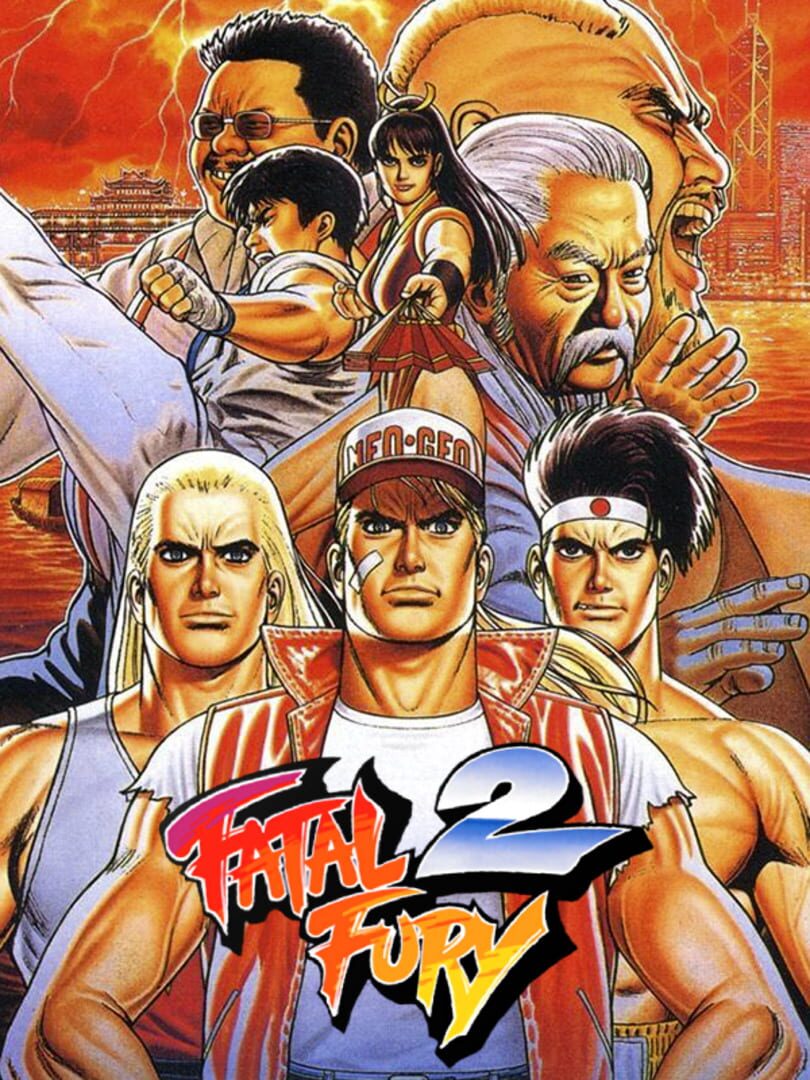
Released in 1992 for the Neo Geo MVS arcade system, Fatal Fury 2 (known in Japan as Garou Densetsu 2: Aratanaru Tatoi) stands as one of the most pivotal titles in competitive fighting game history. Coming right on the heels of Street Fighter II's massive popularity, SNK needed a title that could establish their unique identity in the booming arcade scene. While the original 1991 Fatal Fury introduced innovative concepts, Fatal Fury 2 refined them into a masterclass of 16-bit fighting design, establishing characters and mechanics that remain iconic over three decades later.
The Developer: SNK's Rise to Arcade Royalty
Developed and published by SNK (Shin Nihon Kikaku), Fatal Fury 2 showcased the Japanese studio's engineering prowess on their legendary Neo Geo hardware. SNK utilized high-capacity ROM cartridges to deliver arcade experiences far superior to home consoles of the era. Led by visionaries including Takashi Nishiyama (who previously co-created the original Street Fighter at Capcom), SNK's development team crafted a distinct flavor of fighting games focused on cinematic flair, deep character lore, and aggressive gameplay mechanics.
Story and Narrative: The Rise of Krauser
Following the defeat of Southtown crime lord Geese Howard in the original game, a mysterious new villain emerges from Europe: Wolfgang Krauser, Geese's formidable half-brother. Seeking to test his power against the world's greatest fighters, Krauser sponsors a new, international King of Fighters tournament.
Returning heroes Terry Bogard, Andy Bogard, and Joe Higashi are joined by a diverse global cast of contenders. This sequel famously introduced fan-favorite characters such as the iconic kunoichi Mai Shiranui and Taekwondo master Kim Kaphwan. Unlike many arcade fighters of its era that offered minimal plot, Fatal Fury 2 emphasized character rivalries, dramatic intros, and rich backstories that elevated the narrative experience.
Graphics, Sound, and Gameplay Mechanics
Visually, Fatal Fury 2 was a showcase of Neo Geo power in 1992. The sprite work was massive and exceptionally detailed, featuring fluid character animations and vibrant stages with dynamic multi-layer backgrounds. Key visual and mechanical features include:
- Two-Plane Line Swapping: Players can jump between foreground and background lanes at will, introducing a unique tactical dimension to positioning, dodging, and flanking attacks.
- Desperation Moves: Introduced secret, high-damage super attacks executable only when a fighter's health bar drops into the flashing red state—a revolutionary mechanic that became a standard across the genre.
- Iconic Audio Design: An unforgettable synth-and-rock soundtrack composed by the Neo Geo Sound Team paired with punchy hit effects and crisp voice acting.
Platforms: Where to Play Fatal Fury 2 Today
Originally born in the arcades and on the premium home Neo Geo AES system, Fatal Fury 2 saw numerous home conversions and modern re-releases:
| Category | Platforms |
|---|---|
| Classic Home Ports | Super Nintendo (SNES), Sega Genesis / Mega Drive, PC Engine Super CD-ROM² |
| Handheld Versions | Game Boy, Neo Geo Pocket Color (via compilations) |
| Modern Digital Re-releases | PlayStation 4, PlayStation 5, Xbox One, Xbox Series X/S, Nintendo Switch, PC (via the ACA NeoGeo series) |
Final Recommendation
Fatal Fury 2 is a landmark title that solidified SNK's position as a fighting game titan. With its memorable roster, tactical dual-plane fighting system, and the debut of genre-defining Desperation Moves, it holds up exceptionally well for retro enthusiasts and fighting game historians alike.
Final Verdict: Highly Recommended. Whether enjoyed via its modern ACA NeoGeo digital ports or on classic hardware, Fatal Fury 2 remains a essential piece of 16-bit arcade history that still delivers fantastic competitive fun.

