


Ranking the Legendary Tactical Espionage Action Series
Few franchises in video game history have left as profound an impact as Hideo Kojima's stealth masterpiece saga. From pioneering the stealth genre on 8-bit computers to delivering cinematic storytelling that redefined gaming narratives, the series has set benchmark after benchmark over nearly four decades.
With complex political intrigues, unforgettable bosses, and innovative gameplay mechanics, ranking these titles is no easy task. Whether following the journey of Solid Snake, Big Boss, or Raiden, each entry offers a distinct flavor of tactical stealth action. Below is the definitive ranking of the mainline and notable Metal Gear games, ordered from worst to best.
12. Metal Gear Survive
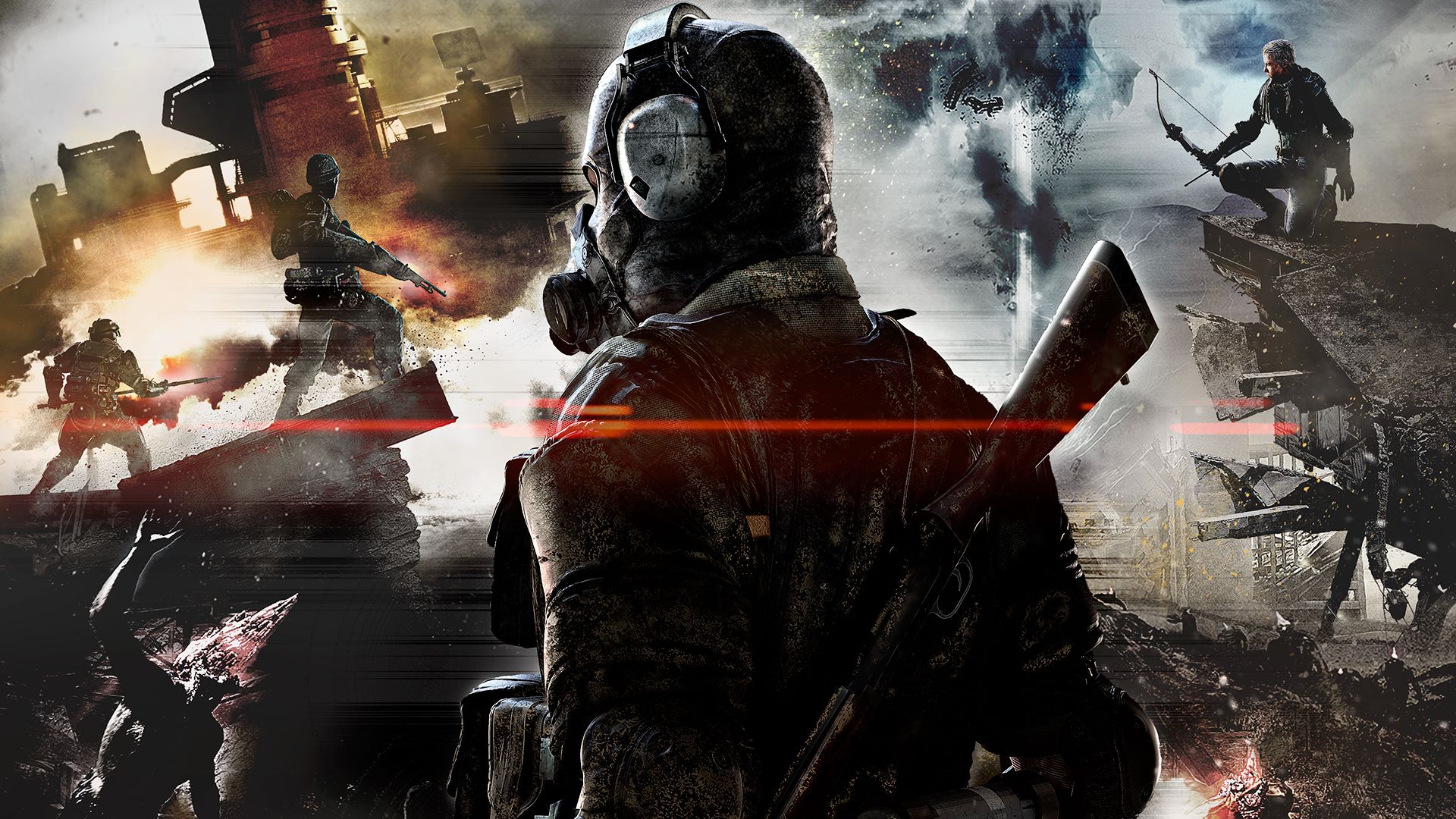
Released following Hideo Kojima's departure from Konami, Metal Gear Survive strayed completely from the stealth-action core that defined the series. Operating as an alternate-universe survival game, players were tasked with battling zombie-like creatures called wanderers while managing hunger, thirst, and oxygen levels in a harsh environment.
While the mechanical gunplay and crafting systems derived from Metal Gear Solid V: The Phantom Pain offered functional mechanics, the tedious survival loops and repetitive structure alienated long-time fans. It stands as the lowest point in the franchise's history.

11. Metal Gear
The 1987 original Metal Gear on the MSX2 computer was a historical milestone. Forced to navigate around hardware limitations that prevented displaying too many enemies on screen at once, Kojima designed a game centered on avoiding combat rather than seeking it out, birthing the stealth genre.
While historically crucial, playing the original Metal Gear today can feel archaic. Cryptic puzzles, backtracking, and minimalist storytelling make it more of a fascinating history lesson than an engaging modern gameplay experience, though its foundational ideas remain impressive.
10. Metal Gear 2: Solid Snake
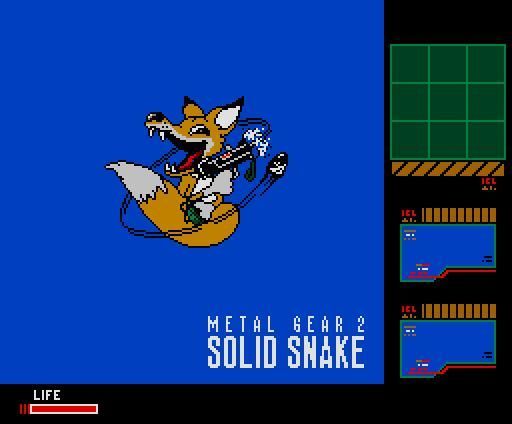
Released in 1990 exclusively in Japan for the MSX2, Metal Gear 2: Solid Snake was vastly superior to its predecessor. It introduced core mechanics that would become staples of the series, including crouching, crawling into ducts, distraction tactics via knocking on walls, and an expanded radar system showing enemy sight cones.
The narrative was significantly richer, introducing philosophical themes regarding soldiers and warfare that would echo throughout future games. It laid the exact blueprint that would later be transformed into three dimensions.

9. Metal Gear Solid: Portable Ops
Designed for the PlayStation Portable, Metal Gear Solid: Portable Ops bridged the gap between Metal Gear Solid 3: Snake Eater and the future of Big Boss's arc. It introduced the squad-recruitment mechanic, where players could knock out enemy soldiers and drag them to a transport vehicle to recruit them into a growing army.
Though hampered by awkward camera controls on a single-analog handheld and comic-book style cutscenes, its management systems laid the essential groundwork for later hits in the series.
8. Metal Gear Solid V: Ground Zeroes
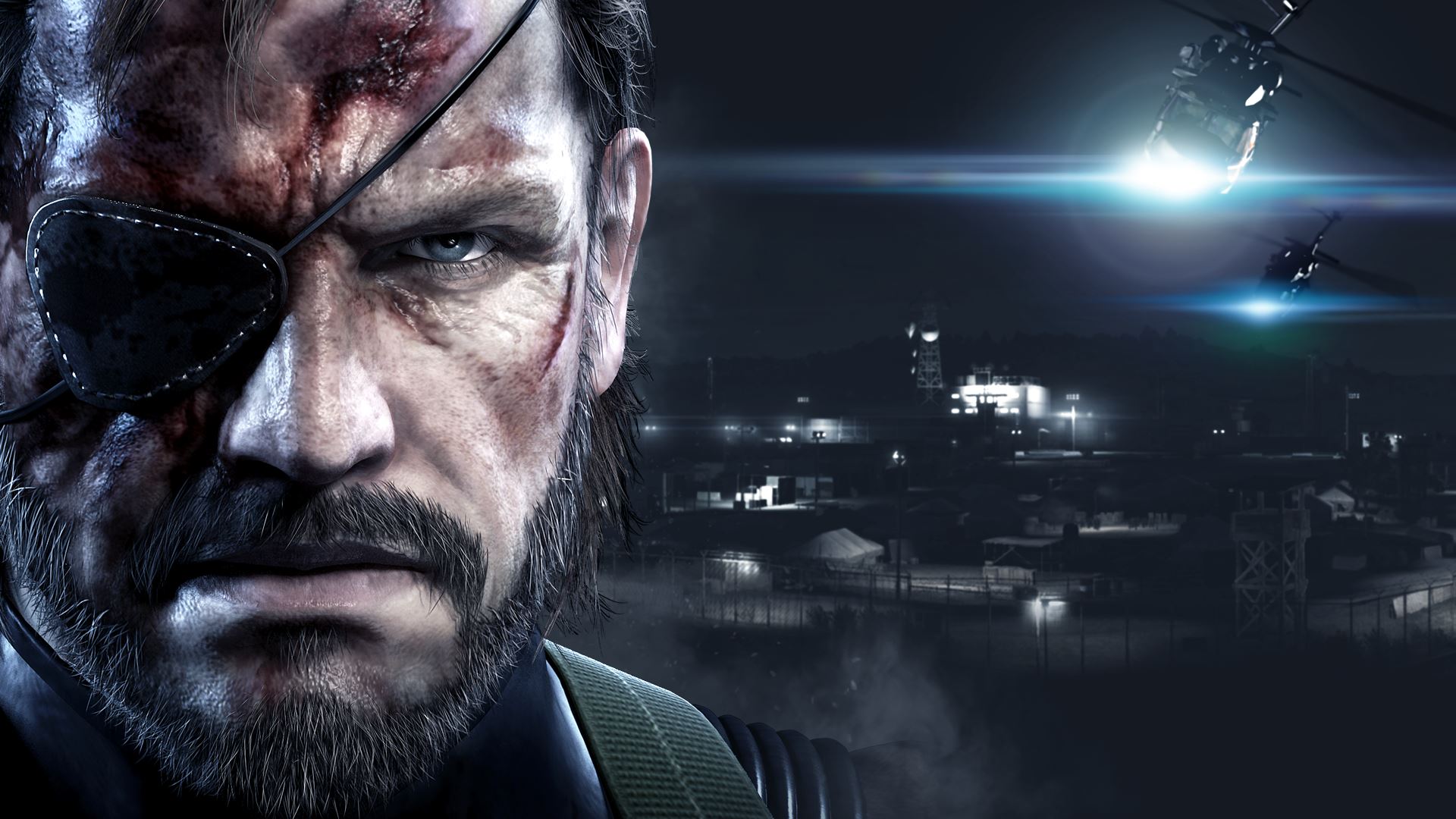
Although essentially a standalone prologue to Metal Gear Solid V: The Phantom Pain, Metal Gear Solid V: Ground Zeroes served as an incredible demonstration of the Fox Engine. Set in Camp Omega, it presented players with a tight, highly detailed sandbox environment with unmatched freedom of approach.
Its main story mission was notoriously short, but the exceptional stealth controls, reactive AI, and array of side missions made it an exquisite, albeit brief, tactical playground.
7. Metal Gear Rising: Revengeance
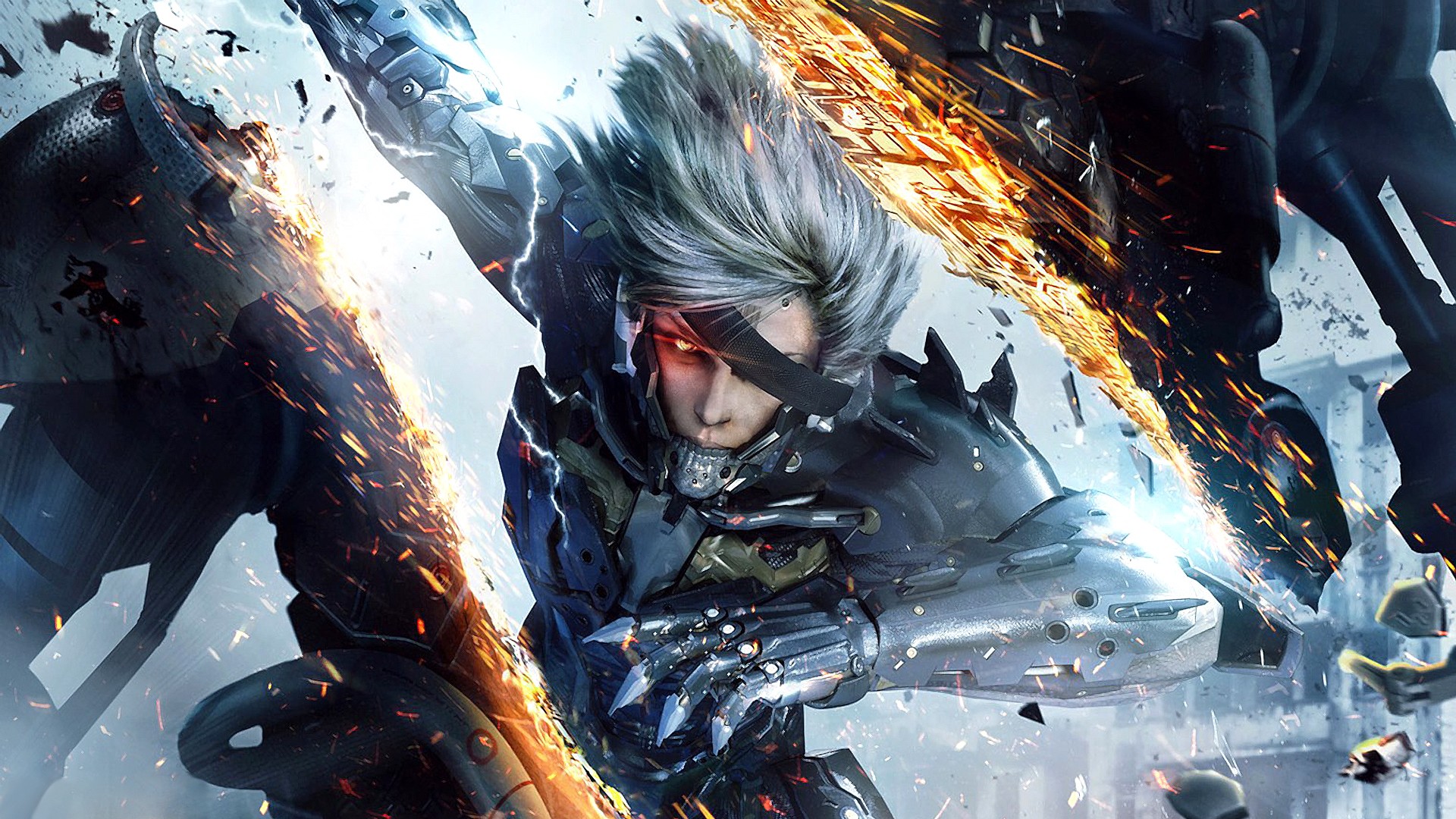
A spin-off developed by PlatinumGames, Metal Gear Rising: Revengeance swapped deliberate stealth action for hyper-kinetic hack-and-slash combat starring Raiden. Featuring the unique dynamic blade mode that allowed players to slice enemies along precise angles, the gameplay was adrenaline-fueled and impeccably polished.
Despite shifting genres, the game captured the over-the-top charm, memorable boss fights, and philosophical bombast expected of the franchise, earning a dedicated cult following.
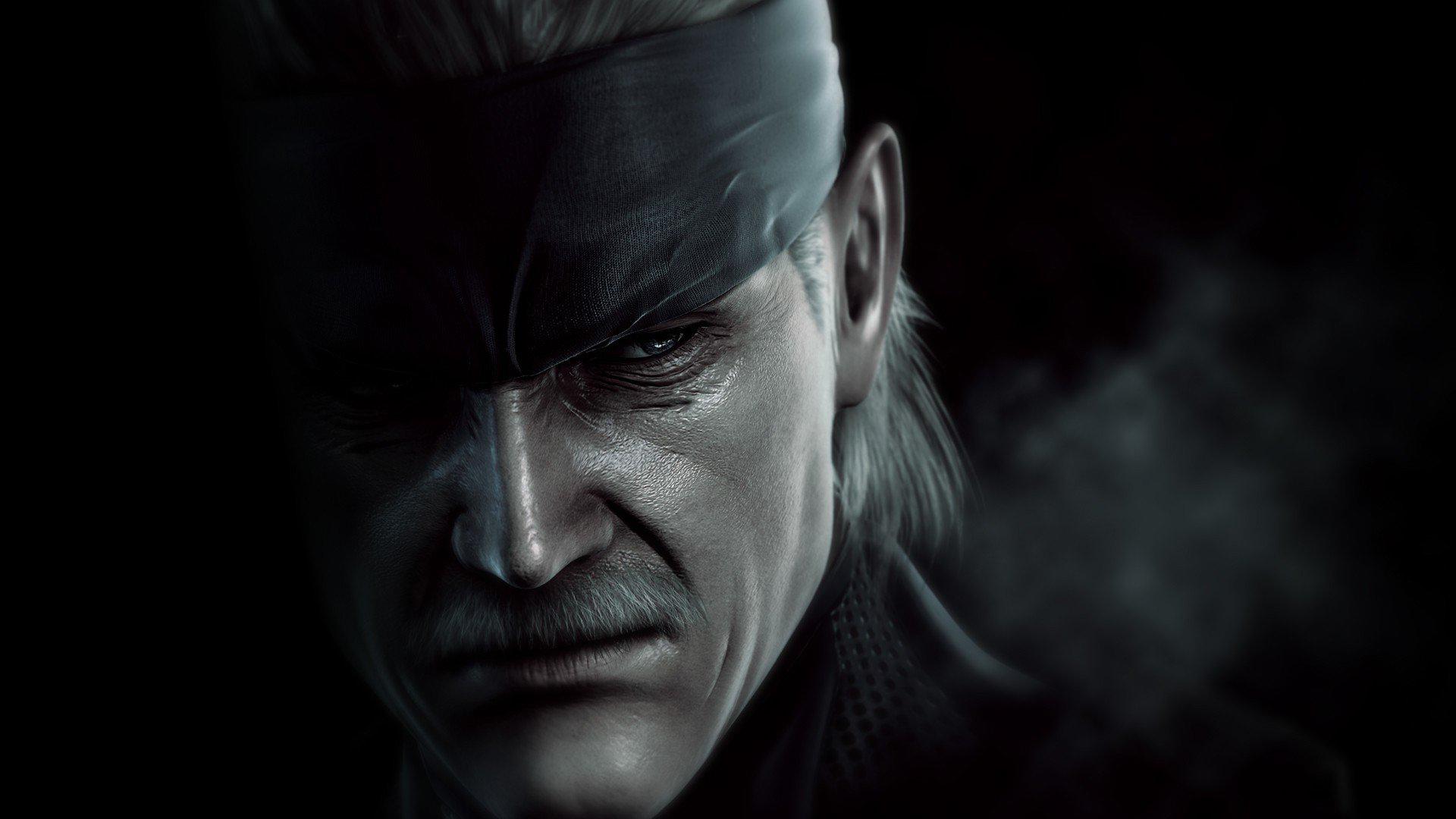
6. Metal Gear Solid 4: Guns of the Patriots
Designed as the epic conclusion to Solid Snake's story, Metal Gear Solid 4: Guns of the Patriots was a massive cinematic experience on the PlayStation 3. Featuring an aging Snake navigating active war zones, the game introduced OctoCamo suits that dynamically matched the texture of surrounding surfaces.
While criticized by some for extremely long cutscenes and a shift toward traditional third-person shooting in its back half, its emotional payoffs, callbacks to earlier games, and spectacular boss encounters made it an unforgettable farewell to an icon.

5. Metal Gear Solid: Peace Walker
Originally released on the PSP before receiving high-definition console remasters, Metal Gear Solid: Peace Walker perfected the base-building and military management concepts teased in earlier titles. Players controlled Big Boss in 1974 Costa Rica, expanding Mother Base, researching new gear, and recruiting soldiers via the iconic Fulton Recovery System.
With a full cooperative campaign, modular mission structure, and an emotionally charged story featuring the AI-controlled Peace Walker weapon, it stands as one of the most content-rich entries in the entire franchise.
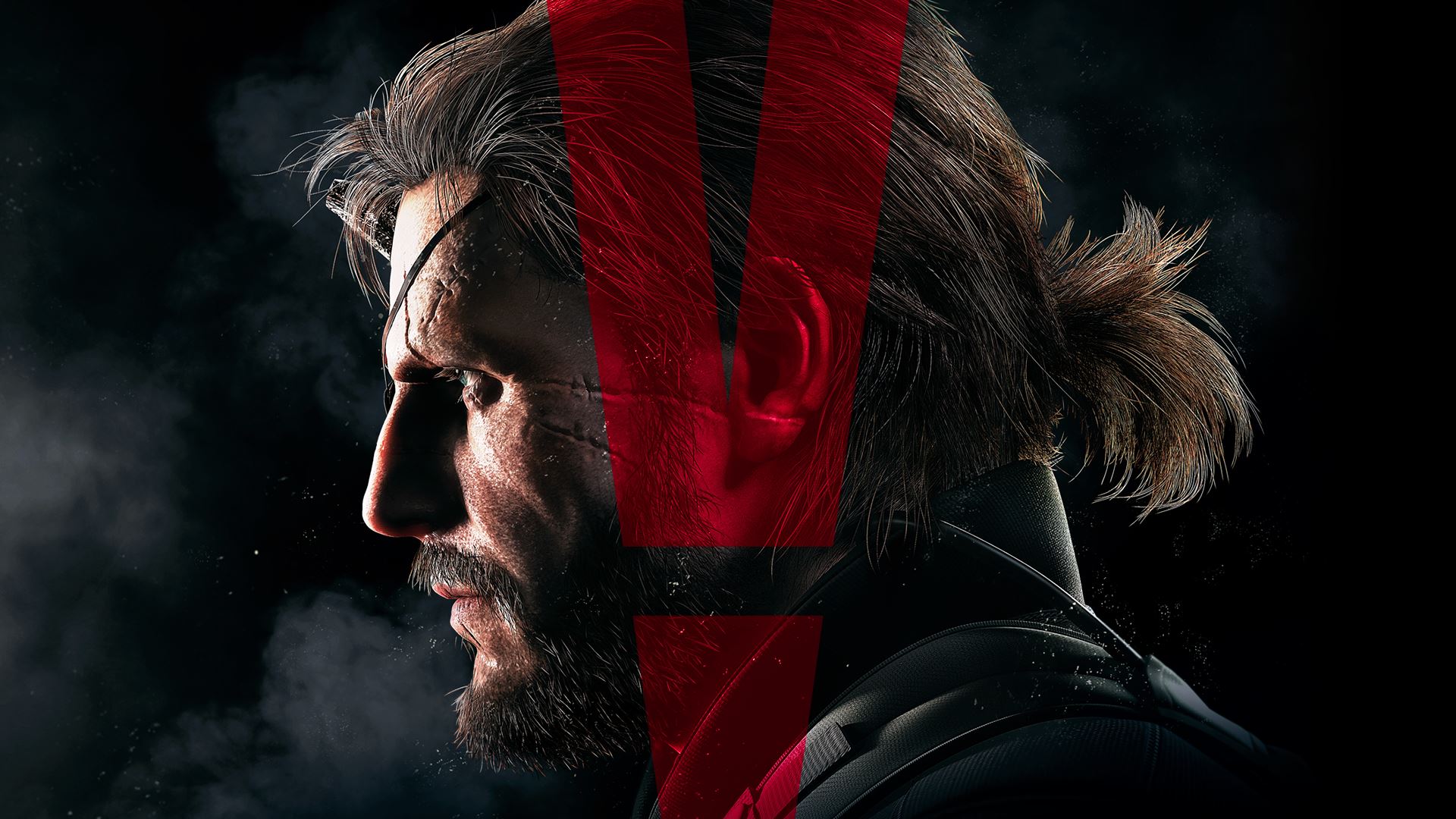
4. Metal Gear Solid V: The Phantom Pain
From a pure gameplay perspective, Metal Gear Solid V: The Phantom Pain represents the absolute pinnacle of stealth-action game design. Operating across vast open-world maps in Afghanistan and Africa, players were given complete agency in how to approach objectives, supported by an overwhelming array of weapons, buddy companions, and tactics.
While its narrative structure suffered in the second act due to behind-the-scenes development friction, the sheer moment-to-moment gameplay emergent possibilities make it an undisputed masterpiece of mechanical design.
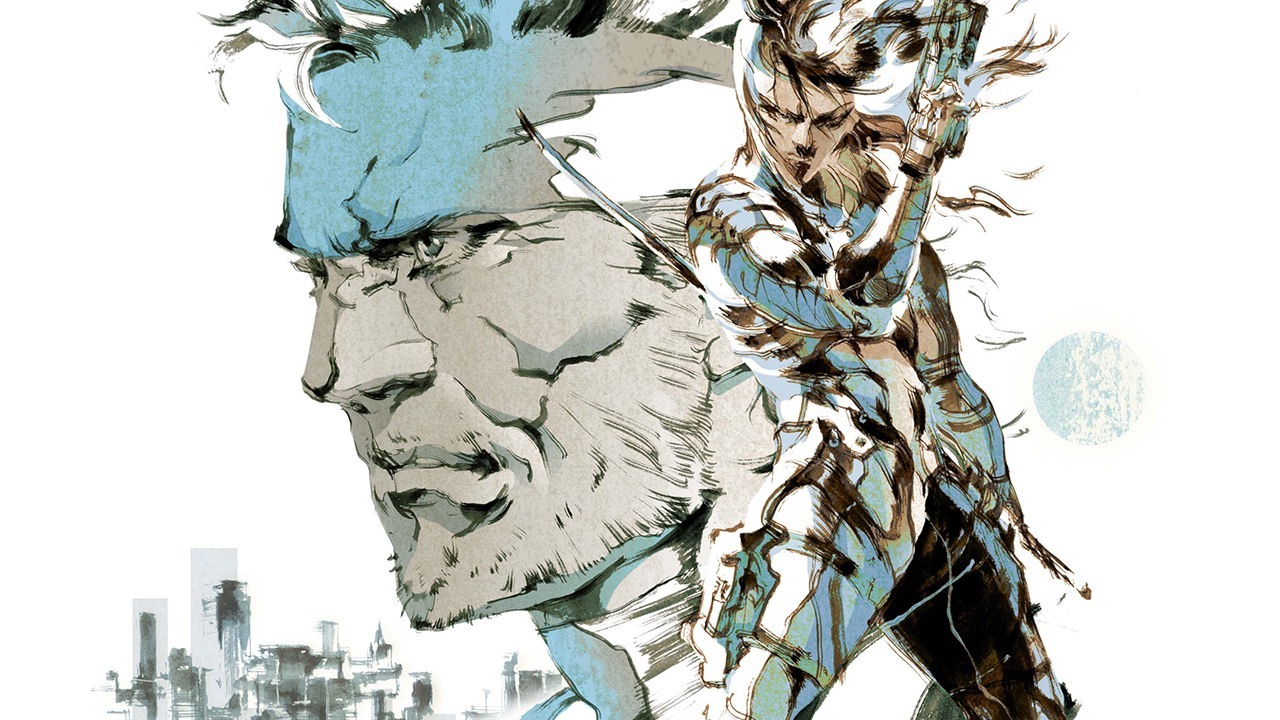
3. Metal Gear Solid 2: Sons of Liberty
Following up on a massive phenomenon is never easy, but Metal Gear Solid 2: Sons of Liberty delivered one of the most audacious sequels in gaming history. Subverting player expectations by switching the main protagonist from Solid Snake to newcomer Raiden early in the game, it explored themes of digital information control, memes, artificial intelligence, and fake news long before they became dominant real-world topics.
Supported by stunning visuals for its time, intricate environmental interactivity, and refined first-person aiming, it remains a postmodern storytelling triumph.
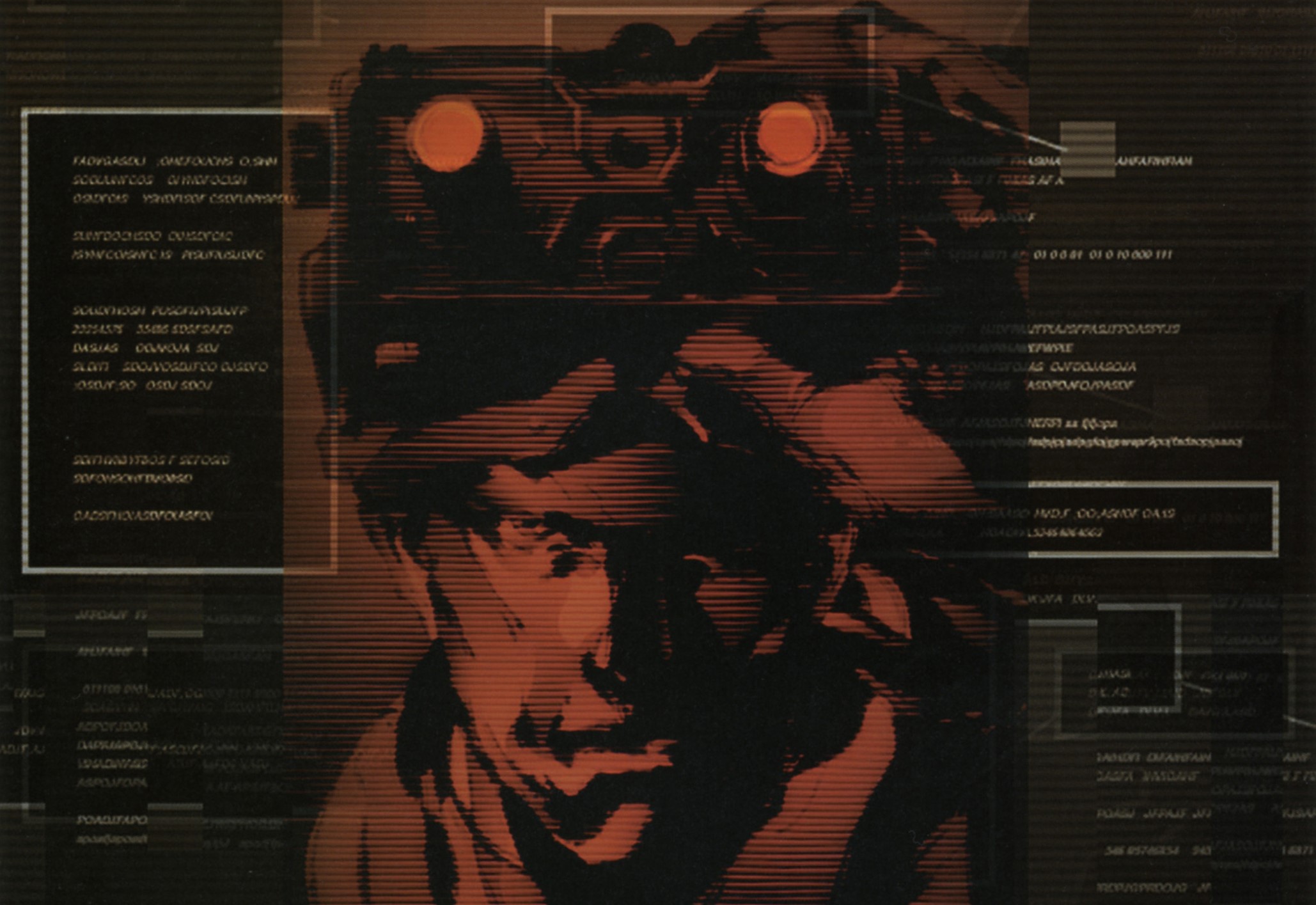
2. Metal Gear Solid
The 1998 PlayStation classic Metal Gear Solid revolutionized the industry by proving video games could deliver Hollywood-caliber cinematic experiences. Bringing Solid Snake into full 3D environments, the game combined fully voiced dialogue, dramatic camera angles, and innovative boss fights like the fourth-wall-breaking Psycho Mantis battle.
Navigating the snowy Shadow Moses island facility remains one of gaming's most atmospheric and nostalgic journeys. It transformed the stealth genre forever and launched the franchise into global superstardom.
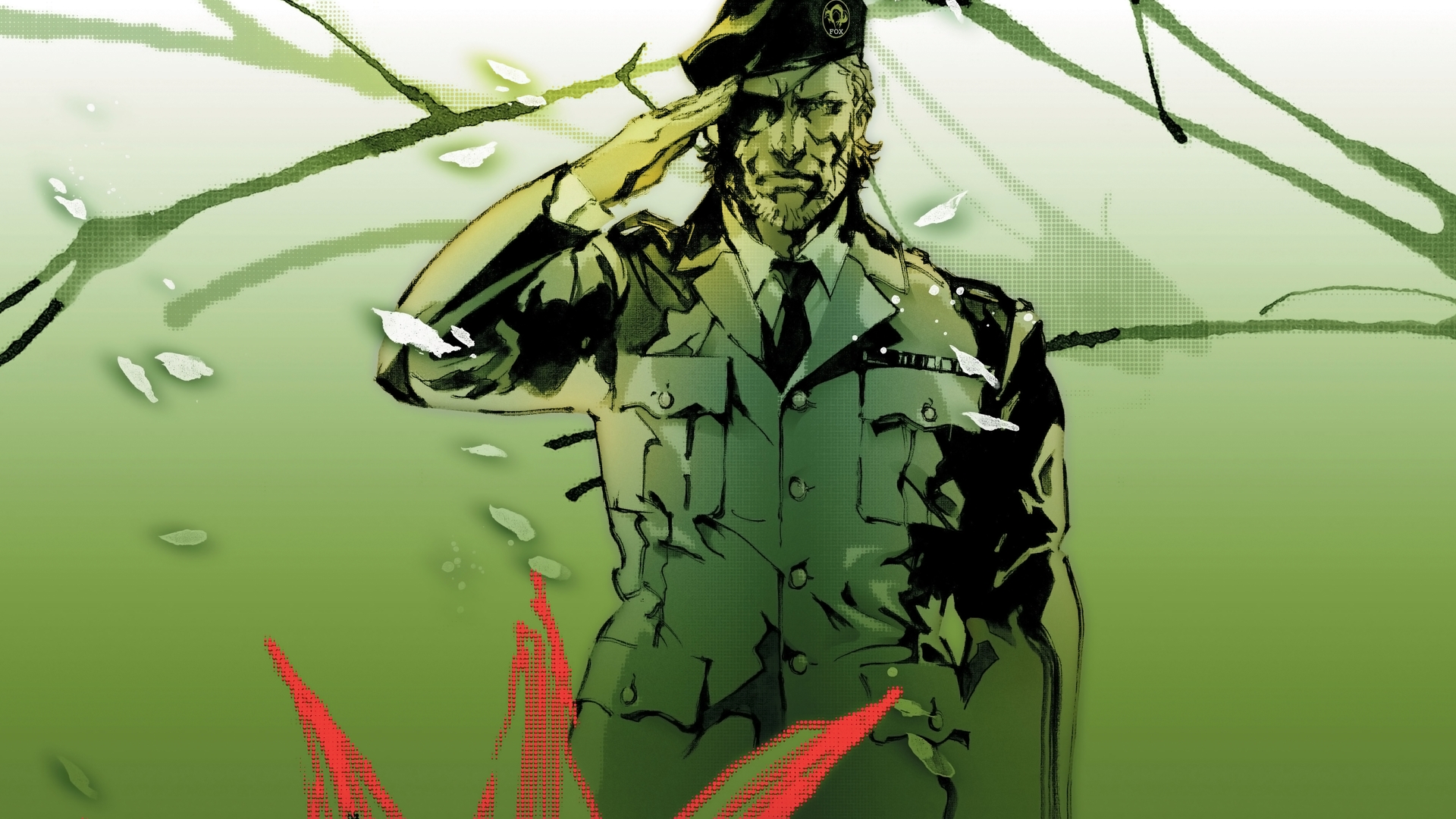
1. Metal Gear Solid 3: Snake Eater
Standing atop the ranking is Metal Gear Solid 3: Snake Eater. Set in the lush jungles of the Soviet Union during the height of the Cold War in 1964, this prequel tells the origin story of Naked Snake as he transitions into Big Boss.
By removing radar systems and forcing players to utilize dynamic camouflage, hunt for food, and field-treat traumatic injuries using Close Quarters Combat (CQC), the game offered unprecedented survival stealth depth. Paired with a tragic, beautifully paced narrative and one of the greatest final boss battles ever crafted, it represents the absolute peak of Hideo Kojima's legendary series.
Frequently Asked Questions
Which game should beginners start with?
For players looking to experience the original story arc, starting with Metal Gear Solid (1998) is ideal. However, for those who prefer modern graphics and chronological order, starting with Metal Gear Solid 3: Snake Eater provides a great entry point into the lore of Big Boss.
Are the original MSX games required to understand the story?
No, while Metal Gear and Metal Gear 2: Solid Snake established core canon, Metal Gear Solid provides comprehensive story summaries in its main menu to catch players up on past events.
Is Metal Gear Rising: Revengeance canon?
While taking place after the events of Metal Gear Solid 4: Guns of the Patriots, Metal Gear Rising: Revengeance is treated as a spin-off title within the extended universe timeline rather than part of the core mainline Snake narrative.
Final Thoughts
The legacy of the series remains unmatched in gaming history. From groundbreaking 8-bit stealth experiments to expansive open-world survival action, every entry contributed to shifting industry standards. Whether you prefer the narrative depth of Metal Gear Solid 3: Snake Eater or the sandbox perfection of Metal Gear Solid V: The Phantom Pain, this iconic franchise continues to stand as a monumental achievement in interactive entertainment.
