


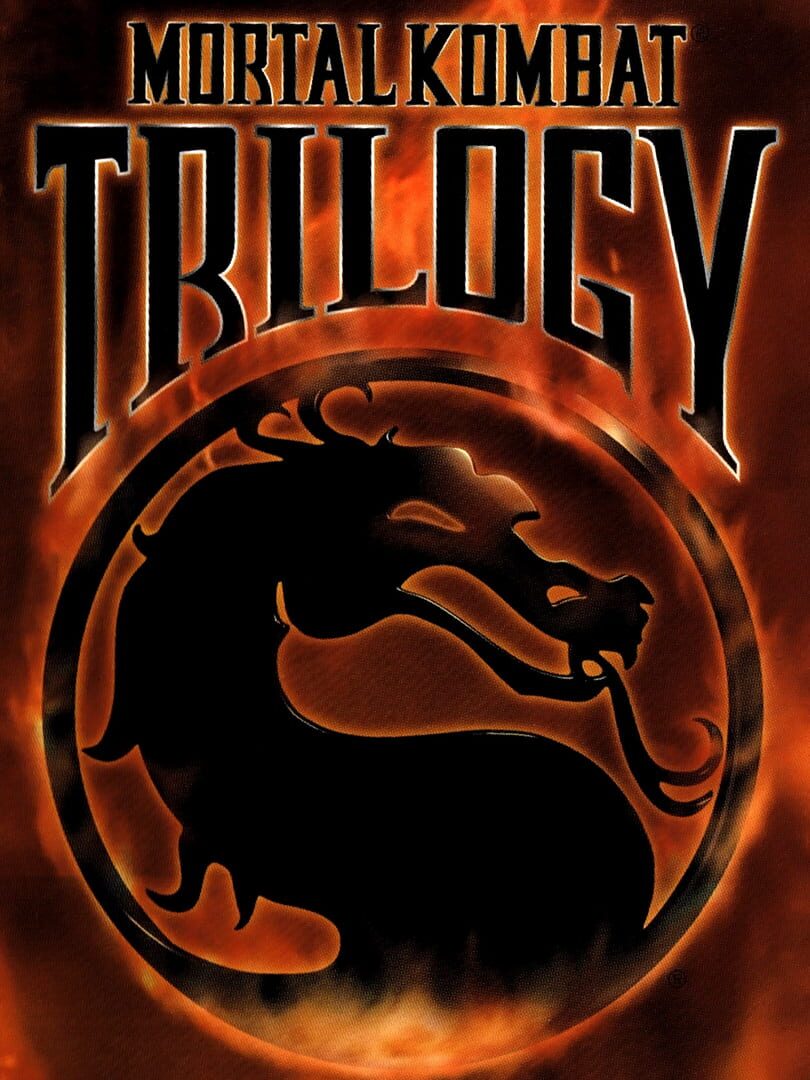
Introduction & Context
Released in late 1996 during the golden era of digitized arcade fighting games, Mortal Kombat Trilogy served as the grand finale to the initial 2D generation of the franchise. Following the success of Ultimate Mortal Kombat 3, Midway Games crafted this title specifically for home consoles to offer the definitive Mortal Kombat experience. It famously combined characters, arenas, and finishing moves from Mortal Kombat, Mortal Kombat II, and Mortal Kombat 3 into one massive roster.
Developer & Publisher History
The game was primary developed and published by Midway Games, led by series co-creators Ed Boon and John Tobias. Unlike previous entries that debuted in arcades before receiving home ports, Mortal Kombat Trilogy was created directly for 32-bit and 64-bit home hardware. Console-specific porting tasks, such as the Nintendo 64 conversion, were handled with assistance from teams like Avalanche Software.
Story & Narrative
had the narrative of Mortal Kombat Trilogy combining the lore established across the first three main games. The central plot revolves around the Outworld Emperor, Shao Kahn, who bypasses the rules of the Mortal Kombat tournament by resurrecting his queen, Sindel, on Earthrealm.
This illegal act allows Kahn to cross dimensional boundaries, merging Outworld with Earth and claiming the souls of billions of human beings. Raiden gathers Earth's surviving champions—including Liu Kang, Sonya Blade, Sub-Zero, Jax, and Johnny Cage—to stage a final resistance against Kahn's monstrous forces and reclaim Earthrealm's freedom.
Graphics, Sound & Presentation
Visually, Mortal Kombat Trilogy represents the absolute apex of 90s digitized sprite technology. Actors photographed on blue screens were converted into detailed character frames, delivering the iconic gritty look that defined the decade's controversial gaming scene.
- CD-ROM Hardware (PlayStation, Sega Saturn, PC): These versions boasted uncompressed Red Book audio, high-definition character sound effects, and complete sprite sets. The main drawback was load times during matches, particularly when Shang Tsung morphed into other fighters.
- Nintendo 64: Thanks to the high-speed memory cartridge, the N64 version offered instantaneous combat with zero load times. However, memory limitations forced developers to strip out certain audio cues, compress visual assets, and combine redundant character slots.
Gameplay Features & Innovation
Mortal Kombat Trilogy introduced the Aggressor Bar—a meter that builds up as players hit and block, briefly granting increased movement speed and attack damage. It also fully integrated the Brutality finisher, a high-speed 11-button combo that beats an opponent until they explode into a shower of graphic extra-dimensional gibs.
Playable Platforms
You can play Mortal Kombat Trilogy across several classic and modern platforms:
- PlayStation 1 (PS1)
- Nintendo 64 (N64)
- Sega Saturn
- PC (MS-DOS / Windows 95)
- Modern PC: Digitally preserved and re-released via GOG.com with compatibility updates for modern operating systems.
Final Verdict & Recommendation
Mortal Kombat Trilogy (1996) remains a nostalgic powerhouse and an essential piece of fighting game history. While the brutal artificial intelligence can feel relentless by modern standards, its sheer volume of content, huge roster, secret characters, and satisfying combat mechanics make it a must-play title for retro enthusiasts and franchise fans alike.
Final Score: 4.5/5 — Highly recommended for retro gaming enthusiasts and fighting game historians.

