


Few franchises in video game history have left as profound an impact on psychological horror as Silent Hill. Created by Konami's Team Silent in 1999, the series swapped out traditional jump scares and bio-organic weapons for suffocating fog, industrial dread, and deeply personal manifestations of trauma. Across multiple console generations and developer hand-offs, the journey through the fog-draped town has delivered incredible highs and controversial lows.
Whether you are a veteran of the horror genre or a newcomer exploring the franchise, this definitive ranking evaluates every major entry in the Silent Hill series based on atmosphere, narrative depth, mechanical design, and lasting legacy.
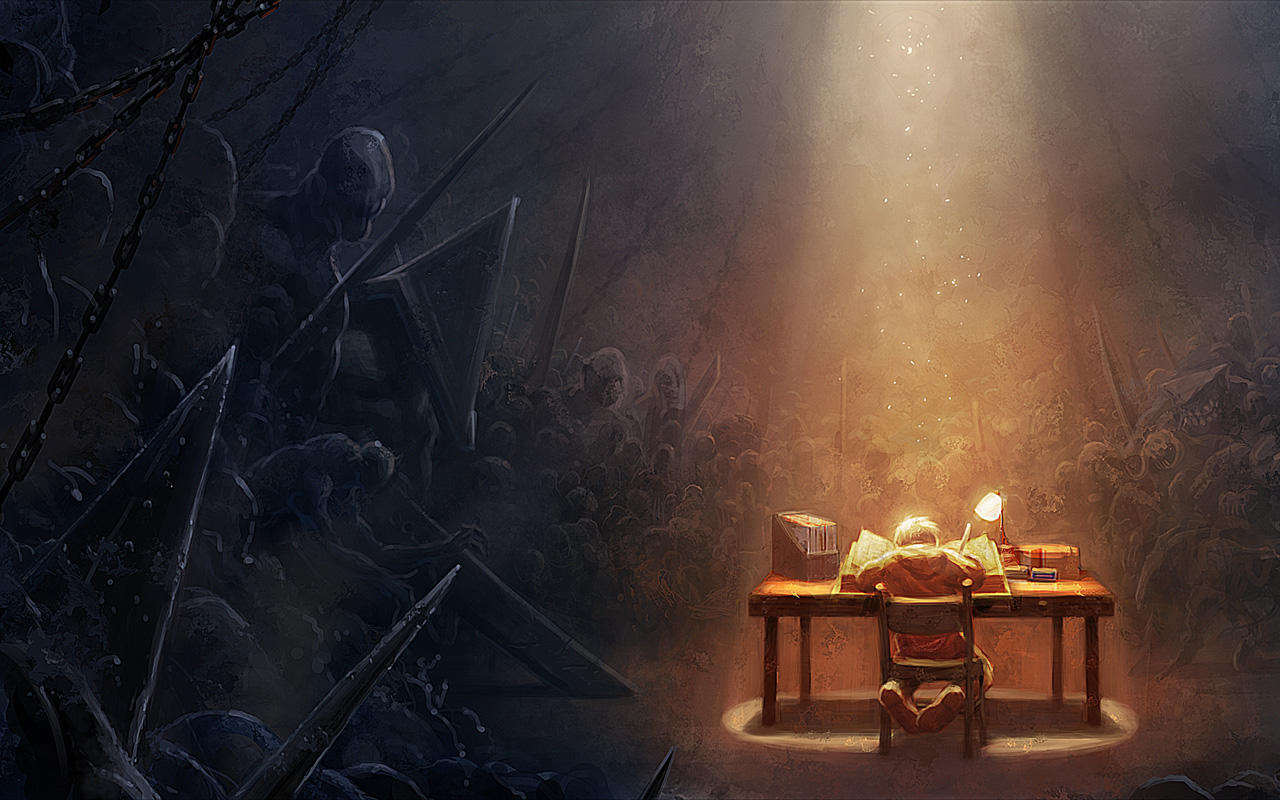
9. Silent Hill: Book of Memories (2012)
Released for the PlayStation Vita, Silent Hill: Book of Memories represents the most radical mechanical departure in the franchise's history. Abandoning survival horror entirely, this title reimagined the series as an isometric action-RPG dungeon crawler.
While the game featured iconic creatures like Pyramid Head and the classic Nurses, the repetitive hack-and-slash loop completely eliminated fear and atmosphere. It remains an odd spin-off that failed to resonate with either action fans or horror purists.
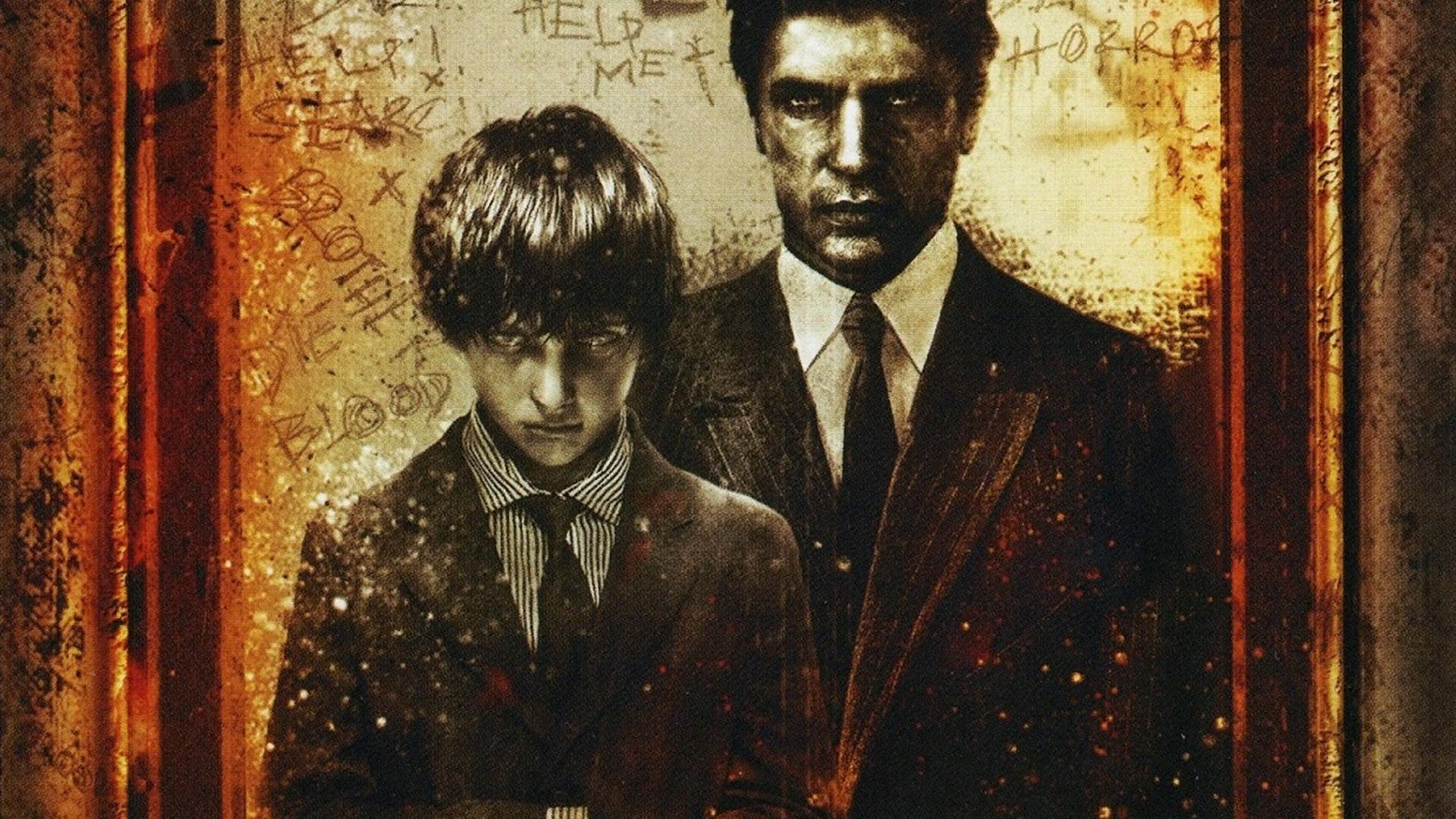
8. Silent Hill: Homecoming (2008)
Developed by Double Helix Games, Silent Hill: Homecoming attempted to modernize the series by taking cues from Hollywood movie adaptations. Players follow Alex Shepherd, a soldier returning home to uncover the dark secrets surrounding his family and town.
Despite impressive boss designs and visceral visual effects, the game leaned too heavily on quick-time events, action-focused combat, and uninspired narrative tropes, keeping it from matching the psychological depth of earlier titles.
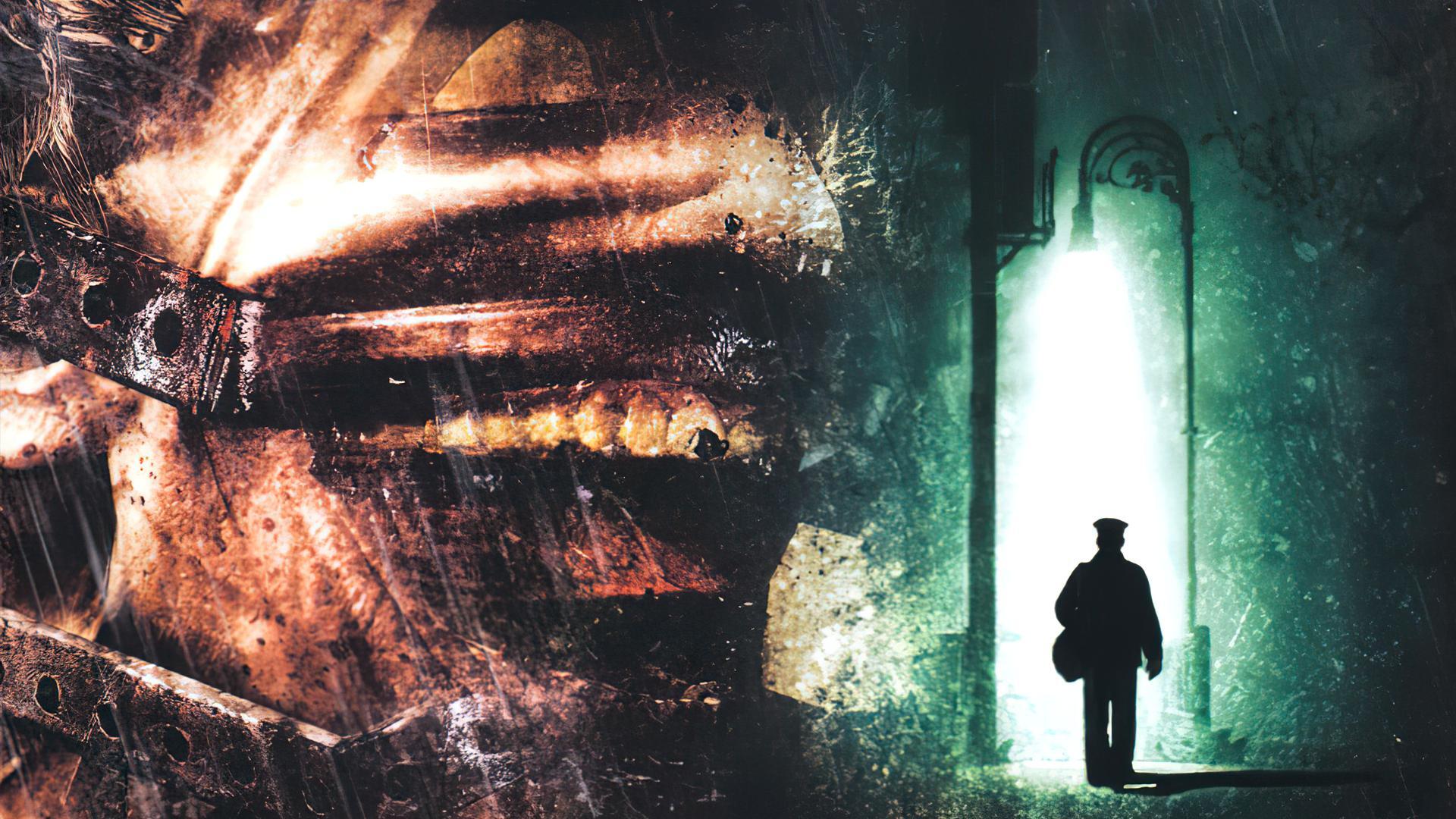
7. Silent Hill: Downpour (2012)
Vatra Games took an ambitious approach with Silent Hill: Downpour by introducing semi-open-world exploration throughout the town's eastern district. Centered around escaped convict Murphy Pendleton, the game swapped traditional fog and rust for heavy torrential rain storms that triggered monster encounters.
The side quests and atmospheric exploration were praised, but uninspired creature designs and severe technical issues at launch prevented Silent Hill: Downpour from achieving greatness.
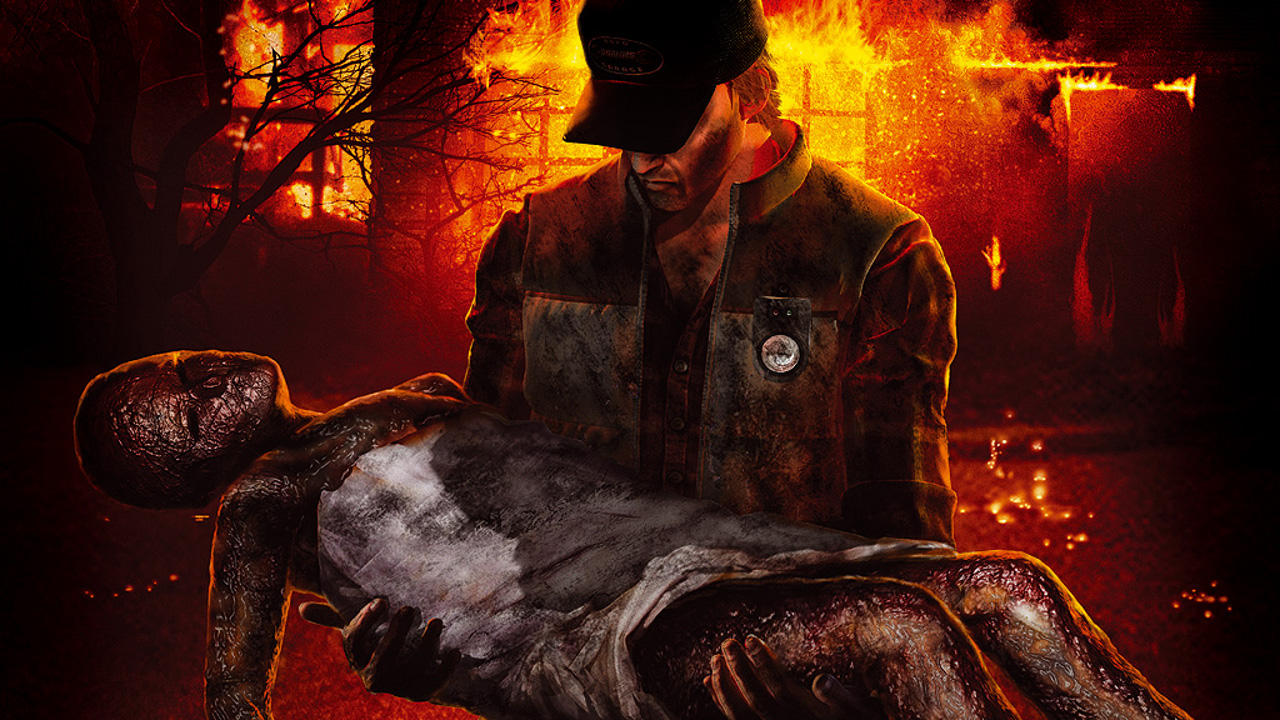
6. Silent Hill: Origins (2007)
Originally developed for the PlayStation Portable, Silent Hill: Origins serves as a prequel to the 1999 original. Following trucker Travis Grady, the story uncovers the origins of the town's cult while delivering classic survival horror mechanics to a handheld screen.
The mirror-stepping mechanic allowed players to transition between the normal town and the Otherworld at will. Though mechanically solid, its story relied heavily on established lore rather than introducing groundbreaking new ideas.
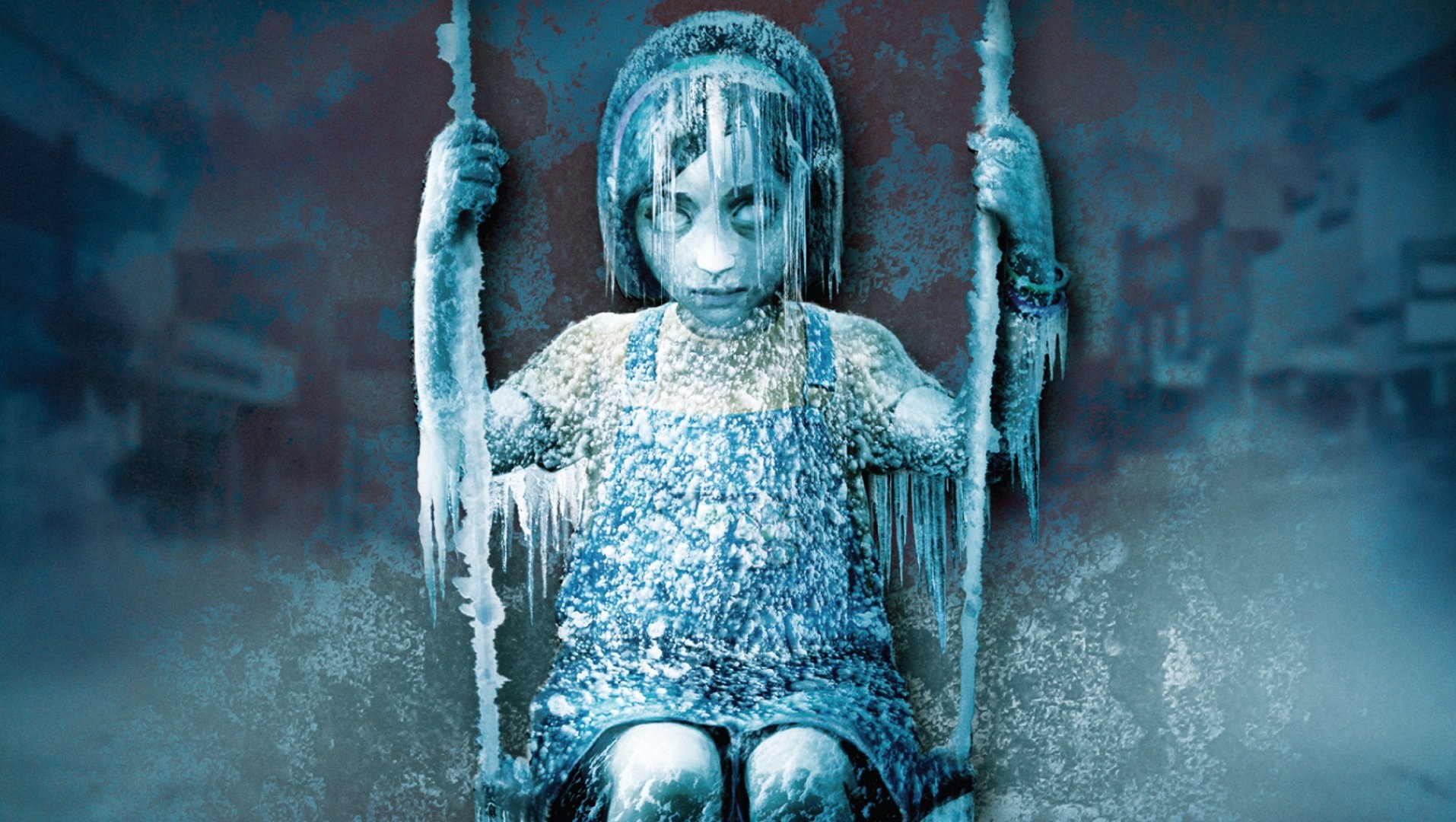
5. Silent Hill: Shattered Memories (2009)
A bold reimagining of the original game, Silent Hill: Shattered Memories removed combat entirely and replaced weapons with chase sequences, mobile phone navigation, and psychological tests. Choice-driven gameplay dynamically altered character appearances and story beats based on player behavior.
By swapping rusty imagery for ice and frozen nightmares, Silent Hill: Shattered Memories delivered a poignant, character-driven story that stands as one of the most unique experimental horror games ever made.
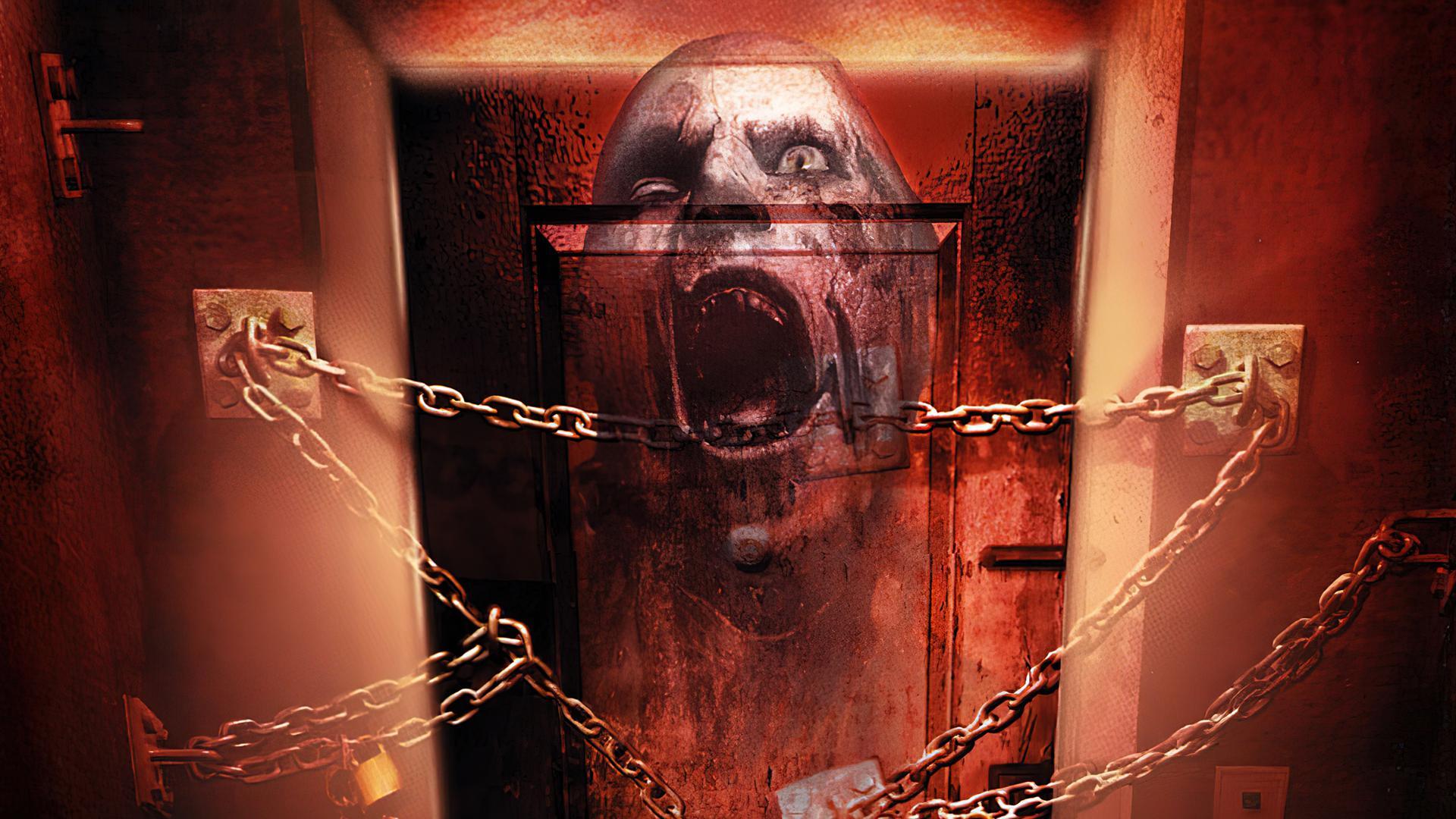
4. Silent Hill 4: The Room (2004)
The final entry created by Team Silent, Silent Hill 4: The Room shifted focus to a claustrophobic first-person apartment setting. Protagonist Henry Townshend finds himself locked inside his own home, forced to escape through mysterious holes appearing in his bathroom wall.
Although late-game escort missions and backtracking proved controversial, the chilling presence of serial killer Walter Sullivan and the terrifying sense of isolation make Silent Hill 4: The Room a unforgettable psychological thriller.
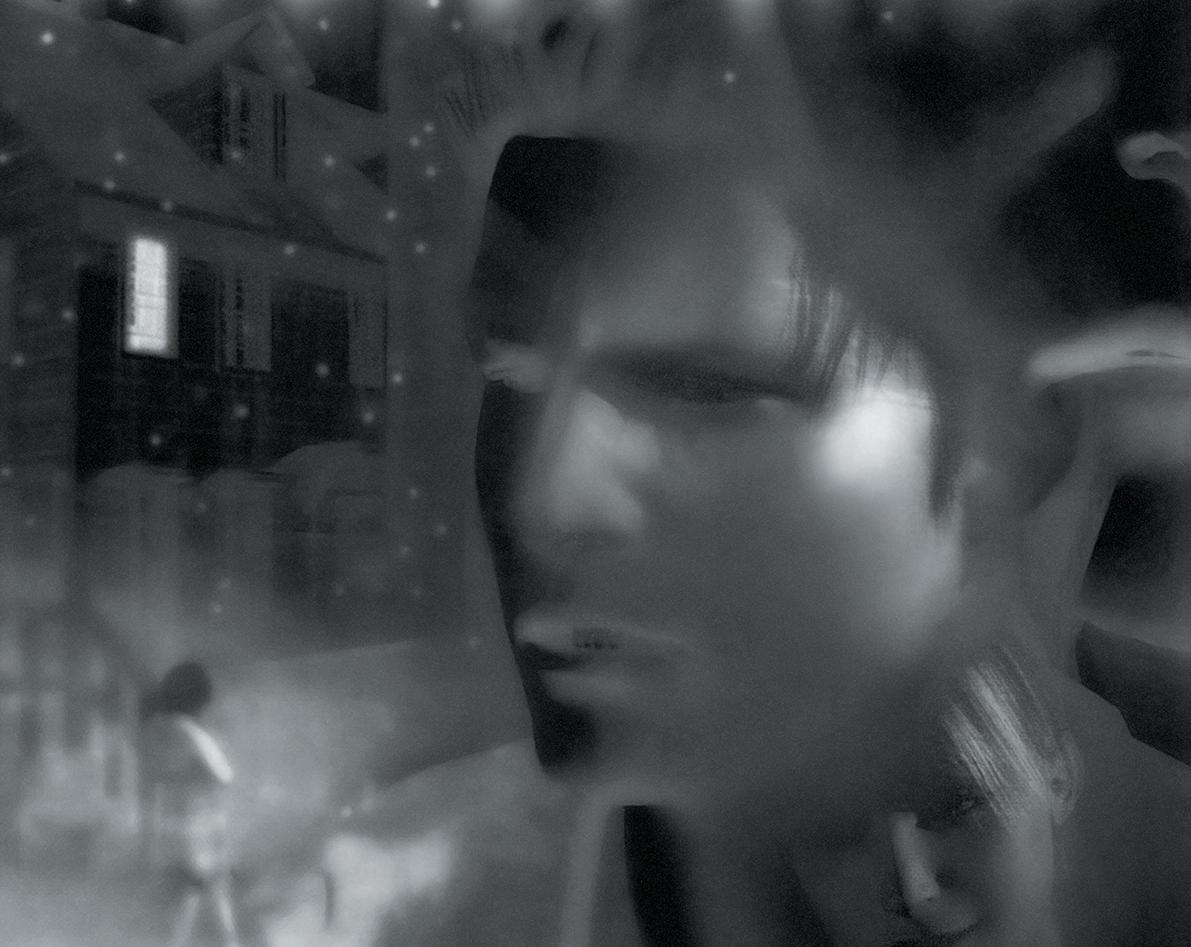
3. Silent Hill (1999)
The original PlayStation classic laid the foundation for modern survival horror. Following Harry Mason as he searches for his daughter Cheryl, Silent Hill brilliantly turned hardware limitations into stylistic triumphs by using thick fog and darkness to hide draw distances while heightening dread.
Paired with an unsettling industrial soundtrack by Akira Yamaoka and surreal puzzle design, the debut title proved that games could evoke deep psychological horror.
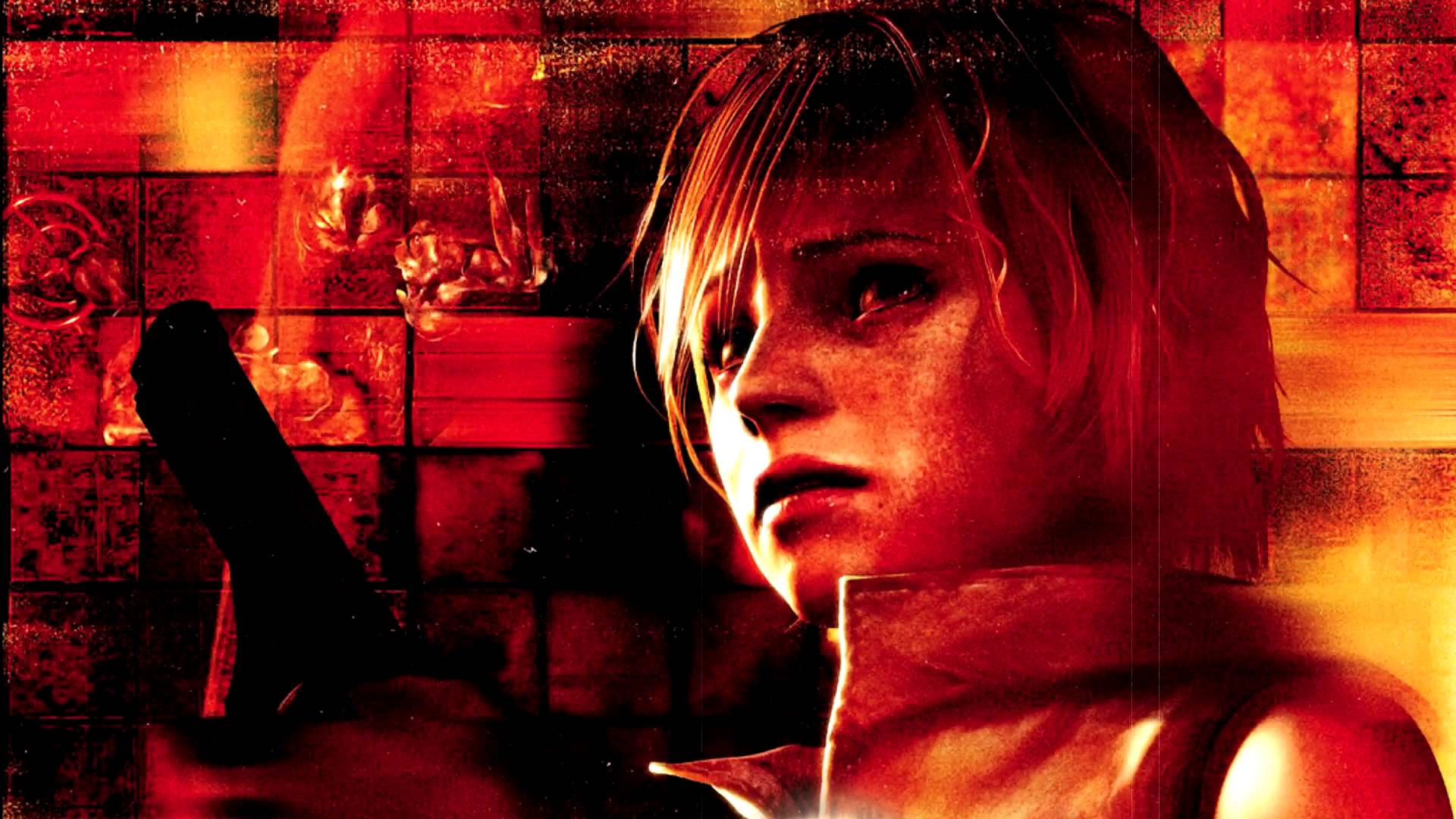
2. Silent Hill 3 (2003)
As a direct narrative sequel to the original game, Silent Hill 3 follows teenager Heather Mason as she confronts traumatic ties to the town's cult. Pushing the PlayStation 2 hardware to its absolute limit, the game delivered staggering graphical detail and visual design that holds up remarkably well today.
Featuring terrifying Otherworld transitions, intense audio design, and one of the strongest protagonists in survival horror history, Silent Hill 3 represents the peak of classic horror gameplay.
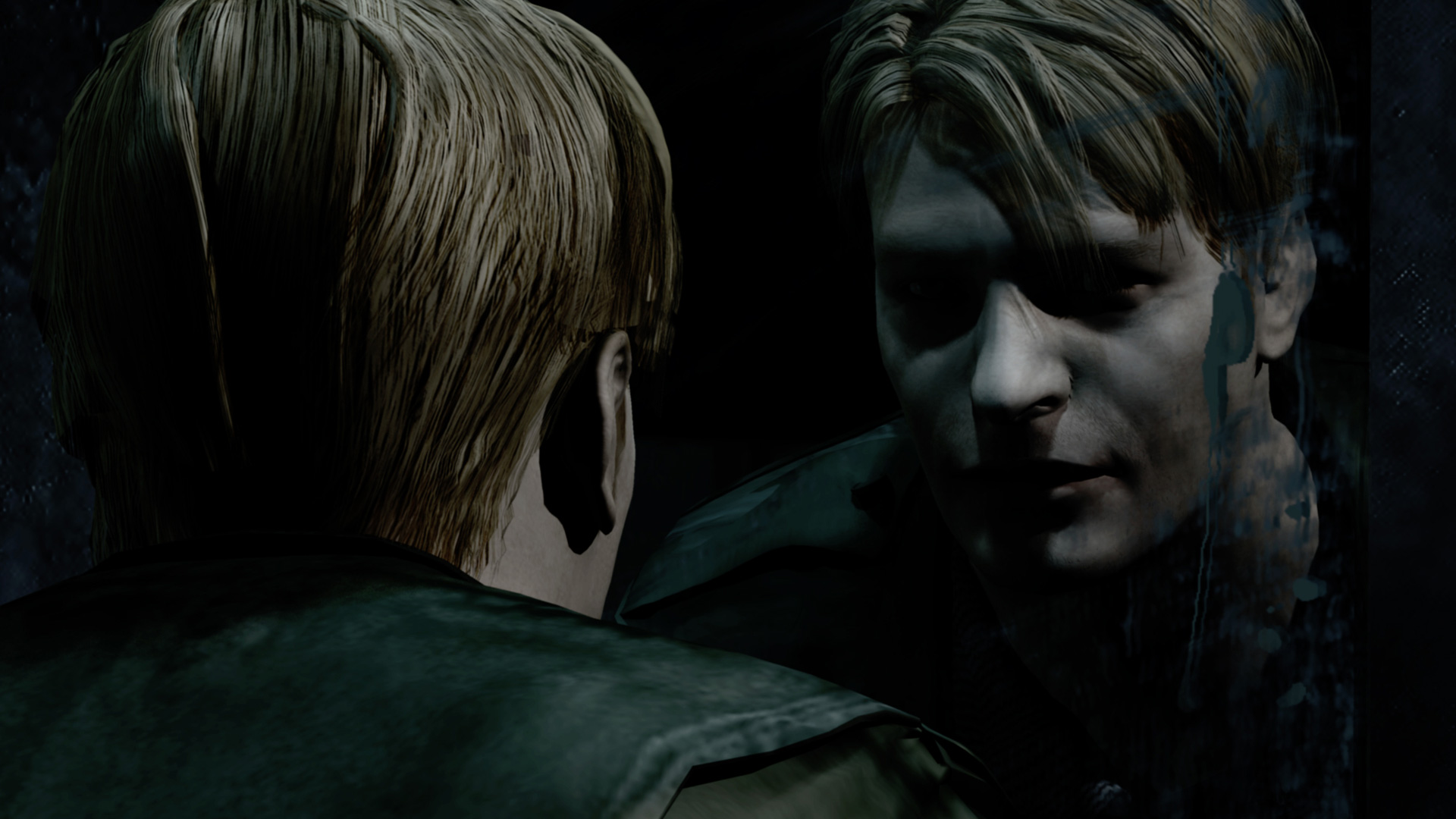
1. Silent Hill 2 (2001)
Widely considered a masterpiece of storytelling in interactive media, Silent Hill 2 follows James Sunderland after he receives a letter from his deceased wife, Mary, asking him to meet her in their special place. Instead of focusing on cult rituals, the game explores personal grief, guilt, and emotional trauma.
Introducing iconic figures like Pyramid Head and the Bubble Head Nurses, every element of the world acts as a reflection of James' inner psyche. With incredible atmospheric design and an unforgettable soundtrack, Silent Hill 2 remains the undisputed crown jewel of the franchise.
Silent Hill Franchise Overview
| Game Title | Release Year | Developer | Primary Genre |
|---|---|---|---|
| Silent Hill | 1999 | Team Silent | Survival Horror |
| Silent Hill 2 | 2001 | Team Silent | Psychological Horror |
| Silent Hill 3 | 2003 | Team Silent | Psychological Horror |
| Silent Hill 4: The Room | 2004 | Team Silent | Survival Horror |
| Silent Hill: Origins | 2007 | Climax Action | Survival Horror |
| Silent Hill: Homecoming | 2008 | Double Helix Games | Action Horror |
| Silent Hill: Shattered Memories | 2009 | Climax Studios | Psychological Horror |
| Silent Hill: Downpour | 2012 | Vatra Games | Action Horror |
| Silent Hill: Book of Memories | 2012 | WayForward | Action RPG |
Frequently Asked Questions
Which Silent Hill game is considered the best?
Silent Hill 2 is almost universally acclaimed as the best game in the series due to its mature storyline, deep psychological themes, and legendary soundtrack.
Do you need to play the Silent Hill games in order?
Not always. While Silent Hill 3 is a direct sequel to the original Silent Hill, standalone stories like Silent Hill 2 and Silent Hill 4: The Room can be enjoyed independently without prior knowledge of the series.
What made Team Silent games so special?
Team Silent focused on psychological dread, surreal atmosphere, and subtextual visual storytelling rather than relying solely on jump scares, creating an eerie atmosphere that few games have replicated.
Final Thoughts
The Silent Hill franchise remains a monument in video game history. While later entries struggled to match the artistic vision of Team Silent, the peak titles—especially Silent Hill 2 and Silent Hill 3—continue to define psychological horror for generations of gamers.
