


Few franchises in video game history have left as profound a legacy as Castlevania. Ever since Konami unleashed Count Dracula onto players in 1986, the Belmont clan and their whip-cracking adventures have defined entire generations of gaming. The series was so influential that it co-created an entire subgenre known as the Metroidvania.
Across four decades, the series has experimented with classic linear platforming, complex exploratory action RPGs, and ambitious 3D reboots. While some entries are unassailable classics, others stumbled along the way. Below is the ultimate ranking of the main Castlevania games, listed from worst to best.
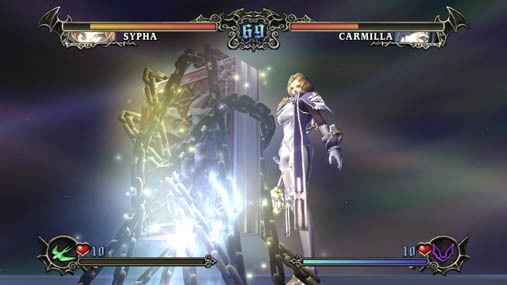
15. Castlevania: Judgment
Released on the Nintendo Wii, Castlevania: Judgment attempted to spin the franchise into a 3D fighting game featuring characters across the timeline. Unfortunately, clunky motion controls, erratic camera work, and controversial character redesigns held it back from appealing to core action fighting fans or long-time series enthusiasts.
14. Castlevania 64
As the series made its initial leap into 3D on the Nintendo 64, Castlevania 64 struggled with the technical limitations of early three-dimensional design. Precise platforming was notoriously difficult due to camera issues, though its dark atmosphere and memorable moments like the hedge maze sequence retain a cult charm.
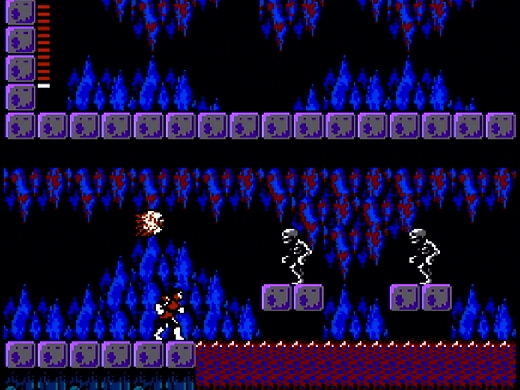
13. Castlevania II: Simon's Quest
Released on the NES, Castlevania II: Simon's Quest was remarkably ambitious for its era, introducing open-ended exploration, day-night cycles, and RPG elements. However, cryptic puzzles, confusing localization, and tedious grinding prevent it from reaching the heights of its predecessor and sequel.
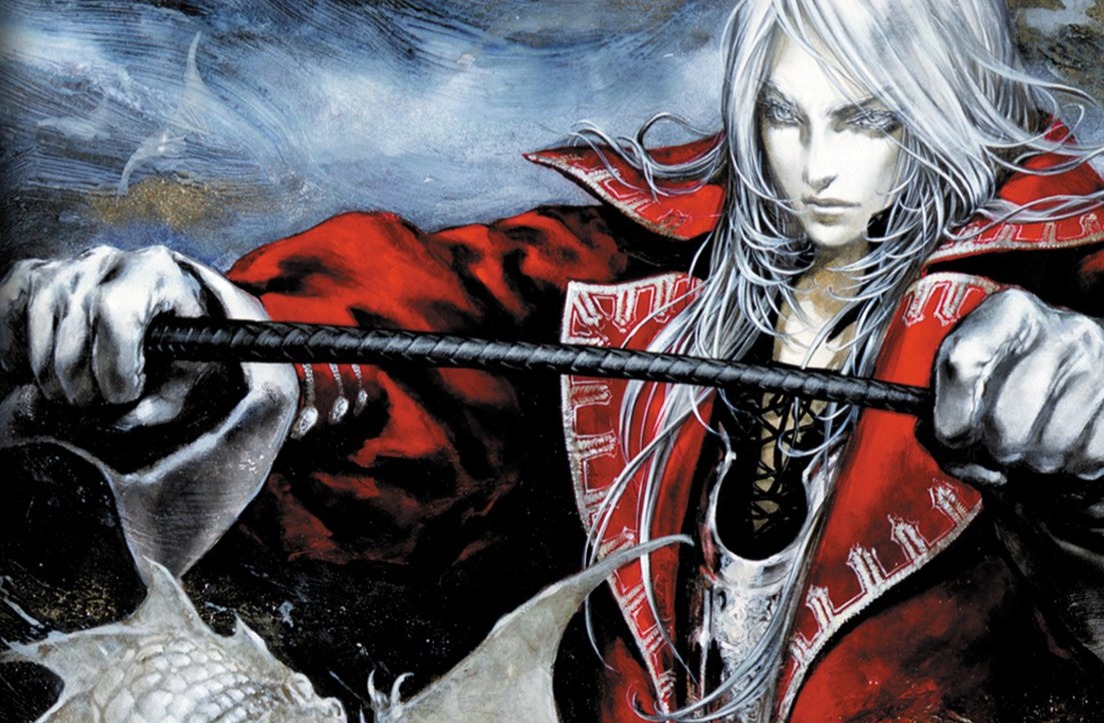
12. Castlevania: Harmony of Dissonance
Following the success of earlier handheld entries, Castlevania: Harmony of Dissonance brought Juste Belmont to the Game Boy Advance. While it improved visually over previous titles, its chiptune soundtrack felt like a step backward, and its dual-castle map layout was often tedious to navigate.
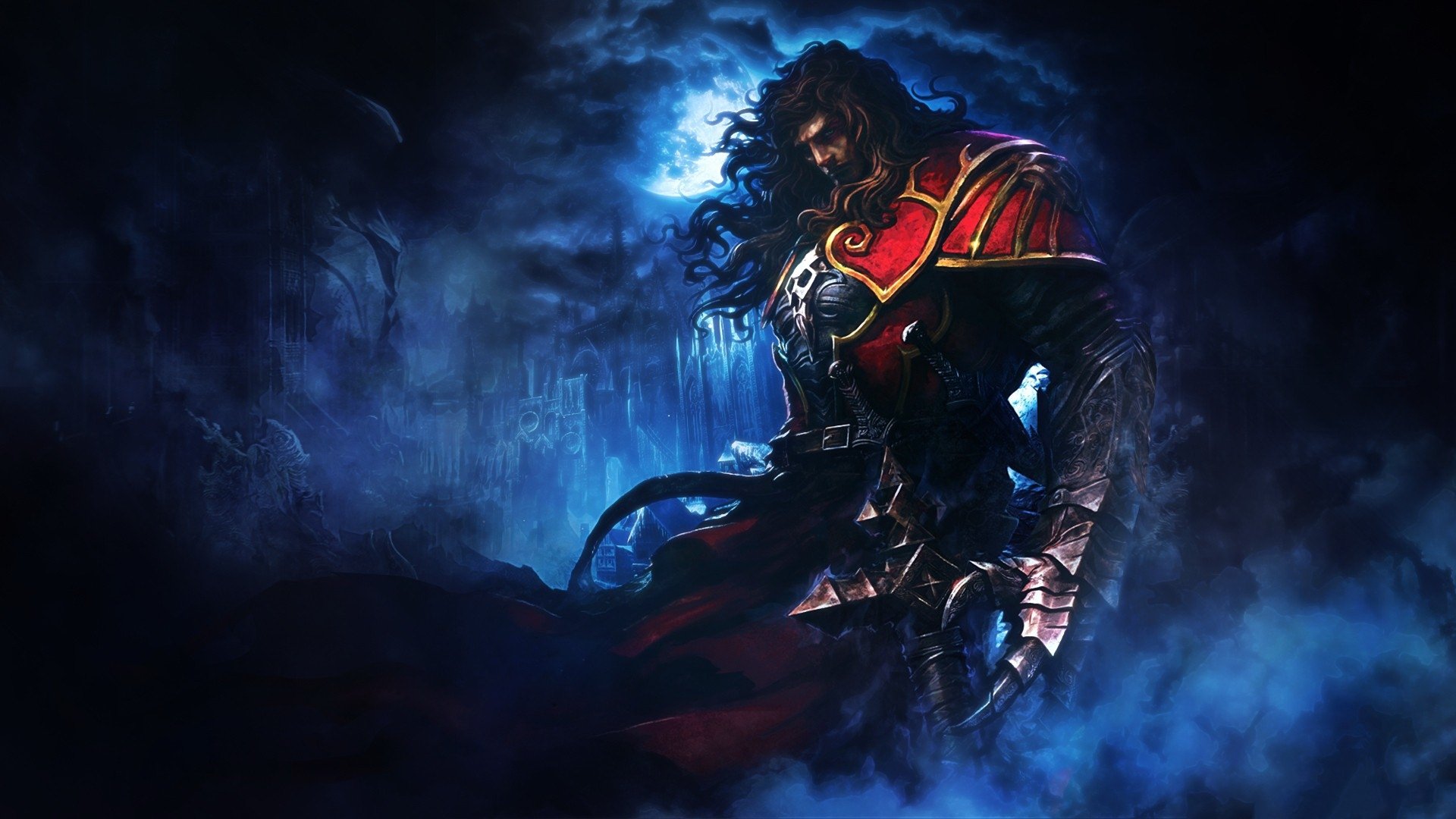
11. Castlevania: Lords of Shadow
Developed by MercurySteam, Castlevania: Lords of Shadow completely rebooted the universe as a cinematic 3D hack-and-slash action game. Boasting impressive voice acting and gorgeous visuals, it traded traditional exploration for combat mechanics similar to contemporary action titles, dividing long-time fans despite its commercial success.
10. Castlevania
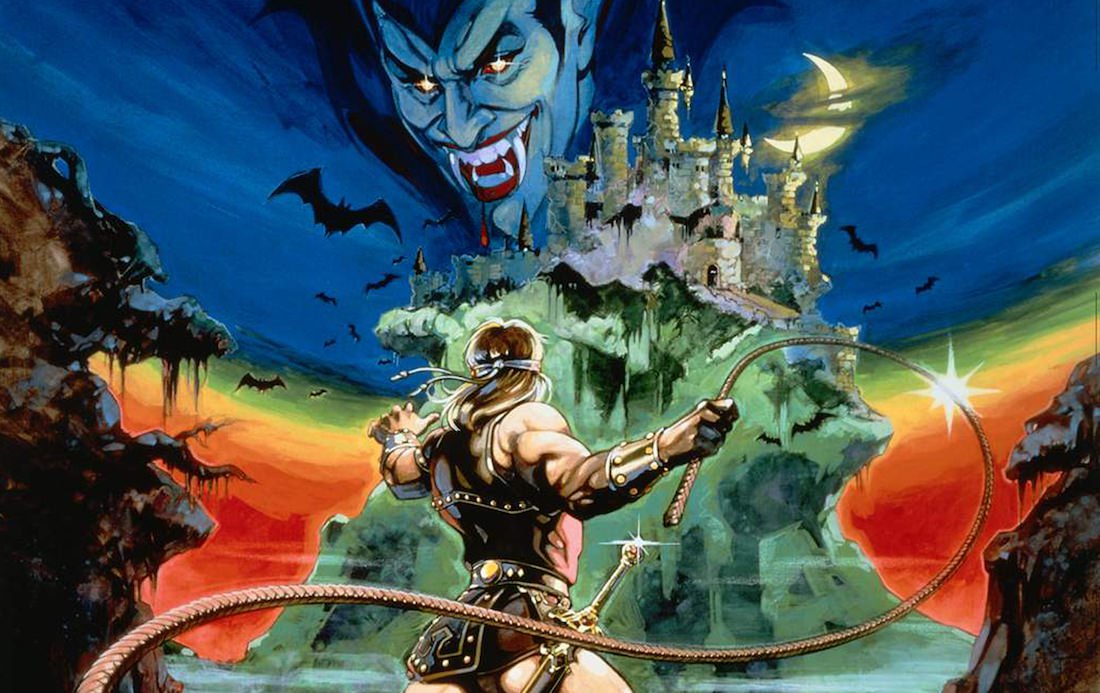
The original NES title, Castlevania, laid the foundation for the entire franchise. Introducing Simon Belmont, the iconic Whip, and Dracula's castle, this 1986 classic remains a masterclass in strict, deliberate action-platforming, even if its stiff jumping mechanics and brutal difficulty test modern patience.
9. Castlevania: Circle of the Moon
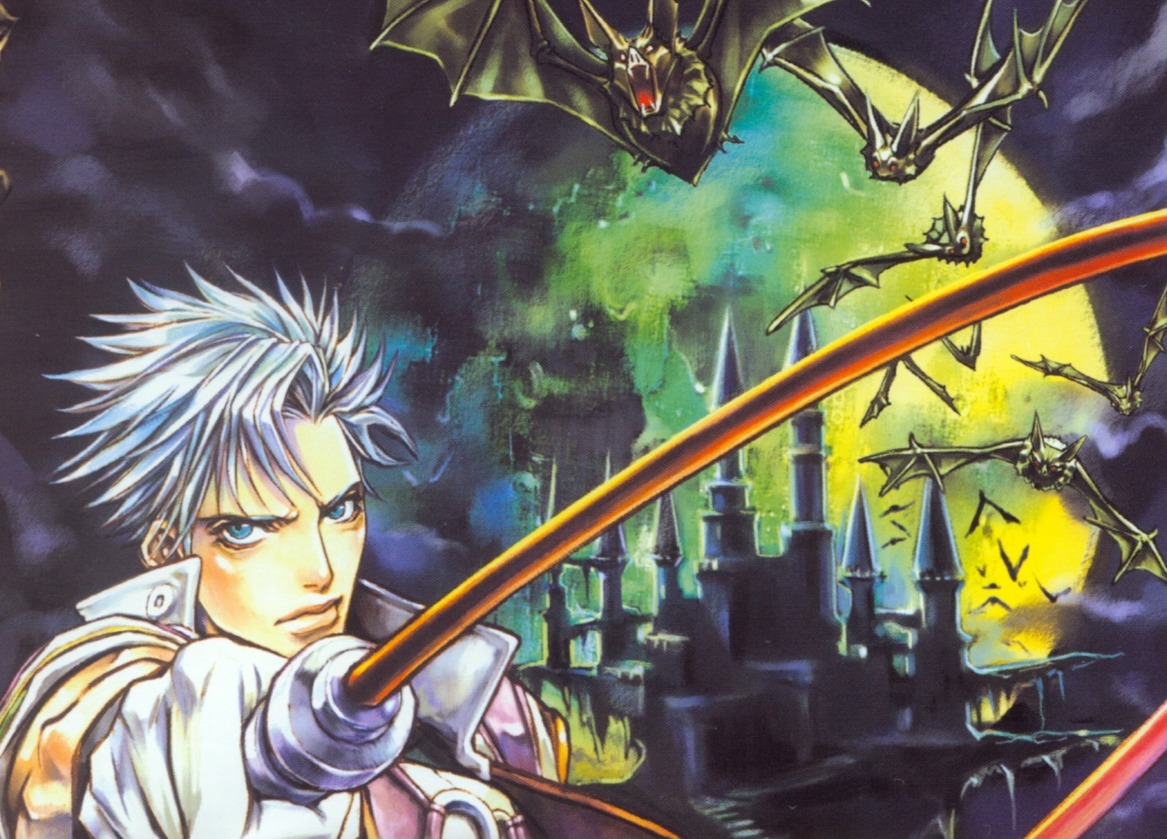
A launch title for the Game Boy Advance, Castlevania: Circle of the Moon successfully brought the exploratory Metroidvania formula to handheld devices. Its innovative Dual Set System allowed players to combine cards for custom magic spells, offering strong depth despite dark visual presentation on original hardware.
8. Castlevania III: Dracula's Curse
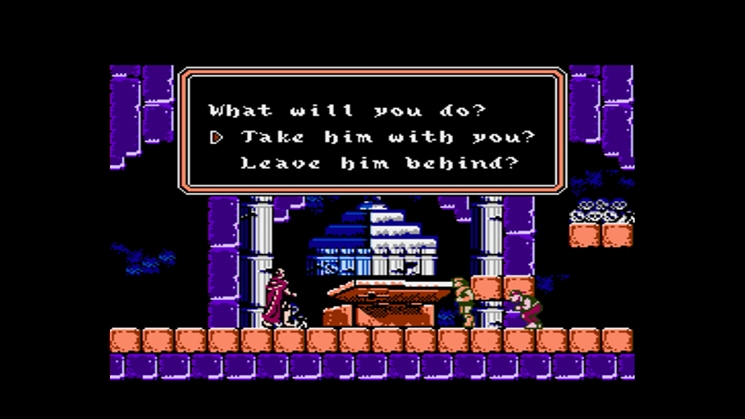
Returning to the traditional linear platforming roots on the NES, Castlevania III: Dracula's Curse is often considered the peak of 8-bit action games. Featuring branching paths and multiple playable characters like Alucard and Sypha Belnades, it delivered unmatched replayability and incredible sound design.
7. Castlevania: Portrait of Ruin
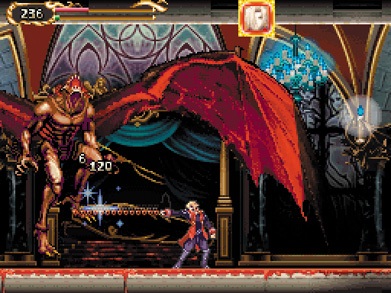
Released on the Nintendo DS, Castlevania: Portrait of Ruin introduced a dual-protagonist system where players seamlessly swapped between Jonathan Morris and Charlotte Aulin. Exploring dynamic portraits instead of just a single castle kept environments diverse and gameplay fresh throughout the campaign.
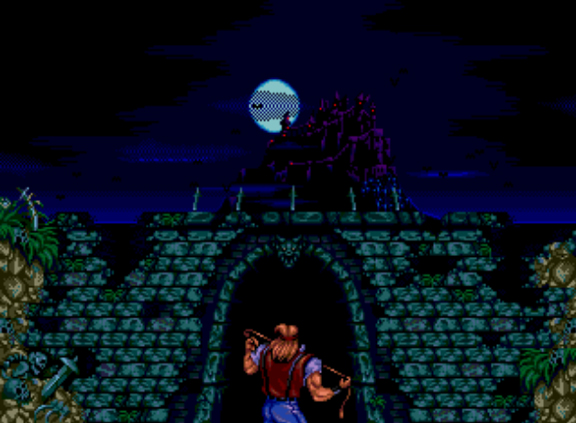
6. Castlevania: Bloodlines
The sole Sega Genesis entry, Castlevania: Bloodlines embraced the hardware's capabilities to offer fast-paced action, bloodier visual effects, and dual playable heroes: John Morris and Eric Lecarde. Its globetrotting campaign across Europe features some of the best classic stage designs in the franchise.
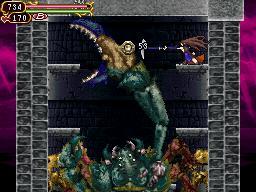
5. Castlevania: Order of Ecclesia
The final handheld entry on the Nintendo DS, Castlevania: Order of Ecclesia starred Shanoa and utilized a unique Glyph magic system. Combining open outdoor environments with a challenging central castle, it balanced tough combat with deep customizability, creating one of the most rewarding modern entries.

4. Super Castlevania IV
Reimagining the original game for the Super Nintendo, Super Castlevania IV is a masterpiece in atmospheric design and stage presentation. Featuring eight-directional whipping capabilities, dynamic Mode 7 graphics, and a phenomenal soundtrack, it stands as the absolute pinnacle of traditional linear Castlevania gameplay.
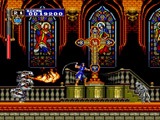
3. Castlevania: Rondo of Blood
Originally released exclusively in Japan on the PC Engine Super CD-ROM system, Castlevania: Rondo of Blood combined linear stage mechanics with hidden branching paths and alternate character unlocks like Maria Renard. With CD-quality music and stunning sprite animation, it remains an undisputed high point of classic platforming.
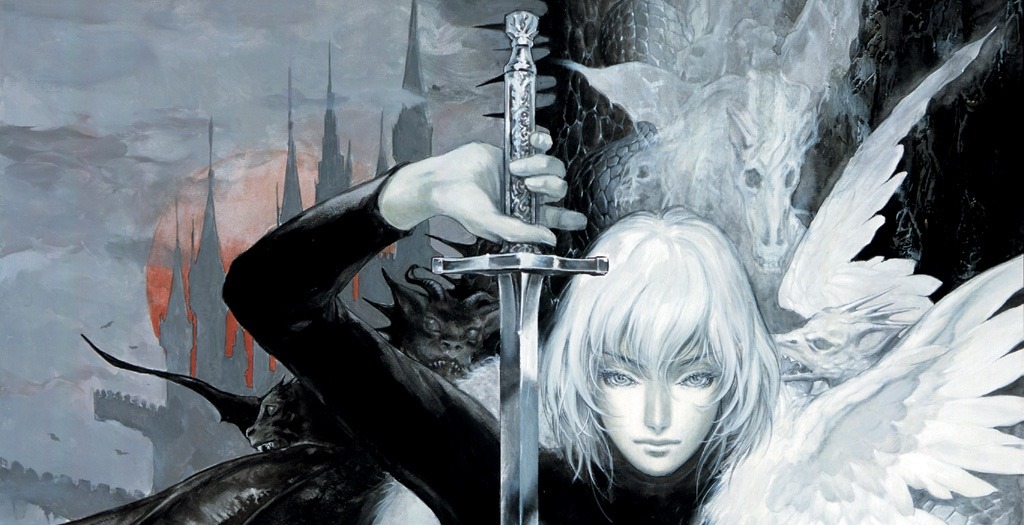
2. Castlevania: Aria of Sorrow
Set in a futuristic 2035 setting, Castlevania: Aria of Sorrow on Game Boy Advance introduced Soma Cruz and the revolutionary Tactical Soul system. Absorbing enemy abilities provided endless gameplay variety and customization, cementing it alongside Castlevania: Dawn of Sorrow as an absolute handheld triumph.
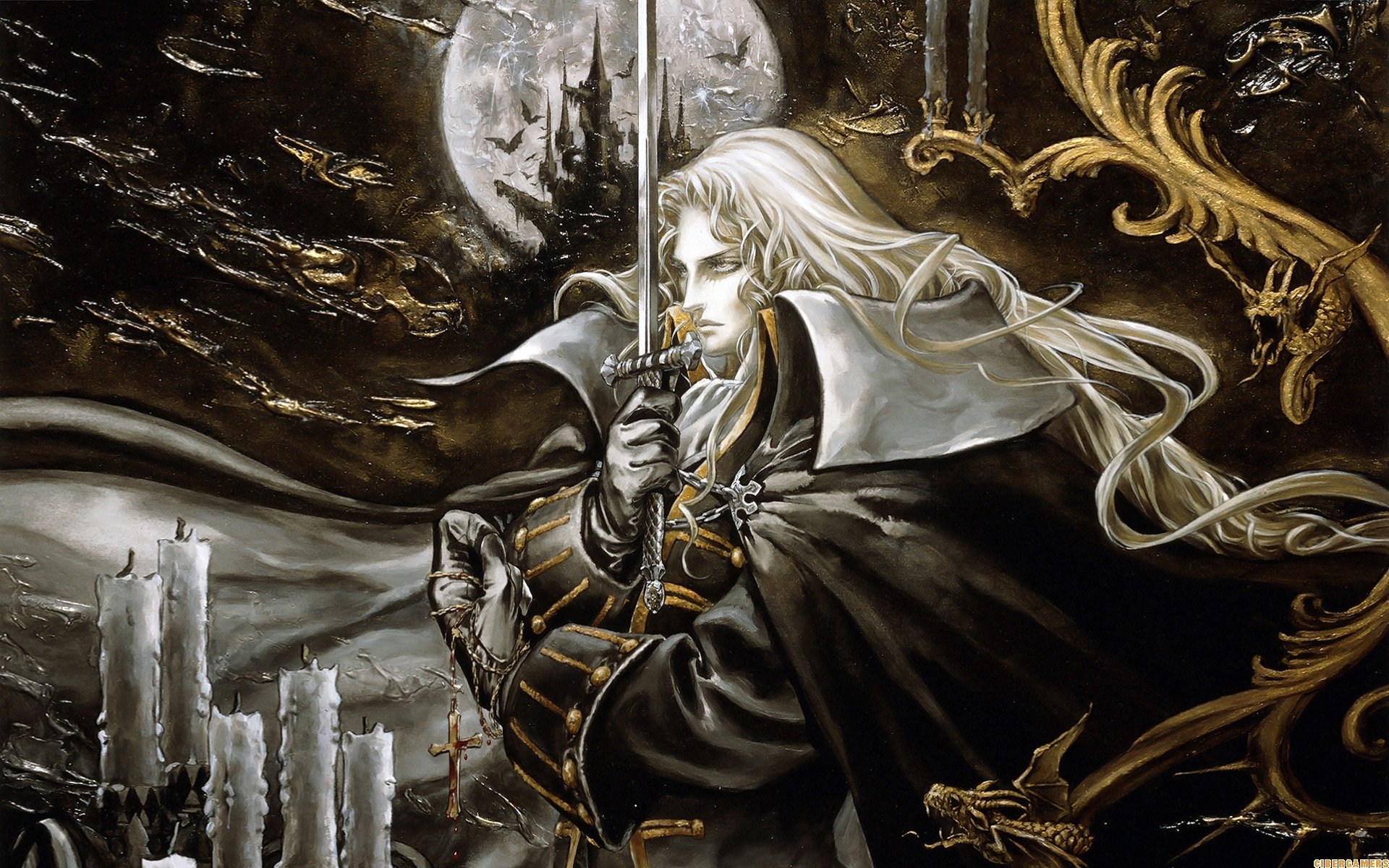
1. Castlevania: Symphony of the Night
Standing tall at the apex of the franchise, Castlevania: Symphony of the Night transformed video games forever upon its 1997 PlayStation release. Starring Alucard, it abandoned strict stage structures in favor of an expansive castle filled with RPG leveling, weapon collecting, secret areas, and the iconic inverted castle twist. It is not just the best game in the series—it is one of the greatest video games ever made.
Frequently Asked Questions
Which Castlevania game should beginners start with?
For fans of modern exploratory action-RPGs, Castlevania: Symphony of the Night or Castlevania: Aria of Sorrow are the ideal entry points. For those who prefer classic action platformers, Super Castlevania IV offers intuitive controls and manageable difficulty.
What is the difference between Classicvania and Metroidvania?
Classicvania refers to earlier titles like Castlevania and Castlevania III: Dracula's Curse, which feature linear, stage-by-stage platforming. Metroidvania refers to games following Castlevania: Symphony of the Night, which focus on interconnected maps, backtrack-based exploration, and RPG mechanics.
Final Thoughts
Whether you prefer the grueling precision of early 8-bit platformers or the rich exploratory RPG mechanics of later entries, the Castlevania series offers an extraordinary collection of gaming history. Decades after its inception, exploring Dracula's castle remains as thrilling as ever.
