Introduction & Historical Context
Released in 2008, Dark Sector stands as a fascinating artifact of seventh-generation console gaming. Developed by Digital Extremes, the game arrived during an era dominated by gritty cover-based third-person shooters like Gears of War and dark sci-fi horror experiences like Dead Space. While it received mixed-to-positive reviews upon launch, Dark Sector holds a unique place in gaming history as the spiritual predecessor to the mega-hit Warframe.
Developer Background: The Evolution of Digital Extremes
Digital Extremes, best known today for the massive free-to-play hit Warframe and their earlier work on the Unreal Tournament series, originally envisioned Dark Sector very differently. The initial concept revealed in 2004 was set in a high-tech sci-fi universe featuring ninja-like cyborgs in outer space. However, publisher pressures forced the studio to pivot toward a more grounded, Cold War-inspired biological horror narrative. Years later, Digital Extremes would revisit their original concept to create Warframe, making Dark Sector an essential chapter in the studio's development history.
Story and Narrative
In Dark Sector, players step into the boots of Hayden Tenno, a cold and detached CIA operative sent on a cleanup mission to Lasria, a fictional Eastern European country. Lasria has been ravaged by the Technocyte virus, an experimental biological weapon that mutates living flesh into metallic monstrosities.
During his mission, Hayden is infected with a rogue strain of the virus by the antagonist, Robert Mezner. Rather than destroying his mind, the virus causes Hayden's right arm to mutate into a metallic, bio-armored extremity capable of spawning a deadly three-bladed throwing weapon known as the Glaive. The narrative follows Hayden's struggle to control his growing infection, stop Mezner, and unravel the conspiracy behind the Technocyte outbreak.
Graphics, Visuals, and Audio
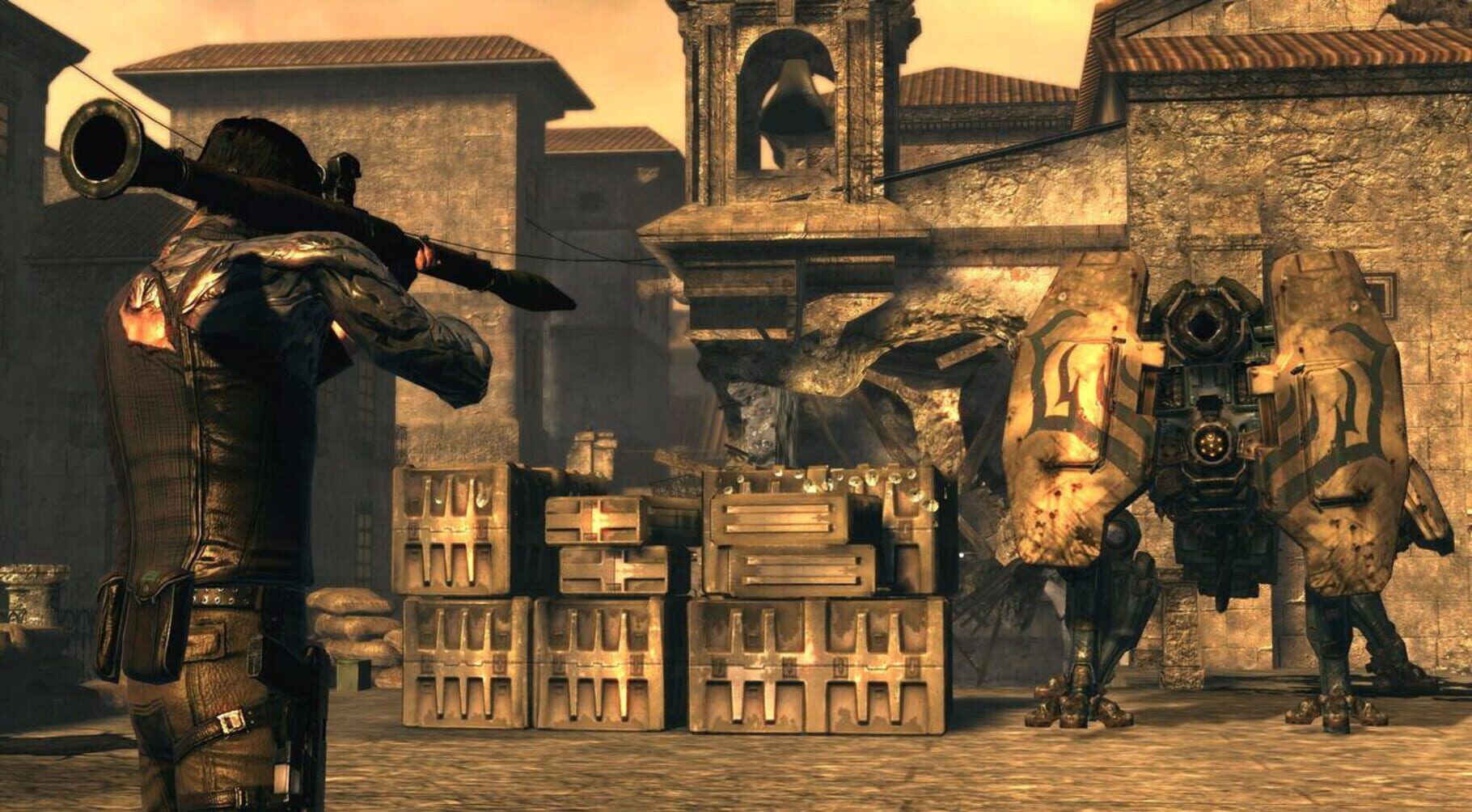
For a 2008 title, Dark Sector showcased impressive visual fidelity thanks to Digital Extremes' proprietary Evolution Engine. The atmospheric lighting, detailed surface textures, and graphic body-horror dismemberments were cutting-edge for their time. The aesthetic relies heavily on muted, moody color palettes—desaturated grays, deep shadows, and stark lighting—which fit the Eastern European post-Soviet industrial setting perfectly.
The sound design effectively complements the visual gloom, featuring heavy impact audio for the Glaive, wet tissue sounds during brutal finishing moves, and an understated sci-fi ambient soundtrack that builds tension during enemy encounters.
Playable Platforms and Modern Accessibility
If you are looking to play Dark Sector today, here are the platforms where it was released and its current availability:
- PC (Microsoft Windows): Available digitally via Steam and other digital storefronts. It runs well on modern PC hardware, though controller setup may require minor tweaking.
- Xbox 360: Available on physical disc. Note that Xbox backward compatibility support varies, so playing on original hardware or checking current digital store listings is recommended.
- PlayStation 3: Available on physical Blu-ray disc for the PS3 console.
Final Recommendation & Verdict
Dark Sector is an underrated gem that deserves another look from action fans and gaming history enthusiasts. While its cover mechanics and narrative tropes feel distinctly rooted in 2008, the signature Glaive combat remains satisfying, punchy, and surprisingly innovative. Combining elemental powers (fire, electricity, ice) with the Glaive adds a clever puzzle-combat layer that keeps encounters fresh.
Verdict: 7.5/10 — Recommended for fans of classic third-person action games, sci-fi body horror, and anyone curious about the roots of Warframe.