CHECKING...
Rookie Gamer Live Broadcast
0
0%
10k


📅 September 15, 2026

The Story of Made in Abyss: Binary Star Falling into Darkness Explained

The Story of Made in Abyss: Binary Star Falling into Darkness Explained

Introduction

The mysterious and dangerous world created by Akihito Tsukushi has captivated fans through its manga and anime adaptations. With Made in Abyss: Binary Star Falling into Darkness, players finally got the chance to plunge directly into the terrifying depths of the Abyss themselves. Developed by Chime and published by Spike Chunsoft, this 3D action RPG offers a dark, uncompromising look at what it truly takes to be a Cave Raider.

While the game captures the intense survival mechanics and body horror mechanics known to the franchise, its narrative is split into two distinct experiences: a retelling of the original story and an entirely original canon-adjacent plot. In this guide, we break down the complete narrative structure, character arcs, and thematic twists found in Made in Abyss: Binary Star Falling into Darkness.
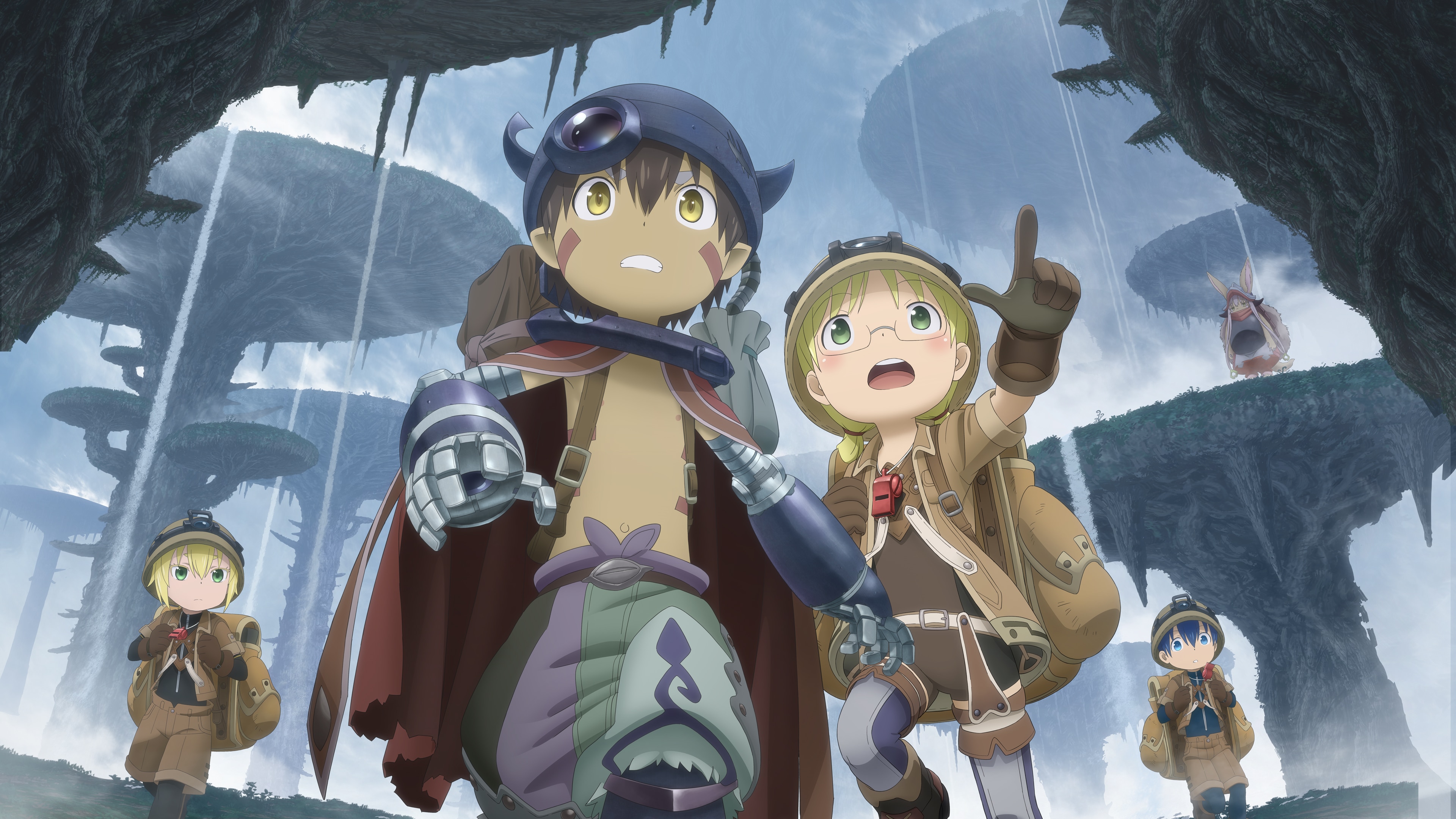
Made in Abyss: Binary Star Falling into Darkness

The Narrative Structure: Two Modes, Two Journeys

To fully understand the story of Made in Abyss: Binary Star Falling into Darkness, you must understand how the game presents its narrative. The game is divided into two main gameplay modes:

  • Hello Abyss: A short, tutorial-focused narrative mode that retells the beginning of the anime and manga series.
  • Deep in Abyss: The main campaign featuring an original storyline, a custom protagonist, original characters, and a much darker exploration of the deep layers.

Hello Abyss: Riko and Reg's Beginning

The game opens with Hello Abyss, which acts as both an introduction to the world and an extended tutorial for fundamental game mechanics. Players take control of Riko, a young orphan residing at the Belchero Orphanage in the town of Orth, situated on the edge of a colossal crater known as the Abyss.

During a routine scavenging expedition in the First Layer (Edge of the Abyss), Riko is saved from a dangerous creature by a mysterious robotic boy whom she names Reg. After discovering that her mother, the legendary White Whistle Lyza the Annihilator, may still be alive at the bottom of the crater, Riko decides to make an illegal descent into the Abyss. Reg joins her to recover his lost memories. This mode follows their journey through the early layers, ending shortly after their encounter with the formidable White Whistle, Ozen the Unmovable, at the Seeker Camp in the Second Layer.

Deep in Abyss: The Original Dark Tale

Once players complete the introductory mode, they unlock Deep in Abyss, which contains the heart and soul of the game's story. Instead of playing as established characters, players create their own customized Cave Raider, stepping into the boots of a fresh recruit arriving at Belchero Orphanage years before or concurrent with the main events of the series.

Rising Through the Delver Ranks

The original story centers around your custom protagonist and a close-knit group of fellow orphan recruits: Tika, Raul, and Mey. Together, these young aspirants dream of becoming legendary White Whistles.

The narrative tracks your character's progression through the official Delver whistle rankings:

  • Bell / Red Whistle: Novices restricted to exploring the relatively safe First Layer.
  • Blue Whistle: Adepts permitted to descend into the treacherous Second Layer (Forest of Temptation).
  • Moon Whistle: Experienced raiders capable of venturing into the Third Layer (Great Fault) and Fourth Layer (Goblet of Giants).
  • Black Whistle: Master delvers allowed into the Fifth Layer (Sea of Corpses).

As you complete quests, gather relic artifacts, and earn promotions, the initial sense of adventure quickly decays into the grim, terrifying reality of life inside the crater.

The Fate of Tika and the Tragedy of Descent

Unlike Riko's journey, which is sustained by Reg's immense physical power and relic abilities, your custom protagonist and their peers are normal humans. This distinction highlights the brutal fatality rate of Cave Raiders.

As the plot progresses, your rival and closest companion, Tika, becomes increasingly obsessed with pushing deeper into the Abyss to prove his worth and find a purpose. Driven by ambition and recklessness, Tika ignores warnings and delves far past his authorized whistle rank. His obsession leads to catastrophic consequences.

During high-stakes expeditions into the lower layers, the dark realities of the Abyss catch up to your group. Tika suffers devastating injuries and becomes a victim of both ferocious native fauna and the inescapable Curse of the Abyss—the physiological strain experienced when ascending from the depths. The story doesn't shy away from tragedy; your protagonist is forced to watch their friends suffer horrific injuries, mental breakdowns, or grotesque mutations, reinforcing the core theme that the Abyss claims almost everyone who seeks its secrets.

Encounters with Legendary White Whistles

As your custom character reaches Black Whistle status and descends into the Fourth and Fifth layers, the narrative intersects with major figures from the original series lore:

  • Ozen the Unmovable: Stationed at the Seeker Camp in the Second Layer, Ozen serves as a harsh reality check. She tests the protagonist's resolve through brutal physical combat, forcing them to understand that passion alone will not keep them alive in the depths.
  • Bondrewd the Novel: The terrifying White Whistle known as the Sovereign of Dawn governs Ido Front in the Fifth Layer. In the game's final acts, your protagonist travels to Ido Front, where Bondrewd's twisted scientific experiments and morally bankrupt philosophies on progress and force-field research are put on full display.
  • Nanachi: Players also encounter the beloved Hollow, Nanachi, in the Fourth Layer, offering crucial assistance and emotional depth during the campaign's darkest moments.

The Curse of the Abyss and Core Themes

The narrative of Made in Abyss: Binary Star Falling into Darkness relies heavily on the physical and psychological mechanics of the Abyss's curse. The strains of ascent vary depending on depth:

  • 1st Layer: Light nausea and dizziness.
  • 2nd Layer: Intense nausea, headaches, and numbness in limbs.
  • 3rd Layer: Vertigo combined with visual and auditory hallucinations.
  • 4th Layer: Intense body pain and bleeding from every orifice.
  • 5th Layer: Complete sensory deprivation, confusion, and self-harming behavior.
  • 6th Layer: Loss of humanity or death.

The overarching story theme is the psychological phenomenon known as the "Abyss Stare" or the irresistibility of the unknown. Despite knowing that the journey downward is essentially a suicide mission, raiders are drawn by an obsessive, almost spiritual longing. Your character's story serves as a somber illustration of this phenomenon: a testament to human curiosity pushed to its absolute, agonizing limits.

Frequently Asked Questions

Is the story in Deep in Abyss canonical?

The "Deep in Abyss" mode is an original story crafted specifically for the video game. While it is not part of the primary manga or anime canon, it was created with input and oversight from series creator Akihito Tsukushi, ensuring that its lore, world-building, and character interactions align perfectly with the established universe.

Do you get to play as Riko and Reg throughout the whole game?

No. Riko and Reg are only playable during the shorter tutorial mode, "Hello Abyss." The vast majority of the game's content and the main story take place in "Deep in Abyss," where you control your own custom-created Cave Raider.

Does the game's story reach the 6th Layer?

The main narrative of Made in Abyss: Binary Star Falling into Darkness extends through the Fifth Layer (Sea of Corpses) and Ido Front. Because crossing into the Sixth Layer represents the "Absolute Last Dive" (a point of no return where human ascension without loss of humanity becomes impossible), the playable story concludes around the Fifth Layer to maintain open-world exploration gameplay.

Final Thoughts

By splitting its narrative between a familiar retelling and an original dark campaign, Made in Abyss: Binary Star Falling into Darkness delivers an authentic depiction of Tsukushi's universe. The original story of the custom protagonist and their doomed companions provides a chilling reminder that in the world of the Abyss, few raiders become legends, while most are swallowed whole by the deep.

Celebrating 25 Years of the Nintendo GameCube, a Beloved System Known for Its Iconic Handle and Legendary Startup Sound

Celebrating 25 Years of the Nintendo GameCube, a Beloved System Known for Its Iconic Handle and Legendary Startup Sound

Celebrating 25 Years of the Nintendo GameCube

Today marks a remarkable milestone in video game history as the Nintendo GameCube officially celebrates its 25th anniversary. Released a quarter of a century ago, this distinctive console introduced players around the world to a fresh era of home interactive entertainment. While the video game market was entering a highly competitive period during this hardware generation, Nintendo's compact system quickly carved out an enduring legacy that hardware enthusiasts and retro gamers continue to celebrate today.

Distinctive Hardware Built with Personality

From the moment it was unveiled to the public, the hardware set itself apart from rival home consoles through its quirky and thoughtful design choices. One of the most famous physical features was the built-in carrying handle attached to the back of the unit. This functional addition highlighted Nintendo's playful approach to physical hardware, making it simple for players to transport the system to friends' houses for multiplayer sessions.

Additionally, the hardware bypassed the industry standard full-sized DVD format in favor of tiny, proprietary optical discs. These mini optical discs allowed for faster read times and gave physical game media a unique aesthetic that remains instantly identifiable in retro collection displays today.

An Ergonomic Controller and Unmatched Audio Signature

The console also introduced an incredibly comfortable, ergonomic controller layout that featured a prominent central action button and intuitive analog triggers. This controller design proved so effective and beloved that fans still favor it for competitive and casual play on modern gaming platforms decades later.

Beyond its physical shape, the system delivered what many fans consider the greatest boot-up sound and animation sequence ever created. The rhythmic, percussive chime combined with a rolling block that completes the logo provided a magical entrance every time the system powered on. That short audio cue remains an iconic signature in gaming culture, instantly transporting players back to the early 2000s.

An Enduring Legacy for Retro Enthusiasts

Twenty-five years after its debut, the console is fondly remembered not just as a piece of classic technology, but as a bold statement of hardware creativity. Its eccentric charm and distinct features helped define a unforgettable chapter in gaming history. As the community reflects on a quarter-century of fond memories, the system stands out as a timeless icon of innovation. For more classic gaming reflections, historical updates, and retro news, stay connected and follow RookieGamerCoupons.


Celebrating 25 Years of the Nintendo GameCube, a Beloved System Known for Its Iconic Handle and Legendary Startup Sound

Ruiner (2017) Review: A Brutal Cyberpunk Twin-Stick Masterpiece

Ruiner (2017) Review: A Brutal Cyberpunk Twin-Stick Masterpiece
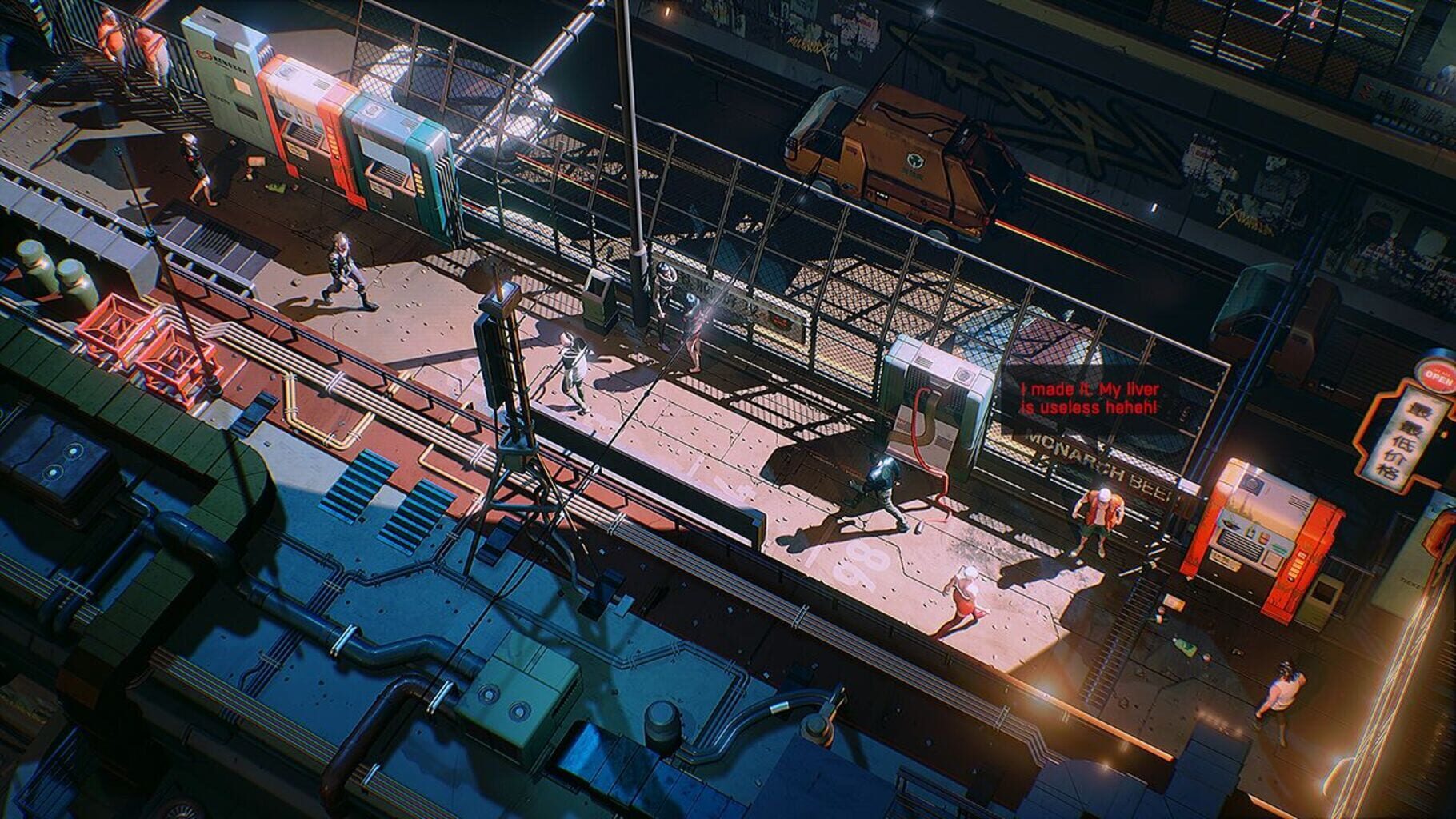
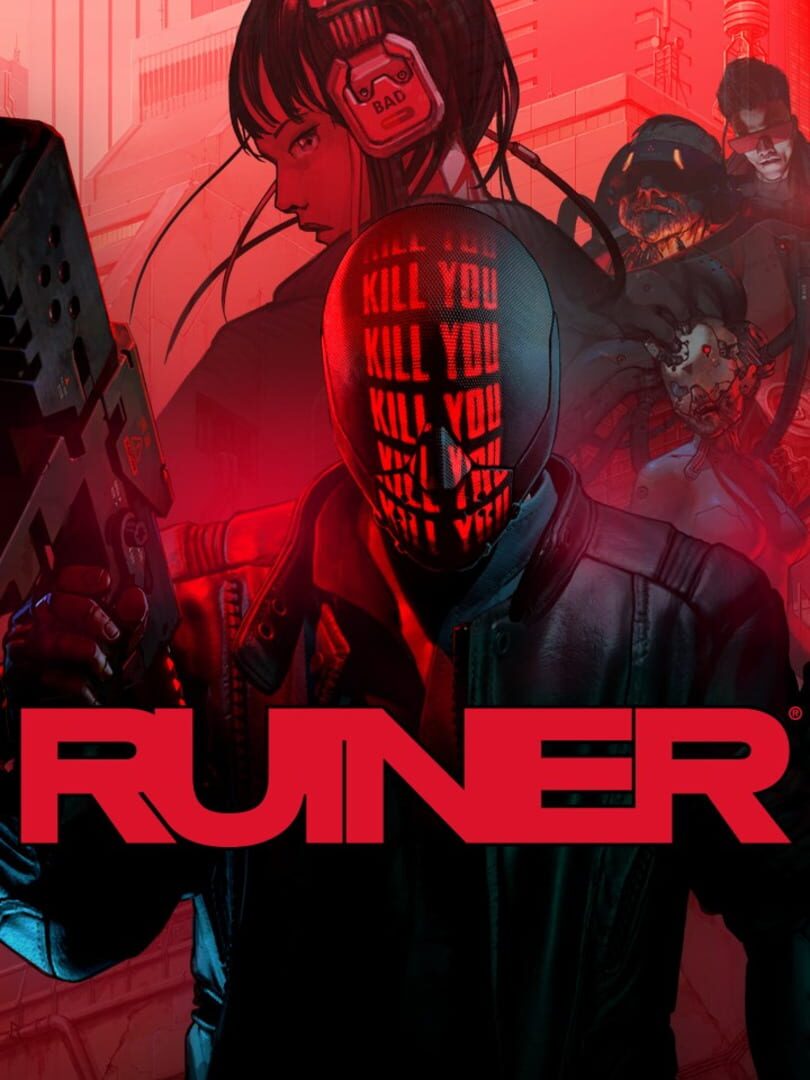
Ruiner (2017) Cover

Context and Setting

Released in September 2017, Ruiner is a fast-paced, relentless twin-stick shooter set in a dark cyberpunk future. Plunging players into the sprawling metropolis of Rengkok in the year 2091, the game channels the grittiest themes of dystopian fiction—corporate greed, human augmentation, and rampant street violence. For fans of high-intensity action and futuristic aesthetics, Ruiner captured immediate attention upon its release for its sleek style and punishing difficulty.

Story and Narrative

In Ruiner, you play as a silent, helmeted vigilante whose brain has been hacked by a corrupt mega-corporation called Heaven. Driven by a mysterious hacker known simply as Her, you break free from your brainwashing to rescue your kidnapped brother. The story is delivered through snappy dialogue windows, slick cutscenes, and subtle environmental details. While the plot leans into classic cyberpunk tropes, its aggressive delivery, surreal imagery, and enigmatic characters keep the narrative compelling from beginning to end.

Graphics and Visual Style

Visually, Ruiner is a masterclass in atmospheric design. Powered by Unreal Engine 4, the top-down perspective is bathed in high-contrast neon reds, deep blacks, and industrial grime. The protagonist’s customizable helmet displays animated LED text and expressions, giving the quiet hero immense personality. Combined with fluid combat animations and a pulse-pounding synthwave soundtrack featuring artists like Sidewalks & Skeletons, the audio-visual presentation creates an immensely immersive, high-tech nightmare.

Developer and Publisher

Ruiner was developed by Reikon Games, an independent Polish studio founded by industry veterans with prior experience on major titles like The Witcher series and Dying Light. Their expertise is evident in the polished combat loops and tight design. The game was published by Devolver Digital, a well-known publisher famous for supporting iconic indie titles like Hotline Miami and Enter the Gungeon.

Playable Platforms

Ruiner is widely accessible across multiple gaming setups. You can play the game on the following platforms:

  • PC (Windows, Linux via Steam, GOG, and Epic Games Store)
  • PlayStation 4
  • Xbox One
  • Nintendo Switch

The game runs smoothly across all systems, though PC and modern consoles offer the best framerates necessary for its twitch-reaction combat.

Final Recommendation

Ruiner is an exhilarating, visceral experience that delivers on every front for action fans. While its steep difficulty curve and shorter runtime might prove challenging for casual players, its satisfying abilities, incredible art direction, and fantastic music make it a standout title in the cyberpunk genre.

Verdict: 8.5/10 — A stylish, challenging, and hyper-violent cyberpunk shooter well worth adding to your gaming library.

Ruiner (2017) Screenshot

Best Games Like Black Clover Quartet Knights: Top Anime Arena Battlers

Best Games Like Black Clover Quartet Knights: Top Anime Arena Battlers

Black Clover: Quartet Knights captured a unique niche when it launched: a blend of 4v4 team-based strategy, third-person shooter dynamics, and high-octane anime arena combat. Players were assigned distinct roles such as Fighter, Shooter, Support, and Healer, forcing teams to coordinate magic spells, map control, and objective captures rather than relying solely on individual combo execution.

If you loved the strategic magic battles and team dynamics of Black Clover: Quartet Knights, you might be wondering what other titles deliver a similar rush. Whether you are searching for role-based team battles, fast-paced 3D brawlers, or ability-driven action games, here are the absolute best games like Black Clover: Quartet Knights you should play today.

What Makes a Great Alternative to Black Clover: Quartet Knights?

Before diving into the recommendations, it helps to identify the key elements that defined the gameplay loop of Black Clover: Quartet Knights. The title distinguished itself through several key mechanics:

  • Team-Based Objectives: Objective-driven battle modes like Control Circle and Treasure Hunt required tactical coordination.
  • Class Synergy: Specialized archetypes including frontline combatants, long-range attackers, support buffers, and healers.
  • 3D Arena Mobility: Full vertical freedom, dash mechanics, and interactive multi-level arenas.
  • Anime Ability Synergy: Distinct magic systems, spell combinations, and dramatic ultimate attacks faithful to the source material.

1. Naruto to Boruto: Shinobi Striker

Naruto to Boruto: Shinobi Striker

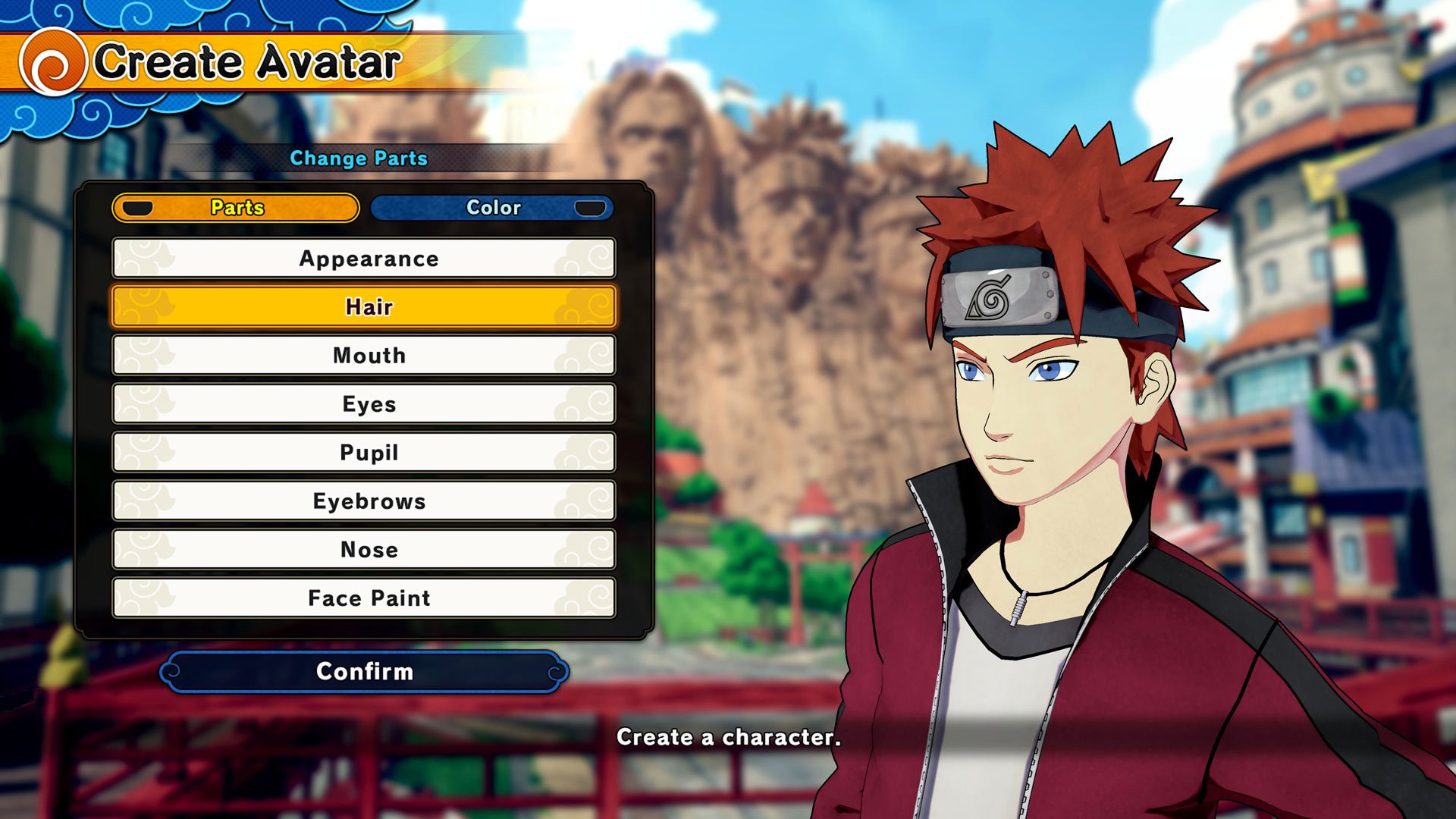
If you want the absolute closest gameplay experience to Black Clover: Quartet Knights, Naruto to Boruto: Shinobi Striker is your top destination. This 4v4 online multiplayer title puts heavy emphasis on team composition, dynamic role divisions, and high-speed vertical movement across expansive arenas.

Just like in Black Clover: Quartet Knights, players in Naruto to Boruto: Shinobi Striker choose from four specialized combat roles: Attack, Ranged, Defense, and Heal. Team coordination is essential to capture flags, defend battle zones, or defeat giant boss summons. With custom avatar creation and a massive library of ninjutsu abilities to unlock, it offers the exact team battle loop that magic and anime combat fans crave.

2. Dragon Ball Xenoverse 2

Dragon Ball Xenoverse 2

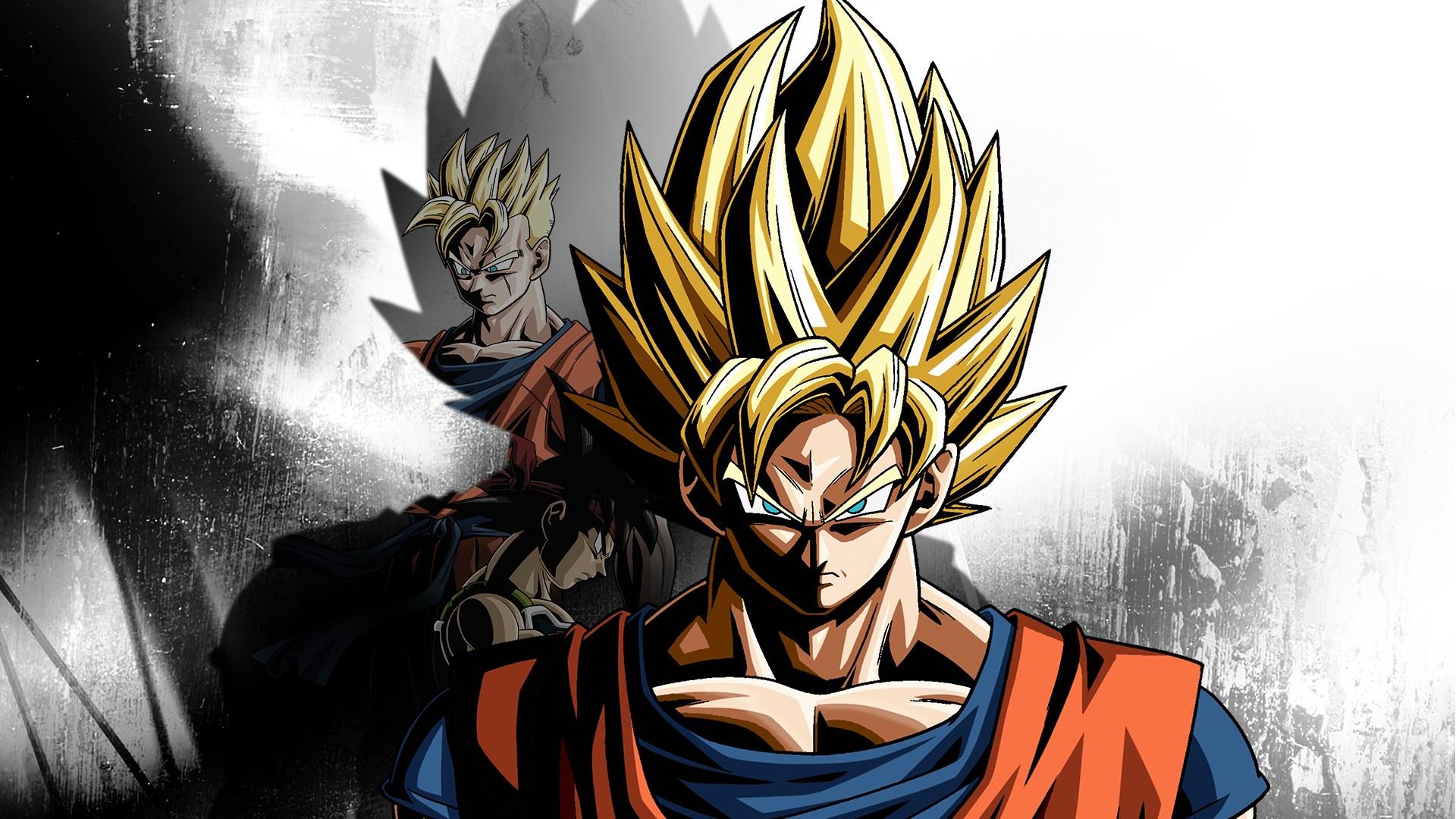
For players who enjoyed the third-person camera perspective and ranged projectile clashes in Black Clover: Quartet Knights, Dragon Ball Xenoverse 2 provides a feature-rich alternative. While it incorporates more action-RPG systems, its 3D arena combat and cooperative online modes capture a very similar intensity.

In Dragon Ball Xenoverse 2, you create your own custom warrior and take part in both cooperative Raid Quests and competitive 3v3 battles. Unleashing massive long-range energy blasts, managing stamina, and flying freely across destructible battlefields feel natural for anyone transitioning from Black Clover: Quartet Knights.

3. My Hero One's Justice 2

My Hero One's Justice 2

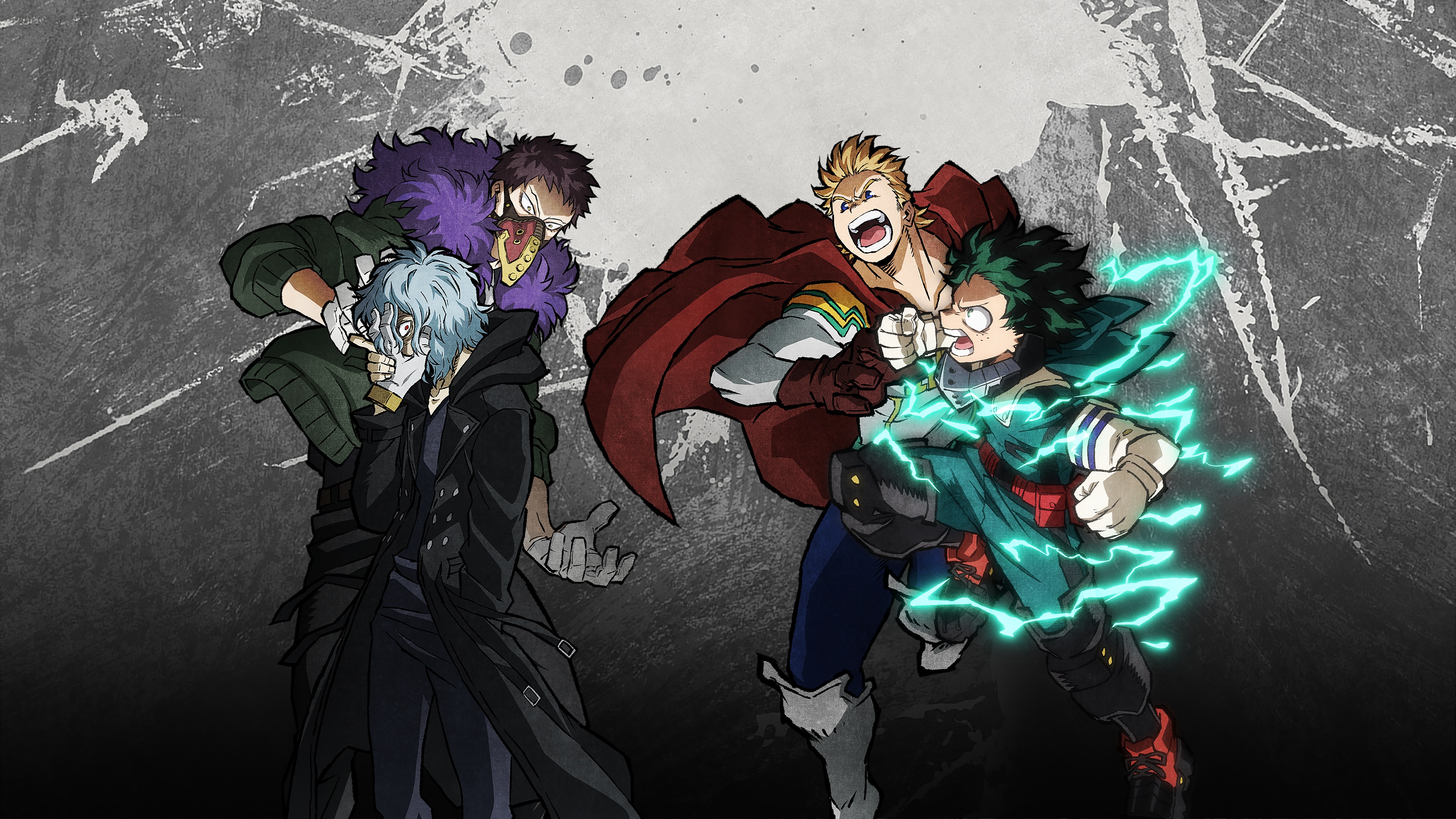
If your favorite part of Black Clover: Quartet Knights was unleashing character-specific superpowers in open environments, My Hero One's Justice 2 is worth checking out. Based on the widely popular superhero anime, this 3D arena brawler features a large roster of characters utilizing unique Quirk powers.

While combat focuses on 1v1 engagements with sidekick assistance rather than 4v4 objective capture, the feel of managing cooldowns, dodging ranged projectiles, and activating cinematic ultimate moves reflects the core moment-to-moment combat flow of Black Clover: Quartet Knights.

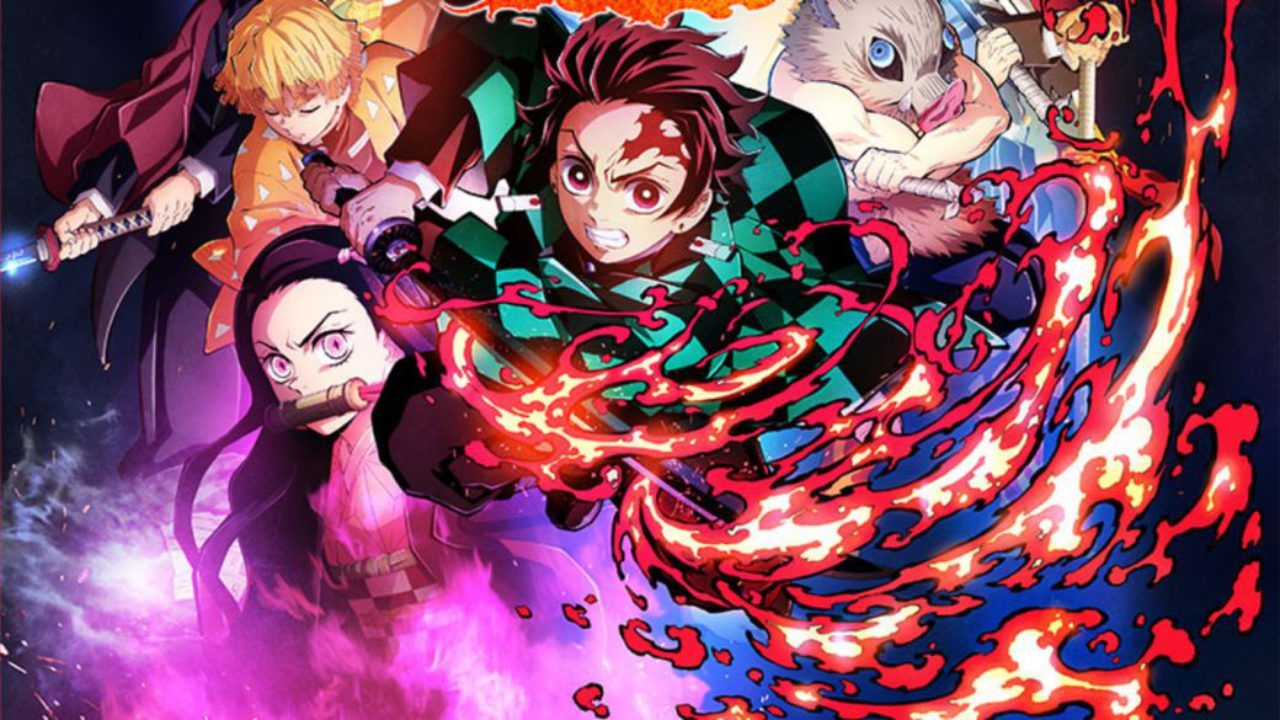
4. Demon Slayer: Kimetsu no Yaiba – The Hinokami Chronicles

Demon Slayer: Kimetsu no Yaiba – The Hinokami Chronicles

Developed by CyberConnect2, Demon Slayer: Kimetsu no Yaiba – The Hinokami Chronicles features some of the crispest, most visually striking 3D arena fighting action available. Players choose a primary fighter and a support partner, utilizing assist calls and tag switches to dominate opponents.

Although it leans more toward traditional fighting game match structures, fans of Black Clover: Quartet Knights will appreciate the expressive magic-like elemental sword styles, fluid evasive movement, and polished competitive play.

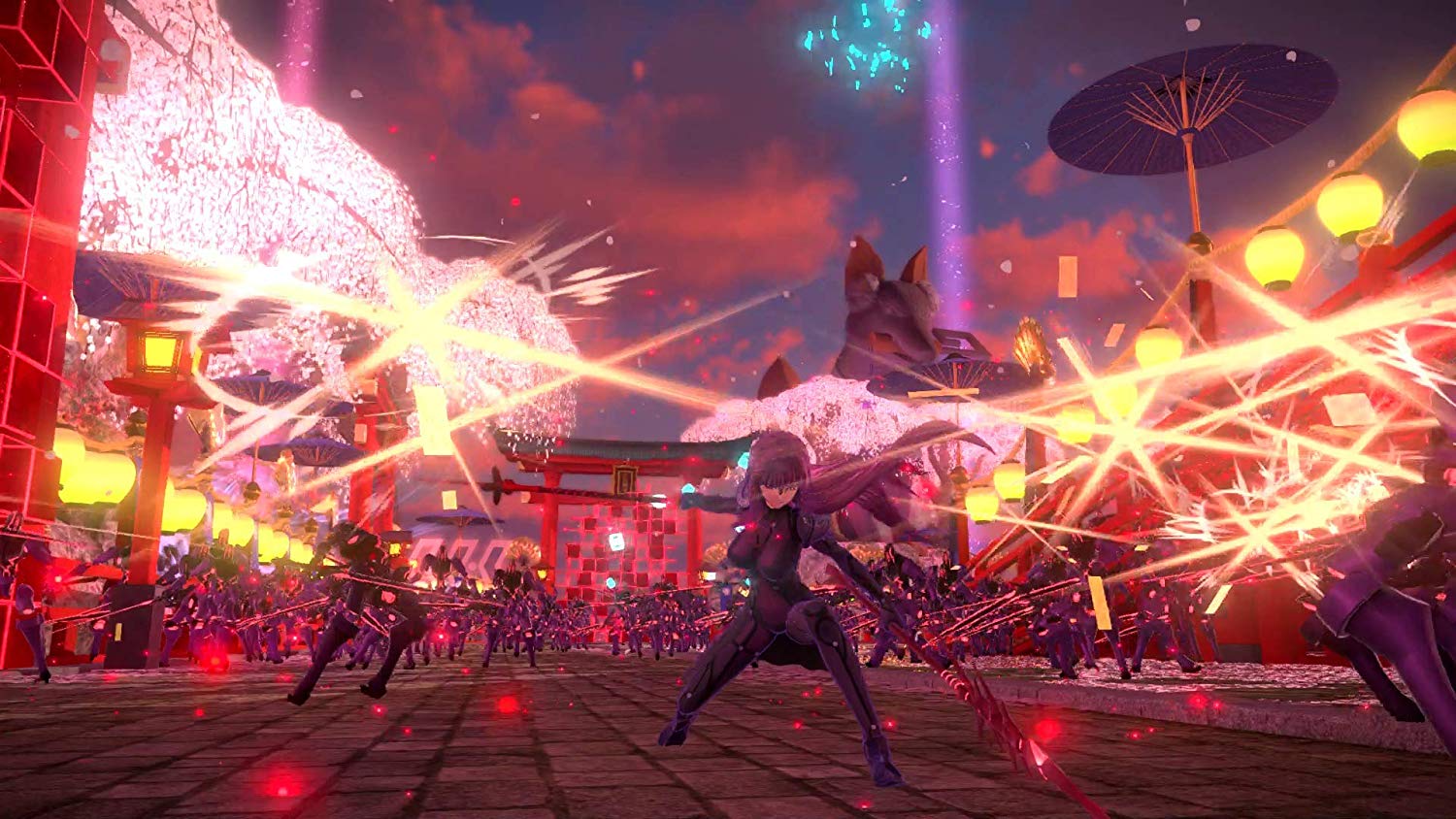
5. Fate/EXTELLA: LINK

Fate/EXTELLA: LINK

If you loved controlling the battlefield and capturing zones in Black Clover: Quartet Knights, Fate/EXTELLA: LINK provides an exciting hack-and-slash experience centered around territory control and high-potency magic abilities.

Players control powerful Servants from the Fate universe, capturing sectors of the map by defeating enemy commanders and clearing zones. The rapid movement speed, flashy Noble Phantasm spells, and sector control objectives mirror the strategic zone battles found in Black Clover: Quartet Knights.

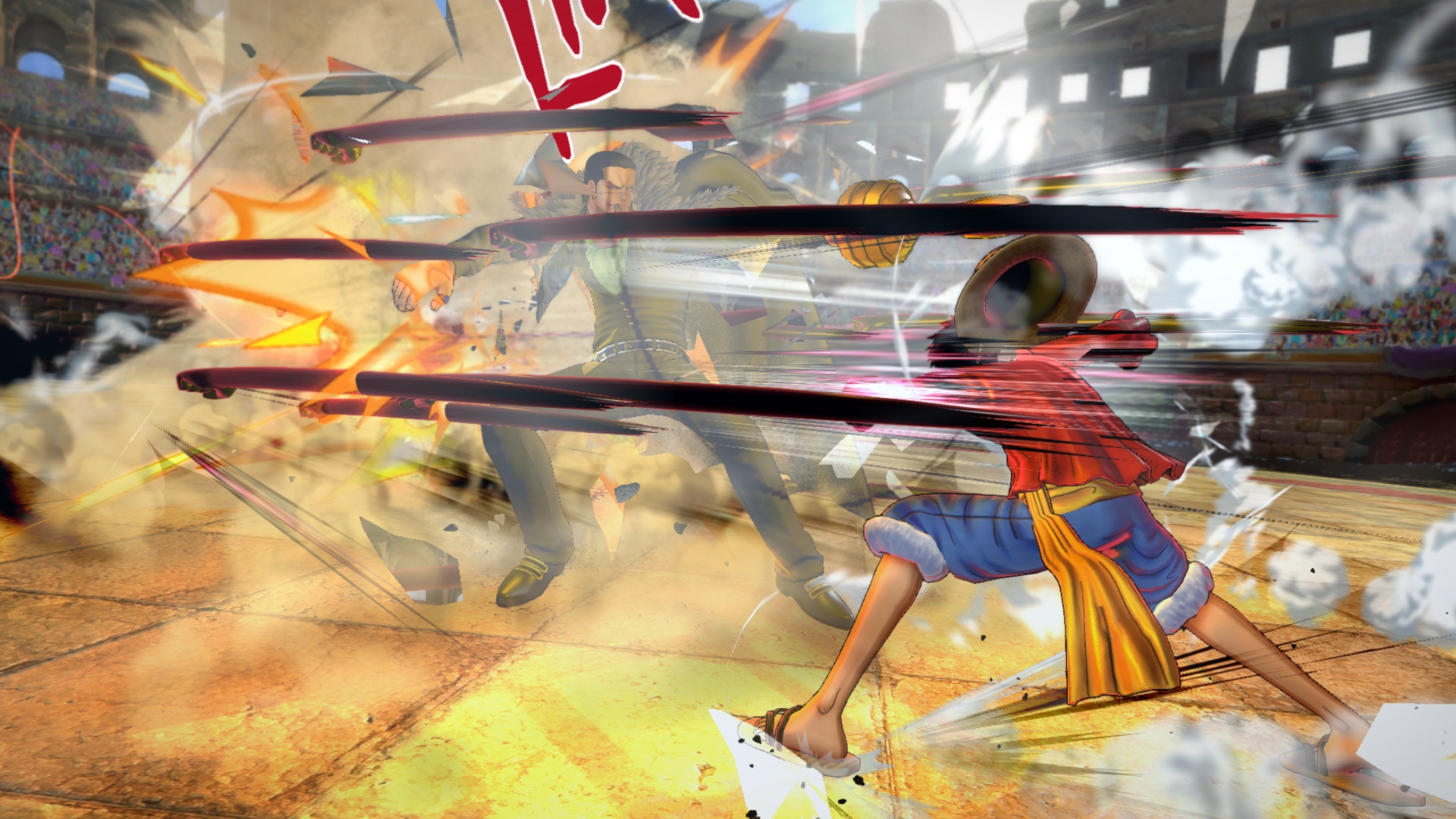
6. One Piece: Burning Blood

One Piece: Burning Blood

For fans of team building and counter-play tactics, One Piece: Burning Blood features 3v3 melee and ranged battles centered on Devil Fruit abilities and Haki mechanics. Much like how magic types interact in Black Clover: Quartet Knights, players must strategically swap characters mid-fight to bypass defensive guards and exploit elemental weaknesses.

Comparison of Similar Games

Game TitlePrimary GenreMatch FormatKey Feature
Naruto to Boruto: Shinobi Striker4v4 Team Arena Brawler4v4 Online PvP / Co-opRole-based tactical combat & class roles
Dragon Ball Xenoverse 23D Action RPG / BrawlerSingle-player / Co-op / PvPCustom character builds & massive raids
My Hero One's Justice 23D Arena Fighter1v1 with Tag AssistsDestructible arenas & superhero Quirk powers
Demon Slayer: The Hinokami Chronicles3D Arena Fighter1v1 / 2v2 TagCinematic elemental skills & fluid combat
Fate/EXTELLA: LINKMusou / Zone Control ActionSingle-player / 4v4 PvPMap sector capture & fast magic combat

Frequently Asked Questions (FAQ)

Is Black Clover: Quartet Knights still playable online?

Yes, the online servers for Black Clover: Quartet Knights remain active on console and PC. However, because the active player count has diminished over time, organizing matches through community groups or playing with friends is recommended.

Which game is the absolute most similar to Black Clover: Quartet Knights?

Naruto to Boruto: Shinobi Striker is the closest match. It shares the identical 4v4 team structure, class role distribution (Attack, Ranged, Defense, Heal), objective modes, and high-mobility third-person arena layout.

Are there single-player games like Black Clover: Quartet Knights?

Yes. If you prefer solo play, both Dragon Ball Xenoverse 2 and Fate/EXTELLA: LINK offer expansive single-player campaigns, customizable skill trees, and offline battle modes with AI companions.

Final Thoughts

Black Clover: Quartet Knights delivered an uncommon mix of role-based team strategy and high-speed anime magic combat. While few titles duplicate its exact blueprint, games like Naruto to Boruto: Shinobi Striker, Dragon Ball Xenoverse 2, and Fate/EXTELLA: LINK offer fantastic alternatives filled with dynamic team play, customizable abilities, and exhilarating arena battles.

Zombieland: Headshot Fever Reloaded Review (2023): The Ultimate VR Arcade Shooter

Zombieland: Headshot Fever Reloaded Review (2023): The Ultimate VR Arcade Shooter
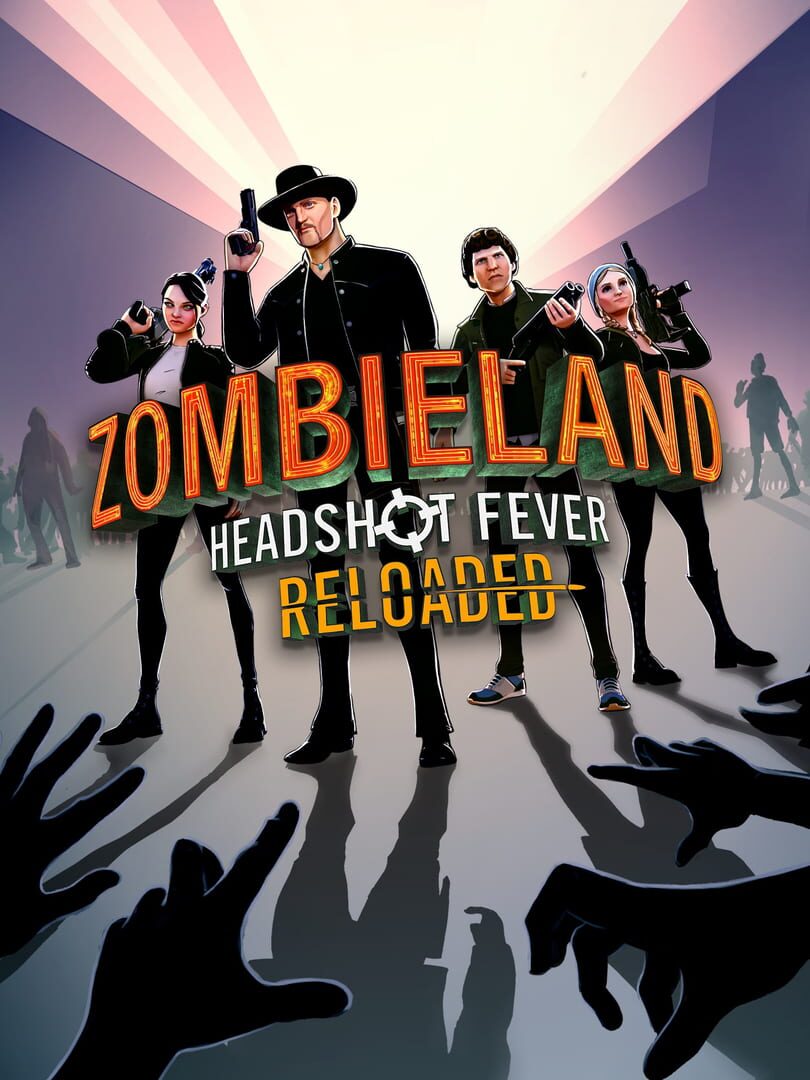
Zombieland: Headshot Fever Reloaded (2023) Cover

Context & Overview

Virtual reality arcade shooters have found a thrilling benchmark with Zombieland: Headshot Fever Reloaded (2023). Rebuilt specifically to leverage the capabilities of modern hardware like the PlayStation VR2, this title refines the adrenaline-fueled formula of its 2021 predecessor into a visually striking, highly responsive arcade experience. Set in the comedic, zombie-infested universe of Sony Pictures' fan-favorite movie franchise, the game seamlessly blends nostalgia for classic light-gun shooters with cutting-edge immersive tech.

Developer Background

Developed by XR Games in close collaboration with Sony Pictures Virtual Reality (SPVR), Zombieland: Headshot Fever Reloaded showcases the UK studio's deep understanding of VR combat ergonomics. Known for crafting engaging immersive titles, XR Games completely revamped the original release for 2023, introducing redesigned character models, enhanced physics, new lighting systems, and comprehensive haptic feedback integration.

Story and Narrative

The game places players right alongside the film series' iconic core crew: Tallahassee, Columbus, Wichita, and Little Rock. The narrative sets up a lighthearted, competitive premise: the survivors have built the ultimate zombie-slaying obstacle course called the Zombieland Invitational to see who can clear hordes with the most style and speed.

"The rule is simple: Double Tap to slow down time, line up your headshots, and post the fastest score on the global leaderboards."

While the story is light on complex plot twists, it perfectly captures the tone of the cinematic universe. Fully voiced dialogue featuring witty banter, sarcastic quips, and movie-accurate humor keeps the atmosphere entertaining between high-intensity shooting runs.

Graphics, Visuals, and Audio Integration

The 2023 Reloaded edition delivers a major visual and sensory upgrade:

  • Cel-Shaded Visual Style: Crisp, vibrant cel-shaded graphics give the game a dynamic comic-book feel that looks incredibly sharp in high-resolution VR.
  • Enhanced Lighting & FX: Dynamic shadows, upgraded textures, and detailed gore effects make weapon impacts feel far more visceral.
  • Advanced Haptics: Taking advantage of modern VR controllers and headset rumble, every gun recoil, reload motion, and zombie strike registers physically.
  • Foveated Rendering: Crisp visual fidelity directly where your eyes focus ensures smooth performance and reduces motion discomfort.

Playable Platforms

While the original 2021 game launched across several early VR headsets, the upgraded Reloaded version was crafted specifically for next-gen hardware:

PlatformEditionKey Features
PlayStation VR2 (PS VR2)Reloaded (2023)4K HDR, Eye-Tracking Foveated Rendering, Adaptive Triggers, Headset Haptics
Meta Quest / SteamVROriginal (2021)Standard VR arcade shooting experience

Final Recommendation & Verdict

Zombieland: Headshot Fever Reloaded (2023) is a fantastic match for fans of classic arcade shooters like The House of the Dead or Time Crisis. Its core Double Tap mechanic—where landing two quick consecutive headshots triggers slow-motion bullet time—creates an addictive, high-skill gameplay loop built around speedrunning, combo building, and weapon upgrades.

If you own a modern VR setup such as the PS VR2 and enjoy fast-paced arcade action with strong replayability, this title comes highly recommended. It captures the irreverent charm of the movies while delivering one of the most satisfying gunplay experiences in modern VR.

Final Rating: 8.5 / 10


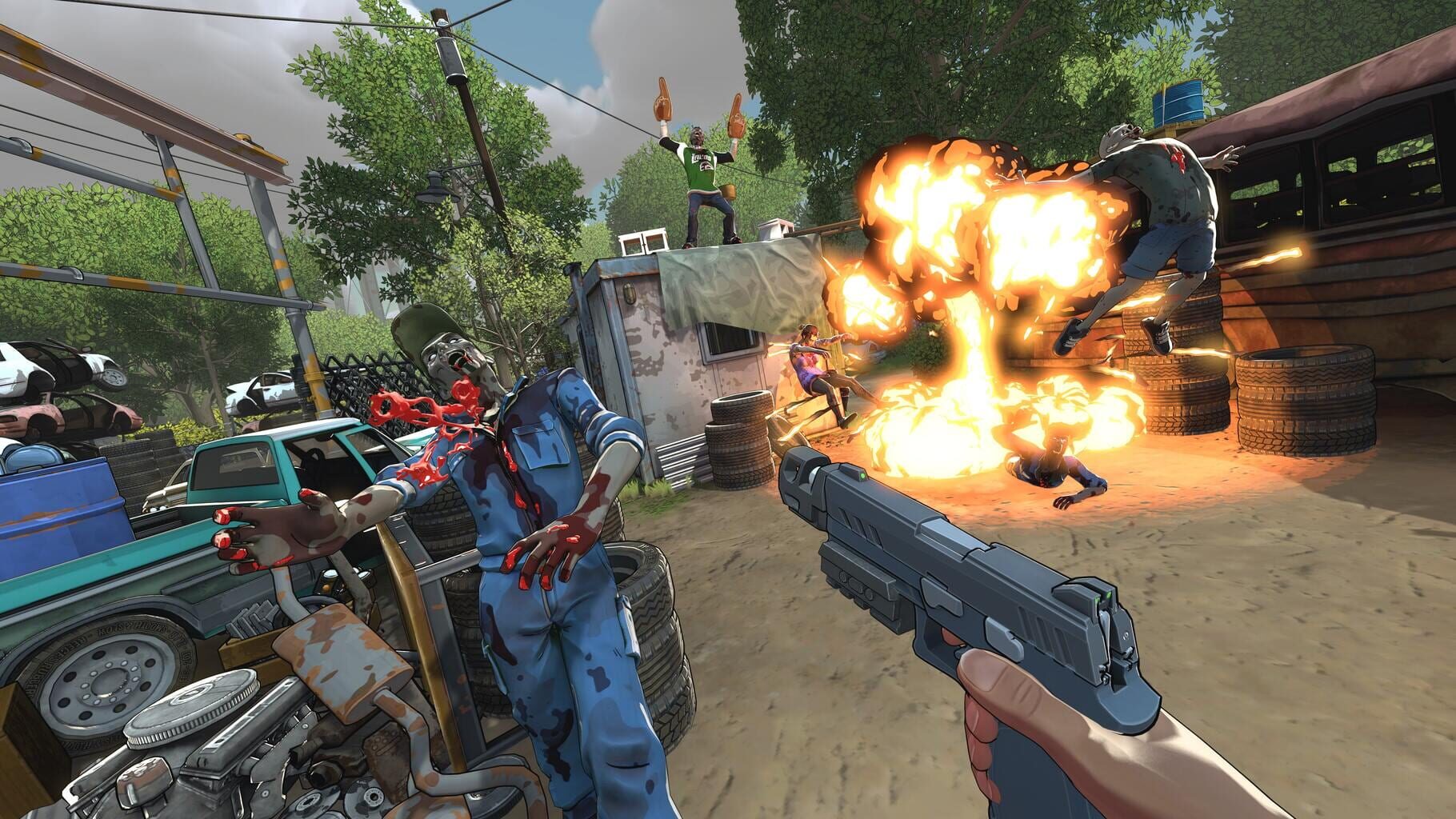
Zombieland: Headshot Fever Reloaded (2023) Screenshot

Every Syphon Filter Game Ranked: From Worst to Best

Every Syphon Filter Game Ranked: From Worst to Best

During the late 1990s and mid-2000s, Sony's Bend Studio created one of the defining third-person tactical action franchises on PlayStation: Syphon Filter. Combining globe-trotting espionage, complex viral weapon plots, stealth mechanics, and the iconic high-voltage Taser, agent Gabriel Logan became an essential figure in gaming history.

With six main entries spanning the original PlayStation, PlayStation 2, and PlayStation Portable, the series offered high-stakes action and memorable gadgetry. Below is the definitive ranking of every Syphon Filter game, ordered from worst to best.

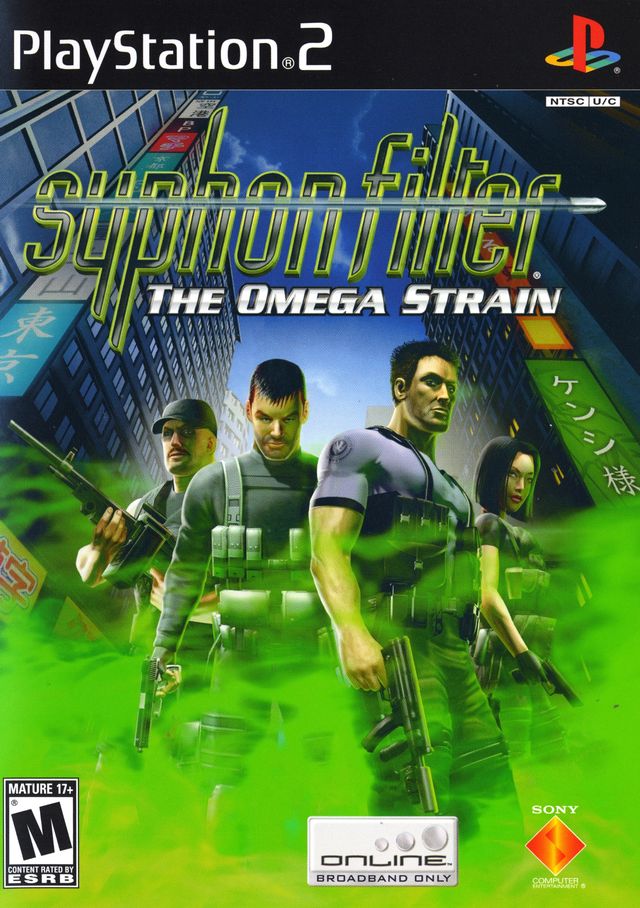
Syphon Filter: The Omega Strain

6. Syphon Filter: The Omega Strain (2004)

As the franchise made its debut on the PlayStation 2, Syphon Filter: The Omega Strain took a bold gamble by shifting focus away from series protagonist Gabe Logan. Instead, players created their own custom Agency operative and completed open-ended tactical missions.

While the online multiplayer mode was ambitious for its time and offered deep character customization, the offline single-player experience suffered immensely. Strict time limits, respawning enemies, and punishing rank requirements made solo play frustrating. Without Gabe Logan in the spotlight and burdened by overly complicated mission structures, Syphon Filter: The Omega Strain stands as the weakest entry in the franchise.

Syphon Filter 3

5. Syphon Filter 3 (2001)

Released late in the original PlayStation's lifecycle after the PS2 had already launched, Syphon Filter 3 felt like a victory lap that relied heavily on recycled mechanics. The game served primarily as a prequel and retrospective, framing its missions around Congressional hearings where Gabe Logan, Lian Xing, and Teresa Lipan recounted past assignments.

The gameplay remained solid, delivering the classic gunplay, sniper encounters, and lethal taser action fans expected. However, the level design lacked the freshness of its predecessors, and the narrative felt fragmented due to its anthology-style storytelling. While still an enjoyable action title, Syphon Filter 3 showed clear signs of franchise fatigue on aging hardware.

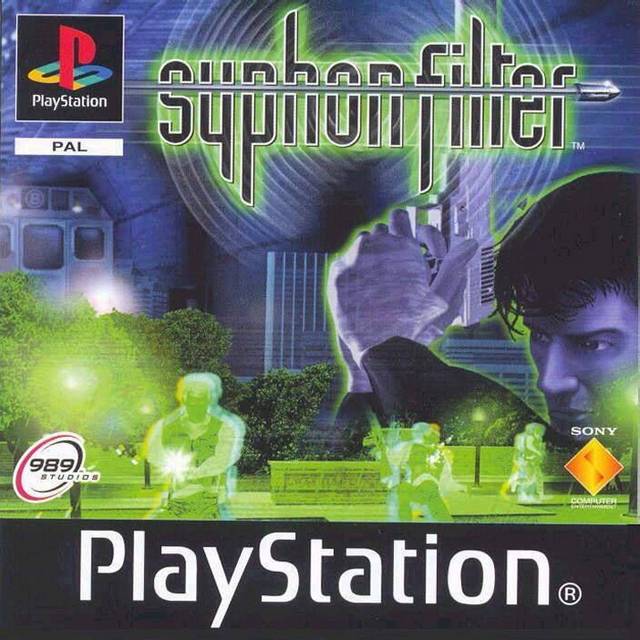
Syphon Filter

4. Syphon Filter (1999)

The original Syphon Filter was a groundbreaking title when it launched on the PS1 in 1999. Arriving shortly after Metal Gear Solid, it carved out its own unique identity by emphasizing intense gunfights, run-and-gun movement, headshot mechanics, and high-tech weaponry over pure hide-and-seek stealth.

Players were introduced to special agent Gabe Logan as he unravelled a deadly conspiracy involving a deadly bio-weapon threat. Classic levels like the Washington D.C. streets, the museum, and the catacombs showcased impressive scale for the era. Although controls can feel tanky and dated by modern standards, the original Syphon Filter established the groundwork for modern console action-shooters.

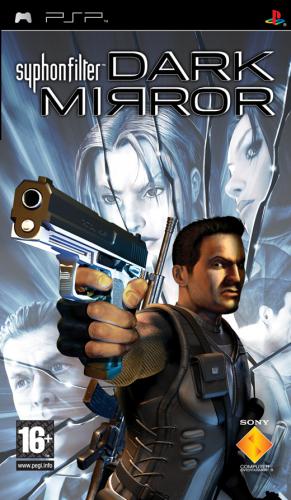
Syphon Filter: Dark Mirror

3. Syphon Filter: Dark Mirror (2006)

After a brief hiatus following the poor reception of Syphon Filter: The Omega Strain, Bend Studio revived the franchise on the PlayStation Portable with Syphon Filter: Dark Mirror. The result was a spectacular return to form that proved handheld consoles could deliver console-quality action games.

Syphon Filter: Dark Mirror streamlined the controls, added functional cover mechanics, introduced thermal/EDTV vision modes, and offered exceptionally designed tactical missions. Gabe Logan returned to the center stage with a refined arsenal, engaging story, and sleek visuals. It was later ported to the PS2, bringing one of the best handheld action titles to home theater setups.

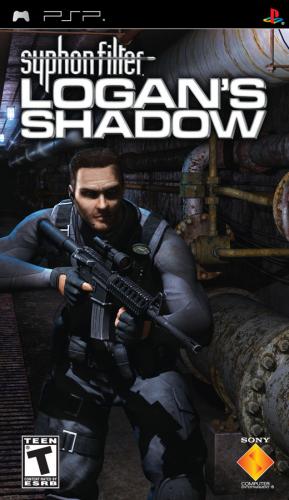
Syphon Filter: Logan's Shadow

2. Syphon Filter: Logan's Shadow (2007)

Building directly on the foundation of its PSP predecessor, Syphon Filter: Logan's Shadow polished the formula to near perfection. Featuring an emotional story penned by comic book writer Greg Rucka and a dynamic soundtrack composed by Azam Ali, the game took Gabe Logan on a personal mission when his long-time partner Lian Xing was accused of treason.

The game introduced fluid underwater combat, blind-fire mechanics, dynamic quick-time grapple moves, and improved level variety. From pirated cargo ships to high-tech underwater facilities, Syphon Filter: Logan's Shadow represents the peak of modern controls and cinematic narrative presentation for the series.

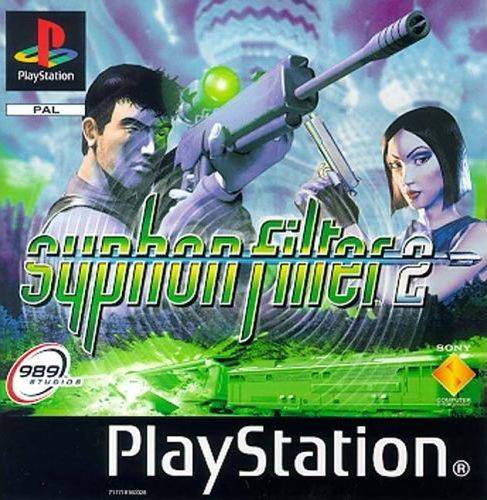
Syphon Filter 2

1. Syphon Filter 2 (2000)

Taking the top spot is Syphon Filter 2, the absolute high-water mark of the franchise. Picking up immediately after the cliffhanger ending of the first game, this massive two-disc PS1 sequel elevated everything that made the original great while fixing its mechanical flaws.

The game featured an incredible storyline splitting time between Gabe Logan surviving in the icy Colorado mountains and Lian Xing escaping a high-security medical facility while infected with the Syphon Filter virus. With playable co-protagonists, incredible level diversity, tense stealth encounters, engaging boss fights, and an addictive split-screen multiplayer mode, Syphon Filter 2 stands as an undisputed PlayStation classic.

Frequently Asked Questions

Which Syphon Filter game is considered the best?

Most fans and critics consider Syphon Filter 2 to be the peak of the series due to its compelling narrative, expanded roster of playable characters, multi-disc scope, and tight level design on the original PlayStation.

How many Syphon Filter games were released?

There are six main games in the Syphon Filter franchise: three released on the original PlayStation, one on the PlayStation 2, and two originally developed for the PlayStation Portable (which were later ported to PS2 and modern PlayStation platforms).

Are the Syphon Filter games connected to Days Gone?

Yes, Bend Studio included several easter eggs in Days Gone suggesting both games share the same universe. Documents found in Days Gone directly reference the Syphon Filter virus and Agency characters like Gabe Logan and Lian Xing.

Project Warlock (2018) Review: A High-Octane Tribute to Retro Shooters

Project Warlock (2018) Review: A High-Octane Tribute to Retro Shooters
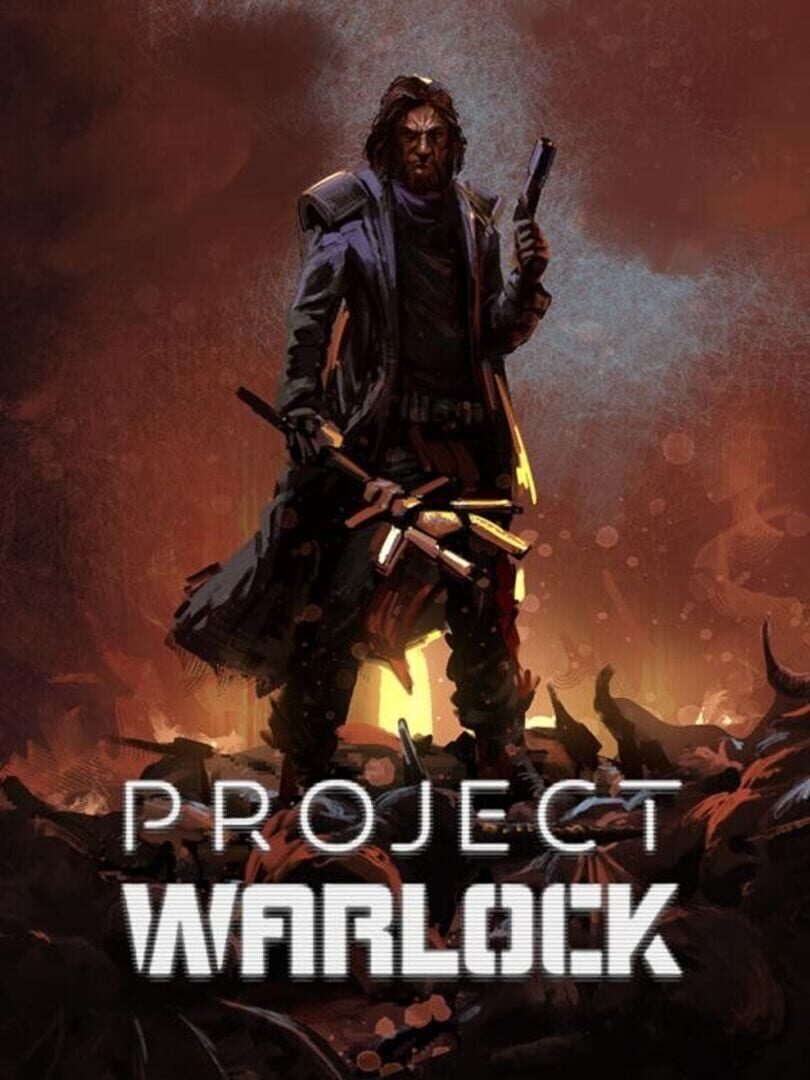
Project Warlock (2018) Cover

Introduction & Context: The Boomer Shooter Renaissance

Released in 2018, Project Warlock emerged during the height of the modern retro FPS revival—often affectionately referred to as the "boomer shooter" genre. Inspired by classic 1990s masterpieces like Doom, Hexen, Heretic, and Wolfenstein 3D, the game bridges nostalgic fast-paced action with modern gameplay refinements and light RPG mechanics.

Story and Narrative: A Multiverse Crusade Against Evil

In Project Warlock, players take on the role of a lone, powerful Warlock on an interdimensional quest to eradicate evil across time and space. While the narrative takes a backseat to relentless action, the campaign is structured around five distinct worlds:

  • Medieval Castle: Knights, sorcerers, and undead beasts.
  • Antarctic Base: Sci-fi horrors inspired by The Thing.
  • Industrial City: Cybernetic mutants and heavy machinery.
  • Ancient Egypt: Mummies, traps, and mythical deities.
  • Hell: The ultimate showdown against demonic legions.

Between missions, players return to a central hub workshop to upgrade spells, weapons, and stats, giving the minimalist story a rewarding gameplay loop.

Graphics and Visual Aesthetics

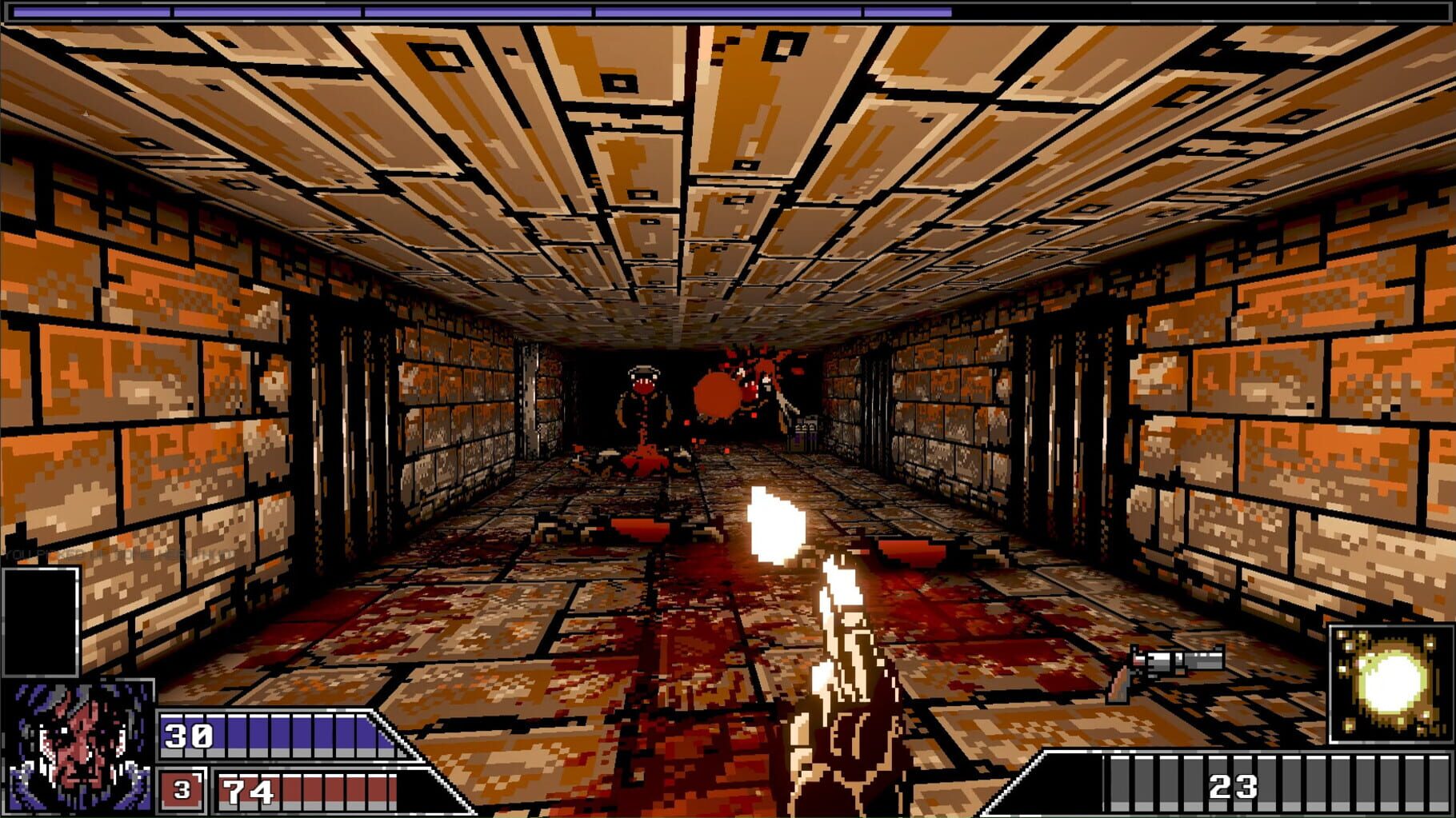
Visually, Project Warlock is a stunning showcase of 2.5D pixel art graphics mixed with dynamic lighting, particle effects, and heavy blood splatters. The game pays tribute to legacy hardware by offering custom visual filters, allowing players to simulate CRT monitors, Game Boy color palettes, or classic VGA aesthetics. The detailed sprites, energetic animations, and heavy metal audio track create an immersive, adrenaline-fueled atmosphere.

Developer Background

The creation of Project Warlock is an inspiring story in indie game development. The game was largely designed and developed by a teenage Polish developer named Jakub Cisło, operating under Buckshot Software. Cisło’s dedication to classic shooters, combined with music by Exit Plan Games, turned a passion project into an acclaimed commercial release published by Gaming Company and Retrovibe.

Playable Platforms

Project Warlock is widely accessible across desktop and console gaming platforms:

PlatformAvailability
PCWindows (Steam, GOG, Epic Games Store)
PlayStationPlayStation 4 (Playable on PS5 via backward compatibility)
XboxXbox One (Playable on Xbox Series X/S)
NintendoNintendo Switch

Final Recommendation & Verdict

Project Warlock (2018) is an exceptional retro shooter that captures the soul of 90s action games while introducing smart upgrade mechanics. Its combination of brutal weapons, devastating spells, varied environments, and high replayability makes it a standout entry for fans of retro action.

Recommendation: Highly Recommended for fans of classic FPS titles like Doom and Duke Nukem 3D.


Project Warlock (2018) Screenshot

The Complete Killzone Timeline: Story & Games in Chronological Order

The Complete Killzone Timeline: Story & Games in Chronological Order

Introduction to the Killzone Universe

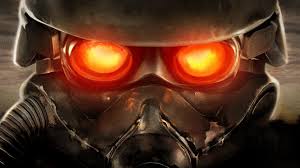
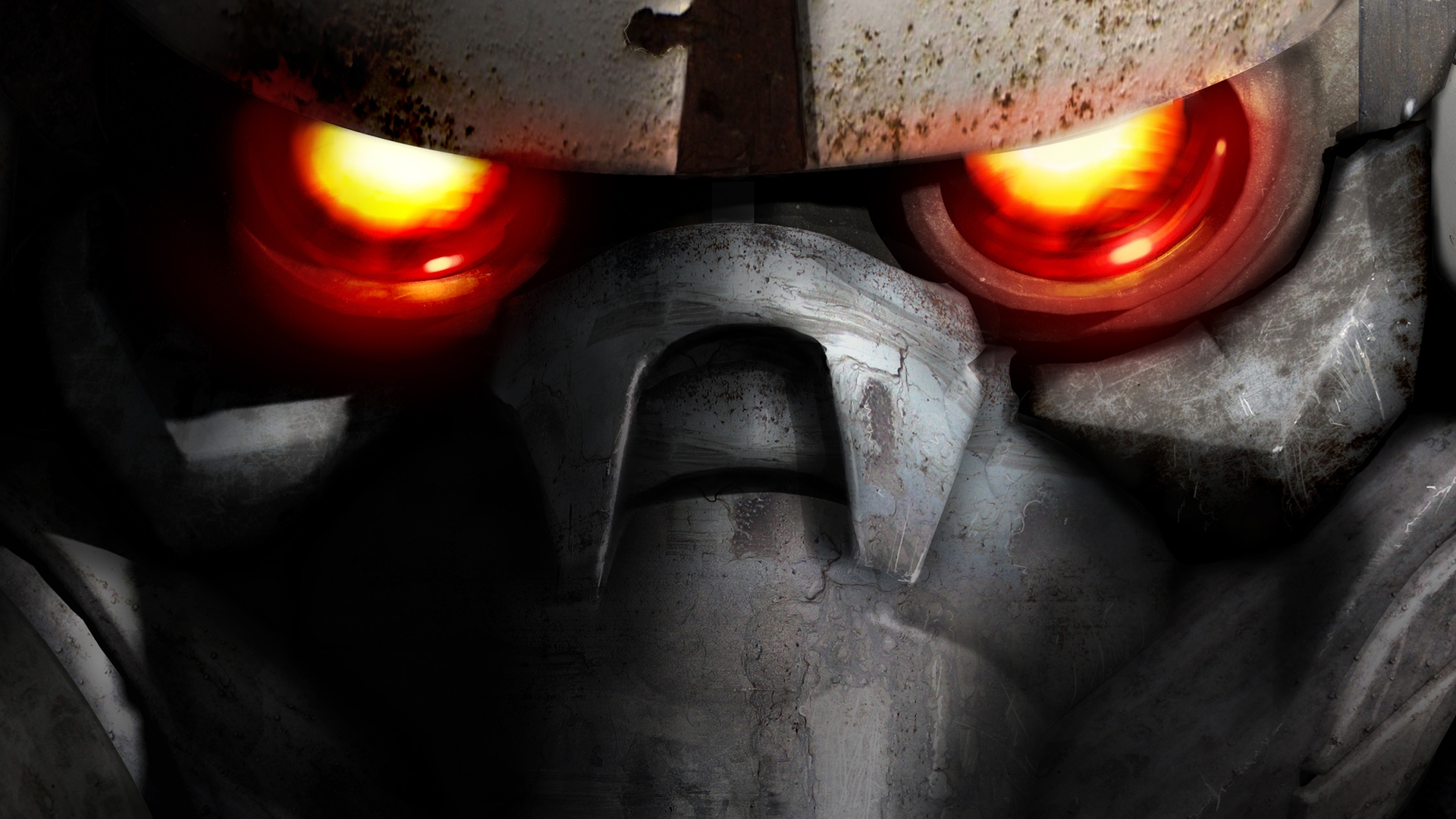
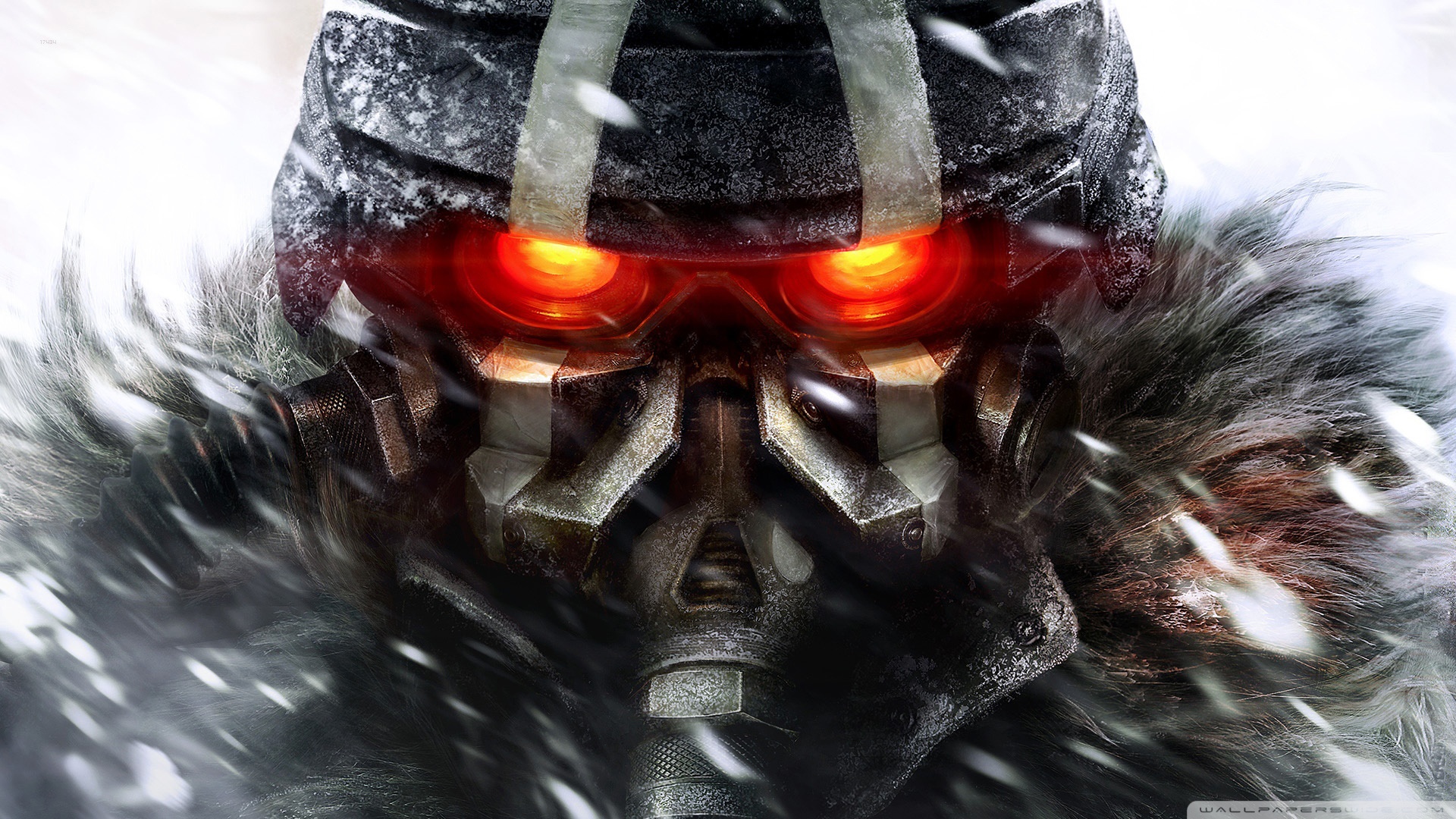
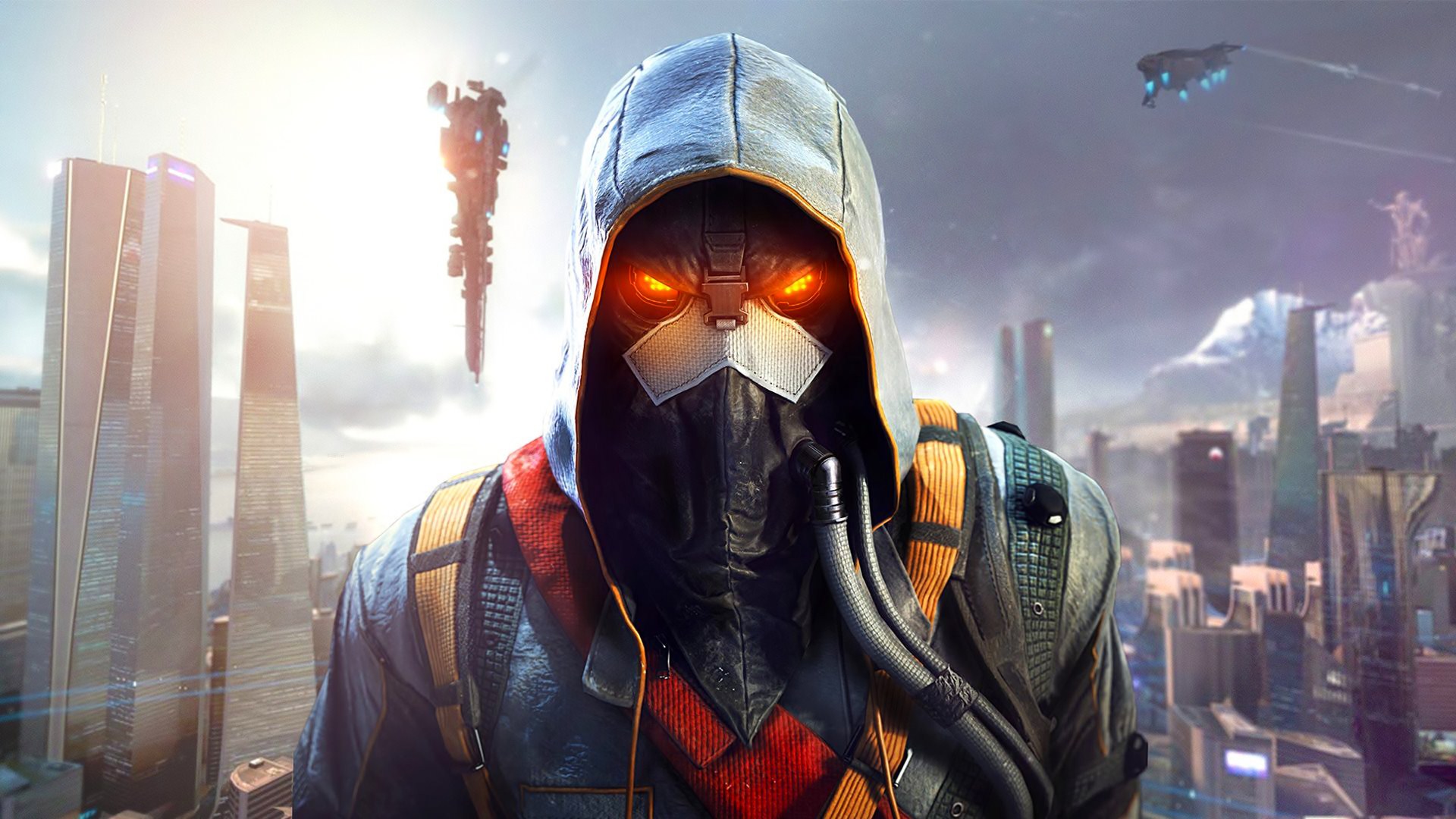
The Killzone series, developed by Guerrilla Games, stands as one of PlayStation's most distinct sci-fi shooter franchises. Known for its gritty atmosphere, heavy gunplay, and iconic glowing-eyed antagonists, the series tells a complex political and militaristic narrative spanning over a century. Beyond the tactical warfare lies a story of colonization, planetary exile, ideological radicalization, and catastrophic fallout.

Understanding the events of the series requires looking beyond game release dates. The universe is enriched by deep backstory lore, hand-held spin-offs, and mainline console titles that paint a dark picture of human nature and war. This guide breaks down the entire narrative of the universe in chronological order, allowing you to follow the war between the Interplanetary Strategic Alliance (ISA) and the Helghast Empire from its origins to its tense conclusion.

Early Lore: The Seeds of Conflict (2055 – 2199)

Long before the events of the first game, human civilization on Earth faced severe resource depletion and political collapse. To survive, Earth established the United Colonial Nations (UCN) to govern off-world colonization. During the late 21st century, corporate entity Helghan Corporation purchased the rights to colonize the Alpha Centauri system, which contained two habitable planets: Vekta and Helghan.

Vekta was a lush, Earth-like paradise, while Helghan was a harsh, resource-rich planet burdened by toxic atmosphere and harsh weather. Settlers initially prioritized Vekta, building a thriving economy. Tensions escalated when the UCN grew threatened by the Helghan Corporation's immense financial power, leading to the First Helghan War (2199–2204). The UCN defeated the corporate military and drove the loyalists off Vekta, forcing them to relocate to the inhospitable world of Helghan.

The Birth of the Helghast (2204 – 2356)

Life on Helghan was brutal. Exposure to the toxic atmosphere caused severe health problems, requiring settlers to wear breathing respirators. Over generations, the settlers mutated, developing greater physical strength, higher lung capacity, and a deep hatred for Earth and Vekta. From this hardship emerged a charismatic dictator named Scolar Visari. Visari united the bitter population, militarized society, and forged the Helghast Empire, promising his people vengeance and their rightful return to Vekta.

Killzone

Killzone (2357)

The main narrative begins with the second major galactic conflict. The Helghast launched a sudden blitzkrieg invasion of Vekta, catching the ISA defenses off-guard and capturing orbital defense platforms. Scolar Visari intended to reclaim Vekta quickly while keeping Earth's central forces from intervening.

Players control Captain Jan Templar, an ISA officer fighting to defend his homeland. Alongside squad members Luger (an assassin), Rico Velasquez (a heavy weapons specialist), and Gregor Hakha (a half-Helghast defector), Templar's squad disrupts the invasion force. They neutralize key Helghast officers, destroy orbital defense controls commandeered by the enemy, and force the Helghast into a tactical retreat back to their home world.

Killzone: Liberation

Killzone: Liberation (2357)

Taking place just two months after the primary invasion of Vekta is pushed back, Killzone: Liberation focuses on the remaining Helghast resistance on Vekta, led by the ruthless General Armin Metrac.

Jan Templar returns to rescue high-ranking ISA hostages captured by Metrac's forces. Throughout the operation, Templar discovers traitorous elements within the ISA command structure willing to sell nuclear research to the Helghast. Templar successfully eliminates Metrac, secures the hostages, and completely purges Helghast control from Vekta, solidifying the ISA's decision to counter-attack Helghan directly.

Killzone Mercenary

Killzone Mercenary (2357 – 2360)

Running concurrently with the events of Killzone, Killzone: Liberation, and leading directly into the opening sequence of Killzone 2, this chapter offers a neutral perspective on the war. Players step into the boots of Arran Danner, a mercenary working for the private military company Phantom Asset Management.

Danner accepts contracts from both the ISA and the Helghast. The narrative shifts when Danner uncovers a covert effort to construct a bio-weapon capable of wiping out DNA unique to either planet's population. Recognizing the catastrophic scale of such a weapon, Danner acts to prevent both sides from using it, highlighting the moral gray areas of the conflict before the full-scale invasion of Helghan commences.

Killzone 2

Killzone 2 (2359 – 2360)

Seeking to bring an end to the Helghast threat once and for all, the ISA launches a massive assault on the planet Helghan. The goal is simple: capture Autarch Scolar Visari and force a surrender.

Players take control of Tomas "Sev" Sevchenko, a sergeant in Alpha Squad alongside Rico Velasquez. The ISA forces encounter extreme opposition due to Helghan's harsh environment and the potent defense networks powered by Petrusite, an energy-dense mineral abundant on the planet. Jan Templar, now an Admiral, sacrifices himself to protect fleet intelligence. Driven by revenge, Alpha Squad breaches Visari's palace. However, during the confrontation, Rico impulsively executes Visari. Visari's death turns him into an unstoppable martyr, leaving the ISA fleet stranded, surrounded, and facing total retaliation.

Killzone 3

Killzone 3 (2360)

Picking up seconds after the climax of Killzone 2, the ISA invasion force is decimated. With Visari dead, a power struggle erupts between the Helghast military commander, General Orlock, and the defense industrialist, Jorhan Stahl.

Sev and Rico struggle to survive while organizing an evacuation of remaining ISA troops. Meanwhile, Stahl attempts to seize power by manufacturing irradiated Petrusite weapons intended to annihilate life on Earth. Sev's squad launches a desperate attack on Stahl's orbital space station. The resulting explosion causes an irradiated Petrusite chain reaction that strikes Helghan below. This apocalyptic event, known as the "Terracide," renders Helghan virtually uninhabitable and destroys most of its civilian and military population.

Killzone Shadow Fall

Killzone Shadow Fall (2390)

Three decades after the Terracide destroyed Helghan, the political climate has drastically transformed. In an act of humanitarian compassion and strategic necessity, the Vektan government allowed Helghast survivors to resettle on Vekta. The planet is divided into two sectors by a massive security structure known as The Wall, separating Vektans and Helghast refugees in a tense Cold War environment.

Players control Lucas Kellan, a Shadow Marshal tasked with maintaining peace and preventing covert military operations. Kellan uncovers a conspiracy led by Helghast extremists and corrupt Vektan officials attempting to restart total war using a targeted bio-weapon. Kellan works alongside Hera Visari (granddaughter of Scolar Visari) to stop the war, ultimately exposing the military conspiracy at the cost of his own life.

Summary of Game Order

To experience the story in terms of universe chronology versus release date, refer to the breakdown below:

  • First War Lore: Pre-game backstory (2199 – 2204)
  • Killzone: Released 2004 (Set in 2357)
  • Killzone: Liberation: Released 2006 (Set in 2357)
  • Killzone Mercenary: Released 2013 (Set in 2357 – 2360)
  • Killzone 2: Released 2009 (Set in 2359 – 2360)
  • Killzone 3: Released 2011 (Set in 2360)
  • Killzone Shadow Fall: Released 2013 (Set in 2390)

Frequently Asked Questions

What is the best order to play the Killzone games?

Playing in release order works well, but following the chronological order (Killzone, Killzone: Liberation, Killzone Mercenary, Killzone 2, Killzone 3, Killzone Shadow Fall) offers the most cohesive understanding of how the political conflict escalates over time.

Are the Helghast human?

Yes. The Helghast are descendants of human colonists who settled on the planet Helghan. Severe atmospheric radiation forced rapid evolutionary mutations, giving them greater physical endurance and altered lungs, though they require respirators to breathe comfortably in standard atmospheres.

Is Killzone Shadow Fall a reboot or a sequel?

It is a direct continuation of the timeline set 30 years after Killzone 3. While it features a new protagonist and setting, its narrative stems directly from the aftermath of the Terracide event.

Final Thoughts

The Killzone series offers one of modern gaming's most thoroughly developed sci-fi settings. By shifting the conflict from a simple good-versus-evil story into an exploration of corporate greed, military extremism, and colonial retaliation, Guerrilla Games created an enduring storyline that remains fascinating to explore today.

Follow my social medias to unlock these coupons.

CLICK HERE, UNLOCK VIP COUPONS!