CHECKING...
Rookie Gamer Live Broadcast
0
0%
10k


📅 September 17, 2026

Wave Race 64 Review: Nintendo's Timeless N64 Water Racing Classic

Wave Race 64 Review: Nintendo's Timeless N64 Water Racing Classic

Introduction: A Retro Splash on the Nintendo 64

When Wave Race 64 made its debut on the Nintendo 64 in 1996, it did far more than just showcase the raw horsepower of Nintendo’s 3D hardware. It delivered one of the most innovative and satisfying racing experiences of the 32/64-bit era. As a follow-up to the 1992 Game Boy original, this title revolutionized digital water simulation and firmly established itself as a cornerstone of the N64 library.

Developer and Heritage

Developed by the legendary Nintendo EAD division and produced by Shigeru Miyamoto, Wave Race 64 was directed by Katsuya Eguchi. The game originally started development as a futuristic transformer-style racing game called Dirt Moto FX, but evolved into a realistic personal watercraft simulation after real-life licensing agreements were struck with Kawasaki Heavy Industries. The resulting collaboration brought an impressive level of authenticity, featuring officially licensed Kawasaki Jet Skis.

Story and Narrative: Pure Arcade Competition

Being a traditional sports racing game, Wave Race 64 does not feature a cinematic narrative or intricate storyline. Instead, the focus is squarely on the spirit of competition across its Championship, Time Trial, Stunt, and 2-Player Versus modes.

Players choose from a roster of four distinct racers, each with unique handling, speed, and acceleration profiles:

  • Ryota Hayami: An all-around balanced racer suited for beginners and veterans alike.
  • Ayami Tachibana: Light and nimble, offering exceptional handling at the cost of top speed.
  • Miles Jeter: Technique-focused with high cornering mobility.
  • David Mariner: Heavyweight contender boasting maximum top speed but demanding precise handling.

The core gameplay loop centers on navigating dynamic courses while correctly passing red and yellow buoys to build momentum and power. Miss five buoys in a round, and you are disqualified—adding an intense tactical layer to every lap.

Graphics and Revolutionary Water Physics

Graphically, Wave Race 64 was a marvel in 1996 and remains aesthetically pleasing today due to its bright, vibrant color palette and clean environmental designs. Courses take players from the sun-drenched waters of Dolphin Park to the foggy mist of Drake Lake and the turbulent open seas of Sunset Bay.

However, the real star of the show is the groundbreaking water physics engine. Rather than treating water as a flat, textured surface, Wave Race 64 simulates dynamic waves that actively affect player control, momentum, and buoyancy. Weather conditions and time of day dynamically shift wave height and intensity, ensuring no two laps feel completely identical. Mastering the waves requires players to lean into turns, time jumps off wave crests, and adapt to unpredictable water displacement caused by opponents.

Where to Play Today: Platforms

If you want to experience Wave Race 64 today, several options are available depending on your setup:

  • Nintendo 64 (1996): The original hardware release on N64 Game Pak cartridge.
  • Wii & Wii U Virtual Console: Digital re-releases (legacy services).
  • Nintendo Switch Online + Expansion Pack (2022): The most accessible modern platform, featuring enhanced resolution and online multiplayer support.

Final Verdict and Recommendation

Wave Race 64 is a timeless masterpiece that transcends nostalgia. Its intuitive controls, revolutionary wave mechanics, and vibrant arcade charm make it an absolute joy to play even decades after its original release. Whether you are a retro gaming enthusiast or a curious Nintendo Switch owner, Wave Race 64 is an essential play that highlights Nintendo at the peak of its creative hardware design.

Final Rating: 9/10 - Essential Retro Classic
Best Games Like Tokyo Jungle: Top Animal Survival Games You Should Play

Best Games Like Tokyo Jungle: Top Animal Survival Games You Should Play

Why Tokyo Jungle Left Such a Lasting Impression

When Tokyo Jungle debuted on the PlayStation 3, it delivered one of the most uniquely hypnotic survival experiences in gaming history. Taking place in an abandoned, post-apocalyptic Japan where humanity has vanished, players controlled animals—ranging from pomeranians and chicks to lions and velociraptors—struggling to establish territory, find food, mate, and pass on their lineage to future generations.

Combining arcade-style survival loops, generational progression, harsh ecosystem dynamics, and urban wasteland exploration, Tokyo Jungle established a cult following. If you are searching for games like Tokyo Jungle that capture the thrill of wildlife survival, animal protagonists, or brutal ecological food chains, here are the absolute best titles you need to play today.

The Best Games Like Tokyo Jungle

Ancestors: The Humankind Odyssey

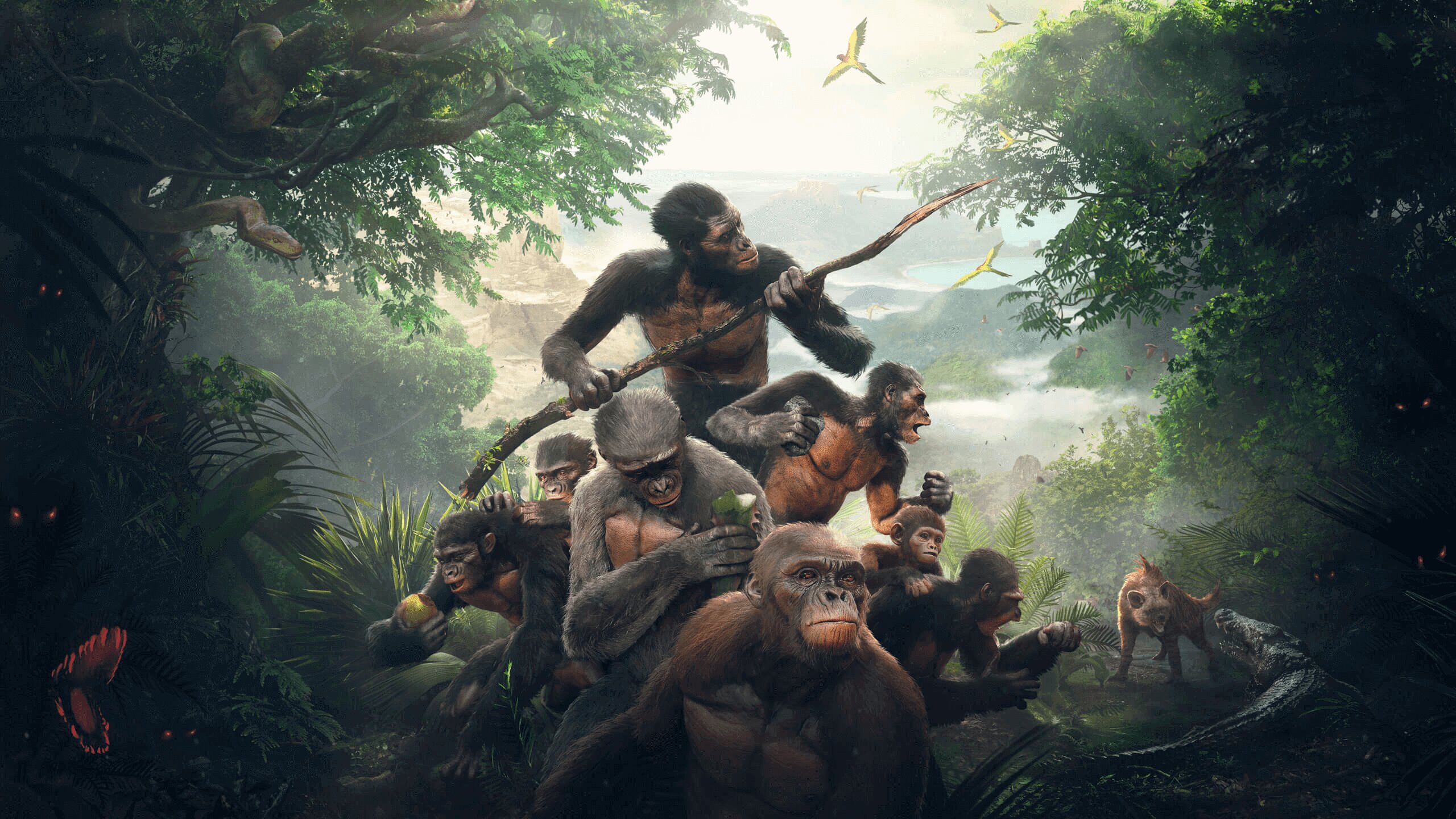
1. Ancestors: The Humankind Odyssey

If the generational evolution mechanic in Tokyo Jungle was your favorite feature, Ancestors: The Humankind Odyssey is the closest modern experience you will find. Developed by Panache Digital Games, this third-person survival title puts you in control of an early hominid clan in prehistoric Africa eight to two million years ago.

Much like Tokyo Jungle, survival isn't just about keeping a single character alive; it is about expanding your territory, managing clan health, mating, and passing beneficial mutations to the next generation. You must constantly defend your clan against apex predators like snakes, sabertooth cats, and eagles while discovering new food sources and tools.

Rain World

2. Rain World

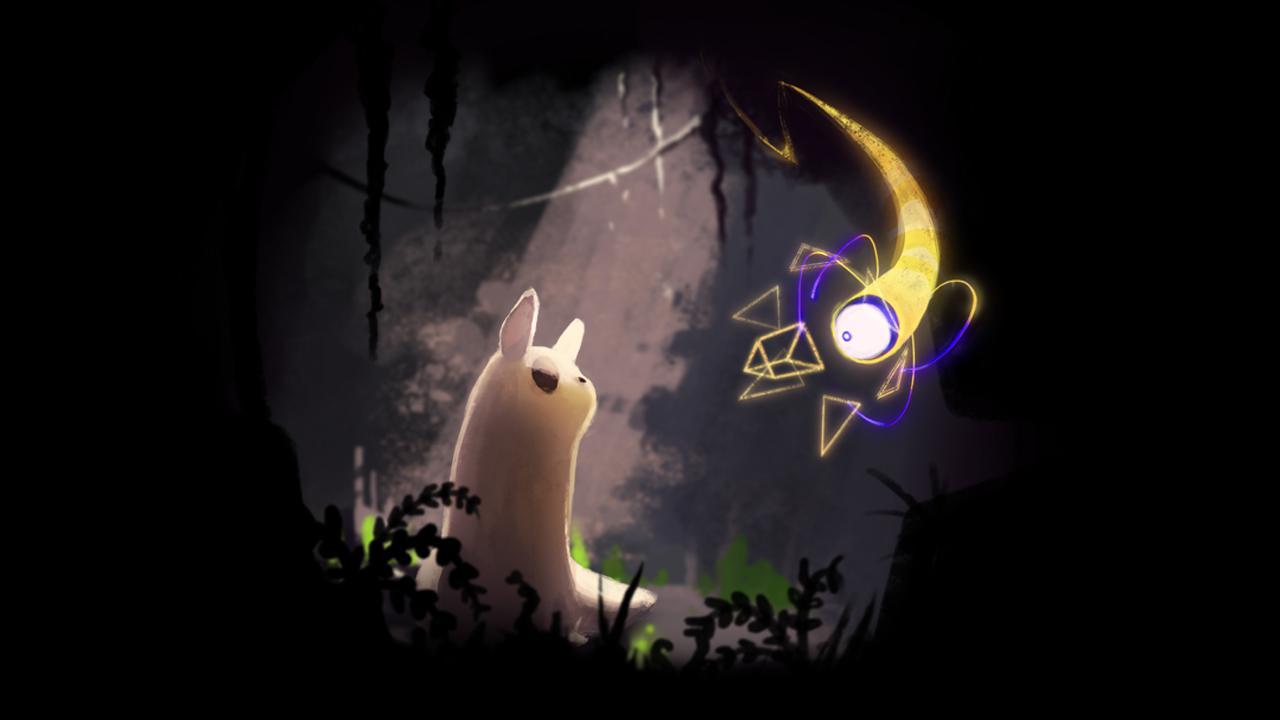
For players who loved the unforgiving, brutal food chain of Tokyo Jungle, Rain World delivers a masterclass in ecological survival. In this atmospheric 2D survival platformer, you control a Slugcat navigating a ruined, post-industrial ecosystem filled with deadly predators and apocalyptic downpours.

What makes Rain World stand out is its unscripted, simulated dynamic ecosystem. Lizards, vultures, and aquatic beasts actively hunt each other and the player using complex AI. You are firmly near the bottom of the food chain, forcing you to use stealth, agility, and environmental awareness to snatch enough food to hibernate before torrential rains flood the region.

Maneater

3. Maneater

If you prefer the action-heavy, predatory side of Tokyo Jungle where you level up your creature from a fragile pup into an unstoppable apex beast, Maneater is an absolute blast. Billed as an Action RPG (SharkPG), you play as a bull shark seeking revenge against the human hunter who killed your mother.

Starting as a small pup in coastal swamps, you must eat fish, turtles, and humans to gain bio-resources, allowing you to grow into an adult, mega, and atomic apex predator. The gameplay loop of hunting prey, unlocking stat mutations, and asserting dominance over coastal territories directly mirrors the territory control mechanics of Tokyo Jungle.

Stray

4. Stray

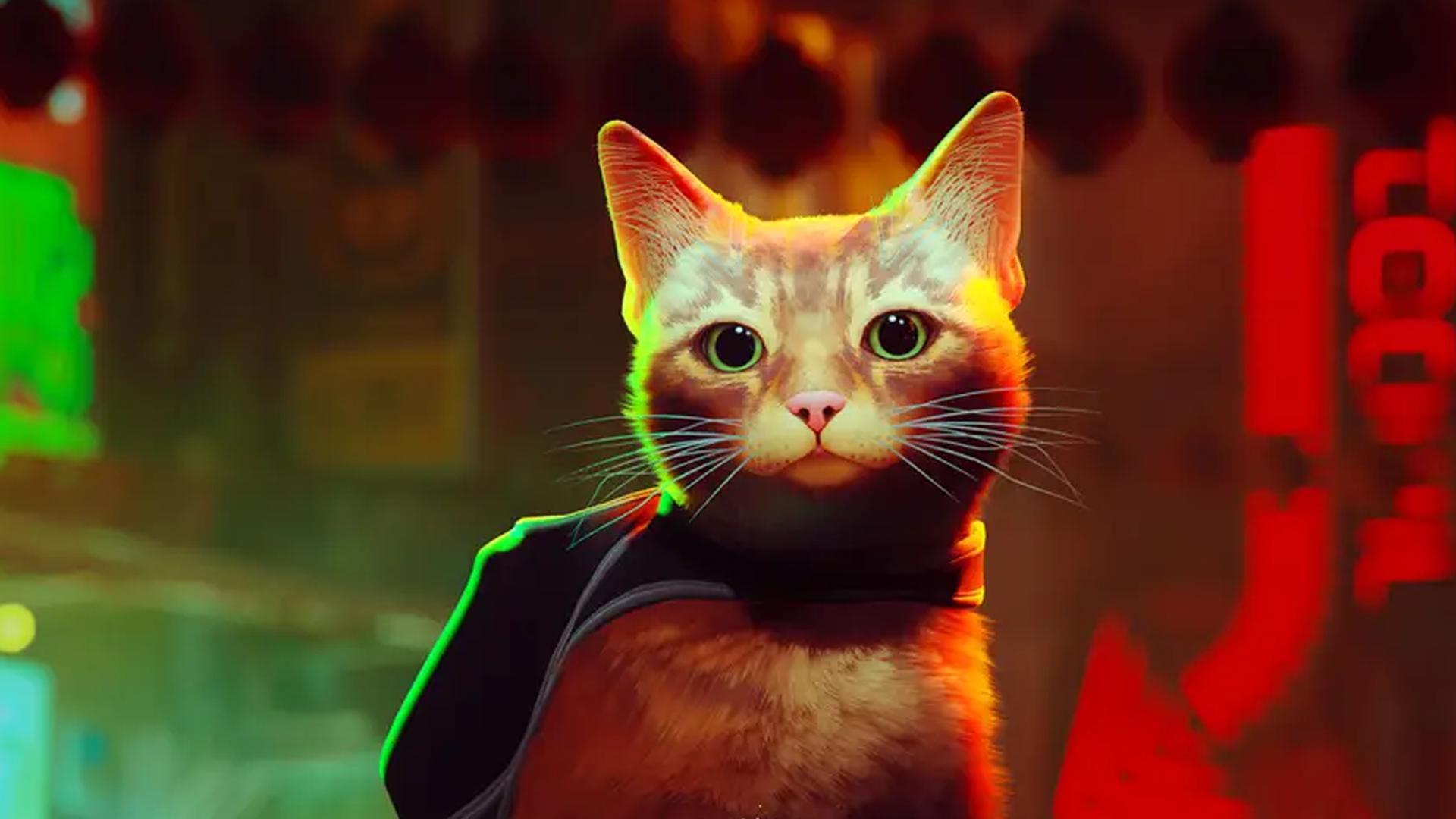
If the visual aesthetic of a domestic animal roaming the overgrown ruins of a forgotten urban metropolis is what drew you to Tokyo Jungle, Stray provides a breathtaking narrative experience. Set in a decaying cybercity inhabited only by robots and treacherous mutated bacteria, you control a stray cat attempting to return to the surface world.

While Stray focuses more on puzzle-solving, platforming, and stealth than deep survival stats or hunger meters, its authentic feline movement and atmospheric exploration of human-less city streets heavily evoke the initial magic of guiding a pomeranian through the streets of Shibuya.

Shelter 2

5. Shelter 2

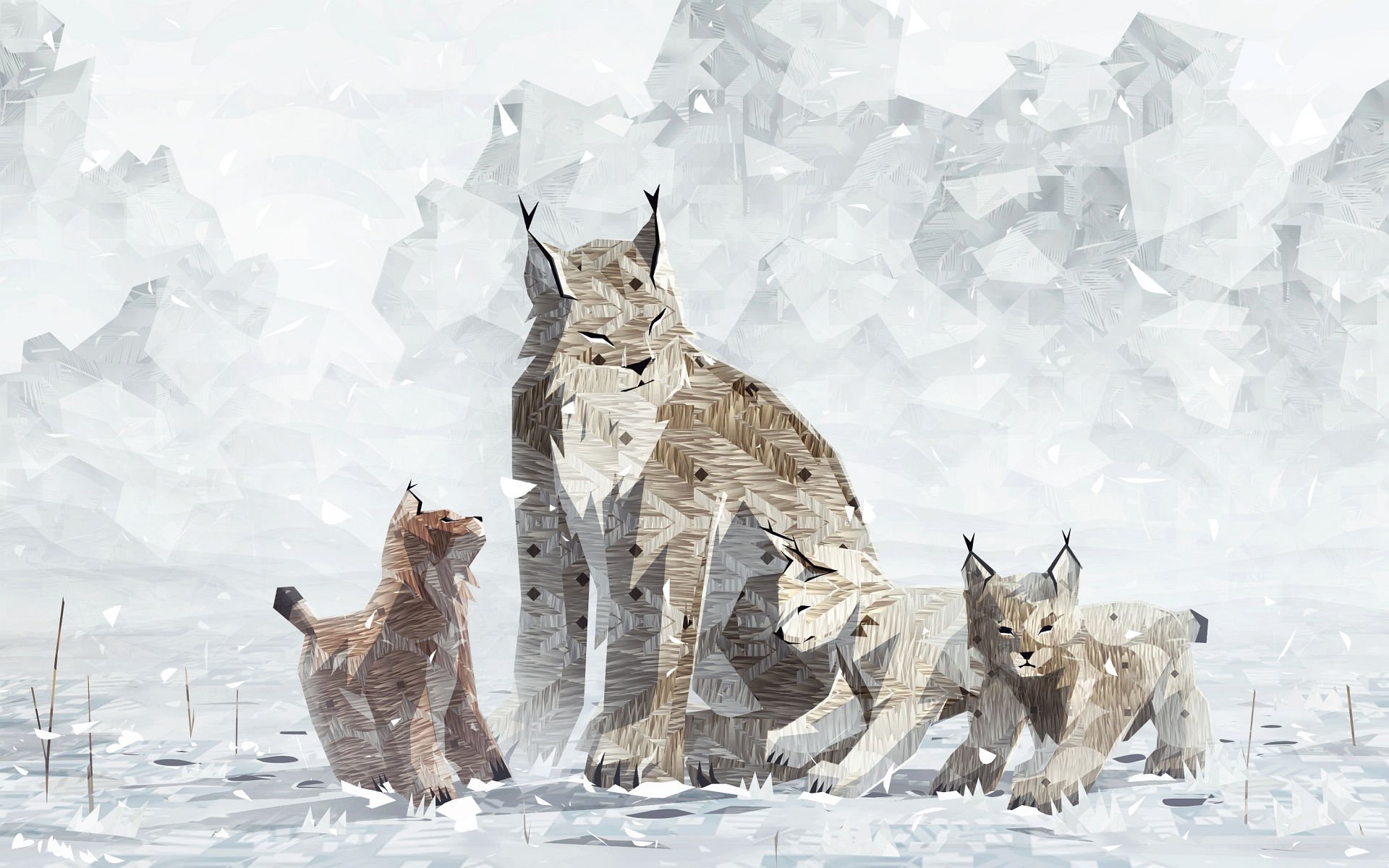
The Shelter series offers a grounded, emotionally poignant approach to animal survival. In Shelter 2, you step into the paws of a mother lynx giving birth to a litter of kittens in an open wilderness environment.

Your primary goal is ensuring the survival of your young by hunting hares, deer, and rodents while protecting your litter from cold weather, starvation, and larger predators. Fans of Tokyo Jungle will recognize the tension of managing offspring survival and navigating seasonal shifts in prey availability.

AWAY: The Survival Series

6. AWAY: The Survival Series

Designed like a playable nature documentary, AWAY: The Survival Series places you in the position of a tiny sugar glider navigating an environment ravaged by natural disasters. To survive, you must glide across forest canopies, hunt insects, and escape massive predators like spiders, snakes, and vultures.

In addition to the main story, the game offers a dedicated exploratory survival mode where you can play as various insects, birds, and small mammals, providing a mini-sandbox experience reminiscent of unlocking new playable species in Tokyo Jungle.

Don't Starve

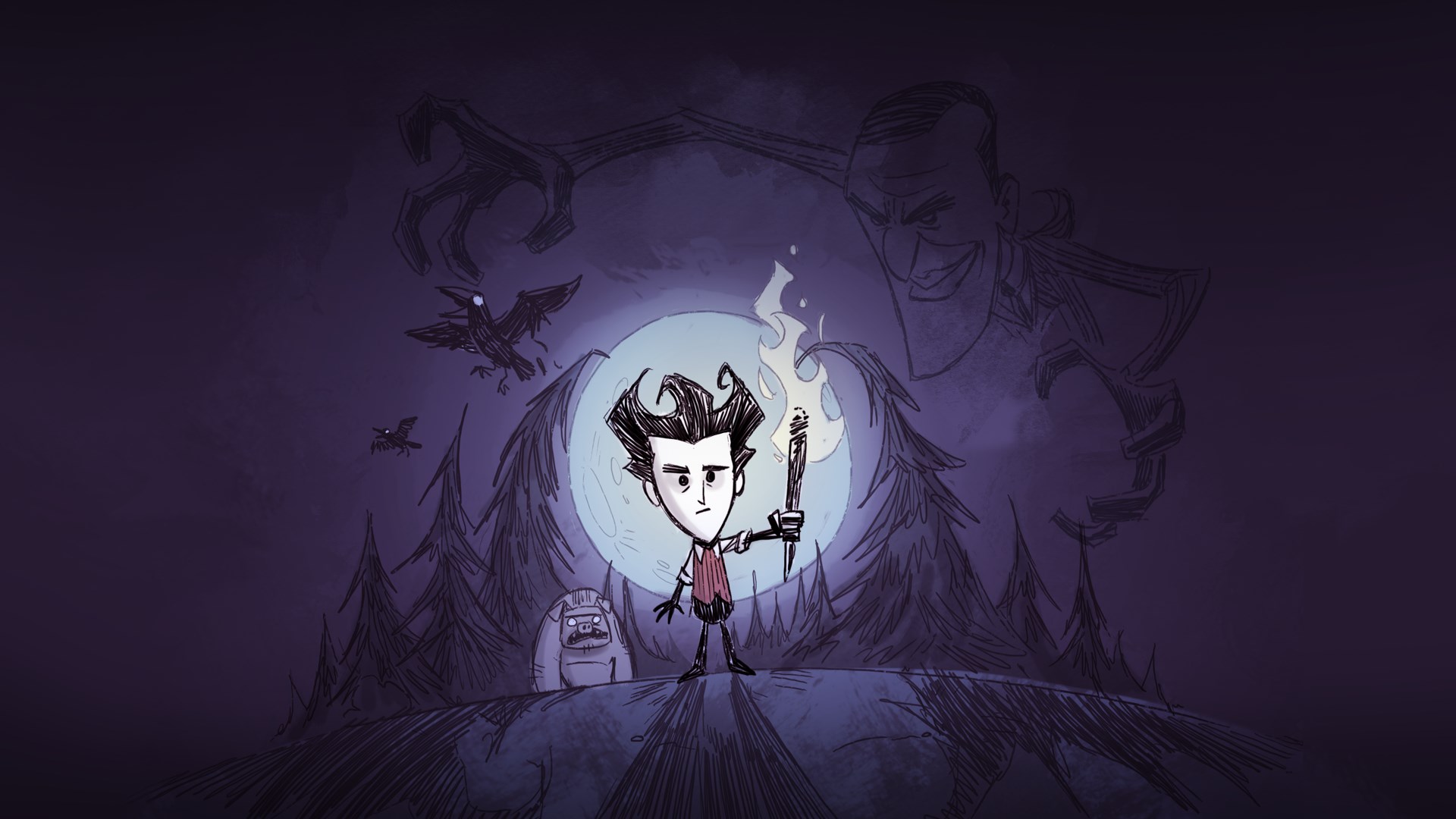
7. Don't Starve

While you do not play as a wild animal by default, Don't Starve shares the relentless rogue-like survival loop, strict hunger mechanics, and dark humor that made Tokyo Jungle so replayable. Plunged into a hostile world by a shadow demon, you must collect resources, establish bases, and manage hunger, sanity, and temperature.

Permadeath is punishing, requiring you to learn ecosystem behaviors, season timings, and creature patterns to survive long-term. For players seeking an uncompromising survival game with isometric camera perspectives and deep mechanics, this is an excellent fit.

WolfQuest: Anniversary Edition

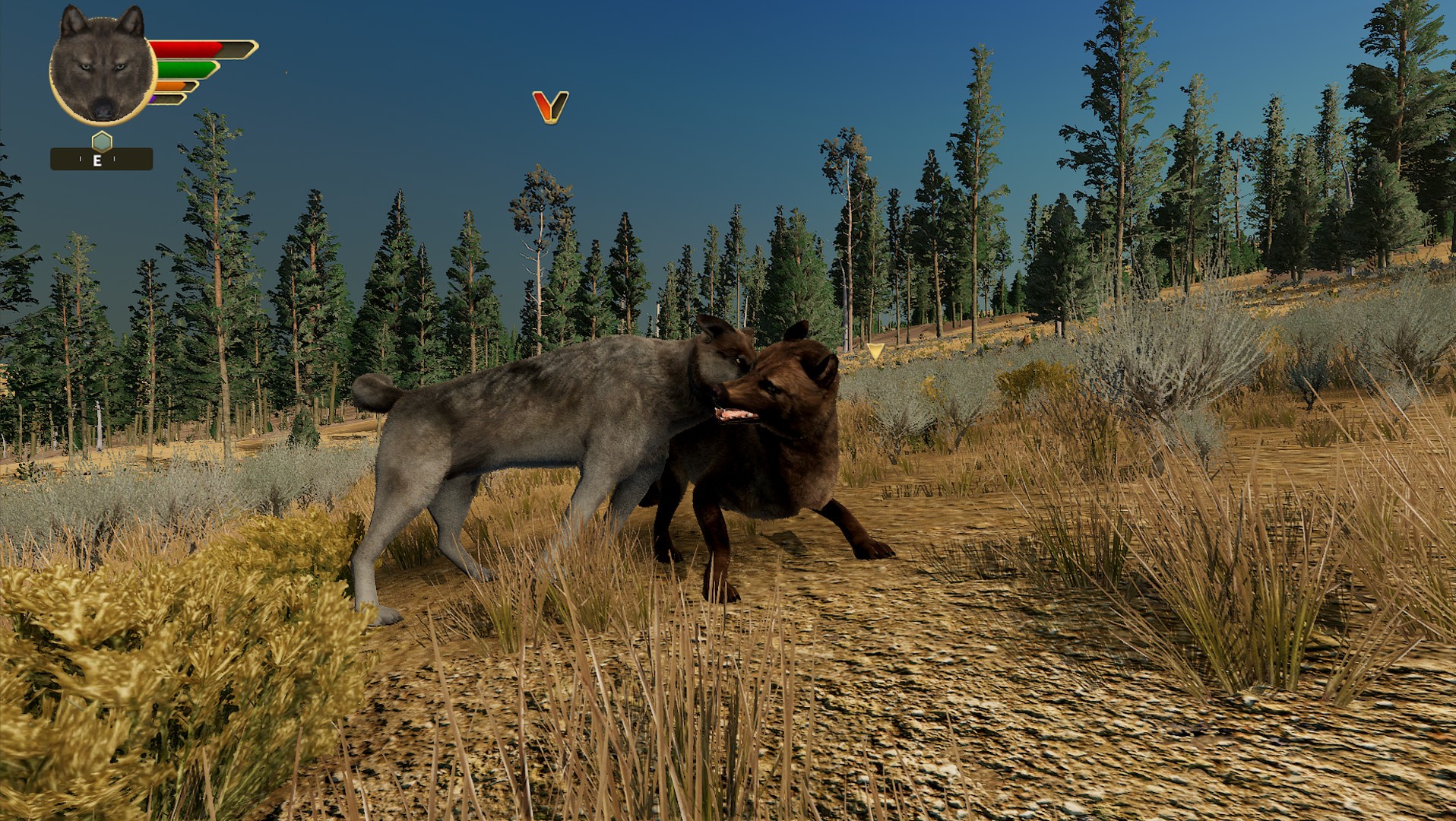
8. WolfQuest: Anniversary Edition

For gamers wanting an authentic wildlife simulation, WolfQuest: Anniversary Edition offers a surprisingly detailed look at the life of a wild wolf in Yellowstone National Park. Players must learn to hunt elk, mark territory, fight off rival packs, find a mate, and raise a litter of pups to adulthood.

Its emphasis on territorial scent marking, pack dynamics, and pup rearing provides a realistic counterpart to the arcade-style generational survival found in Tokyo Jungle.

Frequently Asked Questions

Is there a Tokyo Jungle 2 or official sequel?

Currently, there is no official sequel or Tokyo Jungle 2 in development. Sony Computer Entertainment and developer Crispy's have not announced any plans to revive the franchise, though spiritual successors like Ancestors: The Humankind Odyssey carry forward similar design philosophies.

Can you play Tokyo Jungle on PS4 or PS5?

While Tokyo Jungle was originally released for PlayStation 3, it is not natively available on PS4 or PS5 disc media. However, it has periodically been available to stream on modern consoles via the PlayStation Plus Premium cloud streaming tier in select regions.

What is the closest game to Tokyo Jungle in terms of gameplay?

The closest title in terms of overall generation mechanics and survival loop is Ancestors: The Humankind Odyssey. If you are specifically interested in post-apocalyptic animal ecosystem mechanics, Rain World captures the brutal feel of being part of a living food chain.

Final Thoughts

Even years after its release, Tokyo Jungle remains one of the most innovative combinations of survival, stealth, and wildlife simulation ever created. While waiting for a true sequel, titles like Ancestors: The Humankind Odyssey, Rain World, and Maneater offer fantastic alternatives that capture the raw thrill of animal survival across distinct genres and settings.

SD Gundam: SD Sengokuden 2 - Tenka Touitsuhen (1991) Retrospective Review

SD Gundam: SD Sengokuden 2 - Tenka Touitsuhen (1991) Retrospective Review

Introduction and Historical Context

Released in Japan in 1991 for the Nintendo Game Boy, SD Gundam: SD Sengokuden 2 – Tenka Touitsuhen is a captivating turn-based strategy game that blends the iconic Mobile Suit Gundam universe with Japanese Sengoku (Warring States) period history. Following the success of the first SD Sengokuden title, this sequel expanded on the popular Musha Gundam sub-franchise, transforming futuristic mobile suits into samurai warlords fighting for control over the land of Ark.

Developer and Release Info

The game was published and developed by Bandai, the long-standing guardian of the Gundam intellectual property. Released during the height of the original Game Boy's popularity, Bandai successfully leveraged the portable console's limitations to deliver a portable tactical experience tailored specifically for fans of anime and grand strategy.

Story and Narrative

The sub-title Tenka Touitsuhen translates to "Unification of the Realm Chapter." True to its name, the narrative revolves around the grand conflict to unify the fractured kingdom of Ark. Players take command of legendary Musha Gundam figures, navigating alliances, rivalries, and feudal warfare. While the story is primarily conveyed through Japanese text dialogues between missions, the tactical motivation remains clear: lead your samurai mech army to victory and end the chaotic era of war.

Graphics, Audio, and Visual Design

Visually, SD Sengokuden 2 maximizes the capabilities of the original Game Boy's dot-matrix screen. The game uses cute, "Super Deformed" (SD) chibi proportions that fit well within low-resolution monochrome displays:

  • Sprite Detail: Samurai armor decorations, helmet crests, and weapons on mobile suits like RX-78 Musha Gundam are clearly recognizable.
  • Combat Animations: Battle encounters switch to cinematic close-ups featuring quick, satisfying attack animations.
  • Interface: The grid maps and menu screens are clean, readable, and well-organized for portable play.

The audio features upbeat 8-bit chiptune melodies that evoke traditional Japanese music mixed with classic arcade energy.

Playable Platforms

Currently, SD Gundam: SD Sengokuden 2 – Tenka Touitsuhen is officially playable on:

  • Original Game Boy Hardware: Playable via original physical cartridges (NTSC-J).
  • Super Game Boy / Game Boy Player: Playable on Super Nintendo (SNES) or Nintendo GameCube using official physical adapters.
  • Emulation: Accessible on modern devices via retro Game Boy emulators.

Final Recommendation

SD Gundam: SD Sengokuden 2 – Tenka Touitsuhen (1991) is a charming, nostalgic gem for retro strategy enthusiasts and hardcore Gundam collectors alike. While the language barrier may require fan translation guides for non-Japanese speakers, its intuitive tactical gameplay and unique samurai-mecha aesthetic make it a memorable piece of Game Boy history.

Verdict: Recommended for retro strategy fans, SD Gundam enthusiasts, and Game Boy collectors looking for a deep portable strategy game from the early 1990s.

📅 September 16, 2026

The Complete Silent Hill Timeline: Story and Games in Chronological Order

The Complete Silent Hill Timeline: Story and Games in Chronological Order

The Silent Hill franchise stands as one of the most influential psychological horror series in video game history. Known for its atmospheric dread, complex symbolism, and haunting narratives, the series covers decades of tragic events, occult rituals, and personal nightmares. Understanding how all the games connect can be challenging due to non-linear releases and deep backstory elements.

This complete timeline breaks down the narrative of the series in chronological order of events, allowing you to follow the dark history of the infamous fog-shrouded town from its origins to its modern manifestations.

Early Lore and Pre-Game History (Pre-1970s)

Long before the events of the first game, the land surrounding Toluca Lake was regarded as sacred by Native American tribes, who referred to it as the "Place of the Silenced Spirits." They performed sacred rituals here, believing the land possessed a unique spiritual power.

In the 1600s, European settlers colonized the area and established a settlement. However, epidemics, war, and sudden abandonments plagued the location. During the American Civil War, the town was converted into a prison camp, where horrific deaths and suffering occurred. The concentrated human misery corrupted the ancient spiritual forces of the land, turning its power inward and creating a reality-warping manifest force responsive to dark thoughts and guilt. Eventually, a secretive religious cult known as The Order formed, dedicated to resurrecting an ancient deity through rituals and sacrifice.

Silent Hill: Origins

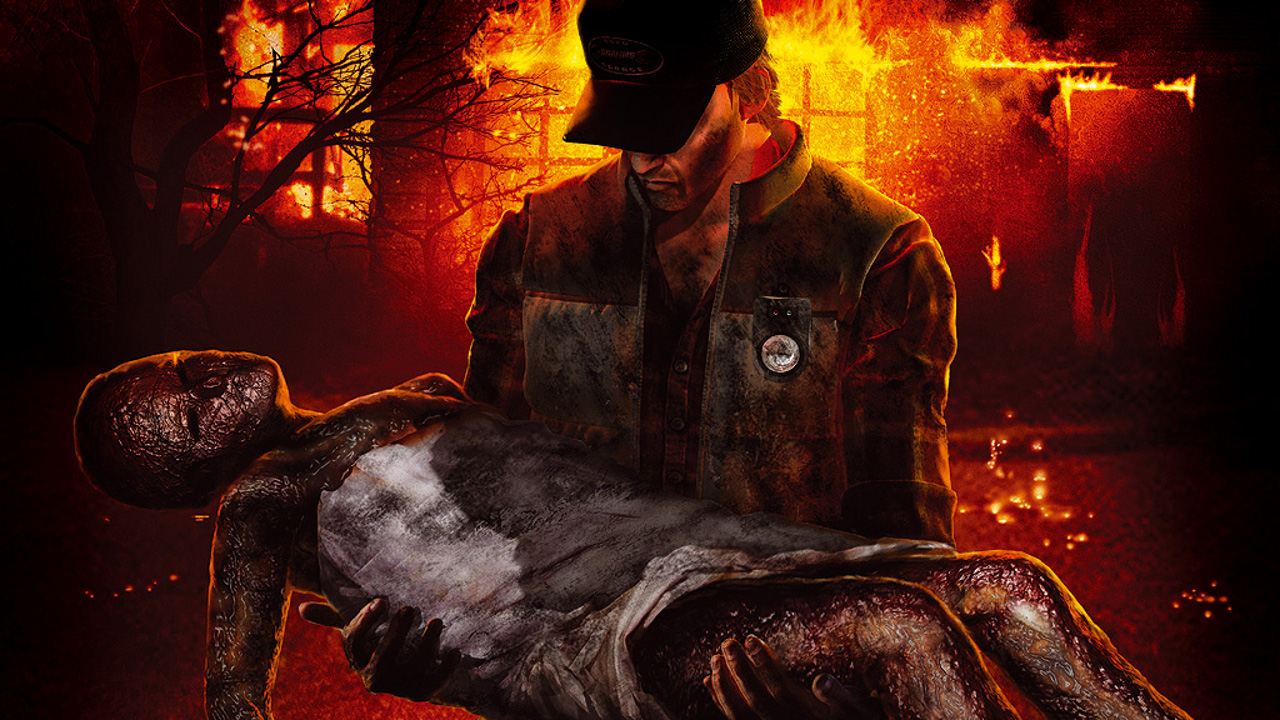
1976: Silent Hill: Origins

The chronological narrative of the video games begins in 1976 with Travis Grady, a troubled trucker plagued by repressed childhood trauma. While driving past the town, Travis rescues a young girl named Alessa Gillespie from a burning house fire orchestrated by her mother, Dahlia Gillespie. Dahlia and The Order set the fire to immolate Alessa in a ritual designed to impregnate her with the seeds of their God.

Although Travis rescues Alessa's severely burned body, her suffering splits her soul into two halves. One half remains in a comatose, agonizing state under hospital care, while the other half manifests as an infant outside the town, who is subsequently adopted by writer Harry Mason and his wife. Travis navigates the fog and the distorted Otherworld created by Alessa's agony before escaping, laying the groundwork for the catastrophe to come.

Silent Hill

1983: Silent Hill

Seven years after the house fire, Dahlia Gillespie uses a magical spell to lure the lost soul fragment back to the town. The infant adopted by Harry Mason has grown into a seven-year-old girl named Cheryl. While driving to the resort town for a vacation, Harry and Cheryl are involved in a car crash on the outskirts of town after Harry swerves to avoid a mysterious figure in the road.

When Harry wakes up, Cheryl is missing. As he searches the foggy, deserted streets, he discovers that the town shifts into a nightmare version filled with horrific monsters—the physical manifestations of Alessa's torment. Guided falsely by Dahlia, Harry unknowingly helps bring the two soul halves back together. However, Harry manages to defeat the birthed deity, and a dying Alessa gifts him a new newborn child containing her soul. Harry escapes the collapsing town with the baby, whom he names Heather.

Silent Hill 2

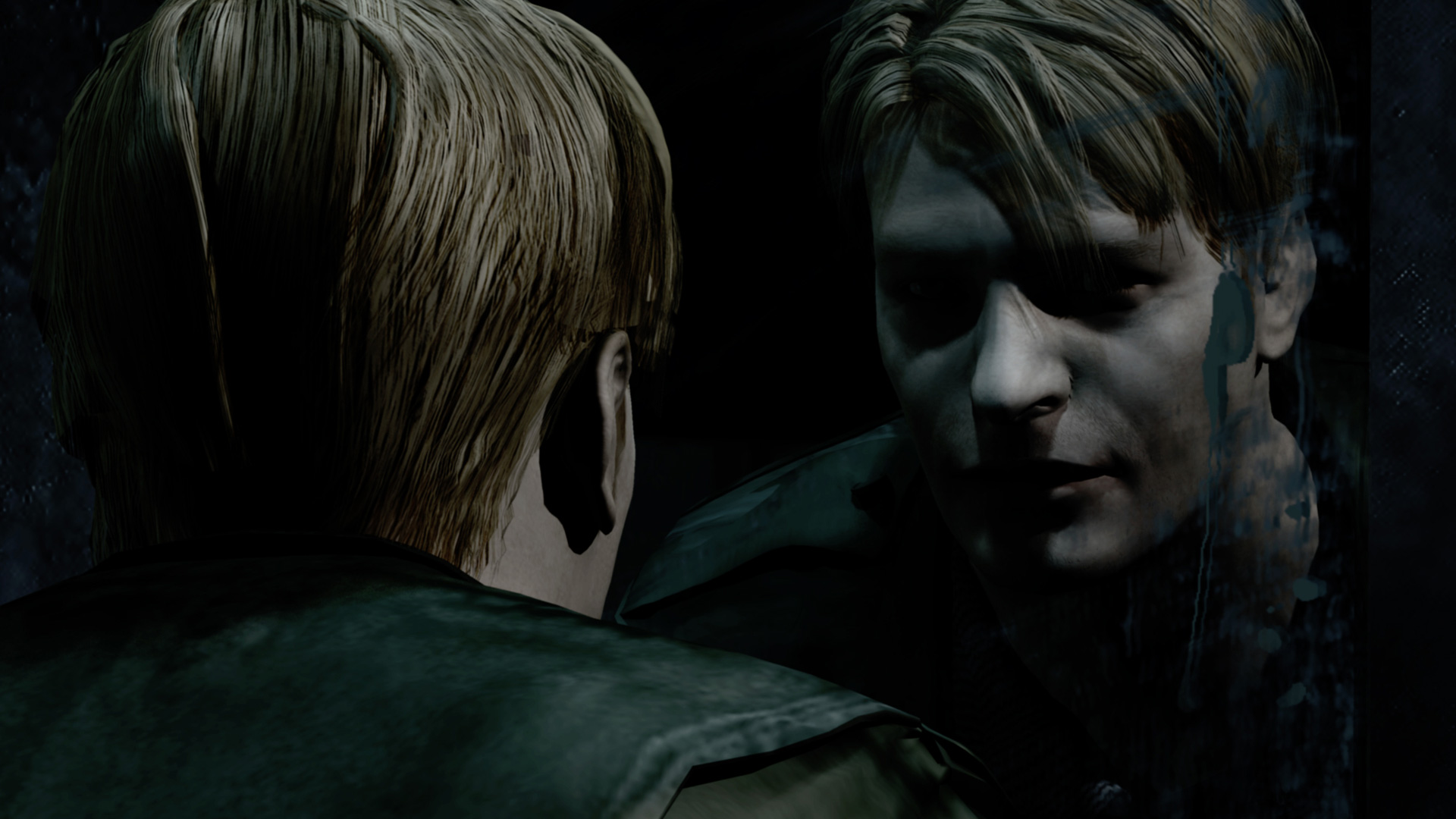
1993: Silent Hill 2

Set roughly ten years after the original game, Silent Hill 2 shifts focus away from The Order and explores the psychological power of the town itself. James Sunderland receives a mysterious letter signed by his deceased wife, Mary, claiming she is waiting for him in their "special place" in the resort town.

Driven by grief and confusion, James arrives to find the town blanketed in thick fog and inhabited by grotesque monstrosities, including the iconic Pyramid Head. Along his journey, James meets other troubled souls who are experiencing their own personal versions of the town's nightmare realm. It is eventually revealed that the monsters and torment James experiences are physical projections of his intense guilt over mercy-killing his terminally ill wife. Silent Hill 2 demonstrates how the town acts as a purgatory for individuals tormented by hidden dark secrets.

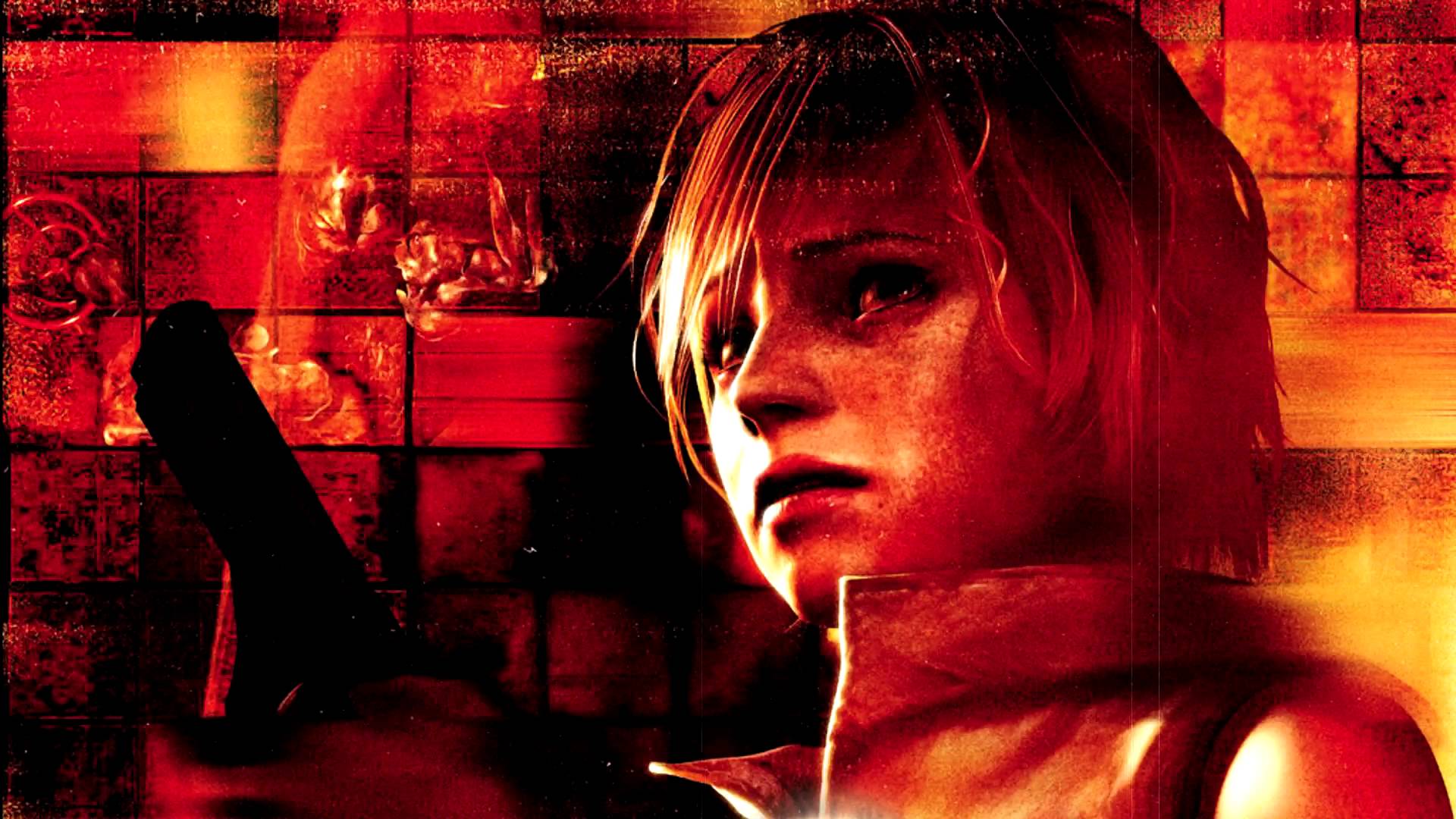
Silent Hill 3

2000: Silent Hill 3

Seventeen years after the events of the original title, Heather Mason is now a teenager living in a nearby city with her adoptive father, Harry. Claudia Wolf, a high priestess of The Order and childhood friend of Alessa, seeks out Heather to complete the resurrection of their deity.

After Claudia orders the murder of Harry Mason, a grief-stricken Heather travels back to the nightmare town to seek revenge. As she journeys through decaying environments and fights horrific creatures, Heather slowly recovers her memories as Alessa. Ultimately, Heather confronts Claudia, rejects the cult's dogma, destroys the birthed god once and for all, and frees herself from the cycle of suffering.

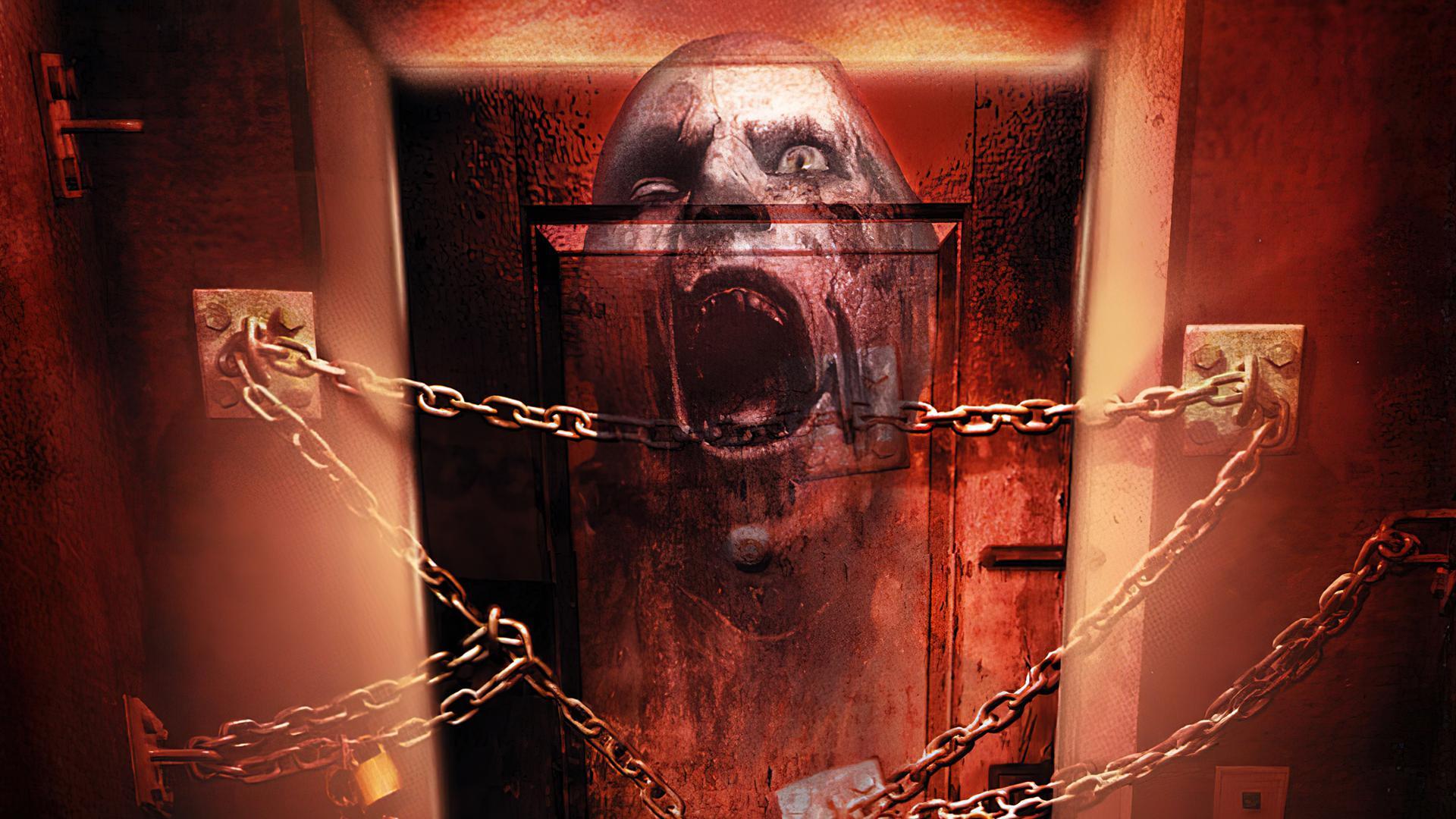
Silent Hill 4: The Room

2004: Silent Hill 4: The Room

Taking place predominantly in the nearby town of Ashfield, Silent Hill 4: The Room follows Henry Townshend, who finds himself trapped inside his apartment room 302. The front door is chained shut from the inside, and his windows cannot be broken. A mysterious hole opens up in his bathroom wall, leading to horrifying alternate dimensions.

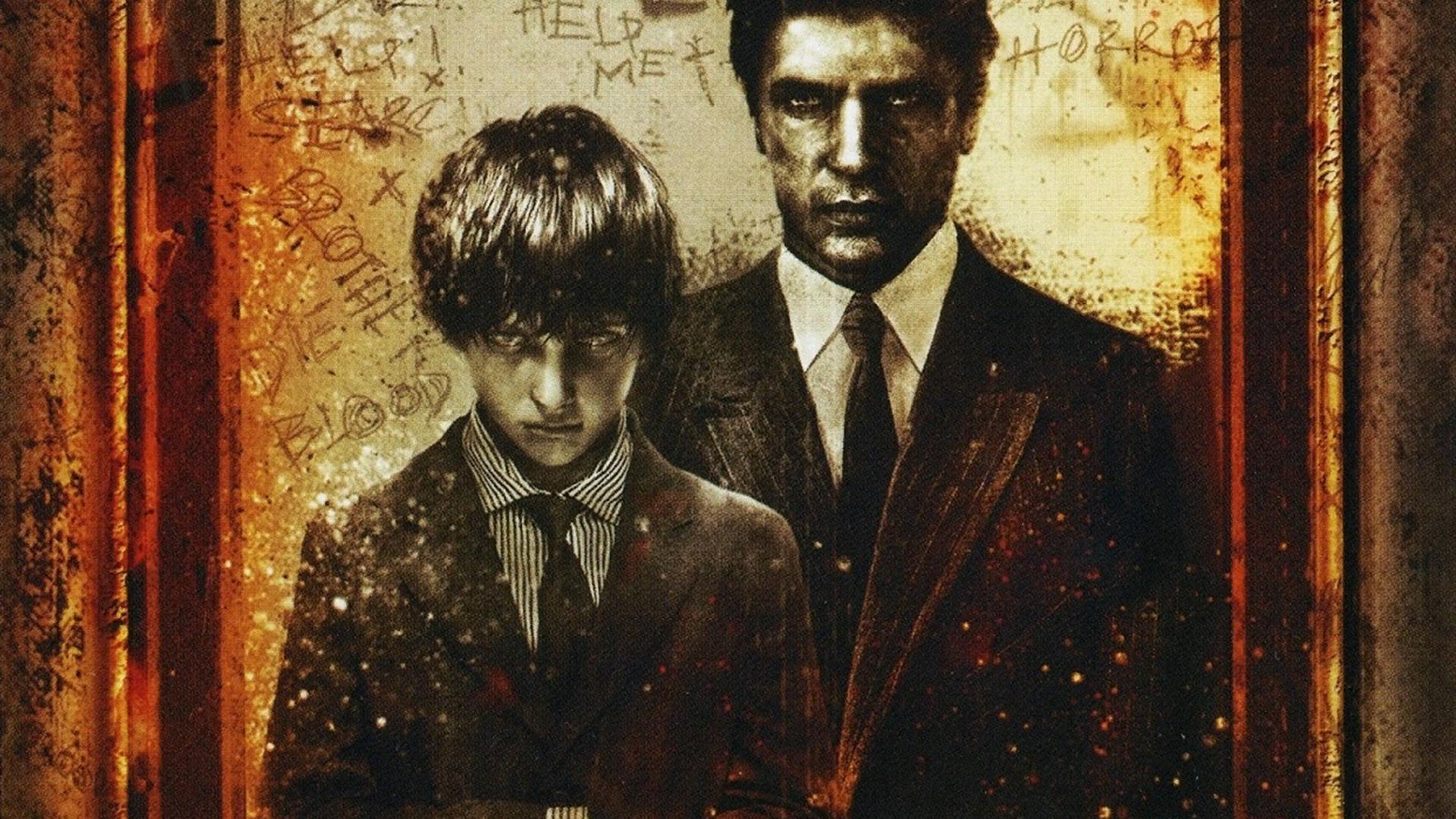
These dimensions are the mental creation of Walter Sullivan, an orphan raised by The Order's Wish House orphanage. Walter was led to believe that apartment 302 was his biological mother and embarked on a gruesome ritual called the "21 Sacrifices" to awaken her. Henry must navigate these terrifying pocket worlds to stop Walter from completing the ritual and claiming Henry as his final victim.

Silent Hill: Homecoming

2008: Silent Hill: Homecoming

Set several years after Silent Hill 4: The Room, Silent Hill: Homecoming centers on Alex Shepherd, a soldier returning to his hometown of Shepherd's Glen, a nearby town founded by four families who broke away from The Order. Alex finds his hometown shrouded in mist, his father and younger brother missing, and his mother catatonic.

Alex uncovers a dark pact made centuries ago: to keep their town safe from the corrupting influence of the nearby fog town, the four founding families were required to sacrifice one of their children every fifty years. Alex learns the truth about his own past, his brother's accidental death, and the collapse of the agreement that brought the curse down upon Shepherd's Glen.

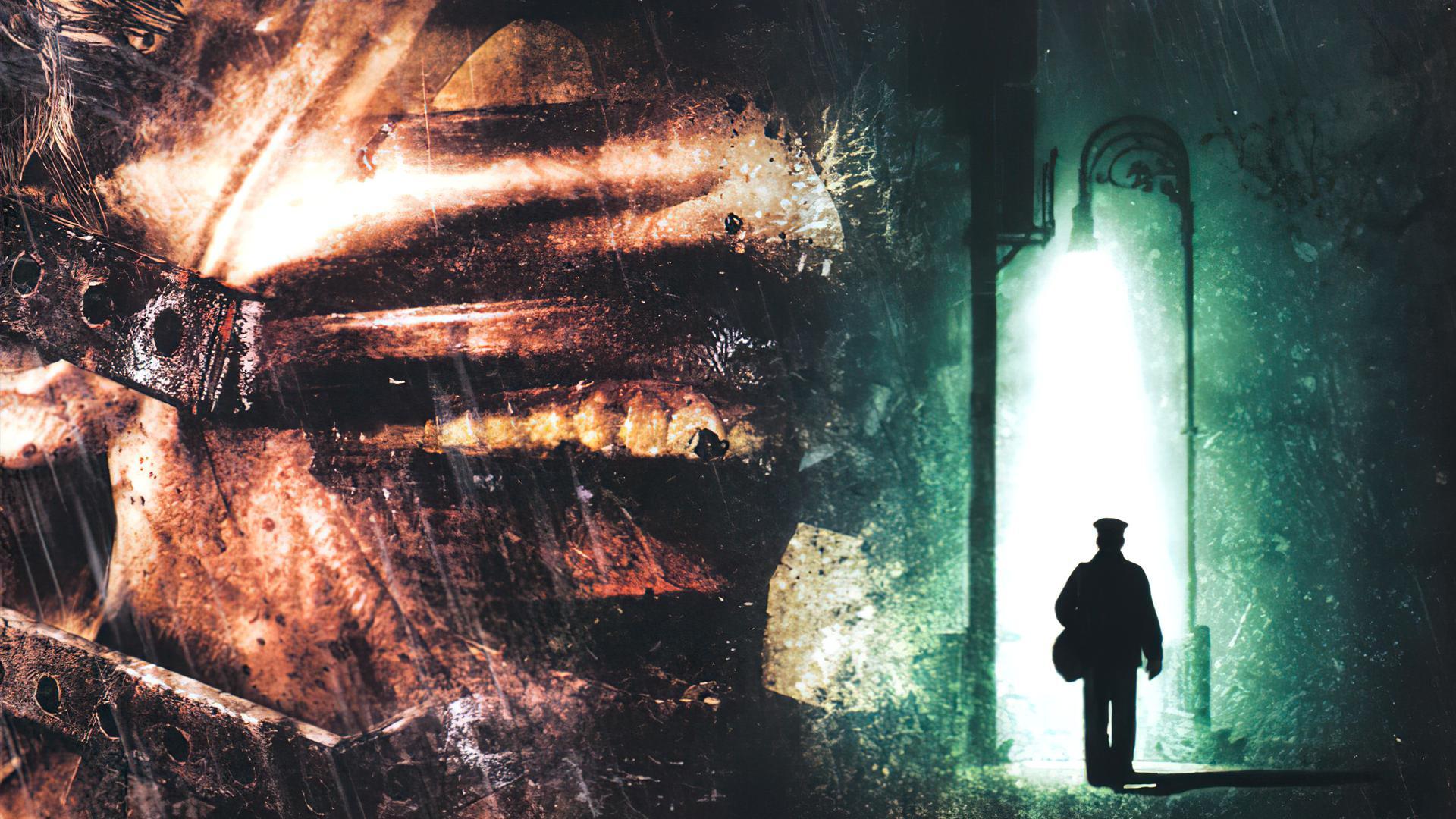
Silent Hill: Downpour

2011: Silent Hill: Downpour

chronologically positioned late in the modern timeline, Silent Hill: Downpour introduces Murphy Pendleton, an incarcerated convict whose transport bus crashes on the outskirts of the town. Seeking freedom, Murphy enters the town, which manifests as a rain-drenched nightmare world reflecting his personal guilt, vengeance, and remorse surrounding the murder of his young son.

Unlike earlier titles focused heavily on the cult, Silent Hill: Downpour returns to the psychological horror style of Silent Hill 2, testing the main character through symbolic creatures and morally complex choices that dictate his fate.

Frequently Asked Questions

Do I need to play the games in chronological order?

No, you do not need to play them in chronological order. While Silent Hill and Silent Hill 3 are directly connected as a two-part story, games like Silent Hill 2, Silent Hill 4: The Room, and Silent Hill: Downpour feature standalone stories with separate main characters and can be enjoyed independently.

Is Silent Hill: Shattered Memories part of the main timeline?

No. Released in 2009, Silent Hill: Shattered Memories is an alternate universe reimagining of the original Silent Hill game. It completely changes the characters, plot, and themes, meaning it exists outside the canon timeline of the mainline series.

Final Thoughts

The story of the franchise spans decades of tragic lore, psychological trauma, and occult corruption. From the early sins of The Order in Silent Hill: Origins to the deeply personal nightmares of Silent Hill 2 and Silent Hill: Downpour, the overarching narrative remains one of the most fascinating lore structures in survival horror history.

Mobile Suit Gundam Phase-Act Part 2 (2004) Review: A Retro Mecha Retrospective

Mobile Suit Gundam Phase-Act Part 2 (2004) Review: A Retro Mecha Retrospective

Mobile Suit Gundam Phase-Act Part 2 (2004): Retro Mecha Game Review

Released during the peak era of mid-2000s anime video game adaptations, Mobile Suit Gundam Phase-Act Part 2 (2004) stands out as an intriguing entry in Bandai's expansive library of mecha titles. Designed to capitalize on the massive popularity of the Mobile Suit Gundam SEED television series, this release delivered fast-paced robotic combat and cinematic fan service to devoted franchise enthusiasts.

Historical Context and Overview

In 2004, the Gundam franchise was experiencing a major renaissance globally, driven by the success of Gundam SEED. Video game publishers were eager to capture the intense dramatic battles of the Cosmic Era timeline. Phase-Act Part 2 was developed as part of a specialized series of interactive media and arcade-style experiences aimed at immersing players directly into key combat encounters from the show, bridging the gap between anime episodes and interactive gameplay.

Story and Narrative

The narrative of Phase-Act Part 2 closely follows the dramatic arcs of the Gundam SEED anime series. Players step into the cockpit during high-stakes clashes between the Earth Alliance and ZAFT forces. The story highlights pivotal battles featuring iconic mobile suits like the ZGMF-X10A Freedom Gundam and the ZGMF-X09A Justice Gundam.

Key narrative elements include:

  • Faithful Adaptation: Re-enactments of iconic battles directly from the second half of the Gundam SEED series.
  • Pilot Drama: Emotional character dialogue and cutscenes integrated into combat sequences.
  • Faction Dynamics: Insight into the ongoing struggle between Natural humans and genetically enhanced Coordinators.

Graphics and Visual Performance

For a 2004 title, Mobile Suit Gundam Phase-Act Part 2 delivered impressive visual fidelity. The 3D models of the mobile suits were crafted with detail that closely mirrored their animated counterparts. Beam rifle shots, Phase Shift Armor activation effects, and thruster plumes were vibrant and atmospheric.

While environmental textures were relatively basic—typical for 2004 hardware capabilities—the smooth animations during special attacks and mid-air dogfights provided a convincing cinematic feel that kept players immersed in the action.

Developer and Playable Platforms

The game was produced under Bandai's interactive division, leveraging specialized development teams skilled in arcade-style action and simulation mechanics.

CategoryDetails
Developer / PublisherBandai / Bandai Namco
Release Year2004
Timeline EraCosmic Era (Gundam SEED)
PlatformsArcade / Japanese Interactive Systems / PS2 (Ported/Adapted Formats)

Final Recommendation and Verdict

Mobile Suit Gundam Phase-Act Part 2 (2004) is a nostalgic gem for retro gaming enthusiasts and die-hard Gundam fans alike. While its gameplay mechanics are straightforward and heavily focused on cinematic engagement rather than deep simulation, it captures the raw energy and dramatic flair of 2000s mecha anime perfectly.

Verdict: 7.5/10 — A must-play retro title for collectors and fans of the Cosmic Era timeline looking to experience classic 2004 Gundam action.

Every Resistance Game Ranked from Worst to Best

Every Resistance Game Ranked from Worst to Best

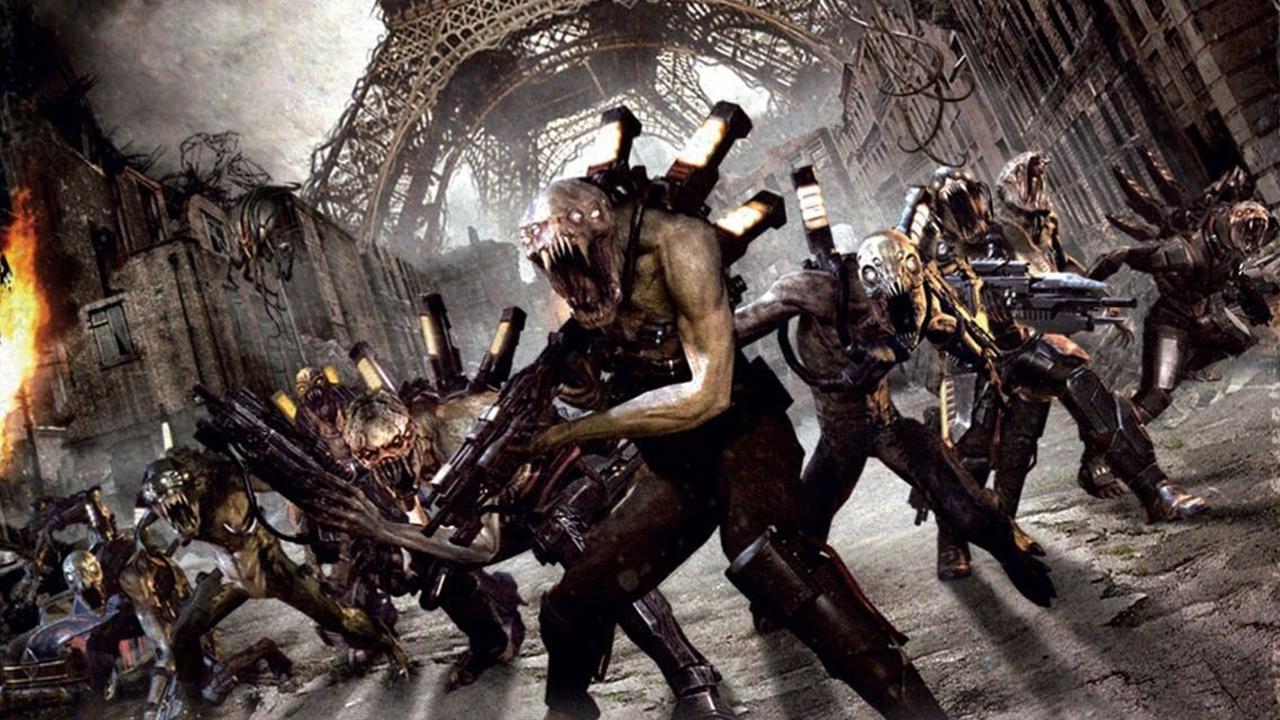
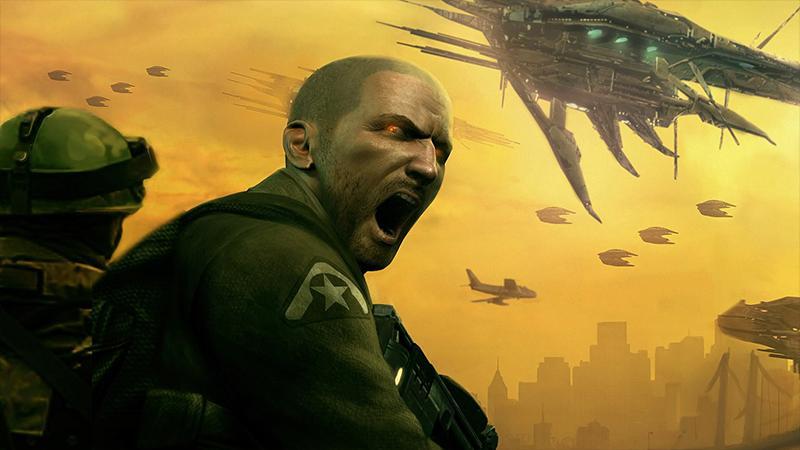
During the PlayStation 3 era, Insomniac Games stepped away from their platforming roots to craft one of Sony's most distinct action franchises: the Resistance series. Set in an alternate 1950s timeline where a brutal alien force known as the Chimera invades Earth, the franchise stood out with its gritty atmosphere, creative arsenal of weapons, and gripping alternate-history narrative.

Across three mainline console games and two handheld spin-offs, players fought through the grim, ruined landscapes of Europe and North America. In this article, we rank every single Resistance game from worst to best, taking into account narrative impact, combat mechanics, and lasting legacy.

Resistance: Burning Skies

5. Resistance: Burning Skies

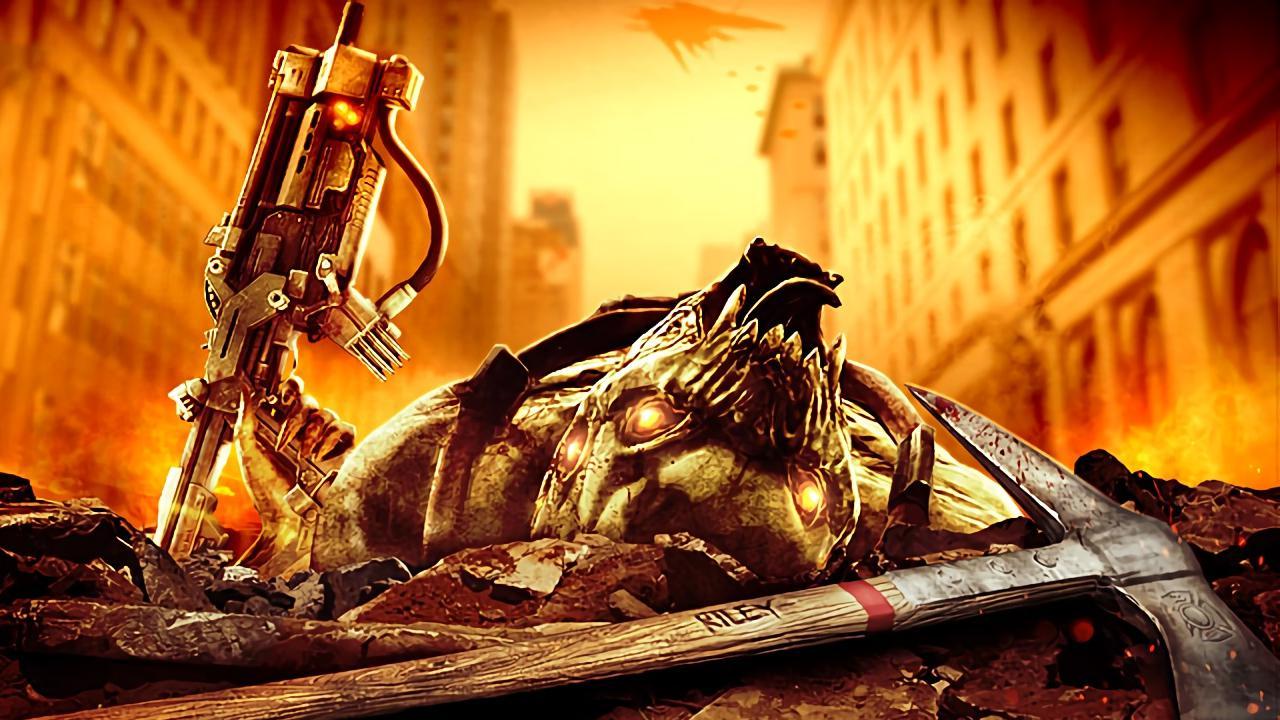
Released in 2012 for the PlayStation Vita, Resistance: Burning Skies holds a notable place in handheld gaming history as the first portable first-person shooter to utilize true dual-analog controls. Developed by Nihilistic Software, the game follows Tom Riley, a New York City firefighter caught in the middle of the initial Chimerian invasion of the United States.

While the dual-analog control scheme was a technical milestone for portable shooters, the game suffered from a bland narrative, repetitive level design, and an incredibly short campaign. Touchscreen controls felt forced for weapon alternate fires, and the signature creative firefights from the console games were missing. Despite good intentions, it remains the weakest entry in the franchise.

Resistance: Retribution

4. Resistance: Retribution

Developed by Bend Studio for the PlayStation Portable in 2009, Resistance: Retribution took a bold step by shifting the series from a first-person shooter to a third-person cover shooter. Players assume the role of James Mercer, a disgraced British Royal Marine on a revenge campaign against the Chimera across continental Europe.

Bend Studio adapted the mechanics brilliantly for PSP hardware, using an aim-assist targeting system that kept firefights fast and responsive. Featuring a surprisingly compelling storyline, impressive visuals for the platform, and great boss encounters, Resistance: Retribution proved that the franchise could thrive outside its original genre format.

Resistance 2

2. Resistance 2

When Resistance 2 launched in 2008, Insomniac Games aimed for massive scale. The sequel transferred protagonist Nathan Hale from battle-torn Britain to the United States, showcasing colossal Leviathan bosses, massive invading fleets, and sprawling American locations.

The game made controversial mechanical design choices, adopting the popular trend of a two-weapon limit and regenerating health, replacing the original's health packs and legendary weapon wheel. While some core fans missed the original layout, Resistance 2 featured an extraordinary 8-player class-based co-op mode and massive 60-player online multiplayer battles that remain unmatched in scale on the platform. Its heartbreaking ending also stands as one of the most memorable moments in 2000s gaming.

Resistance: Fall of Man

2. Resistance: Fall of Man

As a flagship launch title for the PlayStation 3 in 2006, Resistance: Fall of Man delivered a stunning debut for the new console generation. Players took control of Sergeant Nathan Hale as human forces desperately defended the United Kingdom from the Chimera onslaught.

The game stood out due to its eerie, melancholic military atmosphere and Insomniac's iconic weapon design. Weapons like the Bullseye, the Auger, and the secondary firing modes offered tactical flexibility unseen in most shooters of the era. With full campaign couch co-op support and an engaging document-style narration by Rachel Parker, Resistance: Fall of Man launched the PS3 era with style and set high standards for console shooters.

Resistance 3

1. Resistance 3

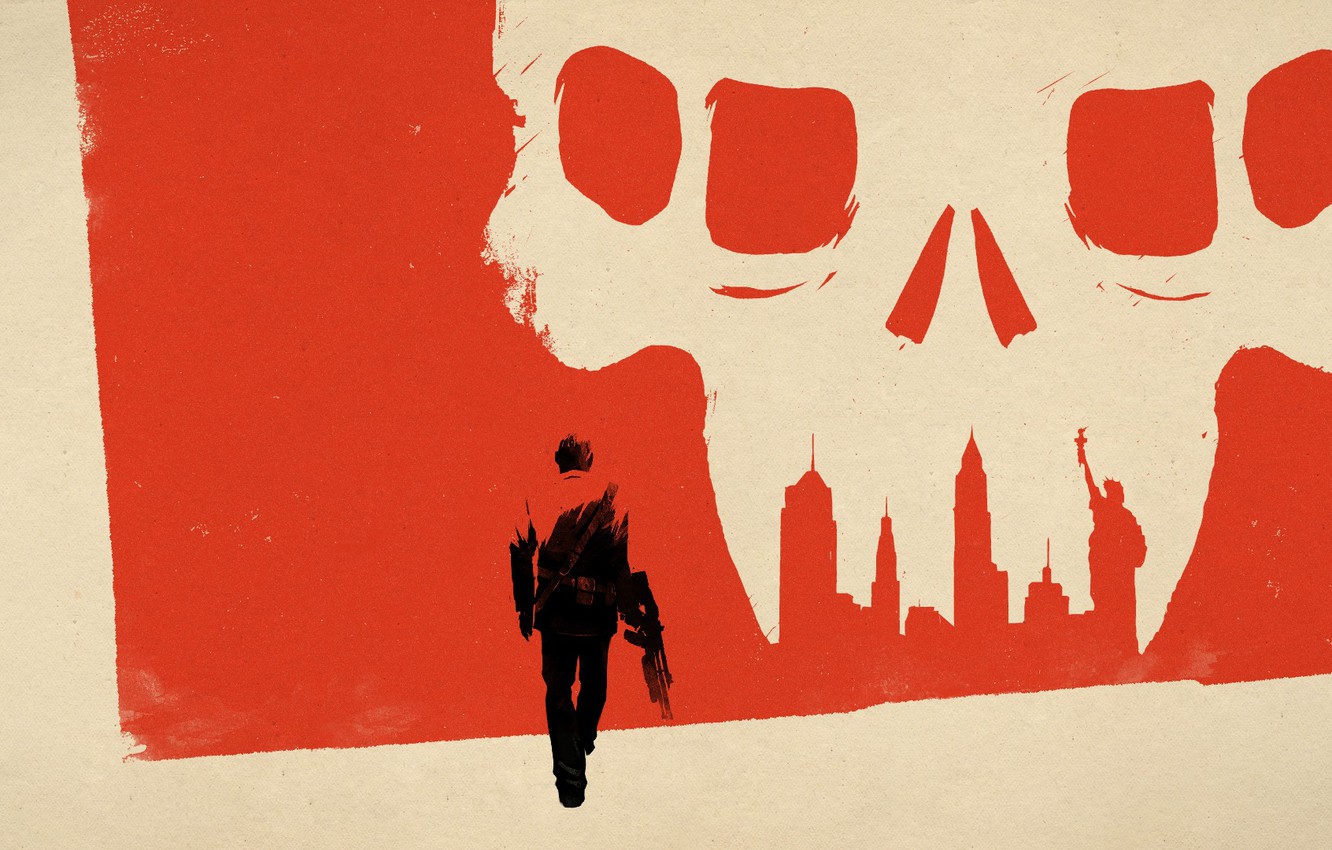
Resistance 3 is the undisputed peak of the series. Released in 2011, the game shifted focus to Joseph Capelli, surviving in a post-apocalyptic America where the Chimera have effectively won the war. Desperate to protect his family, Capelli embarks on a dangerous cross-country journey to New York to shut down a Chimerian terraforming tower.

Insomniac listened closely to fan feedback for the final entry, ditching two-weapon limits and restoring the iconic weapon wheel, complete with weapon upgrade progression systems. The tone shifted toward atmospheric survival horror, emphasizing scarce resources, desperate firefights, and intimate storytelling. Combining mechanical refinement, gorgeous visual direction, and an emotional story arc, Resistance 3 remains one of the finest first-person shooters on the PlayStation 3.

Frequently Asked Questions About the Resistance Games

What is the best order to play the Resistance games?

The ideal way to experience the series is in release order: start with Resistance: Fall of Man, followed by Resistance 2, and finish with Resistance 3. Handheld titles like Resistance: Retribution fit chronologically between the first and second games.

Will there ever be a Resistance 4?

Insomniac Games has stated that they have no current plans to return to the Resistance franchise, as their focus remains on other major projects. However, Sony still owns the intellectual property, leaving the door open for a potential reboot or remaster in the future.

Are the Resistance games playable on PS5?

While native PS5 ports do not currently exist, select titles from the franchise, including Resistance 3 and Resistance: Retribution, have been made available through PlayStation Plus Premium cloud streaming and classic emulations.

Final Thoughts

The Resistance series remains one of PlayStation's most creative FPS efforts, blending alternate history with innovative weaponry. Whether you loved the large-scale multiplayer battles of Resistance 2 or the emotional survival narrative of Resistance 3, the franchise delivered unforgettable sci-fi action that fans still hope to see revived today.

Nintendo Land (Wii U) Review: The Ultimate Asymmetrical Multiplayer Experience

Nintendo Land (Wii U) Review: The Ultimate Asymmetrical Multiplayer Experience

Context and Launch Overview

When the Wii U launched in November 2012, Nintendo needed a flagship title to demonstrate the unique capabilities of its hardware. Enter Nintendo Land, a colorful virtual theme park designed to serve as both a showcase for the innovative Wii U GamePad and a celebratory homage to classic Nintendo franchises. Much like Wii Sports did for the original Wii, Nintendo Land introduced players to the concept of "asymmetrical gameplay"—a design philosophy where the player holding the GamePad experiences a completely different screen perspective and control scheme than players watching the TV screen with traditional Wii Remotes.

Developer and Creation History

Nintendo Land was developed by Nintendo EAD Group No. 2, the acclaimed internal team behind the Wii series of software, including Wii Sports and Wii Music. Produced by Katsuya Eguchi and directed by Yoshikazu Yamashita, the development team meticulously crafted 12 distinct mini-games (or "attractions") to highlight touchscreen controls, motion tracking via gyroscopes, dual-screen mechanics, and off-TV play capabilities.

Story, Setting, and Narrative Premise

While Nintendo Land does not feature a traditional narrative campaign, it builds a rich thematic setting. Players enter a vibrant futuristic theme park using their personalized Mii avatars. Upon arrival, they are greeted by Monita, a cheerful, single-screened robot host who guides players through the park's various zones and explains attraction rules.

The game is structured around 12 mini-games based on iconic Nintendo intellectual properties, split into three gameplay formats:

  • Team Attractions: The Legend of Zelda: Battle Quest, Pikmin Adventure, and Metroid Blast. These allow players to cooperate against AI enemies across structured levels.
  • Competitive Attractions: Mario Chase, Luigi's Ghost Mansion, and Animal Crossing: Sweet Day. These emphasize 1-vs-many asymmetrical multiplayer dynamics.
  • Solo Attractions: Donkey Kong's Crash Course, Takamaru's Ninja Castle, Captain Falcon's Twister Race, Balloon Trip Breeze, Yoshi's Fruit Cart, and Octopus Dance.

As players earn coins across these attractions, they can play a pachinko-style central arcade game to unlock decorative statues, music tracks, and jukebox features for their central plaza, providing a sense of progression and charm.

Graphics, Visuals, and Audio Design

Visually, Nintendo Land stands out for its charming, handcrafted aesthetic. Rather than aiming for high realism, the park assets, landscapes, and character costumes are constructed out of visible stitching, buttons, fabric, wood, and plastic. In 1080p HD, these textures pop with warmth and detail, establishing a visual style that Nintendo would later expand upon in titles like Yoshi's Woolly World.

The audio design is equally impressive. The soundtrack features fully orchestrated remixes of classic musical themes from Zelda, Metroid, F-Zero, and Super Mario, dynamic sound effects adapted to dual-screen audio channels, and fun robotic voice work from Monita.

Platforms and Playability

Nintendo Land was released exclusively for the Nintendo Wii U console in 2012, both as a standalone physical/digital release and as a pack-in title with the Wii U Deluxe Set. Because the game relies fundamental hardware mechanics on the dual-screen interaction between the Wii U GamePad and the TV, it has not been ported to the Nintendo Switch or any other platform. To play Nintendo Land today, players must own an original Wii U system, a GamePad, and compatible Wii Remote Plus controllers for local multiplayer.

Final Recommendation and Verdict

Over a decade after its release, Nintendo Land remains one of the finest local couch multiplayer games in Nintendo's portfolio. Competitive attractions like Mario Chase and Luigi's Ghost Mansion offer unmatched party gameplay that is almost impossible to replicate on single-screen consoles.

Final Verdict: 8.5 / 10 — A essential, highly charming party game that successfully delivers on the Wii U's asymmetrical promises. If you still own a Wii U, Nintendo Land is a must-have addition to your collection.

Persona 5 Royal Beginner Guide: Essential Tips and Strategies

Persona 5 Royal Beginner Guide: Essential Tips and Strategies
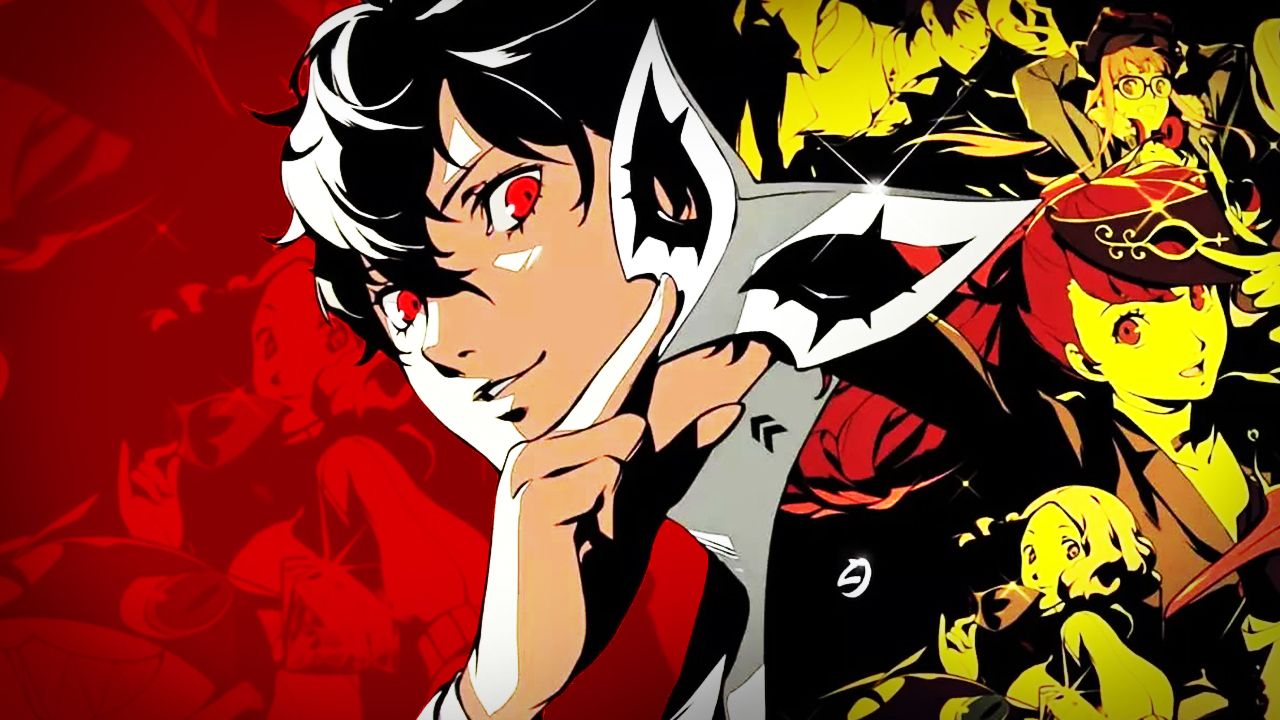
Persona 5 Royal

Introduction to Persona 5 Royal

Stepping into the stylized, jazz-infused world of Persona 5 Royal can be an overwhelming experience for newcomers. As an expanded version of the critically acclaimed JRPG Persona 5, this massive title blends high school life simulation with deep turn-based dungeon crawling. With over 100 hours of content, managing your daily schedule, building relationships, and defeating Shadows requires careful planning.

Whether you are brand new to the series or moving over from games like Persona 4 Golden or Shin Megami Tensei V, this beginner guide covers everything you need to know to get the most out of your Phantom Thief journey.

1. Understand Time Management and the Calendar System

Time is your most valuable resource in Persona 5 Royal. The game operates on a strict day-by-day calendar system where most actions take up a time slot (Afternoon/School or Evening).

  • Never leave a Palace until the last minute: Secure the route to the Treasure early in the deadline window. This gives you plenty of free days afterward to level up social stats and build relationships without stress.
  • Prioritize rainy days: Studying at the diner or taking a bath at the bathhouse on rainy days yields bonus social stat points.
  • Dungeon efficiency: Try to clear Palaces in a single day (or as few days as possible) to conserve precious time for real-world activities.

2. Key Confidants to Level Up First

Relationships with other characters are called Confidants. While every Confidant offers useful abilities, a few stand out as absolute game-changers for beginners:

  • Councillor (Takuto Maruki): Reaching Rank 9 with Maruki before November 18 is mandatory if you want to unlock the exclusive third semester content added in Persona 5 Royal.
  • Temperance (Sadayo Kawakami): Her abilities eventually allow you to perform activities during class and hire her to do chores, giving you extra free time in the evenings.
  • Death (Tae Takemi): Unlocks deep discounts on powerful SP-restoring accessories at her clinic, making dungeon crawling far easier.
  • Fortune (Chihaya Mifune): Her readings can boost your social stat gains or affinity with other Confidants without spending time.

3. Combat Essentials: Exploiting Weaknesses and the Baton Pass

Combat in Persona 5 Royal centers around discovering enemy vulnerabilities and taking control of the turn economy.

Exploit Weaknesses for "One More"

Hitting an enemy with an element they are weak to knocks them down and grants you an additional turn ("One More"). Knocking down all enemies unlocks an All-Out Attack, dealing massive physical damage to the entire enemy party.

Master the Baton Pass

When you trigger a "One More," you can pass your turn to a teammate using the Baton Pass system. Passing the turn boosts the next character's attack and healing power. Chaining passes across all four party members allows the final character to cast spells for zero SP cost.

4. Managing SP and Dungeon Exploration

Stamina/Magic Points (SP) are scarce during the early hours of Persona 5 Royal. Conserving SP allows you to explore deeper into Palaces without needing to return home to sleep.

  • Use physical skills: Physical skills cost HP instead of SP. Since healing HP with items or cheap spells is much easier than recovering SP, use physical attacks against neutral enemies.
  • Buy drinks from vending machines: Vending machines scattered around Tokyo (such as in Courtyard or Yongen-Jaya) sell low-tier SP drinks that restock every Monday.
  • Craft infiltration tools: Making lockpicks and flashbangs at your workbench awards proficiency stats and essential exploration gear.

5. Velvet Room and Persona Fusion Basics

Do not get attached to your starting Personas. The core mechanic of Persona 5 Royal is constantly fusing weaker Personas into stronger ones in the Velvet Room.

  • Match Confidant Arcana: Always carry a Persona that matches the Arcana of the Confidant you are meeting with (e.g., carry a Lovers Persona when hanging out with Ann) to boost relationship progression speed.
  • Register your Personas: Before fusing away a leveled-up Persona, make sure to register it in the Velvet Room Compendium so you can summon it back later with its updated stats and skill set.
  • Pay attention to Fusion Alarms: Fusion Alarms occur randomly after battles. Fusing Personas during an alarm yields superior stats and unique skill mutations, though back-to-back fusions carry a risk of failure.

Frequently Asked Questions

How do I unlock the Third Semester in Persona 5 Royal?

To unlock the Third Semester, you must reach Rank 9 with the Councillor Confidant (Takuto Maruki) before November 18. Additionally, leveling up the Justice Confidant (Goro Akechi) to Rank 8 and Faith Confidant (Kasumi Yoshizawa) to Rank 5 before their deadlines adds significant extra content to the ending.

What difficulty should beginners choose?

Normal or Safety mode is recommended for beginners. Normal provides a balanced challenge without punishing minor mistakes, while Safety mode eliminates game-over penalties and lets you focus entirely on story and social mechanics.

Can I max out all Confidants in one playthrough?

Yes, it is entirely possible to max out all Confidants in a single playthrough without a strict guide, provided you manage your daily schedule efficiently, carry matching Personas during hangouts, and prioritize key utility Confidants early.

Final Thoughts

Persona 5 Royal is a massive, rewarding JRPG experience that thrives on balance. By keeping ahead of Palace deadlines, making smart use of the Baton Pass feature, and prioritizing time-saving Confidants like Kawakami and Chihaya, you will smoothly steer Joker and the Phantom Thieves toward success.

Follow my social medias to unlock these coupons.

CLICK HERE, UNLOCK VIP COUPONS!