CHECKING...
Rookie Gamer Live Broadcast
0
0%
10k


📅 September 16, 2026

Sakura Wars 2: Thou Shalt Not Die (1998) Review – A SEGA Saturn Classic

Sakura Wars 2: Thou Shalt Not Die (1998) Review – A SEGA Saturn Classic

Introduction: Context Behind Sakura Wars 2

Released in 1998 for the SEGA Saturn, Sakura Wars 2: Thou Shalt Not Die (known in Japan as Sakura Taisen 2 ~Kimi, Shinidamo Koto Karukoto~) stands as a landmark title in late 90s Japanese gaming. Building on the runaway success of the original 1996 game, Sakura Wars 2 refined the revolutionary blend of visual novel romance, steampunk aesthetics, and grid-based tactical RPG combat that defined the series.

Developer and Creative Masterminds

The game was co-developed by Red Company and Sega AM8 (which later evolved into Overworks). Created under the vision of franchise mastermind Oji Hiroi, the game featured character designs by famous manga artist Kosuke Fujishima and music composed by Kohei Tanaka. This star-studded creative team pushed the limits of character-driven narrative and theatrical presentation on 32-bit hardware.

Story and Narrative: Steam, Sorcery, and Romance

Set in an alternate 1920s Taisho-era Tokyo, players once again assume the role of Ichiro Ogami, commander of the Imperial Combat Revue’s Flower Division. On the surface, the group operates as a musical theater troupe at the Imperial Theater, but in secret, they pilot steam-powered Kobu mechs to defend Tokyo against supernatural threats.

The narrative deepens significantly in this sequel. Ogami must navigate political intrigue, internal squad dynamics, and powerful new demonic forces threatening the capital. The game introduces two unforgettable new heroines—Orihime Soletta and Leni Milchstraße—expanding the dynamic roster and giving players deeper character interaction choices via the time-sensitive LIMS (Live & Interactive Picture System).

Graphics, Sound, and Audio Presentation

Visually, Sakura Wars 2 represents the pinnacle of 2D sprite work and animated FMVs on the SEGA Saturn. The game utilizes smooth anime cutscenes, vibrant dialog sprites with expressive emotional portraits, and pre-rendered 3D tactical battlegrounds. Coupled with full voice acting during pivotal scenes and Kohei Tanaka's unforgettable orchestral and big-band theatrical score, the audiovisual presentation feels like playing through a classic 1990s anime series.

Playable Platforms: Where to Play Today

While originally designed specifically for SEGA's hardware, Sakura Wars 2 has seen ports across multiple platforms over the years:

  • SEGA Saturn (1998): The original and definitive 32-bit experience across two discs.
  • Dreamcast (2000): An updated port featuring higher resolution visuals and faster load times.
  • Microsoft Windows PC (2001): Released in Japan and select Asian territories.
  • PlayStation Portable / PSP (2006): Released as part of the Sakura Taisen 1 & 2 compilation pack.

Note: While the game was originally a Japan-exclusive release, complete fan-translation patches are available online, making it fully playable in English for retro gaming enthusiasts using original media or emulation.

Game Summary Table

FeatureDetails
TitleSakura Wars 2: Thou Shalt Not Die
Release DateApril 4, 1998
DeveloperRed Company / Sega AM8 (Overworks)
PublisherSEGA
GenreTactical RPG / Visual Novel / Dating Sim
PlatformsSEGA Saturn, Dreamcast, PC, PSP

Final Recommendation: Is Sakura Wars 2 Worth Playing?

Sakura Wars 2 is widely regarded by fans and critics as one of the finest entries in the entire franchise and a masterclass in tactical RPG storytelling.

If you enjoy turn-based strategy, rich character-driven narratives, and retro anime aesthetics, Sakura Wars 2 is an absolute must-play. Its seamless combination of romance options, tactical combat, and theatrical charm makes it a shining jewel of 1990s Japanese gaming culture. Thanks to modern fan translation efforts, there has never been a better time to experience this SEGA classic.
Complete flOw Guide: Controls, Creature Evolution, and Completion Tips

Complete flOw Guide: Controls, Creature Evolution, and Completion Tips

Introduction to flOw

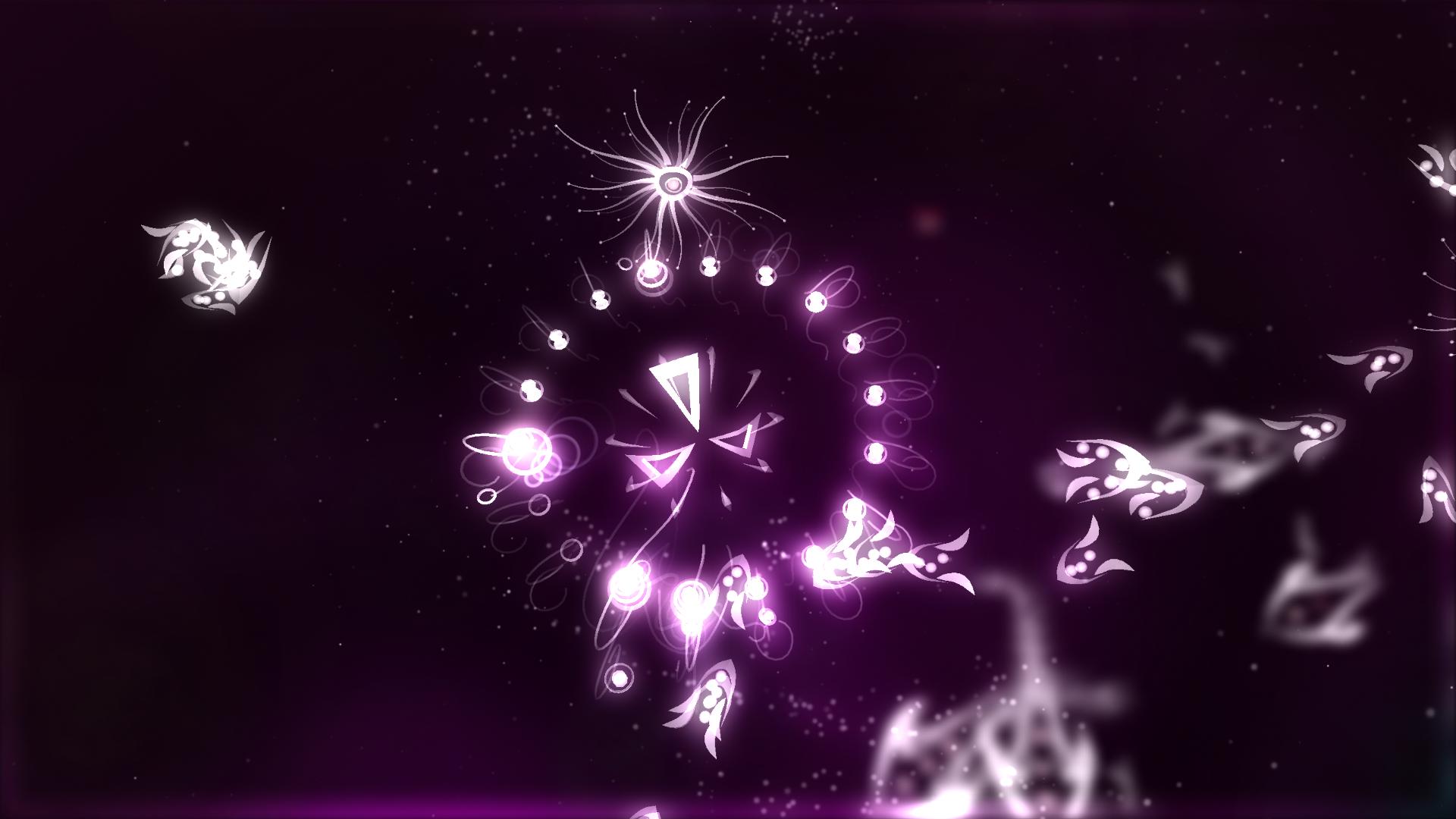
Originally released by Thatgamecompany, flOw is a groundbreaking ambient title that laid the foundation for future masterpieces like Flower and Journey. Set in a hypnotic, multi-layered aquatic biosphere, players guide a organism through various layers of depth, consuming other life forms to grow, evolve, and dive ever deeper into the abyss.

Whether you are playing flOw on PlayStation 3, PlayStation 4, PlayStation Vita, or PC, this complete guide provides everything you need to master the mechanics, understand every playable organism, and achieve 100% completion.

flOw

Understanding the Core Gameplay Loop

The fundamentals of flOw revolve around dynamic difficulty adjustment (DDA) and visual navigation. Rather than relying on traditional health bars or game-over screens, flOw adjusts its challenge based on your layer depth and survival.

  • Diving Deeper: To move down into deeper, more hazardous layers, consume the red-centered orb or organism. Deeper layers feature larger, more aggressive creatures but allow your creature to evolve rapidly.
  • Floating Upward: To escape danger or move back toward safer waters, consume the blue-centered orb. Floating up moves you to a higher, calmer layer.
  • Eating & Evolving: Consuming neutral food particles or aggressive organisms adds segments to your body, increasing your health and overall scale.
  • Taking Damage: When hit by an hostile organism, your creature loses body segments. If you lose all segments, you are automatically pushed up one layer rather than dying.
flOw

Playable Creatures and Special Abilities

There are six distinct creatures in flOw, each unlocking sequentially as you complete the campaign with the previous organism. Every creature features a unique body structure and a distinct special movement triggered by pressing any face button or trigger.

1. Snake Creature (Ed)

dynamics focus on speed and directional movement. The starting organism is versatile and straightforward.

  • Special Ability: Boost. Pressing any action button gives a sudden burst of speed, allowing you to catch quick prey or escape aggressive predators.
  • Strategy: Use short bursts to target the glowing centers of enemy organisms before they can turn to attack.

2. Jellyfish Creature

The second creature moves in rhythm with a pulsing motion and focuses on central area control.

  • Special Ability: Vortex / Spin. Pressing the action button causes the creature to rotate rapidly, pulling nearby food particles and small organisms toward its mouth.
  • Strategy: Activate the vortex in heavily populated clusters to instantly consume multiple particles without needing precise aiming.

3. Speed / Worm Creature

This streamlined organism emphasizes precision strike capabilities and high maneuverability.

  • Special Ability: Latch / Dash. Activating the ability charges forward and locks onto enemy target segments automatically.
  • Strategy: Aim generally toward hostile cores and activate the ability to tear through large enemies segment by segment.

4. Giant / Shield Creature

A bulky, defensive organism built to withstand high levels of aggression from deeper layer organisms.

  • Special Ability: Invulnerability Shield. Activating the ability renders your core completely immune to damage for a short duration while expanding your reach.
  • Strategy: Trigger the shield right before colliding head-on with large aggressive predators to damage them without taking counter-hits.

5. Stealth / Parasite Creature

The fifth creature utilizes tactical approaches, allowing you to paralyze or dominate prey before eating.

  • Special Ability: Invisibility & Paralysis. Pressing the button turns the creature semi-transparent. Touching an enemy while stealthy stuns them completely.
  • Strategy: Go stealthy, drift behind larger organisms, paralyze them, and eat their nodes while they are immobilized.

6. Credits Creature

Unlocked after completing the campaign with all five primary organisms, this final creature allows you to explore the interactive credits level.

Controls & Platform Differences

Depending on the system you use to play flOw, the controls differ slightly:

PlatformMovement ControlSpecial Ability Control
PlayStation 3 / PS4Sixaxis Motion Control / Left Analog StickAny Face Button / Triggers
PlayStation VitaGyroscopic Motion / Left Analog StickAny Front Button / Rear Touchpad
PSPAnalog StickAny Action Button
PC (Original Flash)Mouse PointerLeft Mouse Click

Tips for 100% Completion and Trophies

Achieving full completion in flOw requires mastering both pacifist and aggressive playstyles. Here are essential strategies for collecting all trophies and achievements:

  • Cannibal Trophy: Eat all hostiles in a campaign level without floating up. Take your time on each layer to clear every aggressive organism before touching the red diving orb.
  • Pacifism Trophy: Complete an entire creature stage without eating any other organisms except the red diving orbs. Focus purely on avoiding enemies and descending directly to the bottom.
  • Giant Creature Growth: Maximize your creature's length by consuming every passive white food particle on the upper layers before descending into combat-heavy zones.
  • Friendship Trophy (Local Co-Op): If playing on console versions supporting multiplayer, connect extra controllers to have up to four creatures swimming in the same biosphere simultaneously.

Frequently Asked Questions

Can you die in flOw?

No, you cannot permanently die in flOw. If your creature loses all of its body segments due to enemy attacks, you are simply knocked up to the previous, safer depth layer where you can eat passive food to regrow your body.

How long does it take to beat flOw?

A standard playthrough of flOw takes around 1 to 2 hours to see all creature campaigns. Earning 100% trophy completion typically takes between 3 to 5 hours depending on your familiarity with motion controls.

Is flOw connected to Flower or Journey?

While flOw does not share a direct narrative connection with Flower or Journey, it is considered the spiritual first entry in Thatgamecompany's trilogy of minimalist, emotion-driven game designs.

Conclusion

Even years after its initial release, flOw remains a mesmerizing, stress-relieving journey through adaptive game design. By learning the rhythm of each creature and understanding depth mechanics, you can easily guide every organism to the bottom of the ocean and experience everything this indie classic has to offer.

The Walking Dead: The Telltale Definitive Series Review - The Ultimate Zombie Saga

The Walking Dead: The Telltale Definitive Series Review - The Ultimate Zombie Saga
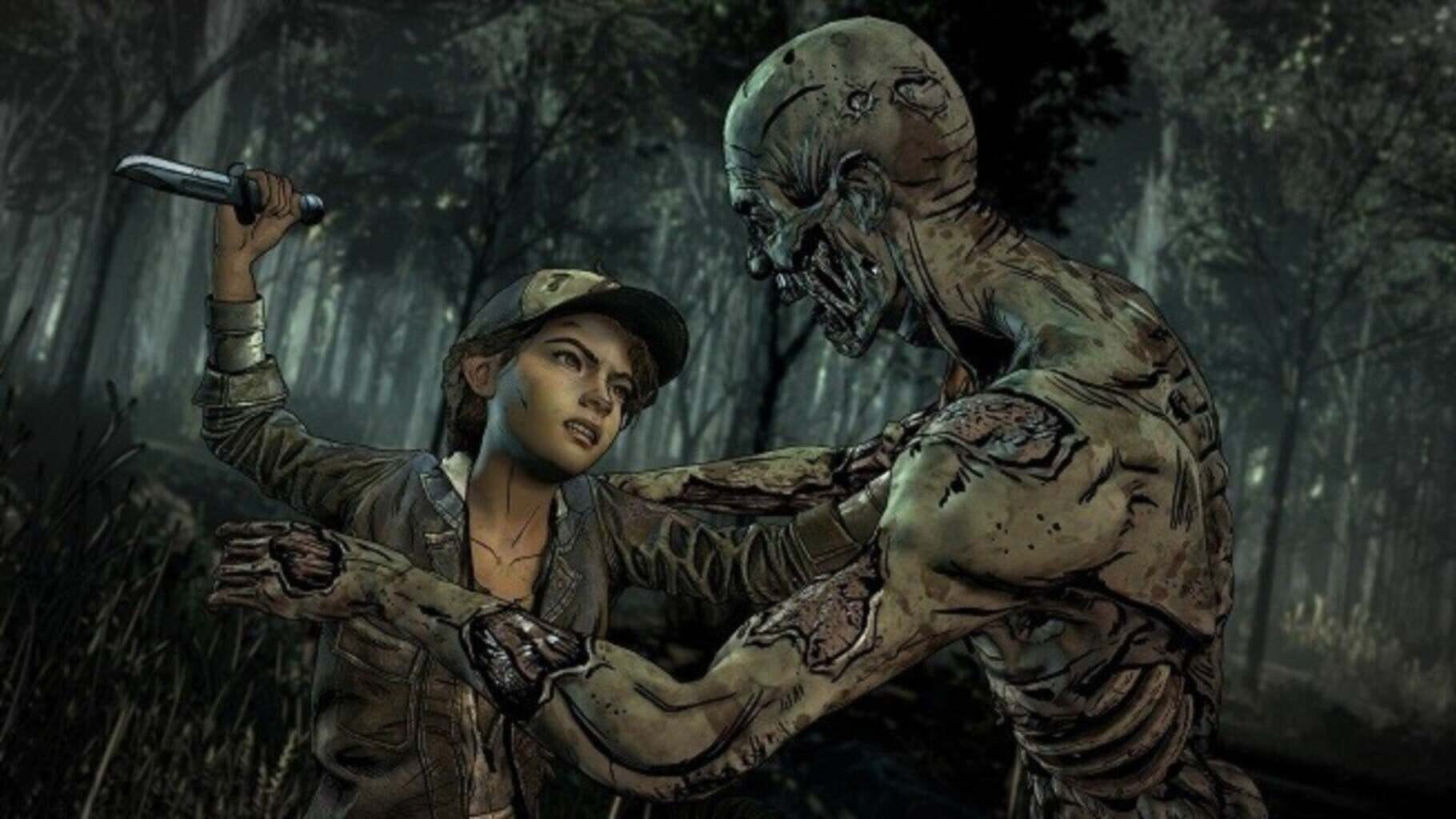
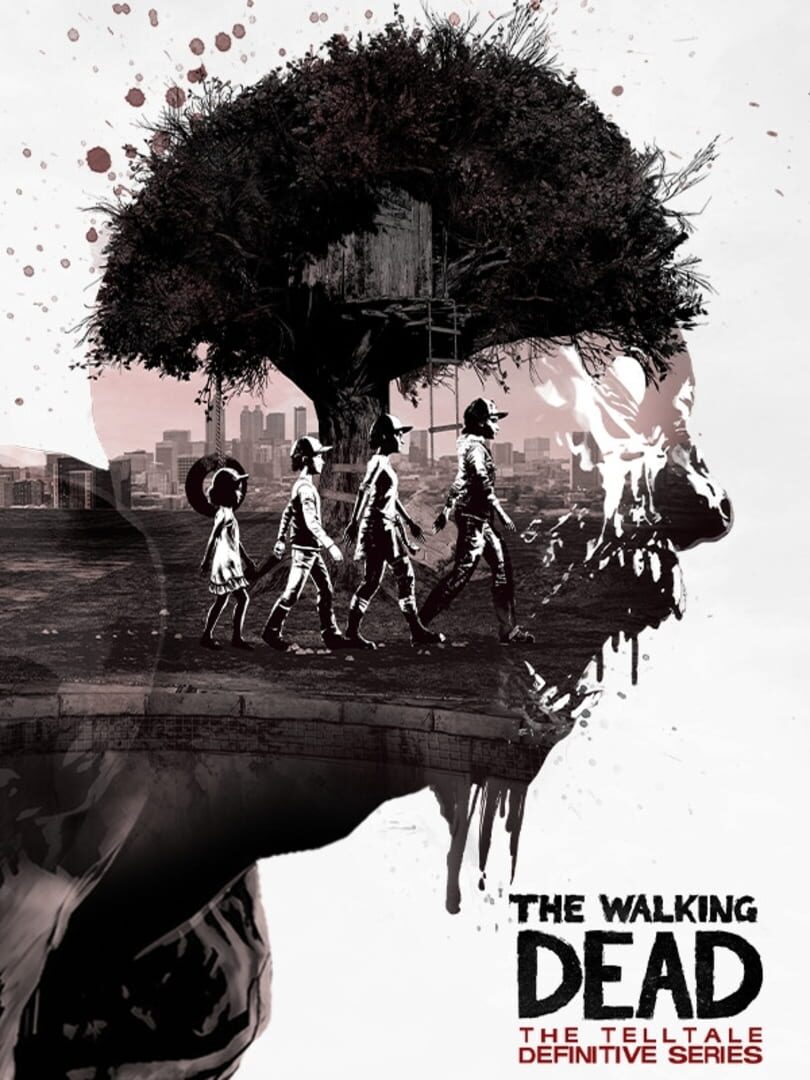
The Walking Dead: The Telltale Definitive Series (2019) Cover

When Telltale Games released the first season of The Walking Dead in 2012, it transformed narrative choice-driven gaming forever. Spanning four main seasons, spin-offs, and numerous emotional choices, the saga of Clementine became one of the most celebrated storylines in modern video game history. Released in 2019, The Walking Dead: The Telltale Definitive Series gathers the complete journey into one polished, masterfully packaged collection. This review explores the context, narrative depth, visual overhauls, platforms, and whether this collection deserves a spot in your library.

Context and Background

The original episodic releases earned critical acclaim for shifting gameplay focus from mechanical skill to deep moral dilemmas and character-driven storytelling. Set within Robert Kirkman's comic book universe, the game series introduced an original cast whose lives intersected with the tragic realities of a world overrun by walkers. The Definitive Series serves as both a celebration and a preserved legacy of this groundbreaking saga, bundling all 23 individual episodes across four full seasons, the 400 Days DLC, and the The Walking Dead: Michonne mini-series.

Developer History: Telltale to Skybound Games

The story behind the game's development is as dramatic as the narrative itself. Original developer Telltale Games faced a sudden studio shutdown in late 2018 while the final season was mid-production. Fans feared Clementine’s story would remain forever unfinished. Fortunately, Skybound Games—a division of Skybound Entertainment founded by Robert Kirkman—stepped in, hiring former Telltale developers (dubbed 'Still Not Bitten') to complete the saga. Skybound subsequently spearheaded this 2019 Definitive Series collection, ensuring the studio's legacy was preserved with enhanced tech and unified presentation.

Story and Narrative: Clementine's Unforgettable Journey

At the core of the experience is the growth of Clementine, whom players first meet as a helpless eight-year-old girl hiding in her treehouse. Guided initially by Lee Everett—a convicted murderer who becomes her protector and surrogate father—Clementine learns what it takes to survive in a broken world.

  • Season 1: Focuses on Lee Everett protecting Clementine while establishing emotional attachment and moral consequences.
  • Season 2: Forces players into Clementine's shoes as a young girl navigating distrustful groups of adult survivors.
  • A New Frontier (Season 3): Expands the scope through Javier Garcia, a former baseball player fighting for his family alongside an older Clementine.
  • The Final Season (Season 4): Brings the story full circle as a mature Clementine takes on the protector role for a young orphan named AJ.

The narrative remains a masterclass in emotional storytelling, character development, and player agency, even when choices ultimately branch back to central plot beats.

Graphics and Visual Improvements

The standalone highlight of the 2019 release is the implementation of the Graphic Black visual style across all previous seasons. Originally introduced in The Final Season, this artistic filter mimics the heavy ink outlines and shadow work of Kirkman’s original comic books.

Key visual enhancements include:

  • Unified Visual Style: Season 1, Season 2, and 400 Days receive enhanced lighting, improved shadow depth, and comic-style outlines.
  • Performance Fixes: Smoother frame rates, improved character animations, and reduced loading times compared to original releases.
  • Bonus Features: Includes over 10 hours of developer commentary, a 3D model viewer, an art gallery, and a full soundtrack player with over 140 tracks.

Playable Platforms

The Walking Dead: The Telltale Definitive Series is widely available, offering smooth performance across multiple console generations and PC:

PlatformFormatNotes
PC (Windows)Digital (Steam, Epic Games Store)Supports 4K resolution and uncapped frame rates.
PlayStation 4Digital & PhysicalPlayable on PlayStation 5 via backward compatibility.
Xbox OneDigital & PhysicalPlayable on Xbox Series X/S via backward compatibility.
Nintendo SwitchDigitalProvides solid handheld performance for on-the-go play.

Final Recommendation

The Walking Dead: The Telltale Definitive Series is the absolute best way to experience one of gaming's greatest stories. The unified visual style breathes fresh life into older seasons, while the inclusion of all spin-off content and behind-the-scenes material makes it an exceptional value for both newcomers and returning fans.

"If you have never experienced Clementine's story, or if you want to relive every heartbreaking choice with modern visual upgrades, this collection is an essential purchase."

Final Score: 9.5 / 10 — A triumphant, emotional farewell to an iconic era of narrative gaming.


The Walking Dead: The Telltale Definitive Series (2019) Screenshot

Ninja Gaiden II (2008) Review: The Ultimate Hack-and-Slash Masterpiece

Ninja Gaiden II (2008) Review: The Ultimate Hack-and-Slash Masterpiece
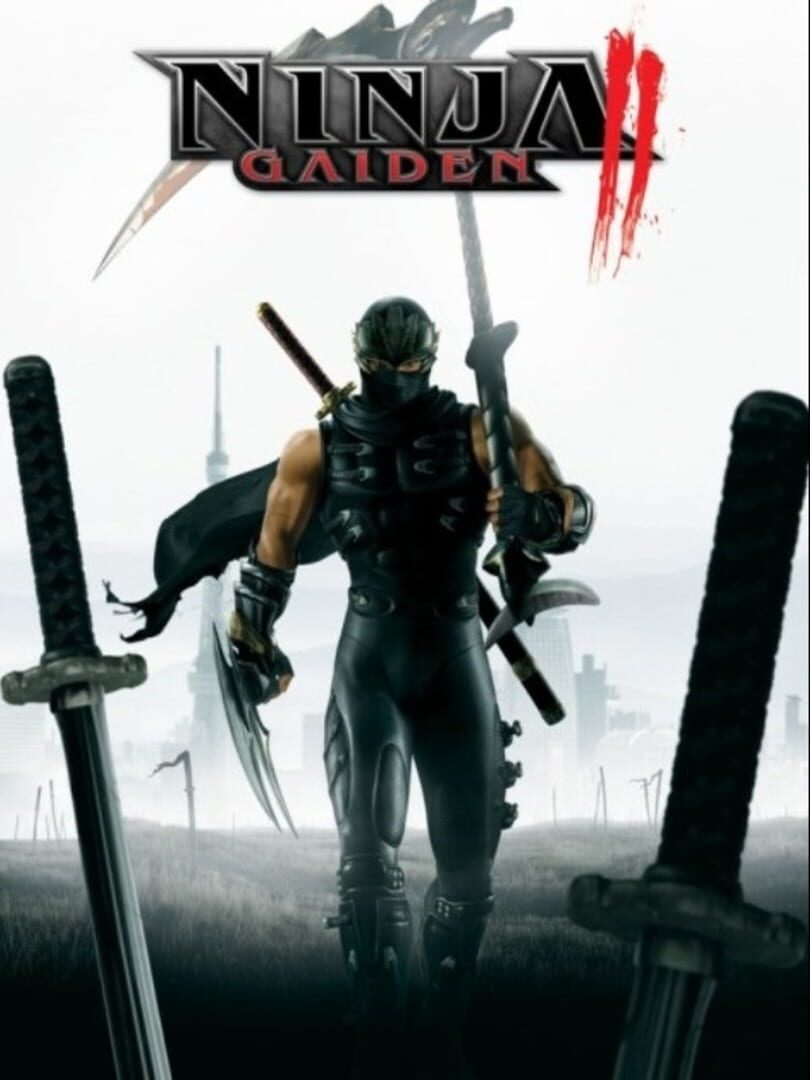
Ninja Gaiden II (2008) Cover

Ninja Gaiden II (2008) Review: A Relentless Masterclass in Action Gaming

When Team Ninja released Ninja Gaiden II on the Xbox 360 in June 2008, action gaming fans were treated to a uncompromising adrenaline rush. Directed by the legendary Tomonobu Itagaki, the title pushed contemporary console hardware to its limit, delivering hyper-fast, challenging, and visceral hack-and-slash combat that remains iconic over a decade later.

Developer & Background Context

Developed by Team Ninja and published by Microsoft Game Studios, Ninja Gaiden II served as the direct sequel to the critically acclaimed 2004 reboot. It was also the final Ninja Gaiden project directed by Tomonobu Itagaki before his high-profile departure from Tecmo. Designed ground-up specifically for the Xbox 360, the game sought to heighten the franchise's intensity through an unprecedented volume of enemies on screen and a revolutionary target-dismemberment system.

Story and Narrative

In Ninja Gaiden II, players control the legendary dragon ninja Ryu Hayabusa. The plot kicks off when CIA agent Sonia informs Ryu that the hostile Black Spider Ninja Clan, led by Genshin, seeks to steal the Demon Statue to resurrect the terrifying Archfiend, Lord Dagra Dai.

Ryu's quest becomes a globe-trotting campaign, taking him from neon-lit Tokyo streets and Venetian canals to the depths of the underworld. While the narrative follows classic action tropes and serves primarily as a setup for intense combat, the world-building, high-stakes cutscenes, and rivalries (particularly between Ryu and Genshin) give the game a strong martial-arts cinematic feel.

Graphics, Gore, and Combat Performance

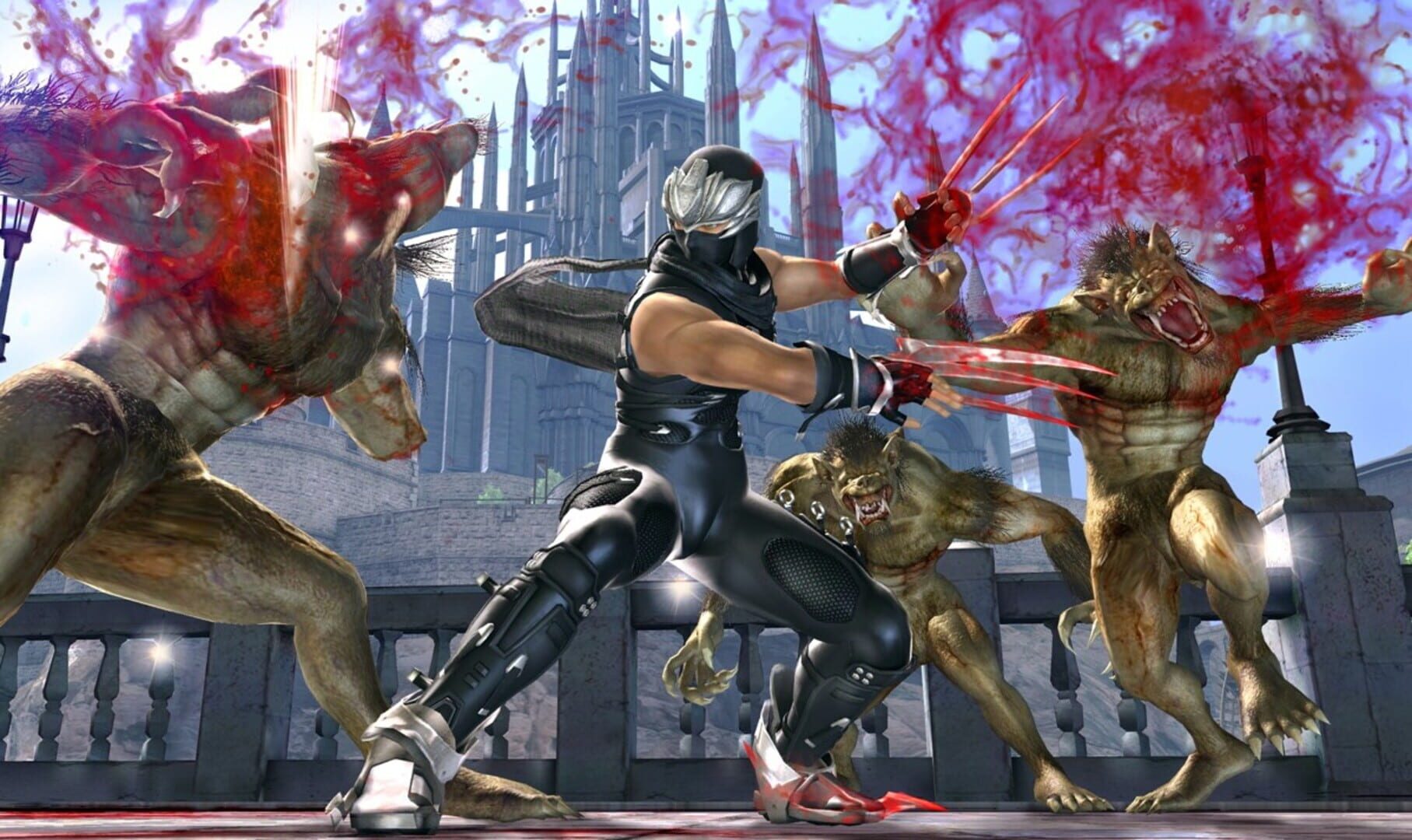
Visually, Ninja Gaiden II was a technical marvel for 2008. The standout feature was its gruesome limb-severing mechanics. Cutting off an enemy's arm or leg did not just look brutal—it dramatically altered combat. Wounded foes would launch desperate suicide attacks, forcing players to execute instant, gory Obliteration Techniques to safely finish them off.

The weapon variety was equally impressive, introducing weapons like the Falcon's Talons, Eclipse Scythe, and Tonfas alongside Ryu's signature Dragon Sword. While the original Xbox 360 hardware struggled with occasional frame drops during heavy encounters, the visual feedback, blood-splattered environments, and fluid animation cycles set a new benchmark for the genre.

Playable Platforms

Depending on how you wish to experience the game, multiple options exist today:

  • Xbox 360: The original target platform and authentic experience.
  • Xbox One / Xbox Series X|S (Recommended): Through backward compatibility, the original 2008 release runs at native 4K on modern Xbox hardware with a locked 60 FPS, eliminating all historical performance issues.
  • Ninja Gaiden Sigma 2 (Ninja Gaiden Master Collection): Available on PC, PS4, Nintendo Switch, and Xbox One. Note that Sigma 2 alters enemy counts, reduces overall gore, rebalances boss fights, and offers a slightly different experience than the 2008 original.

Final Recommendation & Verdict

Verdict: 9/10 — Essential for Action Fans

Ninja Gaiden II (2008) is a triumphant triumph of combat design. Its steep learning curve demands precision, quick reflexes, and tactical weapon usage, making every victory deeply rewarding. If you have access to modern Xbox hardware, playing the original version via backward compatibility is the absolute best way to experience this action classic.

"Ninja Gaiden II stands as a testament to peak 2000s action game design—fast, uncompromisingly difficult, and endlessly satisfying."

Ninja Gaiden II (2008) Screenshot

Dark Souls Beginner Guide: Essential Tips to Survive Lordran

Dark Souls Beginner Guide: Essential Tips to Survive Lordran

Essential Tips to Survive Lordran

Entering the world of Dark Souls for the first time can feel overwhelming. From FromSoftware's relentless enemy placement to opaque mechanics, the game does not hold your hand. However, despite its reputation for brutal difficulty, Dark Souls is inherently fair once you understand its rules. This guide breaks down fundamental concepts, combat strategies, and character building advice to help you survive your journey through Lordran.

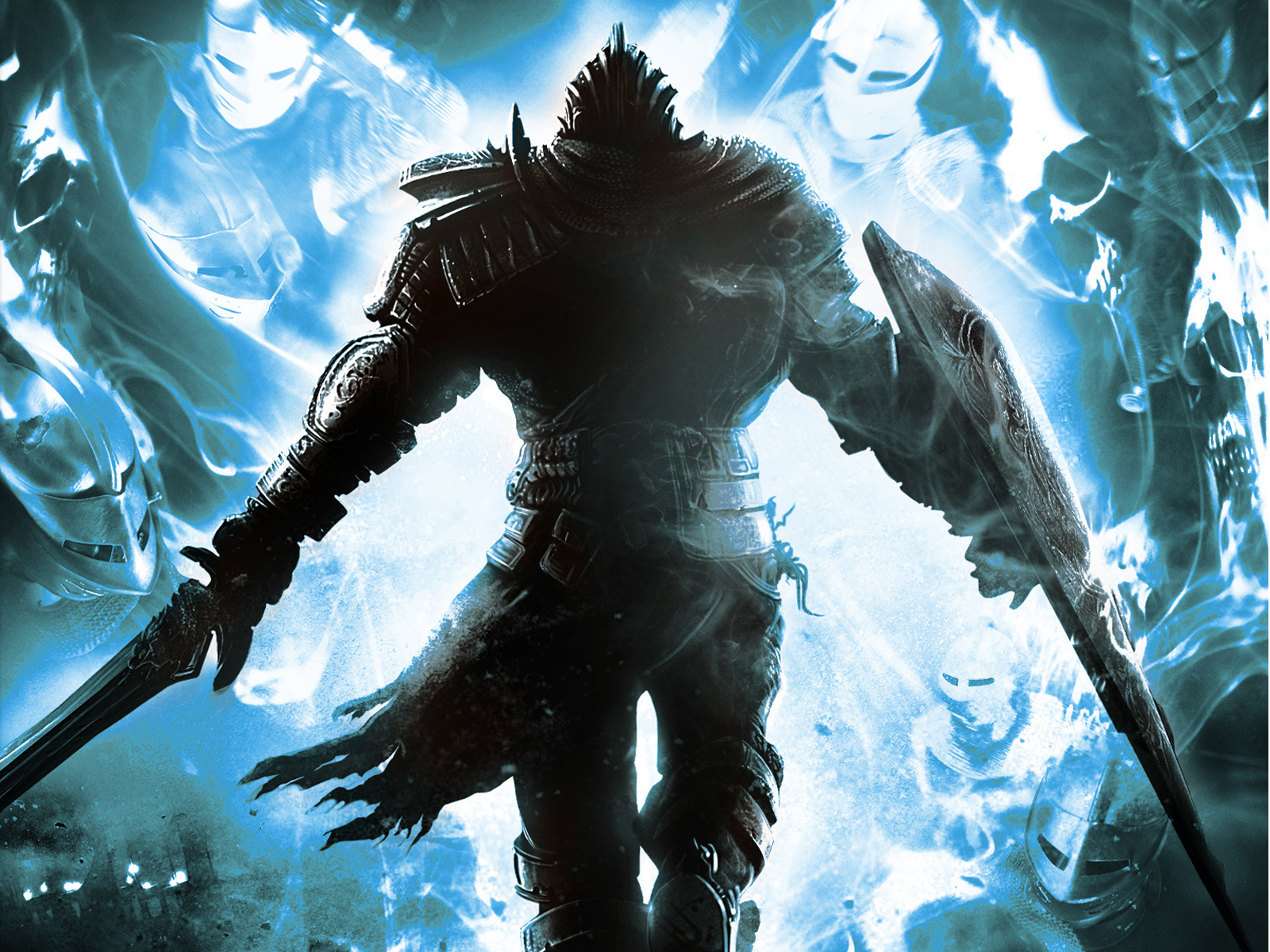
Dark Souls

Choosing Your Starting Class and Gift

When creating your character in Dark Souls, your initial class choice determines your starting attributes and equipment. While any class can eventually evolve into any build, certain choices make the early game smoother for beginners.

  • Knight: Starts with heavy armor and a high health pool, making it ideal for physical combat strategies.
  • Warrior: Offers balanced physical stats and strong early-game weapons.
  • Pyromancer: Excellent choice for newcomers because pyromancy spells do not scale heavily with stats early on, providing strong ranged attacks without heavy stat investment.
  • Sorcerer: Great for players who prefer fighting from a distance, though physical defense is low.

For your starting gift, the Master Key is popular for veterans but can lead beginners into high-level areas prematurely. The Tiny's Ring (extra health) or Witches' Ring (lore interactions) are safer alternatives for a first playthrough.

Mastering Combat Fundamentals

Combat in Dark Souls relies heavily on patience, stamina management, and spatial awareness.

Stamina Control

Your green stamina bar dictates every action: swinging your weapon, blocking, sprinting, and dodging. Lowering your shield speeds up stamina regeneration, so lower your guard between enemy strikes whenever it is safe.

Patience Over Aggression

Button mashing will quickly get you killed. Observe enemy attack patterns, wait for an opening, strike once or twice, and retreat to manage your stamina.

Blocking vs. Dodging

Blocking with a 100% physical defense shield absorbs all physical damage, making early encounters much easier. Dodging provides invincibility frames during rolling, but heavy armor slows your roll speed. Keeping your equipment load under 50% or 25% ensures faster dodge rolls.

Understanding Core Mechanics

Several unique mechanics drive progression and survival in Dark Souls:

  • Souls: Function as both currency and experience points. If you die, you drop your accumulated souls. You have one chance to retrieve them at your death spot; dying again before retrieval permanently loses them.
  • Bonfires: Serve as checkpoints, healing locations, and leveling stations. Resting at a bonfire resets non-boss enemies in the world.
  • Humanity: Used to reverse hollowing at bonfires, allowing you to summon AI or other players for co-op help, but also opening your world to player invasions.
  • Kindling Bonfires: Spending Humanity to kindle a bonfire permanently increases the number of Estus Flask charges you receive when resting there.

Critical Beginner Tips

  • Upgrade Your Weapons: Weapon upgrades at the blacksmith impact your damage output far more than leveling up strength or dexterity stats early in the game.
  • Explore Thoroughly: Secret walls, hidden chests, and shortcuts back to previous bonfires are everywhere in Lordran. Always double-check corners and read developer messages.
  • Don't Be Afraid to Retreat: If an area feels impossibly tough, you may have wandered into a late-game region early. Re-evaluate your path.

Frequently Asked Questions

Is Dark Souls too hard for beginners?

While challenging, Dark Souls is completely manageable with patience, proper stamina management, and weapon upgrades.

What is the best weapon for beginners in Dark Souls?

Standard versatile weapons like the Claymore, Halberd, or Longsword scale extremely well throughout the entire game and feature accessible movesets.

Should I play Dark Souls Remastered or the original?

Playing Dark Souls Remastered is recommended, as it runs at a smooth frame rate, includes quality-of-life improvements, and features integrated DLC content.

Final Thoughts

Conquering Dark Souls is one of the most rewarding experiences in modern gaming. By approaching encounters thoughtfully, managing stamina carefully, and prioritizing gear upgrades, you will overcome the challenges of Lordran and enjoy a monumental gaming journey.

Zombie Apocalypse (2009) Game Review: A Nostalgic Twin-Stick Shooter

Zombie Apocalypse (2009) Game Review: A Nostalgic Twin-Stick Shooter
Zombie Apocalypse (2009) Cover

Zombie Apocalypse (2009) Review: Reliving Konami's Arcade Shooter

During the late 2000s, the video game industry experienced a massive resurgence in arcade-style digital downloads, driven largely by Xbox Live Arcade (XBLA) and the PlayStation Network (PSN). Among the sea of titles riding the cultural wave of zombie media, Zombie Apocalypse (2009) emerged as a simple, fast-paced twin-stick shooter that delivered pure action without pretense.

Developer and Release Platforms

Developed by Nihilistic Software and published by Konami, Zombie Apocalypse was released in September 2009. The game was specifically designed for digital distribution platforms of the seventh console generation. It was made playable on:

  • PlayStation 3 (via PlayStation Network)
  • Xbox 360 (via Xbox Live Arcade)

While the original digital storefronts have evolved, the game remains a memorable piece of the downloadable gaming boom of that era.

Story and Narrative

If you are looking for a deep, emotion-driven narrative, Zombie Apocalypse is not that game. The story is deliberately lightweight and serves purely as a setup for the action. Players control one of four generic survivors—an ex-commando, a young woman, a snarky survivor, and an everyday hero—who find themselves trapped in a world overrun by the undead.

The game unfolds across a span of 55 days (which act as survival waves) in seven distinct environments, including an airport, a lumberyard, and a graveyard. The narrative consists almost entirely of brief radio chatter and character quips, leaning heavily into classic B-movie horror tropes.

Gameplay and Visuals

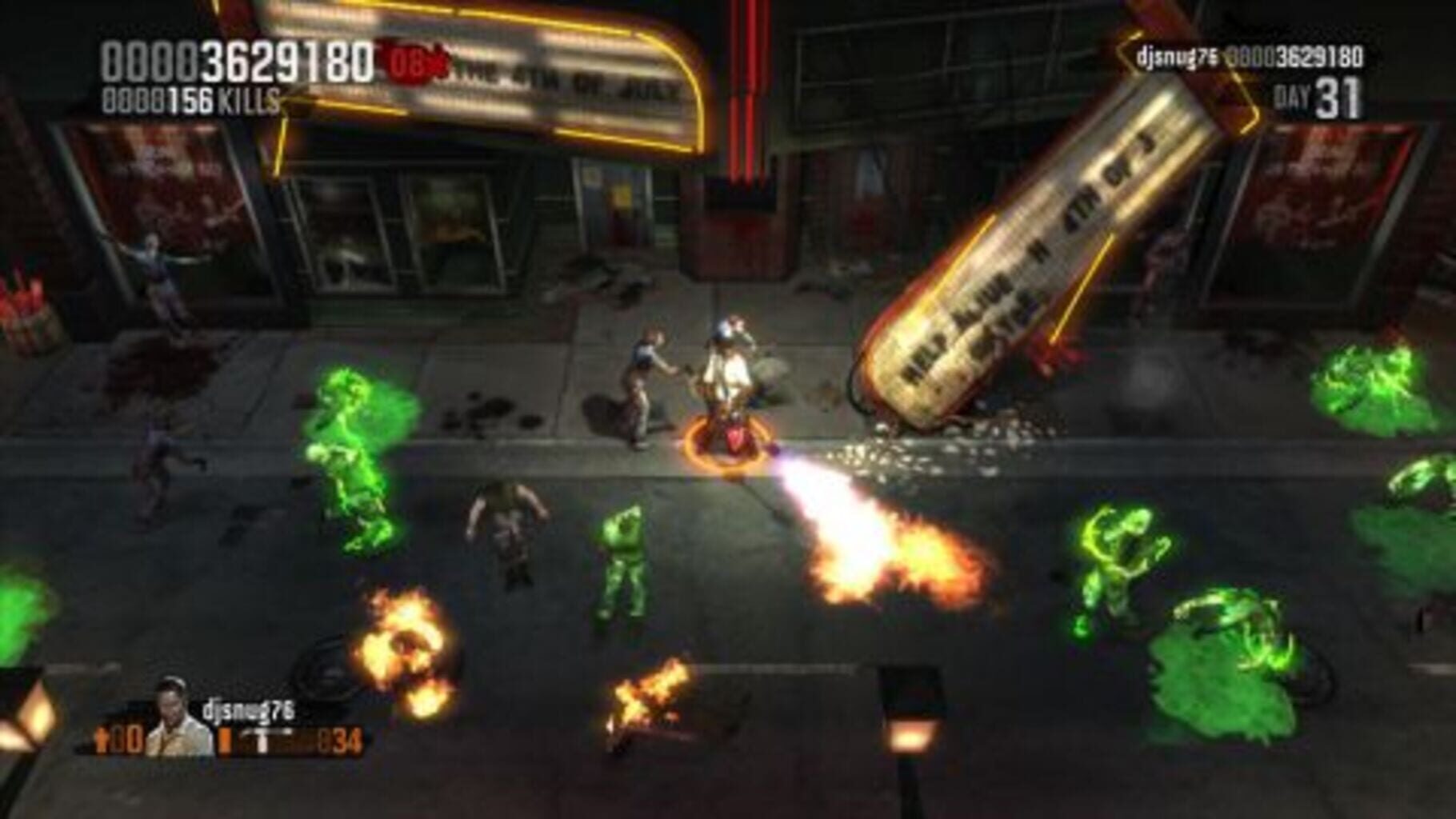
Graphically, Zombie Apocalypse utilizes a fixed top-down perspective standard for the twin-stick shooter genre. For a 2009 digital download, the graphics were crisp, vibrant, and delightfully gory. Environments featured hazards like industrial shredders and jet engines that players could use to incinerate or chop up zombie hordes.

Key features of gameplay and presentation include:

  • Dual-Analog Controls: Smooth movement with the left stick and 360-degree aiming with the right stick.
  • Weapon Arsenal: A fun variety of pickup weapons including shotguns, assault rifles, flamethrowers, chainsaws, and the iconic explosive teddy bear lure.
  • Co-Op Focus: Up to four players could team up locally or online, which made the intense wave-based gameplay significantly more dynamic and entertaining.

Final Recommendation

Verdict: 7.5/10

Zombie Apocalypse (2009) is a frantic, action-packed title that understood its identity. While it lacks narrative depth and can become repetitive in single-player mode, it shines brilliantly as a couch co-op experience. If you enjoy retro twin-stick shooters like Burn Zombie Burn! or Dead Nation, hunting down a copy or digital license of this 2009 gem is well worth your time.


Zombie Apocalypse (2009) Screenshot

Complete Kuon Guide: Walkthrough, Mechanics, and Survival Tips

Complete Kuon Guide: Walkthrough, Mechanics, and Survival Tips
Kuon

Introduction to Kuon

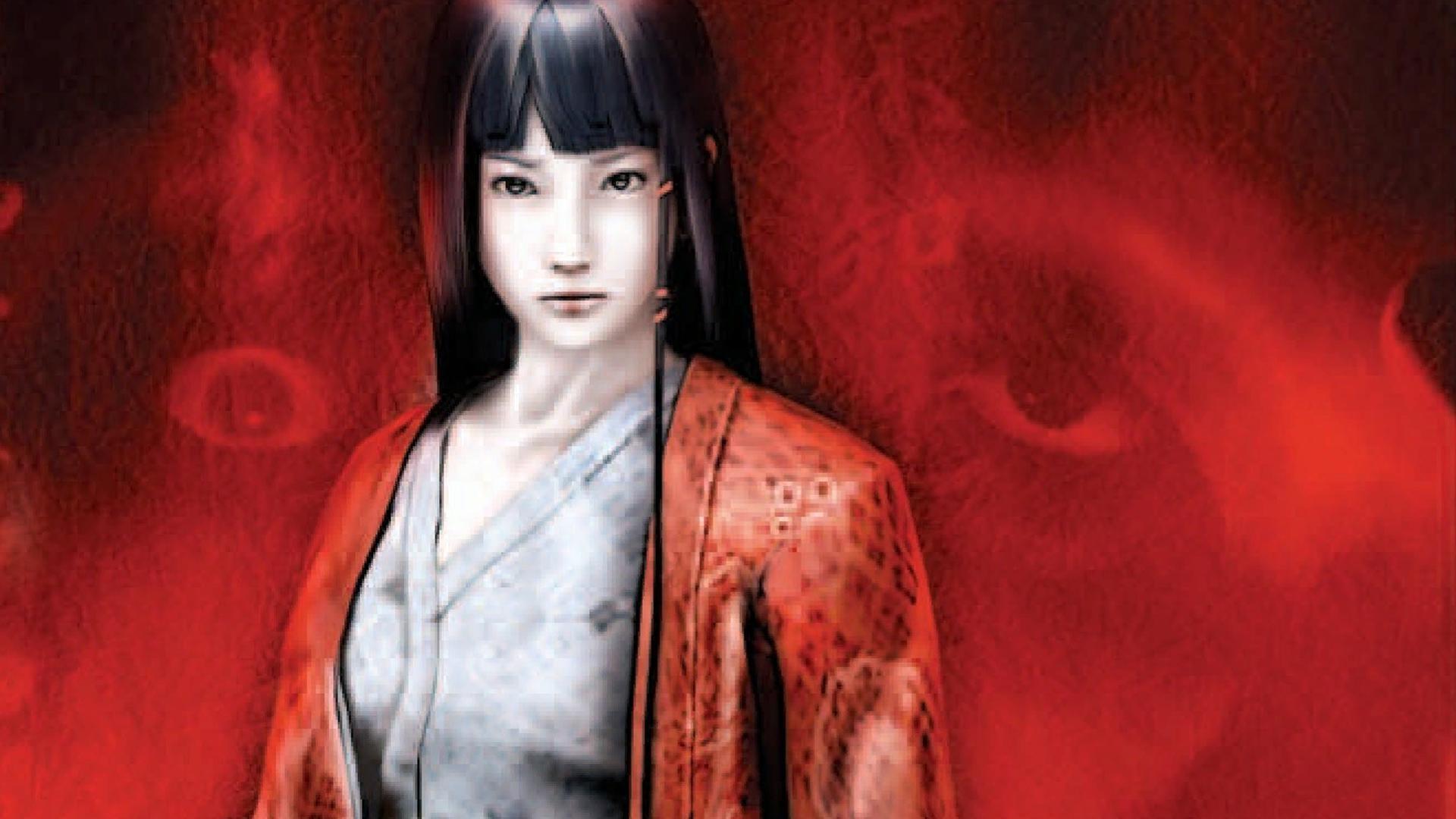
Long before gaining global acclaim for dark fantasy action RPGs like Dark Souls and Elden Ring, developer FromSoftware released a haunting survival horror title on the PlayStation 2 called Kuon. Set in Heian-period Kyoto, Japan, Kuon draws heavy inspiration from classic Japanese ghost stories (Kwaidan) and ancient Onmyodo mysticism. Players navigate the blood-soaked Fujiwara manor, uncovering grim secrets involving dark rituals, mutated monstrosities, and vengeful spirits.

Unlike contemporary horror games such as Resident Evil or Silent Hill, Kuon emphasizes atmospheric dread, stealthy movement, and spell-based combat. This comprehensive guide covers everything you need to know to survive the nightmare, solve tricky puzzles, and conquer all three story phases.

Understanding the Game Structure: The Three Phases

The story of Kuon is divided into three distinct chapters known as Phases. To fully understand the plot and reach the true ending, you must play through all three chapters in sequence.

  • Yin Phase (Utsuki): Available from the start. You control Utsuki, a shrine maiden searching for her father, the famous exorcist Doman, inside the infested Fujiwara manor.
  • Yang Phase (Sakuya): Also available from the start. You play as Sakuya, a talented disciple of Doman who enters the manor alongside her fellow exorcists to investigate the supernatural outbreak.
  • Kuon Phase: Unlocked after completing both the Yin and Yang phases. This final chapter ties the narrative threads together and leads to the game's ultimate conclusion.

Core Gameplay Mechanics and Survival Strategies

Surviving Kuon requires a clear understanding of its unique mechanics. Standard survival horror tactics will not always work here.

1. Running vs. Walking (The Tempests)

Running in Kuon creates sound waves that attract nearby ghouls and evil spirits. More importantly, running causes your character to experience "Tempests"—sudden psychological shocks that blur the screen, disorient your movement, and leave you vulnerable to attacks. Always walk when exploring unknown hallways or when enemies are nearby.

2. The Meditation Healing Mechanic

Unlike traditional survival horror titles where healing items are scarce, Kuon offers a infinite standing heal option. By standing completely still in a safe location and pressing the designated Meditation button, your character will focus their spiritual energy and restore health over time. Save your consumable healing bandages for mid-combat emergencies.

3. Spell Cards (Ofuda) and Melee Combat

Combat relies on two offensive options: physical melee weapons and magical spell cards (Ofuda).

  • Melee Weapons: Utsuki uses a short dagger (knife) while Sakuya wields a longer fan dagger. Melee attacks are weak and put you in close proximity to danger, making them best used as a last resort.
  • Summon Cards: These cards summon magical creatures (such as fire hounds, stone guardians, or spectral serpents) to attack enemies or draw their attention.
  • Attack Cards: These throw elemental spells, such as fireballs or ice spikes, directly at targets for high damage.

Essential Walkthrough Tips by Phase

Yin Phase (Utsuki) Key Advice

Utsuki starts with weaker physical attacks but gains access to powerful summon cards early on. Keep your distance from enemies and utilize fire-based attack cards against flesh-bound ghouls. Pay close attention to environmental clues left on traditional paper scrolls, as they reveal secret paths through the manor's sprawling courtyards.

Yang Phase (Sakuya) Key Advice

Sakuya possesses better melee reach and starts with a wider array of defensive spells. Her story path features heavier combat encounters against multiple enemies simultaneously. Make frequent use of the Meditation system between encounters to ensure you enter every room with full health.

Kuon Phase Key Advice

The final phase is shorter but features the highest concentration of difficult bosses and lethal traps. Conserve your highest-level summoning cards (such as the Fire Horse and Great Ape cards) exclusively for the final encounters in the subterranean altar rooms.

Puzzle Solutions and Key Locations

Puzzles in Kuon rely heavily on ancient Japanese astrology, Onmyodo symbolism, and environmental observation. Here are solutions to the most troublesome obstacles in the game:

  • The Zodiac Wheel Puzzle: Align the astrological animal symbols according to the seasonal chart found in the library scroll. The order corresponds to Spring (Tiger/Rabbit), Summer (Dragon/Snake), Autumn (Monkey/Rooster), and Winter (Pig/Rat).
  • The Twin Dolls Puzzle: Match the kimono patterns on the ceremonial dolls to the altar paintings. Placing the wrong doll triggers a dangerous ghoul spawn.
  • The Underground Water Lock: To drain the flooded passage in the manor's lower levels, set the wooden valves to match the cardinal directions marked on the Onmyoji map: North (Black Tortoise), South (Vermilion Bird), East (Azure Dragon), West (White Tiger).

Frequently Asked Questions

Frequently Asked Questions

Is Kuon connected to other FromSoftware titles like Sekiro: Shadows Die Twice?

While Kuon and Sekiro: Shadows Die Twice both draw from Japanese mythology and historical periods, they are entirely separate universes. However, fans of FromSoftware can spot early stylistic choices and thematic elements in Kuon that later influenced titles like Bloodborne.

How long does it take to complete Kuon?

A typical playthrough taking in the Yin, Yang, and Kuon phases takes approximately 8 to 12 hours depending on how thoroughly you explore and how quickly you solve the environmental puzzles.

Can you save anytime in Kuon?

No, saving requires finding specific prayer altars containing divine water (Human Headed Spider basins). You must use special paper offerings at these shrines to record your progress.

Final Thoughts

Although it remains one of FromSoftware's rarest and most hidden gems, Kuon stands as a unique, atmospheric highlight of the PlayStation 2 survival horror era. By taking advantage of the Meditation healing system, walking quietly through haunted corridors, and managing your elemental spell cards effectively, you can uncover the dark truth behind the Fujiwara estate and survive the horrors within.

Mario Paint (1992) SNES Review: Nintendo's Ultimate Creative Masterpiece

Mario Paint (1992) SNES Review: Nintendo's Ultimate Creative Masterpiece

Mario Paint (1992) SNES Review: Nintendo's Ultimate Creative Masterpiece

Released in 1992 for the Super Nintendo Entertainment System (SNES), Mario Paint remains one of the most innovative and memorable experiments in console gaming history. Packaged exclusively with the hardware peripheral known as the Super NES Mouse and a hard plastic mousepad, Mario Paint transformed home gaming consoles from pure arcade challenges into creative digital art studios.

Context and Historical Significance

In the early 1990s, video game consoles were primarily seen as dedicated action machines. Nintendo shattered this perception by releasing Mario Paint, bridging the gap between personal computer productivity software and home video games. It introduced millions of children and gamers to digital art creation, animation basics, and digital music composing long before user-friendly computer graphics programs were mainstream in homes.

Story and Narrative: Pure Creative Freedom

Unlike traditional games featuring Mario, Mario Paint completely dispenses with a narrative or princess-rescuing storyline. Instead, players are given absolute freedom to paint, draw, design stamps, compose music, and create short frame-by-frame loop animations. For those seeking structured gameplay, the game features the famously addictive minigame Gnat Attack (Coffee Break), where players use the mouse to swat waves of pests with a flyswatter before facing a giant boss fly.

Graphics, Sound, and the Iconic Music Composer

Visually, Mario Paint displays vibrant 16-bit pixel art tools, customizable palettes, and playful UI elements featuring Mario and friends. However, its sound design is where it truly shines. Beyond its sound effects—such as barking dogs, meowing cats, and popping bubbles mapped to drawing brushes—the included Music Generator allowed users to create full musical compositions using custom instrument icons. Composer Kazumi Totaka provided the unforgettable soundtrack, which famously included "Totaka's Song" hidden behind the letter 'O' in the title screen.

Developer and Key Figures

Mario Paint was co-developed by Nintendo R&D1 and Intelligent Systems. Key directors Hirofumi Matsuoka and Satoshi Yamato, under the guidance of producer Shigeru Miyamoto, crafted an accessible UI that felt inviting rather than technical. The game's creative spirit laid early groundwork for future creator titles like Super Mario Maker and WarioWare.

Platforms: Where to Play Mario Paint

Currently, official platform availability for Mario Paint is limited due to its reliance on mouse inputs:

  • Super Nintendo Entertainment System (Original Hardware): Requires the original SNES controller mouse or compatible third-party trackball peripherals.
  • Emulation & MiSTer FPGA: Playable on modern retro emulation systems with mapping support for modern USB computer mice.

Final Verdict & Recommendation

Mario Paint is more than a nostalgic novelty; it is a foundational milestone for user-generated content in video games. While its low-resolution canvas and basic animation tools show their age, its charm, top-tier sound design, and fun minigames make it a joy to revisit. Recommendation: 8.5/10 — A must-play retro title for historians, art enthusiasts, and fans of unique Super Nintendo history.

Follow my social medias to unlock these coupons.

CLICK HERE, UNLOCK VIP COUPONS!