Context: A Epic Conclusion to a Legendary Trilogy
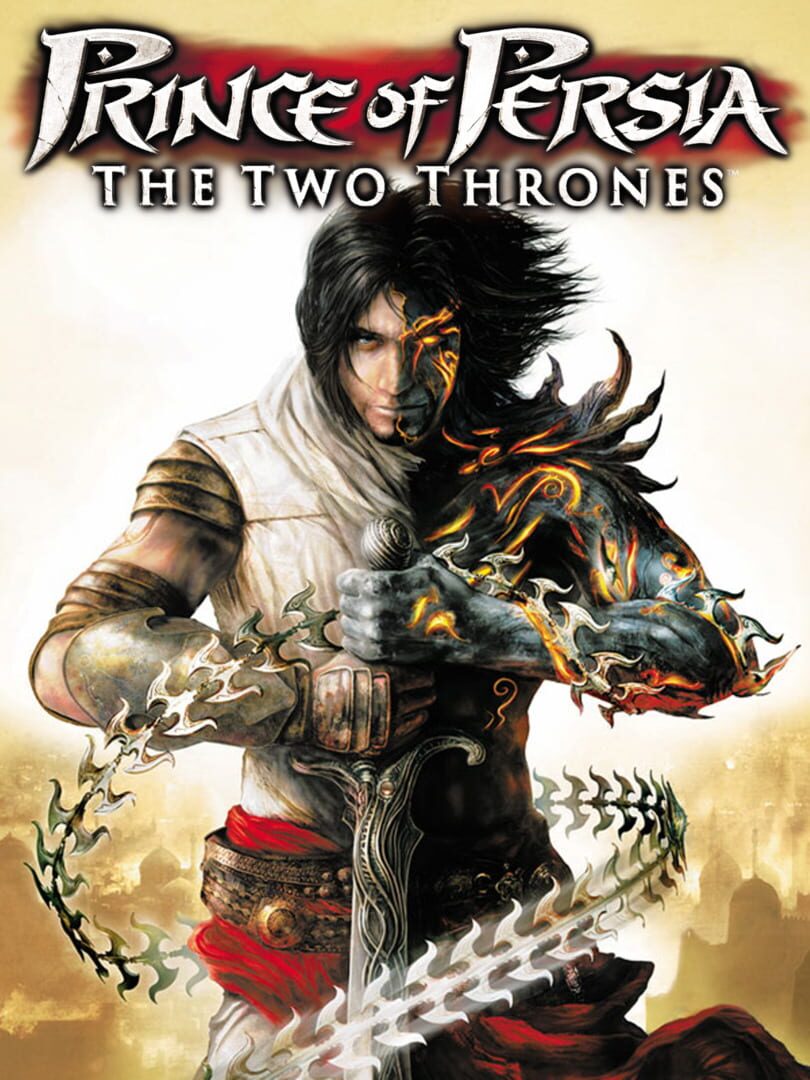
Released in 2005, Prince of Persia: The Two Thrones marked the dramatic conclusion to Ubisoft's iconic Sands of Time trilogy. Following the magical, fairytale-like tone of The Sands of Time (2003) and the heavily dark, metal-inspired style of Warrior Within (2004), The Two Thrones aimed to strike a perfect balance. It brought back the oriental charm and emotional depth of the first entry while retaining the aggressive combat system introduced in the second, creating a fitting finale for one of gaming's greatest heroes.
Developer and Original Release
The game was developed primarily by Ubisoft Montreal, with assistance from Ubisoft Casablanca. Known for pushing the boundaries of 3D platforming and fluid animation during the sixth generation of video game consoles, Ubisoft delivered a highly polished experience that refined all the core mechanics built over the previous two titles.
Story and Narrative: A Divided Soul
The narrative picks up immediately after the canonical ending of Warrior Within. The Prince returns home to Babylon alongside Kaileena, the Empress of Time, seeking peace and redemption. However, upon arrival, he finds his city engulfed in war, besieged by the army of the evil Vizier, who has cheated death.
Tragedy strikes quickly: Kaileena is captured and murdered by the Vizier to unleash the Sands of Time once more. As the Sands corrupt Babylon, the Prince is infected, giving rise to an inner alter-ego known as the Dark Prince. Voice actor Yuri Lowenthal returns to voice the noble Prince, while Rick Miller provides the sinister, sarcastic internal voice of the Dark Prince. This constant internal dialogue creates a captivating psychological narrative as the Prince battles both external invaders and his own dark impulses.
Gameplay & Mechanics: Dual Identities and Speed Kills
Prince of Persia: The Two Thrones introduced several groundbreaking gameplay mechanics that elevated the series' signature parkour and combat:
- Speed Kills: A brand-new stealth mechanic that allowed players to perform context-sensitive, cinematic stealth assassinations using timed button prompts.
- The Prince Form: Focuses on traditional sword combat, agile wall-running, dynamic platforming, and manipulating time using the iconic Dagger of Time.
- The Dark Prince Form: Triggered during specific narrative sections, turning the Prince into a aggressive beast equipped with the Dagger Tail—a mid-range whip used to lash enemies and pull lever mechanisms across far chasms.
- Chariot Races: Fast-paced high-speed action sequences through the streets of Babylon, adding variety to the platforming and combat loop.
Graphics, Audio, and Atmosphere
Visually, The Two Thrones was a showcase for the late PS2 and Xbox era. Babylon was rendered with impressive scale, featuring crumbling towers, burning streets, and intricate palace rooftops. The artistic direction masterfully combined warm Arabian gold hues with gritty smoke and dark corruption.
The soundtrack scored by Inon Zur and Stuart Chatwood seamlessly blended Middle Eastern instruments with cinematic orchestral themes, providing an epic acoustic backdrop for the adventure.
Platforms: Where Can You Play It Today?
Originally launched across major 2005 platforms, the game is widely accessible through multiple generations:
- Original Platforms: PlayStation 2, Xbox, Nintendo GameCube, and Microsoft PC.
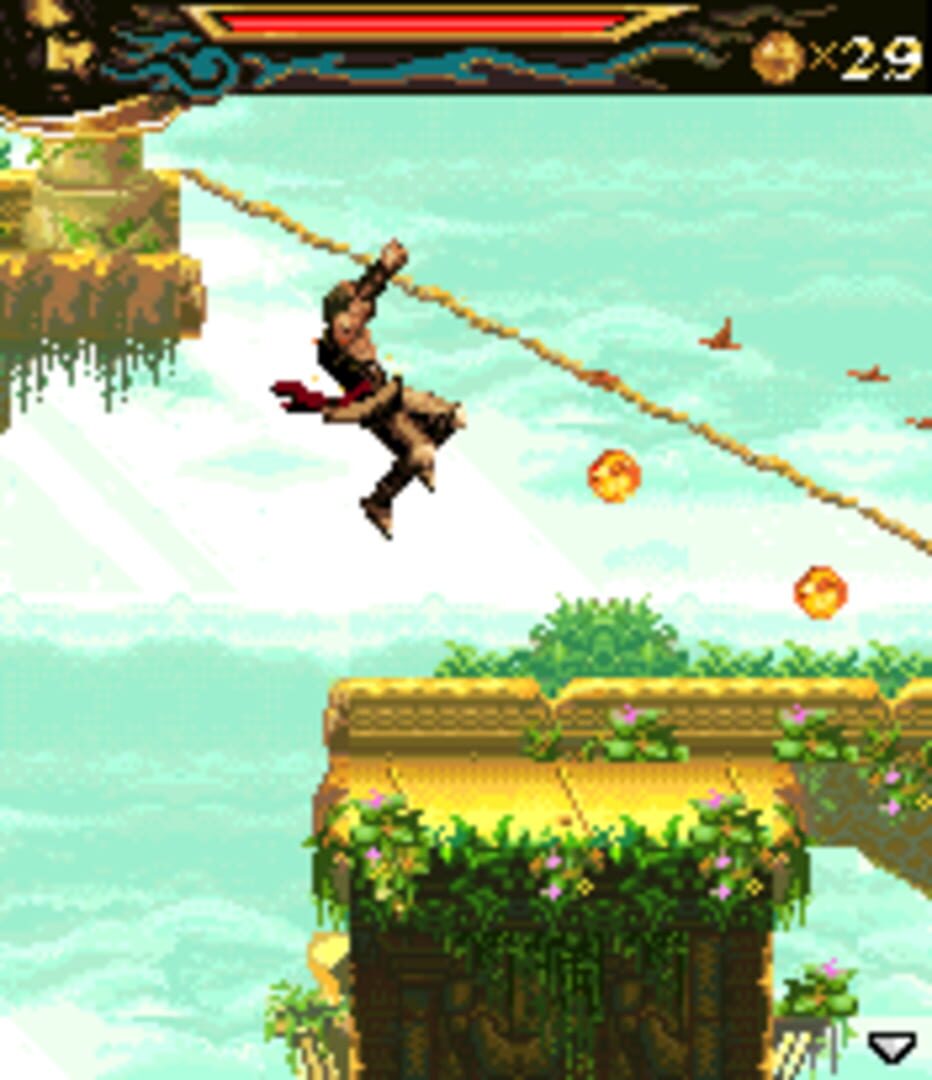
- Ported Versions: PlayStation Portable and Nintendo Wii (released as Prince of Persia: Rival Swords).
- Remasters: PlayStation 3 (part of the Prince of Persia Trilogy HD).
- Modern PC Playability: Available digitally via Steam and GOG, running smoothly on modern Windows systems with minor community patches for widescreen support.
Final Verdict & Recommendation
Prince of Persia: The Two Thrones successfully bridges the gap between story-driven platforming and intense action combat. By addressing fan feedback from previous titles and introducing the Dark Prince internal conflict alongside stealth mechanics, Ubisoft crafted a memorable, fitting end to a celebrated trilogy.
Final Score: 9/10 — Highly recommended for fans of retro action-adventure games, parkour mechanics, and rich cinematic storytelling.