


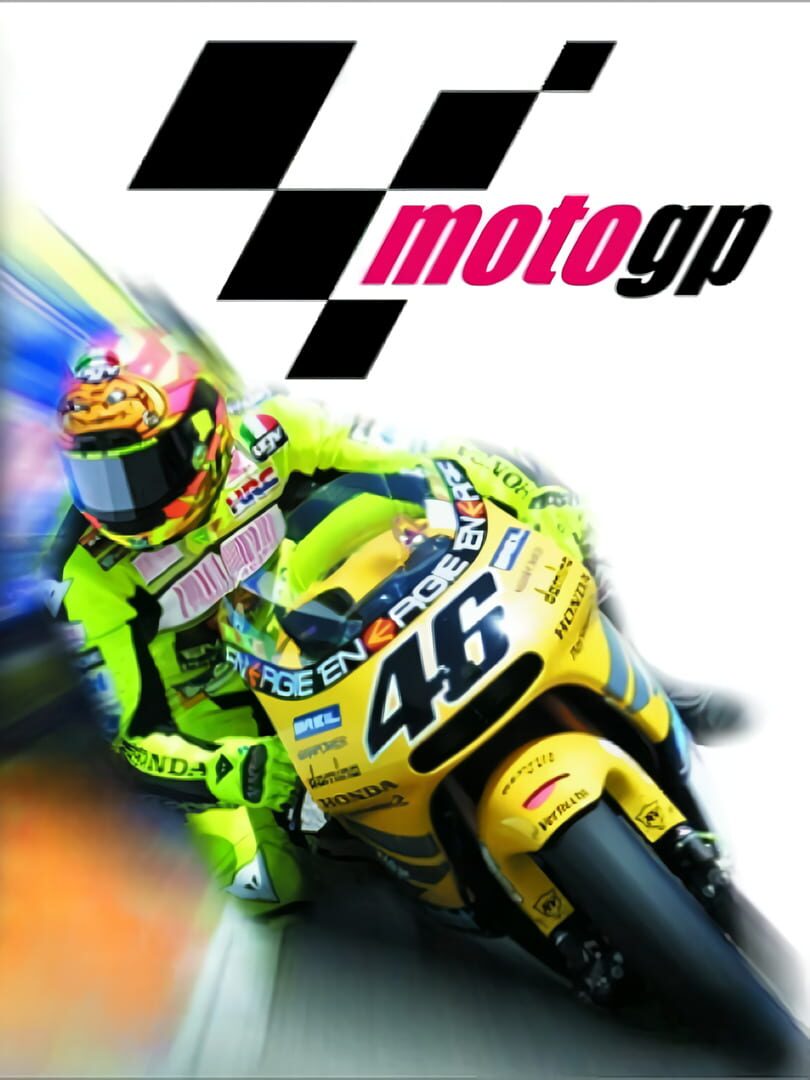
Introduction and Historical Context
In 2002, grand prix motorcycle racing underwent a major transformation as the premier class transitioned from classic 500cc two-stroke bikes to high-powered 990cc four-stroke machines under the newly rebranded MotoGP banner. Capturing this pivotal moment in motorsport, the MotoGP (2002) video game arrived on home consoles, providing racing fans with a thrilling blend of simulation accuracy and accessible arcade physics during a golden age for racing games.
Developer and Playable Platforms
Depending on the platform, the game was delivered by different industry pioneers, creating a unique legacy across systems:
- Developer (Xbox & PC): Developed by Climax Studios and published by THQ. This version became famous for demonstrating the power of the original Xbox and launching early online console gaming via Xbox Live.
- Developer (PlayStation 2): Developed and published by Namco, focusing on official championship licenses and technical arcade-style precision.
- Playable Platforms: Microsoft Xbox, PlayStation 2, and Microsoft Windows PC.
Story and Narrative: The Career Mode Journey
While early 2000s sports simulators lacked cinematic narratives, MotoGP (2002) crafted a compelling personal storyline through its deep Career Mode. Players create a custom rider, design custom liveries, choose suit colors, and allocate attribute points earned from track challenges. The narrative is your personal rise through the ranks—starting as a unknown wildcard entrant and climbing the leaderboard to challenge legendary champions like Valentino Rossi, Max Biaggi, and Tohru Ukawa across official world circuits.
Graphics, Visuals, and Audio Performance
Visually, MotoGP (2002) set a remarkably high standard for its generation. The Xbox and PC editions pushed high resolutions and butter-smooth 60 frames-per-second performance, featuring highly detailed motorcycle models, realistic lean-angle physics, dynamic lighting, and wet weather effects with rain-slicked asphalt reflections. Complementing the graphics is an authentic audio design that clearly distinguishes the high-pitched scream of two-stroke engines from the deep, aggressive roar of the new four-stroke 990cc engines.
Gameplay Mechanics: Balancing Simulation and Speed
The core gameplay succeeded by introducing separate controls for front and rear brakes, encouraging precise cornering lines and careful throttle control to prevent high-side crashes. Legendary real-world tracks like Mugello, Jerez, Donington Park, and Phillip Island were recreated faithfully, demanding precision and timing from every player.
Final Recommendation and Verdict
Is MotoGP (2002) still worth playing today? Absolutely. For retro racing fans, motorcycle enthusiasts, and gaming historians, MotoGP (2002) stands out as one of the best motorcycle racers ever made. It offered a perfect balance between challenge and pure adrenaline while pioneering online multiplayer racing.
Final Verdict: 8.5/10 — A landmark title that defined two-wheeled racing games for years to come.

