


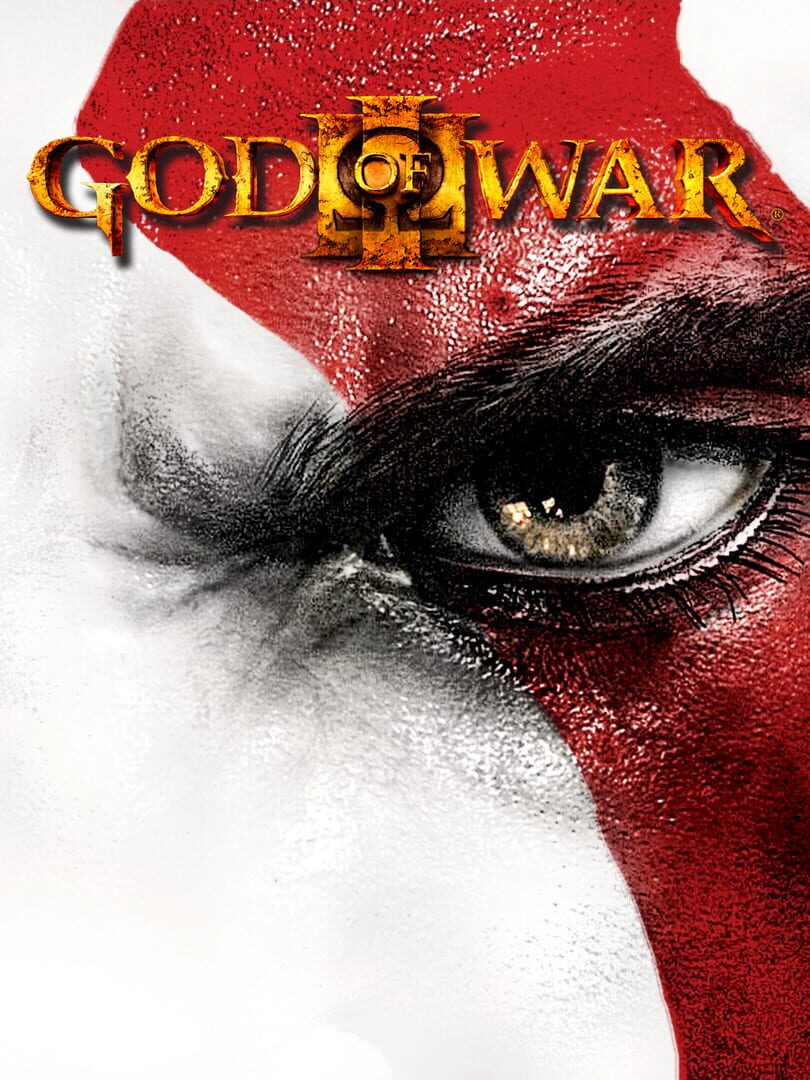
Introduction and Historical Context
When God of War III launched in March 2010, expectations were astronomically high. As the concluding chapter of Kratos’ initial trilogy focused on Greek mythology, the game had to deliver a satisfying climax to years of brutal, narrative-driven action. Following the success of the first two installments on the PlayStation 2, this title marked the franchise’s debut on the PlayStation 3 hardware, setting a new benchmark for scale, violence, and cinematic spectacle in the action-adventure genre.
The Masterminds Behind the Game: Developer Overview
Developed by Sony’s renowned Santa Monica Studio and directed by Stig Asmussen, God of War III showcased the developer’s ability to push hardware to its absolute limits. Santa Monica Studio designed a custom engine tailored specifically for the PlayStation 3’s complex Cell Processor, enabling dynamic lighting, intricate character models, and massive multi-stage boss fights that seamlessly integrated gameplay with cinematic camera angles.
Story and Narrative Arc
Picking up immediately from the cliffhanger ending of God of War II, the story begins with Kratos riding on the back of the Titan Gaia as they scale Mount Olympus to overthrow the gods. Driven by an uncompromising desire to destroy his father, Zeus, Kratos cuts a bloody path through the pantheon, including Poseidon, Hades, Helios, Hermes, and Hercules.
While the central theme is an unyielding tale of retribution, the narrative also explores the consequences of blind vengeance. As each god falls, environmental catastrophes plague Greece—floods, eternal night, and plagues overrun the mortal world. Amidst the chaos, Kratos encounters Pandora, who becomes the emotional anchor of the story, forcing the Ghost of Sparta to confront the remnants of his humanity.
Graphics, Scale, and Technical Feats
Even years after its initial launch, the visual presentation of God of War III remains striking. The game introduced scale on a level rarely seen before, featuring boss fights fought directly on the bodies of moving Titans. High-definition character textures detailed Kratos’ scars, muscle deformations, and blood spatters in real-time. Coupled with dynamic camera shifts and cinematic framing, the game offered a relentless visual presentation devoid of immersion-breaking loading screens.
Where to Play: Available Platforms
Over the years, Sony has ensured that God of War III remains accessible across multiple generations of PlayStation hardware:
- PlayStation 3 (2010): The original release platform, running at dynamic frame rates up to 720p resolution.
- PlayStation 4 (2015): Released as God of War III Remastered, offering a crisp 1080p resolution targeted at a smooth 60 frames per second, complete with a dedicated Photo Mode.
- PlayStation 5: Playable via backward compatibility using the PlayStation 4 Remastered edition, delivering rock-solid performance.
- PC / Cloud Streaming: Accessible via PlayStation Plus Cloud Streaming services on supported devices.
Final Recommendation and Verdict
God of War III is a masterclass in action game design. Its combat system is refined and fluid, offering iconic weapons like the Blades of Exile, the Nemean Cestus, and the Claws of Hades. Combined with exhilarating puzzle design, grand atmospheric soundtrack, and unforgettable boss encounters, it represents the pinnacle of fixed-camera hack-and-slash games.
“In the end, there will be only Chaos.” — God of War III
Verdict: 9.5/10. Whether you are a newcomer eager to experience Kratos’ original roots or a veteran replaying the classic, God of War III (especially in its Remastered form) is an essential play for any action gamer.

