


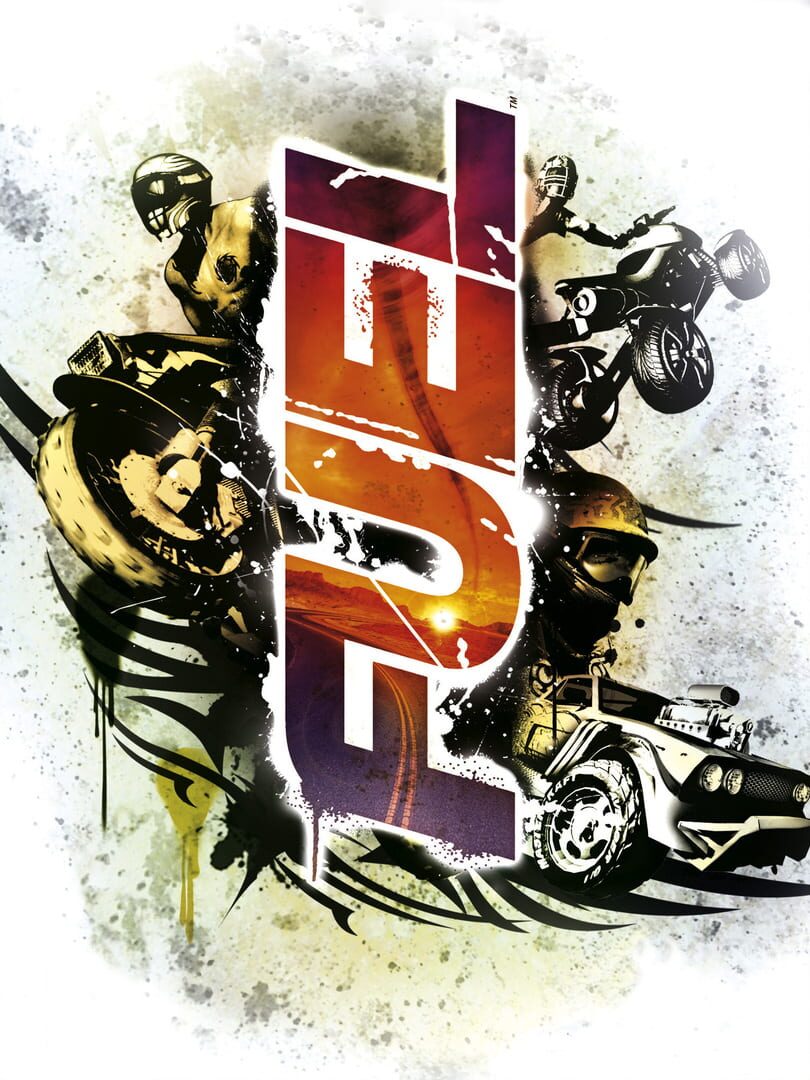
In 2009, publisher Codemasters and developer Asobo Studio released Fuel, an ambitious open-world racing game that promised an unprecedented sense of scale. Earning a Guinness World Record for the largest playable area in a console game at the time, Fuel presented gamers with over 5,560 square miles (14,400 square kilometers) of seamless terrain. But does this massive post-apocalyptic racer hold up years after its release? Here is our full review covering the game's context, story, graphics, platforms, and final verdict.
Game Overview & Context
During the late 2000s, open-world game design was evolving rapidly. While titles like Burnout Paradise redefined arcade driving within a single city, Fuel aimed much higher geographically. Set in an alternate timeline where environmental collapse has ravaged North America, the game turned extreme climate events and desolate wilderness into a vast racing playground. It stood out as a bold experiment in procedural generation and streamable asset management on seventh-generation hardware.
Developer & Platforms
Fuel was developed by French outfit Asobo Studio, a team that would later gain world renown for titles such as A Plague Tale: Innocence and Microsoft Flight Simulator (2020). The game was published by racing veteran Codemasters.
Fuel is officially available on the following platforms:
- Microsoft Windows (PC)
- PlayStation 3
- Xbox 360
Note: Digital PC versions (such as those formerly on Steam) relied on the defunct Games for Windows – LIVE service, making physical copies or community patches necessary to play smoothly on modern PCs.
Story and Narrative Setting
While narrative takes a backseat to sandbox exploration, Fuel establishes a gritty background context. Extreme weather phenomena driven by global climate change have rendered vast swathes of the United States uninhabitable. In these abandoned wasteland zones, a subculture of thrill-seeking racers gathers to compete.
The central commodity of this fallen society is fuel itself. Drivers compete in dangerous off-road events to win fuel, which serves as both the in-game currency and the literal means to unlock new zones, purchase diverse vehicles, and customize gear. The atmospheric environmental backdrop delivers a minimalist, Mad Max-lite vibe without heavy cinematic cutscenes.
Graphics, Visuals, and Weather Systems
Visually, Fuel is a product of its era, characterized by a muted color palette dominated by earth tones, dusty oranges, and desolate greys. However, its technology was remarkably ahead of its time in several key areas:
- Extreme Scale: The draw distance and seamless transitions across mountains, forests, salt flats, and abandoned towns remain impressive.
- Dynamic Weather Events: The game featured real-time weather transitions, including destructive tornadoes, sandstorms, and heavy lightning storms that actively affected driving conditions.
- Day/Night Cycles: Long cross-country journeys feature realistic lighting transitions that highlight the vast loneliness of the landscape.
While texture detail and vehicle models look dated by modern standards, the sheer atmospheric grandeur of standing atop a mountain peak looking out across miles of rendered wilderness still evokes awe.
Gameplay Mechanics & Vehicle Variety
Fuel offers a wide selection of vehicles categorized into several types, including motorbikes, ATVs, muscle cars, buggies, trucks, and hovercrafts. Handling leans heavily toward arcade mechanics, allowing players to drift around dirt bends and land high jumps without realistic physics penalties.
The career progression consists of clearing region camps by completing races, speed runs, and checkpoint challenges. Outside of formal events, players can freely roam the massive world to collect hidden truck liveries, view points, and bonus fuel reserves.
Final Recommendation: Is Fuel Worth Playing Today?
Fuel (2009) is a fascinating piece of gaming history. Its primary strength—its gigantic map size—is also its main drawback. At times, the vast empty stretches between races can feel repetitive and lonely, lacking the dense activity of modern open-world games.
Who should play it?
- Open-World Enthusiasts: Gamers who appreciate digital landscape exploration, technical milestones, and post-apocalyptic aesthetics.
- Retro Racing Fans: Players looking for a nostalgic arcade racing experience with unique weather mechanics.
Verdict: 7/10 — While its pacing and empty world may not appeal to everyone today, Fuel remains an admirable, groundbreaking title from Asobo Studio that defined scale in 2000s racing games.

