


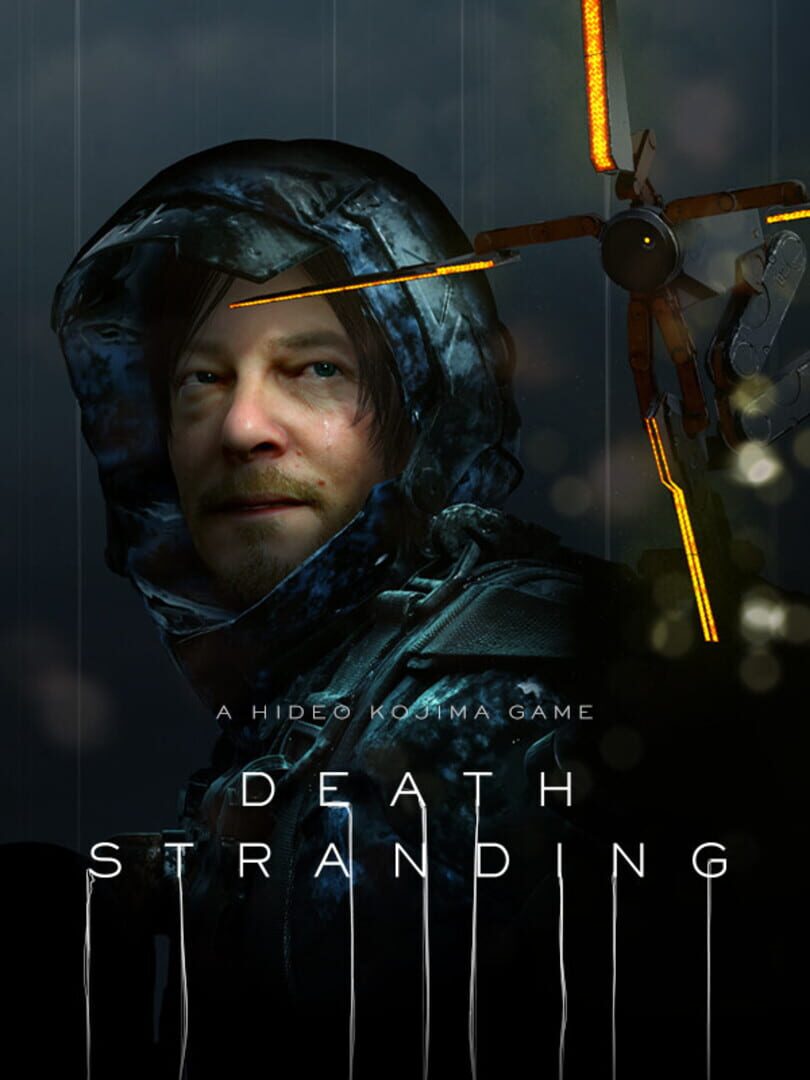
Mastering the Trail: An Introduction to Death Stranding
Stepping into the surreal, fractured vision of Hideo Kojima's Death Stranding can feel overwhelming. Unlike traditional open-world games that focus primarily on combat, Death Stranding turns the environment itself into your main adversary. As Sam Porter Bridges, your mission is to reconnect a ruined America by delivering vital cargo across treacherous landscapes plagued by ghostly supernatural entities and ruthless scavengers.
Whether you are starting with the original release or diving into Death Stranding Director's Cut, this beginner guide covers all the fundamental mechanics, survival tactics, and traversal strategies you need to succeed as a porter.
1. Understanding Cargo Management and Balance
Cargo management is the core mechanical foundation of Death Stranding. Carrying too much weight—or distributing it improperly—will make Sam unstable, causing him to stumble, drain stamina rapidly, and lose precious cargo in rivers or steep drops.
- Use Auto-Sort Frequently: Open your inventory screen and press the auto-sort button. This automatically optimizes cargo placement by putting heavier items lower on your suit to keep your center of gravity low.
- Watch Your Center of Gravity: If Sam leans to the left or right, hold the corresponding shoulder buttons (L2/R2 on PlayStation controllers or their mouse/keyboard equivalents) to balance yourself. Holding both triggers simultaneously stabilizes Sam completely, which is crucial when crossing deep waters or descending steep slopes.
- Protect Your Cargo from Timefall: Timefall is atmospheric rain that accelerates time, degrading the outer containers of your cargo. Keep a container repair spray handy, or build Timefall shelters to repair container damage before delivering your goods.
2. Navigating Terrain and Route Planning
Before leaving any knot city or distribution center, open your map to plan your journey. Spending a few seconds analyzing the topography will save you from dangerous falls and unexpected encounters.
Use the terrain scanner regularly while walking. The scanner highlights the ground in three color-coded zones:
- Blue: Safe terrain. Easy to walk on with minimal energy drain.
- Yellow: Uneven or slippery terrain. Requires careful balance and drains more stamina.
- Red: Dangerous terrain. High risk of slipping, falling, or getting swept away by strong river currents.
Always carry at least two ladders and two climbing anchors during the early hours of the game. Ladders can be placed vertically to scale cliffs or horizontally to cross wide chasms and swift rivers.
3. How to Handle BTs (Beached Things) and MULEs
The world of Death Stranding is populated by dangerous hostile forces that will try to stop your deliveries.
Surviving BT Encounters
BTs are invisible supernatural entities encountered in Timefall areas. When you enter a BT zone, your Odradek scanner activates on your left shoulder.
- Pay Attention to the Odradek: The scanner points directly toward the nearest BT. The faster it clicks and flashes, the closer the threat is.
- Crouch and Hold Your Breath: Crouch to move quietly. If a BT comes within arm's reach, hold your breath to prevent it from detecting your presence. Watch Sam's stamina bar—release your breath once you move to a safe distance.
- Use Hematonic Weapons: Later in the game, you unlock weapons infused with Sam's blood. Hematenic grenades and blood-infused bullets can neutralize BTs effectively.
Dealing with MULEs
MULEs are human porters obsessed with stealing cargo. When you enter their territory, their orange scanner poles will pinpoint your location if you are carrying cargo.
- Use the Strand for Counterattacks: Equip your Strand (rope) in your hands. When a MULE attacks, hold your guard stance and press the attack button right as they strike to parry them, creating an opening for an instant knockout.
- Travel Light in MULE Territory: If you do not have trackable cargo on your back, MULE sensor poles will not detect you, allowing you to sneak past their camps easily.
4. Leveraging the Asynchronous Multiplayer System
One of the most unique aspects of Death Stranding is its asynchronous multiplayer environment. While you will never see another player directly in your game world, you will see the structures, ropes, ladders, and roads built by players across the globe once you connect a region to the Chiral Network.
- Smash That Like Button: Show appreciation for helpful structures left by other players. Giving likes encourages a positive community loop and increases your social connection levels.
- Contribute to Road Networks: Pavers located along major travel corridors allow players to pool materials together to build paved highways. Paved roads drain zero battery power from your vehicles and provide safe, fast routes through hazardous territories.
- Use Shared Lockers: Check shared lockers at cities and waystations to find donated equipment, tools, and weapons left behind by fellow porters.
5. Key Beginner Tips for a Smoother Journey
- Focus on the Main Story First: The early chapters in the Eastern Region serve as an extended tutorial. Do not worry about completing every side delivery right away; push forward to Chapter 3 to unlock essential vehicles, weapons, and traversal gear.
- Check Your Battery Level: Exo-skeletons, trucks, and reverse trikes consume electricity. Keep an eye on your battery gauge and build or use generator structures to avoid getting stranded without power.
- Take Care of Sam: Visit the Private Room regularly. Rest restores Sam's health, stamina, and blood supply while replenishing your ammunition and container repair sprays.
Frequently Asked Questions
Is Death Stranding hard for beginners?
Death Stranding has a unique learning curve focused on physics and movement rather than standard action mechanics. Once you understand route planning, balance controls, and terrain reading, the game becomes far more approachable. Difficulty settings can also be adjusted at any time in the settings menu.
Should I play Death Stranding Director's Cut instead of the original game?
Yes. Death Stranding Director's Cut includes useful quality-of-life improvements, additional traversal items like the Support Skeleton and Cargo Cannon, new combat facilities, and expanded storyline missions that greatly improve the early-game experience for newcomers.
What happens if I lose my cargo in Death Stranding?
If your cargo falls into a river or gets damaged, you can repair the container using Container Repair Spray (provided the inner cargo is intact). If cargo is destroyed or lost completely, you can redeploy the order from the pause menu or pick up lost cargo that gets re-spouted into the world later.
Final Thoughts
Death Stranding is an extraordinary journey that rewards patience, preparation, and community cooperation. By mastering cargo management, utilizing your Odradek scanner efficiently, and contributing to the global network of bridges and roads, you will transform harsh terrain into effortless delivery routes. Take your time, enjoy the incredible soundtrack, and keep on keeping on!
