Introduction and Context
Released in 2015 for mobile devices and ported to PC and consoles in 2016, Dead Effect 2 is an ambitious sci-fi horror first-person shooter combined with action RPG mechanics. Following the success of the original Dead Effect, the sequel expands on every system, offering deeper character customization, expansive weapon upgrade trees, and enhanced visuals. Blending elements of classic sci-fi games like Dead Space, System Shock, and Borderlands, it delivers a high-octane indie action experience set in deep space.
Developer and Available Platforms
Dead Effect 2 was developed and published by BadFly Interactive, an independent Czech game development studio. Originally engineered for high-end mobile processors, BadFly Interactive later overhauled the engine, graphics, control schemes, and user interface to bring the game to desktop and console gaming systems, including virtual reality support.
Today, the game is accessible across a wide variety of modern gaming platforms:
- PC (Windows via Steam, including full VR support)
- PlayStation 4
- Xbox One
- Nintendo Switch
- Mobile (Android and iOS)
Story and Narrative
The plot of Dead Effect 2 begins immediately after the climax of the first game onboard the colossal colony ship ESS Meridian. Following the defeat of the mad scientist Dr. Wagner, players wake up from stasis to find the ship transformed into a living nightmare. Genetic experiments have gone horribly wrong, turning crew members into flesh-eating zombies, cybernetic mutants, and rogue military drones.
Players choose from three distinct playable protagonists: Gunnar Davis (heavy weapons specialist), Jane Frey (shotgun expert), or Kay Rayner (melee specialist). Guided by surviving ship crew members such as Danette and the eccentric mechanic Minikin, your mission is to recover your memory, stop the ship's automated self-preservation protocols, and uncover the dark corporate conspiracy behind the Meridian's research. While the dialogue and voice acting lean into B-movie tropes, the campaign provides an entertaining narrative framework for non-stop action.
Graphics, Visuals, and Sound
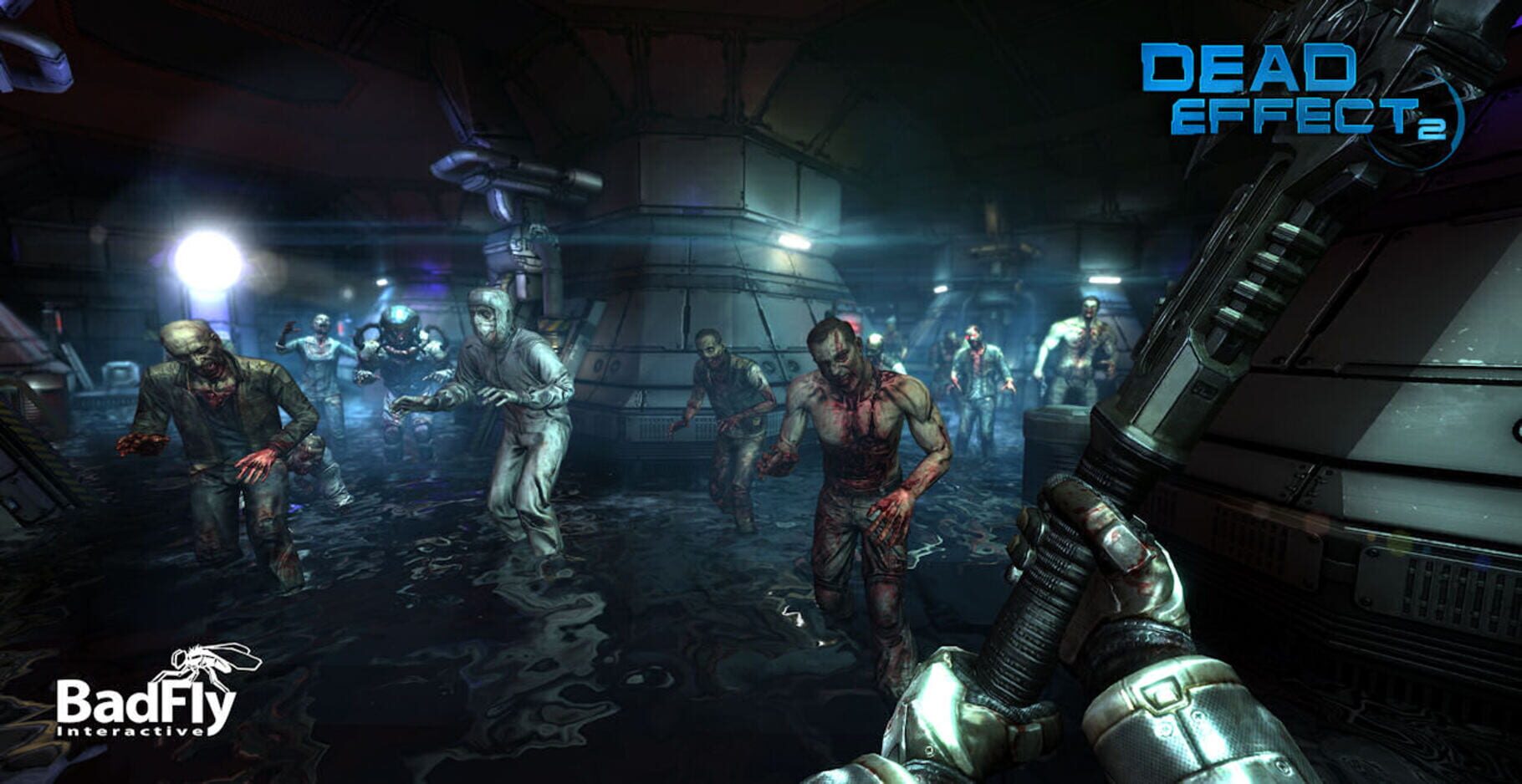
Powered by the Unity game engine, Dead Effect 2 boasts impressive visual fidelity for an indie title of its era. The PC, console, and VR versions showcase high-definition textures, realistic metallic shaders, dynamic shadows, and detailed character models. Atmospheric lighting plays a key role, rendering dark, blood-splattered corridors, futuristic laboratories, and industrial reactor rooms with gritty charm.
The audio design features weighty gunshots, futuristic plasma sizzles, and tense ambient tracks that heighten dread during exploration. While the voice acting can feel campy at times, it fits the retro-futuristic arcade vibe of the game.
Gameplay and RPG Features
What sets Dead Effect 2 apart from standard sci-fi shooters is its heavy focus on RPG progression:
- Deep Weapon Customization: Over 40 upgradeable weapons, ranging from katanas and pistols to plasma rifles and rocket launchers.
- Gear and Cybernetics: Upgrade your hero with body implants, gear sets, and unlockable abilities to enhance health, damage, and special abilities.
- Extensive Content: Features a full story campaign lasting over 20 hours, along with side missions, survival modes, and special challenges.
Final Verdict and Recommendation
Dead Effect 2 (2016) is a surprisingly robust sci-fi action FPS that punch above its weight class. While its mobile origins show slightly in level structure and campy writing, the core gunplay, extensive RPG loot system, and grim space atmosphere offer fantastic value for action fans.
Final Score: 7.5 / 10 — A fun, blood-pumping indie shooter that successfully combines sci-fi horror aesthetics with deep action-RPG loot mechanics.
Recommended for: Fans of sci-fi horror shooters, loot-heavy action RPGs, and players looking for an enjoyable single-player or VR FPS experience.