


Over the past decade, a subgenre once considered a niche interest for hardcore masochists has transformed into one of the most dominant forces in modern gaming. The "Soulslike" genre, pioneered by Japanese developer FromSoftware, has captivated millions of players worldwide. From the humble beginnings of Demon's Souls to the global blockbuster phenomenon that is Elden Ring, these games consistently capture critical acclaim and massive commercial success.
In an era where modern AAA games often rely heavily on cinematic hand-holding, objective markers, and adjustable difficulty sliders, Soulslike titles go in the complete opposite direction. But why do players love games that actively punish them? What makes this subgenre so addictive? Here is a detailed look into why Soulslike games are so popular and how they changed video game design forever.
1. The Thrill of Victory: Dopamine and Intrinsic Reward
The primary appeal of any Soulslike game is its uncompromising difficulty. However, difficulty alone is not what makes these games great. The true magic lies in fairness and learning. When a player dies in a game like Dark Souls or Bloodborne, it is rarely due to cheap tricks; it is almost always due to a mistake made by the player.
This creates a distinct cycle of gameplay:
- Failure: The player encounters a formidable boss or area and dies quickly.
- Observation: The player learns attack patterns, telegraphs, and timing.
- Adaptation: The player adjusts their strategy, gear, or patience level.
- Triumph: The player finally defeats the enemy after multiple attempts.
Because the struggle is genuine, the sense of accomplishment upon overcoming a difficult boss is unmatched in traditional video games. That surge of relief and dopamine is something very few other genres can replicate.
2. World Design and Interconnected Exploration
Another cornerstone of the Soulslike genre is masterfully crafted world design. Rather than filling maps with endless quest markers and mini-map icons, developers trust players to navigate by sight and memory.
The original Dark Souls set the gold standard with its brilliant, multi-layered vertical level design. Opening a door or riding an elevator only to realize you have looped back to a familiar resting point creates an unforgettable feeling of discovery. This focus on environmental navigation makes exploring every dark corner feel meaningful rather than like a chore checklist.
3. Minimalist Storytelling and Deep Lore
Soulslike games handle narrative differently than most modern role-playing games. Instead of interrupting gameplay with lengthy cutscenes and heavy dialogue, games like Dark Souls III and Elden Ring utilize environmental storytelling and item descriptions.
Players are placed into decaying, melancholic worlds filled with mystery. The lore is laid out like a puzzle:
- Weapon and armor descriptions reveal the history of fallen kingdoms.
- Architectural details hint at ancient wars and divine conflicts.
- NPC dialogue provides cryptic glimpses into the world's tragic figures.
This passive storytelling encourages the gaming community to collaborate, analyze, and construct theories, spawning entire YouTube channels and online forums dedicated solely to unraveling the lore.
4. Community, Shared Suffering, and Asynchronous Multiplayer
Soulslike games foster a unique sense of community. Because everyone playing faces the same daunting hurdles, players naturally form bonds through shared suffering. The phrase "git gud," while often used humorously, reflects a shared journey of self-improvement within the community.
Furthermore, FromSoftware introduced an ingenious asynchronous multiplayer system that has become a staple of the genre:
- Messages: Players can leave helpful tips, funny warnings, or deceptive traps for others.
- Bloodstains: Interacting with bloodstains reveals the final moments of another player's life, serving as a warning for upcoming danger.
- Summoning: Players can call upon real-world allies to help defeat overwhelming bosses, creating moments of sudden camaraderie.
5. Evolution from Niche to Mainstream (Elden Ring)
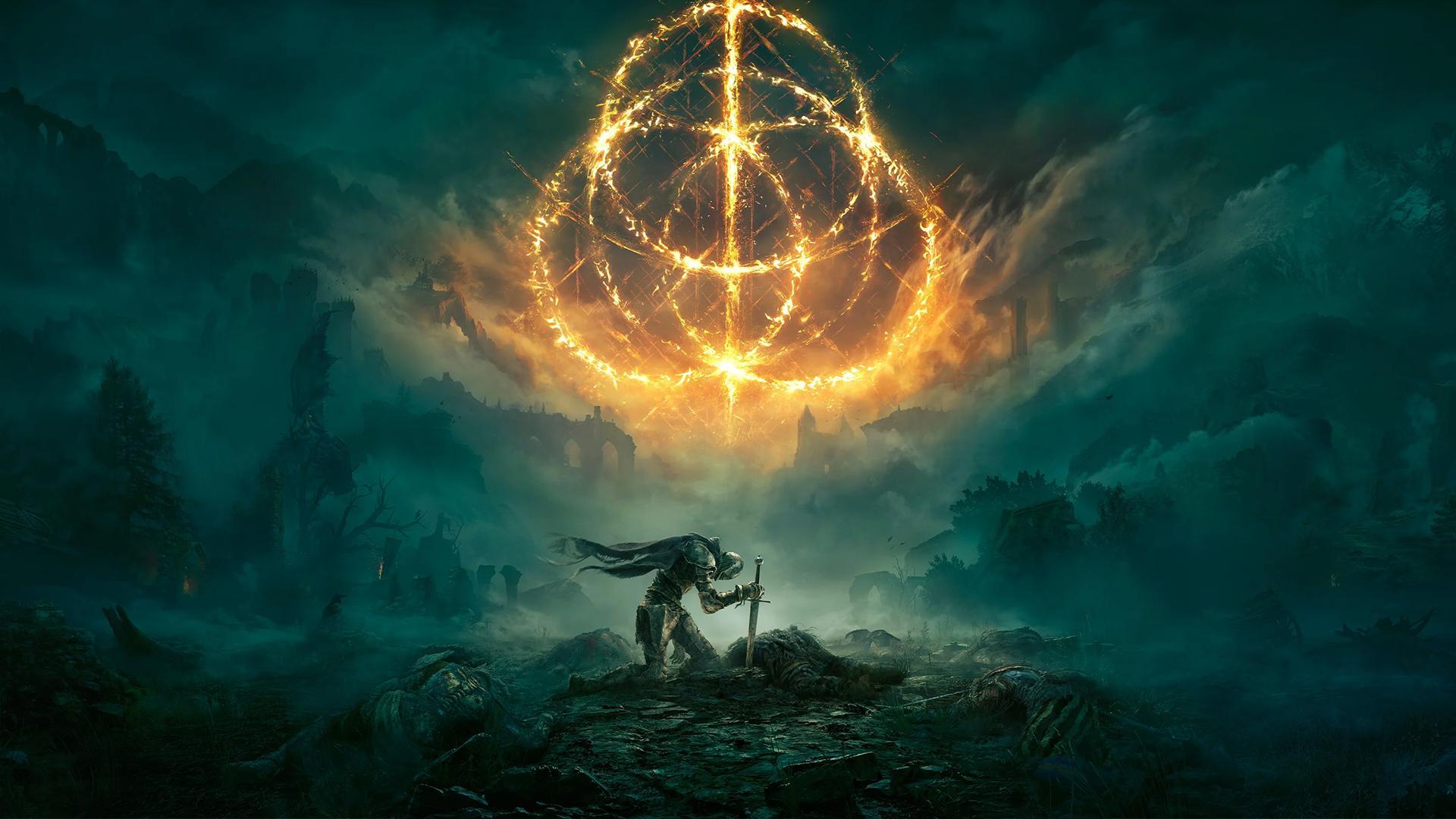
While the genre maintained a dedicated cult following for years, Elden Ring brought Soulslike principles to a massive mainstream audience. By placing the classic tight combat and dark fantasy tropes inside a vast open world, FromSoftware solved the roadblock issue that previously turned off casual gamers.
If a player hit a wall against a tough boss in Elden Ring, they didn't have to keep dying repeatedly. They could simply ride off in another direction, explore new dungeons, level up, find better weapons, and return when they felt ready. This design shift retained the signature challenge while offering unprecedented player freedom.
Pivotal Soulslike Games That Shaped the Genre
Dark Souls
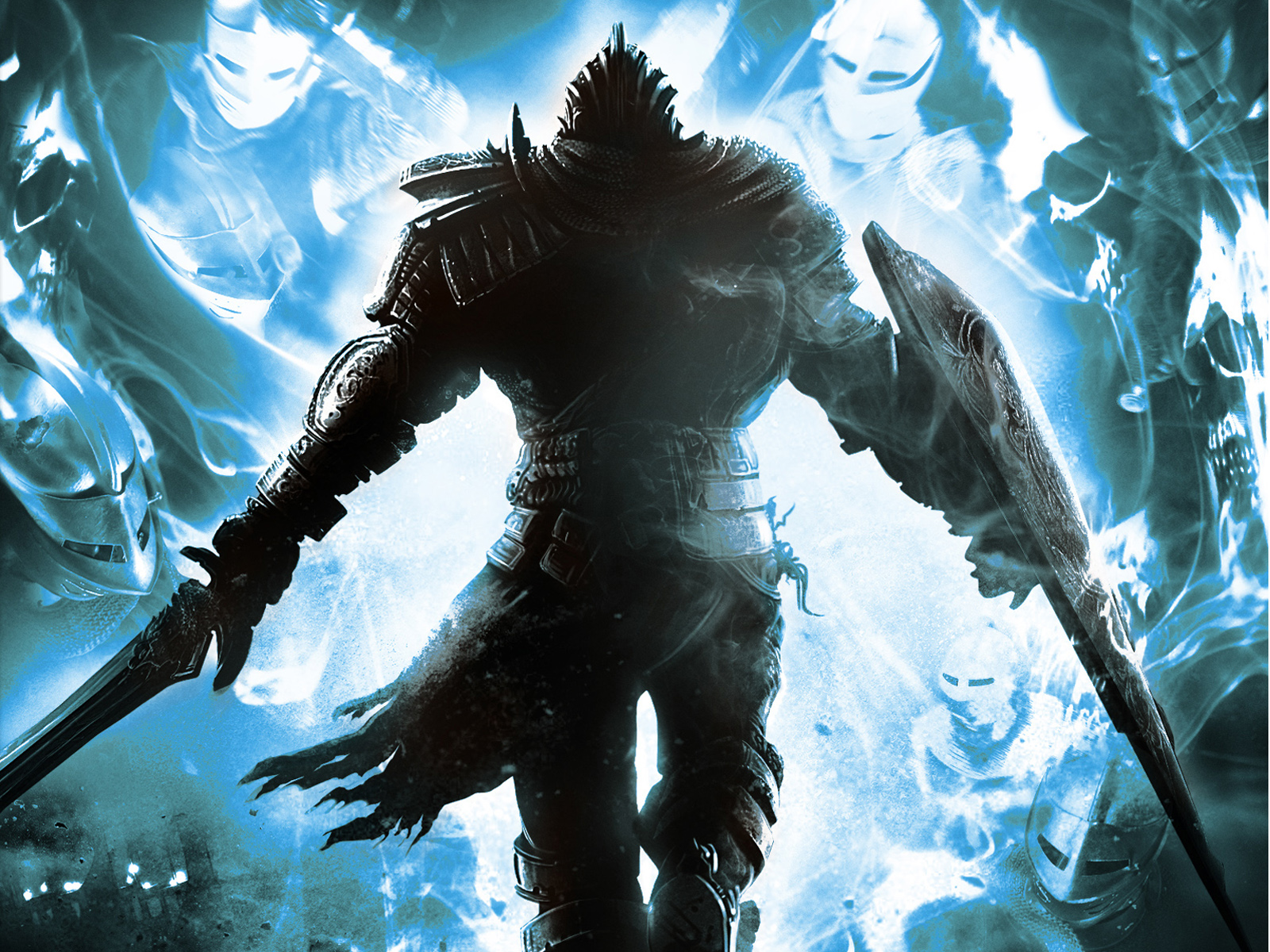
The definitive title that established the genre's key tropes: bonfires as checkpoints, stamina-based combat, losing currency upon death, and interconnected level design. It established a blueprint that dozens of studios would copy for years to come.
Bloodborne
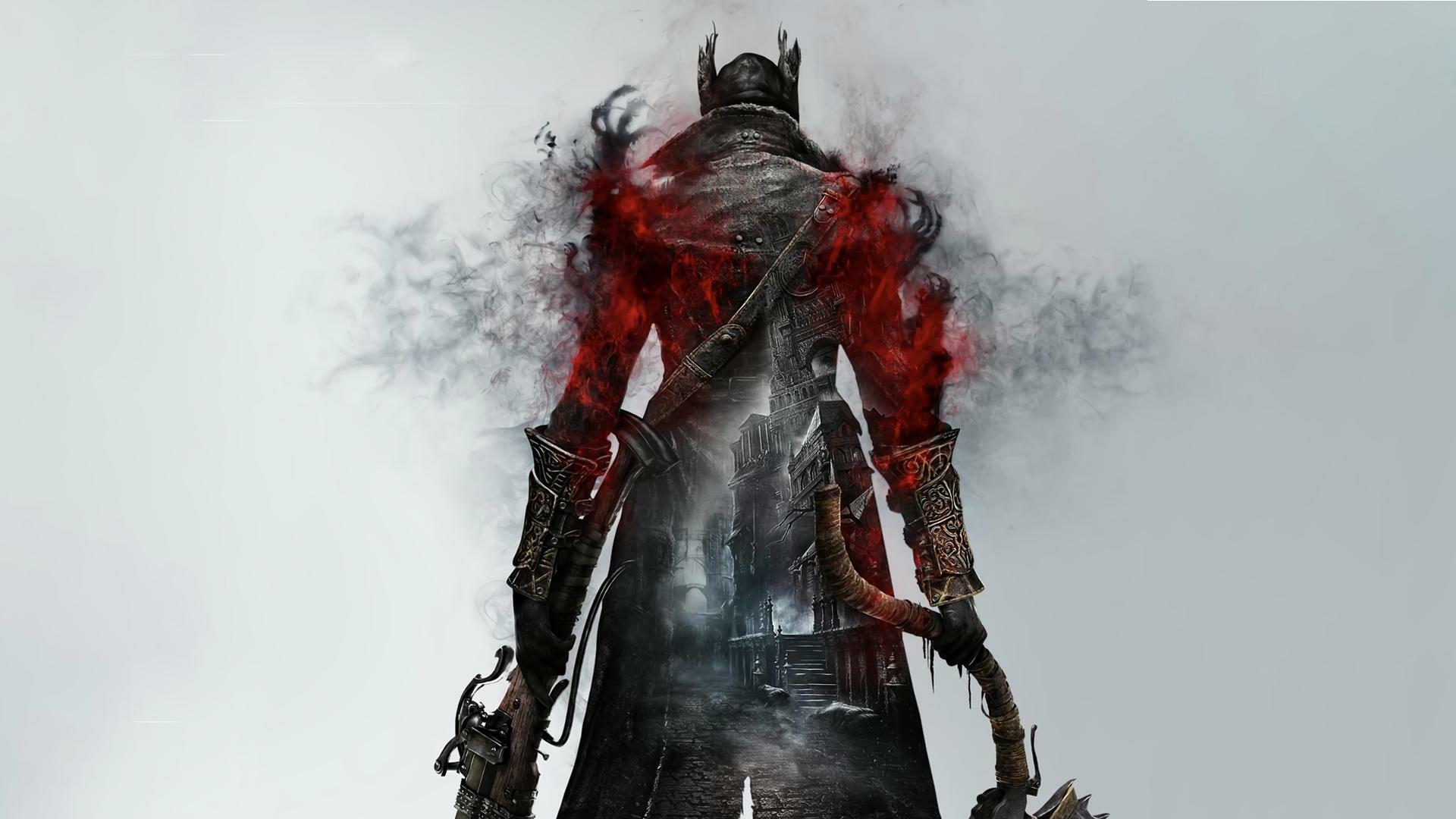
Shifting from high fantasy to Gothic Lovecraftian horror, Bloodborne altered combat dynamics by removing defensive shields and rewarding fast, aggressive playstyles through its rally health-regen system.
Sekiro: Shadows Die Twice
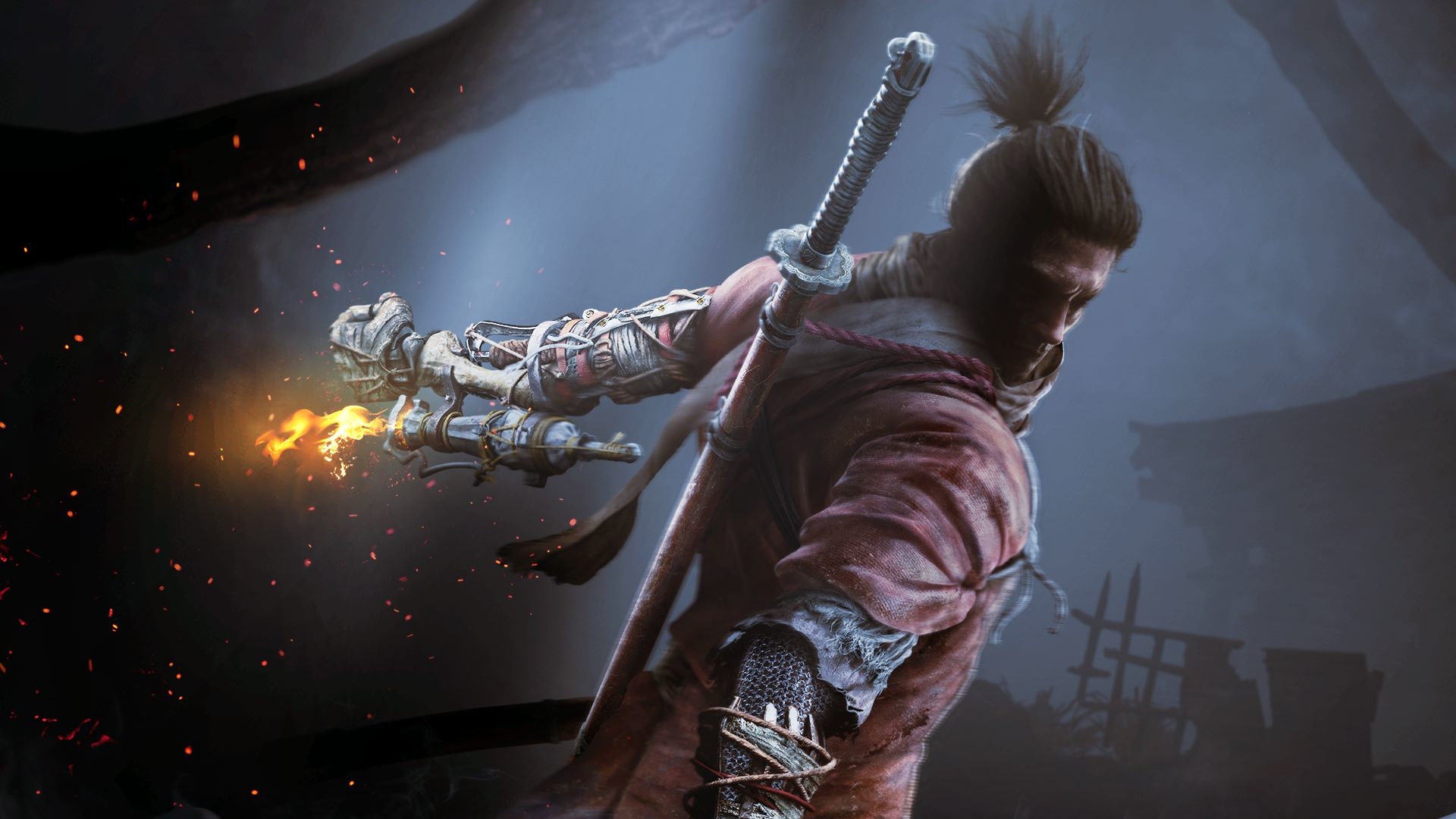
Focusing on intense rhythm-based parrying and fast posture management, Sekiro: Shadows Die Twice stripped away RPG leveling elements to deliver one of the purest skill-based action experiences in modern gaming.

Lies of P
Developed by Neowiz Games, Lies of P proved that non-FromSoftware studios could deliver top-tier Soulslike experiences. Combining Victorian aesthetic elements with tight parry mechanics, it stands as one of the best recent entries in the genre.
Frequently Asked Questions
What makes a game a "Soulslike"?
A Soulslike game typically features stamina-based combat, high difficulty, loss of accumulated experience points/currency upon death with one chance to retrieve them, checkpoint systems that respawn enemies (like bonfires), and environmental storytelling.
Why do people like games that are so hard?
Players enjoy the genuine sense of accomplishment that comes with overcoming difficult obstacles. When success isn't handed to you automatically, victory feels far more satisfying and earned.
Which Soulslike game should a beginner start with?
Elden Ring is widely considered the best entry point for beginners due to its open-world nature, which allows players to explore elsewhere and level up whenever they get stuck on a difficult boss.
Final Thoughts
The rise of Soulslike games is a testament to the fact that gamers still crave meaningful challenges, deep exploration, and respect for their intelligence. By offering atmospheric worlds and rewarding mastery over hand-holding, the Soulslike genre has rightfully earned its spot as one of the most influential and popular genres in modern gaming history.
