


What Is a Roguelite Game?
If you have spent any time exploring modern video games, chances are you have encountered the term roguelite. From hit indie darlings to big-budget AAA blockbusters, the roguelite design philosophy has taken the gaming world by storm. But what exactly does the term mean, where did it come from, and why has it become one of the most popular subgenres in gaming today?
At its core, a roguelite is a game subgenre characterized by procedurally generated levels, run-based gameplay, permadeath (permanent death), and crucial permanent progression mechanics—often referred to as meta-progression. Unlike traditional roguelikes that reset everything upon defeat, roguelites allow players to retain upgrades, currencies, story progress, or unlocked items across attempts, ensuring every failed run contributes to long-term progress.
The Origin of the Genre: From Classic Roguelikes to Roguelites
To fully understand what makes a game a roguelite, it helps to look at its predecessor: the classic roguelike. The term originally comes from the 1980 classic dungeon crawler Rogue. Games inspired by Rogue—such as NetHack—were turn-based, tile-based RPGs featuring grid movement, extremely steep difficulty, randomized layout generation, and total reset upon death with zero persistent bonuses.
As game design evolved during the 2010s, developers realized they could adopt the excitement of randomized levels and permadeath while softening the frustration of total loss. By mixing fast-paced combat, deckbuilding, or platforming with persistent progression trees, developers birthed the modern roguelite ("roguelike-lite").
Core Features of a Roguelite Game
While roguelite games can stretch across action, strategy, shooting, and card games, they share several core pillars:
- Procedural Generation: Level layouts, enemy placements, loot drops, and events change every time you play, providing endless replay value.
- Permadeath (Permanent Death): Dying resets your current attempt or run, requiring you to start from the beginning of the dungeon, journey, or cycle.
- Meta-Progression: Unlike strict traditional roguelikes, roguelites grant persistent rewards after a failed run. This can include permanent health boosts, new starting weapons, unlocked abilities, or fresh story scenes.
- Run-Based Gameplay: Play sessions are divided into distinct individual playthroughs (runs) lasting anywhere from 15 minutes to an hour.
- Randomized Synergies and Builds: Within each individual run, players collect temporary power-ups, perks, or weapons that combine in unique ways to create powerful builds.
Roguelike vs. Roguelite: What is the Difference?
The distinction between a roguelike and a roguelite is one of the most debated topics among gaming communities. The key difference comes down to forgiveness and persistent progression.
| Feature | Traditional Roguelike | Modern Roguelite |
|---|---|---|
| Death Penalty | Total loss; complete reset of all stats and gear. | Run ends, but persistent resources or unlocks are kept. |
| Progression | Player knowledge and skill only. | Meta-progression (character upgrades, new items). |
| Gameplay Style | Typically turn-based, tile-based grid movement. | Real-time action, platforming, deckbuilding, shooting. |
| Accessibility | Extremely hard, targeted at hardcore niche players. | Accessible, highly rewarding long-term loop. |
Iconic Examples of Great Roguelite Games
The best way to understand the genre is to look at the games that defined it. Below are some of the standout titles that show how versatile roguelite mechanics can be across different game genres.
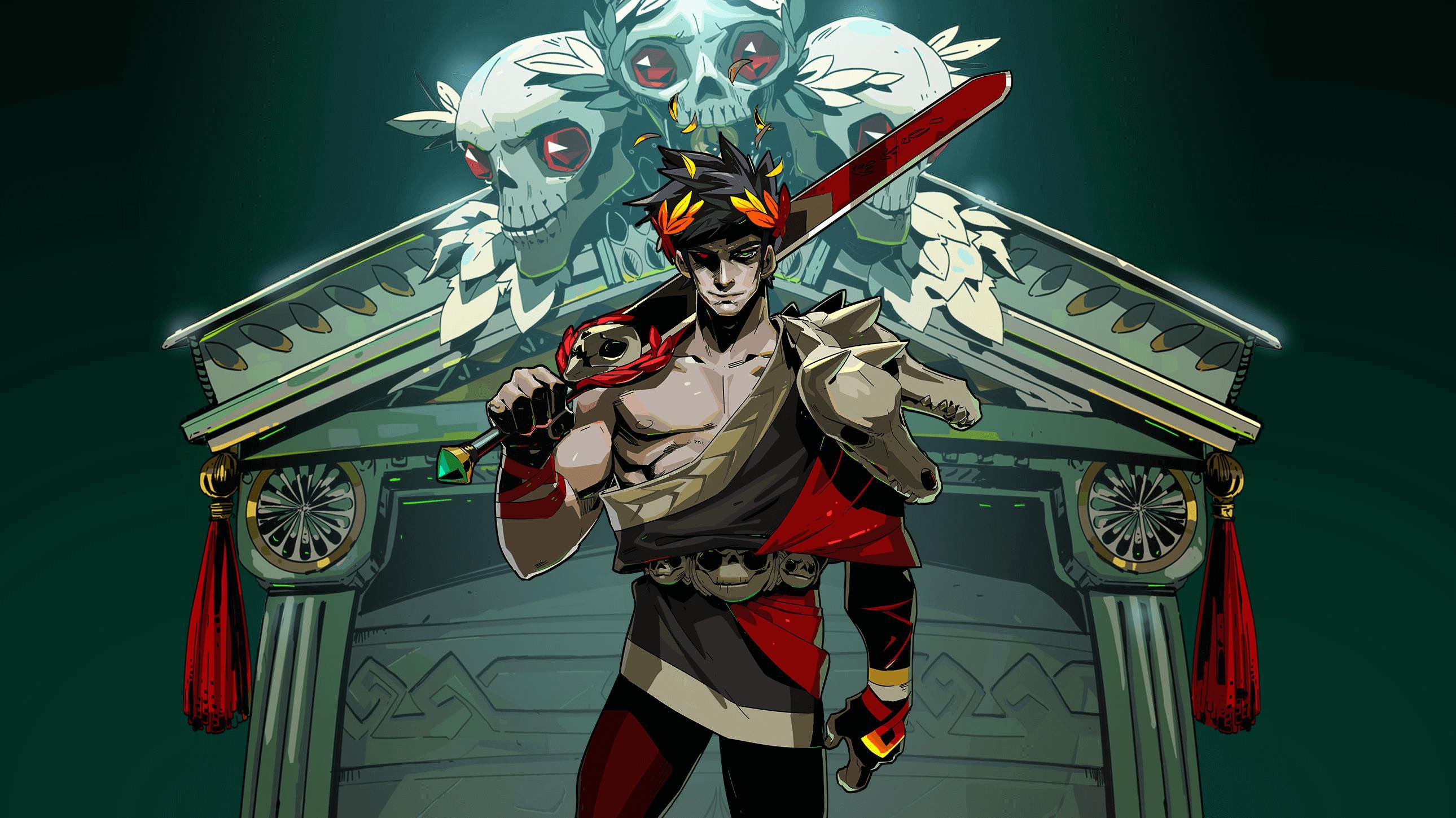
1. Hades
Developed by Supergiant Games, Hades is widely regarded as a masterpiece of the roguelite genre. Players control Zagreus, Prince of the Underworld, as he attempts to hack and slash his way out of his father\'s realm. Every death returns Zagreus to the House of Hades, where players can talk to mythology-inspired NPCs, upgrade permanent stats using darkness, and unlock new weapons before jumping back into battle.
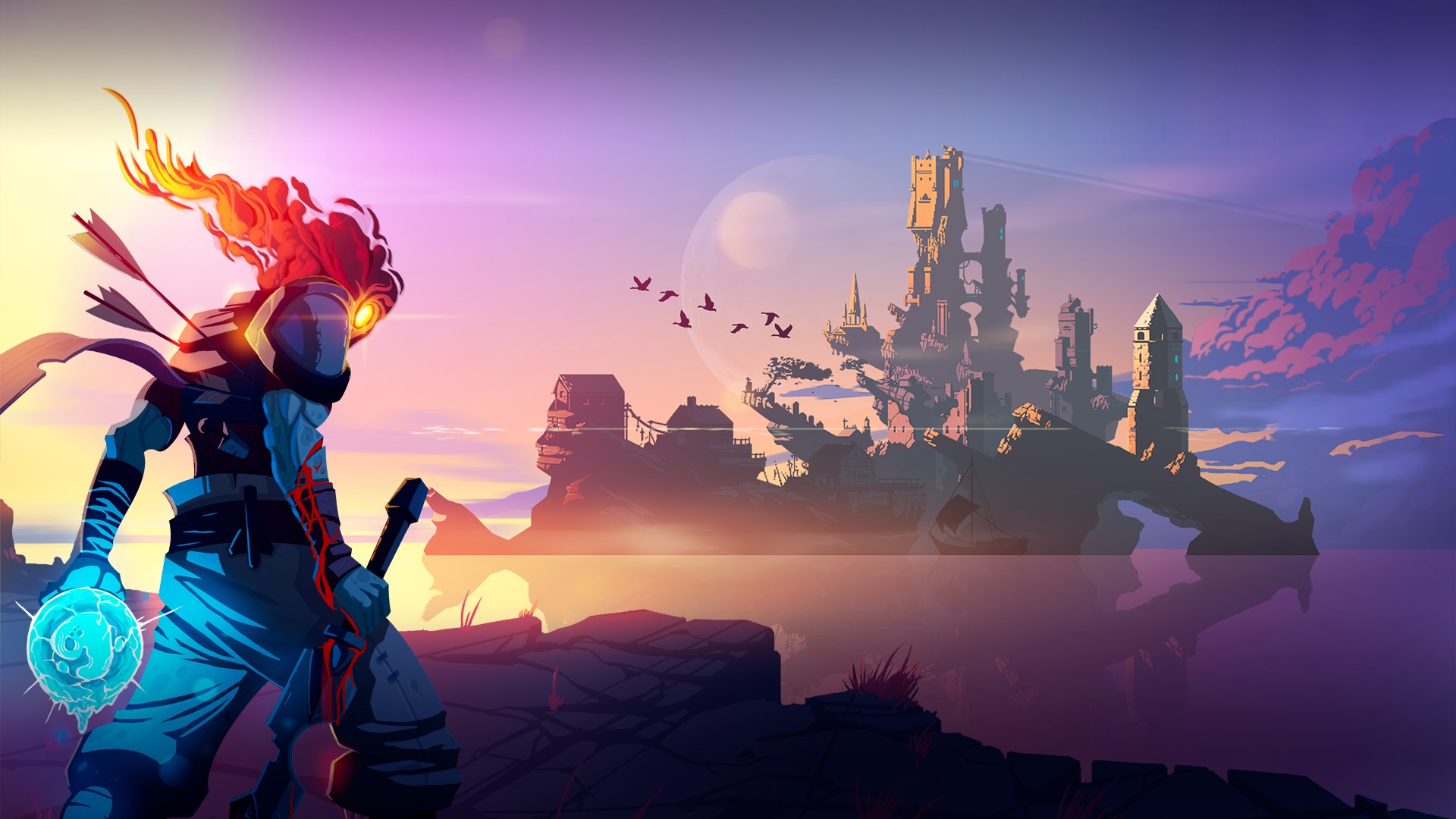
2. Dead Cells
Described by its developers as a "Rogue-lite Metroidvania" (or Rogue-vania), Dead Cells combines fluid 2D action-platforming with random dungeon layouts. Defeated enemies yield cells, which players spend between zones to permanently unlock health potions, mutations, and powerful weapon blueprints that spawn in future runs.
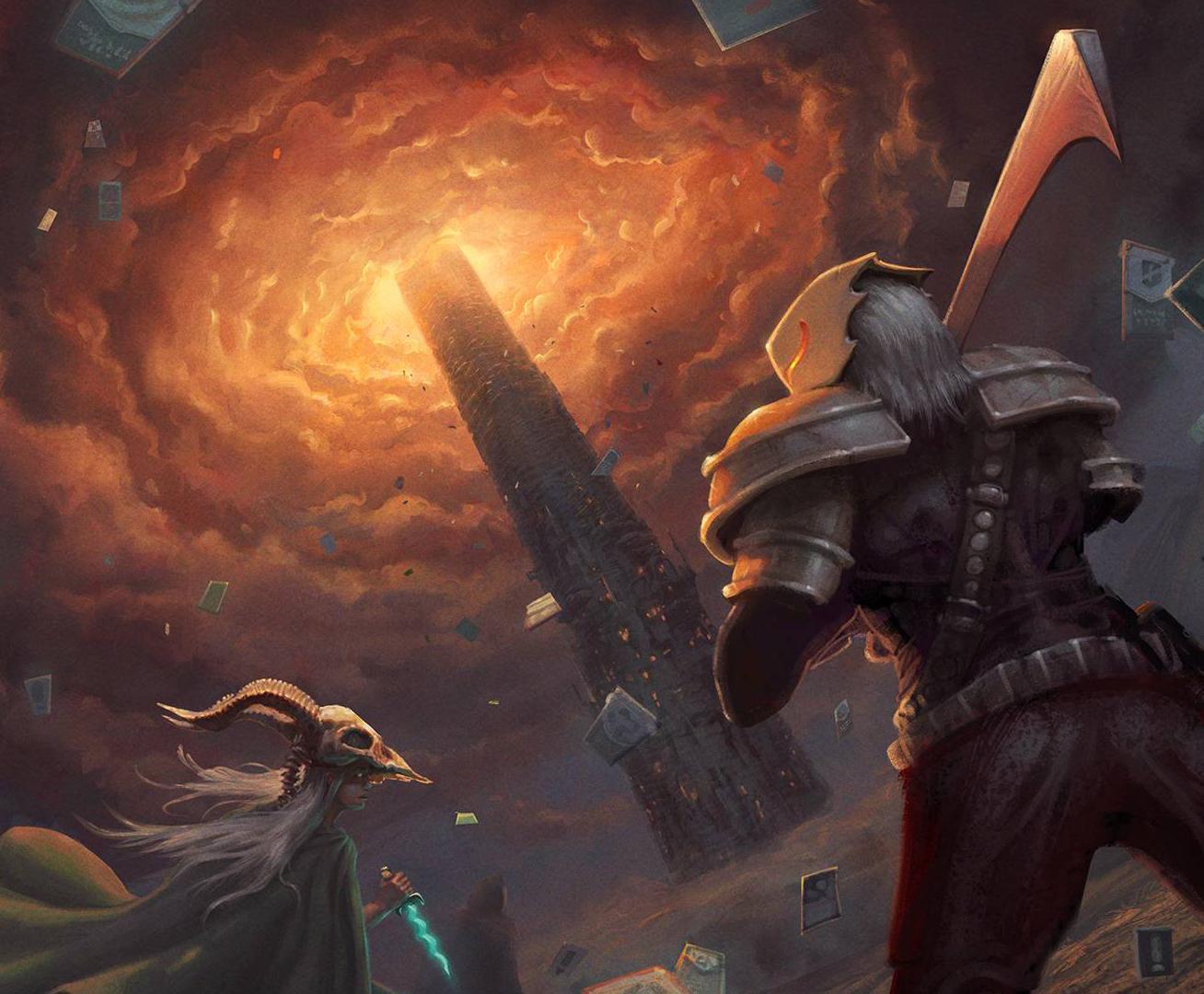
3. Slay the Spire
Slay the Spire revolutionized the genre by combining roguelite mechanics with deck-building card games. Players navigate a branching path, picking cards to build a custom deck while battling monsters. Permanent unlocks include new card pools and novel playable characters, offering immense strategic variety.
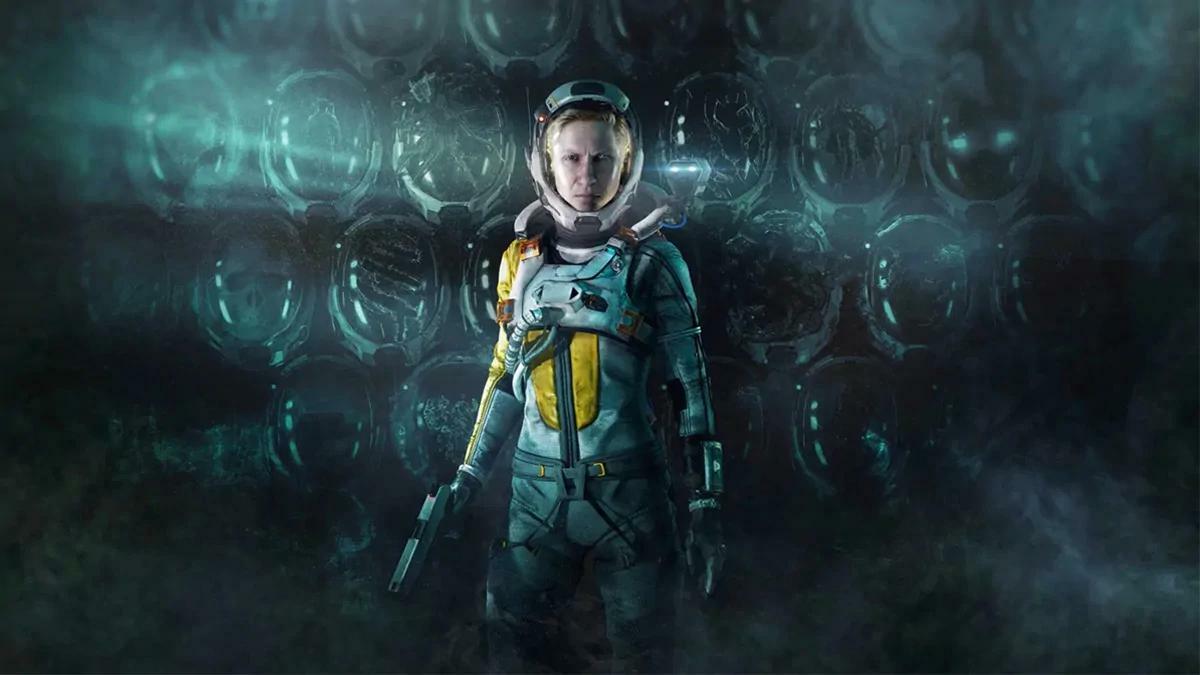
4. Returnal
Proving that roguelite design can flourish on a grand AAA scale, Returnal blends psychological horror, third-person bullet-hell shooting, and high-end cinematic visuals. Player character Selene is trapped in a mysterious alien time loop, retaining permanent suit gear and key narrative discoveries even after dying on the hostile planet of Atropos.
5. Rogue Legacy 2
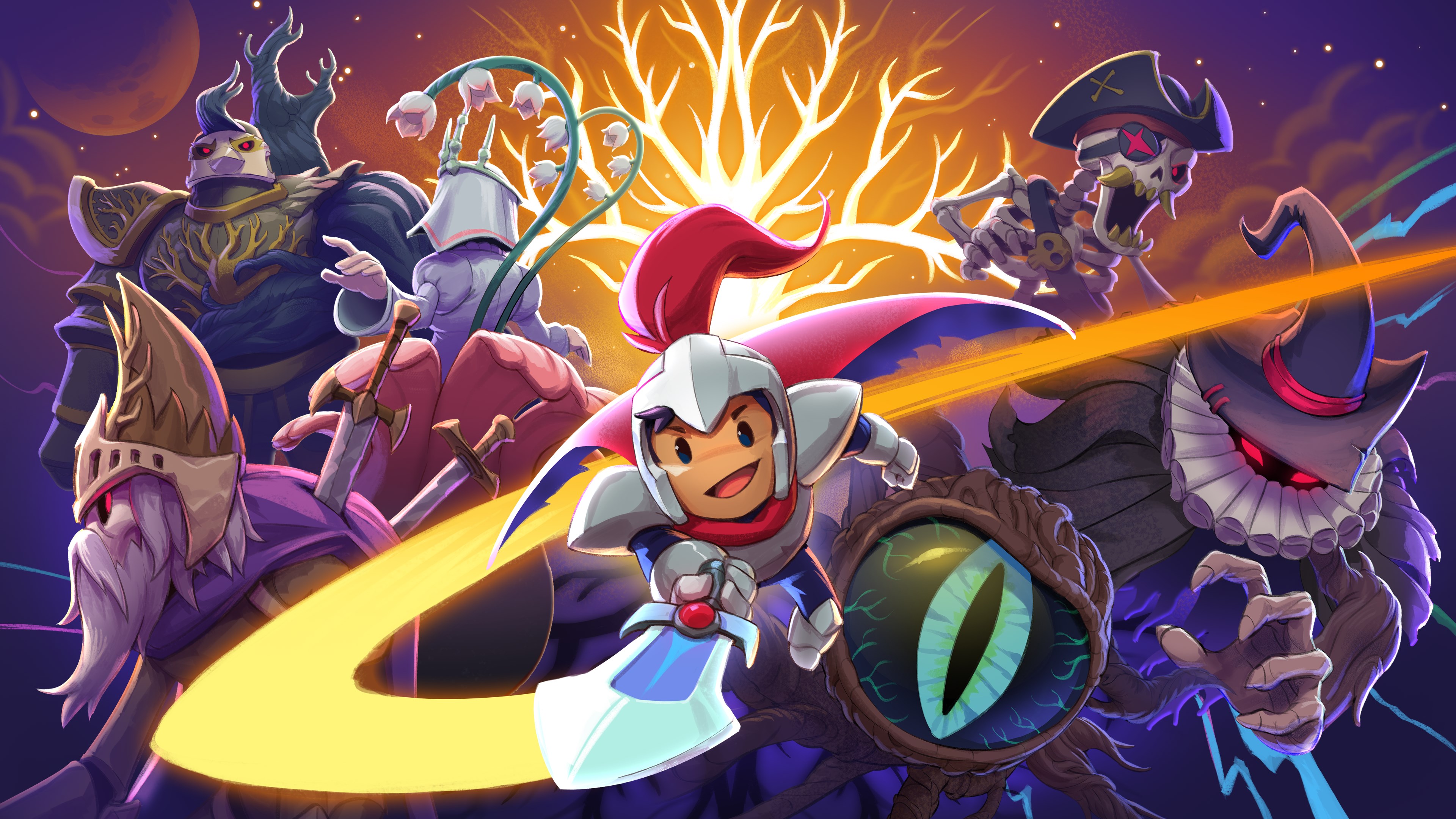
In Rogue Legacy 2, death is literally a family affair. Whenever your character dies, your child steps up to inherit your mantle—complete with unique physical traits, classes, and quirks. Gold gathered during previous runs is spent building up your ancestral castle, granting permanent statistical stat upgrades for every future heir.
Why Are Roguelite Games So Popular?
The massive surge in popularity for roguelites comes down to smart psychology and rewarding design. Here is why gamers can\'t get enough of them:
- The "Just One More Run" Effect: Bite-sized session lengths combined with immediate meta-upgrades make it easy to drop into a quick run after work or spend hours chasing a breakthrough victory.
- High Replayability: Thanks to procedural generation and randomized build options, no two runs ever play exactly the same.
- Constant Sense of Achievement: Even when a player loses to a difficult boss, they still return to base camp with currency or narrative progress, removing the feeling of wasted time.
Frequently Asked Questions
What makes a game a roguelite instead of a roguelike?
The main factor is meta-progression. A roguelite allows players to keep permanent upgrades, items, or stats between deaths. A traditional roguelike features zero persistent stat progression, resetting the player completely upon death.
Is The Binding of Isaac a roguelike or a roguelite?
The Binding of Isaac is officially considered a roguelite. While it relies heavily on mechanical skill and individual run items, completing runs continuously unlocks new items, bosses, characters, and alternate floors in the general item pool.
Can casual players enjoy roguelite games?
Yes, absolutely! Because roguelites feature persistent meta-progression, even players who struggle with high-skill action games will naturally grow stronger over time by unlocking upgrades, making the genre much more approachable than classic roguelikes.
Final Thoughts
The roguelite genre has transformed modern game design by finding the sweet spot between high-stakes challenge and rewarding progression. Whether you prefer fast-paced action games like Dead Cells, story-rich experiences like Hades, or tactical card battlers like Slay the Spire, there is a roguelite tailored to every style of gamer.
