


Introduction and Historical Context
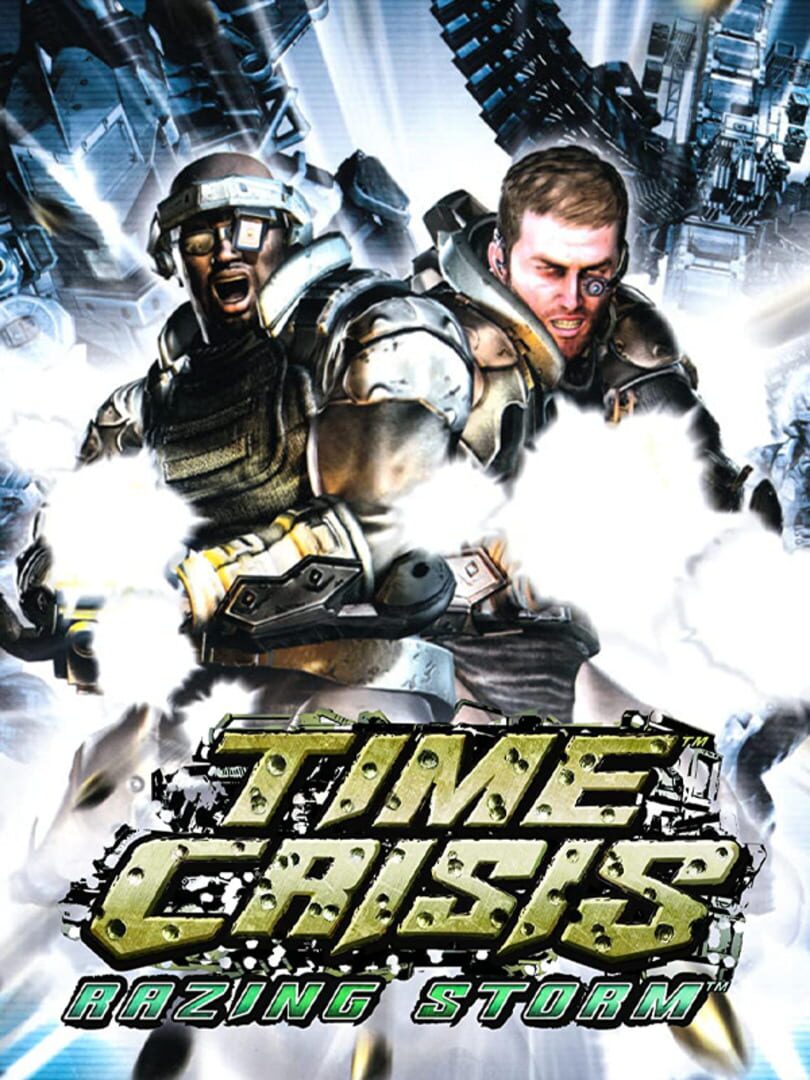
Released in October 2010, Time Crisis: Razing Storm (known simply as Razing Storm in arcades) arrived at a pivotal moment for motion-controlled gaming. With Sony launching the PlayStation Move peripherals to compete with the Nintendo Wii, classic arcade shooters needed a grand resurgence on home consoles. Bandai Namco capitalized on this opportunity by bringing one of their most intense arcade experiences into living rooms, packaged alongside bonus games to create a comprehensive light-gun suite.
Developer and Platform Availability
The game was developed by Nex Entertainment under the supervision and publication of Bandai Namco Games. Known for their long-standing expertise in arcade cabinet experiences, the team aimed to transition high-octane gunplay onto consumer hardware.
- Primary Platform: PlayStation 3
- Peripheral Support: PlayStation Move motion controller, Guncon 3 controller, Standard DualShock 3
- Compilation Extras: Includes full versions of Time Crisis 4 (Arcade Version) and Deadstorm Pirates
Story and Narrative
The narrative of Razing Storm leans heavily into classic late-2000s action-movie tropes. Set in the year 2011 in a dystopian South American country, players take control of Alpha Team, a specialized military unit known as S.C.A.R. (Strategic Combat and Rescue). Led by protagonist Leila King, the squad is deployed to suppress a military coup masterminded by a rogue military faction.
While the story is filled with cheesy dialogue, exaggerated villains, and predictable plot twists, it serves its primary purpose effectively: driving players rapidly from one massive firefight to the next. The narrative rarely takes itself too seriously, embracing the bombastic style typical of arcade light-gun titles.
Graphics and Audio Performance
Visually, Time Crisis: Razing Storm pushes a massive amount of environmental destruction onto the screen, utilizing a customized engine tailored for high-speed action on the PS3:
- Destructible Environments: Walls, pillars, cover points, and glass shatter dynamically under heavy machine-gun fire, adding immense kinetic feedback to every encounter.
- Visual Style: Industrial environments, high-tech weaponry, and screen-filling boss battle effects deliver strong late-2000s arcade flair.
- Audio: Heavy industrial rock tracks accompany the action, while dramatic voice acting and punchy sound effects accentuate the chaotic battlefields.
Gameplay Modes and Mechanics
Unlike traditional Time Crisis games that feature single-shot pistols and cover-pedal mechanics, Razing Storm equips players with heavy automatic rifles, rocket launchers, and deployable ballistic shields. The collection features several distinct gameplay modes:
| Mode | Description |
|---|---|
| Arcade Mode | The classic, linear on-rails experience designed for quick, fast-paced co-op destruction. |
| Story Mode | A console-exclusive mode granting full first-person manual movement using the PlayStation Move Navigation Controller or DualShock 3. |
| Sentry Mode | A sniper-focused arcade mini-game where players defend checkpoints from breakout attempts. |
| Online Multiplayer | Supports up to 8 players in traditional FPS battle modes (deathmatch, team battle). |
Final Recommendation
Time Crisis: Razing Storm remains a standout release for light-gun enthusiasts and PlayStation Move owners. While the experimental console-exclusive Story Mode suffers from awkward movement controls, the core Arcade Mode delivers relentless, chaotic entertainment. Furthermore, the inclusion of Time Crisis 4 and Deadstorm Pirates on the same disc makes it an extraordinary value package for arcade gaming retro collectors.
Verdict: Highly recommended for fans of arcade shooters, retro PS3 collectors, and motion-control gaming setups.

