


Introduction: From Cartoon Platformers to Cinematic Masterpieces
The PlayStation 3 generation was a pivotal turning point for the video game industry, but few studios transformed as radically during this period as Naughty Dog. Famous during the PS1 and PS2 eras for vibrant platformers like Crash Bandicoot and Jak and Daxter, Naughty Dog took a daring risk when Sony launched the PS3. They shifted from stylized platforming to photorealistic, narrative-focused action-adventure games.
Despite early industry struggles with the PS3's notoriously complex Cell Broadband Engine, Naughty Dog not only mastered the hardware but set the global benchmark for cinematic storytelling in video games. Here is the story of how Naughty Dog dominated the PS3 era and changed story-driven games forever.

Uncharted: Drake's Fortune – Laying the Foundation
In 2007, Naughty Dog released Uncharted: Drake's Fortune. The game introduced players to Nathan Drake, a charismatic treasure hunter searching for the lost gold of El Dorado. At launch, critics lauded its lush jungle environments, fluid character animations, and expressive voice acting from Nolan North and Emily Rose.
Although early reviews noted that the cover shooter mechanics needed refinement, Uncharted: Drake's Fortune proved that video games could seamlessly blend Hollywood pacing, natural dialogue, and interactive gameplay. It effectively laid the groundwork for PlayStation's premier action franchise.
Uncharted 2: Among Thieves – Setting the Gold Standard
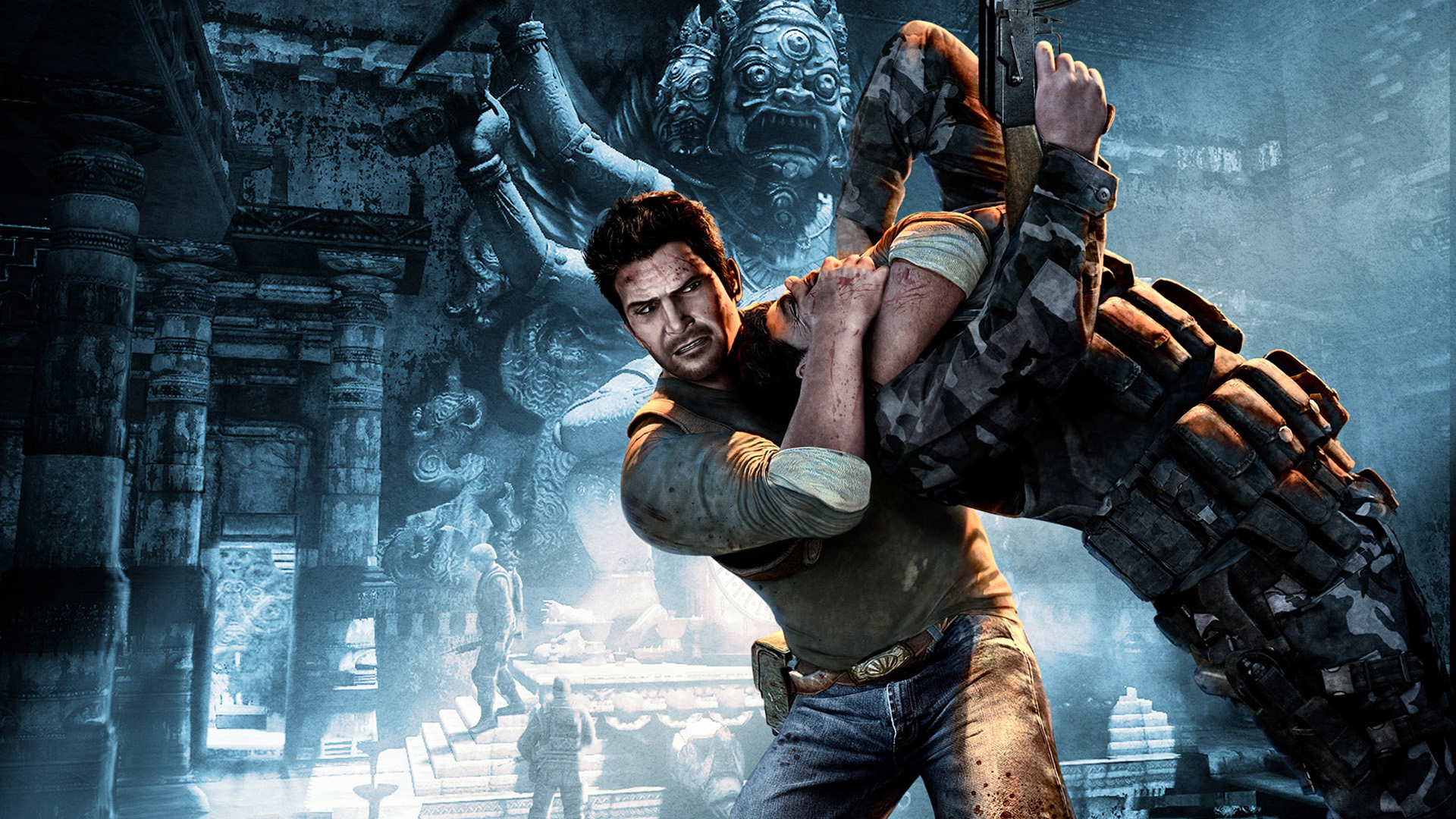
If the first game established the potential, Uncharted 2: Among Thieves (2009) blew expectations out of the water. Naughty Dog unlocked the true power of the PS3 architecture, creating dynamic gameplay sequences and eliminating loading screens between cutscenes and gameplay.
Featuring iconic moments like the collapsing Nepal building and the relentless moving train sequence, Uncharted 2: Among Thieves refined gunplay, climbing, and stealth while delivering an unforgettable story. Widely regarded as one of the greatest video games ever made, it swept Game of the Year awards and firmly established Naughty Dog at the peak of game development.
Uncharted 3: Drake's Deception – Pushing Technical Boundaries
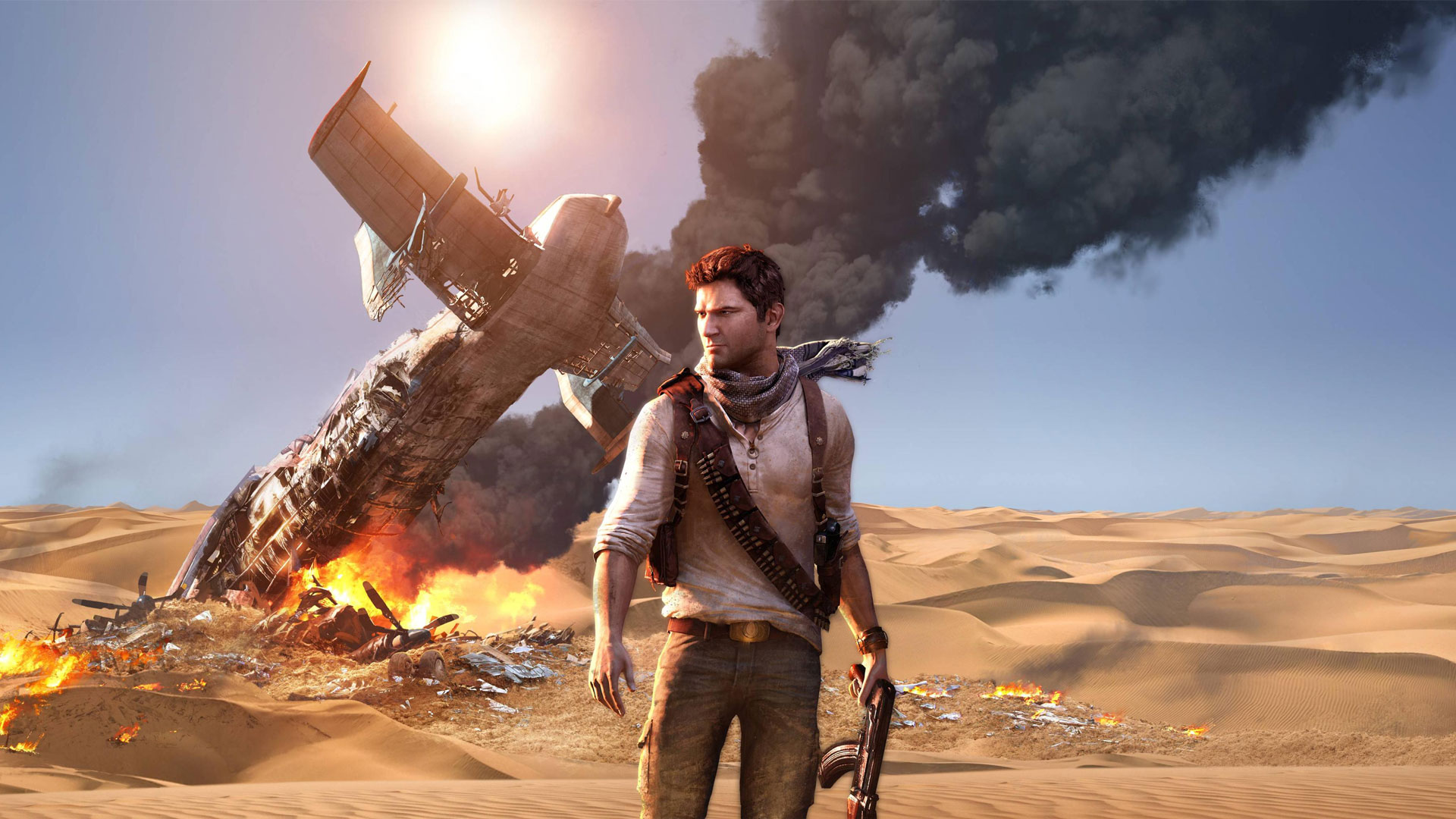
Released in 2011, Uncharted 3: Drake's Deception aimed to push the PS3 hardware to its absolute limit. Introducing advanced physics systems for sand, fire, and water, the game produced stunning technical spectacles, including the famed cargo plane crash sequence and the trek through the Rub' al Khali desert.
Beyond technical brilliance, Uncharted 3: Drake's Deception offered deep emotional weight by exploring the history and bond between Nathan Drake and his mentor, Victor Sullivan, solidifying the series' reputation for rich character development.
The Last of Us – The PS3's Crowning Achievement
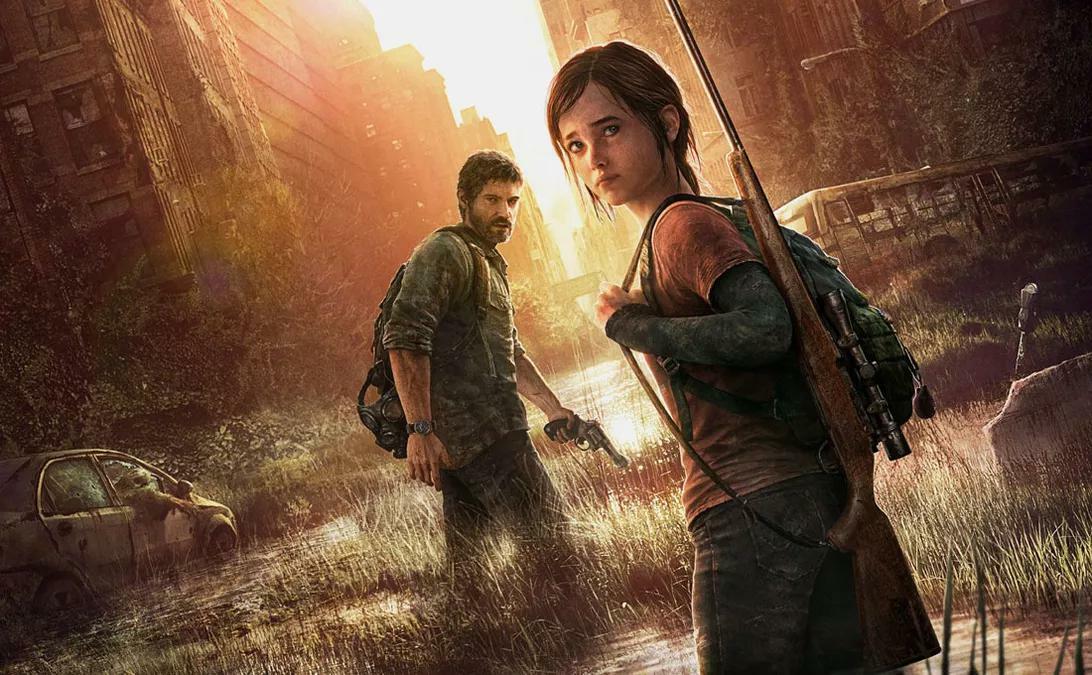
In 2013, as the PlayStation 3 era was nearing its end, Naughty Dog released The Last of Us. Having split into two separate development teams after Uncharted 2: Among Thieves, creative directors Neil Druckmann and Bruce Straley spent years crafting a dark, grounded post-apocalyptic narrative.
Focusing on the burgeoning father-daughter dynamic between Joel and Ellie, The Last of Us traded pulp adventure for intense survival horror, environmental narrative design, and profound character studies. Winning over 200 Game of the Year awards, it demonstrated that video game narratives could match the artistic complexity of top-tier film and television.
Why Naughty Dog Succeeded on the PS3
Naughty Dog's unprecedented success during the PS3 generation was built on a foundation of technical innovation and creative courage:
- Proprietary Engine Architecture: Rather than relying on third-party engines, Naughty Dog engineered custom technology specifically designed to maximize the PS3's unique architecture.
- Performance Capture Pioneering: They were early adopters of capturing full body movements and vocal performances simultaneously, yielding remarkably natural character interactions.
- Integrated Design: Narrative designers and gameplay programmers worked in tandem, ensuring story beats complemented interactive gameplay.
- Dual-Team Structure: Dividing the studio enabled Naughty Dog to develop The Last of Us in tandem with Uncharted 3: Drake's Deception without compromising visual or narrative quality.
Frequently Asked Questions
Which games did Naughty Dog make for the PS3?
Naughty Dog developed four main titles for the PS3: Uncharted: Drake's Fortune (2007), Uncharted 2: Among Thieves (2009), Uncharted 3: Drake's Deception (2011), and The Last of Us (2013).
How did Naughty Dog master the PS3 Cell processor?
While many studios found the PS3 hardware difficult to work with, Naughty Dog built specialized in-house tools to offload graphic processing and physics calculations onto the Cell engine's Synergistic Processing Units (SPUs).
Is The Last of Us considered a PS3 game?
Yes, The Last of Us initially released exclusively on the PlayStation 3 in June 2013 before receiving remastered and remade versions on subsequent console generations.
Final Thoughts
The PS3 era completely redefined Naughty Dog's identity and cemented PlayStation's strategy for single-player, story-focused exclusive games. By taking risks and continuously mastering complex technology, Naughty Dog transitioned from a maker of cartoon platformers into one of the most respected developers in gaming history.
