


Introduction: The Revolution of Independent Gaming
In the early decades of video game history, major publishers dictated the landscape. High budgets, massive marketing campaigns, and physical retail distribution meant that only large studios could successfully launch video games. However, over the last two decades, a quiet revolution transformed into a full-scale industry shift. The rise of indie games has fundamentally altered how games are developed, distributed, and celebrated.
Today, independent titles stand shoulder to shoulder with blockbuster AAA releases. Small teams, sometimes consisting of just a single creator, have produced experiences that capture the hearts of millions, capture prestigious Game of the Year awards, and spark entire new subgenres. Understanding the rise of indie games requires examining how technology, digital distribution platforms, and relentless creative passion came together to disrupt the entire entertainment medium.
The Digital Spark: Distribution and the Dawn of Modern Indies
Before the late 2000s, independent creators faced nearly insurmountable barriers to entry. Manufacturing physical discs or cartridges required capital that solo developers simply did not possess. Early pioneers like Cave Story proved that remarkable solo projects were possible, but distribution remained limited to niche internet communities.
The catalyst for change arrived with digital storefronts. Steam's expansion alongside Microsoft's Xbox Live Arcade (XBLA) initiative created a direct pipeline from small-scale developers to millions of players worldwide. In 2008, the gaming world witnessed a turning point with the release of Braid and World of Goo. These games demonstrated that non-traditional gameplay mechanics and artistic storytelling could achieve both commercial success and critical acclaim.
Shortly after, titles like Super Meat Boy and Limbo reinforced that players were hungry for challenging, inventive experiences that large studios were often hesitant to risk funding.
Landmark Indie Games That Changed the Industry
Several milestone releases served as powerful proof of what independent development could accomplish. These titles didn't just succeed; they fundamentally changed the gaming culture.
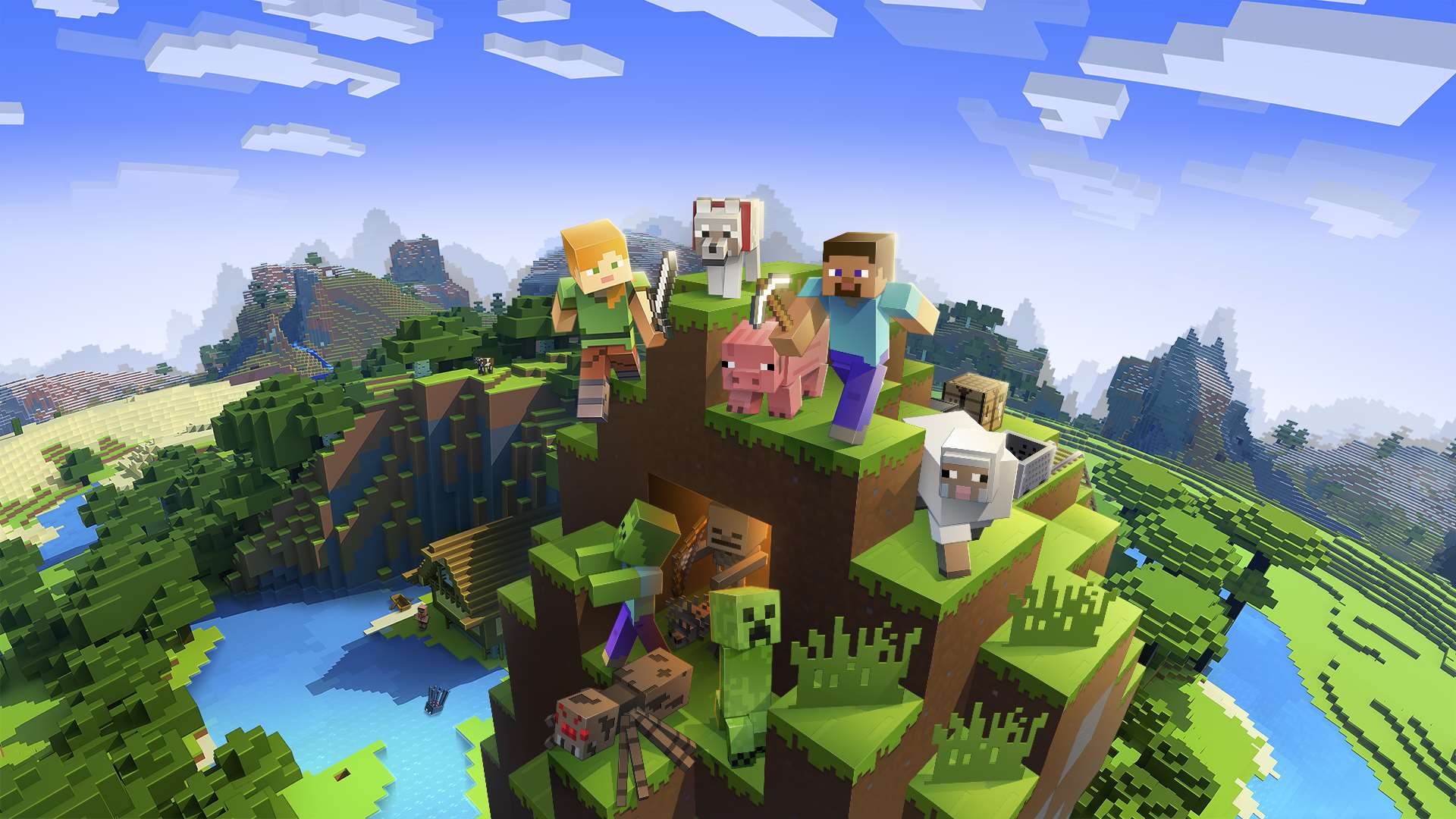
Minecraft
Originally created by a single developer, Minecraft emerged as the ultimate indie success story. By prioritizing player agency, procedural generation, and open-ended sandbox gameplay, it grew from an obscure alpha release into the best-selling video game of all time. Its success shattered conventional wisdom regarding graphics, tutorials, and marketing, showing that emergent gameplay could trump cinematic production value.
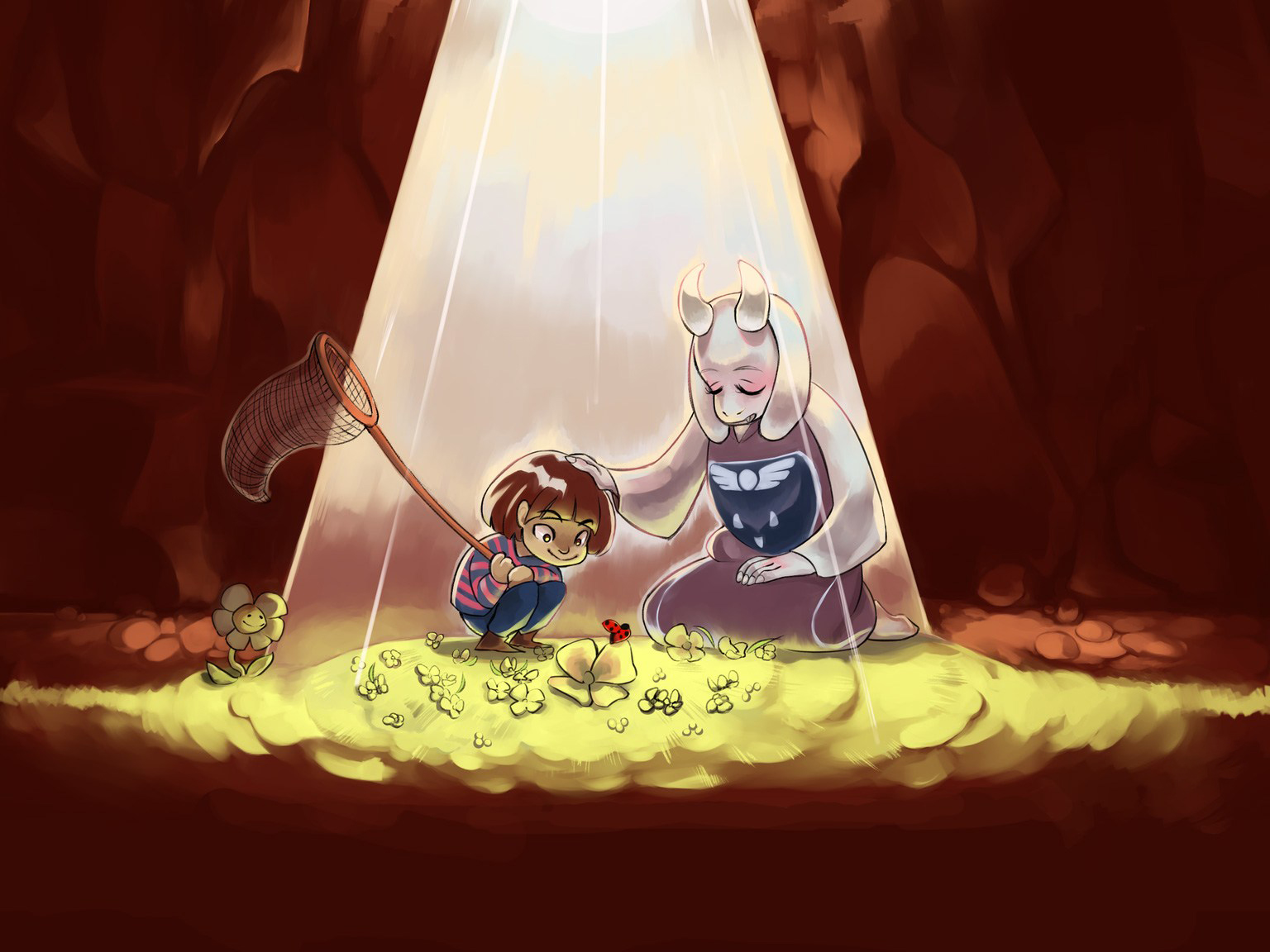
Undertale
Created almost entirely by Toby Fox, Undertale shocked the industry in 2015 by taking traditional RPG tropes and subverting them. By allowing players to navigate the entire game without killing a single enemy, alongside a memorable soundtrack and meta-narrative storytelling, Undertale proved that emotional resonance and clever design hold immense weight among gamers.
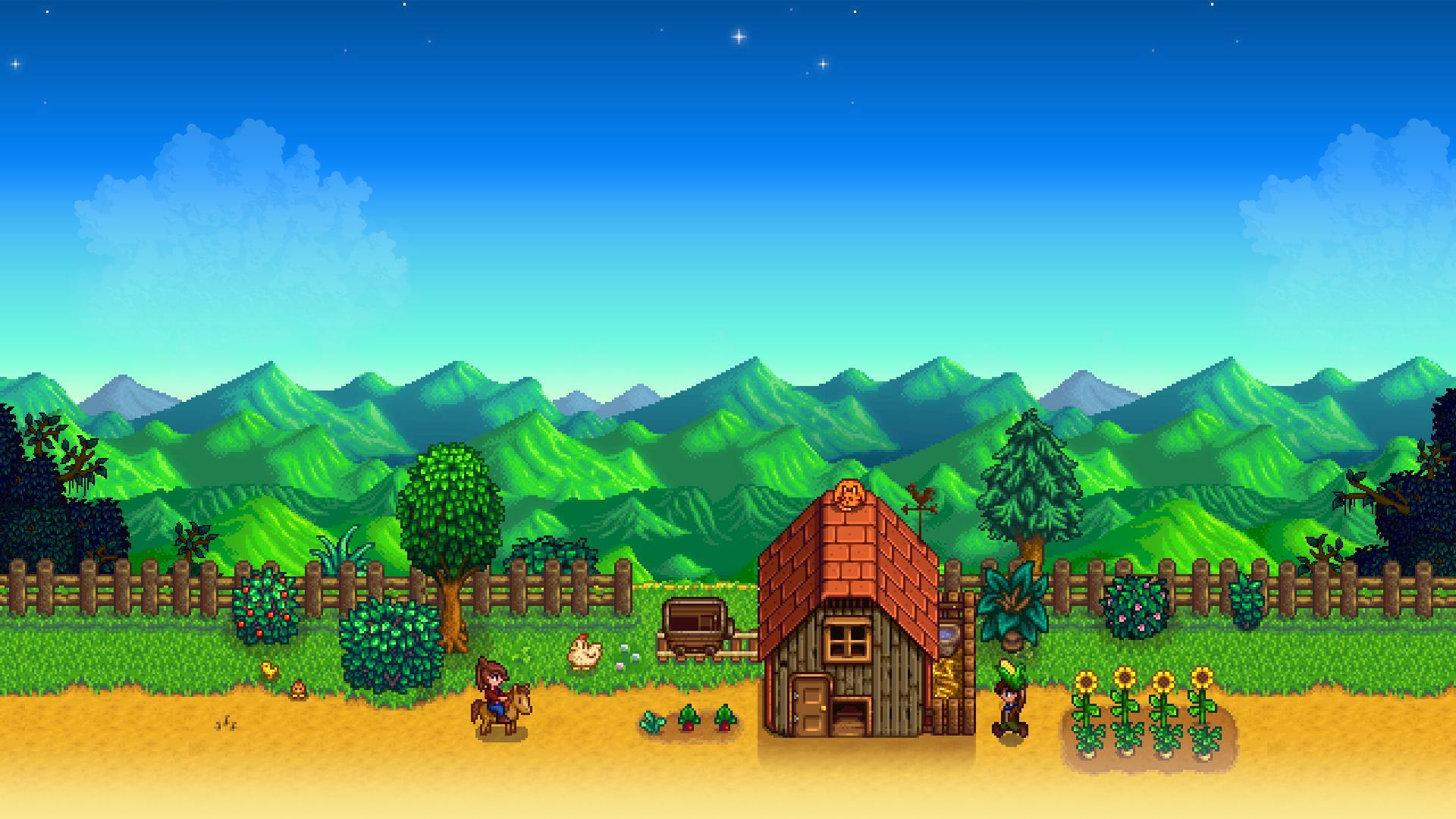
Stardew Valley
Developed entirely by Eric Barone (ConcernedApe) over four years, Stardew Valley revitalized the farming simulation genre. By listening directly to community feedback and delivering an exceptional level of polish and passion, the game achieved multi-million sales across virtually every modern gaming platform, establishing a blueprint for community-focused game support.

Hollow Knight
Developed by Team Cherry, a core team of just three people, Hollow Knight set a new standard for the Metroidvania genre. Featuring handcrafted 2D art, responsive controls, deep lore, and expansive world design, it outperformed many high-budget action games and established independent studios as masters of intricate world-building.
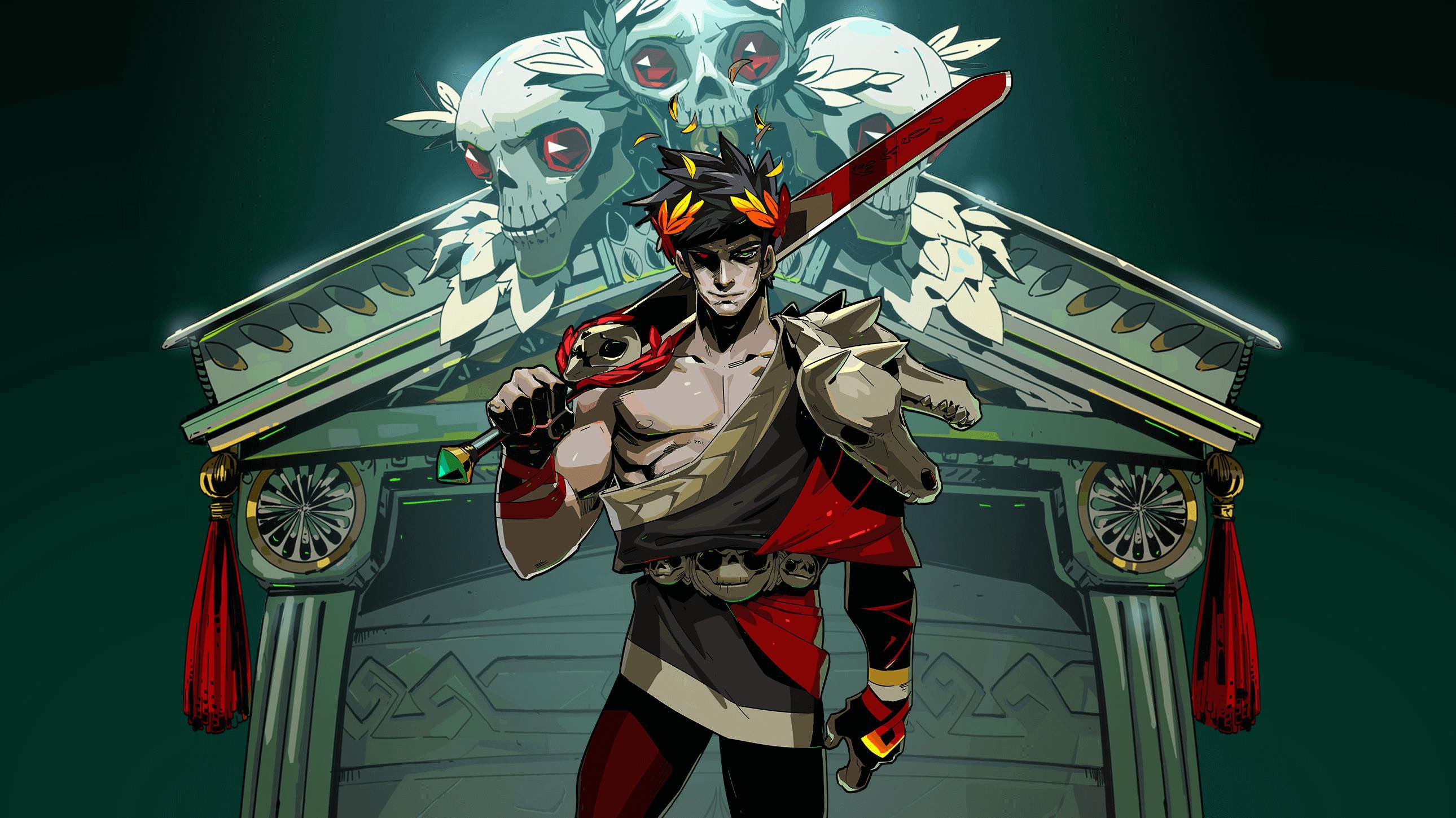
Hades
Supergiant Games delivered a masterclass in game design with Hades. By seamlessly blending rogue-like mechanics with rich, character-driven storytelling, Hades broke into mainstream award ceremonies, earning widespread Game of the Year nominations alongside high-budget AAA titles like The Last of Us Part II.
Why Players and Critics Prefer Indie Games
The explosive popularity of indie titles is not an accident. Independent studios operate under different incentives and constraints compared to major corporate entities, offering unique advantages to players:
- Unfettered Creative Risk-Taking: Free from publisher oversight, indie developers can experiment with unusual mechanics, novel art styles, and bold narrative themes. Games like Celeste, Return of the Obra Dinn, and Balatro explore concepts that major studios might deem financially risky.
- Genre Revival and Innovation: When traditional publishers abandoned niche genres like classic isometric RPGs, pixel-art platformers, or space simulations, indie developers filled the void with titles like Terraria, Dead Cells, and Sea of Stars.
- Accessible Development Engines: The democratization of tools like Unity, Unreal Engine, and Godot lowered the technical barrier to entry, allowing aspiring creators around the globe to turn creative concepts into playable realities.
- Direct Player Communication: Early Access programs on Steam allowed small studios to build games alongside their player bases, using direct feedback to refine titles like Vampire Survivors and Slay the Spire.
The Legacy and Future of the Indie Movement
Today, the line between "indie" and "AAA" continues to blur. Mid-sized studios, often referred to as "triple-i" developers, now produce titles with exceptional visual fidelity while retaining creative control. Meanwhile, major console manufacturers aggressively compete to secure indie debuts on their subscription services and digital storefronts.
Far from being a temporary trend, indie games have proven to be the lifeblood of creative innovation in the video game industry. As major studios grapple with inflated budgets and extended development cycles, independent developers continue to remind the world why people fall in love with gaming in the first place: pure creativity, engaging mechanics, and heartfelt storytelling.
Frequently Asked Questions
What defines an indie game?
An indie (independent) game is typically created by individuals or small development teams without the financial backing or creative control of large, mainstream video game publishers.
Are indie games lower quality than AAA games?
Not at all. While indie games often have lower graphical budgets, they frequently surpass high-budget titles in game mechanics, narrative innovation, music, and artistic design. Many indie games score higher on aggregate review platforms than multi-million dollar releases.
Can solo developers still make successful games today?
Yes. Breakthrough hit titles like Stardew Valley, Unturned, and Vampire Survivors were created by single developers, demonstrating that great design and engaging gameplay remain the primary ingredients for success.
Final Thoughts
The rise of indie games has reshaped modern interactive entertainment for the better. By placing artistic vision and player experience above corporate formulas, independent creators have enriched the medium, ensuring that gaming remains one of the most vibrant, diverse, and innovative art forms in the world.
