


Introduction: Redefining What Video Games Can Be
Few video game development studios have left as distinct and charming an imprint on the industry as Media Molecule. Founded in 2006 in Guildford, United Kingdom, this British studio set out with a radical ambition: to transform players from passive consumers into active creators. By pioneering the Play, Create, Share philosophy, Media Molecule democratized game design long before accessible creation tools became mainstream on home consoles.
From the iconic yarn-woven worlds of LittleBigPlanet to the boundless digital canvas of Dreams, Media Molecule has consistently pushed hardware boundaries while fostering one of the most passionate creative communities in gaming history. Here is a look at the evolution, innovations, and lasting legacy of this visionary studio.
The Birth of Play, Create, Share
Media Molecule was formed by former Lionhead Studios veterans, including Mark Healey, Alex Evans, Kareem Ettouney, and Siobhan Reddy. Healey had previously created Rag Doll Kung Fu, proving that small, experimental concepts could capture player imaginations. Backed by Sony Computer Entertainment, the new studio set out to build a platforming game that empowered players to build, customize, and share their own levels using simple, physics-based mechanics.
LittleBigPlanet: The Sackboy Revolution
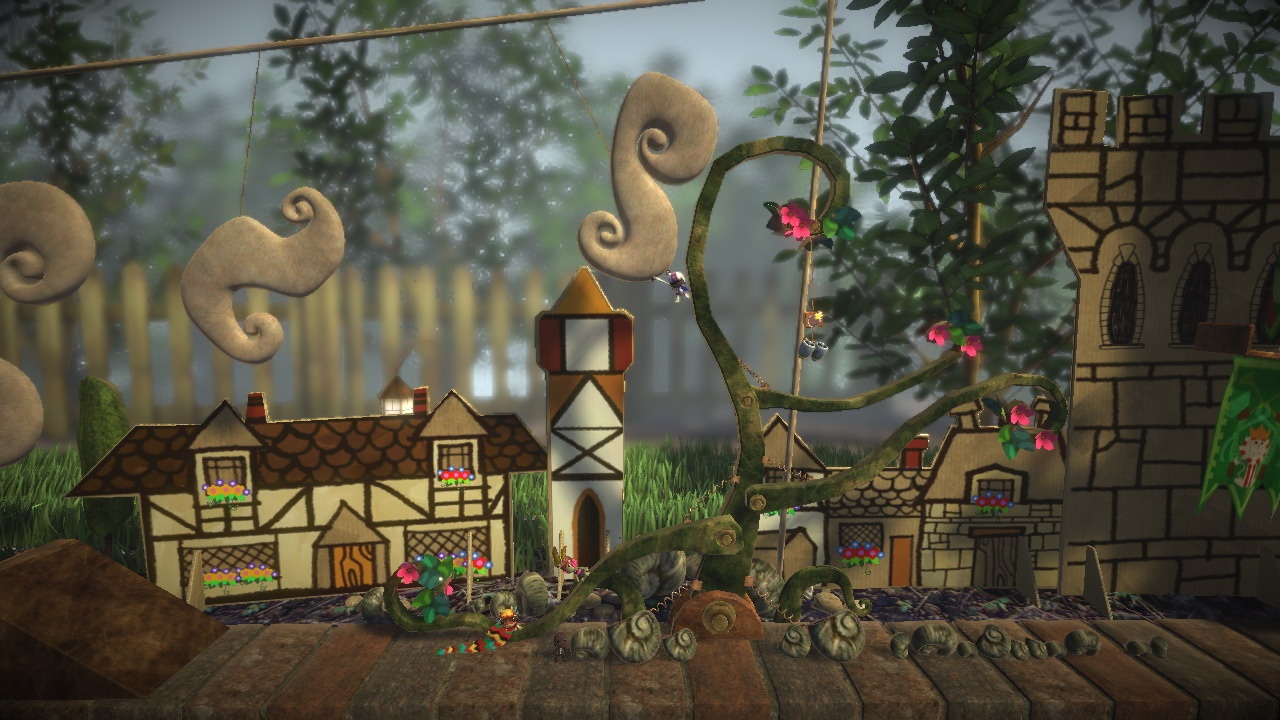
Released in 2008 for the PlayStation 3, LittleBigPlanet was an instant critical and commercial triumph. At its center was Sackboy, a customizable knitted character who quickly became an iconic mascot for the PlayStation brand. The game featured a delightful story campaign narrated by Stephen Fry, but its true magic lay in Create Mode.
Players were given access to physical materials, logic devices, and audio tools to construct custom platforming stages. The Play, Create, Share ethos came to life as millions of user-generated levels were uploaded online. The 2011 sequel, LittleBigPlanet 2, expanded the creation toolkit significantly, allowing creators to design entirely new game genres beyond platforming, such as arcade shooters, RPGs, and puzzle games.
Tearaway: Tangible Magic on Handheld Consoles
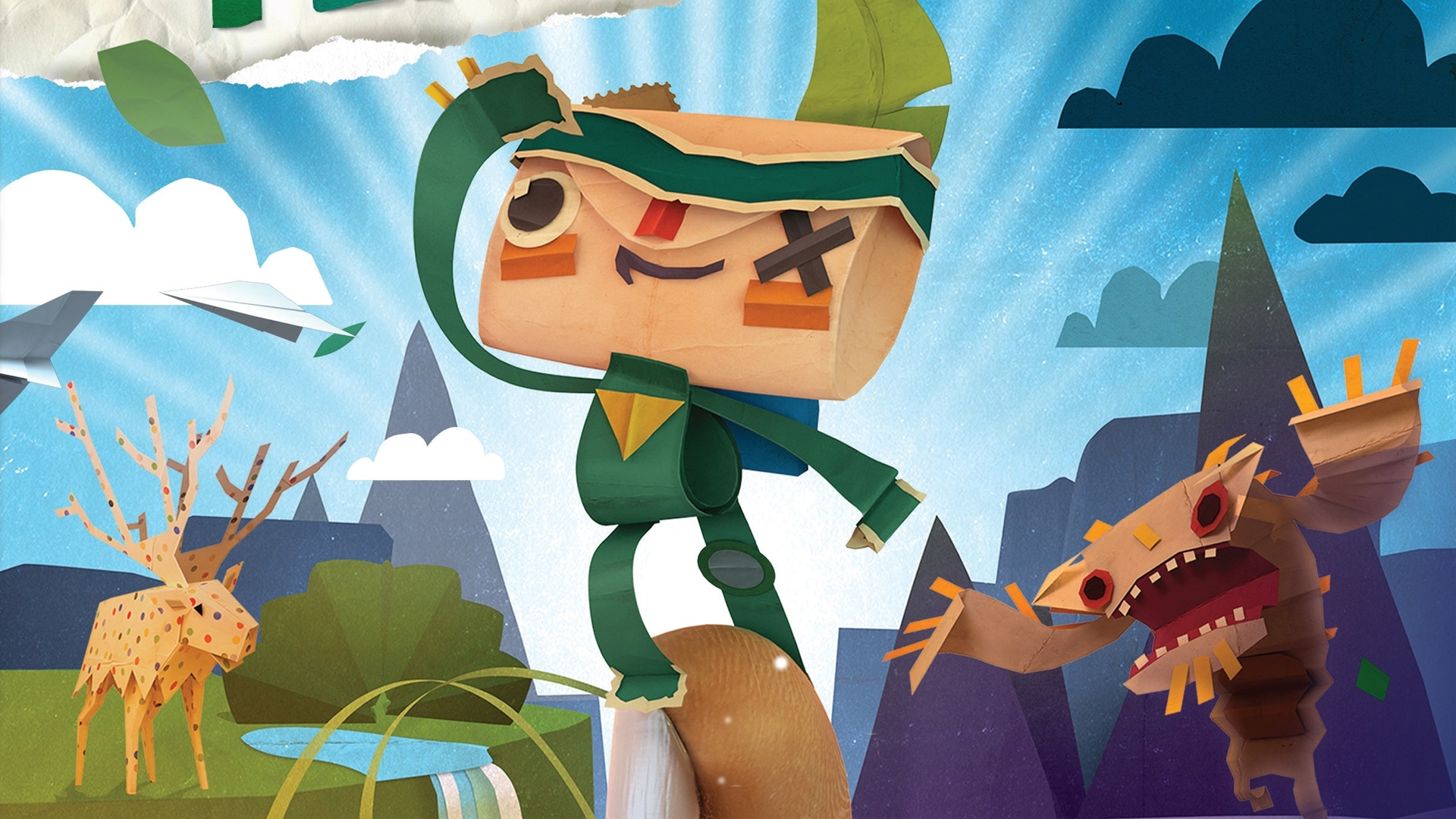
In 2013, Media Molecule turned its attention to the PlayStation Vita with Tearaway. Moving away from open-ended level creation, Tearaway focused on deep immersion and tactile interaction within a vibrant papercraft universe.
The game fully utilized every hardware feature of the PS Vita, including rear touchpads, cameras, and microphones, allowing players to reach inside the game world to assist the messenger protagonist, Iota or Atoi. The game was later expanded for home consoles as Tearaway Unfolded on PlayStation 4, cementing Media Molecule's reputation as masters of charm and interactive design.
Dreams: The Ultimate Digital Creation Suite
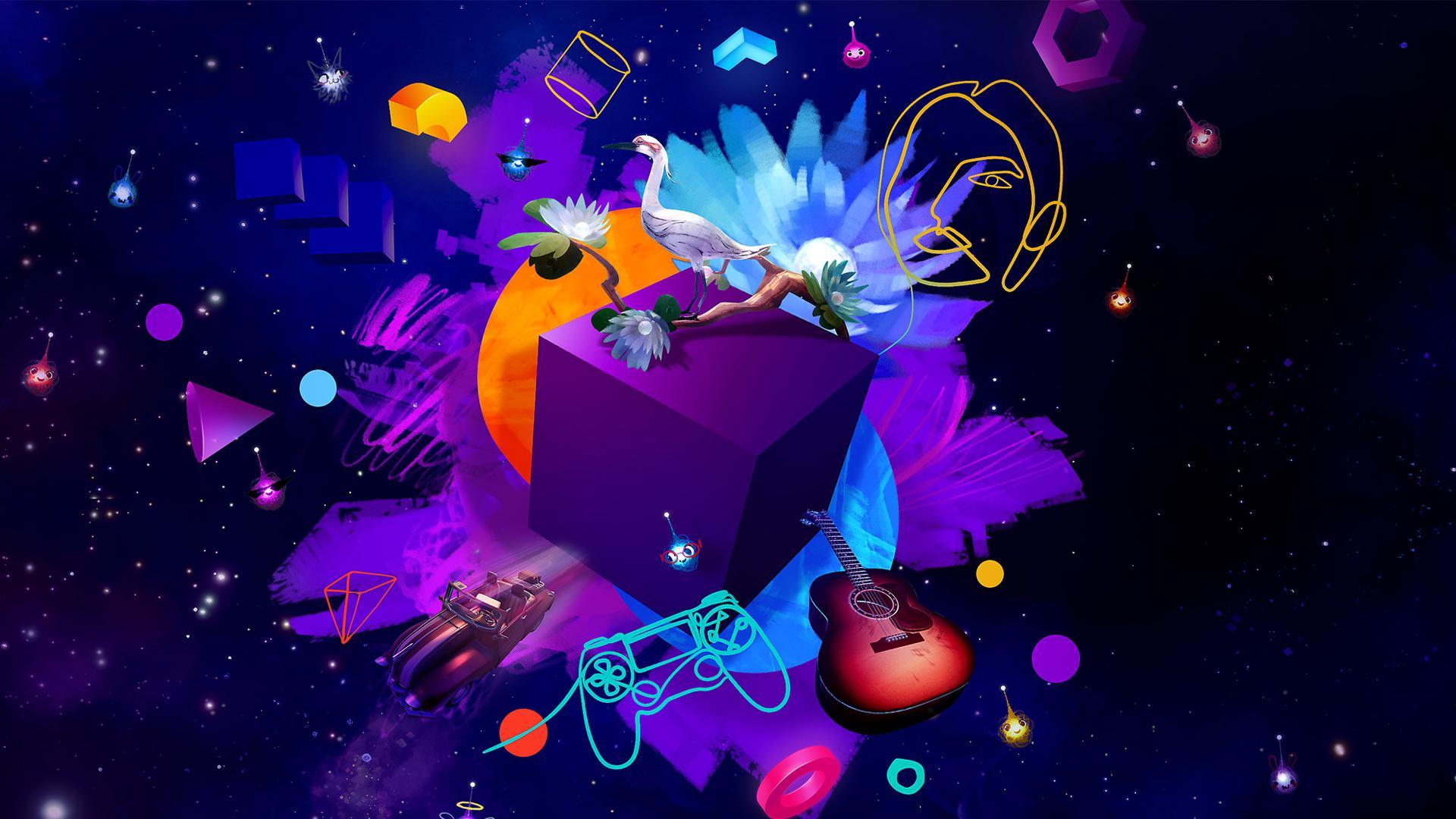
Media Molecule's most ambitious project arrived with Dreams on PlayStation 4. Far more than a traditional video game with an editor attached, Dreams is a comprehensive game engine, 3D sculpting suite, and music workstation packaged for console players.
Using a standard controller or motion controls, players could sculpt 3D models, record dynamic audio, code game logic, and animate full cinematic sequences. Community members utilized Dreams to craft short films, standalone indie titles, photorealistic art galleries, and detailed homages to retro games. Dreams stands as a triumph of accessibility in game engine architecture.
The Industry Impact of Media Molecule
Media Molecule's legacy extends well beyond their software sales. They proved that console audiences possessed an appetite for creative expression, inspiring a generation of modern sandbox titles and creator-focused games. Furthermore, several community members who got their start building levels in LittleBigPlanet and Dreams subsequently secured professional roles within the games industry.
Frequently Asked Questions
Did Media Molecule develop Sackboy: A Big Adventure?
No. While Media Molecule created the character Sackboy and the original universe, Sackboy: A Big Adventure was developed by Sumo Digital, who also previously worked on LittleBigPlanet 3.
What is the Play, Create, Share philosophy?
Play, Create, Share was a design concept championed by Media Molecule and PlayStation. It focused on providing a complete game out of the box (Play), providing accessible tools to make custom levels (Create), and offering a global network to publish custom content (Share).
Final Thoughts
Media Molecule remains a stand-out studio within PlayStation's lineup of first-party developers. By prioritizing imagination, user empowerment, and artistic joy, they proved that games can serve not only as entertainment products, but as powerful canvases for human expression.
