


Introduction: A Studio That Redefined PlayStation Gaming
Few video game developers have left as indelible a mark on gaming history as Naughty Dog. Over four decades, the studio transformed from an independent operation founded by two high school friends into Sony Interactive Entertainment’s flagship developer. Known for unmatched technical polish, expressive character animation, and industry-defining narrative design, Naughty Dog has continuously reinvented itself with each console generation.
Understanding the evolution of Naughty Dog requires looking at how the developer consistently pushed hardware limits while transitioning from whimsical 3D platformers to mature, cinematic action-adventures. Here is the comprehensive journey of how Naughty Dog became one of the most respected names in interactive entertainment.
The Genesis: Early Hits and Early Experiments
Founded in 1984 by Andy Gavin and Jason Rubin under the initial name Jam Software, the studio created software for early systems like the Apple II and Commodore Amiga. After changing their name to Naughty Dog in 1989, the team released titles such as Math Jam, Keef the Thief, and the early RPG Rings of Power on the Sega Genesis.
In 1994, Naughty Dog released Way of the Warrior for the 3DO console. While a modest fighting game inspired by arcade trends, its development caught the attention of Universal Interactive Studios. This partnership set the stage for Naughty Dog’s breakthrough move into 3D game design.
The PlayStation Era: Crash Bandicoot and the Birth of an Icon
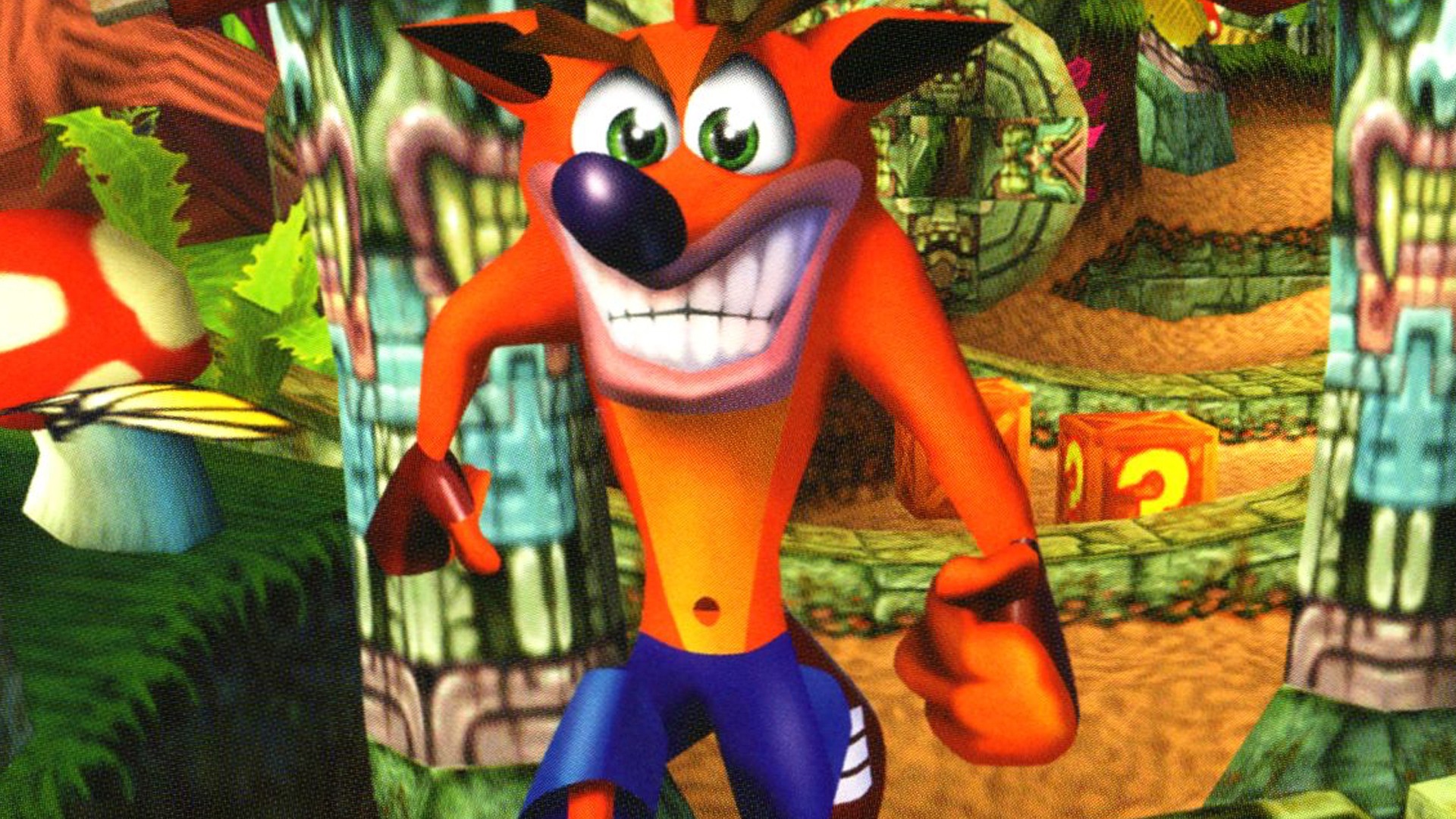
With the arrival of the original PlayStation, Naughty Dog identified an opportunity: Sony lacked an official mascot to rival Mario or Sonic. In 1996, the studio released Crash Bandicoot, a game that pioneered 3D platforming with its famous back-of-the-character perspective, affectionately dubbed the dynamic camera path.
The success was instantaneous. Naughty Dog expanded the franchise with Crash Bandicoot 2: Cortex Strikes Back (1997), Crash Bandicoot: Warped (1998), and the celebrated kart racer Crash Team Racing (1999). This era established Naughty Dog's reputation for squeezing unprecedented technical performance out of console hardware.
The PlayStation 2 Era: Jak and Daxter and Seamless Open Worlds
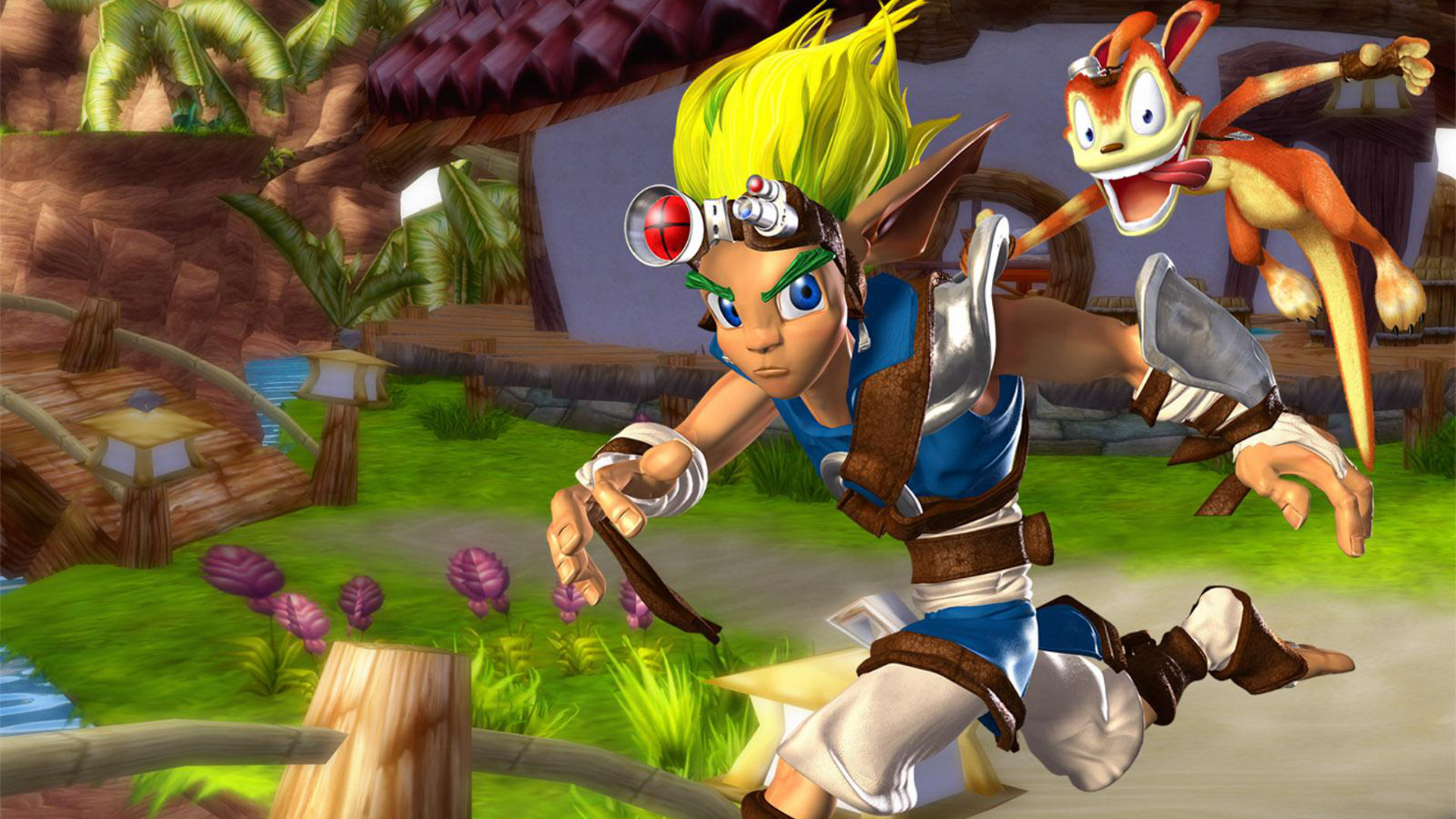
Acquired by Sony in 2001, Naughty Dog transitioned to the PlayStation 2 with a brand-new intellectual property. Releasing Jak and Daxter: The Precursor Legacy in 2001, the studio accomplished a technical marvel: a fully seamless 3D open world with zero load screens, vibrant visuals, and expressive character animation.
As gaming culture shifted toward darker, more mature themes, Naughty Dog adapted the series. The sequels—Jak II (2003) and Jak 3 (2004)—introduced gritty cityscapes, firearm combat, and vehicle mechanics inspired by open-world action games. The trilogy demonstrated Naughty Dog's willingness to evolve its game design to match changing player demographics.

The PlayStation 3 Era: Uncharted and the Cinematic Revolution
With the launch of the PlayStation 3, Naughty Dog stepped away from stylized, animated mascots to pursue realistic visual storytelling. In 2007, the studio introduced hero Nathan Drake in Uncharted: Drake's Fortune. The game blended cover-based shooting, climbing mechanics, and Hollywood-style cinematic flair.
In 2009, Naughty Dog delivered Uncharted 2: Among Thieves, widely considered a milestone in action game design. Featuring set pieces, motion-captured performances, and naturalistic dialogue, the title set a new benchmark for cinematic immersion in video games. The trilogy concluded on the system with Uncharted 3: Drake's Deception in 2011.
The Masterpiece Shift: The Last of Us
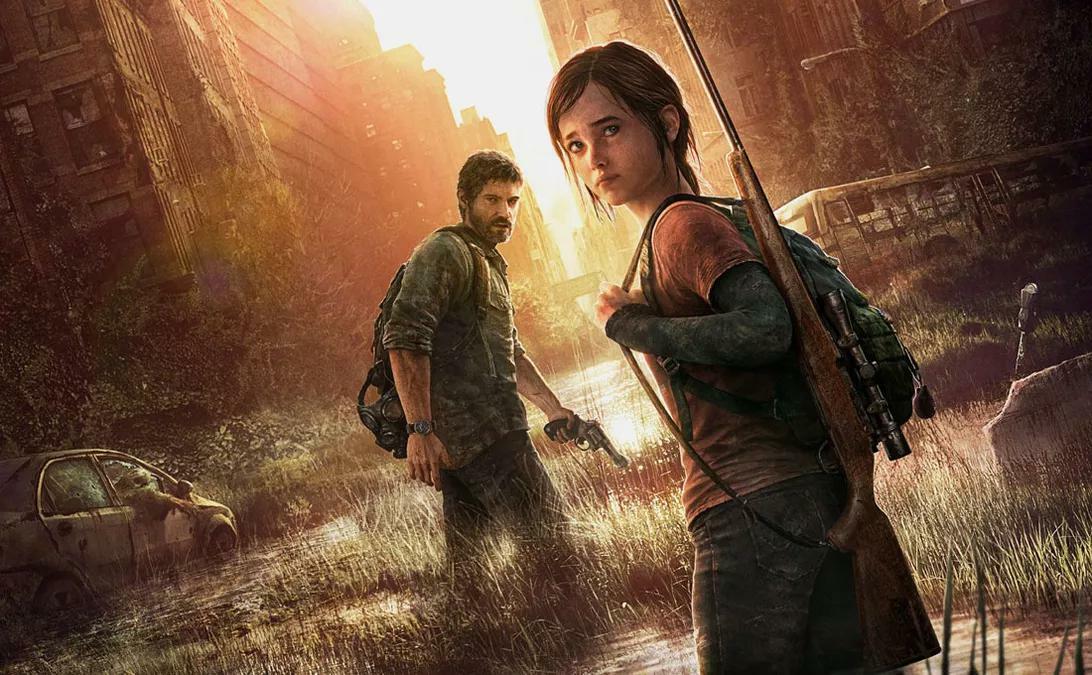
While finishing the Uncharted series, a second team inside Naughty Dog quietly developed a darker, character-focused survival game. Released in 2013 near the end of the PS3 lifecycle, The Last of Us shifted the industry’s perception of what game narratives could achieve.
Following the journey of Joel and Ellie through a post-apocalyptic United States, The Last of Us traded explosive spectacle for tense resource management, tactical combat, and intense emotional storytelling. It earned hundreds of Game of the Year awards and solidified Naughty Dog's position as premier storytellers in interactive media.
The Modern Era: Technical Dominance on PS4 and PS5
On the PlayStation 4, Naughty Dog reached new visual and performance peaks. In 2016, Uncharted 4: A Thief's End provided a poignant conclusion to Nathan Drake's story while expanding level design with larger, semi-open environments. This design philosophy was further refined in 2017's standalone expansion, Uncharted: The Lost Legacy.
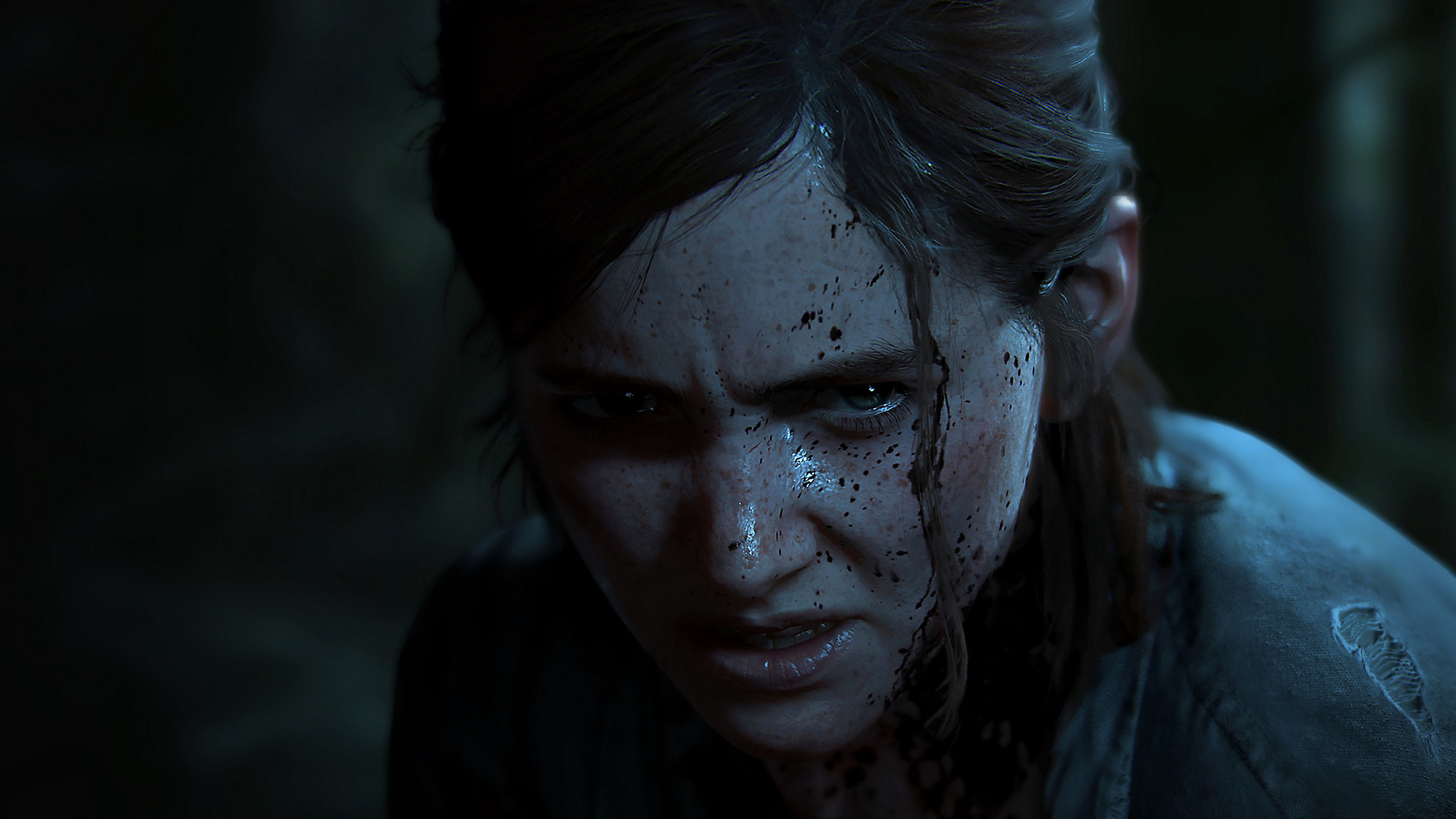
In 2020, Naughty Dog released The Last of Us Part II. Pushing the PS4 hardware to its absolute limit, the game delivered groundbreaking combat mechanics, realistic animation systems, and a complex multi-perspective revenge narrative that sparked industry-wide discussion. Continuing into the PS5 generation, the studio released rebuilt editions and remasters to bring these flagship titles to modern performance standards.
Key Drivers Behind Naughty Dog's Evolution
- Custom Game Engine Technology: Naughty Dog builds custom technology tailored specifically to Sony console hardware, maximizing graphics and performance capabilities.
- Seamless Storytelling: The removal of loading screens and smooth transitions between gameplay and cutscenes create uninterrupted immersion.
- Character-Driven Writing: Believable characters with flawed personalities and authentic dialogue make their emotional arcs resonate with global audiences.
- Willingness to Innovate: Rather than relying solely on past triumphs, Naughty Dog regularly shifts genres and artistic styles when moving to new console generations.
Frequently Asked Questions
What was Naughty Dog's very first game?
Naughty Dog's first commercial game was Math Jam, created in 1985 when the studio was still operating under the name Jam Software.
Does Naughty Dog still own Crash Bandicoot?
No, Naughty Dog does not own the rights to Crash Bandicoot. Universal Interactive retained the IP rights when Naughty Dog moved on, and the franchise is currently owned by Activision Blizzard.
Why did Naughty Dog stop making Jak and Daxter games?
Naughty Dog shifted focus to realistic games like Uncharted: Drake's Fortune as hardware advanced. While they explored concepts for a realistic Jak and Daxter game on PS3, the team felt it moved too far away from the spirit of the original series and pivoted to new intellectual properties.
Final Thoughts: Shaping the Future of Gaming
The evolution of Naughty Dog games reflects the evolution of the video game medium itself. From cartoon platformers on CD-ROMs to complex, photorealistic narratives examining human emotion, Naughty Dog has continuously led the industry forward. As technology advances, players around the world eagerly anticipate how this legendary studio will redefine interactive entertainment in the years to come.
