


Introduction: The Journey of the Ghost of Sparta
Few characters in modern gaming history have undergone a transformation as profound as Kratos, the iconic protagonist of Sony Interactive Entertainment's premier action franchise. Originally introduced as a relentless, rage-fueled embodiment of vengeance, Kratos stood as a archetype of the mid-2000s action hero: brutal, unapologetic, and driven purely by anger. However, over the span of nearly two decades, Santa Monica Studio managed to execute one of the most masterful narrative evolutions in video game history.
Tracing the path of Kratos requires looking beyond mere graphical upgrades and changes in combat mechanics. It is an exploration of grief, guilt, fatherhood, and the painful process of breaking destructive cycles. From his blood-soaked origins in Greece to his quiet, reflective life in the Nordic wilderness, Kratos has grown from a chaotic force of nature into a symbol of wisdom, restraint, and selfless heroism.
The Greek Era: Unstoppable Vengeance and Pure Rage
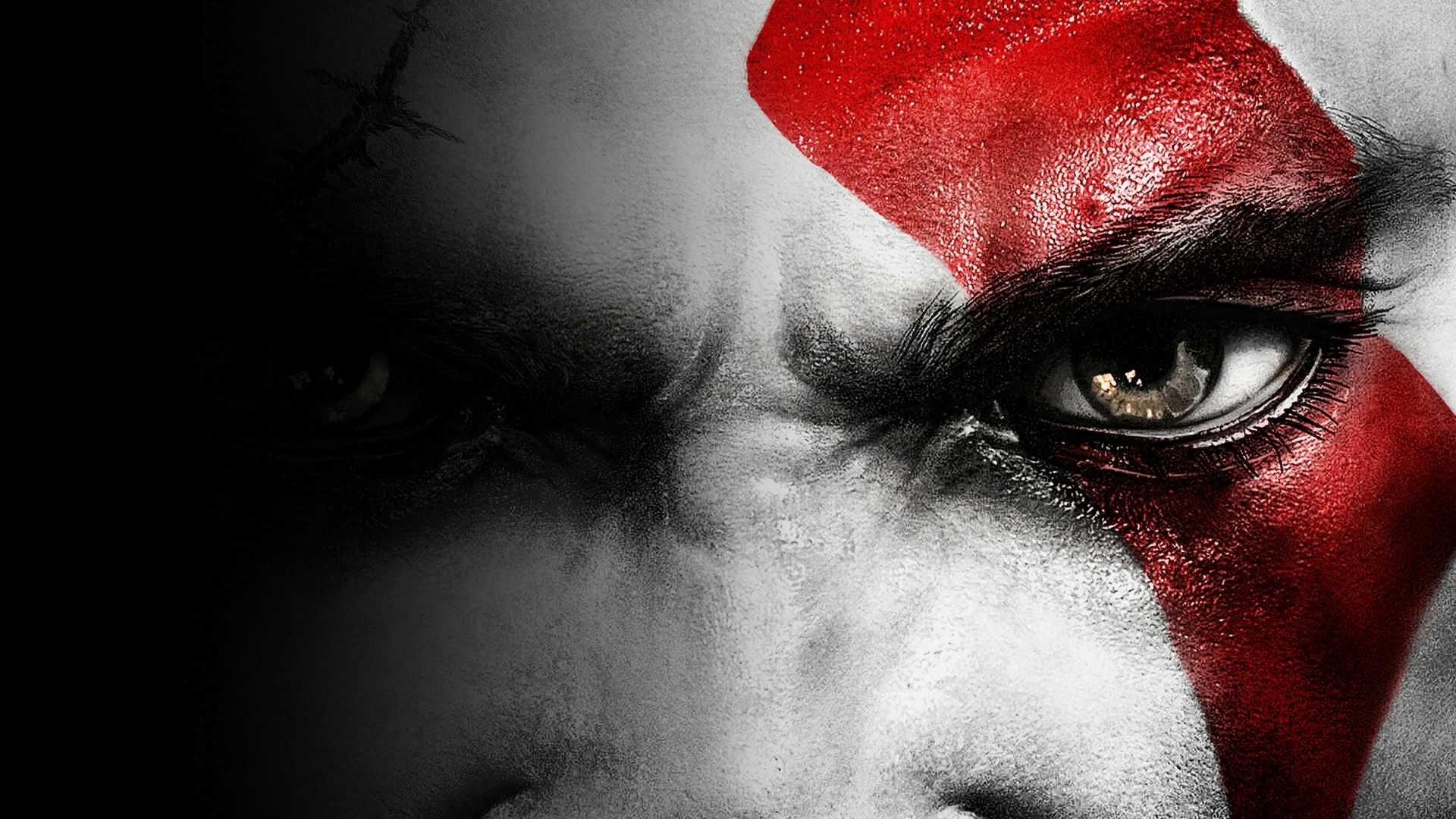
When the original God of War debuted on the PlayStation 2 in 2005, players were introduced to a man consumed by his own tragic past. As a general in the Spartan army, Kratos pledged his soul to Ares, the God of War, in exchange for victory on the battlefield. This tragic bargain led to the horrific, tricked slaughter of his own wife and daughter, an act that bonded their ashes to his skin and gave him his haunting title: the Ghost of Sparta.
Tragedy turned into Unyielding Fury
In the early titles, including God of War: Chains of Olympus, God of War: Ghost of Sparta, and God of War: Ascension, Kratos was defined entirely by his hostility toward the Olympian gods. The gods viewed him as a tool, manipulating his pain for their own political ends. This perpetual betrayal fueled an endless loop of violence.
By the time players reached God of War II and God of War III, Kratos was no longer fighting for justice or freedom; he was fighting for destruction. His crusade against Zeus and the Greek pantheon completely devastated the mortal world. Torrential floods, endless night, and plagues swept across Greece as each deity fell to his Blades of Chaos. In God of War III, Kratos reached his narrative nadir—a anti-hero willing to burn down the entire world just to see his father fall.
The Transition: The Weight of Guilt and Exile
The climax of the Greek era saw Kratos make a rare selfless choice. After realizing that Hope was trapped inside Pandora's Box, he refused to grant Athena the ultimate power over humanity. Instead, Kratos impaled himself with the Blade of Olympus, releasing Hope back to mankind and attempting to end his own life. Yet, as gods do not die easily, Kratos survived.
The era between the destruction of Olympus and his arrival in the realm of Midgard represents a crucial turning point in his evolution. Stripped of his goal of vengeance, Kratos was left alone with the crushing guilt of his actions. He wandered away from the ashes of Greece, desperately searching for a way to suppress the monster inside him and escape the tragic curse of his past.
The Norse Rebirth: Fatherhood, Restraint, and Redemption
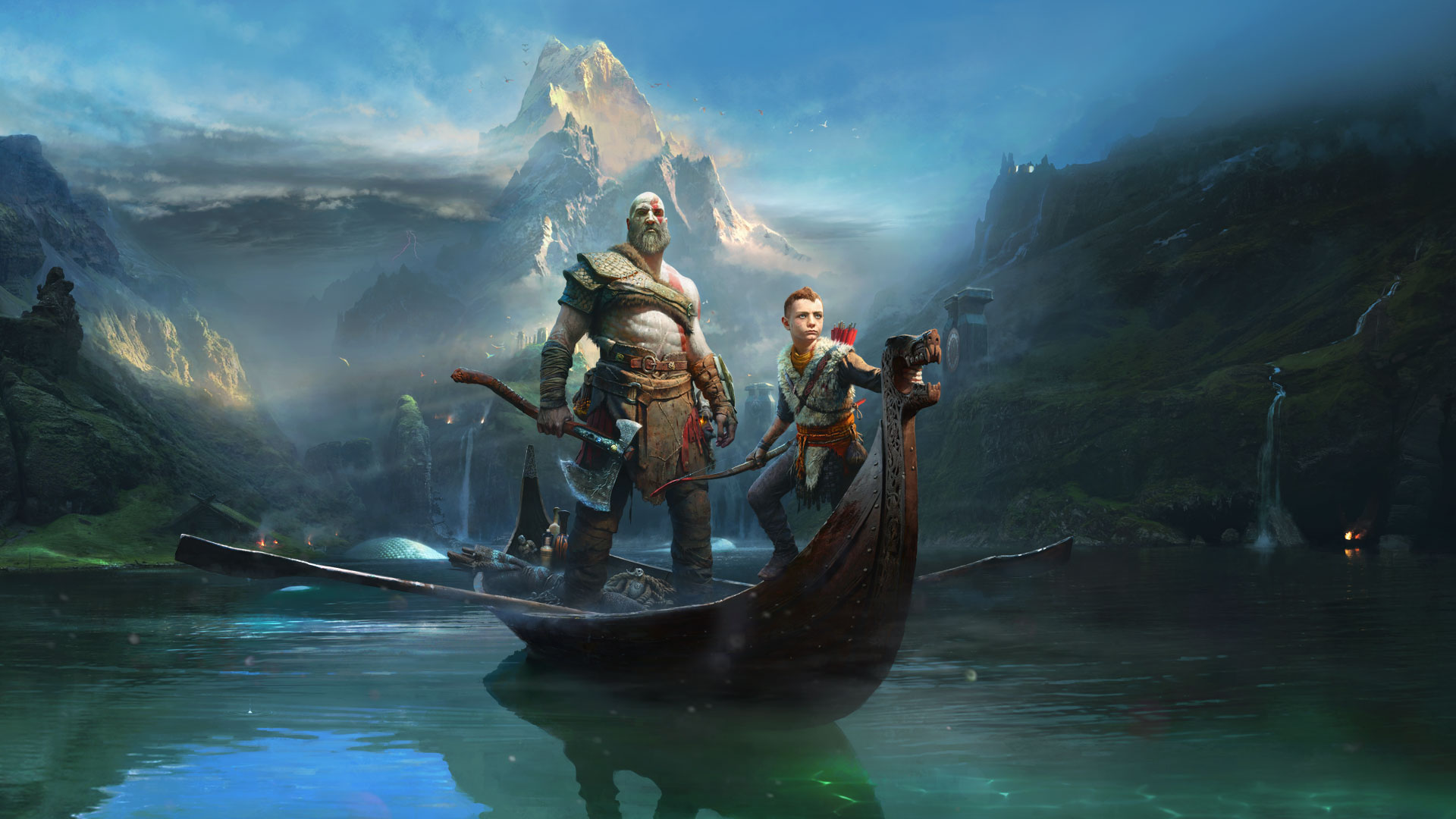
When God of War soft-rebooted the franchise in 2018, players met an visibly aged, beard-trimmed, and stoic Kratos living quietly in the Norse wilderness. Having married a warrior named Faye and fathered a son named Atreus, Kratos sought nothing more than a peaceful life away from divine conflict. However, the sudden death of Faye sets off a journey to scatter her ashes from the highest peak in the realms.
Learning to Be Better
In this new era, Kratos's primary struggle is internal rather than external. He must balance the necessity of teaching his young son how to survive in a hostile world while concealing the dark reality of his past. The dynamic between father and son serves as the emotional core of the narrative.
Key aspects of Kratos's personality shift significantly during this period:
- Emotional Restraint: Rather than reacting to insults or threats with immediate lethal force, Kratos actively seeks to avoid conflict whenever possible.
- Weaponry as a Metaphor: Trading the unpredictable, chaos-inducing Blades of Chaos for the cold, precise Leviathan Axe reflects his newly disciplined approach to combat and life.
- Mentorship over Mastery: Kratos continuously tells Atreus to "be better," challenging his son—and himself—to break the generational curse of godhood.
Fulfilling Prophecy and Rewriting Fate in Ragnarök
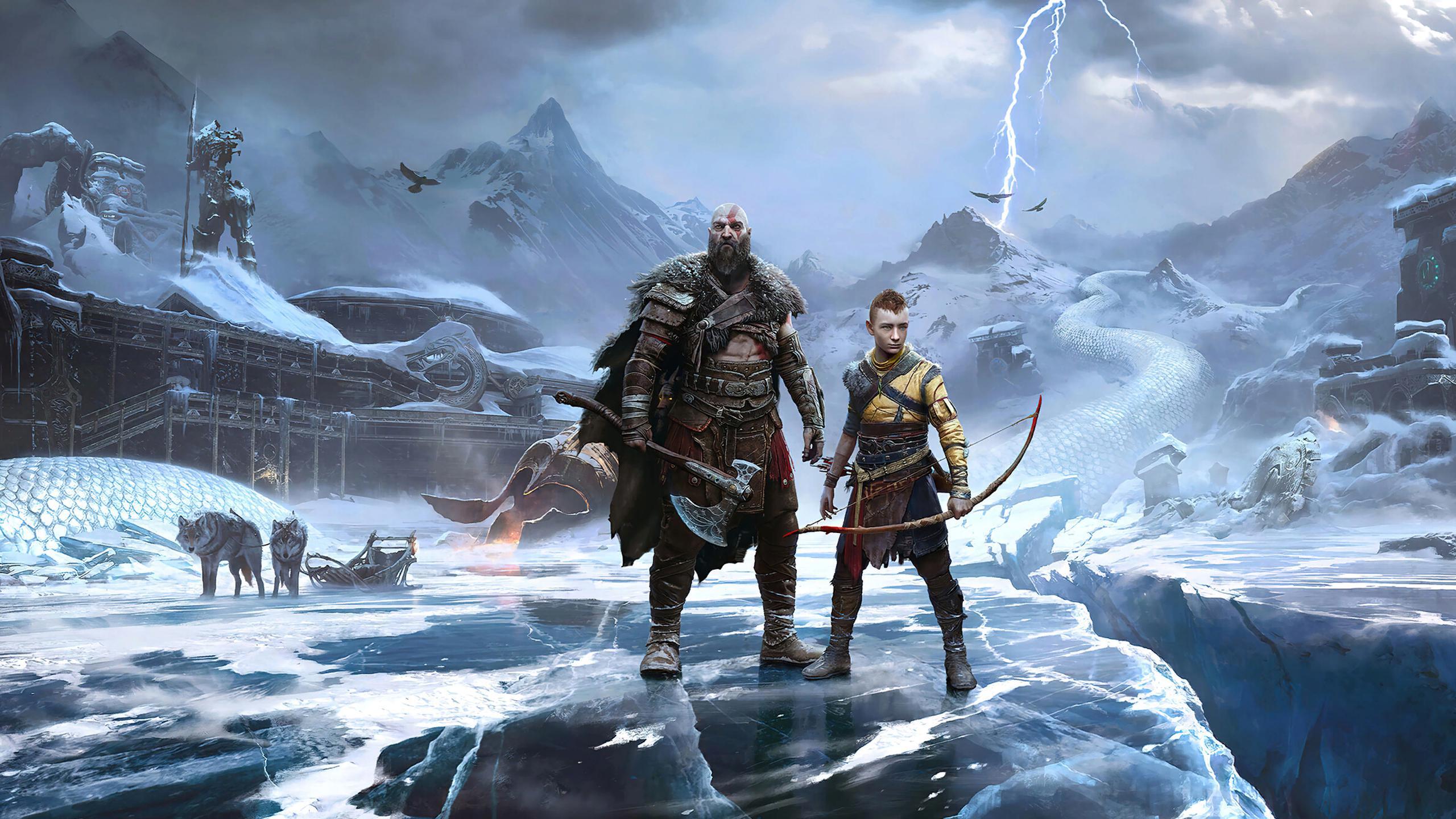
The evolution reaches its narrative peak in God of War Ragnarök and its expansion God of War Ragnarök: Valhalla. Facing the impending doom of the Norse apocalypse and the machinations of Odin, Kratos is forced to lead an army once again. However, unlike his siege on Mount Olympus, his goal in Midgard is not revenge or destruction; it is the protection of his family and the preservation of innocent lives.
In God of War Ragnarök: Valhalla, Kratos enters a journey of deep psychological reflection. He confronts physical illusions of his past, acknowledging the terrible sins he committed in Greece without hiding behind excuses. By accepting both his monstrous past and his capacity for compassion, Kratos transitions into a true god of hope—a revered protector who is worshiped not out of fear, but out of gratitude.
Comparing the Eras: Greek Kratos vs. Norse Kratos
| Trait | Greek Era | Norse Era |
|---|---|---|
| Primary Motivation | Vengeance and retribution | Protection, love, and redemption |
| Emotional State | Uncontrolled rage and despair | Stoic restraint and self-reflection |
| Primary Weapons | Blades of Chaos | Leviathan Axe, Draupnir Spear, Blades of Chaos |
| View on Godhood | A curse to be destroyed | A heavy burden that requires responsibility |
| Relationship to Others | Transactional and destructive | Nurturing, compassionate, and protective |
Frequently Asked Questions
Why did Kratos change so drastically between games?
The shift in Kratos's personality reflects centuries of aging, isolation, and deep remorse for destroying Greece. Living with the knowledge of his past atrocities motivated him to suppress his anger and learn self-control, especially after becoming a father again.
Is Kratos weaker in the Norse era than in the Greek era?
No, Kratos is officially considered just as powerful, if not stronger, in the Norse games. His apparent restraint is a choice; he holds back his raw rage to maintain self-control and avoid reverting into the destructive monster he once was.
Does Kratos still have his godhood in the newer titles?
Yes, Kratos remains a full god. His divine physiology grants him immense physical strength, rapid healing, and immortal longevity, allowing him to endure battles with Norse deities like Thor and Odin.
Conclusion: A Legacy Rewritten
The transformation of Kratos stands as one of the narrative triumphs of modern gaming. Over the course of the franchise, Santa Monica Studio took a character defined purely by anger and turned him into a deeply nuanced, relatable figure capable of profound love and self-sacrifice. Through God of War and God of War Ragnarök, players witnessed an ultimate truth: a person's past does not have to define their future, and even the most broken soul can choose to be better.
