


Introduction: The Genesis of the Real Driving Simulator
When Kazunori Yamauchi and his passionate team at Polyphony Digital released Gran Turismo in 1997, the gaming world experienced a seismic shift. Before its arrival, arcade racing games prioritized high-speed thrills, drift mechanics, and forgiving physics over real-world mechanics. Gran Turismo introduced an unprecedented level of realism, precise vehicle handling, real-world tuning options, and an obsessive attention to automotive detail. Over twenty-five years later, the franchise remains the flagship racing simulator for Sony PlayStation consoles. This is the complete evolution of the iconic series across five console generations.

The PlayStation 1 Era: Establishing the Blueprint
Gran Turismo (1997)
Development for the original title took nearly five years with a tiny development crew led by Kazunori Yamauchi. Upon release, Gran Turismo turned out to be a massive commercial and critical success. Featuring 140 cars and 11 tracks, it introduced the iconic single-player campaign format: earning licenses, competing in regional championships, earning credits, and tuning purchased vehicles. The realistic tire physics model set a new benchmark for console hardware.
Gran Turismo 2 (1999)
Building on the massive foundation of the original, Gran Turismo 2 expanded the scope dramatically. Shipped on two discs—one dedicated to Arcade mode and the other to Simulation mode—the sequel increased the vehicle roster to nearly 600 licensed vehicles and added rally racing on dirt tracks. It solidified the franchise as an absolute powerhouse for the original PlayStation console.

The PlayStation 2 Era: Graphical and Technical Mastery
Gran Turismo 3: A-Spec (2001)
Making the leap to 128-bit hardware, Gran Turismo 3: A-Spec displayed unbelievable visual improvements. Reflection mapping, complex heat haze effects, real-time lighting, and precise engine audio captured the true power of the PlayStation 2. Though the car list was streamlined to roughly 180 vehicles to maintain graphical quality, the game went on to become one of the best-selling PlayStation games of all time.
Gran Turismo 4 (2004)
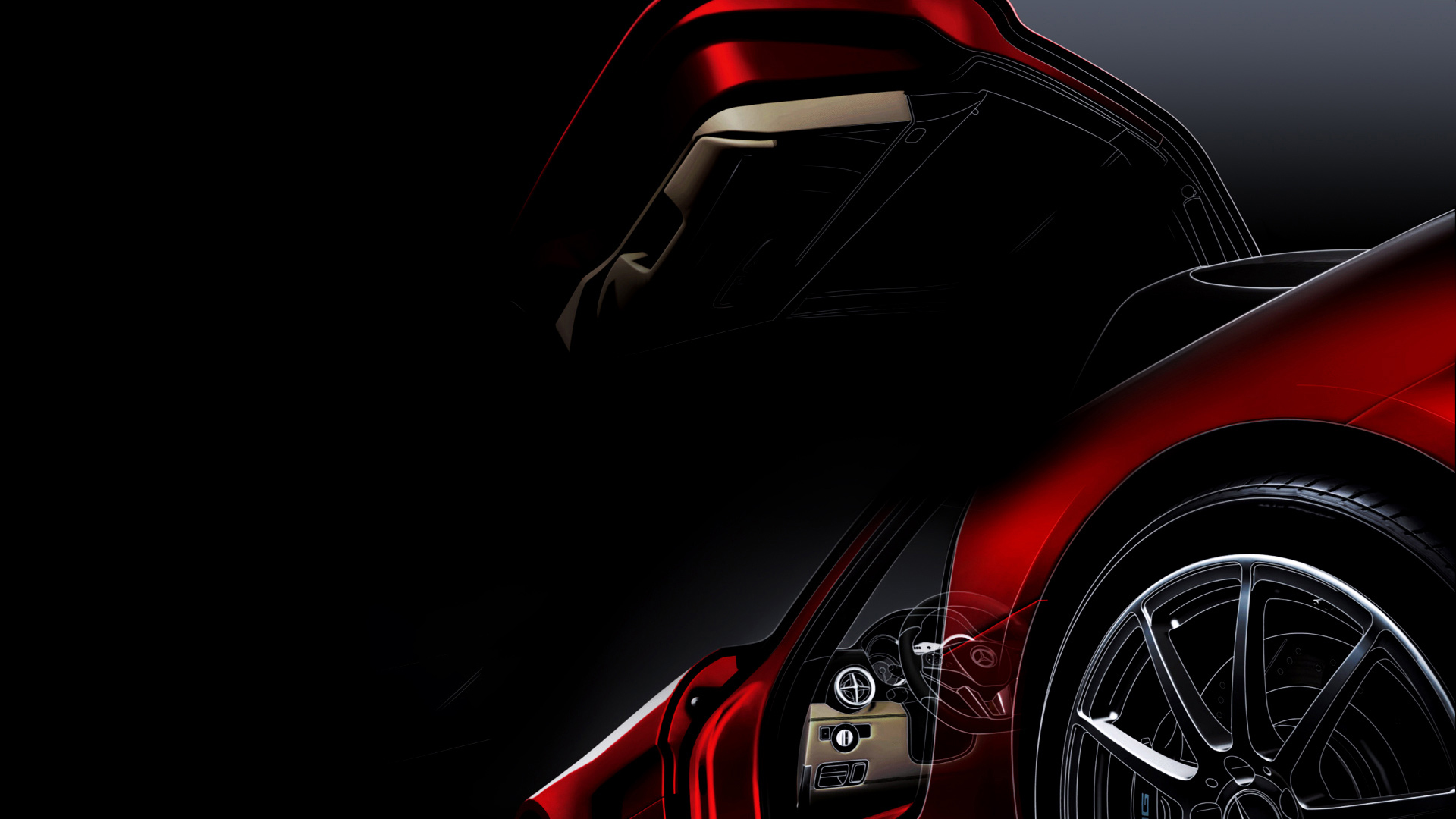
Considered by many fans to be the pinnacle of the classic franchise era, Gran Turismo 4 pushed the PS2 hardware to its technical absolute limits. It featured over 700 vehicles from 80 manufacturers and introduced iconic real-world circuits like Nürburgring Nordschleife and Circuit de la Sarthe. Key innovations included:
- B-Spec Mode: Allowed players to act as race director, issuing strategy commands to AI drivers.
- Photo Mode: A revolutionary feature allowing virtual photographers to capture high-resolution imagery of their garage.
- Advanced Driving Physics: A completely rewritten suspension and physics engine for unprecedented authenticity.
The PlayStation 3 Era: High Definition and Online Integration
Gran Turismo 5 (2010)
The transition to High Definition gaming on the PS3 proved challenging and required extensive development time. When Gran Turismo 5 arrived, it introduced online multiplayer racing, dynamic weather cycles, real-time vehicle damage, night racing, and NASCAR along with WRC licenses. It featured over 1,000 cars, split between meticulously detailed Premium cars and ported Standard models from earlier releases.
Gran Turismo 6 (2013)
Releasing late in the PlayStation 3 life cycle, Gran Turismo 6 streamlined user interfaces, improved load times, and refined suspension behavior through partnerships with tire manufacturer Yokohama and suspension company KW Automotive. The title stood out for its Vision Gran Turismo initiative, where major real-world automotive manufacturers engineered exclusive concept cars specifically for the game.
The PlayStation 4 Era: Pioneering Esports
Gran Turismo Sport (2017)
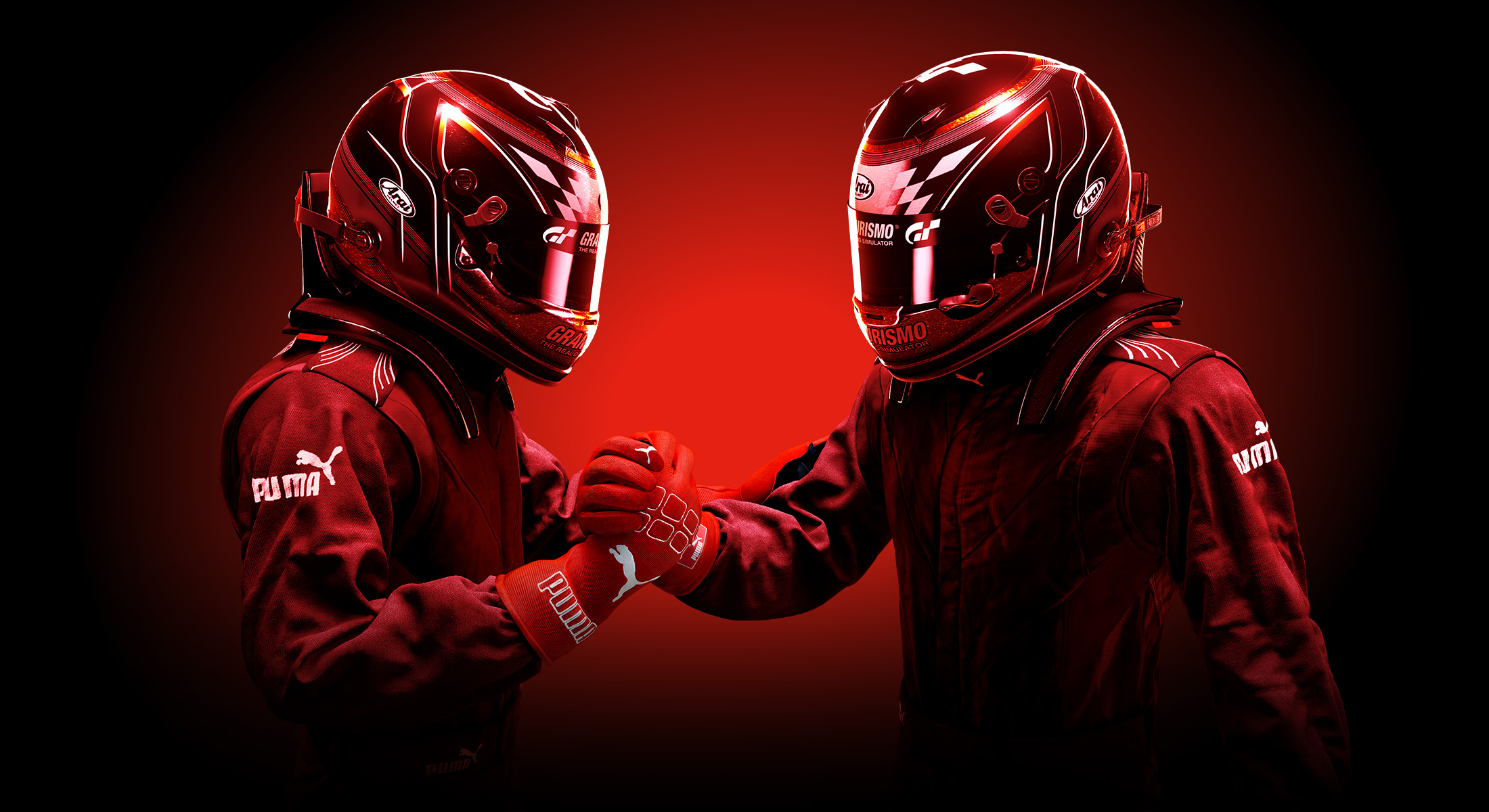
With Gran Turismo Sport, Polyphony Digital took a bold departure from traditional campaign-heavy single-player progression. Instead, the focus shifted entirely toward competitive esports, sportsmanship, and online racing backed by official sanctioning from the FIA (Fédération Internationale de l'Automobile). While initial reactions were mixed due to reduced single-player content at launch, continuous post-launch updates added dozens of tracks, hundreds of cars, and single-player GT League events, rendering it a massive success over time.
The PlayStation 5 Era: A Modern Tribute to Automotive Culture
Gran Turismo 7 (2022)
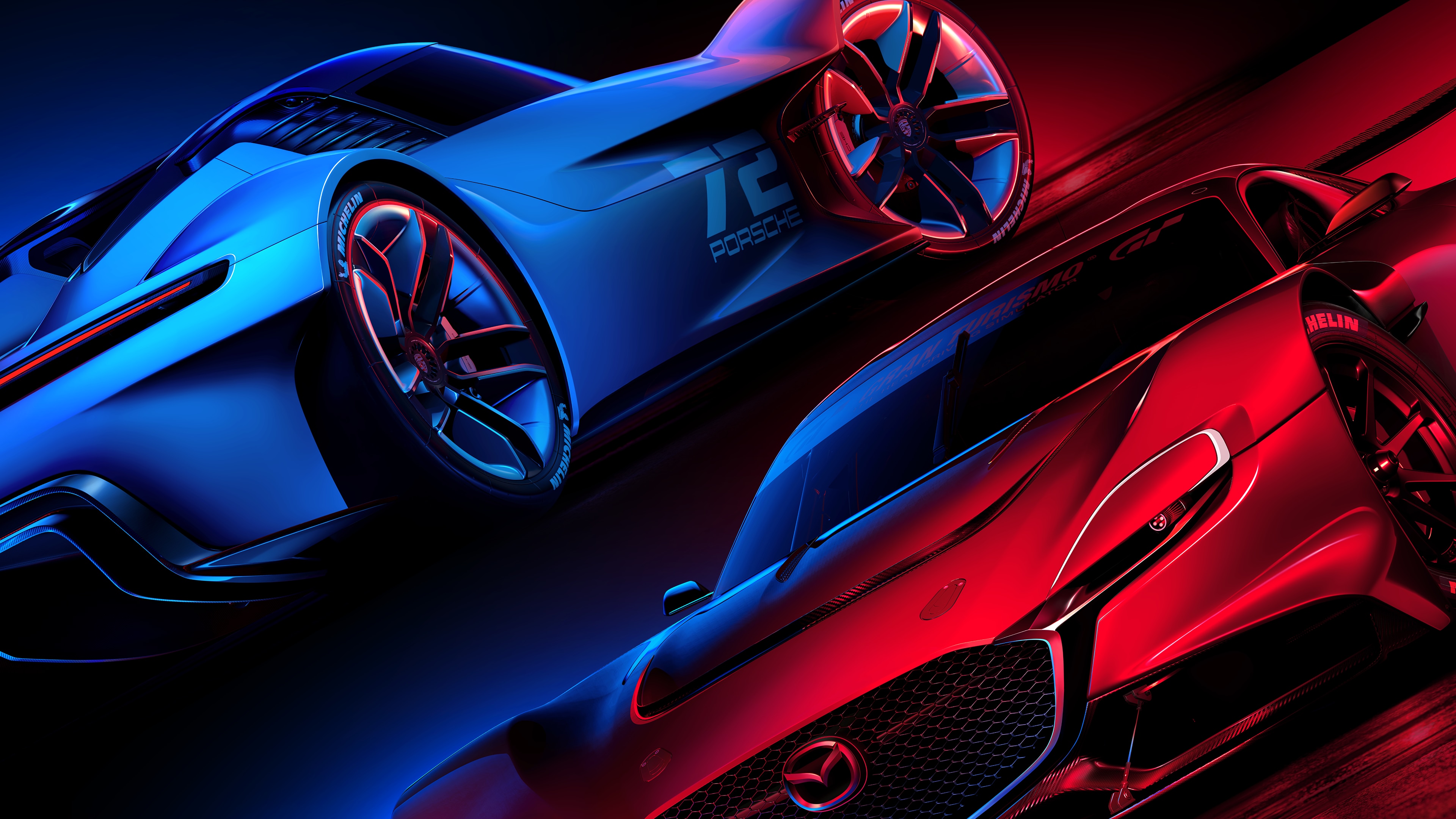
Gran Turismo 7 serves as a culmination of the franchise's entire history. Designed to celebrate automotive culture, it reintroduces the classic single-player map layout alongside GT Café, where players learn about historical vehicles while completing collection tasks. On PS5, the game leverages high-tech features like:
- Haptic Feedback & Adaptive Triggers: Feeling engine vibrations, ABS pulses, and tire traction limits directly through the DualSense controller.
- Ray Tracing: Lifelike dynamic lighting reflections on car chassis and metallic surfaces.
- Dynamic Weather Systems: Realistic cloud formation, puddle accumulation, and dynamic track drying lines.
- PlayStation VR2 Support: Full virtual reality immersion allowing players to experience races directly from the driver seat.
Evolution Across Console Generations
| Game Title | Console | Car Count | Key Milestone |
|---|---|---|---|
| Gran Turismo | PlayStation 1 | 140 | Established console simulation driving genre |
| Gran Turismo 3: A-Spec | PlayStation 2 | 180+ | Major leap in 3D graphic rendering & reflections |
| Gran Turismo 5 | PlayStation 3 | 1,000+ | Introduced online play, dynamic weather, and HD graphics |
| Gran Turismo Sport | PlayStation 4 | 330+ | Esports orientation, FIA integration, driver rating systems |
| Gran Turismo 7 | PS4 / PS5 | 500+ | Full PSVR2 implementation, DualSense haptics, dynamic sky simulation |
Frequently Asked Questions
Which game in the franchise sold the most copies?
Gran Turismo 3: A-Spec remains the best-selling entry in the franchise history, selling over 14 million copies globally on the PlayStation 2.
What is GT Academy?
GT Academy was a landmark esports program operated jointly by Nissan and Polyphony Digital from 2008 to 2016. It offered top virtual racers in games like Gran Turismo 5 real-world driver training, allowing successful gamers to transition into actual professional motorsport racing careers.
Final Thoughts
The evolution of Polyphony Digital's flagship franchise reflects the evolution of video games as an art form and technical engineering feat. From pixelated sports cars on original CRT televisions to photorealistic ray-traced supercars inside virtual reality headsets, Gran Turismo 7 stands as a testament to Kazunori Yamauchi's unwavering passion for car history, technology, and racing performance.
