


Introduction
When Ghost of Tsushima arrived in the summer of 2020, it served as a triumphant swan song for the PlayStation 4 generation. Developed by Sucker Punch Productions, the open-world action-adventure game captivated millions with its striking artistic style, fluid sword combat, and deep reverence for classic Japanese samurai cinema. However, the game as we know it today did not appear overnight, nor did its journey end at launch.
Over the years, Ghost of Tsushima underwent a remarkable evolution. Through free multiplayer updates, an expanded director's cut, a acclaimed PC port, and the announcement of a spiritual successor, the title evolved from a single console exclusive into a cornerstone franchise for Sony Interactive Entertainment. Here is the story of how Ghost of Tsushima became a modern gaming phenomenon.
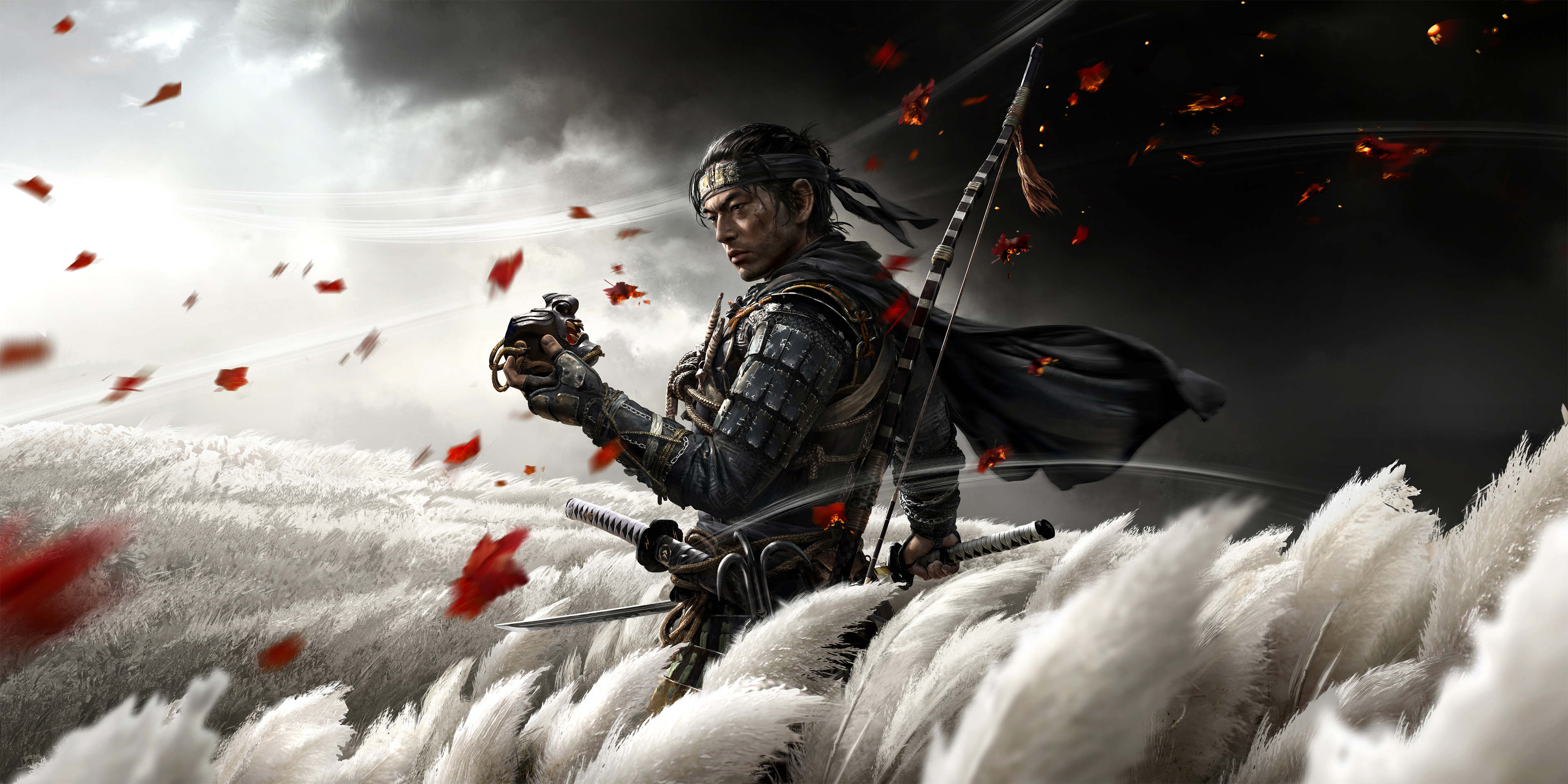
From Superhero Alleyways to Feudal Japan
Prior to creating samurai epics, Sucker Punch Productions was best known for the superhero open-world series Infamous and the stealth platformer franchise Sly Cooper. Following the release of Infamous: Second Son and its standalone expansion Infamous First Light, the studio sought a radical shift in creative direction.
The team experimented with several prototypes, including a pirate-themed game and a steampunk concept, before settling on 13th-century Japan during the first Mongol invasion of Tsushima Island. Transitioning from the modern urban jungles of Seattle to historical rural Japan required immense historical research, cultural collaboration with Japanese advisors, and a complete overhaul of the studio's open-world design philosophy.
The 2020 PS4 Launch: A Masterclass in Visual Design
When Ghost of Tsushima debuted on PlayStation 4 in July 2020, it immediately stood out for its minimalist user interface and atmospheric design choices. Instead of relying on cluttered mini-maps or intrusive waypoint lines, Sucker Punch introduced the "Guiding Wind," a mechanic that allowed players to follow environmental breeze effects to reach their destinations naturally.
The gameplay beautifully balanced two distinct playstyles reflecting protagonist Jin Sakai's internal narrative struggle:
- The Samurai Way: Honorable, face-to-face combat utilizing deadly sword stances, parries, and lethal strikes.
- The Ghost Way: Stealth tactics, fear tactics, smoke bombs, and assassination tools frowned upon by traditional samurai code.
Combined with a dedicated Kurosawa Mode—a black-and-white cinematic filter created in partnership with Akira Kurosawa's estate—the original release was both a commercial powerhouse and a critical triumph.
Expanding the Legend: The Multiplayer Transformation
Few expected a story-driven single-player title to receive a robust multiplayer mode, but in October 2020, Sucker Punch surprised fans with Ghost of Tsushima: Legends. Offered as a free content update for base game owners, this mode shifted the narrative focus from historical realism to supernatural Japanese mythology and folklore.
Players could choose from four specialized classes—Samurai, Hunter, Ronin, and Assassin—to take on wave-based survival missions, story chapters, and high-difficulty raids. Ghost of Tsushima: Legends was so well-received that Sony eventually released it as a standalone multiplayer purchase, significantly extending the game's lifespan.
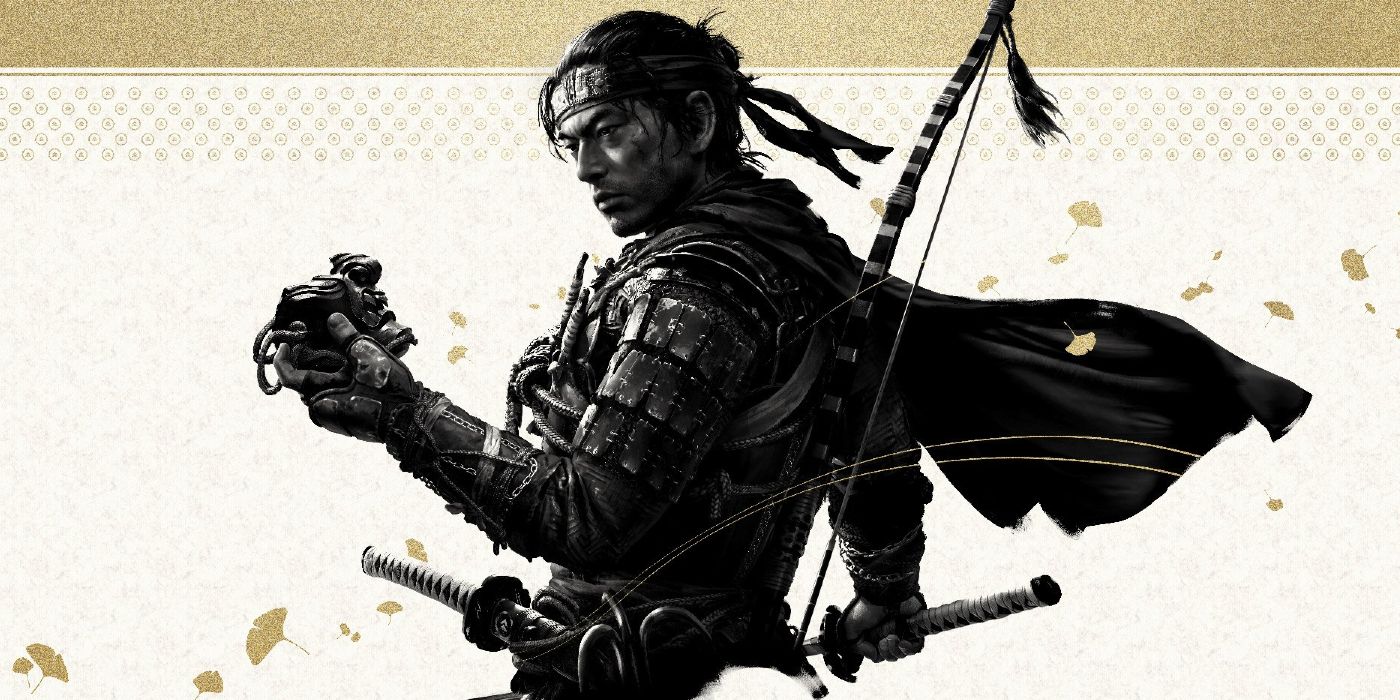
Refining the Blade: Ghost of Tsushima Director's Cut
In August 2021, Sucker Punch released Ghost of Tsushima Director's Cut for both PlayStation 4 and PlayStation 5. This definitive edition brought major additions to the core experience, most notably the Iki Island expansion.
The Iki Island storyline forced Jin Sakai to confront his family's dark past and personal trauma while battling a new Mongol faction led by an enigmatic shaman known as the Eagle. Beyond narrative content, the PS5 version unlocked full advantage of next-gen hardware features:
- Dynamic 4K resolution targeting 60 frames per second.
- Near-instant loading times leveraging the PS5 high-speed SSD.
- DualSense haptic feedback and adaptive trigger support for bow tension and sword strikes.
- Japanese lip-syncing rendered in real-time for cutscenes.
- 3D spatial audio support.
Breaking Boundaries: The PC Release
In May 2024, the game reached an entirely new demographic with the release of Ghost of Tsushima Director's Cut on PC. Ported by Nixxes Software, the PC version introduced ultra-wide monitor support, unlocked framerates, and modern performance-scaling technologies like NVIDIA DLSS 3, AMD FSR 3, and Intel XeSS.
The PC release also marked a major milestone for PlayStation's broader PC expansion strategy, incorporating the PlayStation Overlay for PC, enabling cross-play between PC and console players in Ghost of Tsushima: Legends and sharing PlayStation Trophies across platforms.
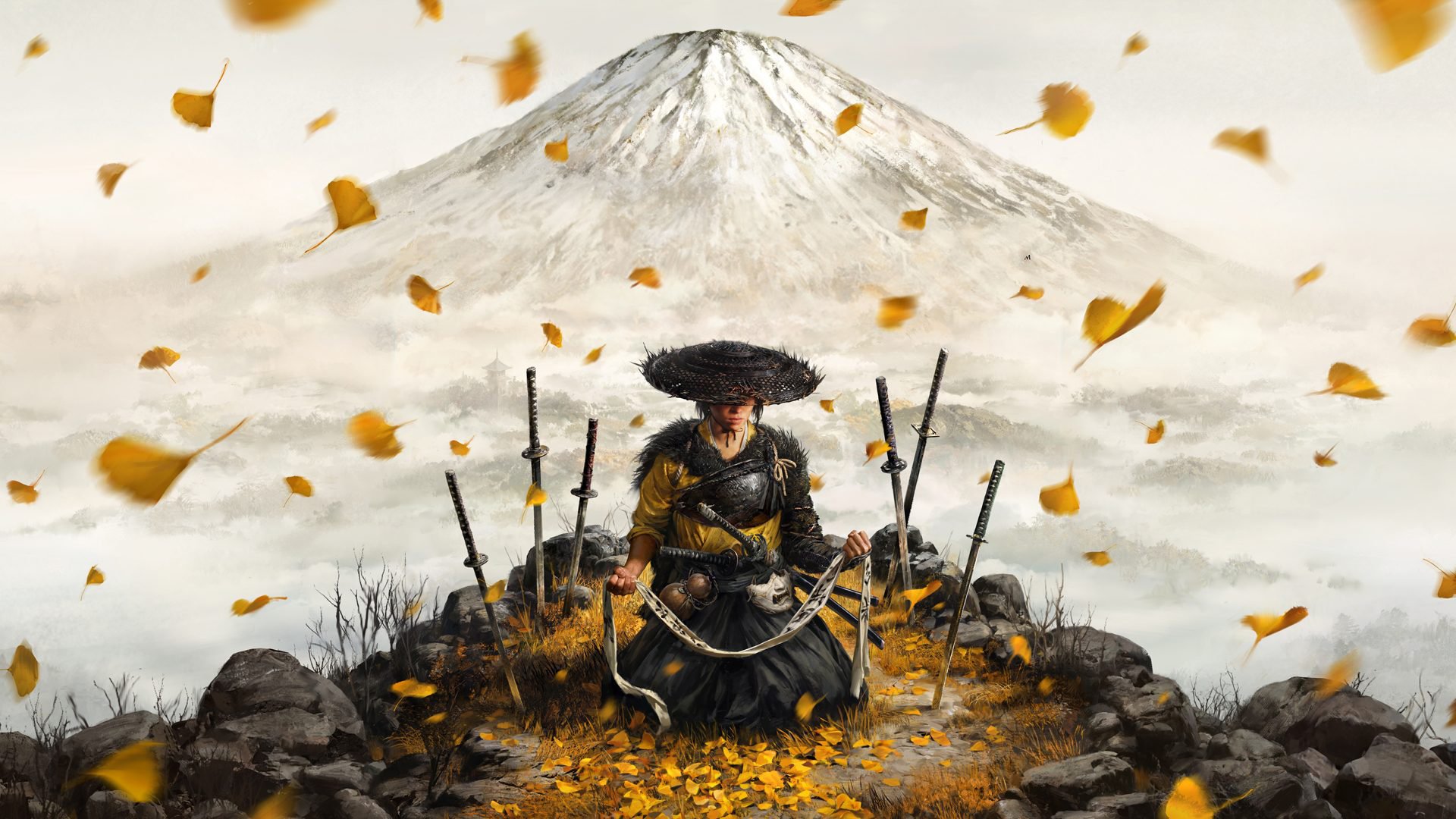
The Future: From Jin Sakai to Ghost of Yōtei
The legacy of Jin Sakai paved the way for the next evolution in the franchise. In September 2024, Sony announced Ghost of Yōtei, a brand-new adventure set in 1603 around Mount Yōtei in Ezo (modern-day Hokkaido).
Featuring a new protagonist named Atsu and set over 300 years after the events of Ghost of Tsushima, this sequel represents the maturation of the "Ghost" IP into an anthology format, proving that Sucker Punch's historical action formula has a bright and expansive future ahead.
Frequently Asked Questions
Is Ghost of Tsushima Director's Cut worth playing?
Yes, absolutely. The Director's Cut includes the substantial Iki Island expansion, visual enhancements, DualSense haptics, faster loading times on PS5, and real-time Japanese lip-syncing, making it the ultimate way to experience the game.
Can you play Ghost of Tsushima: Legends without finishing the main story?
Yes, Ghost of Tsushima: Legends can be played independently from the single-player campaign, though playing the story mode first helps players get comfortable with the core combat controls.
Will Ghost of Yōtei continue Jin Sakai's story?
No, Ghost of Yōtei takes place over 300 years after Jin Sakai's era and focuses on a new protagonist named Atsu in the region surrounding Mount Yōtei.
Final Thoughts
The evolution of Ghost of Tsushima is a prime example of post-launch game support done right. From its beginnings as a creative risk by Sucker Punch Productions to a cross-platform powerhouse spanning consoles, PC, and upcoming sequels like Ghost of Yōtei, the journey of the Ghost stands as one of PlayStation's most impressive modern achievements.
