The Dishwasher: Dead Samurai (2009) Review
Back in 2009, the Xbox Live Arcade (XBLA) digital storefront was experiencing a golden age of creative indie releases. Among the standout titles of this era was The Dishwasher: Dead Samurai, a fast-paced, ultra-violent, 2D side-scrolling beat 'em up that captivated players with its lightning-fast combat and distinct visual identity.
Context and History
Developed almost entirely by a single developer, James Silva, The Dishwasher: Dead Samurai rose to prominence after winning Microsoft's 2007 Dream-Build-Play competition. Winning the contest landed Silva a publishing deal on Xbox Live Arcade, proving that solo developers could make a massive splash on major console platforms. The success of this game essentially birthed Ska Studios, an indie powerhouse that later created acclaimed titles like The Dishwasher: Vampire Smile and Salt and Sanctuary.
Story and Narrative
The game follows the dark, hyper-violent journey of a nameless dishwasher who is murdered and subsequently resurrected as a vengeance-driven undead warrior. Infused with dark magic and armed with a suite of brutal weapons, the protagonist embarks on a bloody quest against the shadowy force known as the Cyborg Synthesis and its corrupt martial arts leaders.
The narrative is presented primarily through silent comic book strips and stylized, bloody cutscenes. While the story is straightforward—focused squarely on revenge—its bleak, cyberpunk-meets-supernatural atmosphere creates a uniquely captivating world that keeps players engaged from start to finish.
Graphics and Visual Style
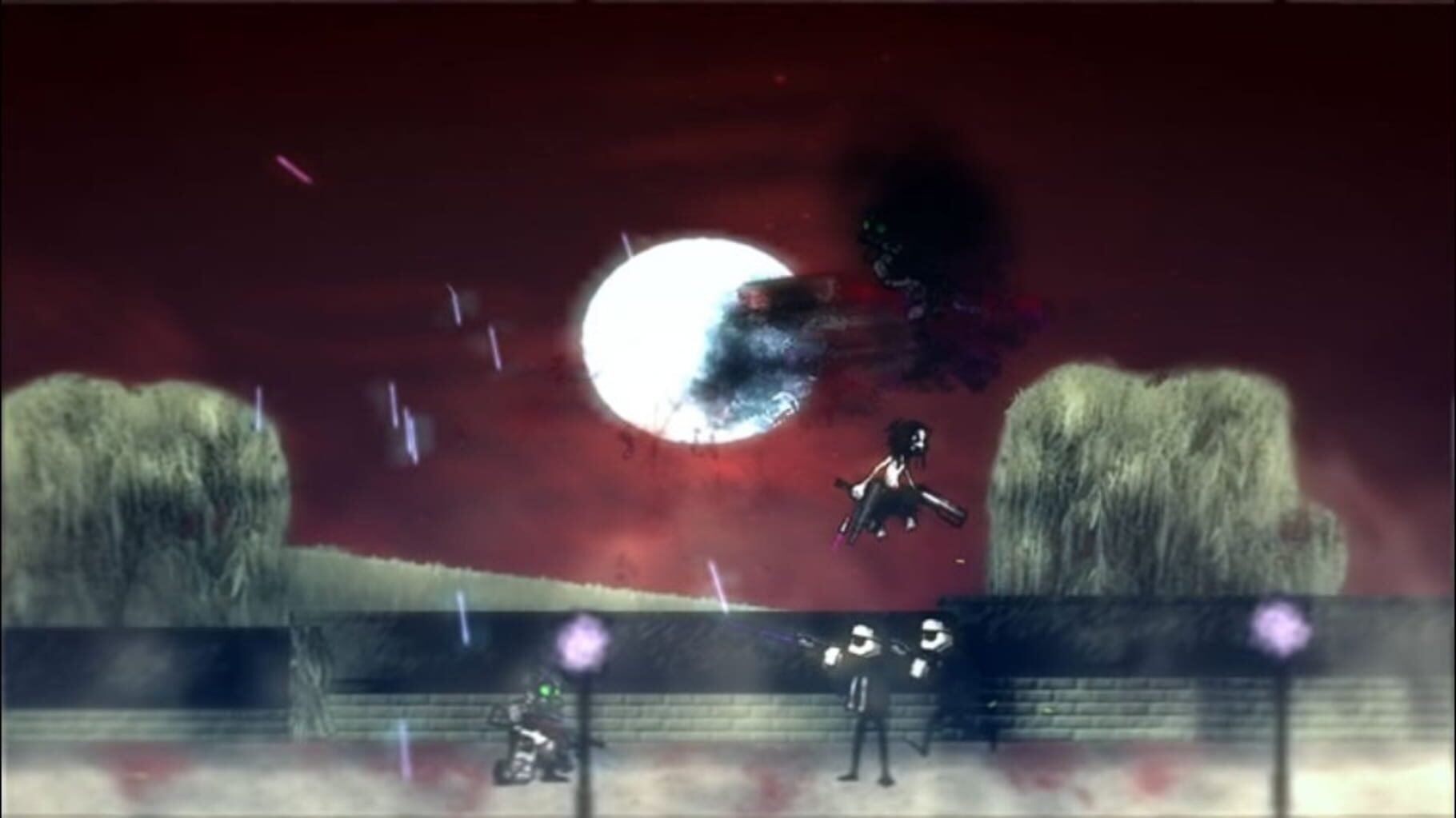
Visually, The Dishwasher: Dead Samurai is unmistakable. It features a hand-drawn, high-contrast monochrome graphic novel style drenched in bright crimson blood. The heavily inked 2D character models, atmospheric lighting, and dark weather effects give the game a gritty, oppressive mood reminiscent of classic visual works like Sin City.
Complementing the grim art style is an intense, heavy soundtrack featuring sharp guitar riffs and frantic electronic beats. The sound design amplifies every blade slash, execution, and parry, providing combat with an immensely satisfying feel.
Developer: Ska Studios
The game serves as the defining origin story for Ska Studios. Founded by James Silva (and later expanded with animator and artist Michelle Juett Silva), the studio became famous for its punk-rock aesthetic, tight mechanics, and challenging gameplay design. The Dishwasher: Dead Samurai established the signature hand-drawn art style and brutal combat systems that Ska Studios refined in subsequent games.
Gameplay and Mechanics
At its core, the title is a high-skill hack-and-slash brawler. Players have access to an array of lethal weapons, including meat cleavers, a katana, a massive chainsaw, and dual-wielded mini-guns. Combat relies on high-speed combos, air juggling, teleportation dodges (Shadow Step), and visceral finishing moves that require precise execution.
Platforms and Availability
The Dishwasher: Dead Samurai was released exclusively on the Xbox 360 via Xbox Live Arcade on April 1, 2009. Unlike its sequel, Vampire Smile, the original game has remained largely bound to the Xbox 360 library and is not directly available on modern platforms like PC or modern Xbox backward compatibility programs. Retro digital game enthusiasts will need an Xbox 360 console to play the original version today.
Overview Summary
| Feature | Details |
|---|---|
| Developer | Ska Studios (James Silva) |
| Release Date | April 1, 2009 |
| Genre | 2D Side-Scrolling Action / Hack and Slash |
| Platform | Xbox 360 (Xbox Live Arcade) |
| Visual Style | Hand-Drawn Monochrome with High-Contrast Gore |
Final Verdict and Recommendation
The Dishwasher: Dead Samurai remains a triumph of indie game design and a key landmark of the 2000s console indie boom. Its adrenaline-fueled combat, memorable aesthetic, and steep challenge make it a standout action game for hack-and-slash fans. While its limited platform availability makes it harder to access today, it stands as an essential piece of indie gaming history.
Final Score: 8.5/10 — Highly Recommended for action and indie history enthusiasts.